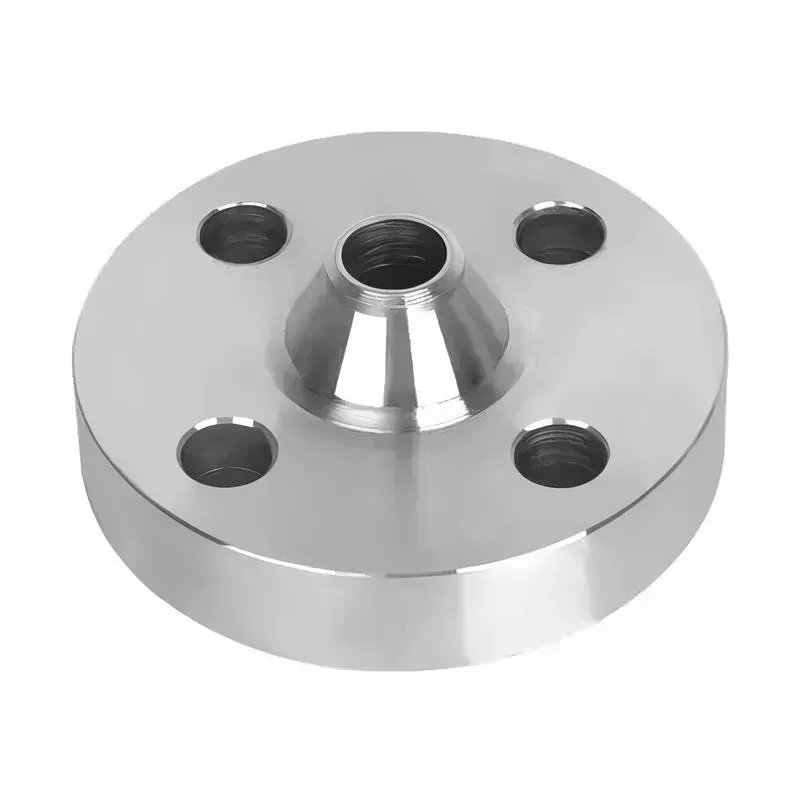
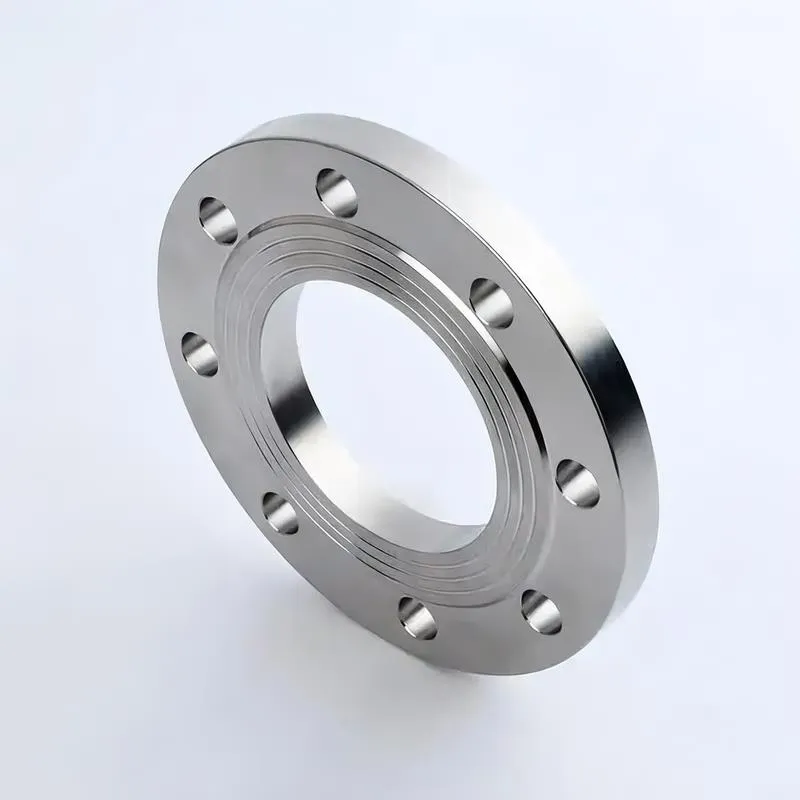
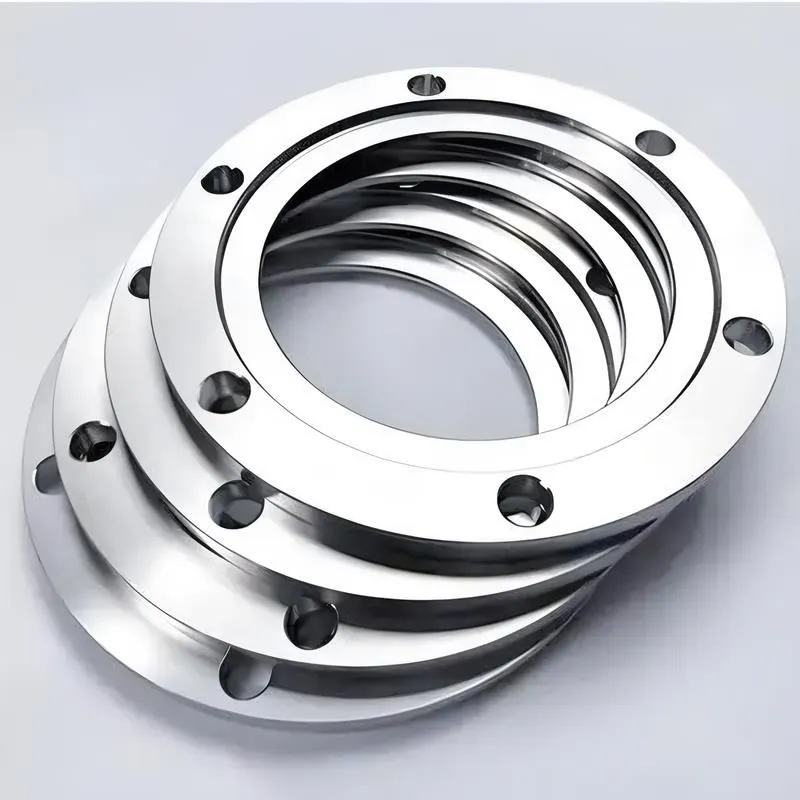
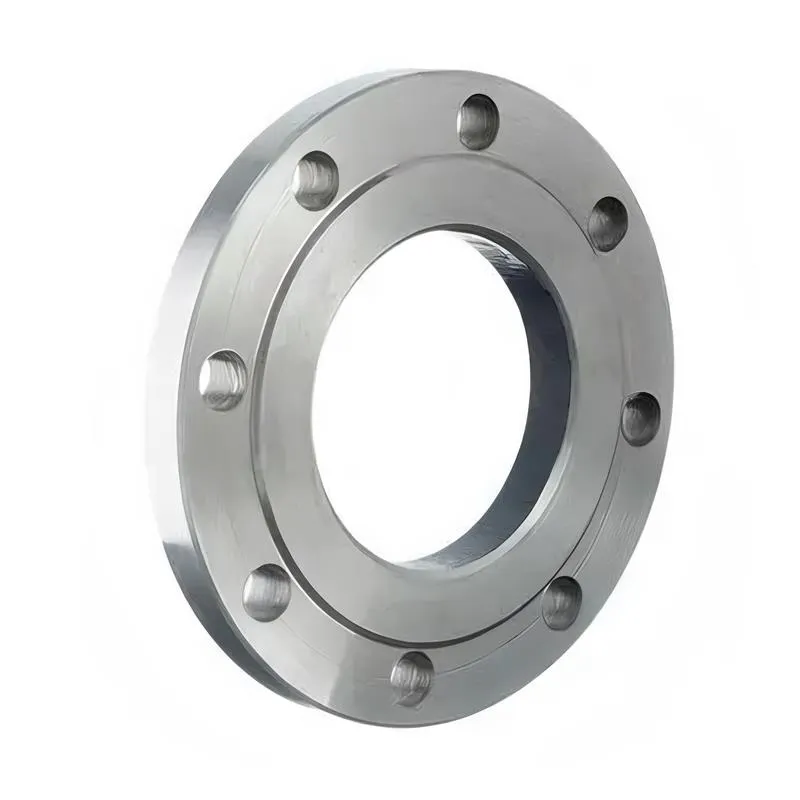
1,We Manufacturing processes are primarily classified into four types:
1:Forging,
2:Casting,
3:Cutting,
4:Rolling.
2,We can manufacture in accordance with these standards.
Standards:
GB Series (Chinese Standards), JB Series (Machinery Standards), HG Series (Chemical Industry Standards), ASME B16.5 (American Standards), BS4504 (British Standards), DIN (German Standards), and JIS (Japanese Standards).
Internationally, there are two primary systems of pipe flange standards: the European system, represented by the German DIN standards (including those of the former Soviet Union), and the American system, represented by the US ANSI pipe flange standards. Other common standards include: the Chinese Ministry of Machinery Industry standards (JB series), the Ministry of Chemical Industry standards (HG series), the Chinese National Standard *GB/T 9112–9124-2010 Steel Pipe Flanges*, as well as US standards (ASME B16.5), British standards (BS4504), German standards (DIN), Japanese standards (JIS), and marine standards (CBM), among others.
The nominal pressure ratings for the PN series are designated by "PN" and comprise the following nine levels: PN2.5, PN6, PN10, PN16, PN25, PN40, PN63, PN100, and PN160.
The nominal pressure ratings for the Class series are designated by "Class" and comprise the following six levels: Class150, Class300, Class600, Class900, Class1500, and Class2500.
Flange Classification
1. **According to Chemical Industry Standards:** Flanges are classified as follows:
Plate Flat Welding Flange (PL), Necked Flat Welding Flange (SO), Necked Butt Welding Flange (WN), Integral Flange (IF), Socket Welding Flange (SW), Threaded Flange (Th), Butt Welding Ring Loose Flange (PJ/SE), Blind Flange (BL), Flat Welding Ring Loose Flange (PJ/PJ), and Lined Blind Flange (BL(s)).
2. **According to Petrochemical (SH) Industry Standards:** Flanges are classified as follows:
Threaded Flange (PL), Butt Welding Flange (WN), Flat Welding Flange (SO), Socket Welding Flange (SW), Loose Flange (LJ), and Blind Flange (no specific designation).
3. **According to Machinery (JB) Industry Standards:** Flanges are classified as follows:
Integral Flange, Butt Welding Flange, Plate Flat Welding Flange, Butt Welding Ring Plate Loose Flange, Flat Welding Ring Plate Loose Flange, Lap Joint Ring Plate Loose Flange, and Blind Flange.
4. **According to Connection Method/Type:** Flanges are classified as follows:
Plate Flat Welding Flange, Necked Flat Welding Flange, Necked Butt Welding Flange, Socket Welding Flange, Threaded Flange, Blind Flange, Necked Butt Welding Ring Loose Flange, Flat Welding Ring Loose Flange, Ring-Type Joint (RTJ) Flange and Blind Flange, Large-Diameter Plate Flange, Large-Diameter High-Neck Flange, Figure-8 Blind Plate, Butt Welding Ring Loose Flange, etc.
5. **According to the Component Being Connected:** Flanges can be classified into Vessel Flanges and Pipe Flanges.
6. **According to Structural Type:** Flanges include Integral Flanges, Threaded Flanges, Flat Welding Flanges, Butt Welding Flanges, Lap Joint (Loose/Swivel) Flanges, and Blind Flanges.
A flange—also referred to as a flange plate or rim—is a component used to connect shafts to one another, or, more commonly, to join the ends of pipes. Flanges are also utilized at the inlet and outlet ports of equipment to facilitate connections between two devices—for instance, the flange on a speed reducer. A "flange connection" or "flanged joint" refers to a detachable joint assembly comprising three interconnected elements—a flange, a gasket, and bolts—that together form a sealed structural unit. In the context of piping systems, a "pipe flange" specifically denotes a flange used for plumbing within the installation; when applied to equipment, it refers to the inlet or outlet flange of that specific device. Flanges feature a series of holes through which bolts are inserted to securely fasten the two flanges together, while a gasket placed between the flanges ensures a leak-proof seal. Flanges are broadly categorized into three types: threaded (screw-in) flanges, welded flanges, and clamp-type flanges. Flanges are invariably used in pairs; threaded flanges are suitable for low-pressure piping applications, whereas welded flanges are required for systems operating at pressures exceeding 4 kilograms per square centimeter. A sealing gasket is inserted between the two flange plates, which are then firmly secured using bolts. The thickness of a flange—as well as the specifications of the bolts used to fasten it—vary depending on the specific pressure rating required for the application. When connecting equipment such as water pumps or valves to piping systems, the corresponding connection points on these devices are often manufactured in the shape of a matching flange; this method of attachment is also referred to as a "flange connection." Generally, any connecting component that utilizes bolts to join and seal the perimeters of two flat surfaces—such as the joints in ventilation ducts—is termed a "flange"; such components may collectively be classified as "flange-type parts." However, since such a connection often constitutes merely a *portion* of a larger device—for instance, the interface between a flange and a water pump—it would be inappropriate to classify the entire water pump itself as a "flange-type part." Conversely, smaller components—such as valves—that feature such flanged interfaces may indeed be appropriately categorized as "flange-type parts."
-:-
For detailed product information, please contact sales.
-:
ASTM A782 Low Alloy Steel Flange, Class 1 Product Information
-:-
For detailed product information, please contact sales.
-:
ASTM A782 Low Alloy Steel Flange, Class 1 Synonyms
-:-
For detailed product information, please contact sales.
-:
ASTM A782 Low Alloy Steel, Class 1 Product Information
-:-
For detailed product information, please contact sales.
-:
# **Product Introduction: ASTM A782/A782M Class 1 Low-Alloy Steel**
**ASTM A782/A782M Class 1** is a **high-strength, low-alloy (HSLA) steel** specifically designed for **structural and general construction applications where enhanced atmospheric corrosion resistance is required**. As a **weathering steel**, it develops a dense, adherent protective oxide layer (patina) when exposed to atmospheric conditions, resulting in **corrosion resistance approximately four to six times greater than that of conventional carbon structural steels**. This characteristic allows it to be used in **unpainted applications**, significantly reducing long-term maintenance costs. The steel achieves its specified mechanical properties through a combination of alloying elements and controlled rolling, typically supplied in the **as-rolled condition**.
---
## **International Standard & Key Specifications**
* **Primary Standard:** **ASTM A782/A782M** - Standard Specification for Pressure Vessel Plates, Alloy Steel and High-Strength Low-Alloy Steel, for Moderate and Lower Temperature Service.
* **Important Note:** Despite being listed under pressure vessel plates, this specification and its classes are **predominantly used in structural applications** due to their weathering steel properties. The title reflects its material quality standard, not its exclusive application.
* **Related Structural Standards:**
* **ASTM A588/A588M** - A more commonly referenced standard for structural weathering steel (Grade A, B, C, K).
* **ASTM A6/A6M** - General Requirements for Rolled Structural Steel.
* **AASHTO M270M/M270** - For bridge construction (when specified).
* **Governing Standard:** **ASTM A20/A20M** - Standard Specification for General Requirements for Steel Plates for Pressure Vessels (for plate product).
---
## **Chemical Composition (Weight %, max unless range is specified)**
The composition is carefully formulated to promote the formation of a stable, protective rust patina and to achieve the required strength through a combination of solid solution and precipitation strengthening.
| Element | Composition Range (%) | Role in Performance |
| :--- | :--- | :--- |
| **Carbon (C)** | ≤ 0.19 | Provides base strength while maintaining good weldability. |
| **Manganese (Mn)** | 0.80 - 1.25 | Primary solid-solution strengthener, enhances hardenability. |
| **Phosphorus (P)** | 0.04 max | Enhances atmospheric corrosion resistance (forms protective phosphate layer). |
| **Sulfur (S)** | 0.05 max | Impurity, controlled for improved ductility. |
| **Silicon (Si)** | 0.30 - 0.65 | Deoxidizer, strengthens, and contributes to corrosion resistance. |
| **Copper (Cu)** | **0.25 - 0.40** | **Critical element.** Initiates and stabilizes the protective patina. |
| **Chromium (Cr)** | **0.40 - 0.65** | Enhances corrosion resistance by forming a dense oxide layer. |
| **Nickel (Ni)** | **0.25 - 0.50** | Improves toughness and complements the corrosion resistance of Cu and Cr. |
| **Vanadium (V)** | 0.02 - 0.10 | Microalloy for grain refinement and precipitation strengthening. |
**Key Distinction:** The **Cu + Ni + Cr** combination is the hallmark of weathering steel, with specific minimums and ranges ensuring reliable patina formation in atmospheric exposure.
---
## **Typical Physical & Mechanical Properties**
Properties are for as-rolled structural plates and shapes.
| Property | Value / Description |
| :--- | :--- |
| **Tensile Strength** | 485 - 620 MPa (70,000 - 90,000 psi) |
| **Yield Strength (min)** | **345 MPa (50,000 psi)** |
| **Elongation in 2-in (50 mm) (min)** | 21% |
| **Modulus of Elasticity** | ~200 GPa (29 x 10⁶ psi) |
| **Density** | ~7.85 g/cm³ (0.284 lb/in³) |
| **Charpy V-Notch Impact Toughness** | **Test Temperature:** Typically **70°F (21°C)** for standard structural applications. Minimum energy often 15-20 ft-lbf (20-27 J). For bridge or low-temp use, supplemental requirements apply (e.g., testing at 0°F / -18°C). |
| **Atmospheric Corrosion Resistance** | **4-6 times** greater than plain carbon steel (per long-term exposure tests in rural, industrial, and marine atmospheres). |
| **Brinell Hardness (typical)** | 180 - 220 HBW |
---
## **Product Applications**
ASTM A782 Class 1 is primarily used in exposed structural applications where its self-protecting characteristic and distinctive aesthetic are valued.
**Primary Structural Applications:**
1. **Exposed Building Structures:**
* **Architectural Facades**, **cladding supports**, and **exposed beams/columns**.
* **Bridges** (girders, trusses, bracing).
* **Transmission Towers** and **utility poles**.
2. **Transportation Infrastructure:**
* **Highway Sound Barriers** and **guardrail posts**.
* **Lighting Pole Structures** and **sign supports**.
* **Railway Overpasses** and **station canopies**.
3. **Industrial & Outdoor Structures:**
* **Unpainted Storage Racks** and **shelving systems**.
* **Agricultural Building Frames**.
* **Sculptures** and **art installations**.
4. **Special Applications:**
* **Marine Atmospheric Zone Structures** (not submerged).
* **Mining Headframes** and **conveyor supports**.
---
## **Advantages and Critical Fabrication & Design Considerations**
* **Advantages:**
* **Low Maintenance:** Eliminates need for painting and associated repainting cycles, offering significant lifecycle cost savings.
* **Distinctive Appearance:** Develops an attractive, consistent russet-brown patina over time.
* **Good Strength-to-Weight Ratio:** 50 ksi yield strength enables efficient structural designs.
* **Proven Durability:** Decades of successful use in bridges and buildings worldwide.
* **Critical Fabrication & Design Considerations:**
* **Proper Detailing is Essential:** Design **must** promote rapid drying and avoid moisture traps (e.g., use of drainage holes, avoidance of crevices). Standing water leads to accelerated, non-protective corrosion.
* **Initial Runoff:** The patina formation process (1-3 years) produces rust-stained runoff that can discolor adjacent concrete, masonry, or paving. This must be anticipated in design.
* **Welding:** Requires **low-hydrogen practices** (E7018 electrodes). The weld and immediate HAZ will not form a matching patina and may require touch-up with a weathering-grade paint system for uniform appearance.
* **Not for Continuous Immersion or Buried Service:** The protective mechanism requires wet/dry cycles. It is **unsuitable** for soil contact or permanently submerged applications.
* **Environmental Consideration:** Performance is best in open, well-ventilated atmospheres. Sheltered or constantly damp locations (e.g., deep forest shade) are not ideal.
* **Galvanic Isolation:** Must be electrically isolated from more noble metals (e.g., stainless steel, copper) to prevent accelerated corrosion at contact points.
**In summary, ASTM A782 Class 1 is a versatile, 50 ksi yield strength weathering steel designed for long-life, low-maintenance exposed structures. Its value lies not in its strength alone, but in its engineered ability to protect itself from the atmosphere, creating a durable and aesthetically distinctive finish. Successful use is entirely dependent on correct architectural detailing and an understanding of its specific environmental requirements.**
-:-
For detailed product information, please contact sales.
-:
ASTM A782 Low Alloy Steel, Class 1 Specification
Dimensions
Size:
Diameter 20-1000 mm Length <4537 mm
Size:We can customized as required
Standard:
Per your request or drawing
We can customized as required
Properties(Theoretical)
Chemical Composition
-:-
For detailed product information, please contact sales.
-:
ASTM A782 Low Alloy Steel, Class 1 Properties
-:-
For detailed product information, please contact sales.
-:
Applications of ASTM A782 Low Alloy Steel Flange, Class 1
-:-
For detailed product information, please contact sales.
-:
Chemical Identifiers ASTM A782 Low Alloy Steel Flange, Class 1
-:-
For detailed product information, please contact sales.
-:
Packing of ASTM A782 Low Alloy Steel Flange, Class 1
-:-
For detailed product information, please contact sales.
-:
Standard Packing:
-:-
For detailed product information, please contact sales.
-:
Typical bulk packaging includes palletized plastic 5 gallon/25 kg. pails, fiber and Steel Flange drums to 1 ton super sacks in full container (FCL) or truck load (T/L) quantities. Research and sample quantities and hygroscopic, oxidizing or other air sensitive materials may be packaged under argon or vacuum. Solutions are packaged in polypropylene, plastic or glass jars up to palletized 1008 gallon liquid totes Special package is available on request. E FORUs’ is carefully handled to minimize damage during storage and transportation and to preserve the quality of our products in their original condition