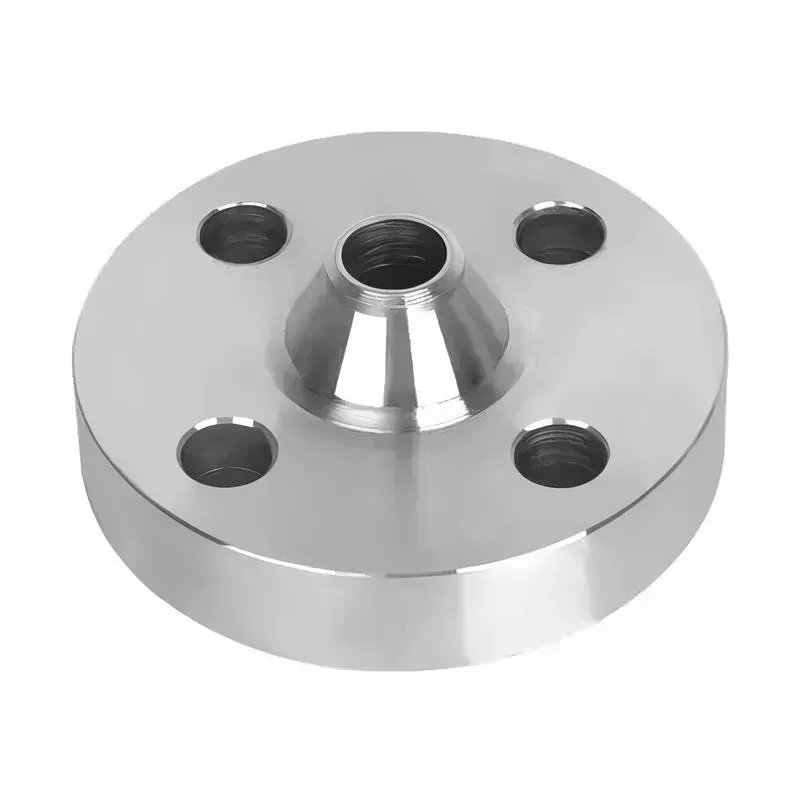
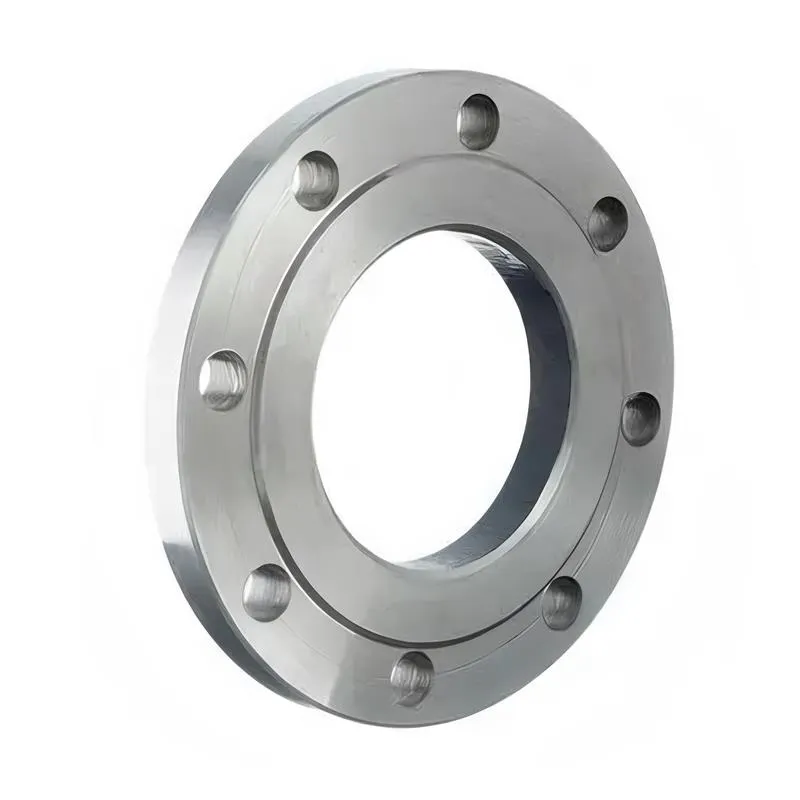
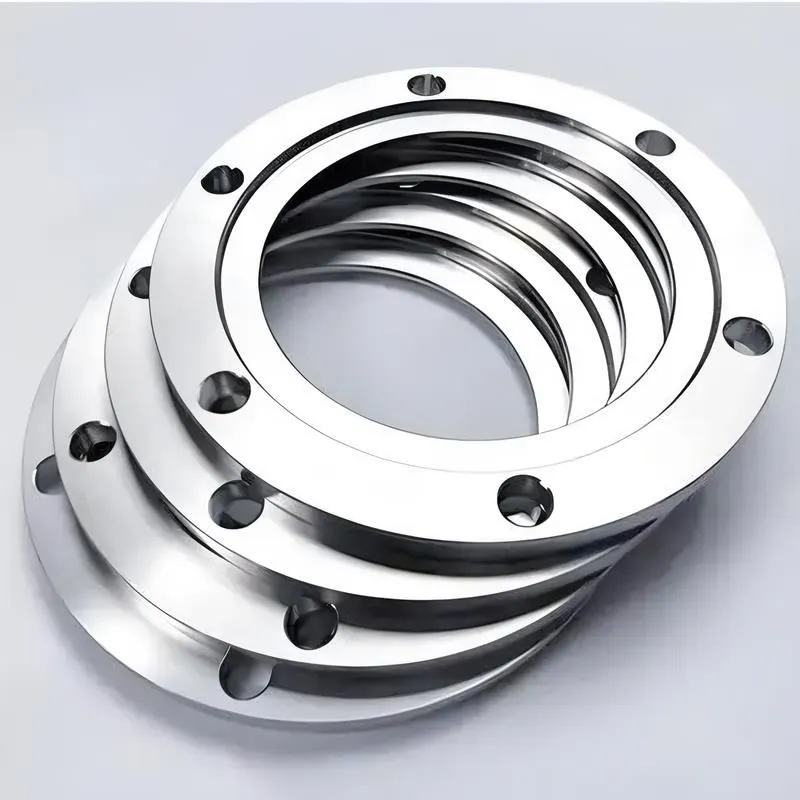
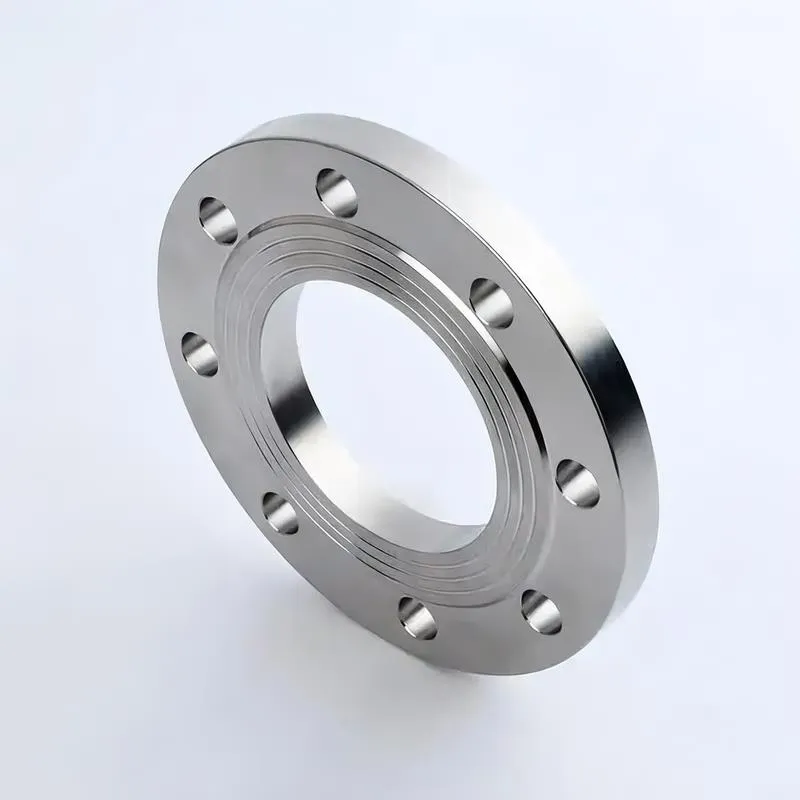
1,We Manufacturing processes are primarily classified into four types:
1:Forging,
2:Casting,
3:Cutting,
4:Rolling.
2,We can manufacture in accordance with these standards.
Standards:
GB Series (Chinese Standards), JB Series (Machinery Standards), HG Series (Chemical Industry Standards), ASME B16.5 (American Standards), BS4504 (British Standards), DIN (German Standards), and JIS (Japanese Standards).
Internationally, there are two primary systems of pipe flange standards: the European system, represented by the German DIN standards (including those of the former Soviet Union), and the American system, represented by the US ANSI pipe flange standards. Other common standards include: the Chinese Ministry of Machinery Industry standards (JB series), the Ministry of Chemical Industry standards (HG series), the Chinese National Standard *GB/T 9112–9124-2010 Steel Pipe Flanges*, as well as US standards (ASME B16.5), British standards (BS4504), German standards (DIN), Japanese standards (JIS), and marine standards (CBM), among others.
The nominal pressure ratings for the PN series are designated by "PN" and comprise the following nine levels: PN2.5, PN6, PN10, PN16, PN25, PN40, PN63, PN100, and PN160.
The nominal pressure ratings for the Class series are designated by "Class" and comprise the following six levels: Class150, Class300, Class600, Class900, Class1500, and Class2500.
Flange Classification
1. **According to Chemical Industry Standards:** Flanges are classified as follows:
Plate Flat Welding Flange (PL), Necked Flat Welding Flange (SO), Necked Butt Welding Flange (WN), Integral Flange (IF), Socket Welding Flange (SW), Threaded Flange (Th), Butt Welding Ring Loose Flange (PJ/SE), Blind Flange (BL), Flat Welding Ring Loose Flange (PJ/PJ), and Lined Blind Flange (BL(s)).
2. **According to Petrochemical (SH) Industry Standards:** Flanges are classified as follows:
Threaded Flange (PL), Butt Welding Flange (WN), Flat Welding Flange (SO), Socket Welding Flange (SW), Loose Flange (LJ), and Blind Flange (no specific designation).
3. **According to Machinery (JB) Industry Standards:** Flanges are classified as follows:
Integral Flange, Butt Welding Flange, Plate Flat Welding Flange, Butt Welding Ring Plate Loose Flange, Flat Welding Ring Plate Loose Flange, Lap Joint Ring Plate Loose Flange, and Blind Flange.
4. **According to Connection Method/Type:** Flanges are classified as follows:
Plate Flat Welding Flange, Necked Flat Welding Flange, Necked Butt Welding Flange, Socket Welding Flange, Threaded Flange, Blind Flange, Necked Butt Welding Ring Loose Flange, Flat Welding Ring Loose Flange, Ring-Type Joint (RTJ) Flange and Blind Flange, Large-Diameter Plate Flange, Large-Diameter High-Neck Flange, Figure-8 Blind Plate, Butt Welding Ring Loose Flange, etc.
5. **According to the Component Being Connected:** Flanges can be classified into Vessel Flanges and Pipe Flanges.
6. **According to Structural Type:** Flanges include Integral Flanges, Threaded Flanges, Flat Welding Flanges, Butt Welding Flanges, Lap Joint (Loose/Swivel) Flanges, and Blind Flanges.
A flange—also referred to as a flange plate or rim—is a component used to connect shafts to one another, or, more commonly, to join the ends of pipes. Flanges are also utilized at the inlet and outlet ports of equipment to facilitate connections between two devices—for instance, the flange on a speed reducer. A "flange connection" or "flanged joint" refers to a detachable joint assembly comprising three interconnected elements—a flange, a gasket, and bolts—that together form a sealed structural unit. In the context of piping systems, a "pipe flange" specifically denotes a flange used for plumbing within the installation; when applied to equipment, it refers to the inlet or outlet flange of that specific device. Flanges feature a series of holes through which bolts are inserted to securely fasten the two flanges together, while a gasket placed between the flanges ensures a leak-proof seal. Flanges are broadly categorized into three types: threaded (screw-in) flanges, welded flanges, and clamp-type flanges. Flanges are invariably used in pairs; threaded flanges are suitable for low-pressure piping applications, whereas welded flanges are required for systems operating at pressures exceeding 4 kilograms per square centimeter. A sealing gasket is inserted between the two flange plates, which are then firmly secured using bolts. The thickness of a flange—as well as the specifications of the bolts used to fasten it—vary depending on the specific pressure rating required for the application. When connecting equipment such as water pumps or valves to piping systems, the corresponding connection points on these devices are often manufactured in the shape of a matching flange; this method of attachment is also referred to as a "flange connection." Generally, any connecting component that utilizes bolts to join and seal the perimeters of two flat surfaces—such as the joints in ventilation ducts—is termed a "flange"; such components may collectively be classified as "flange-type parts." However, since such a connection often constitutes merely a *portion* of a larger device—for instance, the interface between a flange and a water pump—it would be inappropriate to classify the entire water pump itself as a "flange-type part." Conversely, smaller components—such as valves—that feature such flanged interfaces may indeed be appropriately categorized as "flange-type parts."
-:-
For detailed product information, please contact sales.
-:
Bethlehem Steel Flange Mayari ASTM A242-87 TYPE 1 (MAYARI-R) 3/16 to 3/4 in. thick, Steel Flange plate Product Information
-:-
For detailed product information, please contact sales.
-:
Bethlehem Steel Flange Mayari ASTM A242-87 TYPE 1 (MAYARI-R) 3/16 to 3/4 in. thick, Steel Flange plate Synonyms
-:-
For detailed product information, please contact sales.
-:
Bethlehem Steel Mayari ASTM A242-87 TYPE 1 (MAYARI-R) 3/16 to 3/4 in. thick, steel plate Product Information
-:-
For detailed product information, please contact sales.
-:
# **Bethlehem Steel Mayari® R ASTM A242-87 Type 1 (3/16" to 3/4" thick) High-Strength Low-Alloy Weathering Steel Plate**
---
## **1. Overview**
Bethlehem Steel's **Mayari R**, conforming to **ASTM A242-87 Type 1**, is a premium high-strength, low-alloy (HSLA) **weathering steel** plate. Engineered specifically for the **3/16" to 3/4" (0.1875" to 0.75") thickness range**, this material is distinguished by its ability to form a tight, protective, and self-healing oxide layer (patina) when exposed to the atmosphere. The "Mayari" name is a proprietary Bethlehem brand, synonymous with enhanced performance weathering steel. This product delivers a superior combination of **increased yield strength** (50 ksi minimum), **excellent atmospheric corrosion resistance** (typically 4-8 times that of plain carbon steel), and **good weldability and formability**. It was designed for structural applications where maintenance-free longevity, aesthetic appeal of a natural rust finish, and weight savings through higher strength are paramount.
---
## **2. International Standards**
This product conforms to the following key standards, with specific reference to its weathering characteristics:
* **Primary Standard: ASTM A242 / A242M - 87:** Standard Specification for High-Strength Low-Alloy Structural Steel.
* **Type 1:** Denotes steel supplied with enhanced atmospheric corrosion resistance. The chemistry is specifically tailored to form a protective patina.
* **Proprietary Designation:** **Mayari R** (the "R" often signifies "rolled" or a specific grade within the Mayari family). This was Bethlehem's trade name for a superior weathering steel meeting and exceeding ASTM A242.
* **Related Specifications:**
* **ASTM A588 / A588M:** Another common weathering steel specification. Mayari R's performance and chemistry are comparable, often positioned as a premium alternative.
* **AASHTO M270 Gr. 50W:** The standard for weathering steel in highway bridge construction.
---
## **3. Chemical Composition (Typical, % by Weight)**
The unique chemistry is the source of its weathering and strength properties. Key alloying elements promote the formation of a dense, adherent rust layer.
| Element | Content (Typical / ASTM A242 Type 1 Range) | Role & Implication |
| :--- | :--- | :--- |
| **Carbon (C)** | 0.10% - 0.19% | Kept low for weldability and toughness. Strength derived from other elements. |
| **Manganese (Mn)** | 0.80% - 1.25% | Primary strengthener and aids in deoxidation. |
| **Phosphorus (P)** | 0.04% - 0.10% | **Key weathering element.** Promotes the formation of the protective phosphate-rich patina layer. Higher than in non-weathering steels. |
| **Sulfur (S)** | 0.05% max | Controlled for weldability. |
| **Silicon (Si)** | 0.25% - 0.50% | Enhances strength and atmospheric corrosion resistance. |
| **Copper (Cu)** | **0.25% - 0.40%** | **Key weathering element.** Essential for initiating and stabilizing the protective oxide layer. Provides core corrosion resistance. |
| **Chromium (Cr)** | **0.40% - 0.70%** | **Key weathering element.** Greatly enhances atmospheric corrosion resistance and strengthens the patina. |
| **Nickel (Ni)** | **0.20% - 0.40%** | Improves toughness, corrosion resistance, and balances the effects of copper. |
| **Vanadium (V)** | 0.01% - 0.10% (Optional) | Often added for grain refinement and precipitation strengthening (especially in later versions). |
| **Key Characteristic:** | **Cu + Cr + Ni + P System.** The synergistic combination of these elements creates a dense, tightly adherent oxide layer that retards further corrosion, unlike the flaky, porous rust of carbon steel. | |
---
## **4. Physical & Mechanical Properties (As-Rolled)**
Properties are for the as-rolled condition, providing a high-strength base material.
| Property | ASTM A242 Specification Minimum | Typical Value for Mayari R (3/16"-3/4") |
| :--- | :--- | :--- |
| **Yield Strength (min)** | **50 ksi (345 MPa)** | Typically 50-60 ksi. **~40% stronger than A36.** |
| **Tensile Strength** | **70 ksi min (485 MPa)** | Typically 70-85 ksi. |
| **Elongation in 2" (min)** | 18% (for 3/4" and under) | Typically 20-25%. Maintains good ductility. |
| **Yield-to-Tensile Ratio** | N/A | Typically 0.71 - 0.78. Favorable for some forming. |
| **Modulus of Elasticity** | 29,000 ksi (200 GPa) | |
| **Corrosion Resistance** | **Dramatically Superior.** Forms a protective patina. Atmospheric corrosion rate is typically **4 to 8 times slower** than that of plain carbon steel (A36) in rural, industrial, and marine atmospheres. | |
| **Surface Finish** | Hot-rolled mill scale. The initial rusting process begins upon exposure and evolves over 1-3 years to a stable, dark brown patina. | |
---
## **5. Key Features & Advantages**
* **Maintenance-Free Durability:** The primary advantage. Eliminates the need for painting in most atmospheric exposures, drastically reducing lifecycle costs.
* **Higher Strength-to-Weight Ratio:** 50 ksi minimum yield allows for weight savings and thinner sections compared to A36, reducing material and freight costs.
* **Aesthetic Appeal:** The evolving and eventual stable russet-brown patina is architecturally desirable for many exposed structures.
* **Good Weldability & Formability:** Despite its alloy content, it is readily weldable with proper procedures and can be cold formed.
* **Proven Long-Term Performance:** Decades of service in bridges and buildings validate its performance claims.
---
## **6. Product Applications**
Mayari R was specified for iconic exposed structures where durability and appearance were critical.
* **Bridges & Highway Structures:** Exposed girders, fascia beams, and railings (AASHTO M270 50W applications).
* **Architectural & Building Facades:** Exposed structural frames, curtain wall supports, and sculptural elements.
* **Transmission & Utility Towers:** Unpainted power line towers and substation structures.
* **Heavy Equipment & Mining:** Exposed structural components on equipment where paint maintenance is difficult.
* **Marine & Coastal Applications (with caution):** For structures in the atmospheric zone (splash zone and immersion require different materials).
---
## **7. Fabrication & Processing Notes**
* **Cutting & Shearing:** All standard methods apply. Plasma and laser cutting are excellent. Flame-cut edges will rust preferentially initially but will eventually blend.
* **Forming:** Good cold formability. Minimum bend radii are similar to other 50 ksi steels (approx. 2.5t - 3t for 90° bends). More springback than mild steel.
* **Welding:** **Weldable, but requires attention.**
* **Electrodes:** Use weathering steel matching electrodes (e.g., E7018-W1, AWS A5.5) to ensure the weld metal also forms a protective patina and matches the base metal's corrosion and mechanical properties.
* **Preheat:** Generally not required for this thickness range under normal conditions, but recommended for thicknesses over 1/2" or in cold weather.
* **Cleanliness:** Remove all mill scale from the weld zone for best results.
* **Surface Preparation & Weathering Process:**
* **Initial State:** Mill scale is not protective and will flake off. For a uniform patina, the scale is often removed by abrasive blasting to a "near-white" finish (SSPC-SP10) before erection, allowing the steel to weather evenly from bare metal.
* **Wet/Dry Cycles:** The patina forms fastest with regular wet/dry cycles. Stagnant moisture or constant immersion prevents proper patina formation.
* **Design Considerations:**
* **Run-off:** Design must prevent ponding of water and allow free drainage.
* **Galvanic Corrosion:** Isolate Mayari R from dissimilar metals (e.g., aluminum, stainless steel) to prevent galvanic corrosion.
* **Initial Stain:** The weathering process produces rust runoff that can stain adjacent concrete or masonry. This is temporary but must be considered.
---
## **8. Comparison & Legacy**
* **vs. ASTM A588:** The performance is very similar. Mayari R was Bethlehem's branded, high-quality version of this class of steel, often with tighter property control.
* **vs. ASTM A606 (Type 4 - Weathering):** A thinner sheet product; Mayari R is the heavy plate counterpart.
* **vs. A36 (Painted):** Higher initial cost but eliminates recurring painting costs. Lifecycle cost analysis typically favors weathering steel for exposed structures.
* **Legacy:** Mayari R steel was used in countless landmark bridges and buildings. Its production legacy continues with **Cleveland-Cliffs Inc.** (which acquired Bethlehem assets) and other mills producing ASTM A588/A242 material.
---
**Disclaimer:**
*This profile describes the traditional product. The Mayari R trademark is historical. For current procurement, specify **ASTM A242 Type 1** or **ASTM A588** for plate in this thickness range, and consult the producer's data sheets. Ensure welding and design practices follow the latest AASHTO or AWS guidelines for weathering steel. The corrosion resistance multiplier is environment-dependent; consult corrosion data for specific service locations.*
-:-
For detailed product information, please contact sales.
-:
Bethlehem Steel Mayari ASTM A242-87 TYPE 1 (MAYARI-R) 3/16 to 3/4 in. thick, steel plate Specification
Dimensions
Size:
Diameter 20-1000 mm Length <4611 mm
Size:We can customized as required
Standard:
Per your request or drawing
We can customized as required
Properties(Theoretical)
Chemical Composition
-:-
For detailed product information, please contact sales.
-:
Bethlehem Steel Mayari ASTM A242-87 TYPE 1 (MAYARI-R) 3/16 to 3/4 in. thick, steel plate Properties
-:-
For detailed product information, please contact sales.
-:
Applications of Bethlehem Steel Flange Mayari ASTM A242-87 TYPE 1 (MAYARI-R) 3/16 to 3/4 in. thick, Steel Flange plate
-:-
For detailed product information, please contact sales.
-:
Chemical Identifiers Bethlehem Steel Flange Mayari ASTM A242-87 TYPE 1 (MAYARI-R) 3/16 to 3/4 in. thick, Steel Flange plate
-:-
For detailed product information, please contact sales.
-:
Packing of Bethlehem Steel Flange Mayari ASTM A242-87 TYPE 1 (MAYARI-R) 3/16 to 3/4 in. thick, Steel Flange plate
-:-
For detailed product information, please contact sales.
-:
Standard Packing:
-:-
For detailed product information, please contact sales.
-:
Typical bulk packaging includes palletized plastic 5 gallon/25 kg. pails, fiber and Steel Flange drums to 1 ton super sacks in full container (FCL) or truck load (T/L) quantities. Research and sample quantities and hygroscopic, oxidizing or other air sensitive materials may be packaged under argon or vacuum. Solutions are packaged in polypropylene, plastic or glass jars up to palletized 1082 gallon liquid totes Special package is available on request. E FORUs’ is carefully handled to minimize damage during storage and transportation and to preserve the quality of our products in their original condition