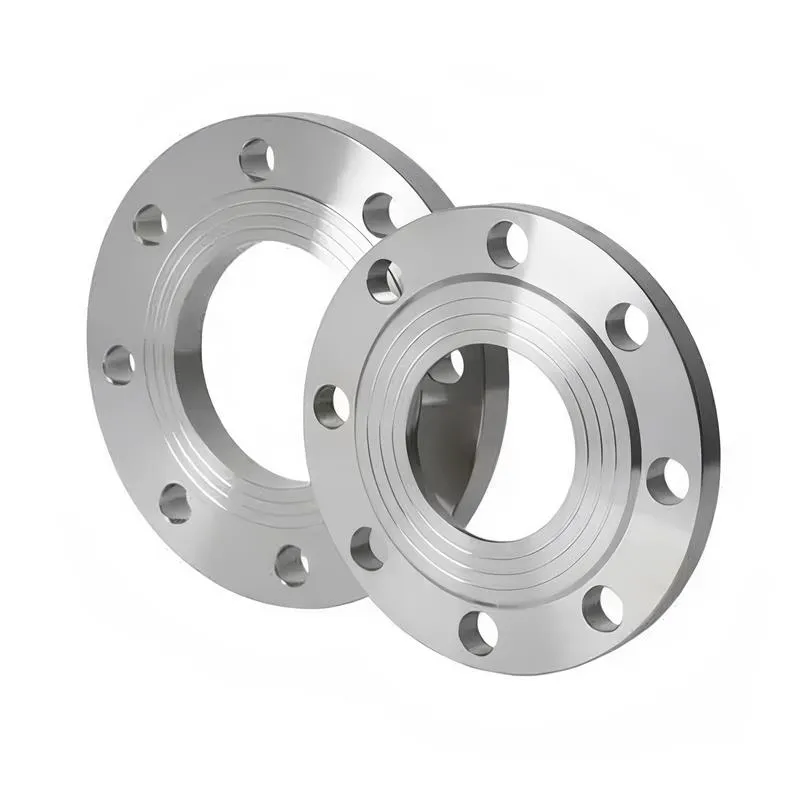
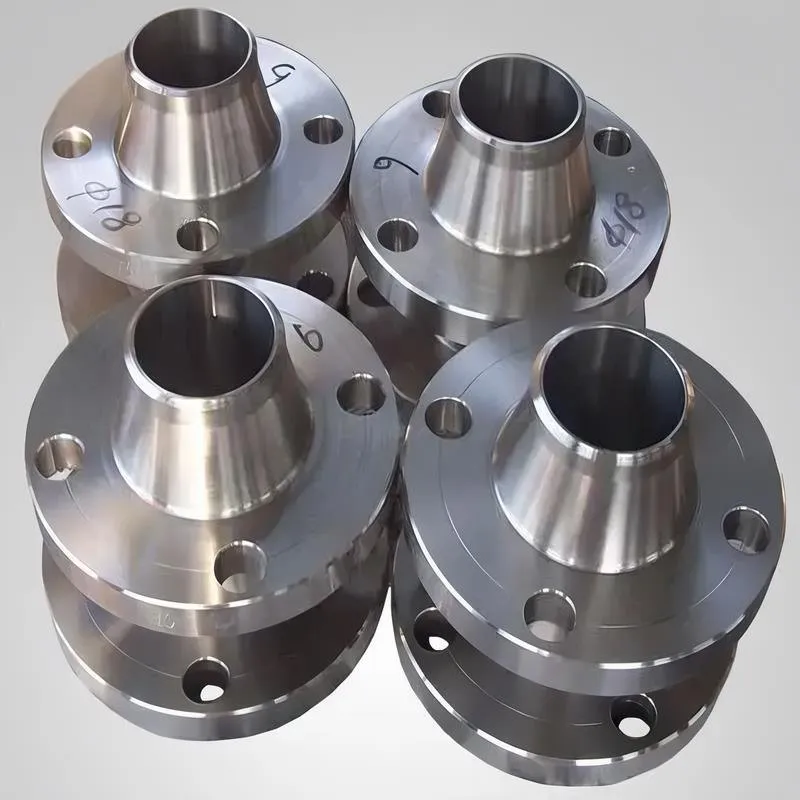
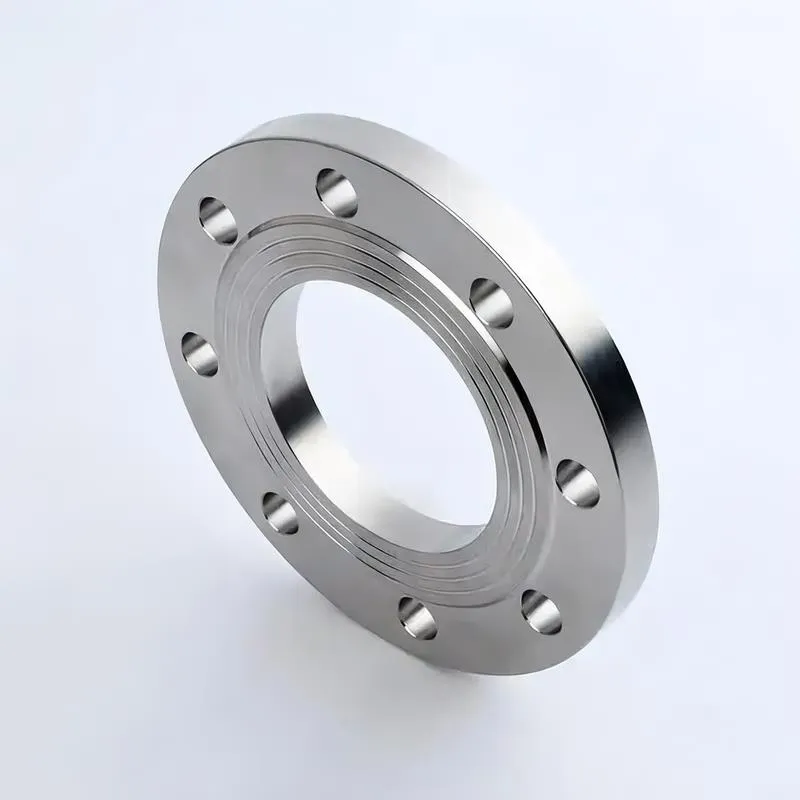
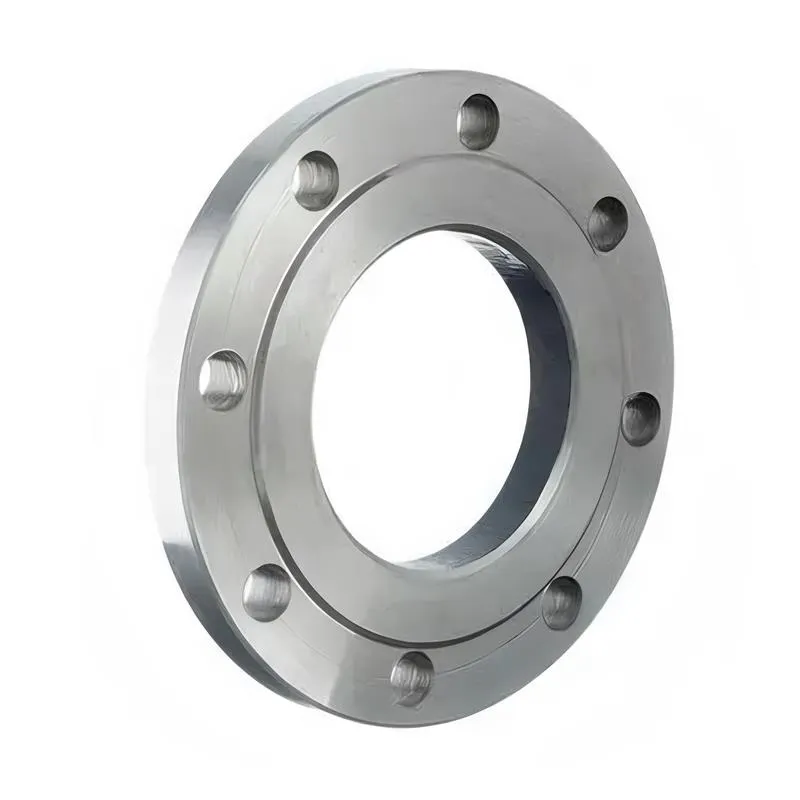
BS 970/3(91) 070M55 Nonresulfurized Carbon Steel Flange
Product Code : FL-Steel-673-CU
We provide BS 970/3(91) 070M55 Nonresulfurized Carbon Steel Flange Manufacturing types: Forging, Casting, Cutting, Rolling.We can manufacture in accordance with these standards.GB/T 9112–9124-2010 Steel Pipe Flanges , JB Series , HG Series, ASME B16.5, BS4504, DIN , JIS,CBM,etc
1,We Manufacturing processes are primarily classified into four types:
1:Forging,
2:Casting,
3:Cutting,
4:Rolling.
2,We can manufacture in accordance with these standards.
Standards:
GB Series (Chinese Standards), JB Series (Machinery Standards), HG Series (Chemical Industry Standards), ASME B16.5 (American Standards), BS4504 (British Standards), DIN (German Standards), and JIS (Japanese Standards).
Internationally, there are two primary systems of pipe flange standards: the European system, represented by the German DIN standards (including those of the former Soviet Union), and the American system, represented by the US ANSI pipe flange standards. Other common standards include: the Chinese Ministry of Machinery Industry standards (JB series), the Ministry of Chemical Industry standards (HG series), the Chinese National Standard *GB/T 9112–9124-2010 Steel Pipe Flanges*, as well as US standards (ASME B16.5), British standards (BS4504), German standards (DIN), Japanese standards (JIS), and marine standards (CBM), among others.
The nominal pressure ratings for the PN series are designated by "PN" and comprise the following nine levels: PN2.5, PN6, PN10, PN16, PN25, PN40, PN63, PN100, and PN160.
The nominal pressure ratings for the Class series are designated by "Class" and comprise the following six levels: Class150, Class300, Class600, Class900, Class1500, and Class2500.
Flange Classification
1. **According to Chemical Industry Standards:** Flanges are classified as follows:
Plate Flat Welding Flange (PL), Necked Flat Welding Flange (SO), Necked Butt Welding Flange (WN), Integral Flange (IF), Socket Welding Flange (SW), Threaded Flange (Th), Butt Welding Ring Loose Flange (PJ/SE), Blind Flange (BL), Flat Welding Ring Loose Flange (PJ/PJ), and Lined Blind Flange (BL(s)).
2. **According to Petrochemical (SH) Industry Standards:** Flanges are classified as follows:
Threaded Flange (PL), Butt Welding Flange (WN), Flat Welding Flange (SO), Socket Welding Flange (SW), Loose Flange (LJ), and Blind Flange (no specific designation).
3. **According to Machinery (JB) Industry Standards:** Flanges are classified as follows:
Integral Flange, Butt Welding Flange, Plate Flat Welding Flange, Butt Welding Ring Plate Loose Flange, Flat Welding Ring Plate Loose Flange, Lap Joint Ring Plate Loose Flange, and Blind Flange.
4. **According to Connection Method/Type:** Flanges are classified as follows:
Plate Flat Welding Flange, Necked Flat Welding Flange, Necked Butt Welding Flange, Socket Welding Flange, Threaded Flange, Blind Flange, Necked Butt Welding Ring Loose Flange, Flat Welding Ring Loose Flange, Ring-Type Joint (RTJ) Flange and Blind Flange, Large-Diameter Plate Flange, Large-Diameter High-Neck Flange, Figure-8 Blind Plate, Butt Welding Ring Loose Flange, etc.
5. **According to the Component Being Connected:** Flanges can be classified into Vessel Flanges and Pipe Flanges.
6. **According to Structural Type:** Flanges include Integral Flanges, Threaded Flanges, Flat Welding Flanges, Butt Welding Flanges, Lap Joint (Loose/Swivel) Flanges, and Blind Flanges.
A flange—also referred to as a flange plate or rim—is a component used to connect shafts to one another, or, more commonly, to join the ends of pipes. Flanges are also utilized at the inlet and outlet ports of equipment to facilitate connections between two devices—for instance, the flange on a speed reducer. A "flange connection" or "flanged joint" refers to a detachable joint assembly comprising three interconnected elements—a flange, a gasket, and bolts—that together form a sealed structural unit. In the context of piping systems, a "pipe flange" specifically denotes a flange used for plumbing within the installation; when applied to equipment, it refers to the inlet or outlet flange of that specific device. Flanges feature a series of holes through which bolts are inserted to securely fasten the two flanges together, while a gasket placed between the flanges ensures a leak-proof seal. Flanges are broadly categorized into three types: threaded (screw-in) flanges, welded flanges, and clamp-type flanges. Flanges are invariably used in pairs; threaded flanges are suitable for low-pressure piping applications, whereas welded flanges are required for systems operating at pressures exceeding 4 kilograms per square centimeter. A sealing gasket is inserted between the two flange plates, which are then firmly secured using bolts. The thickness of a flange—as well as the specifications of the bolts used to fasten it—vary depending on the specific pressure rating required for the application. When connecting equipment such as water pumps or valves to piping systems, the corresponding connection points on these devices are often manufactured in the shape of a matching flange; this method of attachment is also referred to as a "flange connection." Generally, any connecting component that utilizes bolts to join and seal the perimeters of two flat surfaces—such as the joints in ventilation ducts—is termed a "flange"; such components may collectively be classified as "flange-type parts." However, since such a connection often constitutes merely a *portion* of a larger device—for instance, the interface between a flange and a water pump—it would be inappropriate to classify the entire water pump itself as a "flange-type part." Conversely, smaller components—such as valves—that feature such flanged interfaces may indeed be appropriately categorized as "flange-type parts."
-:-
For detailed product information, please contact sales.
-:
BS 970/3(91) 070M55 Nonresulfurized Carbon Steel Flange, Hot Rolled Cold Drawn Product Information
-:-
For detailed product information, please contact sales.
-:
BS 970/3(91) 070M55 Nonresulfurized Carbon Steel Flange, Hot Rolled Cold Drawn Synonyms
-:-
For detailed product information, please contact sales.
-:
BS 970/3(91) 070M55 Nonresulfurized Carbon Steel, Hot Rolled Cold Drawn Product Information
-:-
For detailed product information, please contact sales.
-:
# **BS 970-3:1991 070M55 Non-Resulphurized Carbon Steel - Hot Rolled & Cold Drawn - Product Introduction**
## **1. Overview & Designation Clarification**
**BS 970-3:1991 070M55** represents the British Standard specification for **hot rolled and cold drawn bars** of this medium-carbon manganese steel. This standard specifically applies to the **supply condition** rather than just the material composition.
The "1991" revision introduced more modern testing and classification methods compared to the 1983 version, with particular focus on:
- **Delivery conditions** (hot rolled, cold drawn, etc.)
- **Surface quality** classifications
- **Dimensional tolerances**
- **Mechanical property verification methods**
**Product Forms Available:**
- **Hot Rolled Bars:** As-rolled condition with mill scale
- **Cold Drawn Bars:** Improved surface finish and dimensional accuracy
- **Turned Bars:** Machined to precise dimensions
- **Ground Bars:** High-precision surface finish
## **2. Chemical Composition (Weight %)**
Identical to BS 970-1:1983 but certified under BS 970-3 manufacturing requirements:
| Element | Minimum (%) | Maximum (%) | Typical (%) |
|----------------|-------------|-------------|-------------|
| Carbon (C) | 0.50 | 0.60 | 0.55 |
| Manganese (Mn) | 0.50 | 0.90 | 0.70 |
| Silicon (Si) | 0.05 | 0.35 | 0.25 |
| Phosphorus (P) | - | 0.050 | 0.030 |
| Sulfur (S) | - | 0.050 | 0.025 |
| Iron (Fe) | Balance | Balance | Balance |
**Quality Control under BS 970-3:** The standard imposes stricter controls on:
- **Segregation limits**
- **Surface decarburization** (especially for cold drawn products)
- **Inclusion content**
- **Chemical analysis frequency**
## **3. Physical & Mechanical Properties by Processing Condition**
### **A. Hot Rolled Condition (as supplied)**
#### **Typical Properties (25mm diameter):**
- **Tensile Strength:** 650-750 MPa (94-109 ksi)
- **Yield Strength (0.2% offset):** 340-420 MPa (49-61 ksi)
- **Elongation (5.65√S₀):** 16-22%
- **Reduction in Area:** 45-55%
- **Hardness (Brinell):** 185-225 HB
- **Surface Finish:** Mill scale present, Ra ≈ 6.3-12.5 μm
- **Dimensional Tolerance:** Standard to BS 970-3 Table 3
#### **Microstructural Characteristics:**
- **Grain Structure:** Ferrite-pearlite banding typical of hot rolling
- **Pearlite Content:** ~50-60%
- **Grain Size:** ASTM 5-8 (fine to medium)
### **B. Cold Drawn Condition (as supplied)**
#### **Mechanical Properties - Work Hardened State:**
| Diameter Range | Tensile Strength | Yield Strength | Elongation | Hardness |
|----------------|------------------|----------------|------------|----------|
| < 20 mm | 700-850 MPa | 500-650 MPa | 10-15% | 200-250 HB |
| 20-40 mm | 680-800 MPa | 480-600 MPa | 12-17% | 195-235 HB |
| 40-60 mm | 650-750 MPa | 450-550 MPa | 14-19% | 185-220 HB |
#### **Cold Drawing Effects:**
- **Surface Finish:** Ra ≈ 1.6-3.2 μm (significantly improved)
- **Dimensional Accuracy:** ±0.05 to ±0.15 mm (depending on size)
- **Residual Stresses:** Present; may require stress relief annealing
- **Decarburization:** Limited to ≤0.10 mm depth (BS 970-3 requirement)
#### **Physical Properties (Both Conditions):**
- **Density:** 7.85 g/cm³
- **Modulus of Elasticity:** 205-210 GPa
- **Thermal Conductivity:** 48-52 W/m·K
- **Specific Heat:** 465-475 J/kg·K
- **Coefficient of Thermal Expansion:** 11.2×10⁻⁶/K (20-100°C)
## **4. Product Applications by Form**
### **Hot Rolled Bars:**
- **Forging blanks** for automotive components
- **Heavy machinery shafts** (to be machined)
- **Construction equipment pins** and bushings
- **Agricultural implement parts**
- **General engineering fabrications**
### **Cold Drawn Bars:**
- **Precision shafts** requiring minimal machining
- **Hydraulic cylinder rods**
- **Linear motion components**
- **Guide rods** and columns
- **Fastener stock** for high-strength bolts
- **Automotive steering components**
- **Textile machinery parts**
### **Special Applications:**
- **Cold headed parts** (after annealing)
- **Springs** (when cold drawn and heat treated)
- **Bearing sleeves** and bushings
- **Piston rods** for pneumatic cylinders
- **Machine tool slideways** (ground from cold drawn stock)
## **5. Manufacturing & Processing Considerations**
### **Hot Rolling Process:**
- **Reheating Temperature:** 1150-1250°C
- **Finishing Temperature:** 850-950°C
- **Scale Formation:** 0.02-0.05 mm thick
- **Decarburization:** Typically 0.10-0.30 mm total depth
### **Cold Drawing Process:**
1. **Preparation:** Pickling to remove mill scale
2. **Phosphating/Lubrication:** For drawing efficiency
3. **Drawing Reduction:** Typically 15-30% area reduction
4. **Straightening:** Rotary or precision straightening
5. **Cutting:** To specified lengths
### **Stress Relieving (for Cold Drawn):**
- **Temperature:** 550-600°C
- **Time:** 1 hour per 25 mm thickness
- **Atmosphere:** Air or protective atmosphere
- **Result:** Reduced residual stress, improved dimensional stability
## **6. International Standards & Cross-References**
### **Direct Equivalents:**
| Standard System | Designation | Condition | Remarks |
|-----------------|-------------|-----------|---------|
| **BS EN** | 1.0535 + C (+ condition code) | As-rolled or cold drawn | EN 10083-2 + delivery condition |
| **DIN** | C55 (1.0535) | Vergießt (as-rolled) or Gezogen (drawn) | DIN EN 10083-2 |
| **AFNOR** | 2C55 | Brute de laminage (rolled) or Étirée (drawn) | NF A35-551 |
| **UNI** | C55 | Laminati a caldo (hot rolled) or Trafilati (drawn) | UNI 7846 |
### **Processing Standards:**
- **BS 970-3:1991:** Specific for hot rolled & cold drawn bars
- **BS EN 10060:** Hot rolled round steel bars
- **BS EN 10278:** Bright steel products dimensions and tolerances
- **ISO 286-2:** Geometrical tolerances
### **American Equivalents:**
- **ASTM A311:** Stress-relieved cold-drawn carbon steel bars
- **ASTM A29:** Hot rolled and cold finished steel bars
- **SAE J403:** 1055 grade (composition equivalent)
- **UNS:** G10550
## **7. Quality Specifications (BS 970-3 Specific)**
### **Surface Quality Classes:**
1. **Class A:** Standard commercial quality
2. **Class B:** Improved surface (limited imperfections)
3. **Class C:** High surface quality (minimal defects)
### **Dimensional Tolerances:**
#### **Hot Rolled (to BS 970-3):**
- **Diameter Tolerance:** h11 to h13 depending on size
- **Out-of-Round:** ≤ 50% of diameter tolerance
- **Straightness:** 0.5-1.0 mm per meter
#### **Cold Drawn (to BS 970-3):**
- **Diameter Tolerance:** h9 to h11
- **Out-of-Round:** ≤ 40% of diameter tolerance
- **Straightness:** 0.2-0.5 mm per meter
### **Testing Requirements:**
- **Chemical Analysis:** Ladle analysis + check analysis
- **Tensile Test:** One per batch (typically 20-50 tons)
- **Surface Inspection:** Visual at manufacturing stage
- **Decarburization Check:** Microexamination if specified
## **8. Advantages by Form**
### **Hot Rolled Bars:**
- **Cost-effective** for large volumes
- **Suitable for subsequent hot working** (forging)
- **Better machinability** in annealed condition
- **Availability** in large sizes (>150 mm diameter)
### **Cold Drawn Bars:**
- **Superior surface finish** (reduced machining required)
- **Better dimensional accuracy**
- **Increased yield strength** from work hardening
- **Improved straightness**
- **Ready-to-use** for many applications
## **9. Limitations & Considerations**
### **Hot Rolled:**
- **Surface scale** requires removal for many applications
- **Wider dimensional tolerances**
- **Potential for distortion** during cooling
- **Decarburization** may affect surface properties
### **Cold Drawn:**
- **Residual stresses** may cause distortion during machining
- **Limited size range** (typically <100 mm diameter)
- **Directional properties** (anisotropy)
- **Higher cost** than hot rolled equivalent
### **General:**
- **Not corrosion resistant** (requires protection)
- **Limited hardenability** compared to alloy steels
- **Machinability:** Moderate (60% of free-cutting steel)
## **10. Storage & Handling Recommendations**
### **Hot Rolled Bars:**
- **Storage:** Dry conditions to prevent rust
- **Handling:** Proper support to prevent bending
- **Surface Protection:** Oil coating if long-term storage
### **Cold Drawn Bars:**
- **Storage:** Separate from other metals to prevent galvanic corrosion
- **Handling:** Protective end caps to prevent damage
- **Packaging:** Individual wrapping for high-quality surfaces
### **Identification:**
- **Color Coding:** End painting per BS 970 requirements
- **Tagging:** Heat number and specification
- **Bundling:** Secure bundling with protective separators
## **Conclusion**
**BS 970-3:1991 070M55** in hot rolled and cold drawn forms provides engineers with versatile material options for medium-strength applications. The hot rolled product offers economic advantages for components requiring significant machining or subsequent hot working, while the cold drawn version delivers precision and reduced finishing costs for components closer to final dimensions.
The 1991 revision of BS 970-3 brought this traditional British steel grade into alignment with modern quality expectations, particularly regarding dimensional control and surface quality. While largely superseded by EN standards in new designs, 070M55 remains widely specified in maintenance, repair, and legacy equipment applications throughout the Commonwealth and industries with British engineering heritage.
For new designs, specifying **EN 1.0535** with appropriate delivery condition (as-rolled or cold drawn) is recommended, with 070M55 serving as the historical reference point for material selection and substitution decisions.
-:-
For detailed product information, please contact sales.
-:
BS 970/3(91) 070M55 Nonresulfurized Carbon Steel, Hot Rolled Cold Drawn Specification
Dimensions
Size:
Diameter 20-1000 mm Length <5055 mm
Size:We can customized as required
Standard:
Per your request or drawing
We can customized as required
Properties(Theoretical)
Chemical Composition
-:-
For detailed product information, please contact sales.
-:
BS 970/3(91) 070M55 Nonresulfurized Carbon Steel, Hot Rolled Cold Drawn Properties
-:-
For detailed product information, please contact sales.
-:
Applications of BS 970/3(91) 070M55 Nonresulfurized Carbon Steel Flange, Hot Rolled Cold Drawn
-:-
For detailed product information, please contact sales.
-:
Chemical Identifiers BS 970/3(91) 070M55 Nonresulfurized Carbon Steel Flange, Hot Rolled Cold Drawn
-:-
For detailed product information, please contact sales.
-:
Packing of BS 970/3(91) 070M55 Nonresulfurized Carbon Steel Flange, Hot Rolled Cold Drawn
-:-
For detailed product information, please contact sales.
-:
Standard Packing:
-:-
For detailed product information, please contact sales.
-:
Typical bulk packaging includes palletized plastic 5 gallon/25 kg. pails, fiber and Steel Flange drums to 1 ton super sacks in full container (FCL) or truck load (T/L) quantities. Research and sample quantities and hygroscopic, oxidizing or other air sensitive materials may be packaged under argon or vacuum. Solutions are packaged in polypropylene, plastic or glass jars up to palletized 1526 gallon liquid totes Special package is available on request. E FORUs’ is carefully handled to minimize damage during storage and transportation and to preserve the quality of our products in their original condition