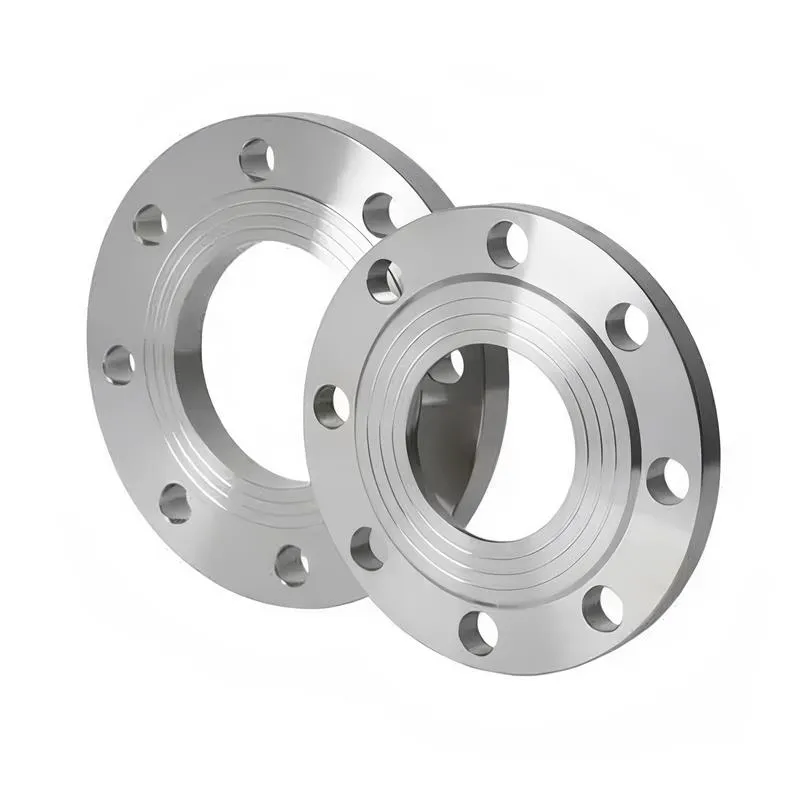
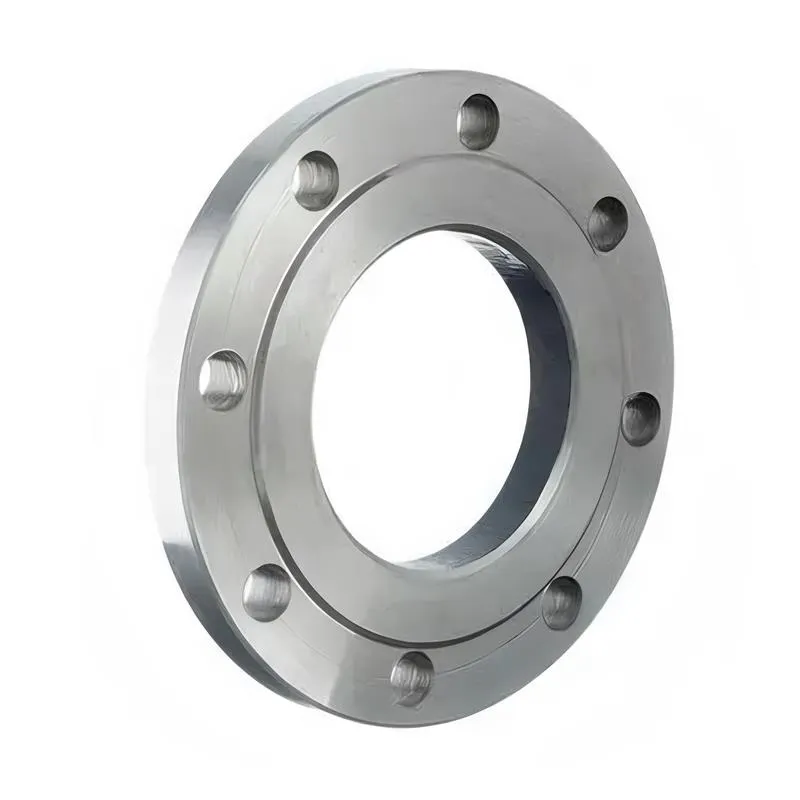
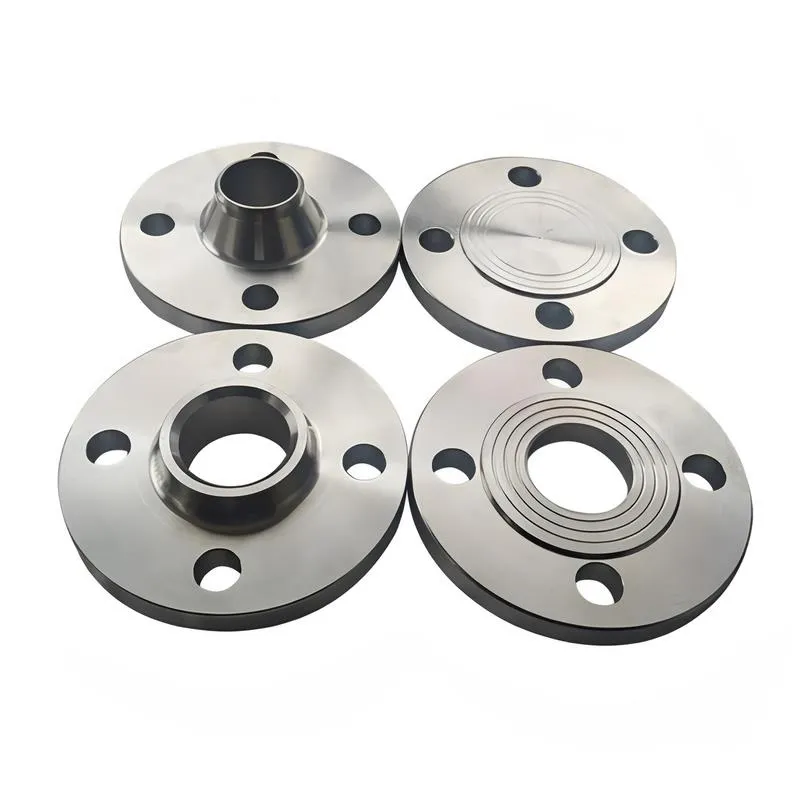
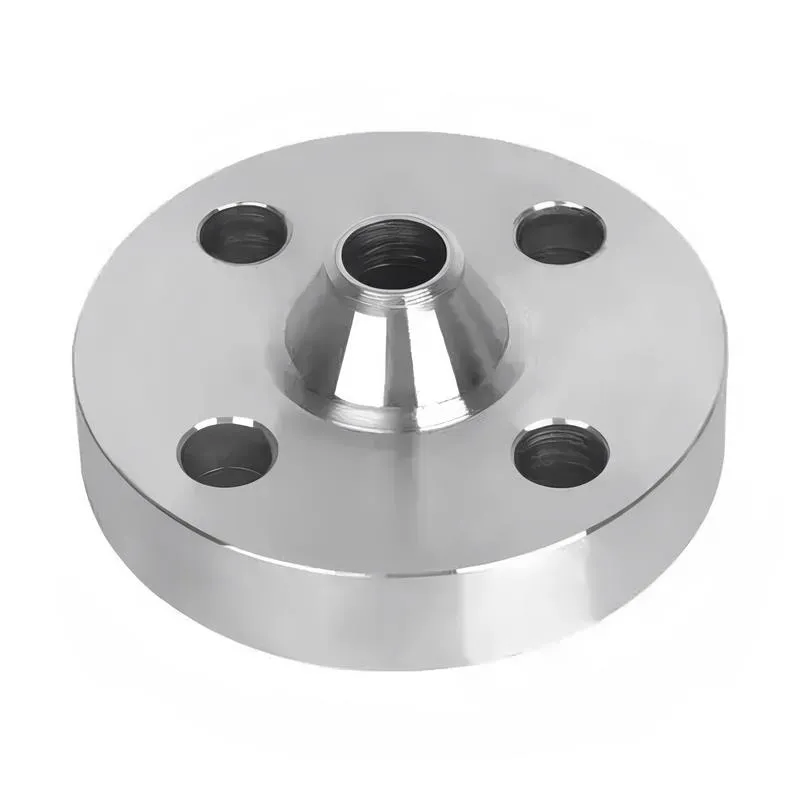
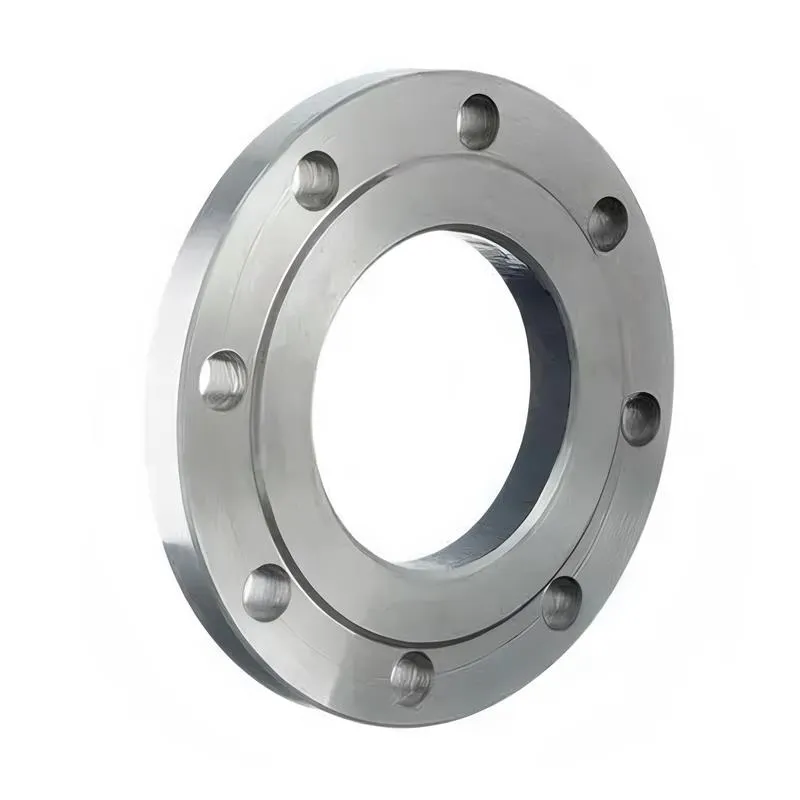
1,We Manufacturing processes are primarily classified into four types:
1:Forging,
2:Casting,
3:Cutting,
4:Rolling.
2,We can manufacture in accordance with these standards.
Standards:
GB Series (Chinese Standards), JB Series (Machinery Standards), HG Series (Chemical Industry Standards), ASME B16.5 (American Standards), BS4504 (British Standards), DIN (German Standards), and JIS (Japanese Standards).
Internationally, there are two primary systems of pipe flange standards: the European system, represented by the German DIN standards (including those of the former Soviet Union), and the American system, represented by the US ANSI pipe flange standards. Other common standards include: the Chinese Ministry of Machinery Industry standards (JB series), the Ministry of Chemical Industry standards (HG series), the Chinese National Standard *GB/T 9112–9124-2010 Steel Pipe Flanges*, as well as US standards (ASME B16.5), British standards (BS4504), German standards (DIN), Japanese standards (JIS), and marine standards (CBM), among others.
The nominal pressure ratings for the PN series are designated by "PN" and comprise the following nine levels: PN2.5, PN6, PN10, PN16, PN25, PN40, PN63, PN100, and PN160.
The nominal pressure ratings for the Class series are designated by "Class" and comprise the following six levels: Class150, Class300, Class600, Class900, Class1500, and Class2500.
Flange Classification
1. **According to Chemical Industry Standards:** Flanges are classified as follows:
Plate Flat Welding Flange (PL), Necked Flat Welding Flange (SO), Necked Butt Welding Flange (WN), Integral Flange (IF), Socket Welding Flange (SW), Threaded Flange (Th), Butt Welding Ring Loose Flange (PJ/SE), Blind Flange (BL), Flat Welding Ring Loose Flange (PJ/PJ), and Lined Blind Flange (BL(s)).
2. **According to Petrochemical (SH) Industry Standards:** Flanges are classified as follows:
Threaded Flange (PL), Butt Welding Flange (WN), Flat Welding Flange (SO), Socket Welding Flange (SW), Loose Flange (LJ), and Blind Flange (no specific designation).
3. **According to Machinery (JB) Industry Standards:** Flanges are classified as follows:
Integral Flange, Butt Welding Flange, Plate Flat Welding Flange, Butt Welding Ring Plate Loose Flange, Flat Welding Ring Plate Loose Flange, Lap Joint Ring Plate Loose Flange, and Blind Flange.
4. **According to Connection Method/Type:** Flanges are classified as follows:
Plate Flat Welding Flange, Necked Flat Welding Flange, Necked Butt Welding Flange, Socket Welding Flange, Threaded Flange, Blind Flange, Necked Butt Welding Ring Loose Flange, Flat Welding Ring Loose Flange, Ring-Type Joint (RTJ) Flange and Blind Flange, Large-Diameter Plate Flange, Large-Diameter High-Neck Flange, Figure-8 Blind Plate, Butt Welding Ring Loose Flange, etc.
5. **According to the Component Being Connected:** Flanges can be classified into Vessel Flanges and Pipe Flanges.
6. **According to Structural Type:** Flanges include Integral Flanges, Threaded Flanges, Flat Welding Flanges, Butt Welding Flanges, Lap Joint (Loose/Swivel) Flanges, and Blind Flanges.
A flange—also referred to as a flange plate or rim—is a component used to connect shafts to one another, or, more commonly, to join the ends of pipes. Flanges are also utilized at the inlet and outlet ports of equipment to facilitate connections between two devices—for instance, the flange on a speed reducer. A "flange connection" or "flanged joint" refers to a detachable joint assembly comprising three interconnected elements—a flange, a gasket, and bolts—that together form a sealed structural unit. In the context of piping systems, a "pipe flange" specifically denotes a flange used for plumbing within the installation; when applied to equipment, it refers to the inlet or outlet flange of that specific device. Flanges feature a series of holes through which bolts are inserted to securely fasten the two flanges together, while a gasket placed between the flanges ensures a leak-proof seal. Flanges are broadly categorized into three types: threaded (screw-in) flanges, welded flanges, and clamp-type flanges. Flanges are invariably used in pairs; threaded flanges are suitable for low-pressure piping applications, whereas welded flanges are required for systems operating at pressures exceeding 4 kilograms per square centimeter. A sealing gasket is inserted between the two flange plates, which are then firmly secured using bolts. The thickness of a flange—as well as the specifications of the bolts used to fasten it—vary depending on the specific pressure rating required for the application. When connecting equipment such as water pumps or valves to piping systems, the corresponding connection points on these devices are often manufactured in the shape of a matching flange; this method of attachment is also referred to as a "flange connection." Generally, any connecting component that utilizes bolts to join and seal the perimeters of two flat surfaces—such as the joints in ventilation ducts—is termed a "flange"; such components may collectively be classified as "flange-type parts." However, since such a connection often constitutes merely a *portion* of a larger device—for instance, the interface between a flange and a water pump—it would be inappropriate to classify the entire water pump itself as a "flange-type part." Conversely, smaller components—such as valves—that feature such flanged interfaces may indeed be appropriately categorized as "flange-type parts."
-:-
For detailed product information, please contact sales.
-:
Niagara LaSalle IHCP® Cold Finished Steel Flange Bar Product Information
-:-
For detailed product information, please contact sales.
-:
Niagara LaSalle IHCP® Cold Finished Steel Flange Bar Synonyms
-:-
For detailed product information, please contact sales.
-:
Niagara LaSalle IHCP® Cold Finished Steel Bar Product Information
-:-
For detailed product information, please contact sales.
-:
# **Product Introduction: Niagara LaSalle IHCP® Cold Finished Steel Bar**
**IHCP® (Increased Hardness, Corrosion & Polish)** is a proprietary cold finished steel bar product developed by **Niagara LaSalle Corporation** for applications requiring superior surface quality, enhanced hardness, and improved corrosion resistance—all achieved directly from the mill without secondary heat treatment or plating.
This specialized steel is engineered to bridge the gap between standard cold-drawn bars and more expensive stainless or plated steels. The IHCP® process involves a unique sequence of cold drawing, heat treatment, and specialized surface finishing that refines the microstructure and surface integrity. The result is a material with a hard, polished surface layer that exhibits better resistance to atmospheric corrosion and wear compared to standard carbon steel bars, while maintaining excellent machinability.
---
## **1. Chemical Composition (Proprietary)**
IHCP® is based on specific grades of carbon and alloy steel that respond favorably to the proprietary thermomechanical processing. The base chemistry is typically similar to common grades like 1045, 1144, or 4140, but the exact composition is tailored and controlled to achieve the desired IHCP® characteristics. A representative analysis for a commonly used grade is as follows (in weight %):
| Element | Carbon (C) | Manganese (Mn) | Sulfur (S) | Chromium (Cr) | Other Key Features |
| :--- | :--- | :--- | :--- | :--- | :--- |
| **Typical Base (e.g., 1045-based)** | 0.42 - 0.50 | 0.60 - 0.90 | ≤ 0.050 | - | Controlled Silicon, Phosphorus. |
| **Typical Base (e.g., 4140-based)** | 0.38 - 0.43 | 0.75 - 1.00 | ≤ 0.040 | 0.80 - 1.10 | Adds Molybdenum (~0.15-0.25%). |
**Critical Features of the IHCP® Process:**
* **Material Selection:** The process starts with high-quality, fine-grained steel suitable for deep cold working.
* **Thermomechanical Processing:** A proprietary combination of controlled cold drawing and thermal treatment induces work hardening and refines the surface grain structure.
* **Surface Transformation:** The process creates a dense, work-hardened surface layer with reduced porosity and a refined microstructure that is less prone to corrosion initiation.
* **Final Polish:** The bar is finished to a superior surface smoothness, typically in the range of **15-25 micro-inch (0.38-0.64 µm) Ra** or better.
---
## **2. Physical & Mechanical Properties (Typical)**
The IHCP® process enhances several key properties compared to standard cold-drawn bars of the same base chemistry.
| Property | Typical Value for IHCP® | **Advantage vs. Standard Cold Drawn** |
| :--- | :--- | :--- |
| **Surface Hardness** | **HRC 40 - 55 (Case)** | **Significantly harder surface** (Standard 1045 CD: ~HRB 85-92 / ~HRC 17). Provides inherent wear resistance. |
| **Core Hardness** | HRC 25 - 35 (Varies with base grade) | Maintains a tough, ductile core. |
| **Tensile Strength** | 115 - 145 ksi (790 - 1000 MPa) | High strength from the combined effects of chemistry and cold work. |
| **Yield Strength** | 100 - 130 ksi (690 - 900 MPa) | Excellent for load-bearing applications. |
| **Surface Finish** | **15-25 µin Ra (0.38-0.64 µm)** | **Superior polished finish**, reducing friction and improving seal performance. |
| **Corrosion Resistance** | **2-4x improvement** in standardized salt spray testing (e.g., ASTM B117). | The dense, polished surface acts as a barrier, delaying the onset of red rust compared to a standard carbon steel surface. |
| **Straightness & Dimensional Tolerance** | Meets or exceeds ASTM A108 precision tolerances. | Excellent for precision machining with minimal runout. |
**Note:** The specific hardness and strength values are dependent on the base steel grade selected for the IHCP® process (e.g., IHCP-1045 vs. IHCP-4140).
---
## **3. Product Applications**
IHCP® is specified for components that require a combination of **high surface hardness, a fine finish, moderate corrosion resistance, and dimensional stability** without the cost or complexity of case hardening, induction hardening, or chrome plating.
* **Hydraulic & Pneumatic Cylinder Components:** **Piston rods, gland rods, and wear bands.** The hard, polished surface is ideal for seal compatibility and resistance to abrasion from contaminants.
* **Fluid Power & Valve Components:** **Spool valves, pump shafts, and actuator rods** where smooth surface finish reduces friction and stiction.
* **Textile & Packaging Machinery:** **Guide rods, mandrels, and rollers** that require wear resistance and a non-marking, smooth surface.
* **Automotive Applications:** **Shock absorber piston rods, steering column shafts, and precision pins.**
* **General Industrial Shafting:** For applications where a pre-hardened, polished shaft material can eliminate secondary processing steps.
---
## **4. International & Equivalent Standards**
IHCP® is a **proprietary, brand-name process** applied to various base steel grades. There is no direct international standard equivalent, as it defines a **condition** rather than just a chemistry.
| Standard System | Comparable Material / Note | **Key Difference** |
| :--- | :--- | :--- |
| **Proprietary** | **Niagara LaSalle IHCP®** | The defining product, specifying both material and enhanced condition. |
| **ASTM A108** | Precision Cold-Drawn Carbon Steel Bars | IHCP® bars comply with dimensional specs but offer vastly superior surface properties. |
| **SAE/AISI** | 1045, 1144, 4140 (Cold Drawn) | These define only the base chemistry. IHCP® indicates these materials have undergone the proprietary surface enhancement process. |
| **Plated/Parked Rods** | Chrome-plated (CPL) or Parkerized Rods | IHCP® is a **homogeneous, integral surface enhancement**, not a coating. It cannot chip or peel, and it allows for machining of the surface if needed. |
| **Case-Hardened Steels** | E.g., 8620 (Carburized) | IHCP® provides immediate hardness from the mill without a separate carburizing heat treatment cycle. |
**Crucial Note:** **IHCP® must be specified as a material callout on drawings** (e.g., "IHCP-4140 per Niagara LaSalle"). Ordering standard "4140 Cold Drawn" will not provide the IHCP® enhanced properties.
---
## **5. Key Advantages & Considerations**
**Advantages:**
* **Ready-to-Use Enhanced Surface:** Provides high surface hardness and fine finish directly from the mill, eliminating secondary hardening or plating operations.
* **Homogeneous Surface:** The enhanced properties are integral to the material, not a coating, so there is **no risk of peeling, flaking, or hydrogen embrittlement.**
* **Excellent Machinability:** Despite the hard surface, the core remains machinable, and the material overall retains good chip-breaking characteristics.
* **Cost-Effective Alternative:** Often provides a more economical solution compared to the combined costs of a standard bar plus induction hardening, grinding, and chrome plating.
**Considerations:**
* **Proprietary Process:** Exclusive to Niagara LaSalle and licensed partners, limiting sourcing options.
* **Limited Case Depth:** The hardened surface layer is relatively shallow (typically a few thousandths of an inch). It is not suitable for applications requiring deep wear allowance or where significant machining will remove the enhanced surface.
* **Corrosion Resistance Limitation:** While improved, it is **not stainless steel.** It offers better resistance than plain carbon steel but will eventually rust in aggressive environments and should not be specified for submerged or highly corrosive service without additional protection.
* **Weldability:** The hard, worked surface can be challenging to weld without cracking; welding is generally not recommended.
---
**Disclaimer:** The properties and capabilities of IHCP® can vary based on the selected base grade (e.g., 1045 vs. 4140). For engineering design and specification, it is essential to consult the **latest official Niagara LaSalle IHCP® technical data sheets** and engage with their application engineers to select the optimal base material and confirm suitability for the specific application.
-:-
For detailed product information, please contact sales.
-:
Niagara LaSalle IHCP® Cold Finished Steel Bar Specification
Dimensions
Size:
Diameter 20-1000 mm Length <5066 mm
Size:We can customized as required
Standard:
Per your request or drawing
We can customized as required
Properties(Theoretical)
Chemical Composition
-:-
For detailed product information, please contact sales.
-:
Niagara LaSalle IHCP® Cold Finished Steel Bar Properties
-:-
For detailed product information, please contact sales.
-:
Applications of Niagara LaSalle IHCP® Cold Finished Steel Flange Bar
-:-
For detailed product information, please contact sales.
-:
Chemical Identifiers Niagara LaSalle IHCP® Cold Finished Steel Flange Bar
-:-
For detailed product information, please contact sales.
-:
Packing of Niagara LaSalle IHCP® Cold Finished Steel Flange Bar
-:-
For detailed product information, please contact sales.
-:
Standard Packing:
-:-
For detailed product information, please contact sales.
-:
Typical bulk packaging includes palletized plastic 5 gallon/25 kg. pails, fiber and Steel Flange drums to 1 ton super sacks in full container (FCL) or truck load (T/L) quantities. Research and sample quantities and hygroscopic, oxidizing or other air sensitive materials may be packaged under argon or vacuum. Solutions are packaged in polypropylene, plastic or glass jars up to palletized 1537 gallon liquid totes Special package is available on request. E FORUs’ is carefully handled to minimize damage during storage and transportation and to preserve the quality of our products in their original condition