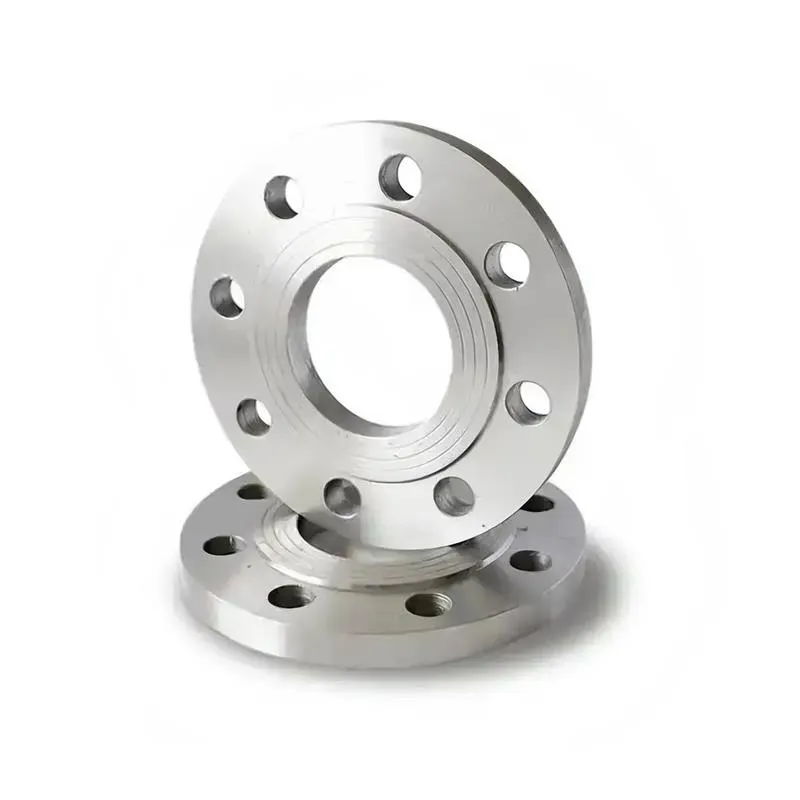
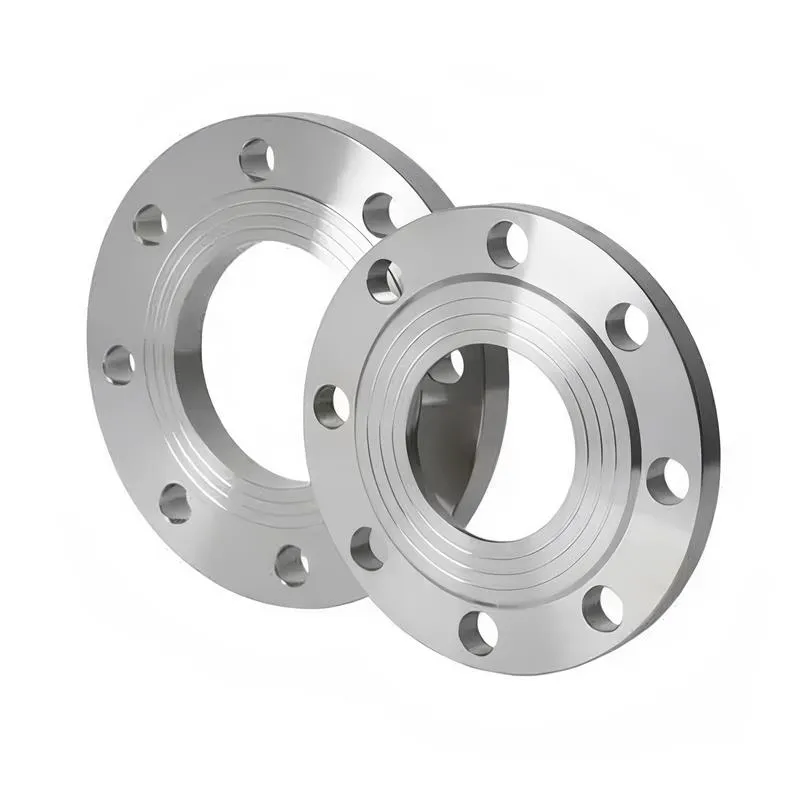
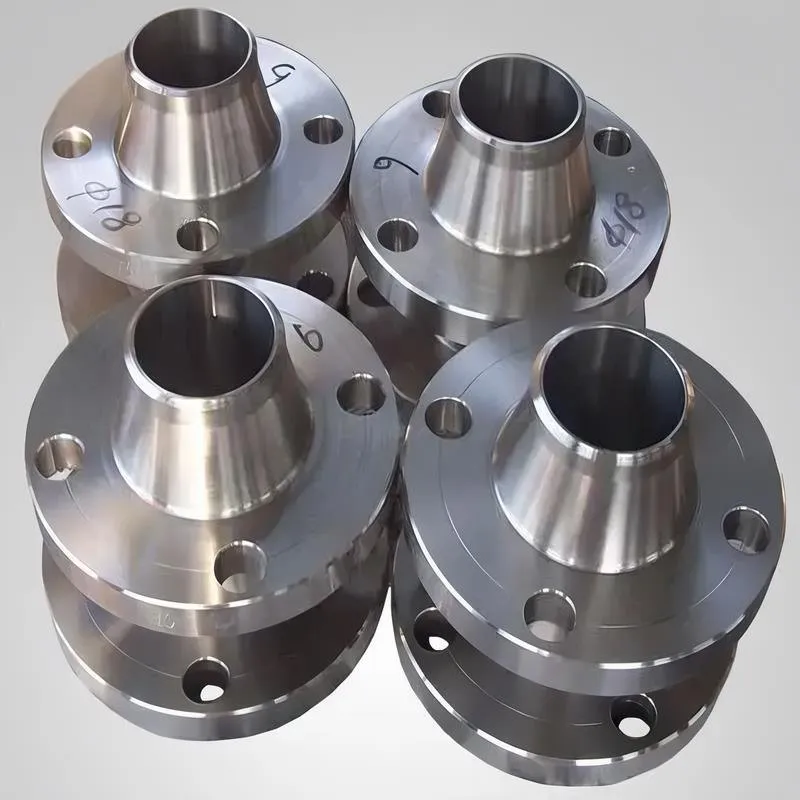
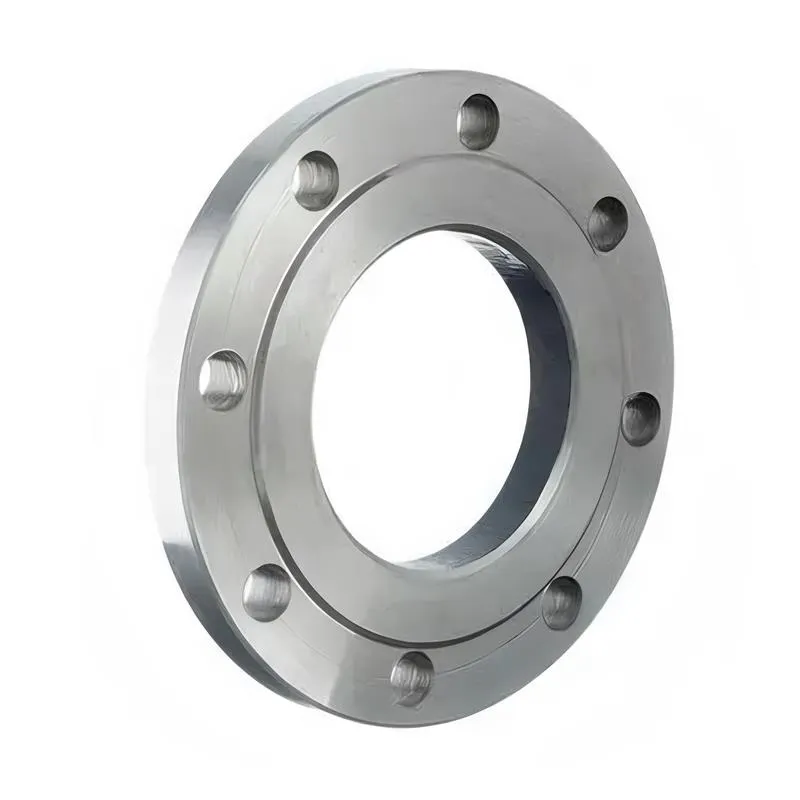
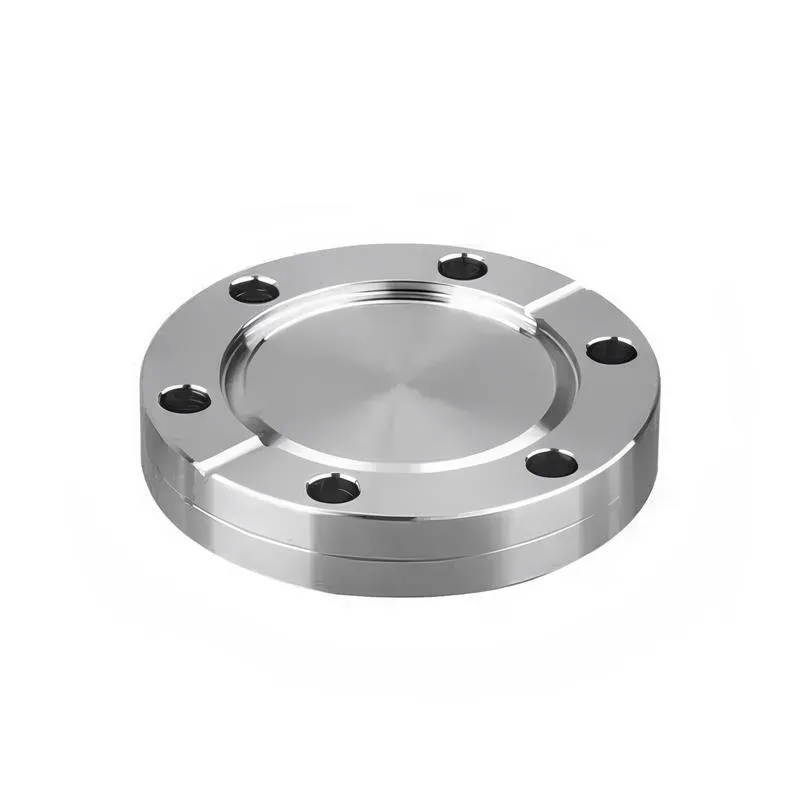
1,We Manufacturing processes are primarily classified into four types:
1:Forging,
2:Casting,
3:Cutting,
4:Rolling.
2,We can manufacture in accordance with these standards.
Standards:
GB Series (Chinese Standards), JB Series (Machinery Standards), HG Series (Chemical Industry Standards), ASME B16.5 (American Standards), BS4504 (British Standards), DIN (German Standards), and JIS (Japanese Standards).
Internationally, there are two primary systems of pipe flange standards: the European system, represented by the German DIN standards (including those of the former Soviet Union), and the American system, represented by the US ANSI pipe flange standards. Other common standards include: the Chinese Ministry of Machinery Industry standards (JB series), the Ministry of Chemical Industry standards (HG series), the Chinese National Standard *GB/T 9112–9124-2010 Steel Pipe Flanges*, as well as US standards (ASME B16.5), British standards (BS4504), German standards (DIN), Japanese standards (JIS), and marine standards (CBM), among others.
The nominal pressure ratings for the PN series are designated by "PN" and comprise the following nine levels: PN2.5, PN6, PN10, PN16, PN25, PN40, PN63, PN100, and PN160.
The nominal pressure ratings for the Class series are designated by "Class" and comprise the following six levels: Class150, Class300, Class600, Class900, Class1500, and Class2500.
Flange Classification
1. **According to Chemical Industry Standards:** Flanges are classified as follows:
Plate Flat Welding Flange (PL), Necked Flat Welding Flange (SO), Necked Butt Welding Flange (WN), Integral Flange (IF), Socket Welding Flange (SW), Threaded Flange (Th), Butt Welding Ring Loose Flange (PJ/SE), Blind Flange (BL), Flat Welding Ring Loose Flange (PJ/PJ), and Lined Blind Flange (BL(s)).
2. **According to Petrochemical (SH) Industry Standards:** Flanges are classified as follows:
Threaded Flange (PL), Butt Welding Flange (WN), Flat Welding Flange (SO), Socket Welding Flange (SW), Loose Flange (LJ), and Blind Flange (no specific designation).
3. **According to Machinery (JB) Industry Standards:** Flanges are classified as follows:
Integral Flange, Butt Welding Flange, Plate Flat Welding Flange, Butt Welding Ring Plate Loose Flange, Flat Welding Ring Plate Loose Flange, Lap Joint Ring Plate Loose Flange, and Blind Flange.
4. **According to Connection Method/Type:** Flanges are classified as follows:
Plate Flat Welding Flange, Necked Flat Welding Flange, Necked Butt Welding Flange, Socket Welding Flange, Threaded Flange, Blind Flange, Necked Butt Welding Ring Loose Flange, Flat Welding Ring Loose Flange, Ring-Type Joint (RTJ) Flange and Blind Flange, Large-Diameter Plate Flange, Large-Diameter High-Neck Flange, Figure-8 Blind Plate, Butt Welding Ring Loose Flange, etc.
5. **According to the Component Being Connected:** Flanges can be classified into Vessel Flanges and Pipe Flanges.
6. **According to Structural Type:** Flanges include Integral Flanges, Threaded Flanges, Flat Welding Flanges, Butt Welding Flanges, Lap Joint (Loose/Swivel) Flanges, and Blind Flanges.
A flange—also referred to as a flange plate or rim—is a component used to connect shafts to one another, or, more commonly, to join the ends of pipes. Flanges are also utilized at the inlet and outlet ports of equipment to facilitate connections between two devices—for instance, the flange on a speed reducer. A "flange connection" or "flanged joint" refers to a detachable joint assembly comprising three interconnected elements—a flange, a gasket, and bolts—that together form a sealed structural unit. In the context of piping systems, a "pipe flange" specifically denotes a flange used for plumbing within the installation; when applied to equipment, it refers to the inlet or outlet flange of that specific device. Flanges feature a series of holes through which bolts are inserted to securely fasten the two flanges together, while a gasket placed between the flanges ensures a leak-proof seal. Flanges are broadly categorized into three types: threaded (screw-in) flanges, welded flanges, and clamp-type flanges. Flanges are invariably used in pairs; threaded flanges are suitable for low-pressure piping applications, whereas welded flanges are required for systems operating at pressures exceeding 4 kilograms per square centimeter. A sealing gasket is inserted between the two flange plates, which are then firmly secured using bolts. The thickness of a flange—as well as the specifications of the bolts used to fasten it—vary depending on the specific pressure rating required for the application. When connecting equipment such as water pumps or valves to piping systems, the corresponding connection points on these devices are often manufactured in the shape of a matching flange; this method of attachment is also referred to as a "flange connection." Generally, any connecting component that utilizes bolts to join and seal the perimeters of two flat surfaces—such as the joints in ventilation ducts—is termed a "flange"; such components may collectively be classified as "flange-type parts." However, since such a connection often constitutes merely a *portion* of a larger device—for instance, the interface between a flange and a water pump—it would be inappropriate to classify the entire water pump itself as a "flange-type part." Conversely, smaller components—such as valves—that feature such flanged interfaces may indeed be appropriately categorized as "flange-type parts."
-:-
For detailed product information, please contact sales.
-:
Ovako 100CrMo7-3 825T Steel Flange, Q/T (bainite) Product Information
-:-
For detailed product information, please contact sales.
-:
Ovako 100CrMo7-3 825T Steel Flange, Q/T (bainite) Synonyms
-:-
For detailed product information, please contact sales.
-:
Ovako 100CrMo7-3 825T Steel, Q/T (bainite) Product Information
-:-
For detailed product information, please contact sales.
-:
# **Ovako 100CrMo7-3 825T Steel – Q/T (Quenched & Tempered to Bainitic Structure)**
## **Product Overview**
Ovako 100CrMo7-3 825T Q/T (Bainite) represents the **ultimate material achievement for ultra-heavy section engineering, merging deep hardenability with supreme damage tolerance**. By applying a precisely controlled isothermal transformation to the high-molybdenum **100CrMo7-3 825T** substrate—already optimized for toughness and hardenability—this product achieves a **uniform lower bainitic microstructure** in its final, ready-to-use state. This process creates a component that redefines performance parameters for mega-scale parts: it delivers **exceptional, uniform high strength throughout immense cross-sections while providing fracture toughness and fatigue crack growth resistance that rival or exceed many alloy steels at much lower strength levels**. It is engineered exclusively for the most critical components in heavy industry where any risk of brittle fracture is unacceptable, and operational reliability must be absolute under the most severe and unpredictable loading conditions.
## **Key Features & Benefits**
* **Revolutionary Toughness in Ultra-Massive Sections:** The bainitic transformation yields a hardness of **59-63 HRC** while providing **extraordinary fracture toughness and impact resistance**—typically 3-5 times greater than its martensitic counterpart and unmatched by any other through-hardening bearing steel in similar sections. This fundamentally guarantees a ductile, non-catastrophic failure mode even in components weighing multiple tons.
* **Guaranteed Uniform High-Strength Core in Meter-Scale Parts:** The profound hardenability from high molybdenum ensures the bainitic transformation occurs uniformly from surface to center in the world’s largest forged industrial components (**>250mm diameter**). This eliminates strength gradients, providing **consistent ultra-high strength (UTS > 2000 MPa) throughout the entire volume**—a feat previously unattainable.
* **Superlative Fatigue and Crack Arrest Capability:** The fine, acicular lower bainite structure is exceptionally effective at blunting, branching, and arresting micro-cracks. Combined with uniform high strength and clean steel, this provides **unparalleled resistance to fatigue crack initiation and stable, predictable crack propagation**, critical for components with decades-long design lives under high cyclic stresses.
* **Exceptional Dimensional Stability for Mega-Components:** The isothermal process generates minimal transformation stresses compared to conventional quenching. For multi-ton, meter-scale components, this results in **exceptionally low residual stress and predictable, manageable dimensional change**, dramatically reducing the risk of distortion-related rejection and enabling the manufacture of precise, large-scale parts without post-heat treatment corrective machining.
* **Enhanced Resistance to Environmental Degradation:** The bainitic microstructure offers superior inherent resistance to hydrogen embrittlement and stress corrosion cracking compared to tempered martensite, a vital advantage for components in demanding environments like offshore, mining, or high-humidity industrial settings.
## **International Standards & Designations**
This is a proprietary, frontier material system for the most extreme applications, defined by performance-based specifications beyond conventional standards.
| Base Material Standard | Metallurgical Condition | Ovako Designation | Comparable/Related Specifications |
| :--- | :--- | :--- | :--- |
| **EUR (EN) ~1.3539** | Quenched & Tempered to Bainite | **100CrMo7-3 825T Q/T (Bainite)** | Represents a **frontier engineered material** for the most critical heavy industry applications. Its performance defines the benchmark for components in **ultra-heavy rolling mill backup rolls, mega-forging press members, and critical nuclear/power generation components**, governed by **rigorous proprietary OEM and project-specific specifications**. |
## **Chemical Composition (Typical - %)**
The high-molybdenum chemistry enables the formation of high-strength, tough bainite in the thickest conceivable sections.
| Element | Content (%) | Role in Bainitic Condition |
| :--- | :--- | :--- |
| **Carbon (C)** | 0.93 - 1.05 | Provides solid solution strengthening in bainitic ferrite and enables fine carbide precipitation. Critical for achieving high strength in bainite. |
| **Chromium (Cr)** | 1.40 - 1.70 | Delays transformation, enabling controlled bainite formation over the practical cooling rates achievable for massive parts; contributes to wear resistance. |
| **Molybdenum (Mo)** | **0.25 - 0.35** | **The critical enabler for depth and toughness.** Profoundly increases hardenability, allowing bainite to form uniformly in meter-scale sections; strongly enhances the strength and toughness of bainitic ferrite; dramatically improves tempering resistance. |
| **Manganese (Mn)** | 0.25 - 0.45 | Provides baseline hardenability and suppresses pearlite formation. |
| **Silicon (Si)** | 0.15 - 0.35 | Suppresses the formation of brittle cementite during the bainite reaction, promoting carbon enrichment of austenite. This leads to the formation of **ductile, stable interlath retained austenite**, a key contributor to exceptional toughness and damage tolerance. |
| **Sulfur (S)** | **≤ 0.004** | Extremely low to ensure optimal transverse toughness and fatigue performance in large sections. |
| **Phosphorus (P)** | **≤ 0.010** | Kept at ultra-low levels to prevent any grain boundary embrittlement. |
| **Iron (Fe)** | Balance | |
## **Physical & Mechanical Properties (Bainitic Q/T Condition)**
* **Hardness:** **59 - 63 HRC** (Typical target: **61-62 HRC**)
* **Ultimate Tensile Strength (UTS):** **2000 - 2300 MPa**
* **Yield Strength (0.2% offset):** **1600 - 1900 MPa**
* **Fracture Toughness (KIC):** **Exceptionally High**, typically **45-65 MPa√m**—a defining characteristic that provides an immense safety margin.
* **Impact Toughness (Charpy V-notch):** Typically **35-55 J** at room temperature, with excellent retention at low temperatures.
* **Fatigue Crack Growth Resistance:** Excellent, with a very low crack growth rate (da/dN).
* **Through-Hardening Capacity (Bainitic):** Can achieve uniform bainitic structure in diameters **> 300 mm** with specialized, industrial-scale heat treatment facilities.
## **Typical Applications**
This material is reserved for the most critical, large-scale components where failure would have catastrophic economic and operational consequences.
* **Ultra-Large Backup Rolls for the World's Heaviest Plate & Steckel Mills:** Where resistance to spalling, bruising, and catastrophic fracture under extreme bending moments is non-negotiable.
* **Monolithic Slewing Rings for Offshore Heavy-Lift Vessels & Floating Cranes:** Where built-up designs are impossible and absolute material integrity is required to withstand dynamic sea loads and shock loading.
* **Critical Components in Mega-Forging Presses & Extrusion Presses:** Main columns, crossheads, and containment structures subject to immense cyclic tensile and compressive stresses.
* **Giant Gears for Mining & Marine Propulsion (Primary Drives):** Main drive gears in the world’s largest bucket wheel excavators, draglines, and vessel reduction gears.
* **Critical Components in Nuclear, Hydroelectric, and Advanced Energy Systems:** Where safety, longevity, and absolute reliability under extreme conditions are paramount.
## **Processing Guidelines**
* **Supply Condition:** Supplied as **finished or semi-finished mega-components** (forged, rough-machined) in the final bainitic condition. **No further heat treatment is permitted.**
* **Design Philosophy:** The extraordinary toughness enables "leak-before-break" and damage-tolerant design principles in monolithic steel components of unprecedented scale. It allows for the management of defects and overloads that would be catastrophic in other high-strength materials.
* **Machining (Post-Heat Treatment):** Requires **specialized heavy-duty grinding and hard turning operations**. The high toughness leads to distinct machining characteristics, often with higher tool wear but a drastically lower risk of catastrophic cracking during processing compared to martensitic grades.
* **Quality Assurance:** Demands the most stringent possible scrutiny: 100% volumetric ultrasonic inspection to stringent criteria, mechanical testing from multiple integrally forged test blocks (including full fracture toughness testing), residual stress analysis, and often advanced non-destructive evaluation (NDE) techniques.
## **Summary**
**Ovako 100CrMo7-3 825T Steel in the Q/T Bainitic condition** is a **transformative material technology that redefines the safety, reliability, and performance limits of mega-engineering**. It successfully decouples the historical inverse relationship between section size, strength, and toughness by mastering the bainitic transformation in an ultra-deep-hardening alloy. This creates components that are not only incredibly strong and wear-resistant throughout their massive volume but also remarkably damage-tolerant and resistant to brittle fracture. For engineers responsible for the structural integrity of the world’s largest and most critical industrial assets—where failure is not an option—this bainitic 825T variant provides the ultimate combination of performance, safety, and longevity. It is the material embodiment of engineered resilience for the most extreme mechanical challenges, representing the absolute pinnacle of heavy-section steel technology.
-:-
For detailed product information, please contact sales.
-:
Ovako 100CrMo7-3 825T Steel, Q/T (bainite) Specification
Dimensions
Size:
Diameter 20-1000 mm Length <5305 mm
Size:We can customized as required
Standard:
Per your request or drawing
We can customized as required
Properties(Theoretical)
Chemical Composition
-:-
For detailed product information, please contact sales.
-:
Ovako 100CrMo7-3 825T Steel, Q/T (bainite) Properties
-:-
For detailed product information, please contact sales.
-:
Applications of Ovako 100CrMo7-3 825T Steel Flange, Q/T (bainite)
-:-
For detailed product information, please contact sales.
-:
Chemical Identifiers Ovako 100CrMo7-3 825T Steel Flange, Q/T (bainite)
-:-
For detailed product information, please contact sales.
-:
Packing of Ovako 100CrMo7-3 825T Steel Flange, Q/T (bainite)
-:-
For detailed product information, please contact sales.
-:
Standard Packing:
-:-
For detailed product information, please contact sales.
-:
Typical bulk packaging includes palletized plastic 5 gallon/25 kg. pails, fiber and Steel Flange drums to 1 ton super sacks in full container (FCL) or truck load (T/L) quantities. Research and sample quantities and hygroscopic, oxidizing or other air sensitive materials may be packaged under argon or vacuum. Solutions are packaged in polypropylene, plastic or glass jars up to palletized 1776 gallon liquid totes Special package is available on request. E FORUs’ is carefully handled to minimize damage during storage and transportation and to preserve the quality of our products in their original condition