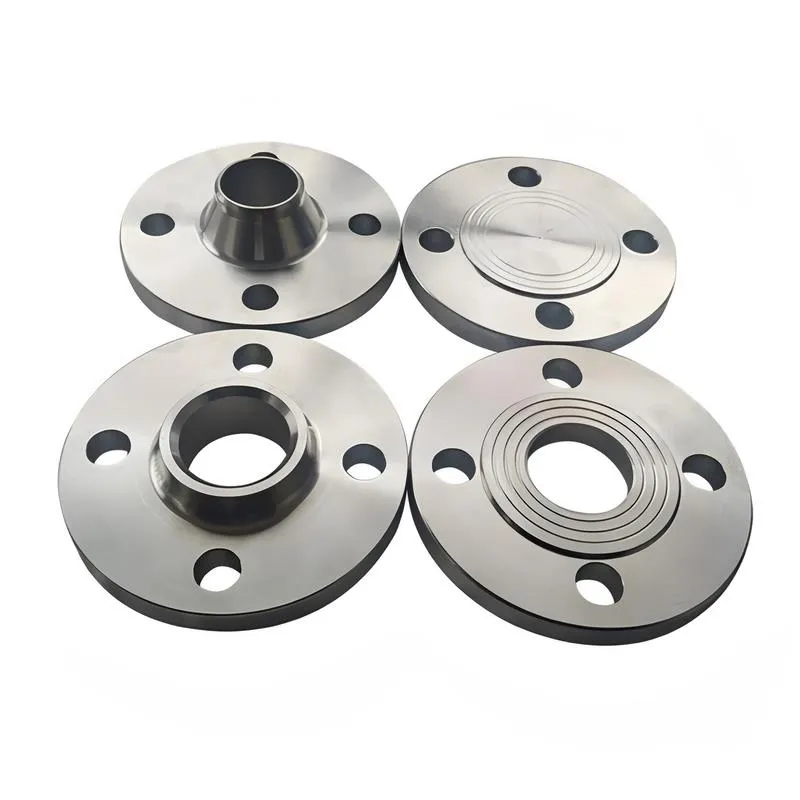
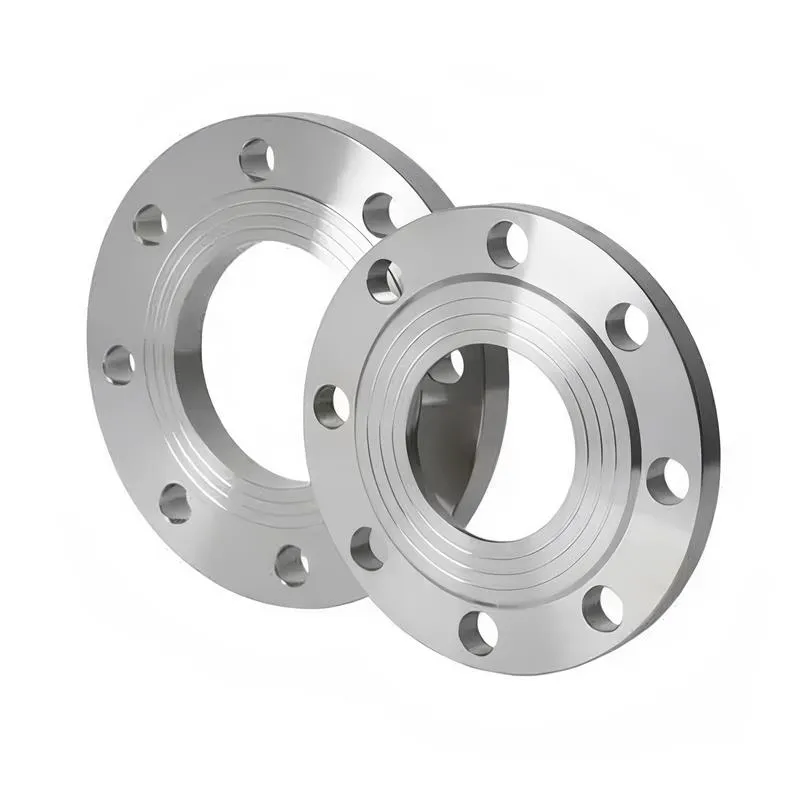
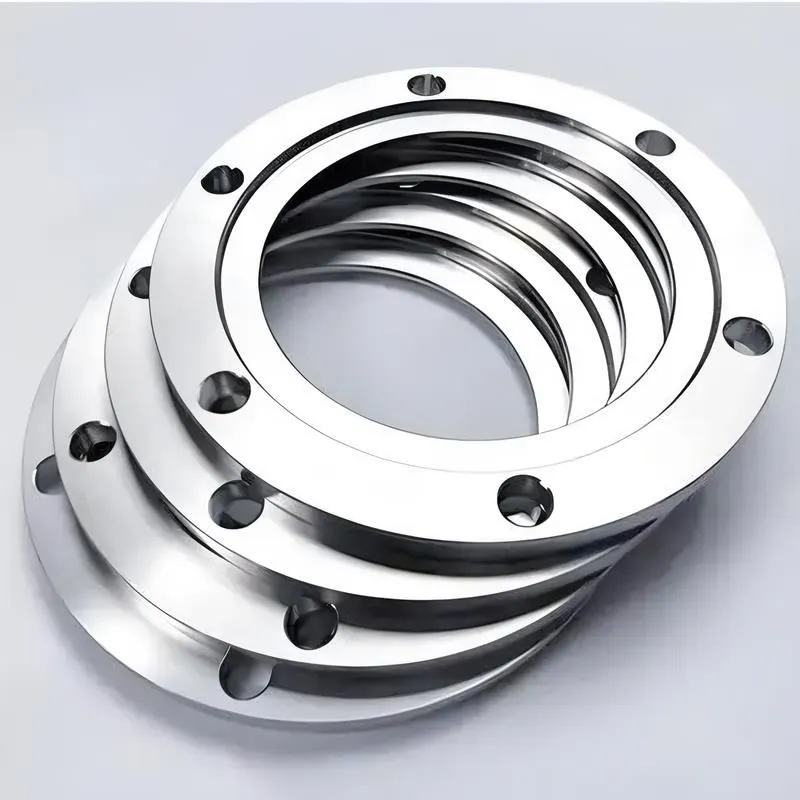
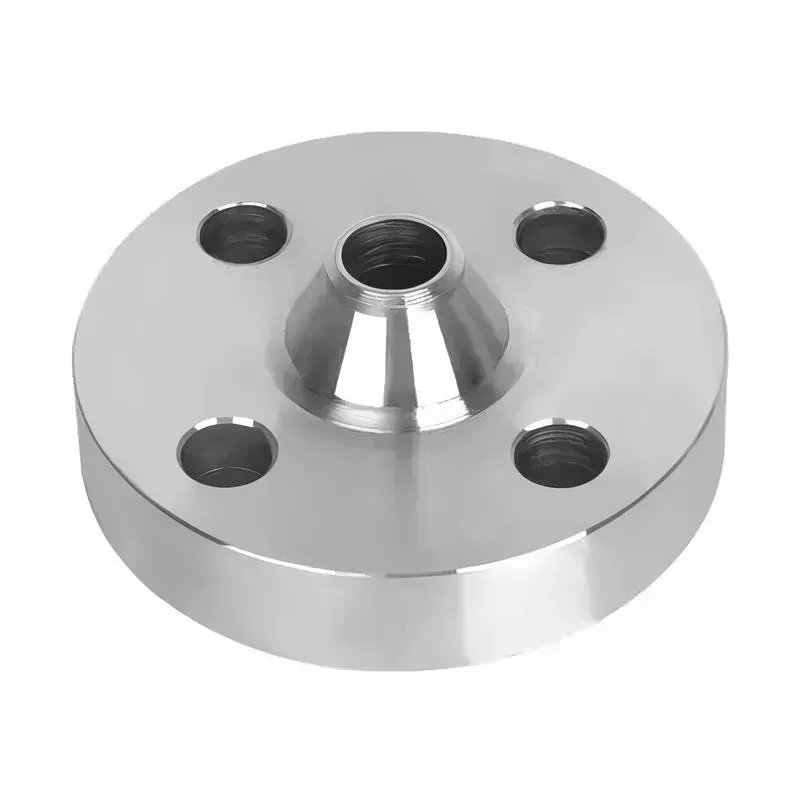
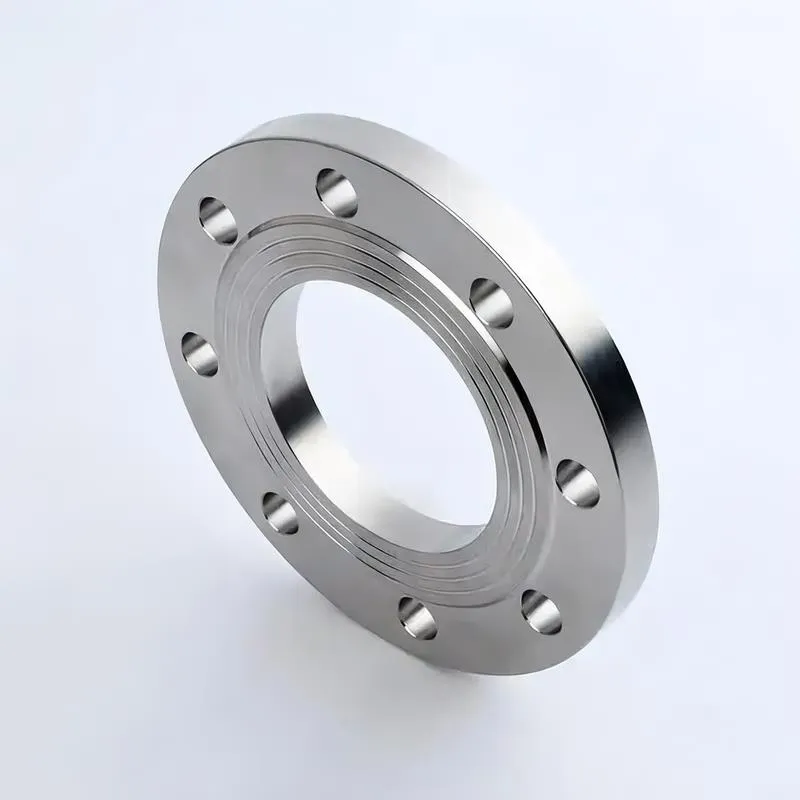
1,We Manufacturing processes are primarily classified into four types:
1:Forging,
2:Casting,
3:Cutting,
4:Rolling.
2,We can manufacture in accordance with these standards.
Standards:
GB Series (Chinese Standards), JB Series (Machinery Standards), HG Series (Chemical Industry Standards), ASME B16.5 (American Standards), BS4504 (British Standards), DIN (German Standards), and JIS (Japanese Standards).
Internationally, there are two primary systems of pipe flange standards: the European system, represented by the German DIN standards (including those of the former Soviet Union), and the American system, represented by the US ANSI pipe flange standards. Other common standards include: the Chinese Ministry of Machinery Industry standards (JB series), the Ministry of Chemical Industry standards (HG series), the Chinese National Standard *GB/T 9112–9124-2010 Steel Pipe Flanges*, as well as US standards (ASME B16.5), British standards (BS4504), German standards (DIN), Japanese standards (JIS), and marine standards (CBM), among others.
The nominal pressure ratings for the PN series are designated by "PN" and comprise the following nine levels: PN2.5, PN6, PN10, PN16, PN25, PN40, PN63, PN100, and PN160.
The nominal pressure ratings for the Class series are designated by "Class" and comprise the following six levels: Class150, Class300, Class600, Class900, Class1500, and Class2500.
Flange Classification
1. **According to Chemical Industry Standards:** Flanges are classified as follows:
Plate Flat Welding Flange (PL), Necked Flat Welding Flange (SO), Necked Butt Welding Flange (WN), Integral Flange (IF), Socket Welding Flange (SW), Threaded Flange (Th), Butt Welding Ring Loose Flange (PJ/SE), Blind Flange (BL), Flat Welding Ring Loose Flange (PJ/PJ), and Lined Blind Flange (BL(s)).
2. **According to Petrochemical (SH) Industry Standards:** Flanges are classified as follows:
Threaded Flange (PL), Butt Welding Flange (WN), Flat Welding Flange (SO), Socket Welding Flange (SW), Loose Flange (LJ), and Blind Flange (no specific designation).
3. **According to Machinery (JB) Industry Standards:** Flanges are classified as follows:
Integral Flange, Butt Welding Flange, Plate Flat Welding Flange, Butt Welding Ring Plate Loose Flange, Flat Welding Ring Plate Loose Flange, Lap Joint Ring Plate Loose Flange, and Blind Flange.
4. **According to Connection Method/Type:** Flanges are classified as follows:
Plate Flat Welding Flange, Necked Flat Welding Flange, Necked Butt Welding Flange, Socket Welding Flange, Threaded Flange, Blind Flange, Necked Butt Welding Ring Loose Flange, Flat Welding Ring Loose Flange, Ring-Type Joint (RTJ) Flange and Blind Flange, Large-Diameter Plate Flange, Large-Diameter High-Neck Flange, Figure-8 Blind Plate, Butt Welding Ring Loose Flange, etc.
5. **According to the Component Being Connected:** Flanges can be classified into Vessel Flanges and Pipe Flanges.
6. **According to Structural Type:** Flanges include Integral Flanges, Threaded Flanges, Flat Welding Flanges, Butt Welding Flanges, Lap Joint (Loose/Swivel) Flanges, and Blind Flanges.
A flange—also referred to as a flange plate or rim—is a component used to connect shafts to one another, or, more commonly, to join the ends of pipes. Flanges are also utilized at the inlet and outlet ports of equipment to facilitate connections between two devices—for instance, the flange on a speed reducer. A "flange connection" or "flanged joint" refers to a detachable joint assembly comprising three interconnected elements—a flange, a gasket, and bolts—that together form a sealed structural unit. In the context of piping systems, a "pipe flange" specifically denotes a flange used for plumbing within the installation; when applied to equipment, it refers to the inlet or outlet flange of that specific device. Flanges feature a series of holes through which bolts are inserted to securely fasten the two flanges together, while a gasket placed between the flanges ensures a leak-proof seal. Flanges are broadly categorized into three types: threaded (screw-in) flanges, welded flanges, and clamp-type flanges. Flanges are invariably used in pairs; threaded flanges are suitable for low-pressure piping applications, whereas welded flanges are required for systems operating at pressures exceeding 4 kilograms per square centimeter. A sealing gasket is inserted between the two flange plates, which are then firmly secured using bolts. The thickness of a flange—as well as the specifications of the bolts used to fasten it—vary depending on the specific pressure rating required for the application. When connecting equipment such as water pumps or valves to piping systems, the corresponding connection points on these devices are often manufactured in the shape of a matching flange; this method of attachment is also referred to as a "flange connection." Generally, any connecting component that utilizes bolts to join and seal the perimeters of two flat surfaces—such as the joints in ventilation ducts—is termed a "flange"; such components may collectively be classified as "flange-type parts." However, since such a connection often constitutes merely a *portion* of a larger device—for instance, the interface between a flange and a water pump—it would be inappropriate to classify the entire water pump itself as a "flange-type part." Conversely, smaller components—such as valves—that feature such flanged interfaces may indeed be appropriately categorized as "flange-type parts."
-:-
For detailed product information, please contact sales.
-:
EN S275J2G4C High Manganese, Structural, Hot Rolled, Quality Steel Flange Product Information
-:-
For detailed product information, please contact sales.
-:
EN S275J2G4C High Manganese, Structural, Hot Rolled, Quality Steel Flange Synonyms
-:-
For detailed product information, please contact sales.
-:
EN S275J2G4C High Manganese, Structural, Hot Rolled, Quality Steel Product Information
-:-
For detailed product information, please contact sales.
-:
# **Product Name:** EN S275J2G4C Structural Steel for Cold Forming, Thermomechanically Rolled, Quality Grade
**Overview:**
EN S275J2G4C is a **high-performance, multi-attribute structural steel** representing a sophisticated combination of advanced processing and specialized chemistry. It is a **thermomechanically rolled (TMCP), fine-grained steel** with **guaranteed impact toughness at -20°C (J2)** and a **chemical composition explicitly optimized for superior cold formability (C)**. This grade is engineered for the most demanding fabrication scenarios, where complex cold-forming operations are required on material that must subsequently deliver reliable performance in low-temperature service, all while offering exceptional weldability. It leverages modern TMCP technology to achieve a fine-grained, ductile matrix ideally suited for deformation. It is **not a "High Manganese" steel**; its capabilities stem from lean alloy design, microalloying, and controlled processing.
**Key International Standards:**
* **Primary Standard:** **EN 10025-4:2019** - Hot rolled products of structural steels - Part 4: Technical delivery conditions for thermomechanical rolled weldable fine grain structural steels.
* The "C" (cold forming) requirement is applied as a supplementary chemical specification, drawing from the principles in EN 10025-2.
* **Grade & Designation Decoding:** **S275J2G4C**
* **S:** Structural Steel.
* **275:** Minimum yield strength in MPa (for nominal thickness ≤ 16mm).
* **J2:** Quality designation, guaranteeing impact energy at **-20°C**.
* **G4/M:** Delivery condition: **Thermomechanically rolled (TMCP)**.
* **C:** Supplementary designation for **steels intended for cold forming**.
* **Core Concept:** This is a **premium, fabrication-focused steel** integrating four key characteristics: 1) Base Strength (S275), 2) Low-Temperature Toughness (J2), 3) Modern TMCP Processing (G4), and 4) Enhanced Formability (C). It is designed for **Cut → Severe Cold Forming → Welding → Service at -20°C**.
* **Clarification on "High Manganese":** This term is **technically inaccurate and misleading**. The manganese content is controlled as part of a lean alloy design focused on weldability and formability, not elevated for traditional strengthening.
**Chemical Composition (Ladle Analysis, % by weight, typical for TMCP with 'C' requirement):**
Ultra-clean and precisely balanced for TMCP response and ductility.
* **Carbon (C):** **Very Low, typically ≤ 0.10%** (Maximizes weldability and formability, core to TMCP philosophy).
* **Manganese (Mn):** **1.30% - 1.60%** (Balanced to achieve strength with low CEV).
* **Phosphorus (P):** ≤ **0.020%** (Very low to eliminate cold shortness).
* **Sulphur (S):** ≤ **0.008%** (Extremely low, often calcium-treated; critical for edge formability and through-thickness ductility).
* **Silicon (Si):** ≤ **0.40%**.
* **Aluminum (Alt):** ≥ **0.020%** (For grain refinement).
* **Microalloys (Nb, Ti):** Precisely added (e.g., Nb 0.02-0.04%, Ti 0.01-0.02%) for grain size control during TMCP.
* **Carbon Equivalent (CEV):** **Exceptionally low, typically ≤ 0.34**. This is the single most important parameter for welding ease.
**Physical & Mechanical Properties (for thermomechanically rolled condition, thickness ≤ 16mm):**
* **Yield Strength (ReH):** ≥ **275 MPa** (Minimum, thickness-dependent).
* **Tensile Strength (Rm):** **410 - 560 MPa**.
* **Elongation at Break (A5):** ≥ **22%** (Minimum, typically higher due to microstructure).
* **Impact Energy (KV):** **≥ 27 J at -20°C** (Longitudinal). Actual values are often significantly higher (e.g., >50J).
* **Fine Grain Size:** Very fine, typically **ASTM 9 or finer**.
* **Cold Formability:** **Outstanding.** The combination of an ultra-low carbon, fine-grained ferritic-bainitic TMCP microstructure and minimal P/S content provides exceptional ductility, allowing for **deep drawing, tight-radius bending, and complex stamping** with excellent surface quality and minimal risk of edge cracking.
* **Density:** **~7.85 g/cm³**.
**Product Features:**
1. **Unparalleled Fabrication Flexibility:** Unites best-in-class **cold formability** with best-in-class **weldability** (due to ultra-low CEV) in a material with certified **-20°C toughness**. This drastically simplifies complex manufacturing processes.
2. **TMCP Efficiency:** Achieves required strength and toughness without post-rolling heat treatment, offering a performance and sustainability advantage.
3. **Consistent & Predictable Performance:** The TMCP process and strict chemistry control yield highly consistent mechanical and forming properties from batch to batch.
4. **Enables Lightweight & Complex Designs:** Allows engineers to specify high-strength steel in complex, cold-formed shapes that were previously risky or impossible, potentially enabling weight savings and innovative designs.
**Typical Applications:**
This grade is specified for high-value, safety-critical components where manufacturing complexity and end-performance are equally demanding.
* **Advanced Commercial Vehicles:** **Complex cold-formed safety-critical chassis components, cab structures, and trailer undercarriages** for operation in arctic or severe winter conditions.
* **Specialized Mobile Machinery:** **Articulated frames, boom sections, and protective cabs** for forestry, mining, and construction equipment in cold climates.
* **Rail Transportation:** **Cold-formed structural elements for high-speed train underframes or locomotive bodies** where dynamic loads and low-temperature service intersect.
* **Energy & Infrastructure:** **Formed housings for offshore converter stations, complex brackets for wind turbine internals, and seismic-resistant architectural elements**.
**Available Forms & Processing:**
* **Forms:** Primarily supplied as **thermomechanically rolled sheet, strip (in coils), and plates**.
* **Surface:** Often supplied as **pickled and oiled (PO)** or with a proprietary protective coating ideal for demanding forming processes.
* **Processing:** **Optimized for high-precision, high-severity cold forming.** Welding is straightforward with low heat input processes recommended to preserve HAZ properties.
---
**Critical Procurement Note:**
* **Specialist Product:** This is not a standard stock item. It requires **direct consultation and ordering from advanced steel mills** capable of this specific TMCP + chemistry combination.
* **Full Specification is Mandatory:** The purchase order must explicitly state **"EN 10025-4 S275J2G4C"** and detail any additional requirements (e.g., specific CEV max, Z-quality if for thick plate).
* **Performance-Based Justification:** The cost premium is justified by **reducing total manufacturing cost** through lower scrap rates, simplified welding, and eliminating secondary heat treatments, while enabling superior product performance.
* **Not "High Manganese":** This label is obsolete. The correct descriptors are **"Ultra-Low Carbon TMCP Steel with Enhanced Cold Formability and -20°C Toughness."**
* **Certification:** Requires a comprehensive **Inspection Certificate 3.2** per EN 10204, including full chemical analysis (highlighting low C, P, S, CEV), mechanical tests, impact tests at -20°C, and grain size assessment.
-:-
For detailed product information, please contact sales.
-:
EN S275J2G4C High Manganese, Structural, Hot Rolled, Quality Steel Specification
Dimensions
Size:
Diameter 20-1000 mm Length <5828 mm
Size:We can customized as required
Standard:
Per your request or drawing
We can customized as required
Properties(Theoretical)
Chemical Composition
-:-
For detailed product information, please contact sales.
-:
EN S275J2G4C High Manganese, Structural, Hot Rolled, Quality Steel Properties
-:-
For detailed product information, please contact sales.
-:
Applications of EN S275J2G4C High Manganese, Structural, Hot Rolled, Quality Steel Flange
-:-
For detailed product information, please contact sales.
-:
Chemical Identifiers EN S275J2G4C High Manganese, Structural, Hot Rolled, Quality Steel Flange
-:-
For detailed product information, please contact sales.
-:
Packing of EN S275J2G4C High Manganese, Structural, Hot Rolled, Quality Steel Flange
-:-
For detailed product information, please contact sales.
-:
Standard Packing:
-:-
For detailed product information, please contact sales.
-:
Typical bulk packaging includes palletized plastic 5 gallon/25 kg. pails, fiber and Steel Flange drums to 1 ton super sacks in full container (FCL) or truck load (T/L) quantities. Research and sample quantities and hygroscopic, oxidizing or other air sensitive materials may be packaged under argon or vacuum. Solutions are packaged in polypropylene, plastic or glass jars up to palletized 2299 gallon liquid totes Special package is available on request. E FORUs’ is carefully handled to minimize damage during storage and transportation and to preserve the quality of our products in their original condition