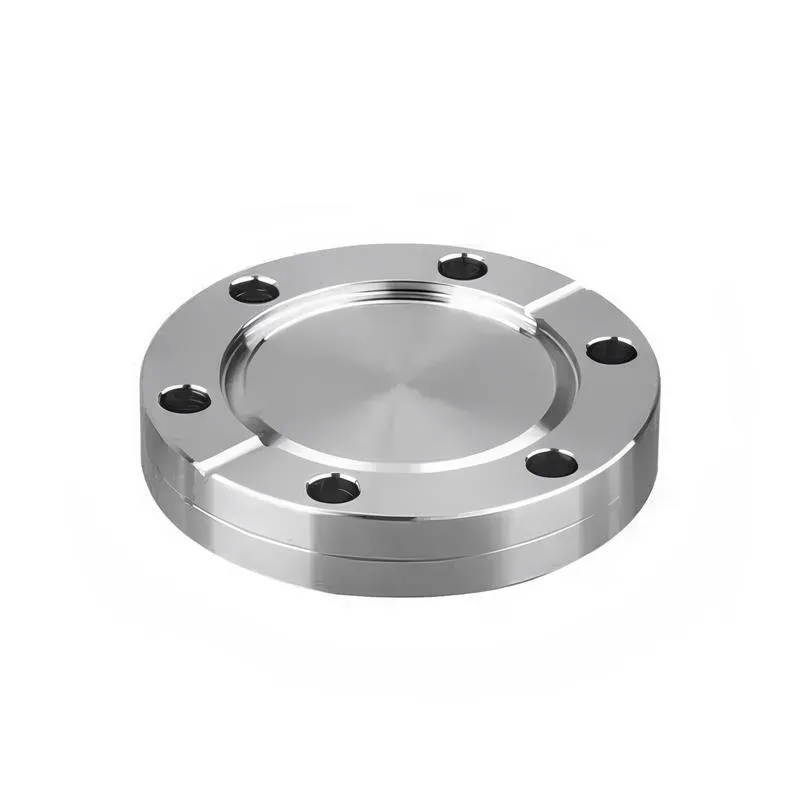
1,We Manufacturing processes are primarily classified into four types:
1:Forging,
2:Casting,
3:Cutting,
4:Rolling.
2,We can manufacture in accordance with these standards.
Standards:
GB Series (Chinese Standards), JB Series (Machinery Standards), HG Series (Chemical Industry Standards), ASME B16.5 (American Standards), BS4504 (British Standards), DIN (German Standards), and JIS (Japanese Standards).
Internationally, there are two primary systems of pipe flange standards: the European system, represented by the German DIN standards (including those of the former Soviet Union), and the American system, represented by the US ANSI pipe flange standards. Other common standards include: the Chinese Ministry of Machinery Industry standards (JB series), the Ministry of Chemical Industry standards (HG series), the Chinese National Standard *GB/T 9112–9124-2010 Steel Pipe Flanges*, as well as US standards (ASME B16.5), British standards (BS4504), German standards (DIN), Japanese standards (JIS), and marine standards (CBM), among others.
The nominal pressure ratings for the PN series are designated by "PN" and comprise the following nine levels: PN2.5, PN6, PN10, PN16, PN25, PN40, PN63, PN100, and PN160.
The nominal pressure ratings for the Class series are designated by "Class" and comprise the following six levels: Class150, Class300, Class600, Class900, Class1500, and Class2500.
Flange Classification
1. **According to Chemical Industry Standards:** Flanges are classified as follows:
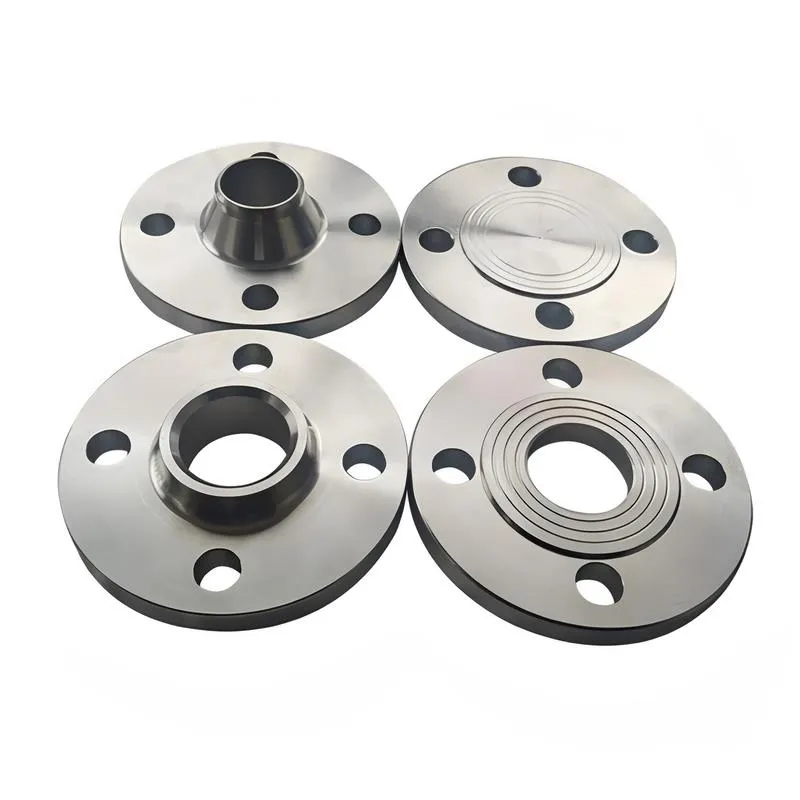
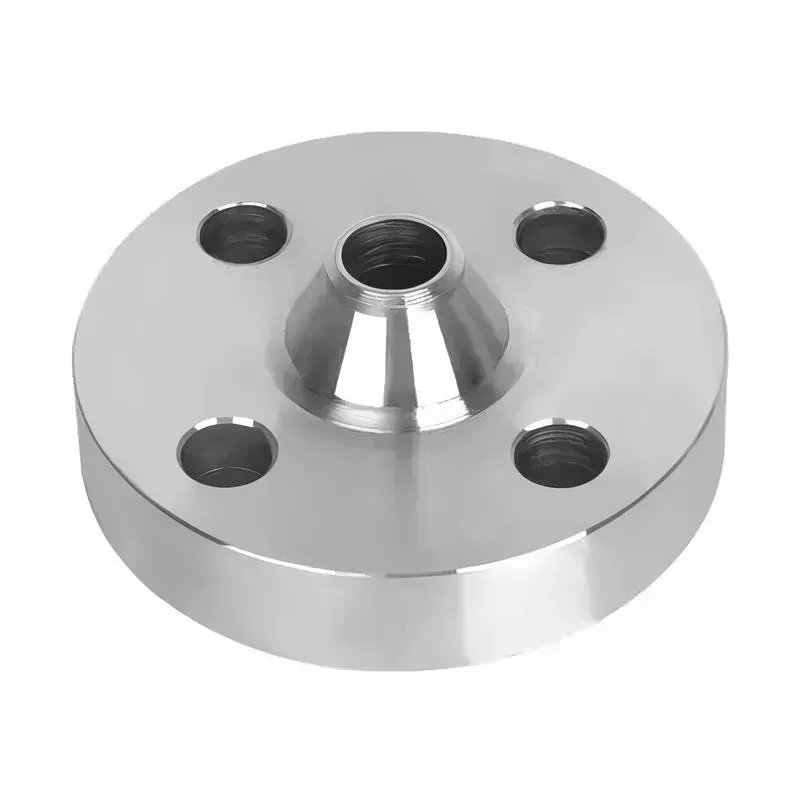
Plate Flat Welding Flange (PL), Necked Flat Welding Flange (SO), Necked Butt Welding Flange (WN), Integral Flange (IF), Socket Welding Flange (SW), Threaded Flange (Th), Butt Welding Ring Loose Flange (PJ/SE), Blind Flange (BL), Flat Welding Ring Loose Flange (PJ/PJ), and Lined Blind Flange (BL(s)).
2. **According to Petrochemical (SH) Industry Standards:** Flanges are classified as follows:
Threaded Flange (PL), Butt Welding Flange (WN), Flat Welding Flange (SO), Socket Welding Flange (SW), Loose Flange (LJ), and Blind Flange (no specific designation).
3. **According to Machinery (JB) Industry Standards:** Flanges are classified as follows:
Integral Flange, Butt Welding Flange, Plate Flat Welding Flange, Butt Welding Ring Plate Loose Flange, Flat Welding Ring Plate Loose Flange, Lap Joint Ring Plate Loose Flange, and Blind Flange.
4. **According to Connection Method/Type:** Flanges are classified as follows:
Plate Flat Welding Flange, Necked Flat Welding Flange, Necked Butt Welding Flange, Socket Welding Flange, Threaded Flange, Blind Flange, Necked Butt Welding Ring Loose Flange, Flat Welding Ring Loose Flange, Ring-Type Joint (RTJ) Flange and Blind Flange, Large-Diameter Plate Flange, Large-Diameter High-Neck Flange, Figure-8 Blind Plate, Butt Welding Ring Loose Flange, etc.
5. **According to the Component Being Connected:** Flanges can be classified into Vessel Flanges and Pipe Flanges.
6. **According to Structural Type:** Flanges include Integral Flanges, Threaded Flanges, Flat Welding Flanges, Butt Welding Flanges, Lap Joint (Loose/Swivel) Flanges, and Blind Flanges.
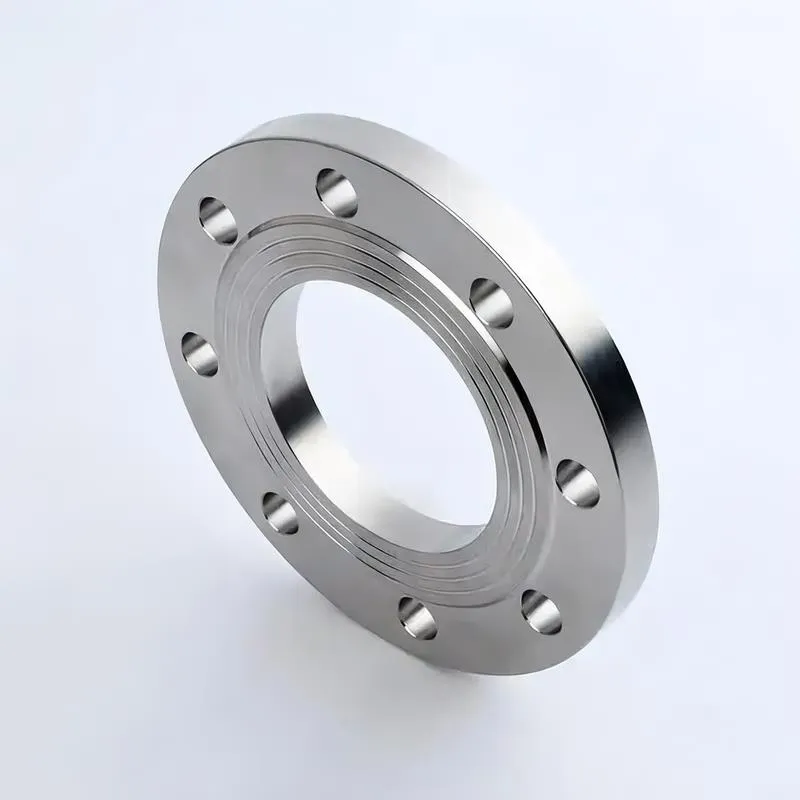
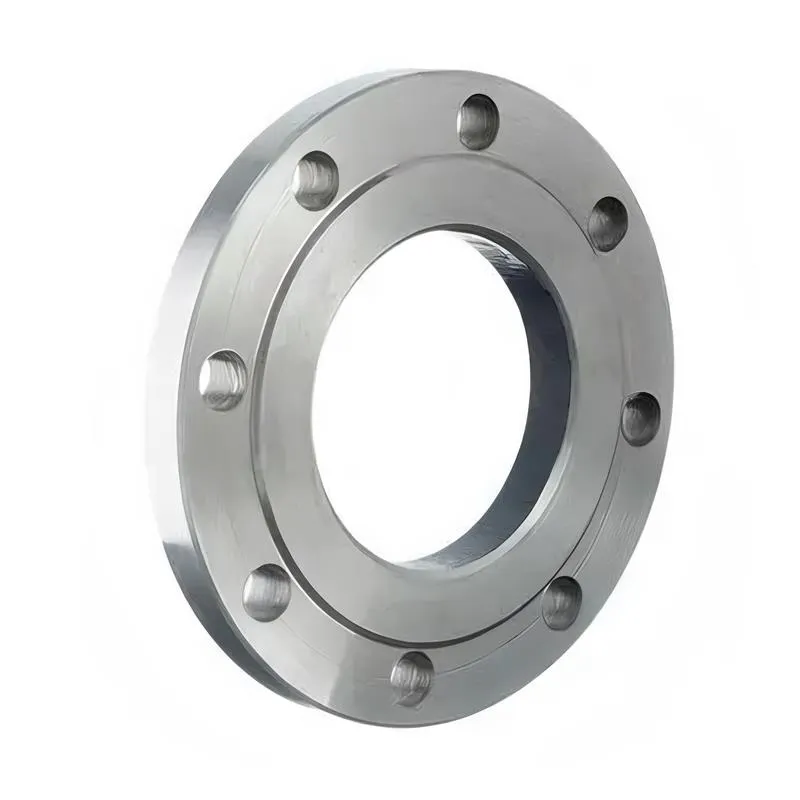
A flange—also referred to as a flange plate or rim—is a component used to connect shafts to one another, or, more commonly, to join the ends of pipes. Flanges are also utilized at the inlet and outlet ports of equipment to facilitate connections between two devices—for instance, the flange on a speed reducer. A "flange connection" or "flanged joint" refers to a detachable joint assembly comprising three interconnected elements—a flange, a gasket, and bolts—that together form a sealed structural unit. In the context of piping systems, a "pipe flange" specifically denotes a flange used for plumbing within the installation; when applied to equipment, it refers to the inlet or outlet flange of that specific device. Flanges feature a series of holes through which bolts are inserted to securely fasten the two flanges together, while a gasket placed between the flanges ensures a leak-proof seal. Flanges are broadly categorized into three types: threaded (screw-in) flanges, welded flanges, and clamp-type flanges. Flanges are invariably used in pairs; threaded flanges are suitable for low-pressure piping applications, whereas welded flanges are required for systems operating at pressures exceeding 4 kilograms per square centimeter. A sealing gasket is inserted between the two flange plates, which are then firmly secured using bolts. The thickness of a flange—as well as the specifications of the bolts used to fasten it—vary depending on the specific pressure rating required for the application. When connecting equipment such as water pumps or valves to piping systems, the corresponding connection points on these devices are often manufactured in the shape of a matching flange; this method of attachment is also referred to as a "flange connection." Generally, any connecting component that utilizes bolts to join and seal the perimeters of two flat surfaces—such as the joints in ventilation ducts—is termed a "flange"; such components may collectively be classified as "flange-type parts." However, since such a connection often constitutes merely a *portion* of a larger device—for instance, the interface between a flange and a water pump—it would be inappropriate to classify the entire water pump itself as a "flange-type part." Conversely, smaller components—such as valves—that feature such flanged interfaces may indeed be appropriately categorized as "flange-type parts."
-:-
For detailed product information, please contact sales.
-:
ASTM A424 Steel Flange, type II, composition A, commercial quality Product Information
-:-
For detailed product information, please contact sales.
-:
ASTM A424 Steel Flange, type II, composition A, commercial quality Synonyms
-:-
For detailed product information, please contact sales.
-:
ASTM A424 Steel, type II, composition A, commercial quality Product Information
-:-
For detailed product information, please contact sales.
-:
# **Product Technical Datasheet: ASTM A424 Type II, Composition A - Commercial Quality Steel Sheet for Porcelain Enameling**
## **1. Product Overview**
**ASTM A424 Type II, Composition A (Commercial Quality)** is a **conventional low-carbon steel sheet** specifically formulated for **two-coat porcelain enameling systems** requiring a ground coat followed by a cover coat. As a commercial quality (CQ) variant with defined Composition A chemistry, it provides a cost-effective substrate for applications where enamel adherence, thermal resistance, and chemical durability are priorities, but premium formability characteristics are not essential. This grade represents a balanced solution for industrial and architectural enameling applications.
## **2. Governing International Standard**
- **Primary Standard:** **ASTM A424/A424M** - Standard Specification for Steel Sheet for Porcelain Enameling
- **Standard Status:** Current active specification
- **Type Classification:** Type II - For two-coat enameling systems
- **Composition Designation:** Composition A - Specific chemistry range for ground coat adherence
- **Quality Tier:** Commercial Quality (CQ) - Standard production quality
- **Related Standards:**
- **ASTM C286** - Terminology for Porcelain Enamel
- **ASTM C347** - Test Method for Porcelain Enamel Adherence
## **3. Chemical Composition**
Composition A represents a specific chemical balance optimized for ground coat adherence in two-coat systems:
| Element | Required Range (%) | Typical (%) | Metallurgical Function |
|---------|-------------------|-------------|------------------------|
| **Carbon (C)** | 0.04 - 0.08 | 0.06 | Moderate level for economy; controlled to minimize fish-scaling |
| **Manganese (Mn)** | 0.30 - 0.50 | 0.40 | Standard deoxidizer and solid solution strengthener |
| **Phosphorus (P)** | 0.015 - 0.040 | 0.025 | **Critical:** Promotes enamel adherence via interface reactions |
| **Sulfur (S)** | ≤ 0.040 | 0.025 | Controlled impurity; affects surface quality |
| **Silicon (Si)** | Trace - 0.03 | 0.02 | Minimized to prevent silica-related enameling defects |
| **Copper (Cu)** | 0.20 max (optional) | 0.10 | Optional for atmospheric corrosion resistance |
| **Nickel (Ni)** | Not required | <0.05 | Residual; not intentionally added |
**Key Composition Features:**
- **Phosphorus Enhancement:** Specifically controlled (0.015-0.040%) to promote ground coat adherence through Fe-P-O interface layer formation
- **Moderate Carbon:** Higher than premium grades but controlled to balance cost and fish-scaling risk
- **No Mandatory Stabilizers:** Titanium/niobium not required for Type II compositions
- **Conventional Deoxidation:** Typically aluminum-killed for consistent quality
## **4. Physical & Mechanical Properties**
### **Base Metal Properties (As-Supplied):**
- **Tensile Strength:** 45 - 60 ksi (310 - 415 MPa)
- **Yield Strength (0.2% Offset):** 30 - 40 ksi (205 - 275 MPa)
- **Elongation in 2" (50 mm):** 28 - 38%
- **Hardness (Rockwell B):** 55 - 75 HRB
- **Yield Point Elongation:** May exhibit slight yield point (1-2%)
- **Strain Hardening Exponent (n):** 0.18 - 0.22
### **Formability Characteristics:**
- **r-value (Normal Anisotropy):** 1.0 - 1.3 (moderate drawing capability)
- **Minimum Bend Radius:** 1.5 × thickness for 90° bend
- **Limiting Drawing Ratio (LDR):** 1.8 - 2.0 (moderate deep drawing)
### **Enameling Performance Properties:**
- **Ground Coat Adherence:** Excellent (due to phosphorus content)
- **Fish-Scale Resistance:** Good with proper firing cycle control
- **Thermal Expansion Coefficient:** ~12.5 × 10⁻⁶/°C
- **Firing Temperature Range:** 780 - 840°C (1436 - 1544°F)
- **Warpage Resistance:** Good for moderate-sized parts
### **Physical Constants:**
- **Density:** 7.85 g/cm³
- **Modulus of Elasticity:** 29 × 10⁶ psi (200 GPa)
- **Poisson's Ratio:** 0.29
- **Thermal Conductivity:** 50 - 52 W/m·K
## **5. Manufacturing Process**
### **Production Route:**
1. **Steelmaking:** Conventional BOF or EAF
2. **Secondary Treatment:** Ladle argon stirring
3. **Continuous Casting:** Standard slab casting
4. **Hot Rolling:** Finish rolling ~900°C
5. **Pickling:** HCl or H₂SO₄ acid cleaning
6. **Cold Rolling:** 50-70% reduction
7. **Annealing:** Batch or continuous annealing
8. **Temper Rolling:** 0.5-1.5% extension
### **Quality Control Points:**
- **Chemical Consistency:** Tight control of P, C, Mn within Composition A ranges
- **Surface Quality:** Commercial surface finish standards
- **Grain Size:** ASTM 6-8 (25-50 μm)
- **Decarburization:** Minimal surface decarb allowed
## **6. Key Characteristics & Performance**
### **Enameling Advantages:**
1. **Superior Ground Coat Adherence:** Phosphorus promotes strong chemical bonding
2. **Good Thermal Resistance:** Suitable for repeated firing cycles
3. **Cost-Effectiveness:** Lower cost than premium enameling steels
4. **Process Tolerance:** Forgiving of normal enameling process variations
5. **Color Consistency:** Good ground coat provides uniform cover coat appearance
### **Forming Characteristics:**
1. **Moderate Formability:** Suitable for most common forming operations
2. **Consistent Springback:** Predictable behavior for tooling design
3. **Good Weldability:** Standard resistance welding compatible
4. **Adequate Strength:** Sufficient for structural enameled components
### **Limitations:**
1. **Limited Deep Drawability:** Not for severe drawing applications
2. **Fish-Scale Risk:** Requires careful firing cycle control
3. **Surface Imperfections:** May show more defects than premium grades
## **7. Typical Applications**
### **Architectural & Building:**
- **Exterior Wall Panels:** Building facades and curtain walls
- **Roofing Components:** Architectural roof panels
- **Column Covers:** Structural column protection
- **Signage:** Durable exterior signs
### **Appliance Industry:**
- **Water Heater Tanks:** Ground coat for corrosion protection
- **Range/Stove Components:** Oven liners and panels
- **Commercial Appliances:** Restaurant equipment surfaces
- **HVAC Components:** Heating system panels
### **Industrial Applications:**
- **Chemical Processing Equipment:** Corrosion-resistant linings
- **Storage Tanks:** Interior protective linings
- **Laboratory Furniture:** Chemical-resistant surfaces
- **Process Vessels:** Industrial equipment linings
### **Consumer Products:**
- **Barbeque Grills:** Heat-resistant cooking surfaces
- **Fireplace Inserts:** Decorative and protective panels
- **Sanitaryware:** Bathtubs and sinks (commercial grade)
## **8. Porcelain Enameling Process**
### **Two-Coat System Requirements:**
**Ground Coat Application:**
- **Purpose:** Provides adherence base and corrosion resistance
- **Thickness:** 0.10 - 0.15 mm (4 - 6 mils)
- **Composition:** Cobalt/Nickel-bearing frit for adherence
- **Firing Temperature:** 800 - 840°C
- **Adherence Mechanism:** Fe-P-O interface layer formation
**Cover Coat Application:**
- **Purpose:** Provides color, gloss, and chemical resistance
- **Thickness:** 0.15 - 0.25 mm (6 - 10 mils)
- **Application:** Wet spray over fired ground coat
- **Firing Temperature:** 780 - 820°C
- **Final Properties:** Durable, chemically resistant surface
### **Process Parameters:**
- **Surface Preparation:** Critical cleaning and pickling
- **Drying Conditions:** Controlled humidity drying
- **Firing Cycles:** Separate firing for each coat
- **Cooling Rates:** Controlled to prevent thermal stress
## **9. Fabrication Guidelines**
### **Forming Operations:**
- **Maximum Drawing Depth:** Limited to moderate draws
- **Bend Allowance:** Standard carbon steel practices
- **Tooling Requirements:** Conventional tool steels acceptable
- **Lubrication:** Compatible with enameling pre-treatment
### **Cutting & Blanking:**
- **Shearing:** Clean edges essential for enamel coverage
- **Laser Cutting:** Produces excellent edge quality
- **Punching:** Sharp tools with proper clearance
- **Deburring:** Essential before enameling
### **Joining Methods:**
- **Resistance Welding:** Spot welding before enameling
- **Mechanical Fastening:** Compatible with enamel system
- **Adhesive Bonding:** Epoxy systems for assembly
## **10. Quality Control & Testing**
### **Steel Quality Tests:**
- **Chemical Analysis:** Verification of Composition A ranges
- **Tensile Testing:** Periodic verification
- **Bend Test:** 180° bend around 1× thickness
- **Surface Inspection:** Visual for major defects
### **Enameling Performance Tests:**
- **ASTM C347:** Adherence test (impact or bend)
- **ASTM C538:** Color and gloss measurement
- **ASTM C614:** Alkali resistance
- **Thermal Shock:** Resistance to thermal cycling
## **11. Comparison with Other Grades**
| Property | Type II Comp A CQ | Type I DQ | Type II Comp B |
|----------|-------------------|-----------|----------------|
| **Carbon Content** | 0.04-0.08% | ≤0.005% | 0.04-0.08% |
| **Phosphorus** | 0.015-0.040% | Trace | 0.015-0.040% |
| **Enamel System** | Two-coat | Single-coat | Two-coat |
| **Formability** | Moderate | Excellent | Good |
| **Adherence Mechanism** | Chemical (P-assisted) | Direct bond | Chemical (Ni-assisted) |
| **Relative Cost** | Low | High | Moderate |
## **12. Economic Considerations**
### **Cost Factors:**
- **Material Cost:** 20-30% lower than premium enameling steels
- **Processing Cost:** Two-coat system increases processing steps
- **Yield Impact:** Generally good production yields
- **Tooling Cost:** Standard tooling acceptable
### **Value Proposition:**
- **Reliable Performance:** Proven two-coat system technology
- **Corrosion Resistance:** Excellent with proper ground coat
- **Design Flexibility:** Suitable for moderately complex shapes
- **Color Options:** Wide range of cover coat colors available
## **13. Storage & Handling**
- **Storage Conditions:** Dry, indoor storage recommended
- **Shelf Life:** 6-12 months with proper storage
- **Surface Protection:** Light oil coating standard
- **Handling:** Clean gloves to prevent contamination
- **Stacking:** Flat with adequate support
## **14. Global Context & Equivalents**
### **International Standards:**
- **Europe:** EN 10209 (modified for phosphorus content)
- **Japan:** Similar concepts in JIS enameling standards
- **General:** Commercial quality low carbon steel with specified P range
### **Market Position:**
- **Mature Technology:** Well-established two-coat system
- **Industry Acceptance:** Widely used in traditional enameling applications
- **Evolution:** Basis for development of more advanced enameling steels
## **15. Limitations & Special Considerations**
1. **Not for Single-Coat Systems:** Specifically designed for two-coat applications
2. **Process Sensitivity:** Requires proper firing cycle control
3. **Thickness Limitations:** Best results in 0.6-2.0 mm range
4. **Forming Limits:** Not for severe deep drawing applications
5. **Surface Preparation:** Critical cleaning essential for success
## **16. Summary**
**ASTM A424 Type II, Composition A (Commercial Quality)** represents a **traditional, cost-effective solution** for **two-coat porcelain enameling applications** requiring reliable ground coat adherence and good chemical resistance. Its specific phosphorus-controlled chemistry (0.015-0.040% P) provides **excellent enamel adherence** through chemical bonding mechanisms, making it particularly suitable for applications where corrosion resistance and durability are priorities.
While offering more limited formability than premium drawing quality grades, this commercial quality variant provides **adequate performance for most standard enameling applications** at a **significantly lower cost point**. Its proven two-coat system technology delivers reliable results for architectural panels, appliance components, and industrial applications where the additional processing steps of a two-coat system are justified by the required performance characteristics.
For manufacturers seeking a **balanced combination of performance and economy** in porcelain enameling applications, ASTM A424 Type II Composition A CQ offers a **practical, time-tested solution** that continues to serve numerous industrial and architectural markets effectively.
-:-
For detailed product information, please contact sales.
-:
ASTM A424 Steel, type II, composition A, commercial quality Specification
Dimensions
Size:
Diameter 20-1000 mm Length <5892 mm
Size:We can customized as required
Standard:
Per your request or drawing
We can customized as required
Properties(Theoretical)
Chemical Composition
-:-
For detailed product information, please contact sales.
-:
ASTM A424 Steel, type II, composition A, commercial quality Properties
-:-
For detailed product information, please contact sales.
-:
Applications of ASTM A424 Steel Flange, type II, composition A, commercial quality
-:-
For detailed product information, please contact sales.
-:
Chemical Identifiers ASTM A424 Steel Flange, type II, composition A, commercial quality
-:-
For detailed product information, please contact sales.
-:
Packing of ASTM A424 Steel Flange, type II, composition A, commercial quality
-:-
For detailed product information, please contact sales.
-:
Standard Packing:
-:-
For detailed product information, please contact sales.
-:
Typical bulk packaging includes palletized plastic 5 gallon/25 kg. pails, fiber and Steel Flange drums to 1 ton super sacks in full container (FCL) or truck load (T/L) quantities. Research and sample quantities and hygroscopic, oxidizing or other air sensitive materials may be packaged under argon or vacuum. Solutions are packaged in polypropylene, plastic or glass jars up to palletized 2363 gallon liquid totes Special package is available on request. E FORUs’ is carefully handled to minimize damage during storage and transportation and to preserve the quality of our products in their original condition