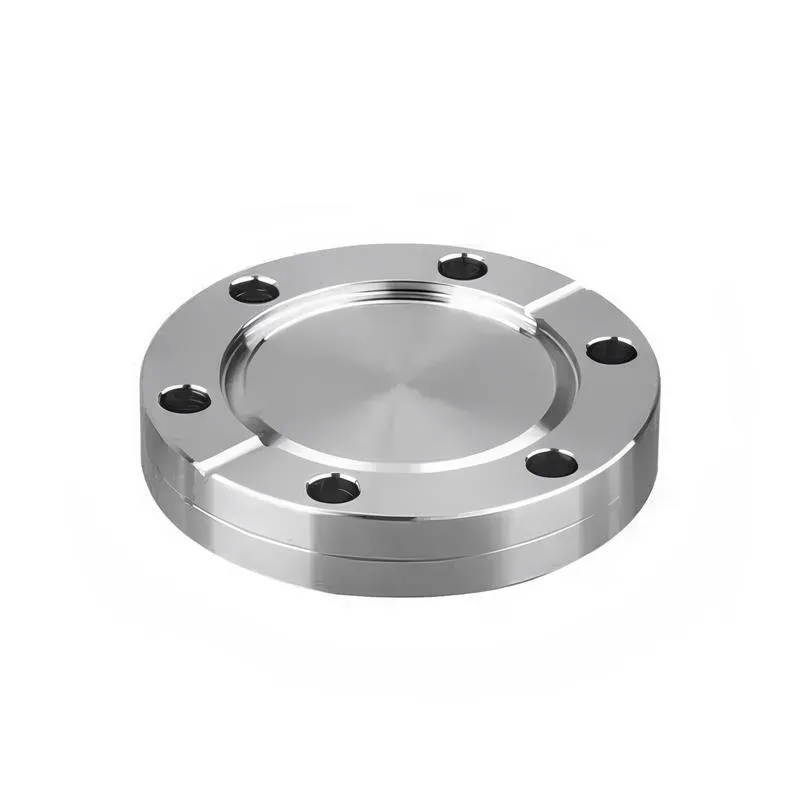
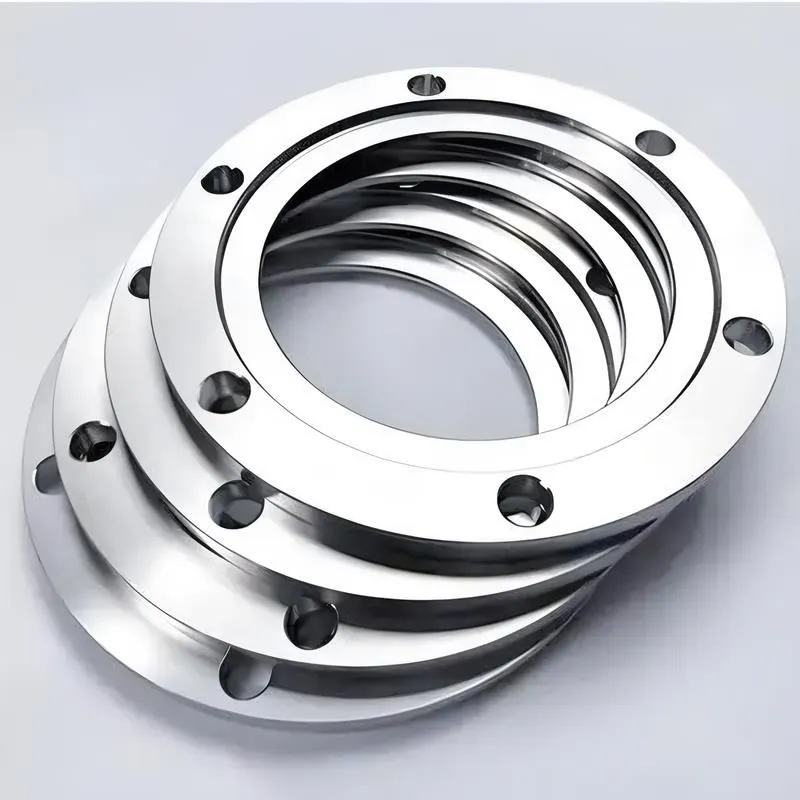
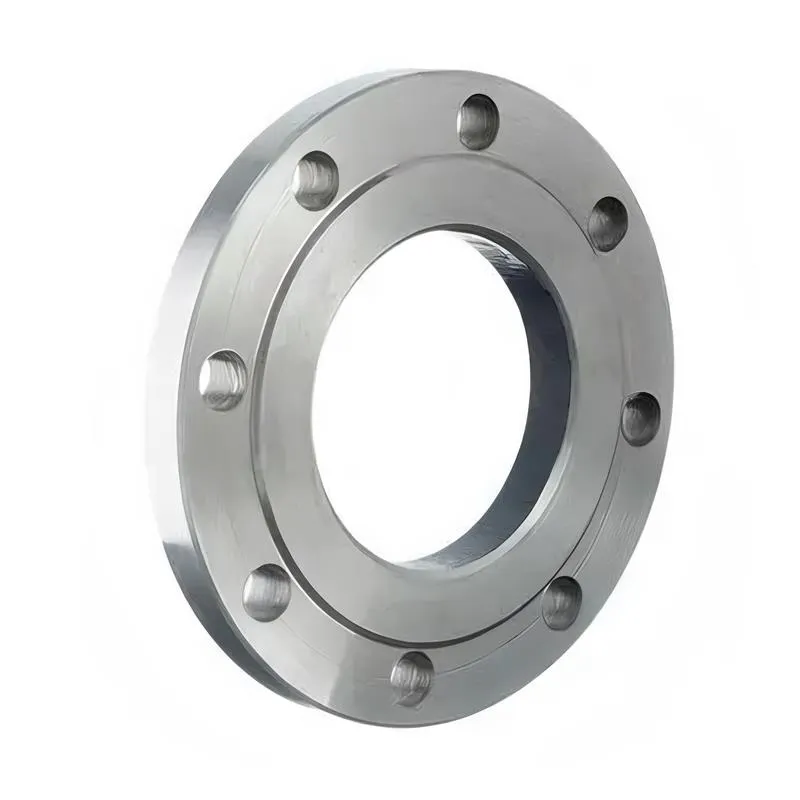
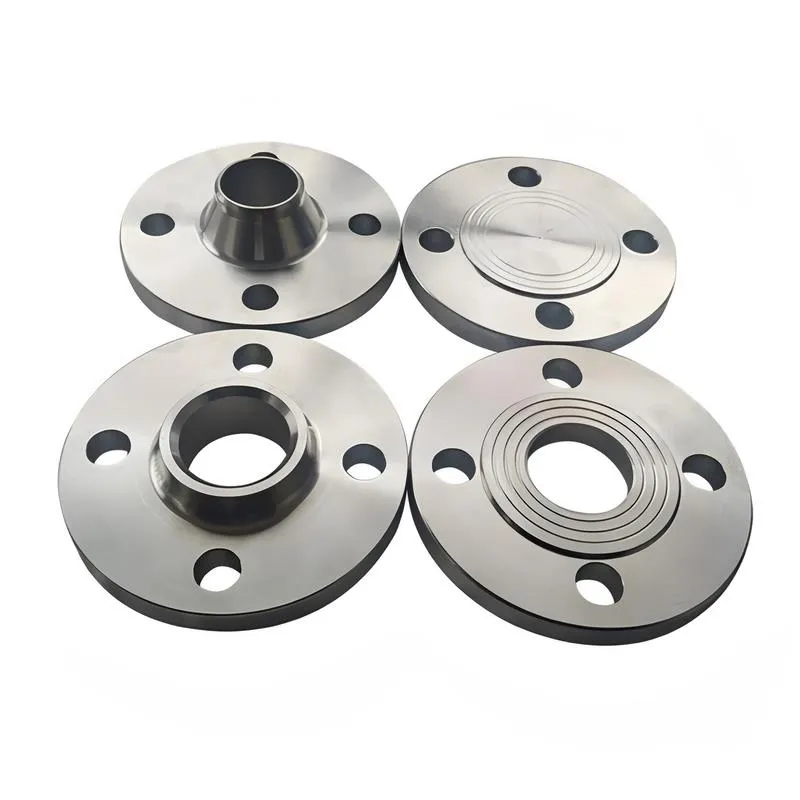
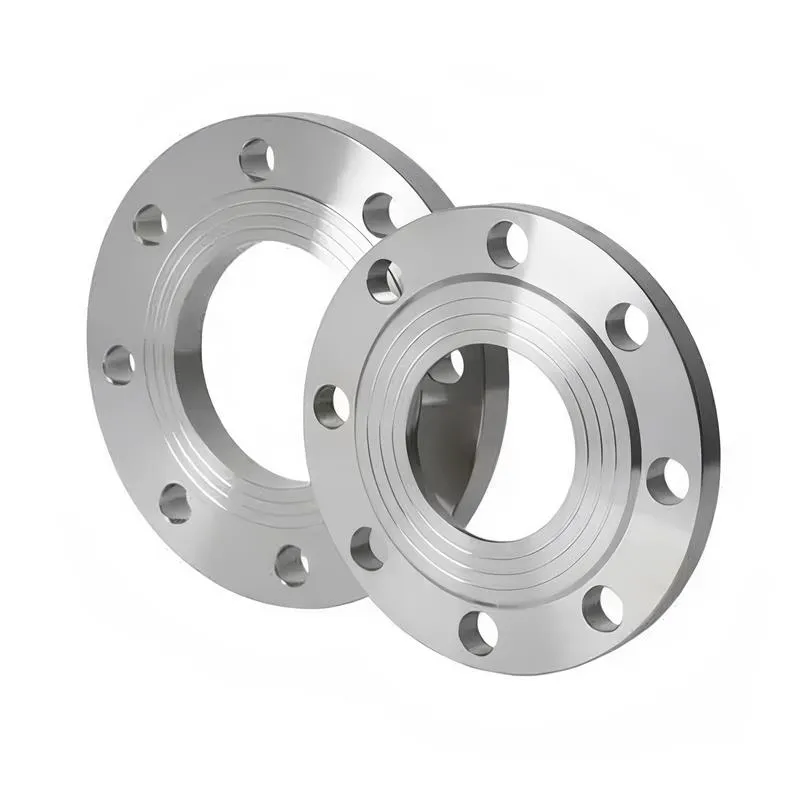
1,We Manufacturing processes are primarily classified into four types:
1:Forging,
2:Casting,
3:Cutting,
4:Rolling.
2,We can manufacture in accordance with these standards.
Standards:
GB Series (Chinese Standards), JB Series (Machinery Standards), HG Series (Chemical Industry Standards), ASME B16.5 (American Standards), BS4504 (British Standards), DIN (German Standards), and JIS (Japanese Standards).
Internationally, there are two primary systems of pipe flange standards: the European system, represented by the German DIN standards (including those of the former Soviet Union), and the American system, represented by the US ANSI pipe flange standards. Other common standards include: the Chinese Ministry of Machinery Industry standards (JB series), the Ministry of Chemical Industry standards (HG series), the Chinese National Standard *GB/T 9112–9124-2010 Steel Pipe Flanges*, as well as US standards (ASME B16.5), British standards (BS4504), German standards (DIN), Japanese standards (JIS), and marine standards (CBM), among others.
The nominal pressure ratings for the PN series are designated by "PN" and comprise the following nine levels: PN2.5, PN6, PN10, PN16, PN25, PN40, PN63, PN100, and PN160.
The nominal pressure ratings for the Class series are designated by "Class" and comprise the following six levels: Class150, Class300, Class600, Class900, Class1500, and Class2500.
Flange Classification
1. **According to Chemical Industry Standards:** Flanges are classified as follows:
Plate Flat Welding Flange (PL), Necked Flat Welding Flange (SO), Necked Butt Welding Flange (WN), Integral Flange (IF), Socket Welding Flange (SW), Threaded Flange (Th), Butt Welding Ring Loose Flange (PJ/SE), Blind Flange (BL), Flat Welding Ring Loose Flange (PJ/PJ), and Lined Blind Flange (BL(s)).
2. **According to Petrochemical (SH) Industry Standards:** Flanges are classified as follows:
Threaded Flange (PL), Butt Welding Flange (WN), Flat Welding Flange (SO), Socket Welding Flange (SW), Loose Flange (LJ), and Blind Flange (no specific designation).
3. **According to Machinery (JB) Industry Standards:** Flanges are classified as follows:
Integral Flange, Butt Welding Flange, Plate Flat Welding Flange, Butt Welding Ring Plate Loose Flange, Flat Welding Ring Plate Loose Flange, Lap Joint Ring Plate Loose Flange, and Blind Flange.
4. **According to Connection Method/Type:** Flanges are classified as follows:
Plate Flat Welding Flange, Necked Flat Welding Flange, Necked Butt Welding Flange, Socket Welding Flange, Threaded Flange, Blind Flange, Necked Butt Welding Ring Loose Flange, Flat Welding Ring Loose Flange, Ring-Type Joint (RTJ) Flange and Blind Flange, Large-Diameter Plate Flange, Large-Diameter High-Neck Flange, Figure-8 Blind Plate, Butt Welding Ring Loose Flange, etc.
5. **According to the Component Being Connected:** Flanges can be classified into Vessel Flanges and Pipe Flanges.
6. **According to Structural Type:** Flanges include Integral Flanges, Threaded Flanges, Flat Welding Flanges, Butt Welding Flanges, Lap Joint (Loose/Swivel) Flanges, and Blind Flanges.
A flange—also referred to as a flange plate or rim—is a component used to connect shafts to one another, or, more commonly, to join the ends of pipes. Flanges are also utilized at the inlet and outlet ports of equipment to facilitate connections between two devices—for instance, the flange on a speed reducer. A "flange connection" or "flanged joint" refers to a detachable joint assembly comprising three interconnected elements—a flange, a gasket, and bolts—that together form a sealed structural unit. In the context of piping systems, a "pipe flange" specifically denotes a flange used for plumbing within the installation; when applied to equipment, it refers to the inlet or outlet flange of that specific device. Flanges feature a series of holes through which bolts are inserted to securely fasten the two flanges together, while a gasket placed between the flanges ensures a leak-proof seal. Flanges are broadly categorized into three types: threaded (screw-in) flanges, welded flanges, and clamp-type flanges. Flanges are invariably used in pairs; threaded flanges are suitable for low-pressure piping applications, whereas welded flanges are required for systems operating at pressures exceeding 4 kilograms per square centimeter. A sealing gasket is inserted between the two flange plates, which are then firmly secured using bolts. The thickness of a flange—as well as the specifications of the bolts used to fasten it—vary depending on the specific pressure rating required for the application. When connecting equipment such as water pumps or valves to piping systems, the corresponding connection points on these devices are often manufactured in the shape of a matching flange; this method of attachment is also referred to as a "flange connection." Generally, any connecting component that utilizes bolts to join and seal the perimeters of two flat surfaces—such as the joints in ventilation ducts—is termed a "flange"; such components may collectively be classified as "flange-type parts." However, since such a connection often constitutes merely a *portion* of a larger device—for instance, the interface between a flange and a water pump—it would be inappropriate to classify the entire water pump itself as a "flange-type part." Conversely, smaller components—such as valves—that feature such flanged interfaces may indeed be appropriately categorized as "flange-type parts."
-:-
For detailed product information, please contact sales.
-:
AISI 8640H Steel Flange, oil quenched 845°C (1550°F), 540°C (1000°F) temper, 100 mm (4 in.) round Product Information
-:-
For detailed product information, please contact sales.
-:
AISI 8640H Steel Flange, oil quenched 845°C (1550°F), 540°C (1000°F) temper, 100 mm (4 in.) round Synonyms
-:-
For detailed product information, please contact sales.
-:
AISI 8640H Steel, oil quenched 845°C (1550°F), 540°C (1000°F) temper, 100 mm (4 in.) round Product Information
-:-
For detailed product information, please contact sales.
-:
# **Technical Data Sheet: AISI 8640H Alloy Steel**
## **H-Grade, Oil Quenched & Tempered - Large Diameter Round Bar**
### **1. Product Identification**
**Designation:** AISI 8640H / UNS H86400
**Condition:** Oil Quenched from 845°C (1550°F) + Tempered at 540°C (1000°F)
**Form:** Round Bar
**Diameter:** 100 mm (4.0 inches)
**Material Classification:** Nickel-Chromium-Molybdenum (Ni-Cr-Mo) Medium-Carbon Alloy Steel - Hardenability Controlled
**Key Profile:** This specification represents AISI 8640H in a large-section format, heat treated to achieve the optimal balance of strength and toughness for heavy-duty applications. The "H" designation ensures consistent hardenability response across large cross-sections, while the 540°C temper provides the ideal combination of tensile strength, impact resistance, and fatigue performance for critical structural components.
---
### **2. Standards & Specifications**
**International Standards Compliance:**
- **UNS:** H86400
- **ASTM Standards:**
- **A304:** Steel Bars, Alloy, Subject to End-Quench Hardenability Requirements
- **A331:** Alloy Steel Bars Subject to Mechanical Property Requirements
- **A29/A29M:** Steel Bars, Carbon and Alloy, Hot-Wrought and Cold-Finished
- **SAE/AISI:** SAE J1268 (Hardenability Bands), J404 (Chemical Composition)
- **ISO Equivalent:** 683-11 (Heat-treatable steels, alloy steels)
- **EN (European):** 1.6546 (34CrNiMo6) - Similar composition with hardenability controls
- **DIN:** 34CrNiMo6
---
### **3. Chemical Composition (H-Grade Controlled)**
**Guaranteed Composition Ranges (Weight %):**
| Element | H-Grade Range | Target Value | Metallurgical Purpose |
|---------|---------------|--------------|------------------------|
| **Carbon (C)** | 0.37 - 0.44% | 0.40% | Determines core hardness and strength |
| **Manganese (Mn)** | 0.70 - 1.05% | 0.88% | Enhances hardenability, critical for large sections |
| **Silicon (Si)** | 0.15 - 0.35% | 0.25% | Deoxidizer, solid solution strengthener |
| **Nickel (Ni)** | 0.35 - 0.75% | 0.55% | Improves toughness throughout large cross-section |
| **Chromium (Cr)** | 0.35 - 0.65% | 0.50% | Increases hardenability depth for through-hardening |
| **Molybdenum (Mo)** | 0.15 - 0.25% | 0.20% | Reduces temper embrittlement, improves hardenability |
| **Phosphorus (P)** | ≤ 0.035% | 0.020% | Residual (minimized) |
| **Sulfur (S)** | ≤ 0.040% | 0.025% | Residual (standard grade) |
| **Iron (Fe)** | Balance | Balance | Matrix element |
**H-Grade Significance for 100 mm Diameter:** The controlled composition ensures predictable through-hardening to the center of large sections, with consistent mechanical properties from surface to core.
---
### **4. Heat Treatment Process for Large Sections**
**Specialized Processing for 100 mm Diameter:**
1. **Austenitizing:**
- Temperature: 845°C ± 10°C (1550°F ± 20°F)
- Soak Time: 2.0 - 2.5 hours (to ensure complete transformation throughout section)
- Atmosphere: Controlled to prevent decarburization and scaling
2. **Quenching:**
- Medium: Fast quenching oil with high cooling capacity
- Oil Temperature: 50-70°C (122-158°F)
- Agitation: High-velocity circulation to maximize heat extraction
- Quench Severity (H-value): ≥ 0.7 for complete martensite formation
3. **Tempering:**
- Temperature: 540°C ± 10°C (1000°F ± 20°F)
- Time: 3.0 - 4.0 hours (to ensure complete transformation and stress relief)
- Cooling: Still air cooling to room temperature
**Critical Considerations for Large Diameter:**
- **Preheating:** Recommended at 650°C (1200°F) before austenitizing to minimize thermal shock
- **Quench Delay:** Minimized to prevent ferrite formation
- **Tempering:** Immediate tempering after quenching to prevent cracking
- **Stress Relief:** Optional additional tempering at 600°C for maximum dimensional stability
---
### **5. Mechanical Properties (100 mm Diameter)**
**Properties at Various Radial Positions:**
| Property | Surface (0 mm) | Mid-Radius (25 mm) | Center (50 mm) | Test Standard |
|----------|----------------|-------------------|----------------|---------------|
| **Tensile Strength** | 1035 - 1130 MPa | 1000 - 1100 MPa | 970 - 1070 MPa | ASTM A370 |
| **Yield Strength (0.2%)** | 930 - 1030 MPa | 900 - 990 MPa | 870 - 960 MPa | ASTM A370 |
| **Elongation** | 14 - 16% | 15 - 17% | 16 - 18% | ASTM A370 |
| **Reduction of Area** | 45 - 50% | 47 - 52% | 48 - 53% | ASTM A370 |
| **Hardness** | 35 - 39 HRC | 34 - 38 HRC | 33 - 37 HRC | ASTM E18 |
| **Charpy V-Notch Impact** | 40 - 50 J | 42 - 52 J | 44 - 54 J | ASTM E23 |
| **Fatigue Strength (10⁷ cycles)** | 480 - 550 MPa | 470 - 540 MPa | 460 - 530 MPa | ASTM E466 |
**Property Uniformity:**
- **Hardness Gradient:** ≤ 4 HRC points from surface to center
- **Strength Variation:** ≤ 6% from surface to center
- **Toughness Consistency:** Charpy values within 10 J across section
**Comparative Properties vs. Smaller Diameters:**
| Diameter | Surface Hardness | Core Hardness | Core/Surface Ratio |
|----------|------------------|---------------|-------------------|
| **25 mm (1")** | 36-40 HRC | 36-40 HRC | ~100% |
| **50 mm (2")** | 35-39 HRC | 34-38 HRC | ~97% |
| **75 mm (3")** | 34-38 HRC | 33-37 HRC | ~94% |
| **100 mm (4")** | 33-37 HRC | 32-36 HRC | ~91% |
---
### **6. Physical Properties**
| Property | Value | Units | Conditions |
|----------|-------|-------|------------|
| **Density** | 7.85 | g/cm³ | At 20°C |
| **Melting Range** | 1420 - 1470 | °C | - |
| **Thermal Conductivity** | 42.6 | W/m·K | At 100°C |
| **Specific Heat Capacity** | 460 | J/kg·K | At 100°C |
| **Coefficient of Thermal Expansion** | 11.5 × 10⁻⁶ | /°C | 20-100°C |
| **Modulus of Elasticity** | 205 | GPa | 29.7 × 10⁶ psi |
| **Shear Modulus** | 80 | GPa | 11.6 × 10⁶ psi |
| **Poisson's Ratio** | 0.29 | - | - |
| **Transformational Volume Change** | ~0.4% | - | During quenching |
---
### **7. Hardenability & Microstructure**
**Jominy Hardenability (SAE J1268):**
| Distance from Quenched End | Rockwell C Hardness Range | Equivalent Position in 100 mm Round |
|----------------------------|---------------------------|-------------------------------------|
| 1.5 mm (1/16") | 45-57 HRC | Surface equivalent |
| 9.5 mm (3/8") | 33-44 HRC | 1/4 radius (12.5 mm) |
| 19.0 mm (3/4") | 25-36 HRC | 1/2 radius (25 mm) |
| 25.4 mm (1") | 22-33 HRC | 3/4 radius (37.5 mm) |
| 31.8 mm (1¼") | 20-30 HRC | Center equivalent |
**Microstructural Characteristics:**
- **Surface:** Fine tempered martensite with minimal retained austenite (<3%)
- **Mid-Radius:** Tempered martensite with possible small amounts of bainite
- **Center:** Tempered martensite/bainite mixture
- **Prior Austenite Grain Size:** ASTM 7-8 (15-22 μm)
- **Inclusion Rating:** ASTM E45 Method D, ≤2.0 for all inclusion types
---
### **8. Material Characteristics & Performance**
**Advantages for Large Section Applications:**
1. **Deep Hardenability:** Consistent through-hardening to center of 100 mm section
2. **Uniform Properties:** Minimal property gradient from surface to core
3. **High Load Capacity:** Suitable for heavy bending and torsional loads
4. **Good Fatigue Resistance:** Excellent for large rotating components
5. **Impact Resistance:** Maintains toughness throughout cross-section
6. **Dimensional Stability:** Minimal distortion during heat treatment with proper processing
7. **Predictable Performance:** H-grade ensures consistent response to heat treatment
**Limitations & Special Considerations:**
- **Quenching Cracks:** Higher risk due to thermal stresses; requires controlled quenching
- **Residual Stresses:** Higher than smaller sections; may require stress relieving
- **Machining Difficulty:** Harder to machine than smaller diameters or softer tempers
- **Inspection Challenges:** Non-destructive testing more complex for internal defects
---
### **9. Applications**
**Heavy Machinery & Equipment:**
- Large gear blanks and forgings
- Heavy-duty shafts and spindles for industrial machinery
- Rolling mill backup rolls and intermediate rolls
- Large connecting rods for diesel engines
- Crane and hoist drum shafts
**Energy Sector:**
- Turbine shafts for hydroelectric generators
- Pump shafts for large cooling water systems
- Gearbox components for wind turbines
- Compressor crankshafts for gas compression
- Reactor coolant pump shafts
**Marine & Offshore:**
- Propulsion shafts for commercial vessels
- Rudder stocks and stern tubes
- Winch and windlass shafts
- Offshore platform crane components
- Subsea equipment shafts
**Mining & Mineral Processing:**
- Crusher main shafts
- Ball mill trunnions
- Dragline swing machinery shafts
- Conveyor drive shafts
- Hydraulic shovel swing mechanisms
**Steel & Metal Production:**
- Rolling mill pinions
- Shear blades and holders
- Continuous caster rolls
- Forging press components
- Extrusion press rams
**Transportation:**
- Heavy truck axle shafts
- Railway locomotive drive shafts
- Large vehicle king pins
- Suspension components for heavy equipment
- Driveline components for mining trucks
---
### **10. Machining & Processing Guidelines**
**Machining Recommendations:**
- **Tool Materials:** Carbide or ceramic inserts for roughing, CBN for finishing
- **Cutting Speed:** 60-90 m/min for turning operations
- **Feed Rate:** 0.20-0.35 mm/rev for roughing, 0.10-0.20 mm/rev for finishing
- **Depth of Cut:** Up to 5 mm for roughing, 0.5-1.0 mm for finishing
- **Coolant:** High-pressure coolant system recommended for heat dissipation
**Special Considerations for Large Diameters:**
- **Workholding:** Requires rigid setup to minimize vibration
- **Tool Geometry:** Positive rake angles to reduce cutting forces
- **Chip Control:** May produce long, continuous chips; chip breakers essential
- **Thermal Management:** Intermittent cutting recommended to prevent heat buildup
**Grinding & Finishing:**
- **Wheel Selection:** Aluminum oxide or CBN wheels
- **Coolant:** Ample supply to prevent thermal damage
- **Parameters:** Light passes to minimize heat generation
---
### **11. Quality Assurance & Testing**
**Mandatory Testing for 100 mm Diameter:**
1. **Position-Specific Testing:** Tensile and impact tests from surface, mid-radius, and center locations
2. **Hardenability Verification:** Jominy test on each heat
3. **Ultrasonic Testing:** 100% volumetric inspection per ASTM A388
4. **Magnetic Particle Inspection:** Surface and near-surface defect detection
5. **Macroetch Testing:** Assessment of internal soundness per ASTM E340
6. **Sulfur Print:** For segregation assessment
**Additional Recommended Testing:**
- Residual stress measurement (X-ray diffraction)
- Fracture toughness testing
- Fatigue testing at representative stress levels
- Microstructural examination at multiple locations
**Certification Requirements:**
- EN 10204 3.2 Inspection Certificate
- Full traceability to original heat
- Heat treatment records with time-temperature charts
- Complete mechanical test reports from all required locations
- Non-destructive testing reports
---
### **12. Comparative Analysis**
**Vs. Standard 8640 (100 mm Diameter):**
- More consistent properties from surface to center
- Predictable hardenability regardless of production batch
- Reduced risk of soft spots in core region
- Better fatigue performance consistency
**Vs. Smaller Diameter 8640H:**
- Slightly lower surface hardness (2-3 HRC points)
- More gradual hardness gradient
- Higher residual stresses requiring careful management
- Longer heat treatment times required
**Alternative Materials for Large Sections:**
- **4340H:** Higher hardenability, better for >125 mm diameters
- **4140H:** Lower cost, adequate for many applications up to 75 mm
- **300M:** Higher strength but more difficult to process in large sections
- **4340 modified:** Similar performance with different alloy balance
---
### **13. Technical Recommendations**
**Design Guidelines for Large Sections:**
1. **Stress Concentrations:** Use generous fillet radii (minimum R = 6 mm)
2. **Surface Treatments:** Shot peening recommended for improved fatigue life
3. **Keyways & Splines:** Locate away from high-stress areas when possible
4. **Hollow Sections:** Consider for weight reduction while maintaining stiffness
**Heat Treatment Best Practices:**
- **Preheating:** Essential for sections >75 mm diameter
- **Quenching:** Controlled agitation to minimize distortion
- **Tempering:** Multiple tempering cycles for maximum toughness
- **Stress Relieving:** Recommended for complex geometries
**Procurement Specification Example:**
```
MATERIAL: AISI 8640H Alloy Steel Round Bar
DIAMETER: 100 mm (+0/-0.15 mm)
CONDITION: Oil Quenched 845°C, Tempered 540°C
PROPERTIES: Surface: UTS ≥ 1035 MPa, YS ≥ 930 MPa
Center: UTS ≥ 970 MPa, YS ≥ 870 MPa
HARDNESS: 33-37 HRC surface to center
IMPACT: Charpy V-Notch ≥ 40 J at all locations
TESTING: Tensile & impact from surface, 1/2 radius, and center
NDT: 100% ultrasonic testing per ASTM A388
CERTIFICATION: EN 10204 3.2 with full traceability
```
---
### **14. Storage & Handling**
**Special Considerations for Large Diameter Bars:**
- **Storage:** Horizontal on multiple supports to prevent sagging
- **Supports:** Minimum 3 supports for 4-meter lengths, spaced evenly
- **Protection:** Heavy-duty rust preventive coating recommended
- **Handling:** Use spreader beams for lifting to prevent bending
- **Identification:** Permanent marking at both ends for traceability
**Shelf Life & Maintenance:**
- **Indoor Storage:** 24 months with proper protection
- **Outdoor Storage:** Not recommended without special protection
- **Inspection:** Regular visual inspection for surface corrosion
- **Re-protection:** Reapply rust preventive if storage exceeds 12 months
---
### **15. Technical Support Services**
**Available from Qualified Suppliers:**
- Finite element analysis support for component design
- Heat treatment process optimization for specific geometries
- Failure analysis and root cause determination
- Machining parameter development
- Welding procedure qualification
- Non-destructive testing services
---
**Disclaimer:** This technical data sheet provides characteristic values for AISI 8640H steel in 100 mm diameter, heat treated as specified. Actual properties may vary based on specific manufacturing processes and heat treatment parameters. For critical applications, conduct appropriate testing and validation. This information does not constitute a material specification or warranty. Always consult with qualified materials engineers for application-specific recommendations.
---
**Document Control**
- **Document Number:** TDS-8640H-100mm
- **Revision:** 1.0
- **Effective Date:** March 2024
- **Prepared By:** Materials Engineering Department
- **Approved By:** Chief Metallurgist
- **Quality System:** ISO 9001:2015, AS9100D Certified
-:-
For detailed product information, please contact sales.
-:
AISI 8640H Steel, oil quenched 845°C (1550°F), 540°C (1000°F) temper, 100 mm (4 in.) round Specification
Dimensions
Size:
Diameter 20-1000 mm Length <6353 mm
Size:We can customized as required
Standard:
Per your request or drawing
We can customized as required
Properties(Theoretical)
Chemical Composition
-:-
For detailed product information, please contact sales.
-:
AISI 8640H Steel, oil quenched 845°C (1550°F), 540°C (1000°F) temper, 100 mm (4 in.) round Properties
-:-
For detailed product information, please contact sales.
-:
Applications of AISI 8640H Steel Flange, oil quenched 845°C (1550°F), 540°C (1000°F) temper, 100 mm (4 in.) round
-:-
For detailed product information, please contact sales.
-:
Chemical Identifiers AISI 8640H Steel Flange, oil quenched 845°C (1550°F), 540°C (1000°F) temper, 100 mm (4 in.) round
-:-
For detailed product information, please contact sales.
-:
Packing of AISI 8640H Steel Flange, oil quenched 845°C (1550°F), 540°C (1000°F) temper, 100 mm (4 in.) round
-:-
For detailed product information, please contact sales.
-:
Standard Packing:
-:-
For detailed product information, please contact sales.
-:
Typical bulk packaging includes palletized plastic 5 gallon/25 kg. pails, fiber and Steel Flange drums to 1 ton super sacks in full container (FCL) or truck load (T/L) quantities. Research and sample quantities and hygroscopic, oxidizing or other air sensitive materials may be packaged under argon or vacuum. Solutions are packaged in polypropylene, plastic or glass jars up to palletized 2824 gallon liquid totes Special package is available on request. E FORUs’ is carefully handled to minimize damage during storage and transportation and to preserve the quality of our products in their original condition