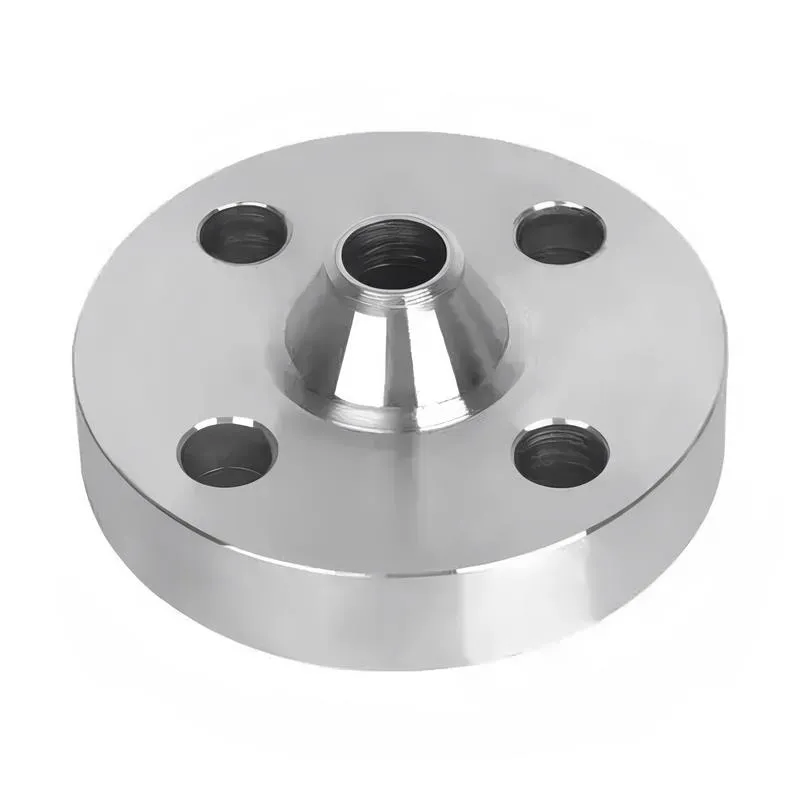
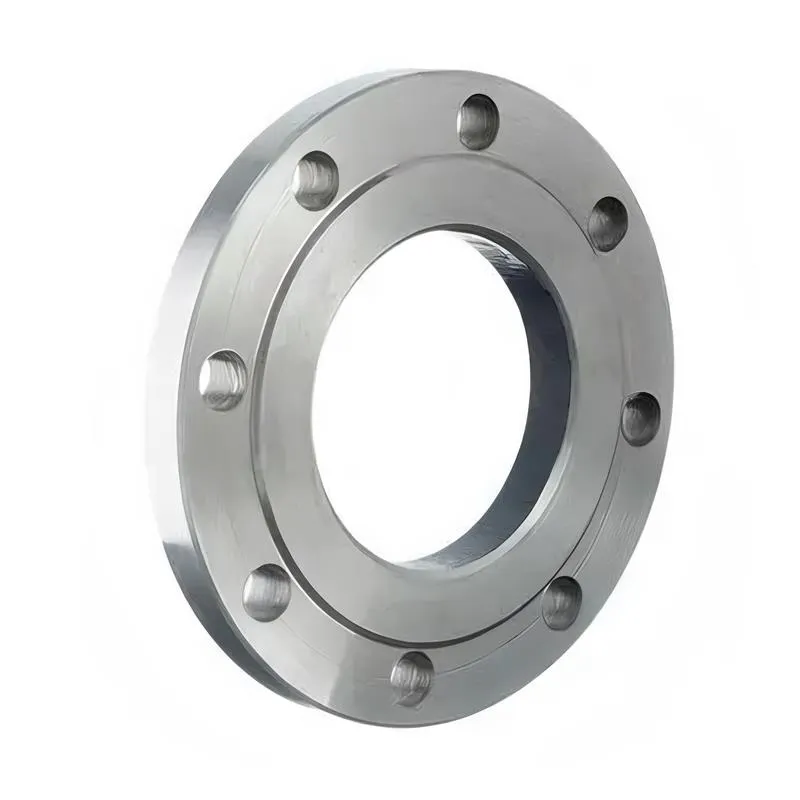
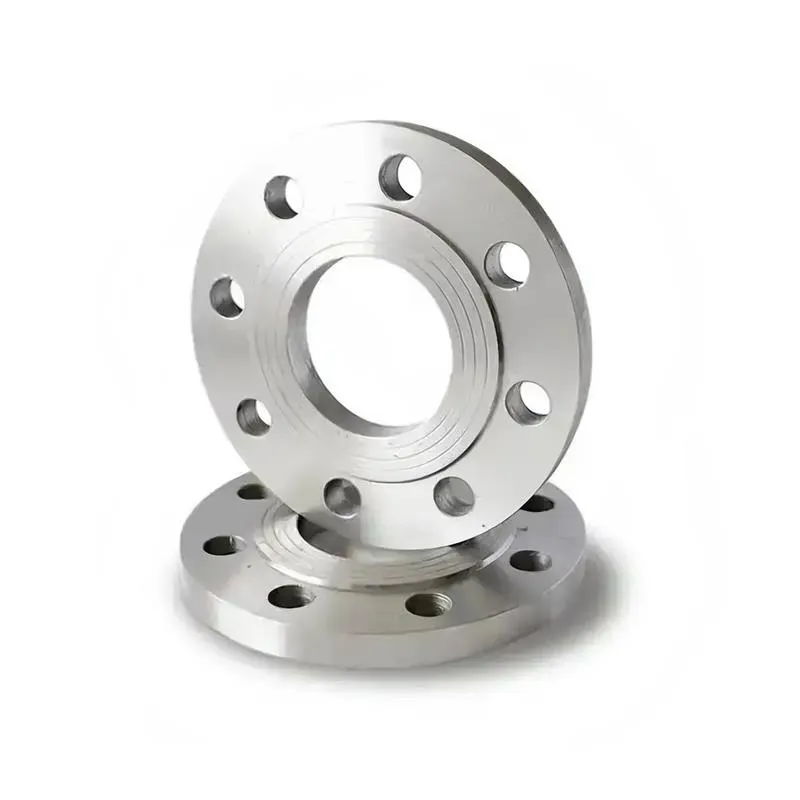
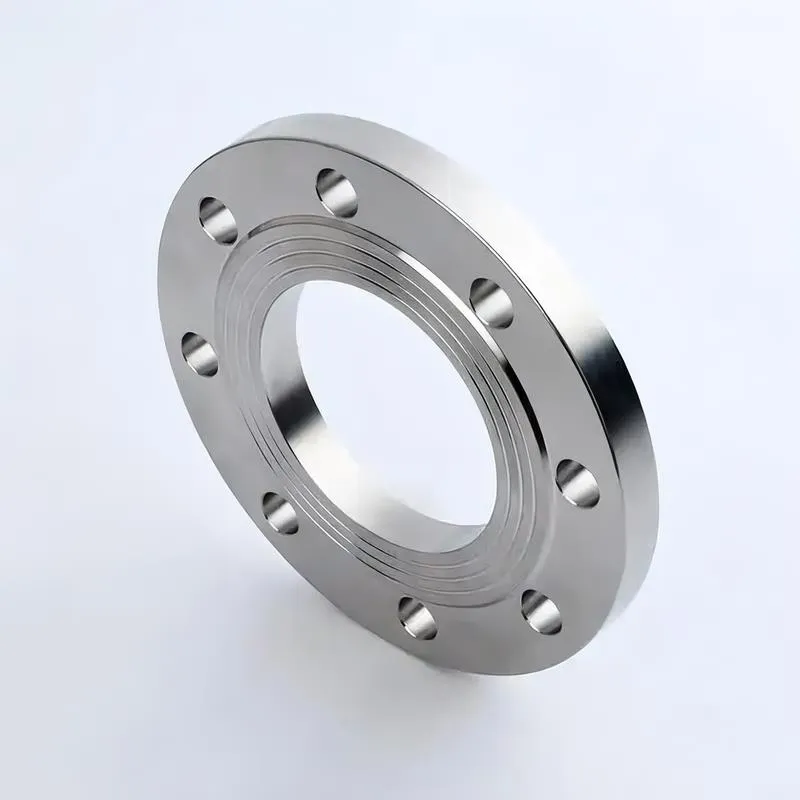
Assab Steel Flanges, VANADIS 4 EXTRA Cold Work Steel Flange
Product Code : FL-Steel-1527-CU
We provide Assab Steel Flanges, VANADIS 4 EXTRA Cold Work Steel Flange Manufacturing types: Forging, Casting, Cutting, Rolling.We can manufacture in accordance with these standards.GB/T 9112–9124-2010 Steel Pipe Flanges , JB Series , HG Series, ASME B16.5, BS4504, DIN , JIS,CBM,etc
1,We Manufacturing processes are primarily classified into four types:
1:Forging,
2:Casting,
3:Cutting,
4:Rolling.
2,We can manufacture in accordance with these standards.
Standards:
GB Series (Chinese Standards), JB Series (Machinery Standards), HG Series (Chemical Industry Standards), ASME B16.5 (American Standards), BS4504 (British Standards), DIN (German Standards), and JIS (Japanese Standards).
Internationally, there are two primary systems of pipe flange standards: the European system, represented by the German DIN standards (including those of the former Soviet Union), and the American system, represented by the US ANSI pipe flange standards. Other common standards include: the Chinese Ministry of Machinery Industry standards (JB series), the Ministry of Chemical Industry standards (HG series), the Chinese National Standard *GB/T 9112–9124-2010 Steel Pipe Flanges*, as well as US standards (ASME B16.5), British standards (BS4504), German standards (DIN), Japanese standards (JIS), and marine standards (CBM), among others.
The nominal pressure ratings for the PN series are designated by "PN" and comprise the following nine levels: PN2.5, PN6, PN10, PN16, PN25, PN40, PN63, PN100, and PN160.
The nominal pressure ratings for the Class series are designated by "Class" and comprise the following six levels: Class150, Class300, Class600, Class900, Class1500, and Class2500.
Flange Classification
1. **According to Chemical Industry Standards:** Flanges are classified as follows:
Plate Flat Welding Flange (PL), Necked Flat Welding Flange (SO), Necked Butt Welding Flange (WN), Integral Flange (IF), Socket Welding Flange (SW), Threaded Flange (Th), Butt Welding Ring Loose Flange (PJ/SE), Blind Flange (BL), Flat Welding Ring Loose Flange (PJ/PJ), and Lined Blind Flange (BL(s)).
2. **According to Petrochemical (SH) Industry Standards:** Flanges are classified as follows:
Threaded Flange (PL), Butt Welding Flange (WN), Flat Welding Flange (SO), Socket Welding Flange (SW), Loose Flange (LJ), and Blind Flange (no specific designation).
3. **According to Machinery (JB) Industry Standards:** Flanges are classified as follows:
Integral Flange, Butt Welding Flange, Plate Flat Welding Flange, Butt Welding Ring Plate Loose Flange, Flat Welding Ring Plate Loose Flange, Lap Joint Ring Plate Loose Flange, and Blind Flange.
4. **According to Connection Method/Type:** Flanges are classified as follows:
Plate Flat Welding Flange, Necked Flat Welding Flange, Necked Butt Welding Flange, Socket Welding Flange, Threaded Flange, Blind Flange, Necked Butt Welding Ring Loose Flange, Flat Welding Ring Loose Flange, Ring-Type Joint (RTJ) Flange and Blind Flange, Large-Diameter Plate Flange, Large-Diameter High-Neck Flange, Figure-8 Blind Plate, Butt Welding Ring Loose Flange, etc.
5. **According to the Component Being Connected:** Flanges can be classified into Vessel Flanges and Pipe Flanges.
6. **According to Structural Type:** Flanges include Integral Flanges, Threaded Flanges, Flat Welding Flanges, Butt Welding Flanges, Lap Joint (Loose/Swivel) Flanges, and Blind Flanges.
A flange—also referred to as a flange plate or rim—is a component used to connect shafts to one another, or, more commonly, to join the ends of pipes. Flanges are also utilized at the inlet and outlet ports of equipment to facilitate connections between two devices—for instance, the flange on a speed reducer. A "flange connection" or "flanged joint" refers to a detachable joint assembly comprising three interconnected elements—a flange, a gasket, and bolts—that together form a sealed structural unit. In the context of piping systems, a "pipe flange" specifically denotes a flange used for plumbing within the installation; when applied to equipment, it refers to the inlet or outlet flange of that specific device. Flanges feature a series of holes through which bolts are inserted to securely fasten the two flanges together, while a gasket placed between the flanges ensures a leak-proof seal. Flanges are broadly categorized into three types: threaded (screw-in) flanges, welded flanges, and clamp-type flanges. Flanges are invariably used in pairs; threaded flanges are suitable for low-pressure piping applications, whereas welded flanges are required for systems operating at pressures exceeding 4 kilograms per square centimeter. A sealing gasket is inserted between the two flange plates, which are then firmly secured using bolts. The thickness of a flange—as well as the specifications of the bolts used to fasten it—vary depending on the specific pressure rating required for the application. When connecting equipment such as water pumps or valves to piping systems, the corresponding connection points on these devices are often manufactured in the shape of a matching flange; this method of attachment is also referred to as a "flange connection." Generally, any connecting component that utilizes bolts to join and seal the perimeters of two flat surfaces—such as the joints in ventilation ducts—is termed a "flange"; such components may collectively be classified as "flange-type parts." However, since such a connection often constitutes merely a *portion* of a larger device—for instance, the interface between a flange and a water pump—it would be inappropriate to classify the entire water pump itself as a "flange-type part." Conversely, smaller components—such as valves—that feature such flanged interfaces may indeed be appropriately categorized as "flange-type parts."
-:-
For detailed product information, please contact sales.
-:
Assab Steel Flanges VANADIS 4 EXTRA Cold Work Steel Flange Product Information
-:-
For detailed product information, please contact sales.
-:
Assab Steel Flanges VANADIS 4 EXTRA Cold Work Steel Flange Synonyms
-:-
For detailed product information, please contact sales.
-:
Assab Steels VANADIS 4 EXTRA Cold Work Steel Product Information
-:-
For detailed product information, please contact sales.
-:
# Product Datasheet: Assab Steels VANADIS 4 EXTRA Super Clean Powder Metallurgy Cold Work Tool Steel
## Product Overview
**Assab Steels VANADIS 4 EXTRA** represents the ultimate evolution in powder metallurgy cold work tool steel technology. As an enhanced version of the renowned VANADIS 4 grade, this "super clean" material offers exceptional homogeneity, superior mechanical properties, and unparalleled performance consistency. Developed for the most demanding applications where conventional tool steels and even standard PM steels reach their limits, VANADIS 4 EXTRA sets new standards for wear resistance, toughness, and dimensional stability in premium tooling applications.
## Key Characteristics & Advantages
- **Exceptional Microstructural Cleanliness:** Ultra-low inclusion content through advanced PM processing
- **Unmatched Wear Resistance:** Superior to all conventional cold work steels and most PM grades
- **Outstanding Toughness:** Maintains high toughness at maximum hardness levels
- **Superior Grindability and Polishability:** Enables exceptional surface finishes
- **Excellent Dimensional Stability:** Minimal and predictable heat treatment distortion
- **Enhanced Fatigue Resistance:** Superior performance in cyclic loading applications
- **Consistent Performance:** Unprecedented batch-to-batch consistency
- **Optimized for Advanced Coatings:** Ideal substrate for PVD, CVD, and other surface treatments
## Standard Specifications & International Designations
| **Standard** | **Designation** |
|--------------|-----------------|
| **Assab/Uddeholm** | VANADIS 4 EXTRA |
| **Manufacturing Process** | Advanced Powder Metallurgy (Super Clean) |
| **Material Classification** | Premium PM Cold Work Tool Steel |
| **Quality Standard** | Uddeholm Superior Quality (USQ) |
| **Industry Reference** | Benchmark for high-performance PM tool steels |
## Chemical Composition (Typical, Weight %)
| Element | Content (%) | Element | Content (%) |
|---------|-------------|---------|-------------|
| **Carbon (C)** | 1.40 | **Chromium (Cr)** | 8.00 |
| **Molybdenum (Mo)** | 1.50 | **Vanadium (V)** | 3.80 |
| **Cobalt (Co)** | 1.00 | **Silicon (Si)** | 0.40 |
| **Manganese (Mn)** | 0.40 | **Sulfur (S)** | ≤0.010 |
| **Phosphorus (P)** | ≤0.015 | **Oxygen (O)** | ≤0.0010 |
| **Nitrogen (N)** | ≤0.020 | **Iron (Fe)** | Balance |
*Special Note: The "EXTRA" designation refers to enhanced purity and homogeneity, with significantly reduced non-metallic inclusion levels compared to standard PM steels.*
## Microstructural Characteristics
- **Carbide Size:** Typically 1-3 μm, uniformly distributed
- **Carbide Types:** Primary MC-type vanadium carbides, secondary M₆C and M₇C₃ carbides
- **Inclusion Rating:** ASTM E45 Method A: A/B/C/D ≤ 0.5 (super clean)
- **Grain Size:** ASTM 10-12 (very fine)
- **Microstructure Homogeneity:** Excellent throughout cross-section
## Typical Heat Treatment
### Annealing
- **Temperature Range:** 850-900°C (1560-1650°F)
- **Cooling Cycle:** Slow furnace cool at 10°C/hour to 600°C, then air cool
- **Annealed Hardness:** 220-250 HB
- **Spheroidization:** Complete, with extremely fine carbide distribution
### Stress Relieving
- **Recommended Temperature:** 600-650°C (1110-1200°F)
- **Application:** After rough machining, before final heat treatment
- **Duration:** 2 hours per 25 mm thickness
### Hardening
1. **Preheating Sequence:**
- First stage: 500-550°C (930-1020°F)
- Second stage: 800-850°C (1470-1560°F)
2. **Austenitizing:** **1060-1120°C (1940-2050°F)**
- Standard optimization: 1080-1100°C (1975-2010°F)
- Maximum wear resistance: 1100-1120°C (2010-2050°F)
- Enhanced toughness: 1060-1080°C (1940-1975°F)
3. **Soaking Time:** 30-60 minutes (dependent on section size)
4. **Quenching Methods:**
- High-pressure gas quenching (4-10 bar recommended)
- Vacuum oil quenching (for complex geometries)
- Still air (for simple shapes)
### Tempering
- **Critical Requirement:** Immediate tempering upon reaching 50-70°C (120-160°F)
- **Recommended Cycle:** **Triple tempering** with complete cooling between cycles
- **Optimal Range:** 500-550°C (930-1020°F)
- **Hardness Profile:**
- 500°C (930°F): 63-65 HRC
- 525°C (975°F): 62-64 HRC
- 550°C (1020°F): 60-62 HRC
- 575°C (1065°F): 58-60 HRC
### Optional Cryogenic Treatment
- **Temperature:** -150°C to -196°C (-240°F to -320°F)
- **Duration:** 2-4 hours minimum
- **Benefits:** Maximum transformation of retained austenite, enhanced dimensional stability
- **Application:** Recommended for highest precision requirements
## Physical Properties
| Property | Value | Unit | Conditions |
|----------|-------|------|------------|
| **Density** | 7.63 | g/cm³ | At 20°C |
| **Modulus of Elasticity** | 210 | GPa | At 20°C |
| **Thermal Expansion Coefficient** | 10.1 | ×10⁻⁶/K | 20-100°C |
| **Thermal Conductivity** | 22.0 | W/(m·K) | At 20°C |
| **Specific Heat Capacity** | 460 | J/(kg·K) | At 20°C |
| **Magnetic Properties** | Ferromagnetic | - | Below Curie temperature |
## Mechanical Properties
### Standard Hardened & Tempered Condition (1080°C/525°C×3)
| Property | Value | Unit | Test Method |
|----------|-------|------|-------------|
| **Hardness** | 62-64 | HRC | ISO 6508 |
| **Compressive Strength** | 3,200-3,400 | MPa | ISO 3785 |
| **Transverse Rupture Strength** | 4,200-4,600 | MPa | ISO 3325 |
| **Yield Strength (0.2%)** | 2,800-3,000 | MPa | ISO 6892 |
| **Impact Toughness (Charpy V)** | 50-70 | J | ISO 148 |
| **Fracture Toughness (K_IC)** | 20-25 | MPa√m | ASTM E399 |
| **Fatigue Limit (10⁷ cycles)** | 1,300-1,500 | MPa | ISO 1099 |
### Wear Resistance Performance
| Test Method | Relative Performance (D2 = 1.0) | Notes |
|-------------|--------------------------------|-------|
| **Pin-on-Disc (Abrasive)** | 4.5-5.5× | Against SiC abrasive |
| **ASTM G65 Dry Sand/Rubber Wheel** | 4.0-5.0× | Volume loss comparison |
| **Adhesive Wear** | 3.0-4.0× | Against similar hardness materials |
| **Erosive Wear** | 3.5-4.5× | Particle impact conditions |
## Primary Applications
### Ultra-High Performance Stamping and Blanking
- **Progressive Dies** for advanced high-strength steels (AHSS)
- **Fineblanking Tools** for safety-critical automotive components
- **Precision Piercing Punches** for hardened materials (>50 HRC)
- **Lamination Dies** for high-efficiency electric motors
- **Stamping Tools** for electronic components with tight tolerances
### Advanced Cold Forming Applications
- **Cold Forging Dies** for automotive and aerospace fasteners
- **Thread Rolling Dies** for premium fasteners and components
- **Extrusion Tools** for specialized alloys and composites
- **Knurling and Engraving Tools** for precision surface patterns
- **Coining Dies** for high-pressure forming operations
### Demanding Plastic and Composite Processing
- **Injection Molds** for extreme abrasive conditions:
- High-glass-content polymers (>60% glass fiber)
- Carbon fiber reinforced thermoplastics
- Ceramic-filled engineering plastics
- Metal-filled composites
- **Compression Molds** for highly reinforced rubber
- **Extrusion Dies** for filled engineering polymers
- **Thermoforming Tools** for advanced composites
### Cutting and Shearing of Advanced Materials
- **Shear Blades** for advanced high-strength alloys
- **Slitter Knives** for abrasive composite materials
- **Cutting Tools** for fiber-reinforced materials
- **Industrial Knives** for specialty material processing
- **Punching Tools** for multi-layer materials
### Specialized Industrial and Technical Applications
- **Tooling for Powder Metallurgy** component production
- **Wear Parts** in extreme abrasive environments
- **Precision Guides and Bushings** in high-wear machinery
- **Medical Device Manufacturing Tools**
- **Semiconductor and Electronics Production Tooling**
## Processing Guidelines
### Machining Operations
- **Recommended Condition:** Annealed state (~235 HB)
- **Machinability Index:** 45-55% (relative to 100% for 1% C-steel)
- **Tooling Requirements:**
- Premium carbide grades (P20-P40 range)
- CBN tools for finishing operations
- Positive geometry with sharp cutting edges
- **Optimal Cutting Parameters:**
- Turning: 30-50 m/min, feed 0.10-0.25 mm/rev
- Milling: 80-120 m/min, feed per tooth 0.05-0.15 mm
- Drilling: 15-25 m/min, feed 0.05-0.15 mm/rev
- **Coolant Strategy:** High-pressure coolant (minimum 70 bar) recommended
### Grinding Operations
- **Significant Advantage:** Exceptional grindability for a high-hardness material
- **Wheel Selection:**
- Aluminum oxide (46-80 grit) for rough grinding
- CBN wheels (80-180 grit) for precision grinding
- Diamond wheels for final finishing
- **Optimal Parameters:**
- Surface grinding: 25-35 m/s wheel speed
- Cylindrical grinding: 20-30 m/s wheel speed
- Downfeed: 0.005-0.015 mm/pass for finishing
- **Surface Finish Capability:** Ra < 0.05 μm achievable with proper technique
### Electrical Discharge Machining
- **Excellent EDM Performance:** Uniform erosion characteristics
- **Recommended Settings:**
- Finer finish settings than conventional steels
- Lower amperage for precision work
- Optimized flushing parameters
- **Post-EDM Treatment:**
- Stress relieve at 180-200°C
- Remove white layer by polishing or light grinding
- Re-temper if significant material removed
### Surface Engineering and Treatments
#### PVD Coatings
- **Excellent Substrate:** Superior coating adhesion
- **Recommended Coatings:**
- TiAlN (for high-temperature applications)
- AlCrN (for abrasive conditions)
- TiSiN (for extreme wear resistance)
- DLC (for reduced friction)
- **Coating Thickness:** 2-5 μm optimal
- **Pre-treatment:** Plasma cleaning and etching recommended
#### Nitriding
- **Suitability:** Good, but may reduce surface toughness
- **Process Options:**
- Plasma nitriding: 450-500°C, 8-24 hours
- Gas nitriding: 480-530°C, 20-40 hours
- **Case Depth:** 0.1-0.3 mm typical
- **Surface Hardness:** 1100-1300 HV
#### Polishing and Texturing
- **Polishability:** Excellent - can achieve optical finishes
- **Texturing Methods:**
- Photochemical etching
- Laser texturing
- EDM texturing
- **Surface Preparation:** Critical for coating adhesion
## Quality Assurance and Standards
### Material Certification
- **Full Chemical Analysis:** ICP-OES method with trace element reporting
- **Hardness Verification:** Multiple-point testing with statistical reporting
- **Microcleanliness:** ASTM E45 Method A with digital image analysis
- **Ultrasonic Testing:** 100% inspection for critical applications
- **Microstructural Analysis:** SEM/EDS analysis available
- **Traceability:** Full production batch tracking
### Available Forms and Dimensions
| Product Form | Standard Sizes | Tolerance Class | Surface Condition |
|-------------|---------------|-----------------|-------------------|
| **Ground Flat Stock** | 10-300×100-800×500-2000 mm | ±0.05 mm thickness
±0.1 mm width | Ground, decarb-free |
| **Round Bars** | Ø20-300×1000-4000 mm | h11 diameter tolerance | Turned or ground |
| **Forged Blocks** | Up to 500×500×300 mm | Rough machined ±0.5 mm | As-forged or black |
| **Pre-machined Blanks** | Custom dimensions | ±0.1 mm on critical dimensions | Semi-finished |
| **Finished Components** | Application-specific | As per drawing requirements | Final machined |
## Comparative Performance Analysis
### Benchmark Comparison (Relative Performance)
| Property | VANADIS 4 EXTRA | Standard VANADIS 4 | Conventional D2 | Premium PM Competitor |
|----------|-----------------|--------------------|-----------------|-----------------------|
| **Abrasive Wear Resistance** | 100% | 85-90% | 20-25% | 90-95% |
| **Toughness at 62 HRC** | 100% | 85-90% | 30-40% | 80-85% |
| **Grindability** | 100% | 90-95% | 40-50% | 85-90% |
| **Polishability** | 100% | 90-95% | 50-60% | 85-90% |
| **Fatigue Resistance** | 100% | 85-90% | 30-40% | 80-85% |
| **Dimensional Stability** | 100% | 90-95% | 60-70% | 85-90% |
### Economic Justification Analysis
- **Initial Material Cost:** Premium (2.5-3.5× conventional D2)
- **Tool Life Expectation:** 3-8× conventional tool steels
- **Downtime Reduction:** Significant through extended service intervals
- **Quality Consistency:** Improved part quality and reduced scrap
- **Total Cost of Ownership:** Typically favorable in demanding applications
## Application Engineering Guidelines
### Design Considerations
1. **Stress Concentration:** Minimize sharp corners (minimum R2 recommended)
2. **Section Transitions:** Gradual changes in cross-section
3. **Tool Geometry:** Optimize for specific application stresses
4. **Surface Finish Requirements:** Specify based on application needs
### Heat Treatment Optimization
1. **Temperature Selection:** Balance between wear resistance and toughness
2. **Atmosphere Control:** Vacuum or protective atmosphere essential
3. **Quenching Method:** Match to component geometry
4. **Tempering Strategy:** Triple tempering for optimal properties
### Maintenance and Regrinding
1. **Regular Inspection:** Monitor for wear patterns and edge condition
2. **Regrinding Strategy:** Remove minimum material necessary
3. **Recoating Considerations:** Evaluate need for recoating after regrinding
4. **Documentation:** Maintain service history for each tool
## Technical Support and Services
### Value-Added Support
- **Application Analysis:** Comprehensive evaluation of tooling requirements
- **Material Selection Guidance:** Comparative analysis with alternative materials
- **Heat Treatment Consultation:** Customized cycles for specific applications
- **Failure Analysis:** Root cause investigation with technical reporting
- **Tool Design Optimization:** Collaboration on tool design improvements
### Training and Education
- **Processing Workshops:** Hands-on training for heat treatment and machining
- **Application Seminars:** Case studies and best practices sharing
- **Technical Documentation:** Comprehensive guides and reference materials
- **Online Resources:** Web-based technical information and tools
---
**Important Technical Advisory:** VANADIS 4 EXTRA is a premium tool steel requiring specialized processing knowledge and equipment. The exceptional properties are achieved through precise control of all manufacturing and heat treatment processes. Consult with Assab technical specialists before specifying this material. Application-specific testing is recommended to verify performance. All heat treatment must be performed by qualified personnel using calibrated equipment. Material properties are dependent on specific processing parameters and section sizes. Always adhere to safety protocols when handling and processing tool steels. This information is subject to change and should be verified against current technical documentation.
-:-
For detailed product information, please contact sales.
-:
Assab Steels VANADIS 4 EXTRA Cold Work Steel Specification
Dimensions
Size:
Diameter 20-1000 mm Length <6848 mm
Size:We can customized as required
Standard:
Per your request or drawing
We can customized as required
Properties(Theoretical)
Chemical Composition
-:-
For detailed product information, please contact sales.
-:
Assab Steels VANADIS 4 EXTRA Cold Work Steel Properties
-:-
For detailed product information, please contact sales.
-:
Applications of Assab Steel Flanges VANADIS 4 EXTRA Cold Work Steel Flange
-:-
For detailed product information, please contact sales.
-:
Chemical Identifiers Assab Steel Flanges VANADIS 4 EXTRA Cold Work Steel Flange
-:-
For detailed product information, please contact sales.
-:
Packing of Assab Steel Flanges VANADIS 4 EXTRA Cold Work Steel Flange
-:-
For detailed product information, please contact sales.
-:
Standard Packing:
-:-
For detailed product information, please contact sales.
-:
Typical bulk packaging includes palletized plastic 5 gallon/25 kg. pails, fiber and Steel Flange drums to 1 ton super sacks in full container (FCL) or truck load (T/L) quantities. Research and sample quantities and hygroscopic, oxidizing or other air sensitive materials may be packaged under argon or vacuum. Solutions are packaged in polypropylene, plastic or glass jars up to palletized 3319 gallon liquid totes Special package is available on request. E FORUs’ is carefully handled to minimize damage during storage and transportation and to preserve the quality of our products in their original condition