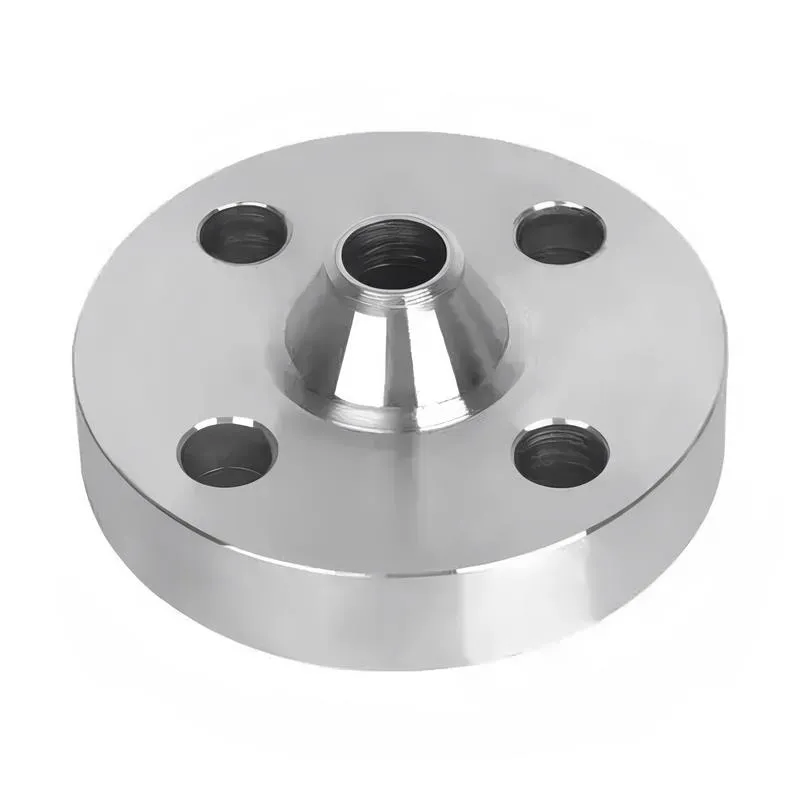
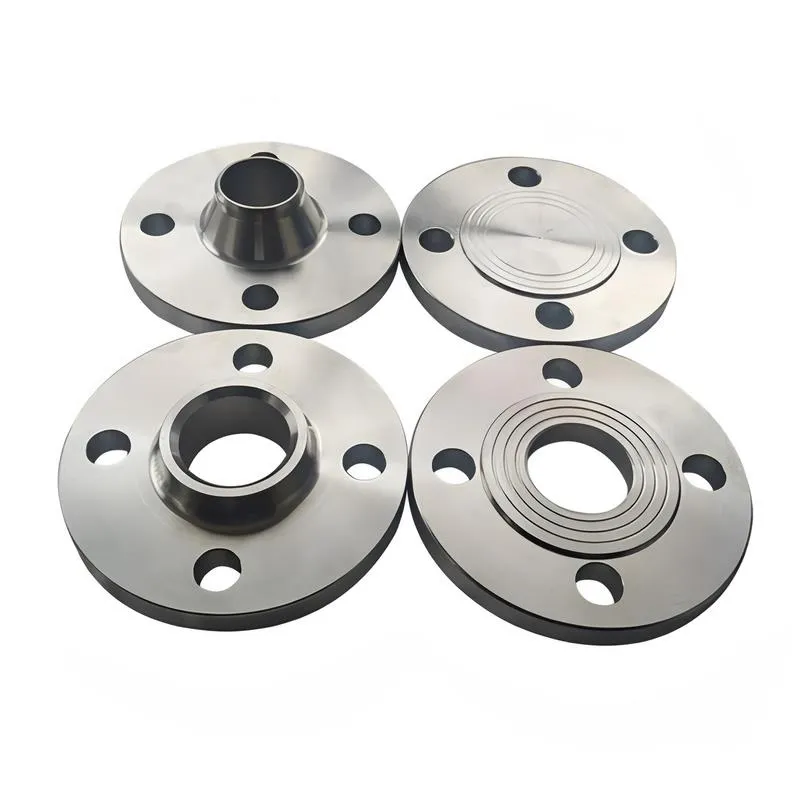
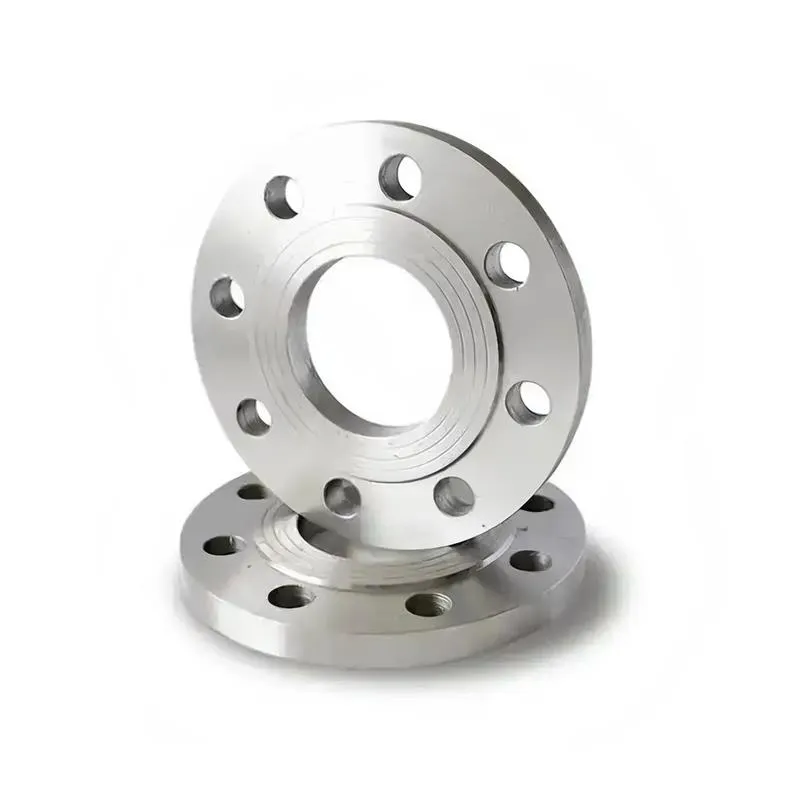
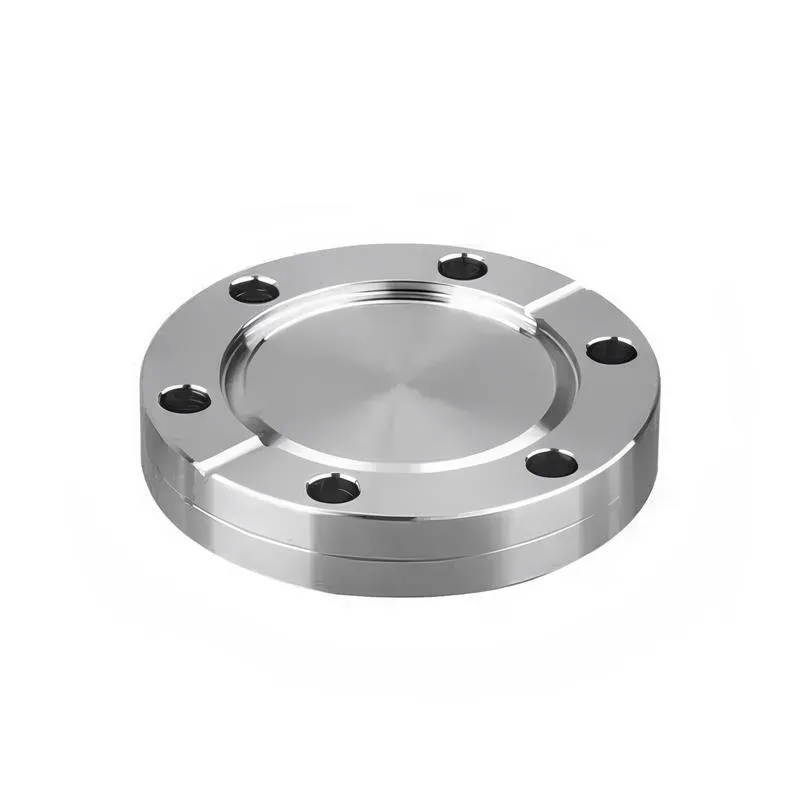
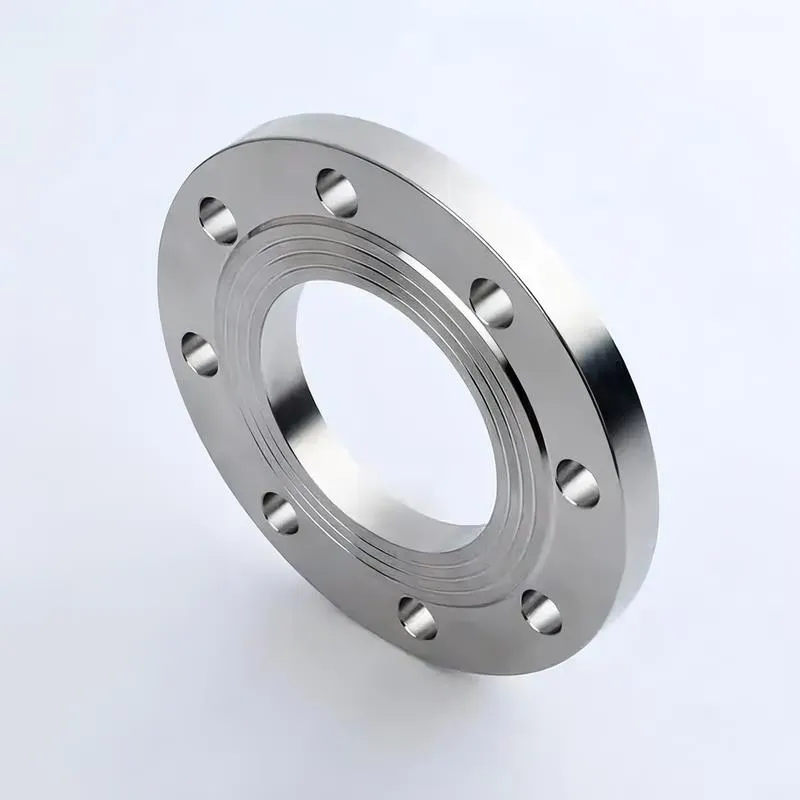
Bohler-Uddeholm,BÖHLER M261 Extra Plastic Lens Mold Steel Flange
Product Code : FL-Steel-1569-CU
We provide Bohler-Uddeholm,BÖHLER M261 Extra Plastic Lens Mold Steel Flange Manufacturing types: Forging, Casting, Cutting, Rolling.We can manufacture in accordance with these standards.GB/T 9112–9124-2010 Steel Pipe Flanges , JB Series , HG Series, ASME B16.5, BS4504, DIN , JIS,CBM,etc
1,We Manufacturing processes are primarily classified into four types:
1:Forging,
2:Casting,
3:Cutting,
4:Rolling.
2,We can manufacture in accordance with these standards.
Standards:
GB Series (Chinese Standards), JB Series (Machinery Standards), HG Series (Chemical Industry Standards), ASME B16.5 (American Standards), BS4504 (British Standards), DIN (German Standards), and JIS (Japanese Standards).
Internationally, there are two primary systems of pipe flange standards: the European system, represented by the German DIN standards (including those of the former Soviet Union), and the American system, represented by the US ANSI pipe flange standards. Other common standards include: the Chinese Ministry of Machinery Industry standards (JB series), the Ministry of Chemical Industry standards (HG series), the Chinese National Standard *GB/T 9112–9124-2010 Steel Pipe Flanges*, as well as US standards (ASME B16.5), British standards (BS4504), German standards (DIN), Japanese standards (JIS), and marine standards (CBM), among others.
The nominal pressure ratings for the PN series are designated by "PN" and comprise the following nine levels: PN2.5, PN6, PN10, PN16, PN25, PN40, PN63, PN100, and PN160.
The nominal pressure ratings for the Class series are designated by "Class" and comprise the following six levels: Class150, Class300, Class600, Class900, Class1500, and Class2500.
Flange Classification
1. **According to Chemical Industry Standards:** Flanges are classified as follows:
Plate Flat Welding Flange (PL), Necked Flat Welding Flange (SO), Necked Butt Welding Flange (WN), Integral Flange (IF), Socket Welding Flange (SW), Threaded Flange (Th), Butt Welding Ring Loose Flange (PJ/SE), Blind Flange (BL), Flat Welding Ring Loose Flange (PJ/PJ), and Lined Blind Flange (BL(s)).
2. **According to Petrochemical (SH) Industry Standards:** Flanges are classified as follows:
Threaded Flange (PL), Butt Welding Flange (WN), Flat Welding Flange (SO), Socket Welding Flange (SW), Loose Flange (LJ), and Blind Flange (no specific designation).
3. **According to Machinery (JB) Industry Standards:** Flanges are classified as follows:
Integral Flange, Butt Welding Flange, Plate Flat Welding Flange, Butt Welding Ring Plate Loose Flange, Flat Welding Ring Plate Loose Flange, Lap Joint Ring Plate Loose Flange, and Blind Flange.
4. **According to Connection Method/Type:** Flanges are classified as follows:
Plate Flat Welding Flange, Necked Flat Welding Flange, Necked Butt Welding Flange, Socket Welding Flange, Threaded Flange, Blind Flange, Necked Butt Welding Ring Loose Flange, Flat Welding Ring Loose Flange, Ring-Type Joint (RTJ) Flange and Blind Flange, Large-Diameter Plate Flange, Large-Diameter High-Neck Flange, Figure-8 Blind Plate, Butt Welding Ring Loose Flange, etc.
5. **According to the Component Being Connected:** Flanges can be classified into Vessel Flanges and Pipe Flanges.
6. **According to Structural Type:** Flanges include Integral Flanges, Threaded Flanges, Flat Welding Flanges, Butt Welding Flanges, Lap Joint (Loose/Swivel) Flanges, and Blind Flanges.
A flange—also referred to as a flange plate or rim—is a component used to connect shafts to one another, or, more commonly, to join the ends of pipes. Flanges are also utilized at the inlet and outlet ports of equipment to facilitate connections between two devices—for instance, the flange on a speed reducer. A "flange connection" or "flanged joint" refers to a detachable joint assembly comprising three interconnected elements—a flange, a gasket, and bolts—that together form a sealed structural unit. In the context of piping systems, a "pipe flange" specifically denotes a flange used for plumbing within the installation; when applied to equipment, it refers to the inlet or outlet flange of that specific device. Flanges feature a series of holes through which bolts are inserted to securely fasten the two flanges together, while a gasket placed between the flanges ensures a leak-proof seal. Flanges are broadly categorized into three types: threaded (screw-in) flanges, welded flanges, and clamp-type flanges. Flanges are invariably used in pairs; threaded flanges are suitable for low-pressure piping applications, whereas welded flanges are required for systems operating at pressures exceeding 4 kilograms per square centimeter. A sealing gasket is inserted between the two flange plates, which are then firmly secured using bolts. The thickness of a flange—as well as the specifications of the bolts used to fasten it—vary depending on the specific pressure rating required for the application. When connecting equipment such as water pumps or valves to piping systems, the corresponding connection points on these devices are often manufactured in the shape of a matching flange; this method of attachment is also referred to as a "flange connection." Generally, any connecting component that utilizes bolts to join and seal the perimeters of two flat surfaces—such as the joints in ventilation ducts—is termed a "flange"; such components may collectively be classified as "flange-type parts." However, since such a connection often constitutes merely a *portion* of a larger device—for instance, the interface between a flange and a water pump—it would be inappropriate to classify the entire water pump itself as a "flange-type part." Conversely, smaller components—such as valves—that feature such flanged interfaces may indeed be appropriately categorized as "flange-type parts."
-:-
For detailed product information, please contact sales.
-:
Bohler-Uddeholm BÖHLER M261 Extra Plastic Lens Mold Steel Flange Product Information
-:-
For detailed product information, please contact sales.
-:
Bohler-Uddeholm BÖHLER M261 Extra Plastic Lens Mold Steel Flange Synonyms
-:-
For detailed product information, please contact sales.
-:
Bohler-Uddeholm BÖHLER M261 Extra Plastic Lens Mold Steel Product Information
-:-
For detailed product information, please contact sales.
-:
# **Böhler-Uddeholm BÖHLER M261 Extra Plastic Lens Mold Steel**
## **Product Overview**
**BÖHLER M261 Extra** is a premium **nickel-aluminum-copper precipitation hardening mold steel** specifically engineered for **high-precision optical lens molds and components requiring exceptional surface integrity**. This material represents a significant advancement in mold steel technology, combining the manufacturing advantages of pre-hardened steels with metallurgical characteristics optimized for ultra-high polishability. Through its unique age-hardening mechanism, M261 Extra achieves superior **microstructural homogeneity, outstanding polishability, and excellent dimensional stability** without requiring conventional quenching operations.
---
## **1. Key Characteristics & Advantages**
* **Ultimate Polishability:** Engineered specifically for achieving optical-grade mirror finishes (SPI A-0 standard and beyond) without micro-pitting or directional polishing lines.
* **Exceptional Microstructural Homogeneity:** Produces flawlessly uniform surfaces under high-magnification inspection, critical for lens molding applications.
* **Age-Hardening Mechanism:** Achieves final hardness through low-temperature aging (approximately 500-550°C) after machining, minimizing distortion and eliminating quench-related stresses.
* **Superior Etching Performance:** Provides excellent results for photochemical etching and laser texturing due to its fine, consistent microstructure.
* **Good Corrosion Resistance:** Offers better resistance to cooling water and atmospheric corrosion than standard P20-type steels.
* **High Dimensional Stability:** Exhibits minimal size change during aging treatment (typically <0.05%), enabling precision machining of complex optical geometries.
* **Isotropic Properties:** Uniform mechanical characteristics in all directions ensure consistent polishing and predictable tool performance.
---
## **2. Typical Chemical Composition (Weight %)**
| Element | Carbon (C) | Nickel (Ni) | Aluminum (Al) | Copper (Cu) | Manganese (Mn) | Silicon (Si) |
| :--- | :---: | :---: | :---: | :---: | :---: | :---: |
| **Content** | **≤ 0.03** | **3.80 - 4.20** | **1.00 - 1.30** | **1.30 - 1.70** | **0.40 - 0.70** | **0.10 - 0.40** |
**Alloying Rationale:**
* **Ultra-Low Carbon (≤0.03%):** Minimizes carbide formation, eliminating potential polishing defects and ensuring excellent weldability.
* **Nickel (4.0%) & Aluminum (1.15%):** Form the primary precipitation hardening system through Ni₃Al intermetallic phases during aging treatment.
* **Copper (1.50%):** Provides additional precipitation hardening through copper-rich phases and enhances corrosion resistance.
* **"Extra" Quality Designation:** Indicates superior melting practice (typically vacuum or electro-slag refined) ensuring exceptional cleanliness and homogeneity.
---
## **3. Physical & Mechanical Properties**
### **Physical Properties:**
* **Density:** ~7.8 g/cm³
* **Thermal Conductivity:** ~30 W/(m·K) at 20°C
* **Modulus of Elasticity:** ~190 GPa
* **Coefficient of Thermal Expansion:** ~11.2 × 10⁻⁶/K (20-100°C)
### **Processing & Mechanical Data:**
* **Solution Annealed Condition (Delivery):** ~30 HRC (285-320 HBW)
* **Machining State:** All heavy machining, EDM, and texturing should be completed in the solution annealed condition.
* **Aging Treatment:** 500-550°C (930-1020°F) for 4-8 hours (depending on section size), air cool.
* **Final Hardness (Aged):** **40-44 HRC** (Typical operating range for optical applications)
* **Tensile Strength:** ~1300-1400 MPa (after aging)
* **Yield Strength (0.2%):** ~1100-1200 MPa (after aging)
* **Impact Toughness:** Excellent, typically >40 J (Charpy V)
* **Dimensional Change:** Typically +0.03% to +0.05% after aging
---
## **4. Primary Applications**
M261 Extra is exclusively designed for the most demanding optical and high-surface-quality applications:
* **Precision Optical Components:**
* **Injection molds for camera lenses** (DSLR, smartphone, surveillance, medical imaging)
* **VR/AR optical elements and waveguide molds**
* **Projector lenses and micro-optics**
* **Laser optics and light guide components**
* **High-Definition Surface Applications:**
* **OLED display covers and optical films**
* **Precision optical gratings and diffractive elements**
* **Medical diagnostic device windows**
* **Aerospace transparent components**
* **Master Models & Electrodes:** For producing ultra-precision EDM electrodes and replication masters.
---
## **5. Relevant International Standards & Comparable Grades**
M261 Extra is a proprietary Böhler-Uddeholm grade with unique metallurgical characteristics:
| Standard | Grade / Designation | Similarity / Key Difference |
| :--- | :--- | :--- |
| **Proprietary** | **BÖHLER M261 Extra** | Reference optical-grade precipitation hardening steel |
| **AISI/UNS** | **Custom 630 (17-4PH)** | Similar precipitation hardening mechanism but different composition; M261 has optimized polishability |
| **Japanese** | **NAK80** | Similar application area but different hardening mechanism (age-hardening vs. precipitation hardening) |
| **European** | **1.2709** | Similar ultra-high polishability grade but different metallurgical approach |
| **Other Optical Grades** | **M238 VMR®** | Conventional pre-hardened steel; M261 offers superior polishability through precipitation hardening |
**Quality Distinction:** The "Extra" designation indicates premium quality with guaranteed optical performance characteristics not found in standard mold steels.
---
## **6. Processing & Fabrication Guidelines**
### **Machining & Fabrication:**
1. **Complete Machining:** Perform all machining, drilling, and EDM in solution annealed condition (~30 HRC)
2. **Aging Treatment:** Conduct aging ONLY after all machining operations are complete
3. **Final Finishing:** Execute polishing and ultra-fine finishing after aging treatment
### **Critical Processing Parameters:**
* **Machining:** Use sharp carbide tools with positive rake angles
* **EDM:** Standard parameters apply; fine-finish EDM recommended for optical surfaces
* **Aging Cycle:** 520°C ±10°C for optimal results
* **Polishing Protocol:**
- Begin with #600 diamond stone
- Progress through 15µm, 9µm, 3µm, 1µm diamond compounds
- Final polish with 0.5µm or finer diamond suspension
* **Cleaning:** Ultrasonic cleaning between polishing stages is essential
* **Handling:** Use lint-free gloves and cleanroom protocols for final handling
### **Special Considerations:**
* **Welding:** Excellent weldability using matching filler materials
* **Stress Relieving:** Not required due to low-temperature aging process
* **Storage:** Protect machined surfaces from corrosion during processing
---
## **7. Technical Advantages for Optical Applications**
### **Surface Quality Metrics:**
* **Surface Roughness:** Capable of achieving Ra < 0.01 µm
* **Waviness:** Minimal surface waviness due to homogeneous structure
* **Defect Density:** Extremely low micro-pitting and inclusion-related defects
### **Optical Performance:**
* **Light Scatter:** Minimal scattering due to surface perfection
* **Image Distortion:** Negligible distortion from mold surface irregularities
* **Consistency:** Uniform results across multiple cavities and production runs
---
## **8. Conclusion**
**BÖHLER M261 Extra** represents the pinnacle of optical mold steel technology, specifically engineered to meet the exacting requirements of modern precision optics manufacturing. Its unique precipitation hardening mechanism, combined with exceptional microstructural homogeneity, provides mold makers with an unparalleled material for producing optical components with perfect surface characteristics.
For applications where surface quality directly determines optical performance—such as smartphone camera lenses, AR/VR optics, and precision optical systems—M261 Extra offers a fundamental advantage over conventional mold steels. Its ability to achieve and maintain optical-grade surfaces through extended production runs makes it the material of choice for manufacturers seeking to push the boundaries of optical component quality and performance.
The material's predictable behavior during processing, combined with its exceptional final properties, ensures that optical mold makers can achieve consistent, high-quality results while minimizing production risks and maximizing tool longevity.
-:-
For detailed product information, please contact sales.
-:
Bohler-Uddeholm BÖHLER M261 Extra Plastic Lens Mold Steel Specification
Dimensions
Size:
Diameter 20-1000 mm Length <6890 mm
Size:We can customized as required
Standard:
Per your request or drawing
We can customized as required
Properties(Theoretical)
Chemical Composition
-:-
For detailed product information, please contact sales.
-:
Bohler-Uddeholm BÖHLER M261 Extra Plastic Lens Mold Steel Properties
-:-
For detailed product information, please contact sales.
-:
Applications of Bohler-Uddeholm BÖHLER M261 Extra Plastic Lens Mold Steel Flange
-:-
For detailed product information, please contact sales.
-:
Chemical Identifiers Bohler-Uddeholm BÖHLER M261 Extra Plastic Lens Mold Steel Flange
-:-
For detailed product information, please contact sales.
-:
Packing of Bohler-Uddeholm BÖHLER M261 Extra Plastic Lens Mold Steel Flange
-:-
For detailed product information, please contact sales.
-:
Standard Packing:
-:-
For detailed product information, please contact sales.
-:
Typical bulk packaging includes palletized plastic 5 gallon/25 kg. pails, fiber and Steel Flange drums to 1 ton super sacks in full container (FCL) or truck load (T/L) quantities. Research and sample quantities and hygroscopic, oxidizing or other air sensitive materials may be packaged under argon or vacuum. Solutions are packaged in polypropylene, plastic or glass jars up to palletized 3361 gallon liquid totes Special package is available on request. E FORUs’ is carefully handled to minimize damage during storage and transportation and to preserve the quality of our products in their original condition