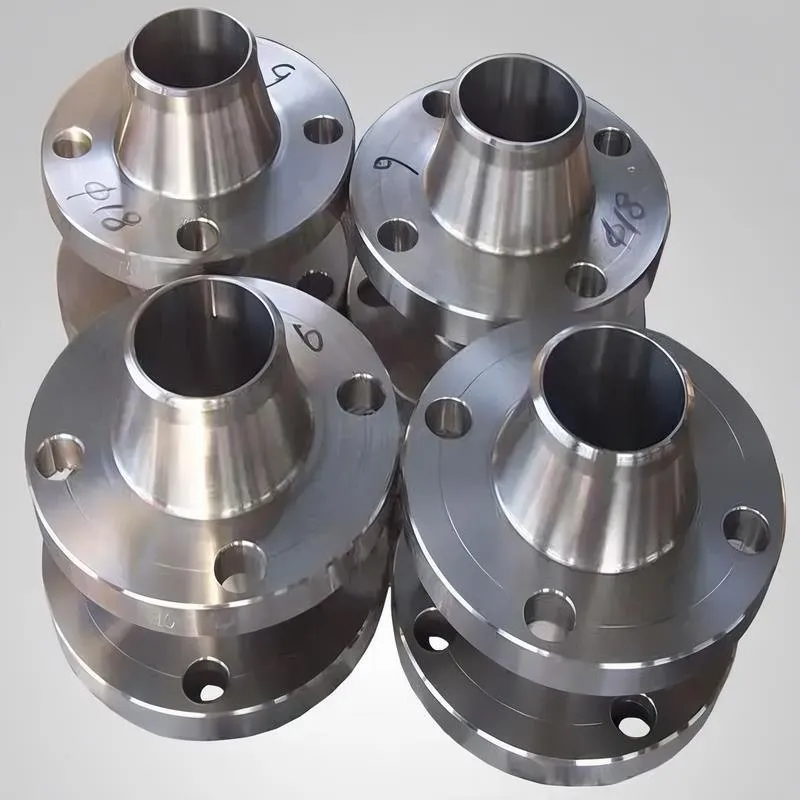
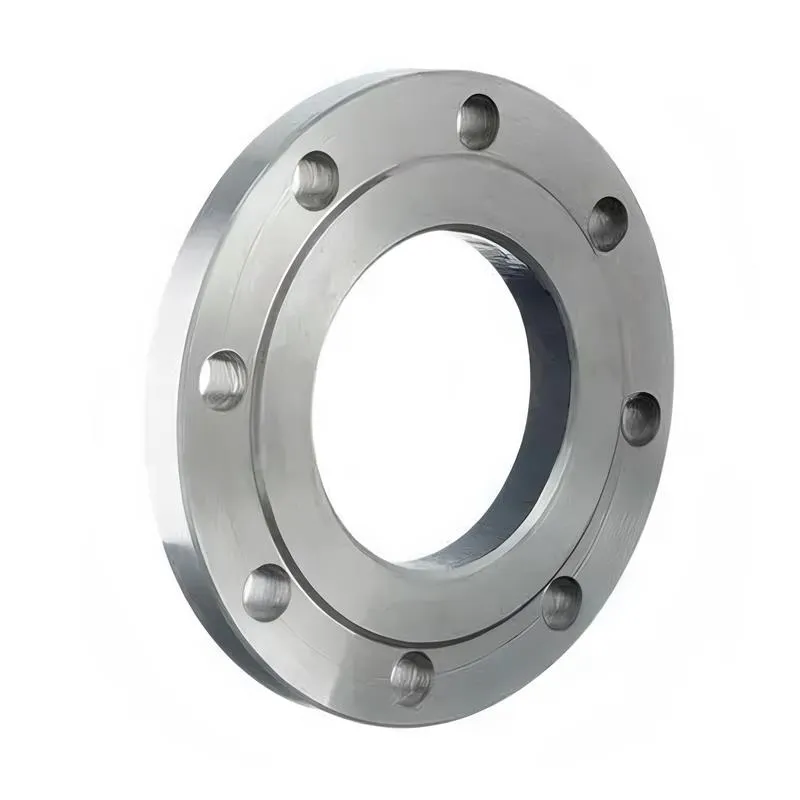
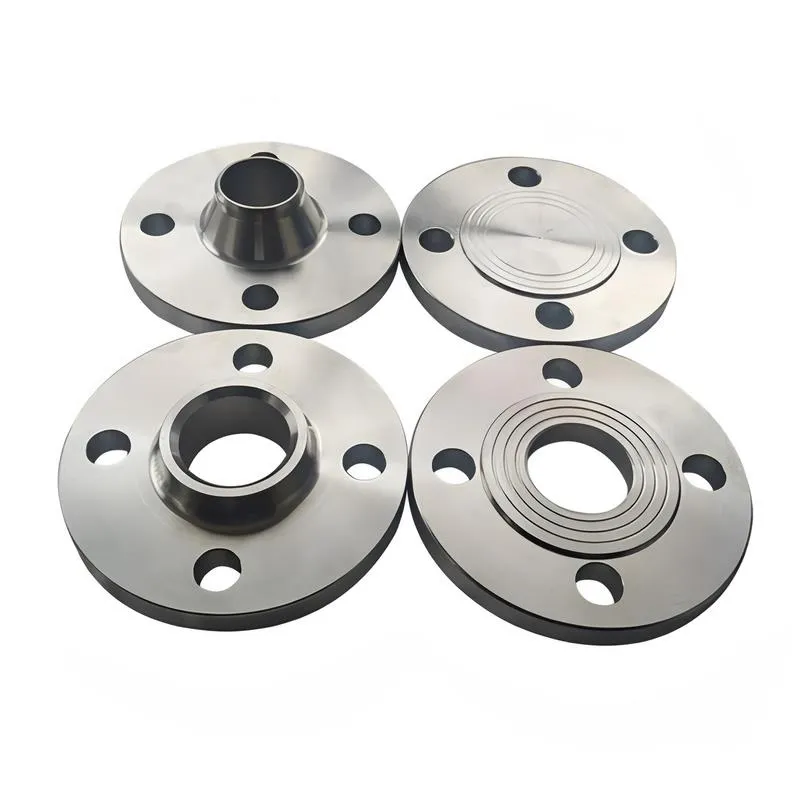
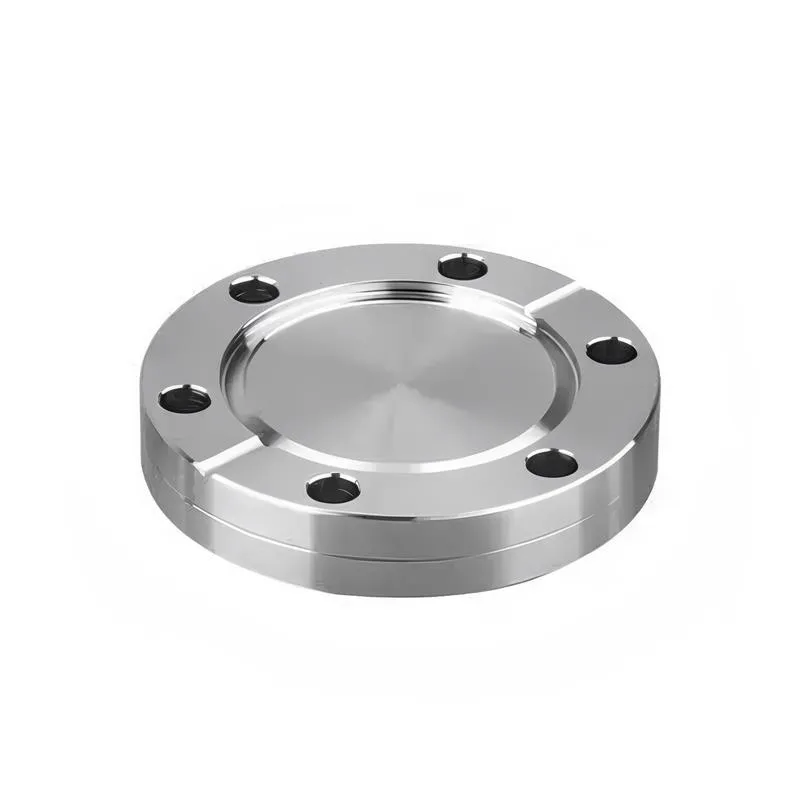
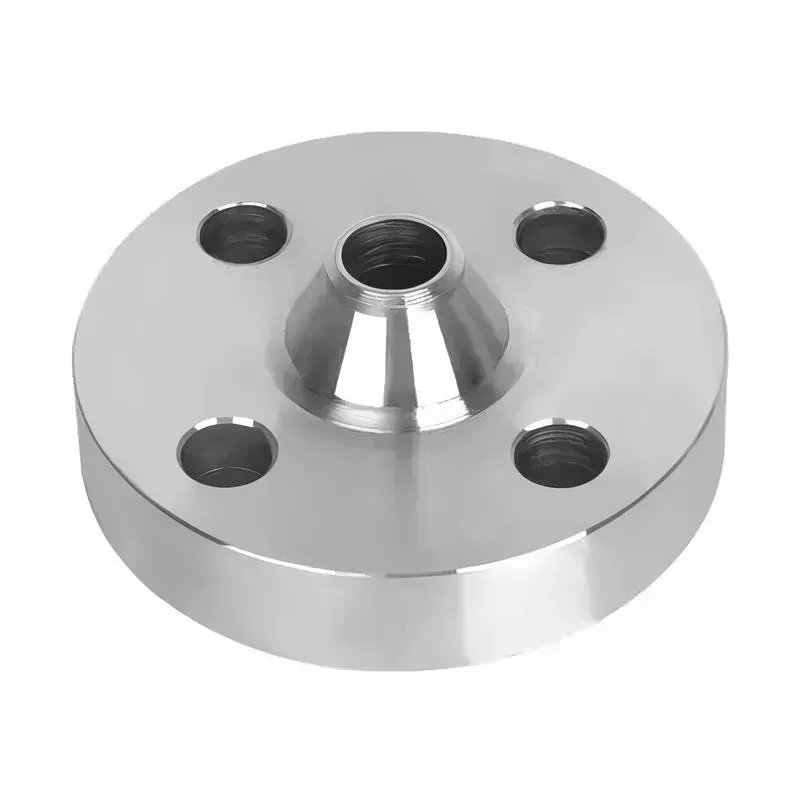
1,We Manufacturing processes are primarily classified into four types:
1:Forging,
2:Casting,
3:Cutting,
4:Rolling.
2,We can manufacture in accordance with these standards.
Standards:
GB Series (Chinese Standards), JB Series (Machinery Standards), HG Series (Chemical Industry Standards), ASME B16.5 (American Standards), BS4504 (British Standards), DIN (German Standards), and JIS (Japanese Standards).
Internationally, there are two primary systems of pipe flange standards: the European system, represented by the German DIN standards (including those of the former Soviet Union), and the American system, represented by the US ANSI pipe flange standards. Other common standards include: the Chinese Ministry of Machinery Industry standards (JB series), the Ministry of Chemical Industry standards (HG series), the Chinese National Standard *GB/T 9112–9124-2010 Steel Pipe Flanges*, as well as US standards (ASME B16.5), British standards (BS4504), German standards (DIN), Japanese standards (JIS), and marine standards (CBM), among others.
The nominal pressure ratings for the PN series are designated by "PN" and comprise the following nine levels: PN2.5, PN6, PN10, PN16, PN25, PN40, PN63, PN100, and PN160.
The nominal pressure ratings for the Class series are designated by "Class" and comprise the following six levels: Class150, Class300, Class600, Class900, Class1500, and Class2500.
Flange Classification
1. **According to Chemical Industry Standards:** Flanges are classified as follows:
Plate Flat Welding Flange (PL), Necked Flat Welding Flange (SO), Necked Butt Welding Flange (WN), Integral Flange (IF), Socket Welding Flange (SW), Threaded Flange (Th), Butt Welding Ring Loose Flange (PJ/SE), Blind Flange (BL), Flat Welding Ring Loose Flange (PJ/PJ), and Lined Blind Flange (BL(s)).
2. **According to Petrochemical (SH) Industry Standards:** Flanges are classified as follows:
Threaded Flange (PL), Butt Welding Flange (WN), Flat Welding Flange (SO), Socket Welding Flange (SW), Loose Flange (LJ), and Blind Flange (no specific designation).
3. **According to Machinery (JB) Industry Standards:** Flanges are classified as follows:
Integral Flange, Butt Welding Flange, Plate Flat Welding Flange, Butt Welding Ring Plate Loose Flange, Flat Welding Ring Plate Loose Flange, Lap Joint Ring Plate Loose Flange, and Blind Flange.
4. **According to Connection Method/Type:** Flanges are classified as follows:
Plate Flat Welding Flange, Necked Flat Welding Flange, Necked Butt Welding Flange, Socket Welding Flange, Threaded Flange, Blind Flange, Necked Butt Welding Ring Loose Flange, Flat Welding Ring Loose Flange, Ring-Type Joint (RTJ) Flange and Blind Flange, Large-Diameter Plate Flange, Large-Diameter High-Neck Flange, Figure-8 Blind Plate, Butt Welding Ring Loose Flange, etc.
5. **According to the Component Being Connected:** Flanges can be classified into Vessel Flanges and Pipe Flanges.
6. **According to Structural Type:** Flanges include Integral Flanges, Threaded Flanges, Flat Welding Flanges, Butt Welding Flanges, Lap Joint (Loose/Swivel) Flanges, and Blind Flanges.
A flange—also referred to as a flange plate or rim—is a component used to connect shafts to one another, or, more commonly, to join the ends of pipes. Flanges are also utilized at the inlet and outlet ports of equipment to facilitate connections between two devices—for instance, the flange on a speed reducer. A "flange connection" or "flanged joint" refers to a detachable joint assembly comprising three interconnected elements—a flange, a gasket, and bolts—that together form a sealed structural unit. In the context of piping systems, a "pipe flange" specifically denotes a flange used for plumbing within the installation; when applied to equipment, it refers to the inlet or outlet flange of that specific device. Flanges feature a series of holes through which bolts are inserted to securely fasten the two flanges together, while a gasket placed between the flanges ensures a leak-proof seal. Flanges are broadly categorized into three types: threaded (screw-in) flanges, welded flanges, and clamp-type flanges. Flanges are invariably used in pairs; threaded flanges are suitable for low-pressure piping applications, whereas welded flanges are required for systems operating at pressures exceeding 4 kilograms per square centimeter. A sealing gasket is inserted between the two flange plates, which are then firmly secured using bolts. The thickness of a flange—as well as the specifications of the bolts used to fasten it—vary depending on the specific pressure rating required for the application. When connecting equipment such as water pumps or valves to piping systems, the corresponding connection points on these devices are often manufactured in the shape of a matching flange; this method of attachment is also referred to as a "flange connection." Generally, any connecting component that utilizes bolts to join and seal the perimeters of two flat surfaces—such as the joints in ventilation ducts—is termed a "flange"; such components may collectively be classified as "flange-type parts." However, since such a connection often constitutes merely a *portion* of a larger device—for instance, the interface between a flange and a water pump—it would be inappropriate to classify the entire water pump itself as a "flange-type part." Conversely, smaller components—such as valves—that feature such flanged interfaces may indeed be appropriately categorized as "flange-type parts."
-:-
For detailed product information, please contact sales.
-:
Crucible Steel Flange CPM® S110V® Stainless Tool Steel Flange Product Information
-:-
For detailed product information, please contact sales.
-:
Crucible Steel Flange CPM® S110V® Stainless Tool Steel Flange Synonyms
-:-
For detailed product information, please contact sales.
-:
Crucible Steel CPM® S110V® Stainless Tool Steel Product Information
-:-
For detailed product information, please contact sales.
-:
# **Product Introduction: Crucible CPM® S110V® Stainless Tool Steel**
Crucible CPM® S110V® stands at the absolute pinnacle of martensitic stainless tool steel technology, representing the ultimate achievement in blending **extreme wear resistance with high corrosion resistance**. As a member of the CPM S-series super stainless steels, S110V is engineered through the Crucible Particle Metallurgy (CPM) process to contain an exceptionally high volume of hard vanadium carbides within a chromium-rich matrix. It is specifically designed for applications where abrasive wear is the primary failure mechanism, but operating environments are corrosive enough to preclude the use of non-stainless high-wear steels like CPM 10V or 15V.
The CPM process is not merely beneficial but essential for S110V, as its extreme alloy content would result in catastrophic carbide segregation and brittleness via conventional ingot casting. The PM process yields a uniform, ultra-fine distribution of carbides, granting this ultra-high-alloy steel **survivable toughness, unprecedented grindability for its wear class, excellent dimensional stability, and isotropic properties**. CPM S110V is the definitive material for the most severe wear challenges in corrosive or hygienic settings.
---
## **1. Chemical Composition (Weight %)**
S110V's composition is defined by an extraordinary concentration of carbon, chromium, and vanadium.
| **Element** | **Carbon (C)** | **Chromium (Cr)** | **Vanadium (V)** | **Molybdenum (Mo)** | **Niobium (Nb)** | **Nickel (Ni)** |
| :--- | :--- | :--- | :--- | :--- | :--- | :--- |
| **Content** | **2.80** | **15.25** | **10.75** | **2.25** | **2.90** | **0.45** |
| **Role** | Critical for carbide formation. At 2.8%, it is among the highest in commercial tool steels, enabling the massive carbide volume required for legendary wear resistance. | Imparts exceptional **corrosion resistance** by forming a robust, passive chromium oxide layer. Also contributes to hardenability and forms some chromium carbides. | **The dominant wear element.** The 10.75% content forms an enormous volume of ultra-hard vanadium carbides (VC), providing wear resistance that surpasses many cemented carbides. | Enhances hardenability, improves toughness, and increases resistance to pitting corrosion. | **Key performance enhancer.** Niobium (Columbium) forms extremely hard, fine niobium carbides (NbC) that complement vanadium carbides, further boosting wear resistance and grain refinement. | Austenite stabilizer; improves toughness and aids in achieving full hardenability. |
*Note: Iron (Fe) constitutes the remainder. The combined carbonitride-forming elements (V, Nb) create one of the highest carbide volumes in any steel.*
---
## **2. Physical & Mechanical Properties**
*Typical properties after optimal heat treatment to a hardness of 58-61 HRC.*
* **Density:** ~7.62 g/cm³ (0.275 lb/in³) – Slightly lower than most steels due to high carbide volume.
* **Modulus of Elasticity:** ~200 GPa (29 x 10⁶ psi)
* **Thermal Conductivity:** Low, due to the very high volume of carbide phases obstructing heat flow.
* **Coefficient of Thermal Expansion:** ~10.8 x 10⁻⁶/°C (20-100°C)
* **Corrosion Resistance:** **Excellent.** The high chromium content (~15%) provides corrosion resistance significantly superior to standard stainless steels like 440C and comparable to some more highly alloyed grades. It is highly resistant to tarnishing, rust, and many chemicals.
* **Hardness (Typical Working Range):** **57 - 61 HRC.** Most commonly applied at **58-60 HRC**. Achieving higher hardness is challenging due to the high alloy content and retained austenite.
* **Abrasion Resistance:** **Peerless among stainless steels.** Its wear resistance is in a class of its own, often exceeding that of CPM 10V and approaching CPM 15V. It is arguably the most abrasion-resistant **stainless** steel commercially available.
* **Toughness:** **Low.** This is the primary trade-off for its extreme wear and corrosion resistance. It has very low impact toughness and is highly sensitive to notches. It is unsuitable for any application involving bending, torsion, or shock loading.
* **Compressive Strength:** Extremely high, making it excellent for wear surfaces under pure compression.
* **Grindability (Hardened):** **Extremely Difficult.** The extreme volume of ultra-hard carbides makes grinding a specialized task. **Diamond abrasives are mandatory;** CBN may be insufficient. Regrinding requires significant time and expertise.
---
## **3. Heat Treatment**
Heat treatment is complex and requires precise control to manage retained austenite and achieve target properties.
* **Annealing:** Heat to 900-925°C (1650-1700°F), slow cool. Annealed hardness: 280-330 HB.
* **Preheating:** **Critical.** Use a thorough **double preheat**: First at 540-650°C (1000-1200°F), then at 815-870°C (1500-1600°F).
* **Austenitizing:** **1150-1190°C (2100-2175°F).** Lower temperatures (~1150°C) favor toughness and minimize retained austenite; higher temperatures maximize wear resistance and hardness. **1175°C (2145°F)** is a common target.
* **Quenching:** **Air quench** or high-pressure gas quench. **Do not oil quench.**
* **Tempering:** **Complex and Mandatory.** Temper immediately. **Multiple tempers (3-4 cycles)** are required, each for 2+ hours.
* **Typical tempering range: 205-540°C (400-1000°F).**
* For maximum corrosion resistance, temper at **205-425°C (400-800°F).**
* Higher tempering temperatures (480-540°C / 900-1000°F) are used to transform retained austenite and improve dimensional stability, with a slight reduction in corrosion resistance.
* **Sub-Zero Treatment:** **Highly Recommended, Often Essential.** Deep cryogenic treatment (-100°C / -148°F or below) between quenching and tempering is crucial to transform the high levels of retained austenite, maximizing hardness, wear resistance, and dimensional stability.
---
## **4. Key Applications**
CPM S110V is reserved for specialized, severe-service applications where its unique properties are indispensable.
* **Extreme-Wear Components in Corrosive Environments:** Pump seals, wear plates, and mixer blades in chemical processing, seawater desalination, and mining industries handling abrasive slurries.
* **High-End, Specialized Cutlery:** Ultra-premium folding and fixed-blade knives where the absolute maximum edge retention for cutting abrasive materials (rope, cardboard, fibers) is the sole priority, and the blade design is rigid with no bending stress.
* **Nozzles and Wear Parts for Abrasive Media Blasting:** Components subjected to extreme erosion from sand, ceramic beads, or other blasting media.
* **Food Processing Equipment for Abrasive Ingredients:** Cutting and processing blades for hard grains, seeds, or fortified foods where both hygiene and extreme wear life are required.
* **Precision Wear Guides in Humid/Chemical Atmospheres:** Slides, bearings, and guides in machinery operating in environments that cause rapid rusting of standard tool steels.
---
## **5. International Standards & Cross-References**
CPM S110V is a proprietary, ultra-high-alloy grade with no direct international standard equivalents.
* **UNS:** No standard UNS designation.
* **AISI/SAE:** No equivalent. It is a proprietary "super stainless" tool steel.
* **European (EN) / ISO / JIS:** No direct equivalents.
* **Common Trade Names/Comparisons:** Often called simply **S110V**. It is Crucible's answer to other manufacturer's ultra-high-wear stainless steels, though it is often considered the benchmark. The closest competitor analogues in concept are grades like **Böhler M398** or similar next-generation PM super stainless steels.
---
## **6. Advantages & Limitations**
**Advantages:**
* **Unrivaled Wear Resistance in a Stainless Steel:** The definitive choice when abrasion is the #1 concern and corrosion resistance is mandatory.
* **Exceptional Corrosion Resistance:** Far exceeds standard tool steels, suitable for harsh environments.
* **Very High Hardness Potential:** Can achieve and maintain a high surface hardness.
* **Isotropic Properties from PM Process:** Performance is uniform regardless of orientation.
**Limitations:**
* **Very Low Toughness and Ductility:** **The critical limitation.** It is brittle and cannot withstand impact, bending, or shock.
* **Extremely Difficult to Machine and Grind:** Manufacturing and maintenance costs are very high, requiring diamond tools and abrasives.
* **Complex and Sensitive Heat Treatment:** Requires deep cryogenic treatment and multiple tempers for proper performance.
* **Extremely High Cost:** Due to very high vanadium, niobium, and chromium content, plus specialized PM processing.
* **Niche Application:** Its use is only justified in very specific, severe scenarios.
---
## **7. Summary**
**Crucible CPM® S110V® is the ultimate engineered material for combating catastrophic abrasive wear in corrosive environments.** It represents the far boundary of what is possible with martensitic stainless steel technology, sacrificing almost all toughness to achieve legendary resistance to abrasion and corrosion. Its successful application requires meticulous design (pure compression, no bending), expert heat treatment, and acceptance of high manufacturing costs. For the specific, severe problems it is designed to solve—where nothing else lasts—CPM S110V is not just an option; it is the only solution. It is a specialist's material for the most unforgiving wear challenges on the planet.
-:-
For detailed product information, please contact sales.
-:
Crucible Steel CPM® S110V® Stainless Tool Steel Specification
Dimensions
Size:
Diameter 20-1000 mm Length <6973 mm
Size:We can customized as required
Standard:
Per your request or drawing
We can customized as required
Properties(Theoretical)
Chemical Composition
-:-
For detailed product information, please contact sales.
-:
Crucible Steel CPM® S110V® Stainless Tool Steel Properties
-:-
For detailed product information, please contact sales.
-:
Applications of Crucible Steel Flange CPM® S110V® Stainless Tool Steel Flange
-:-
For detailed product information, please contact sales.
-:
Chemical Identifiers Crucible Steel Flange CPM® S110V® Stainless Tool Steel Flange
-:-
For detailed product information, please contact sales.
-:
Packing of Crucible Steel Flange CPM® S110V® Stainless Tool Steel Flange
-:-
For detailed product information, please contact sales.
-:
Standard Packing:
-:-
For detailed product information, please contact sales.
-:
Typical bulk packaging includes palletized plastic 5 gallon/25 kg. pails, fiber and Steel Flange drums to 1 ton super sacks in full container (FCL) or truck load (T/L) quantities. Research and sample quantities and hygroscopic, oxidizing or other air sensitive materials may be packaged under argon or vacuum. Solutions are packaged in polypropylene, plastic or glass jars up to palletized 3444 gallon liquid totes Special package is available on request. E FORUs’ is carefully handled to minimize damage during storage and transportation and to preserve the quality of our products in their original condition