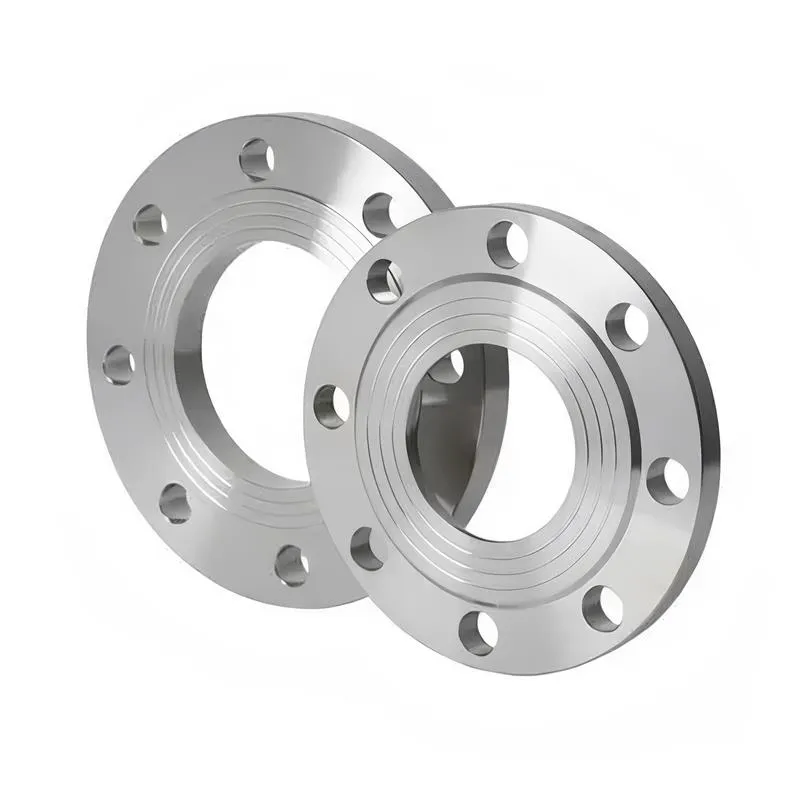
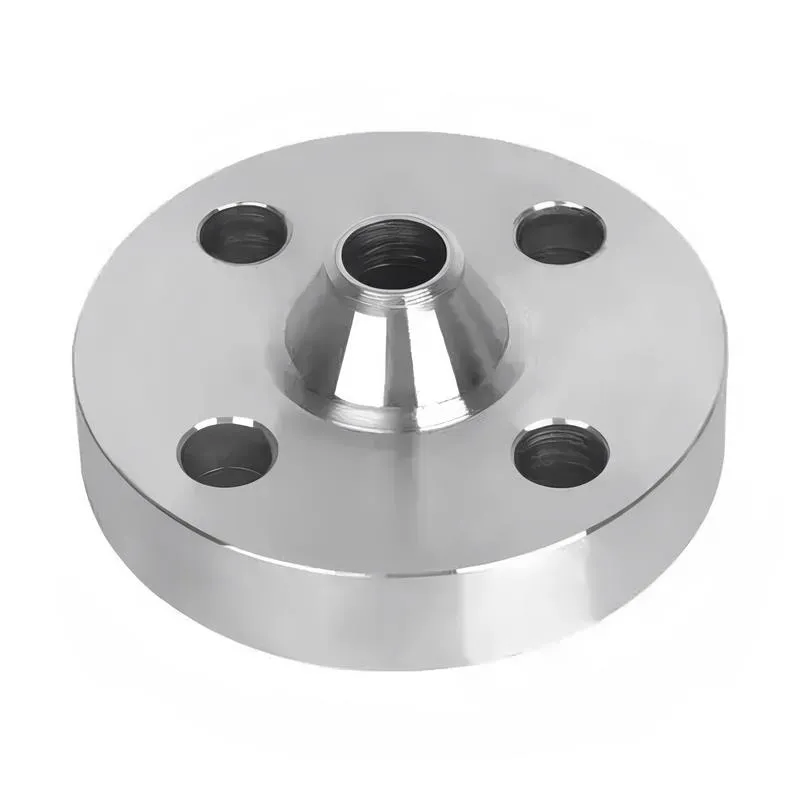
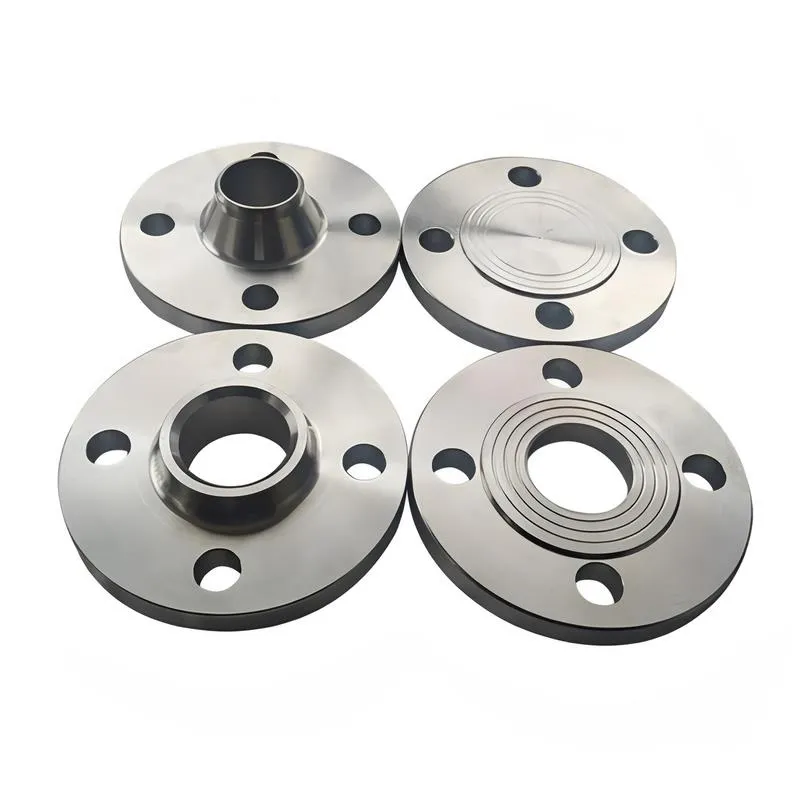
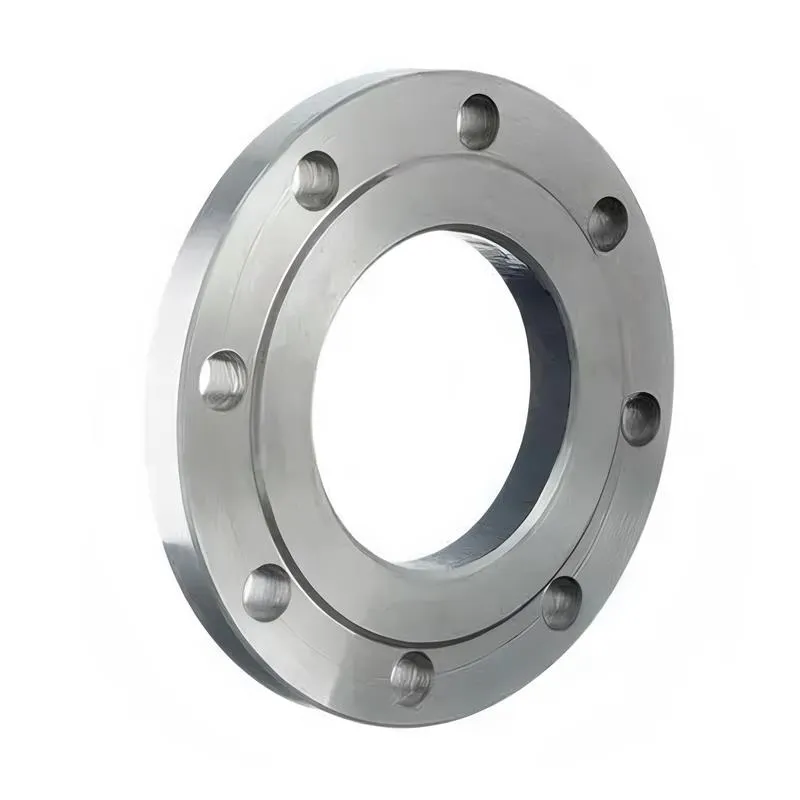
1,We Manufacturing processes are primarily classified into four types:
1:Forging,
2:Casting,
3:Cutting,
4:Rolling.
2,We can manufacture in accordance with these standards.
Standards:
GB Series (Chinese Standards), JB Series (Machinery Standards), HG Series (Chemical Industry Standards), ASME B16.5 (American Standards), BS4504 (British Standards), DIN (German Standards), and JIS (Japanese Standards).
Internationally, there are two primary systems of pipe flange standards: the European system, represented by the German DIN standards (including those of the former Soviet Union), and the American system, represented by the US ANSI pipe flange standards. Other common standards include: the Chinese Ministry of Machinery Industry standards (JB series), the Ministry of Chemical Industry standards (HG series), the Chinese National Standard *GB/T 9112–9124-2010 Steel Pipe Flanges*, as well as US standards (ASME B16.5), British standards (BS4504), German standards (DIN), Japanese standards (JIS), and marine standards (CBM), among others.
The nominal pressure ratings for the PN series are designated by "PN" and comprise the following nine levels: PN2.5, PN6, PN10, PN16, PN25, PN40, PN63, PN100, and PN160.
The nominal pressure ratings for the Class series are designated by "Class" and comprise the following six levels: Class150, Class300, Class600, Class900, Class1500, and Class2500.
Flange Classification
1. **According to Chemical Industry Standards:** Flanges are classified as follows:
Plate Flat Welding Flange (PL), Necked Flat Welding Flange (SO), Necked Butt Welding Flange (WN), Integral Flange (IF), Socket Welding Flange (SW), Threaded Flange (Th), Butt Welding Ring Loose Flange (PJ/SE), Blind Flange (BL), Flat Welding Ring Loose Flange (PJ/PJ), and Lined Blind Flange (BL(s)).
2. **According to Petrochemical (SH) Industry Standards:** Flanges are classified as follows:
Threaded Flange (PL), Butt Welding Flange (WN), Flat Welding Flange (SO), Socket Welding Flange (SW), Loose Flange (LJ), and Blind Flange (no specific designation).
3. **According to Machinery (JB) Industry Standards:** Flanges are classified as follows:
Integral Flange, Butt Welding Flange, Plate Flat Welding Flange, Butt Welding Ring Plate Loose Flange, Flat Welding Ring Plate Loose Flange, Lap Joint Ring Plate Loose Flange, and Blind Flange.
4. **According to Connection Method/Type:** Flanges are classified as follows:
Plate Flat Welding Flange, Necked Flat Welding Flange, Necked Butt Welding Flange, Socket Welding Flange, Threaded Flange, Blind Flange, Necked Butt Welding Ring Loose Flange, Flat Welding Ring Loose Flange, Ring-Type Joint (RTJ) Flange and Blind Flange, Large-Diameter Plate Flange, Large-Diameter High-Neck Flange, Figure-8 Blind Plate, Butt Welding Ring Loose Flange, etc.
5. **According to the Component Being Connected:** Flanges can be classified into Vessel Flanges and Pipe Flanges.
6. **According to Structural Type:** Flanges include Integral Flanges, Threaded Flanges, Flat Welding Flanges, Butt Welding Flanges, Lap Joint (Loose/Swivel) Flanges, and Blind Flanges.
A flange—also referred to as a flange plate or rim—is a component used to connect shafts to one another, or, more commonly, to join the ends of pipes. Flanges are also utilized at the inlet and outlet ports of equipment to facilitate connections between two devices—for instance, the flange on a speed reducer. A "flange connection" or "flanged joint" refers to a detachable joint assembly comprising three interconnected elements—a flange, a gasket, and bolts—that together form a sealed structural unit. In the context of piping systems, a "pipe flange" specifically denotes a flange used for plumbing within the installation; when applied to equipment, it refers to the inlet or outlet flange of that specific device. Flanges feature a series of holes through which bolts are inserted to securely fasten the two flanges together, while a gasket placed between the flanges ensures a leak-proof seal. Flanges are broadly categorized into three types: threaded (screw-in) flanges, welded flanges, and clamp-type flanges. Flanges are invariably used in pairs; threaded flanges are suitable for low-pressure piping applications, whereas welded flanges are required for systems operating at pressures exceeding 4 kilograms per square centimeter. A sealing gasket is inserted between the two flange plates, which are then firmly secured using bolts. The thickness of a flange—as well as the specifications of the bolts used to fasten it—vary depending on the specific pressure rating required for the application. When connecting equipment such as water pumps or valves to piping systems, the corresponding connection points on these devices are often manufactured in the shape of a matching flange; this method of attachment is also referred to as a "flange connection." Generally, any connecting component that utilizes bolts to join and seal the perimeters of two flat surfaces—such as the joints in ventilation ducts—is termed a "flange"; such components may collectively be classified as "flange-type parts." However, since such a connection often constitutes merely a *portion* of a larger device—for instance, the interface between a flange and a water pump—it would be inappropriate to classify the entire water pump itself as a "flange-type part." Conversely, smaller components—such as valves—that feature such flanged interfaces may indeed be appropriately categorized as "flange-type parts."
-:-
For detailed product information, please contact sales.
-:
PSM Industries Ferro-TiC® C Medium Alloy Tool Steel Flange Product Information
-:-
For detailed product information, please contact sales.
-:
PSM Industries Ferro-TiC® C Medium Alloy Tool Steel Flange Synonyms
-:-
For detailed product information, please contact sales.
-:
PSM Industries Ferro-TiC® C Medium Alloy Tool Steel Product Information
-:-
For detailed product information, please contact sales.
-:
**Product Name:** PSM Industries Ferro-TiC® CM | High Chromium Tool Steel Metal Matrix Composite
**Overview**
PSM Industries' Ferro-TiC® CM represents the pinnacle of wear-resistant tool steel composites within the Ferro-TiC® family. Engineered for the most demanding applications, it features a high-chromium, high-carbon tool steel matrix (similar to D2-type steel) uniformly reinforced with a proprietary high volume of ultra-hard titanium carbide (TiC) particles. Manufactured via advanced powder metallurgy (PM) and consolidation processes, this material eliminates the carbide segregation and size limitations of conventionally cast high-chromium steels. The result is an isotropic structure that delivers **exceptional wear resistance, excellent compressive strength, and good corrosion resistance**, outperforming standard D2 and many tungsten carbides in severe abrasive and adhesive wear scenarios. Ferro-TiC® CM is the ultimate choice for applications where extreme wear is the primary failure mode.
**Key Features:**
* **Dual-Phase Defense:** Combines the wear resistance of a high-chromium steel matrix with the extreme hardness of uniformly dispersed titanium carbides.
* **Powder Metallurgy Superiority:** Guarantees a fine, homogeneous microstructure free of defects, ensuring consistent, directional performance in finished components.
* **Extreme Hardness:** Achieves a very high composite surface hardness, primarily driven by the dense TiC network.
* **Good Corrosion Resistance:** The high-chromium matrix provides better resistance to oxidation and corrosion compared to medium-alloy composites, suitable for certain wet or mildly corrosive environments.
* **Machinable in Annealed State:** Allows for conventional machining and shaping prior to final heat treatment.
---
**Material Specifications: Ferro-TiC® CM**
**1. Chemical Composition (Typical, wt%)**
The composition is characterized by a high-chromium steel matrix saturated with titanium carbide.
* **Matrix Base:** High-Chromium, High-Carbon Cold Work Tool Steel (D2-type).
* **Reinforcement:** High Volume Fraction (typically >45%) of Titanium Carbide (TiC).
A typical **overall** chemical analysis includes:
* **Iron (Fe):** Balance
* **Titanium (Ti):** 14 - 20% (Primary constituent of TiC)
* **Carbon (C):** 4.0 - 5.5% (Tied in TiC and matrix carbides)
* **Chromium (Cr):** 8.0 - 12.0% (Provides matrix hardness, wear, and corrosion resistance)
* **Molybdenum (Mo):** 0.5 - 2.0%
* **Vanadium (V):** 0.5 - 2.0%
*Note: The precise volume fraction and distribution of TiC are proprietary to PSM Industries.*
**2. Physical & Mechanical Properties (Hardened & Tempered Condition)**
Properties are for the fully heat-treated composite material.
| Property | Typical Value | Condition / Note |
| :--- | :--- | :--- |
| **Density** | ~ 6.5 - 6.7 g/cm³ | Lower than steel due to TiC content. |
| **Hardness** | 66 - 70 HRC | **Extremely high composite hardness.** TiC particles >3000 HV. |
| **Transverse Rupture Strength (TRS)** | ~ 1,800 - 2,400 MPa | Indicates load-bearing capacity under bending stress. |
| **Compressive Strength** | > 3,800 MPa | Exceptional, ideal for high-pressure forming and extrusion. |
| **Modulus of Elasticity** | ~ 290 - 330 GPa | High stiffness, reducing deflection under load. |
| **Fracture Toughness** | Moderate to Low | Lower than Ferro-TiC® C due to harder/brittler matrix; designed for maximum wear resistance where impact is minimal. |
| **Coefficient of Thermal Expansion** | ~ 9.0 - 10.0 µm/m·°C | 20 - 400°C. |
| **Corrosion Resistance** | Good | Superior to standard tool steels due to high Cr content in the matrix; not stainless. |
**3. Applicable & Reference Standards**
As a proprietary composite, Ferro-TiC® CM is a distinct material class. Its properties are benchmarked against and often specified to replace:
* **ASTM A681:** (Grade D2) – Referenced for the high-chromium matrix composition.
* **ISO 4957:** Tool steels (Grade X153CrMoV12, EU equivalent of D2).
* **JIS G4404:** (Japanese Standard, SKD11).
* **Cemented Carbide Grades (ISO K, M series):** Primary performance competitor in pure wear applications.
* **Custom OEM Specifications:** Widely adopted based on proven field performance surpassing conventional materials.
---
**Product Applications**
Ferro-TiC® CM is engineered for severe service where wear is the dominant failure mechanism and shock loading is controlled. Its high chromium content also makes it suitable for applications with minor corrosive elements.
* **Precision Blanking & Piercing:** Punches and dies for abrasive sheet metals (e.g., high-strength steel, silicon steel, copper alloys), offering vastly extended life over D2.
* **Cold Forming & Extrusion:** Extrusion dies, mandrels, and forming rolls for metals and polymers where galling and abrasive wear are critical issues.
* **Abrasive Plastic & Composite Processing:** Injection molding screws, barrels, and wear plates for filled polymers (glass, mineral, carbon fiber). Cutting blades for CFRP/GFRP.
* **Wear Components in Corrosive Media:** Pump seals, valve components, and wear plates in applications involving mildly corrosive slurries or chemicals, where standard carbide may not be suitable.
* **High-Pressure Compaction Tools:** Tooling for powder metal compaction (e.g., ferrite cores) and ceramic pressing.
* **Knife Industry:** Industrial knives for cutting highly abrasive materials like recycled paper, textiles, and rubber.
**Processing & Handling Guidelines:**
1. **Machining:** **Must be performed only in the annealed condition** (approx. 42-48 HRC). Requires use of carbide, CBN, or PCD tooling with rigid setups. Grinding is the primary method for finishing after heat treatment.
2. **Heat Treatment:** Follows practices for high-chromium, high-carbon steels: careful preheating, austenitizing in a controlled atmosphere or vacuum furnace, followed by forced air or gas quenching, and multiple tempering cycles. Final hardness targets 66-70 HRC.
3. **Finishing:** Due to its extreme hardness, Electrical Discharge Machining (EDM) and grinding are the preferred finishing methods after hardening.
4. **Joining:** Can be brazed or bonded to tough steel backings to create cost-effective, composite wear parts.
**Why Choose Ferro-TiC® CM?**
* **Maximum Wear Life:** Deloys the ultimate wear resistance in the Ferro-TiC® tool steel series, significantly reducing part replacement frequency and total cost of ownership.
* **Isotropic Reliability:** PM process ensures every part has identical, predictable wear characteristics in all directions.
* **Corrosion Advantage:** The high-chromium matrix offers a distinct benefit over other composites and standard carbides in non-severe corrosive environments.
* **Superior to Conventional D2:** Provides orders-of-magnitude improvement in wear resistance over even premium-quality wrought or cast D2 tool steel.
**Disclaimer:** The data provided is typical and based on PSM Industries' specifications. Actual performance is dependent on application-specific conditions, heat treatment procedures, and part geometry. For critical applications, prototyping and testing are strongly advised. Consultation with PSM technical experts is essential for successful implementation.
-:-
For detailed product information, please contact sales.
-:
PSM Industries Ferro-TiC® C Medium Alloy Tool Steel Specification
Dimensions
Size:
Diameter 20-1000 mm Length <7100 mm
Size:We can customized as required
Standard:
Per your request or drawing
We can customized as required
Properties(Theoretical)
Chemical Composition
-:-
For detailed product information, please contact sales.
-:
PSM Industries Ferro-TiC® C Medium Alloy Tool Steel Properties
-:-
For detailed product information, please contact sales.
-:
Applications of PSM Industries Ferro-TiC® C Medium Alloy Tool Steel Flange
-:-
For detailed product information, please contact sales.
-:
Chemical Identifiers PSM Industries Ferro-TiC® C Medium Alloy Tool Steel Flange
-:-
For detailed product information, please contact sales.
-:
Packing of PSM Industries Ferro-TiC® C Medium Alloy Tool Steel Flange
-:-
For detailed product information, please contact sales.
-:
Standard Packing:
-:-
For detailed product information, please contact sales.
-:
Typical bulk packaging includes palletized plastic 5 gallon/25 kg. pails, fiber and Steel Flange drums to 1 ton super sacks in full container (FCL) or truck load (T/L) quantities. Research and sample quantities and hygroscopic, oxidizing or other air sensitive materials may be packaged under argon or vacuum. Solutions are packaged in polypropylene, plastic or glass jars up to palletized 3571 gallon liquid totes Special package is available on request. E FORUs’ is carefully handled to minimize damage during storage and transportation and to preserve the quality of our products in their original condition