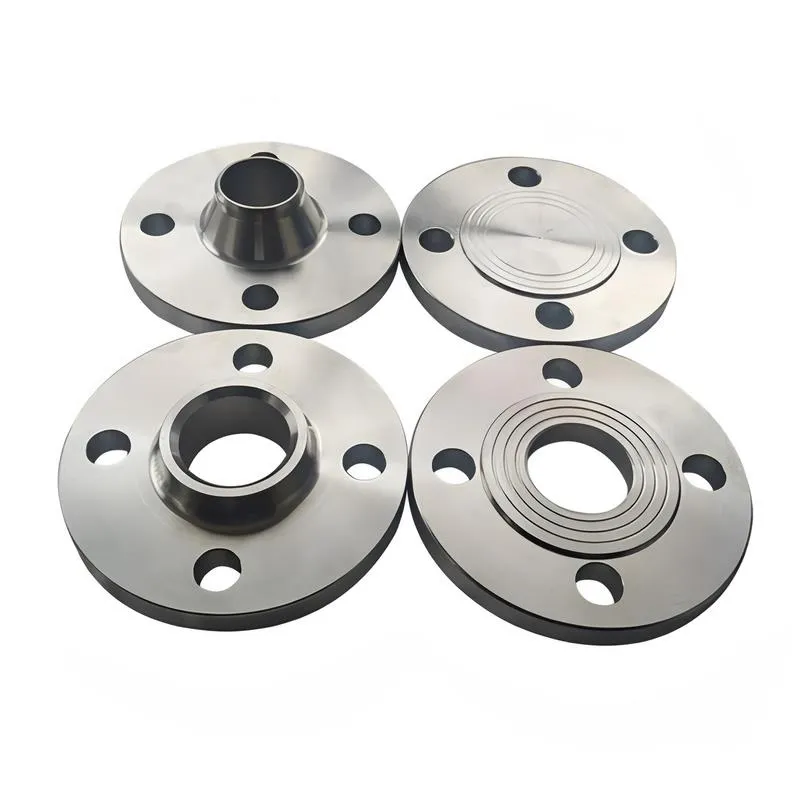
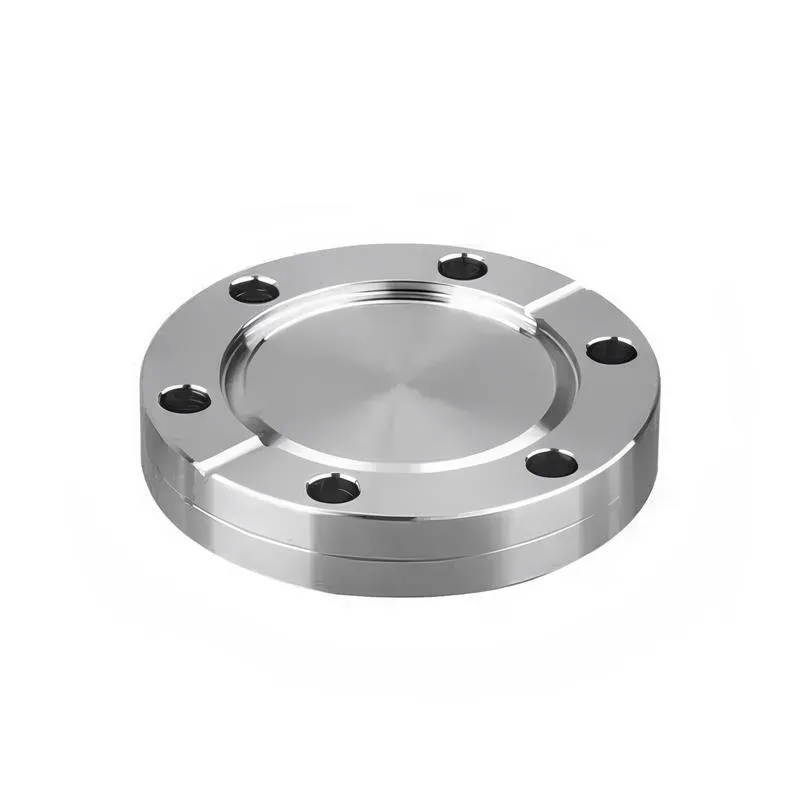
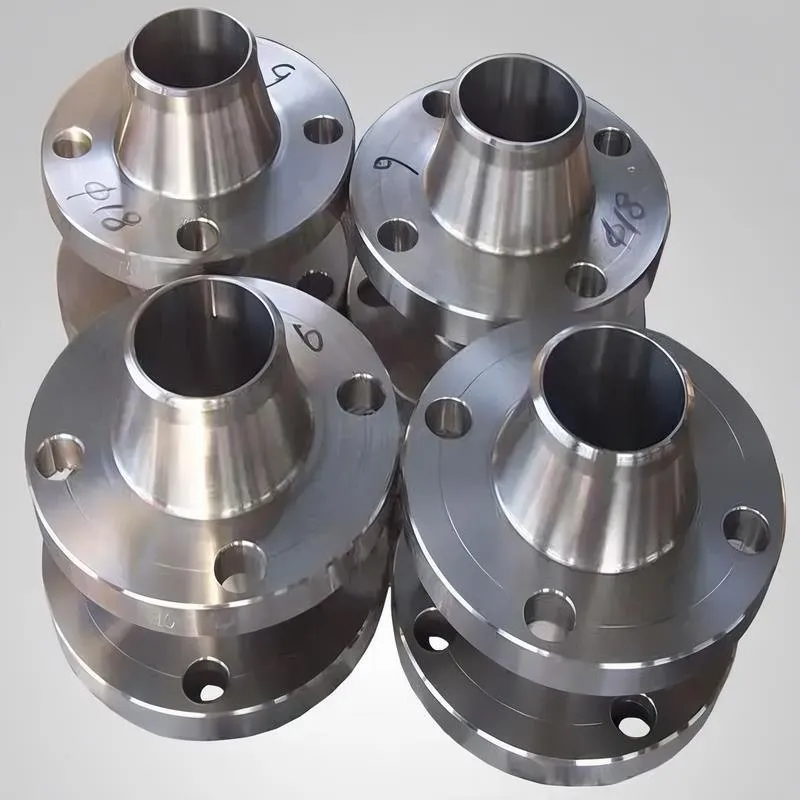
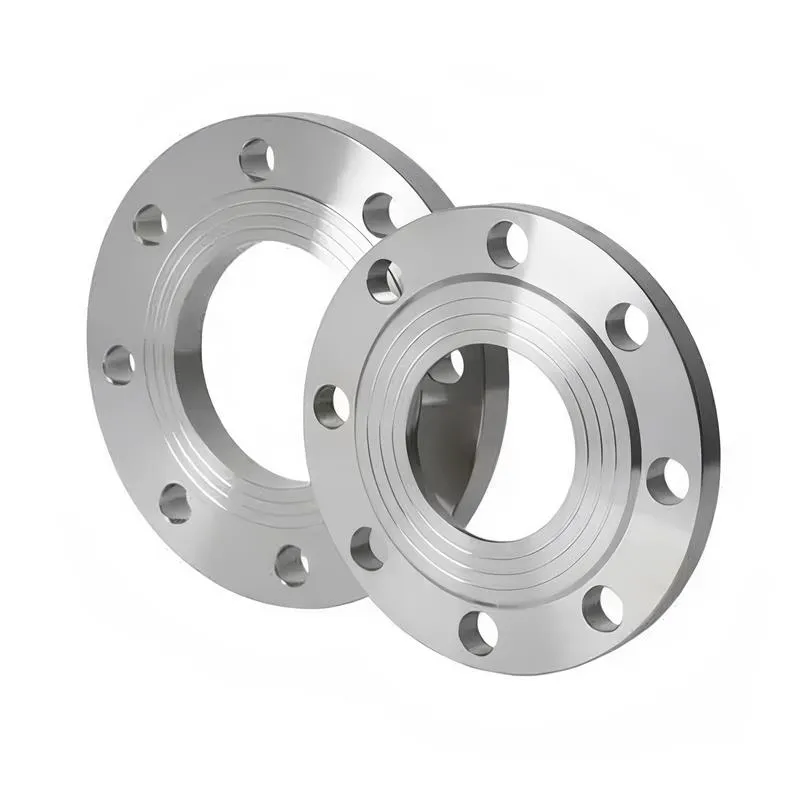
1,We Manufacturing processes are primarily classified into four types:
1:Forging,
2:Casting,
3:Cutting,
4:Rolling.
2,We can manufacture in accordance with these standards.
Standards:
GB Series (Chinese Standards), JB Series (Machinery Standards), HG Series (Chemical Industry Standards), ASME B16.5 (American Standards), BS4504 (British Standards), DIN (German Standards), and JIS (Japanese Standards).
Internationally, there are two primary systems of pipe flange standards: the European system, represented by the German DIN standards (including those of the former Soviet Union), and the American system, represented by the US ANSI pipe flange standards. Other common standards include: the Chinese Ministry of Machinery Industry standards (JB series), the Ministry of Chemical Industry standards (HG series), the Chinese National Standard *GB/T 9112–9124-2010 Steel Pipe Flanges*, as well as US standards (ASME B16.5), British standards (BS4504), German standards (DIN), Japanese standards (JIS), and marine standards (CBM), among others.
The nominal pressure ratings for the PN series are designated by "PN" and comprise the following nine levels: PN2.5, PN6, PN10, PN16, PN25, PN40, PN63, PN100, and PN160.
The nominal pressure ratings for the Class series are designated by "Class" and comprise the following six levels: Class150, Class300, Class600, Class900, Class1500, and Class2500.
Flange Classification
1. **According to Chemical Industry Standards:** Flanges are classified as follows:
Plate Flat Welding Flange (PL), Necked Flat Welding Flange (SO), Necked Butt Welding Flange (WN), Integral Flange (IF), Socket Welding Flange (SW), Threaded Flange (Th), Butt Welding Ring Loose Flange (PJ/SE), Blind Flange (BL), Flat Welding Ring Loose Flange (PJ/PJ), and Lined Blind Flange (BL(s)).
2. **According to Petrochemical (SH) Industry Standards:** Flanges are classified as follows:
Threaded Flange (PL), Butt Welding Flange (WN), Flat Welding Flange (SO), Socket Welding Flange (SW), Loose Flange (LJ), and Blind Flange (no specific designation).
3. **According to Machinery (JB) Industry Standards:** Flanges are classified as follows:
Integral Flange, Butt Welding Flange, Plate Flat Welding Flange, Butt Welding Ring Plate Loose Flange, Flat Welding Ring Plate Loose Flange, Lap Joint Ring Plate Loose Flange, and Blind Flange.
4. **According to Connection Method/Type:** Flanges are classified as follows:
Plate Flat Welding Flange, Necked Flat Welding Flange, Necked Butt Welding Flange, Socket Welding Flange, Threaded Flange, Blind Flange, Necked Butt Welding Ring Loose Flange, Flat Welding Ring Loose Flange, Ring-Type Joint (RTJ) Flange and Blind Flange, Large-Diameter Plate Flange, Large-Diameter High-Neck Flange, Figure-8 Blind Plate, Butt Welding Ring Loose Flange, etc.
5. **According to the Component Being Connected:** Flanges can be classified into Vessel Flanges and Pipe Flanges.
6. **According to Structural Type:** Flanges include Integral Flanges, Threaded Flanges, Flat Welding Flanges, Butt Welding Flanges, Lap Joint (Loose/Swivel) Flanges, and Blind Flanges.
A flange—also referred to as a flange plate or rim—is a component used to connect shafts to one another, or, more commonly, to join the ends of pipes. Flanges are also utilized at the inlet and outlet ports of equipment to facilitate connections between two devices—for instance, the flange on a speed reducer. A "flange connection" or "flanged joint" refers to a detachable joint assembly comprising three interconnected elements—a flange, a gasket, and bolts—that together form a sealed structural unit. In the context of piping systems, a "pipe flange" specifically denotes a flange used for plumbing within the installation; when applied to equipment, it refers to the inlet or outlet flange of that specific device. Flanges feature a series of holes through which bolts are inserted to securely fasten the two flanges together, while a gasket placed between the flanges ensures a leak-proof seal. Flanges are broadly categorized into three types: threaded (screw-in) flanges, welded flanges, and clamp-type flanges. Flanges are invariably used in pairs; threaded flanges are suitable for low-pressure piping applications, whereas welded flanges are required for systems operating at pressures exceeding 4 kilograms per square centimeter. A sealing gasket is inserted between the two flange plates, which are then firmly secured using bolts. The thickness of a flange—as well as the specifications of the bolts used to fasten it—vary depending on the specific pressure rating required for the application. When connecting equipment such as water pumps or valves to piping systems, the corresponding connection points on these devices are often manufactured in the shape of a matching flange; this method of attachment is also referred to as a "flange connection." Generally, any connecting component that utilizes bolts to join and seal the perimeters of two flat surfaces—such as the joints in ventilation ducts—is termed a "flange"; such components may collectively be classified as "flange-type parts." However, since such a connection often constitutes merely a *portion* of a larger device—for instance, the interface between a flange and a water pump—it would be inappropriate to classify the entire water pump itself as a "flange-type part." Conversely, smaller components—such as valves—that feature such flanged interfaces may indeed be appropriately categorized as "flange-type parts."
-:-
For detailed product information, please contact sales.
-:
X5CrNi1810 Austenitic Stainless Steel Flange for medical instruments Product Information
-:-
For detailed product information, please contact sales.
-:
X5CrNi1810 Austenitic Stainless Steel Flange for medical instruments Synonyms
-:-
For detailed product information, please contact sales.
-:
X5CrNi1810 Austenitic Stainless Steel for medical instruments Product Information
-:-
For detailed product information, please contact sales.
-:
# X5CrNi18-10 Austenitic Stainless Steel for Medical Instruments
## Overview
X5CrNi18-10 (commonly designated as AISI 304 or UNS S30400) is a versatile and widely used austenitic stainless steel known for its excellent corrosion resistance, good formability, and hygienic properties. As the most prevalent stainless steel grade in the world, it serves as the benchmark material for numerous medical and surgical instruments, particularly those not requiring the enhanced corrosion resistance provided by molybdenum-alloyed grades like 316/L. Its balanced composition provides reliable performance in medical environments while maintaining cost-effectiveness.
## International Standards
- **ISO 7153-1:** Surgical instruments - Materials - Part 1: Metals
- **ASTM A276/A276M:** Standard Specification for Stainless Steel Bars and Shapes
- **ASTM A240/A240M:** Standard Specification for Chromium and Chromium-Nickel Stainless Steel Plate, Sheet, and Strip for Pressure Vessels and for General Applications
- **EN 10088-3:** Stainless steels - Part 3: Technical delivery conditions for semi-finished products, bars, rods, wire, sections and bright products of corrosion resisting steels for general purposes
- **UNS S30400:** Unified Numbering System designation
- **AISI 304:** American Iron and Steel Institute designation
- **EN 1.4301:** European material number
- **JIS SUS304:** Japanese Industrial Standard designation
## Chemical Composition (Typical, % by weight)
| Element | Standard Range (%) | Typical Value (%) |
|---------|-------------------|-------------------|
| Carbon (C) | ≤ 0.07 | 0.05 |
| Chromium (Cr) | 17.5–19.5 | 18.0–18.5 |
| Nickel (Ni) | 8.0–10.5 | 9.0–9.5 |
| Silicon (Si) | ≤ 1.00 | 0.50 |
| Manganese (Mn) | ≤ 2.00 | 1.50 |
| Phosphorus (P) | ≤ 0.045 | 0.035 |
| Sulfur (S) | ≤ 0.030 | 0.015 |
| Nitrogen (N) | ≤ 0.11 | 0.08 |
| Iron (Fe) | Balance | Balance |
**Note:** The "X5" prefix indicates a maximum carbon content of approximately 0.05%, which enhances resistance to sensitization (chromium carbide precipitation) during welding or heat treatment.
## Physical Properties (Annealed Condition)
| Property | Value |
|----------|-------|
| Density | 7.90 g/cm³ |
| Melting Point | 1399–1454 °C |
| Thermal Conductivity | 16.2 W/m·K (at 20°C) |
| Specific Heat Capacity | 500 J/kg·K (at 20°C) |
| Electrical Resistivity | 0.72 μΩ·m |
| Modulus of Elasticity | 193 GPa |
| Magnetic Properties | Essentially non-magnetic (paramagnetic) in annealed condition; may become slightly magnetic when cold worked |
| Coefficient of Thermal Expansion | 17.2 × 10⁻⁶/K (20–100°C) |
| Thermal Diffusivity | 4.2 mm²/s |
## Mechanical Properties (Annealed Condition)
| Property | Value Range | Typical Value |
|----------|-------------|---------------|
| Tensile Strength (Rm) | 500–700 MPa | 540 MPa |
| Yield Strength (Rp0.2) | ≥ 190 MPa | 210 MPa |
| Elongation at Break (A) | ≥ 40% | 45% |
| Reduction of Area (Z) | ≥ 60% | 65% |
| Hardness (Brinell) | ≤ 215 HBW | 180 HBW |
| Hardness (Rockwell) | ≤ 95 HRB | 88 HRB |
| Impact Toughness (Charpy V) | > 100 J | 120 J |
**Note:** Properties can be significantly enhanced through cold working (strain hardening), which is often employed for medical instruments requiring higher strength.
## Heat Treatment
- **Annealing (Solution Annealing):** Heat to 1010–1120°C followed by rapid cooling (water quenching) to dissolve chromium carbides and maintain corrosion resistance. This is the standard delivery condition.
- **Stress Relieving:** 400–450°C for 1–2 hours to relieve internal stresses from cold working without significantly reducing corrosion resistance.
- **No Phase Transformation Hardening:** This austenitic grade cannot be hardened by quenching like martensitic steels. Strength is increased exclusively through cold working (strain hardening).
## Product Applications in Medical Field
X5CrNi18-10 is extensively used for non-cutting medical instruments and equipment where excellent corrosion resistance, cleanability, and formability are prioritized over extreme hardness.
### Primary Medical Applications:
1. **General Surgical Instruments:** Forceps, clamps, retractors, needle holders, towel clips
2. **Containers and Trays:** Instrument trays, basins, bowls, kidney dishes
3. **Medical Furniture and Equipment:** IV poles, bed frames, cabinet surfaces, trolleys
4. **Dental Equipment:** Non-cutting instruments, brackets, holders
5. **Endoscopic Components:** Shafts and housings (non-cutting parts)
6. **Orthopedic Instruments:** Non-cutting tools, guides, positioning devices
7. **Diagnostic Equipment:** Housings, frames, supports
8. **Hospital Infrastructure:** Sinks, countertops, handrails, door handles
### Advantages for Medical Use:
- **Excellent Cleanability:** Smooth, non-porous surface prevents bacterial adherence
- **Biocompatibility:** Generally well-tolerated with minimal tissue reaction
- **Durability:** Withstands repeated sterilization cycles
- **Cost-Effectiveness:** Provides optimal performance-to-cost ratio for many applications
- **Ease of Fabrication:** Can be formed, welded, and machined into complex shapes
## Corrosion Resistance
X5CrNi18-10 offers excellent general corrosion resistance suitable for most medical environments:
### Resistance to Specific Media:
- **Excellent:** Atmospheric exposure, fresh water, steam, body fluids, alcohols, organic acids
- **Good:** Dilute oxidizing and reducing acids, alkalis
- **Moderate:** Chloride-containing solutions (less resistant than 316/L grades)
- **Poor:** Hot concentrated acids, hydrochloric acid, hydrofluoric acid
### Specific Corrosion Types:
- **Pitting/crevice corrosion:** Moderate resistance; limited use in chloride-rich environments
- **Stress corrosion cracking:** Susceptible in chloride environments above 60°C
- **Intergranular corrosion:** Low carbon content minimizes sensitization risk during welding
- **Galvanic corrosion:** Compatible with most other surgical metals
### Sterilization Compatibility:
- **Autoclaving (steam sterilization):** Excellent resistance (121–134°C)
- **Dry heat sterilization:** Suitable (up to 250°C for short periods)
- **Chemical sterilization (ETO, glutaraldehyde):** Excellent compatibility
- **Radiation sterilization (gamma, e-beam):** No significant degradation
## Fabrication and Processing
### Machinability:
- Fair machinability (approximately 45% of free-cutting steel)
- Work hardens rapidly during machining
- Recommended: Slow speeds, heavy feeds, sharp tools, adequate cooling
- Austenite-stabilized variants available for improved machinability
### Forming:
- **Excellent cold working properties** in annealed condition
- Can be deep drawn, stretch formed, spun, and bent
- Intermediate annealing may be required for severe forming operations
- Springback is significant due to high work hardening rate
### Welding:
- **Excellent weldability** by all common methods (TIG, MIG, resistance, plasma)
- No preheating required
- Post-weld annealing generally not required due to low carbon content
- Use matching or over-alloyed filler metals for optimal corrosion resistance
### Surface Finishing:
- Takes high polish to low Ra values (<0.2 μm)
- Common finishes: #4 brushed, #8 mirror, electropolished, satin
- Passivation with nitric acid (20–50% at 20–60°C) enhances corrosion resistance
- Electropolishing improves cleanability and appearance
## Special Considerations for Medical Applications
### Biocompatibility:
- Generally recognized as safe for medical device applications
- For prolonged skin contact or implants, verify compliance with ISO 10993-1
- Nickel content (8–10%) may cause sensitivity in nickel-allergic individuals
- Consider nickel-free alternatives for patients with known nickel sensitivity
### Cleanability and Hygiene:
- Smooth, non-porous surface prevents bacterial colonization
- Electropolished surfaces further reduce microbial adhesion
- Compatible with all standard hospital disinfectants and cleaning agents
- Resists staining from betadine and other antiseptics
### Sterilization Cycle Durability:
- Withstands >1000 autoclave cycles without significant degradation
- Maintains mechanical properties after repeated sterilization
- No significant surface oxidation at standard sterilization temperatures
## Quality Assurance and Standards Compliance
### Material Certification:
- EN 10204 3.1/3.2 material certificates
- Chemical analysis reports
- Mechanical test certificates
- Traceability from melt to finished product
### Medical-Specific Requirements:
- Controlled non-metallic inclusions
- Restricted delta ferrite content (typically <5%)
- Surface finish specifications per instrument requirements
- Freedom from surface defects (pits, scratches, inclusions)
### Industry Standards Compliance:
- ISO 13485 (Quality Management Systems for Medical Devices)
- FDA 21 CFR Part 820 (Quality System Regulation)
- EU Medical Device Regulation (MDR) 2017/745
## Comparison with Other Medical Stainless Steels
| Property | X5CrNi18-10 (304) | X2CrNiMo17-12-2 (316L) | X40Cr13 (420) |
|----------|-------------------|-------------------------|---------------|
| **Corrosion Resistance** | Excellent | Superior | Good |
| **Chloride Resistance** | Moderate | Good | Poor |
| **Strength (Annealed)** | 500–700 MPa | 480–680 MPa | 750–950 MPa* |
| **Hardness (Annealed)** | ≤215 HB | ≤215 HB | 48–54 HRC* |
| **Magnetism** | Non-magnetic | Non-magnetic | Magnetic |
| **Formability** | Excellent | Excellent | Fair |
| **Weldability** | Excellent | Excellent | Poor |
| **Primary Medical Use** | Non-cutting instruments | Implants & corrosive environments | Cutting instruments |
| **Cost** | Low | Medium | Medium |
*420 grade requires heat treatment to achieve these properties
## Limitations and Considerations
1. **Not for cutting edges:** Insufficient hardness for scalpels or sharp instruments
2. **Chloride sensitivity:** Avoid prolonged exposure to saline or chloride solutions
3. **Nickel content:** May not be suitable for nickel-sensitive patients
4. **Galvanic corrosion:** Can occur when coupled with more noble metals
5. **Stress corrosion cracking:** Risk in chloride environments under tension
## Conclusion
X5CrNi18-10 (AISI 304) austenitic stainless steel represents the workhorse material for medical instrumentation, offering an optimal balance of corrosion resistance, manufacturability, hygiene, and cost-effectiveness. Its excellent general corrosion resistance, combined with exceptional formability and weldability, makes it ideal for a wide range of non-cutting medical instruments, equipment, and hospital infrastructure. While not suitable for cutting applications or extreme corrosive environments, it provides reliable performance for the majority of medical applications where frequent sterilization, cleanability, and durability are paramount. Proper material selection, processing, and maintenance ensure that instruments made from X5CrNi18-10 will provide long service life while meeting the stringent hygiene and safety requirements of modern healthcare facilities.
-:-
For detailed product information, please contact sales.
-:
X5CrNi1810 Austenitic Stainless Steel for medical instruments Specification
Dimensions
Size:
Diameter 20-1000 mm Length <7408 mm
Size:We can customized as required
Standard:
Per your request or drawing
We can customized as required
Properties(Theoretical)
Chemical Composition
-:-
For detailed product information, please contact sales.
-:
X5CrNi1810 Austenitic Stainless Steel for medical instruments Properties
-:-
For detailed product information, please contact sales.
-:
Applications of X5CrNi1810 Austenitic Stainless Steel Flange for medical instruments
-:-
For detailed product information, please contact sales.
-:
Chemical Identifiers X5CrNi1810 Austenitic Stainless Steel Flange for medical instruments
-:-
For detailed product information, please contact sales.
-:
Packing of X5CrNi1810 Austenitic Stainless Steel Flange for medical instruments
-:-
For detailed product information, please contact sales.
-:
Standard Packing:
-:-
For detailed product information, please contact sales.
-:
Typical bulk packaging includes palletized plastic 5 gallon/25 kg. pails, fiber and Steel Flange drums to 1 ton super sacks in full container (FCL) or truck load (T/L) quantities. Research and sample quantities and hygroscopic, oxidizing or other air sensitive materials may be packaged under argon or vacuum. Solutions are packaged in polypropylene, plastic or glass jars up to palletized 3879 gallon liquid totes Special package is available on request. E FORUs’ is carefully handled to minimize damage during storage and transportation and to preserve the quality of our products in their original condition