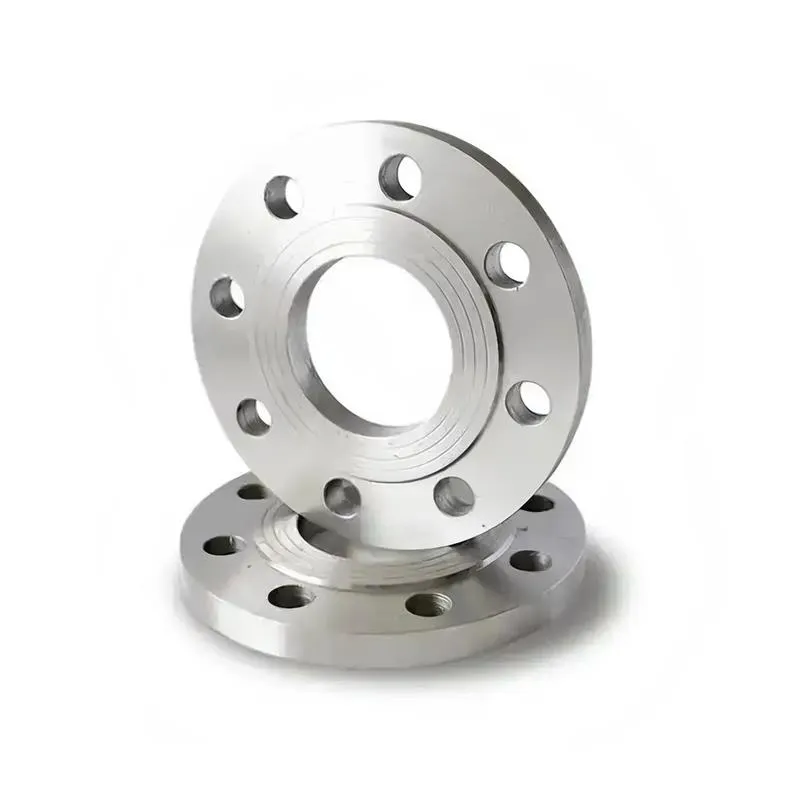
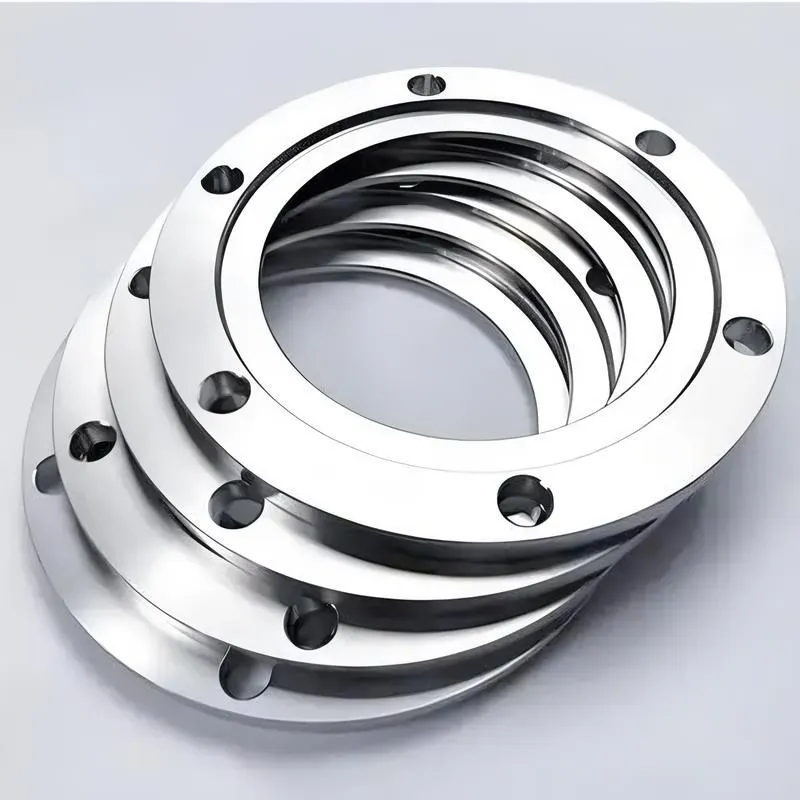
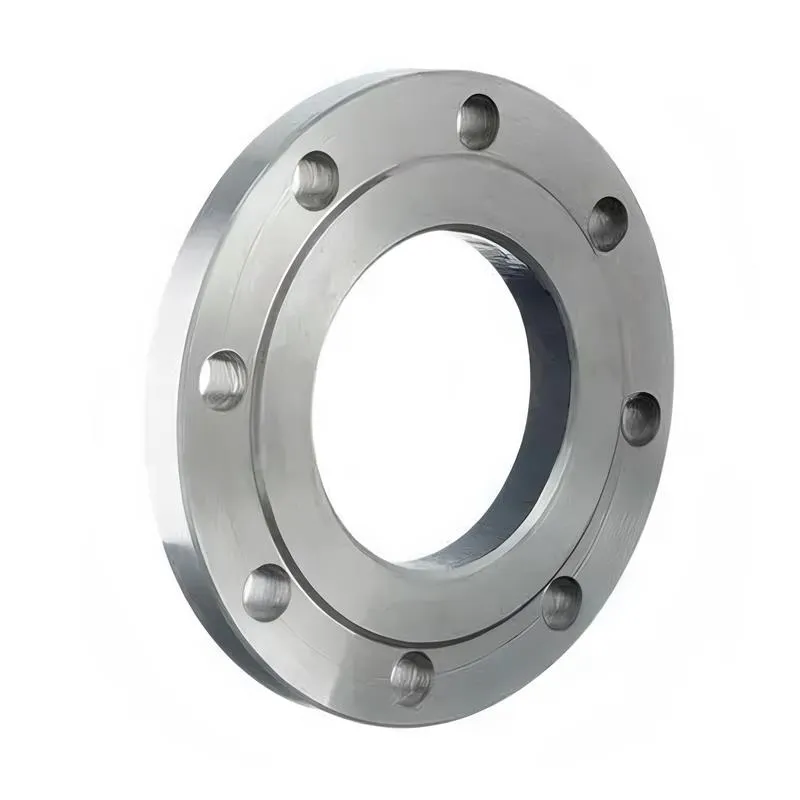
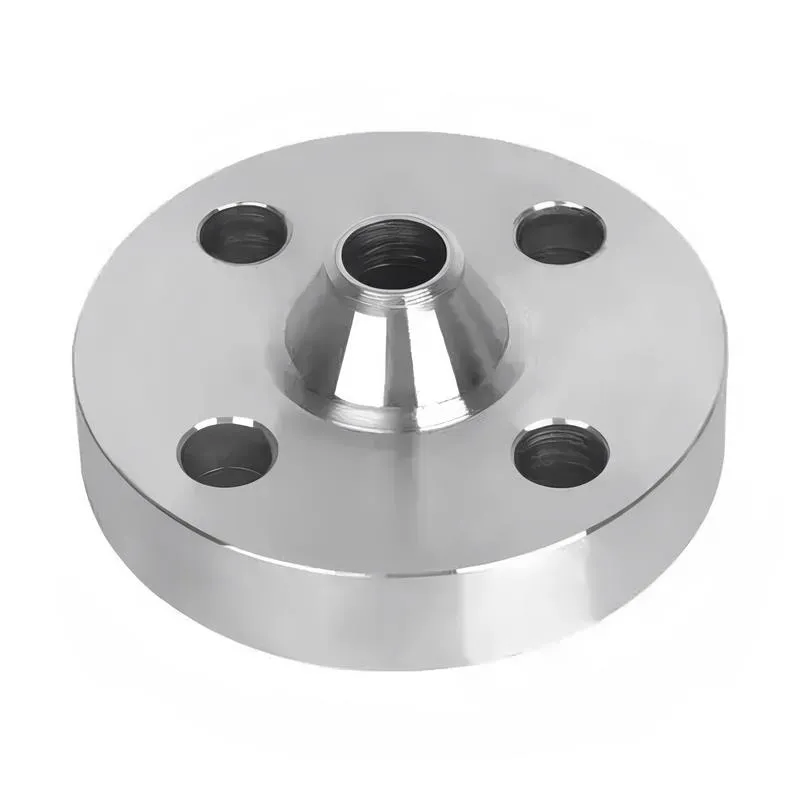
1,We Manufacturing processes are primarily classified into four types:
1:Forging,
2:Casting,
3:Cutting,
4:Rolling.
2,We can manufacture in accordance with these standards.
Standards:
GB Series (Chinese Standards), JB Series (Machinery Standards), HG Series (Chemical Industry Standards), ASME B16.5 (American Standards), BS4504 (British Standards), DIN (German Standards), and JIS (Japanese Standards).
Internationally, there are two primary systems of pipe flange standards: the European system, represented by the German DIN standards (including those of the former Soviet Union), and the American system, represented by the US ANSI pipe flange standards. Other common standards include: the Chinese Ministry of Machinery Industry standards (JB series), the Ministry of Chemical Industry standards (HG series), the Chinese National Standard *GB/T 9112–9124-2010 Steel Pipe Flanges*, as well as US standards (ASME B16.5), British standards (BS4504), German standards (DIN), Japanese standards (JIS), and marine standards (CBM), among others.
The nominal pressure ratings for the PN series are designated by "PN" and comprise the following nine levels: PN2.5, PN6, PN10, PN16, PN25, PN40, PN63, PN100, and PN160.
The nominal pressure ratings for the Class series are designated by "Class" and comprise the following six levels: Class150, Class300, Class600, Class900, Class1500, and Class2500.
Flange Classification
1. **According to Chemical Industry Standards:** Flanges are classified as follows:
Plate Flat Welding Flange (PL), Necked Flat Welding Flange (SO), Necked Butt Welding Flange (WN), Integral Flange (IF), Socket Welding Flange (SW), Threaded Flange (Th), Butt Welding Ring Loose Flange (PJ/SE), Blind Flange (BL), Flat Welding Ring Loose Flange (PJ/PJ), and Lined Blind Flange (BL(s)).
2. **According to Petrochemical (SH) Industry Standards:** Flanges are classified as follows:
Threaded Flange (PL), Butt Welding Flange (WN), Flat Welding Flange (SO), Socket Welding Flange (SW), Loose Flange (LJ), and Blind Flange (no specific designation).
3. **According to Machinery (JB) Industry Standards:** Flanges are classified as follows:
Integral Flange, Butt Welding Flange, Plate Flat Welding Flange, Butt Welding Ring Plate Loose Flange, Flat Welding Ring Plate Loose Flange, Lap Joint Ring Plate Loose Flange, and Blind Flange.
4. **According to Connection Method/Type:** Flanges are classified as follows:
Plate Flat Welding Flange, Necked Flat Welding Flange, Necked Butt Welding Flange, Socket Welding Flange, Threaded Flange, Blind Flange, Necked Butt Welding Ring Loose Flange, Flat Welding Ring Loose Flange, Ring-Type Joint (RTJ) Flange and Blind Flange, Large-Diameter Plate Flange, Large-Diameter High-Neck Flange, Figure-8 Blind Plate, Butt Welding Ring Loose Flange, etc.
5. **According to the Component Being Connected:** Flanges can be classified into Vessel Flanges and Pipe Flanges.
6. **According to Structural Type:** Flanges include Integral Flanges, Threaded Flanges, Flat Welding Flanges, Butt Welding Flanges, Lap Joint (Loose/Swivel) Flanges, and Blind Flanges.
A flange—also referred to as a flange plate or rim—is a component used to connect shafts to one another, or, more commonly, to join the ends of pipes. Flanges are also utilized at the inlet and outlet ports of equipment to facilitate connections between two devices—for instance, the flange on a speed reducer. A "flange connection" or "flanged joint" refers to a detachable joint assembly comprising three interconnected elements—a flange, a gasket, and bolts—that together form a sealed structural unit. In the context of piping systems, a "pipe flange" specifically denotes a flange used for plumbing within the installation; when applied to equipment, it refers to the inlet or outlet flange of that specific device. Flanges feature a series of holes through which bolts are inserted to securely fasten the two flanges together, while a gasket placed between the flanges ensures a leak-proof seal. Flanges are broadly categorized into three types: threaded (screw-in) flanges, welded flanges, and clamp-type flanges. Flanges are invariably used in pairs; threaded flanges are suitable for low-pressure piping applications, whereas welded flanges are required for systems operating at pressures exceeding 4 kilograms per square centimeter. A sealing gasket is inserted between the two flange plates, which are then firmly secured using bolts. The thickness of a flange—as well as the specifications of the bolts used to fasten it—vary depending on the specific pressure rating required for the application. When connecting equipment such as water pumps or valves to piping systems, the corresponding connection points on these devices are often manufactured in the shape of a matching flange; this method of attachment is also referred to as a "flange connection." Generally, any connecting component that utilizes bolts to join and seal the perimeters of two flat surfaces—such as the joints in ventilation ducts—is termed a "flange"; such components may collectively be classified as "flange-type parts." However, since such a connection often constitutes merely a *portion* of a larger device—for instance, the interface between a flange and a water pump—it would be inappropriate to classify the entire water pump itself as a "flange-type part." Conversely, smaller components—such as valves—that feature such flanged interfaces may indeed be appropriately categorized as "flange-type parts."
-:-
For detailed product information, please contact sales.
-:
Latrobe LSS™ H13 Tool Steel Flange (ASTM H13) Product Information
-:-
For detailed product information, please contact sales.
-:
Latrobe LSS™ H13 Tool Steel Flange (ASTM H13) Synonyms
-:-
For detailed product information, please contact sales.
-:
Latrobe LSS™ H13 Tool Steel (ASTM H13) Product Information
-:-
For detailed product information, please contact sales.
-:
# **Latrobe LSS™ H13 Hot Work Tool Steel**
## **Premium Chromium-Molybdenum-Vanadium Hot Work Steel – The Industry Standard**
Latrobe LSS™ H13 is the industry-leading chromium-molybdenum-vanadium hot work tool steel renowned for its exceptional balance of thermal fatigue resistance, high-temperature strength, and toughness. As the most widely used ASTM H13 grade worldwide, it has become the benchmark for aluminum die casting, extrusion, and forging applications. This versatile steel offers superior performance across a broad temperature range while maintaining excellent machinability and dimensional stability during heat treatment.
---
### **Key Features & Benefits**
- **Exceptional Thermal Fatigue Resistance**: Outstanding resistance to heat checking and thermal cracking from repeated temperature cycling
- **Excellent Combination of Toughness and Hardness**: Optimal balance for demanding hot work applications
- **Good High-Temperature Strength**: Maintains mechanical properties up to 600°C (1110°F)
- **Superior Heat Treatment Response**: Air-hardening capability with minimal distortion
- **Good Wear Resistance**: Adequate abrasion resistance for most hot work applications
- **Excellent Machinability**: Superior machinability in annealed condition compared to other hot work steels
---
### **Chemical Composition (Typical %, ASTM A681 H13)**
| Element | Carbon (C) | Chromium (Cr) | Molybdenum (Mo) | Vanadium (V) | Silicon (Si) | Manganese (Mn) |
|---------|------------|---------------|-----------------|--------------|--------------|----------------|
| **Content** | 0.32 - 0.45 | 4.75 - 5.50 | 1.10 - 1.75 | 0.80 - 1.20 | 0.80 - 1.20 | 0.20 - 0.60 |
*Note: LSS™ H13 features a precisely balanced chromium-molybdenum-vanadium composition that provides the optimal combination of thermal fatigue resistance, toughness, and hot hardness. The higher vanadium content compared to H11 provides improved wear resistance while maintaining excellent toughness.*
---
### **Physical & Mechanical Properties**
| Property | Value / Description |
|----------|---------------------|
| **Density** | 7.80 g/cm³ |
| **Thermal Conductivity** | 24-28 W/m·K at 20°C |
| **Specific Heat Capacity** | 0.46 kJ/kg·K at 20°C |
| **Coefficient of Thermal Expansion** | 11.0 × 10⁻⁶/K (20-400°C) |
| **Hardness (Annealed)** | 192-229 HB |
| **Hardness (Heat Treated)** | **44-52 HRC** (typical working range) |
| **High-Temperature Yield Strength** | ≥ 1000 MPa at 540°C (1000°F) |
| **Tensile Strength** | 1,650-2,050 MPa (at 48 HRC) |
| **Yield Strength** | 1,450-1,850 MPa (at 48 HRC) |
| **Modulus of Elasticity** | 205-215 GPa |
| **Impact Toughness** | Very Good – optimized balance for hot work applications |
---
### **Heat Treatment Guidelines**
#### **Annealing**
- **Temperature**: 845-900°C (1555-1650°F)
- **Method**: Slow furnace cool at ≤22°C (40°F) per hour to 600°C (1110°F), then air cool
- **Resultant Hardness**: 192-229 HB
- **Special Note**: Full annealing recommended for maximum machinability
#### **Stress Relieving**
- **Temperature**: 650-675°C (1200-1245°F)
- **Hold Time**: 1-2 hours per inch of thickness
- **Cooling**: Air cool to room temperature
#### **Hardening**
1. **Preheating**: 650-750°C (1200-1380°F) – thorough equalization
2. **Austenitizing**: **1000-1030°C (1830-1885°F)** – air hardening capability
3. **Soak Time**: 20-40 minutes per inch of thickness (depending on section size)
4. **Quenching**: Air cooling standard; oil or forced air for maximum hardness
5. **Immediate Handling**: Cool to below 65°C (150°F) before tempering
#### **Tempering**
- **Temperature Range**: 540-650°C (1005-1200°F)
- **Cycles**: Double tempering mandatory; triple tempering recommended for critical applications
- **Duration**: 2 hours per cycle minimum, air cool between cycles
- **Target Hardness**: 44-52 HRC typically achieved at 560-620°C (1040-1150°F)
- **Special Note**: Higher tempering temperatures provide maximum toughness
---
### **International Standards & Equivalent Grades**
| Standard | Grade Designation | Notes |
|----------|-------------------|-------|
| **ASTM** | A681 H13 | Primary specification (UNS T20813) |
| **ISO** | 40CrMoV5-1 | ISO 4957 designation |
| **DIN** | 1.2344 / X40CrMoV5-1 | German standard |
| **JIS** | SKD61 | Japanese industrial standard |
| **AFNOR** | X40CrMoV5 | French association standard |
| **GB** | 4Cr5MoSiV1 | Chinese equivalent |
| **UNS** | T20813 | Unified Numbering System |
| **AISI** | H13 | American Iron and Steel Institute |
---
### **Typical Applications**
#### **Aluminum Die Casting (Primary Application)**
- **Die Casting Dies**: Cavities, cores, inserts, and ejector pins for aluminum casting
- **Shot Sleeves and Plunger Tips**: Critical components in die casting machines
- **Hot Runner Systems**: Nozzles, manifolds, and gates
- **Die Casting Inserts**: Core pins, slides, and wear plates
#### **Extrusion Industry**
- **Aluminum Extrusion Dies**: Profile dies, feeder plates, backers, and bolsters
- **Extrusion Mandrels**: For tube and hollow profile production
- **Containers and Liners**: For aluminum extrusion presses
- **Die Holders and Bolsters**: Structural components
#### **Forging Applications**
- **Hammer and Press Forging Dies**: For steel and non-ferrous metals
- **Forging Die Inserts**: Requiring thermal fatigue resistance
- **Trimming and Punching Dies**: For hot forging operations
- **Forging Tooling**: Various hot work tooling components
#### **Plastic Molding**
- **Injection Molds**: For engineering plastics and high-temperature polymers
- **Hot Runner Systems**: Complete hot runner components
- **Mold Inserts and Cores**: For demanding applications
#### **General Hot Work Applications**
- **Hot Shear Blades**: For cutting hot materials
- **Hot Forming Tools**: Punches, dies, and mandrels
- **Glass Molding Tools**: Where thermal cycling is involved
- **Powder Metal Compaction Tools**: For high-temperature compaction
---
### **Machining & Fabrication Notes**
#### **Machinability (Annealed Condition)**
- **Rating**: 65-75% of B1112 free-machining steel
- **Recommended Tools**: HSS or carbide tools both suitable
- **Cutting Speeds**: 25-35 m/min (80-115 SFM) for turning operations
- **Feed Rates**: Moderate feeds with standard tool geometries
- **Coolant**: Standard soluble oils adequate
- **Advantage**: Excellent machinability for a hot work steel
#### **Grindability**
- **Relative Rating**: 75-85 (vs. 100 for annealed O1 tool steel)
- **Abrasive Recommendations**: Aluminum oxide or CBN wheels
- **Wheel Maintenance**: Normal dressing intervals sufficient
- **Coolant**: Standard grinding coolant adequate
#### **EDM Machining**
- Excellent suitability for wire and sinker EDM
- Consistent material removal characteristics
- Good surface finish achievable
- Stress relief after roughing operations recommended
#### **Welding and Repair**
- Good weldability with proper procedures
- Preheating to 300-400°C (570-750°F) recommended
- Post-weld heat treatment essential
- Widely used for die repair and maintenance
---
### **Quality Assurance & Metallurgical Standards**
#### **Microstructural Requirements**
- **Carbide Distribution**: Fine, uniformly distributed carbides
- **Grain Size**: ASTM 6 or finer
- **Decarburization**: ≤0.25 mm per side on rough stock
- **Non-Metallic Inclusions**: ASTM E45 Method A, ≤2.0 total rating
- **Microcleanliness**: Enhanced standards available for critical applications
#### **Testing & Certification**
- Full chemical analysis verification
- Hardness testing throughout production
- Microstructural evaluation available
- Ultrasonic testing available for critical applications
- Certified material test reports with shipments
---
### **Available Product Forms**
| Form | Standard Sizes | Condition | Surface Finish |
|------|---------------|-----------|---------------|
| **Round Bars** | 10mm - 600mm diameter | Annealed | Black, Peeled, Ground |
- **Flat Bars and Plate** | 10-300mm thickness | Annealed | Mill, Ground, Machined |
- **Blocks** | Various dimensions | Annealed | Rough or finish machined |
- **Forged Blanks** | Custom dimensions | Annealed | As-forged, Machined |
- **Pre-Machined Components** | Customer specifications | Annealed | Machined to print |
---
### **Technical Comparison**
| Property | LSS™ H13 | H11 | H10 | H21 |
|----------|-----------|-----|-----|-----|
| **Thermal Fatigue Resistance** | **Excellent** | Very Good | Very Good | Fair |
| **Toughness** | Very Good | **Excellent** | Very Good | Fair |
| **High-Temperature Strength** | Very Good | Good | Good | **Excellent** |
| **Wear Resistance** | Very Good | Good | Good | **Excellent** |
| **Machinability** | **Excellent** | Very Good | Good | Fair |
| **Cost Effectiveness** | **Excellent** | Very Good | Very Good | Fair |
---
### **Surface Treatment Compatibility**
LSS™ H13 is highly compatible with various surface treatments:
- **Nitriding**: Gas, plasma, or salt bath nitriding for enhanced surface hardness (typically 1000-1200 HV)
- **Coatings**: PVD (TiN, TiCN, TiAlN) and CVD coatings for specific applications
- **Surface Engineering**: Various treatments to enhance performance and service life
---
### **Economic Considerations**
1. **Material Cost**: Very competitive – industry standard pricing
2. **Tool Life**: Excellent service life in appropriate applications
3. **Fabrication Cost**: Low machining and grinding costs
4. **Maintenance Cost**: Easy to repair and maintain
5. **Availability**: Excellent availability in various forms and sizes
6. **Overall Value**: Outstanding performance-to-cost ratio
---
### **Technical Support Services**
Latrobe provides comprehensive technical support for LSS™ H13:
- **Application Engineering**: Expert guidance on tool design and application
- **Heat Treatment Optimization**: Custom protocols for specific requirements
- **Troubleshooting Support**: Assistance with tool performance issues
- **Field Service**: On-site technical assistance available
- **Training Programs**: Technical seminars and workshops
---
**Select Latrobe LSS™ H13 Hot Work Tool Steel** as the proven industry standard for demanding hot work applications. This versatile chromium-molybdenum-vanadium steel delivers the optimal balance of thermal fatigue resistance, toughness, and high-temperature strength that has made it the worldwide choice for aluminum die casting, extrusion, and forging applications. LSS™ H13 offers reliable performance, excellent machinability, and predictable heat treatment response, making it the most cost-effective solution for a wide range of hot work tooling requirements. When performance, reliability, and value must come together, LSS™ H13 stands as the benchmark hot work tool steel that continues to set industry standards.
-:-
For detailed product information, please contact sales.
-:
Latrobe LSS™ H13 Tool Steel (ASTM H13) Specification
Dimensions
Size:
Diameter 20-1000 mm Length <7168 mm
Size:We can customized as required
Standard:
Per your request or drawing
We can customized as required
Properties(Theoretical)
Chemical Composition
-:-
For detailed product information, please contact sales.
-:
Latrobe LSS™ H13 Tool Steel (ASTM H13) Properties
-:-
For detailed product information, please contact sales.
-:
Applications of Latrobe LSS™ H13 Tool Steel Flange (ASTM H13)
-:-
For detailed product information, please contact sales.
-:
Chemical Identifiers Latrobe LSS™ H13 Tool Steel Flange (ASTM H13)
-:-
For detailed product information, please contact sales.
-:
Packing of Latrobe LSS™ H13 Tool Steel Flange (ASTM H13)
-:-
For detailed product information, please contact sales.
-:
Standard Packing:
-:-
For detailed product information, please contact sales.
-:
Typical bulk packaging includes palletized plastic 5 gallon/25 kg. pails, fiber and Steel Flange drums to 1 ton super sacks in full container (FCL) or truck load (T/L) quantities. Research and sample quantities and hygroscopic, oxidizing or other air sensitive materials may be packaged under argon or vacuum. Solutions are packaged in polypropylene, plastic or glass jars up to palletized 3639 gallon liquid totes Special package is available on request. E FORUs’ is carefully handled to minimize damage during storage and transportation and to preserve the quality of our products in their original condition