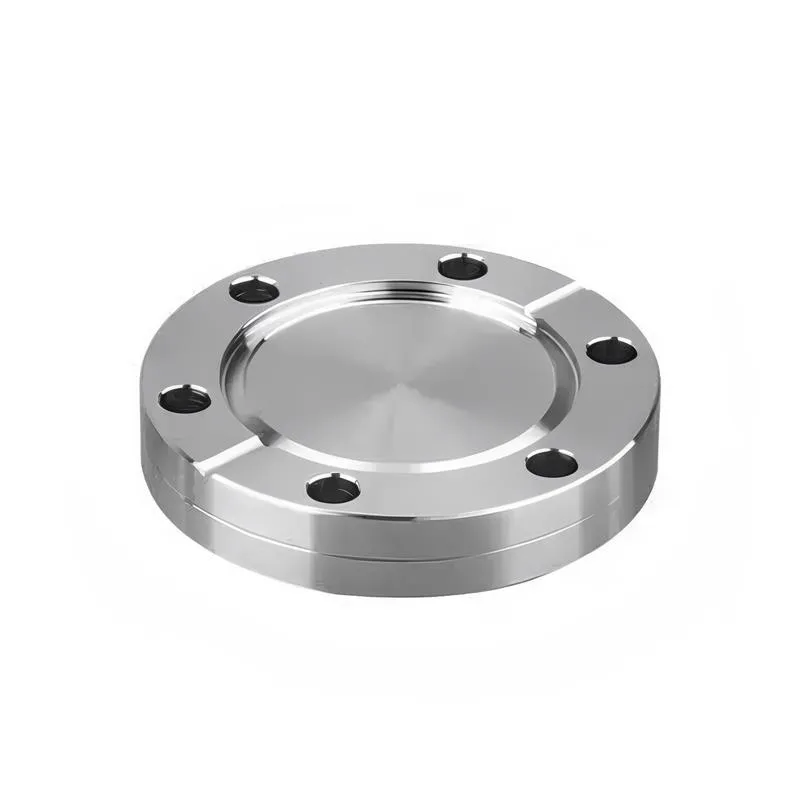
1,We Manufacturing processes are primarily classified into four types:
1:Forging,
2:Casting,
3:Cutting,
4:Rolling.
2,We can manufacture in accordance with these standards.
Standards:
GB Series (Chinese Standards), JB Series (Machinery Standards), HG Series (Chemical Industry Standards), ASME B16.5 (American Standards), BS4504 (British Standards), DIN (German Standards), and JIS (Japanese Standards).
Internationally, there are two primary systems of pipe flange standards: the European system, represented by the German DIN standards (including those of the former Soviet Union), and the American system, represented by the US ANSI pipe flange standards. Other common standards include: the Chinese Ministry of Machinery Industry standards (JB series), the Ministry of Chemical Industry standards (HG series), the Chinese National Standard *GB/T 9112–9124-2010 Steel Pipe Flanges*, as well as US standards (ASME B16.5), British standards (BS4504), German standards (DIN), Japanese standards (JIS), and marine standards (CBM), among others.
The nominal pressure ratings for the PN series are designated by "PN" and comprise the following nine levels: PN2.5, PN6, PN10, PN16, PN25, PN40, PN63, PN100, and PN160.
The nominal pressure ratings for the Class series are designated by "Class" and comprise the following six levels: Class150, Class300, Class600, Class900, Class1500, and Class2500.
Flange Classification
1. **According to Chemical Industry Standards:** Flanges are classified as follows:
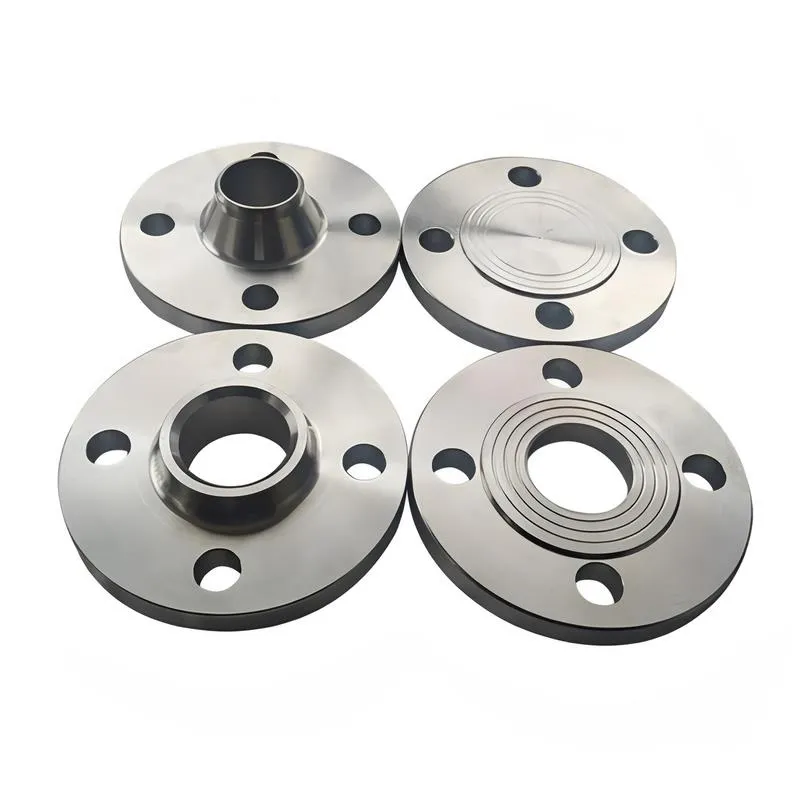
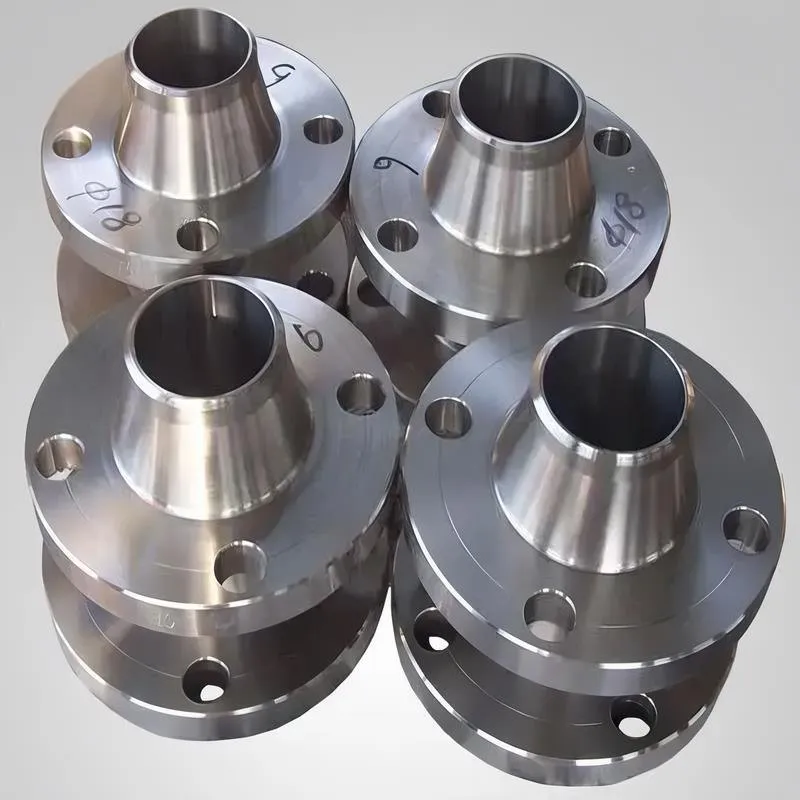
Plate Flat Welding Flange (PL), Necked Flat Welding Flange (SO), Necked Butt Welding Flange (WN), Integral Flange (IF), Socket Welding Flange (SW), Threaded Flange (Th), Butt Welding Ring Loose Flange (PJ/SE), Blind Flange (BL), Flat Welding Ring Loose Flange (PJ/PJ), and Lined Blind Flange (BL(s)).
2. **According to Petrochemical (SH) Industry Standards:** Flanges are classified as follows:
Threaded Flange (PL), Butt Welding Flange (WN), Flat Welding Flange (SO), Socket Welding Flange (SW), Loose Flange (LJ), and Blind Flange (no specific designation).
3. **According to Machinery (JB) Industry Standards:** Flanges are classified as follows:
Integral Flange, Butt Welding Flange, Plate Flat Welding Flange, Butt Welding Ring Plate Loose Flange, Flat Welding Ring Plate Loose Flange, Lap Joint Ring Plate Loose Flange, and Blind Flange.
4. **According to Connection Method/Type:** Flanges are classified as follows:
Plate Flat Welding Flange, Necked Flat Welding Flange, Necked Butt Welding Flange, Socket Welding Flange, Threaded Flange, Blind Flange, Necked Butt Welding Ring Loose Flange, Flat Welding Ring Loose Flange, Ring-Type Joint (RTJ) Flange and Blind Flange, Large-Diameter Plate Flange, Large-Diameter High-Neck Flange, Figure-8 Blind Plate, Butt Welding Ring Loose Flange, etc.
5. **According to the Component Being Connected:** Flanges can be classified into Vessel Flanges and Pipe Flanges.
6. **According to Structural Type:** Flanges include Integral Flanges, Threaded Flanges, Flat Welding Flanges, Butt Welding Flanges, Lap Joint (Loose/Swivel) Flanges, and Blind Flanges.
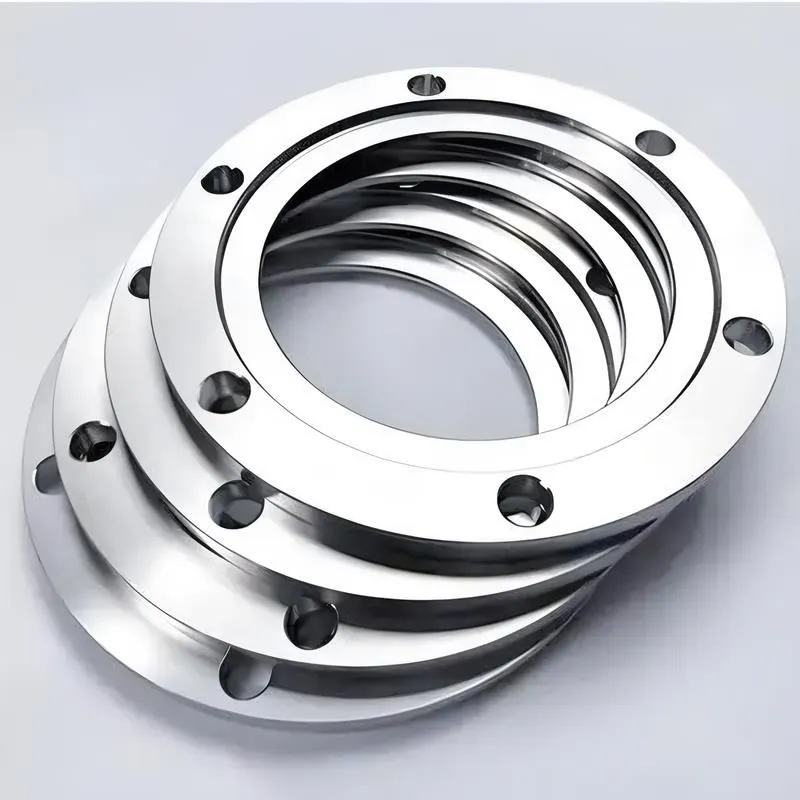
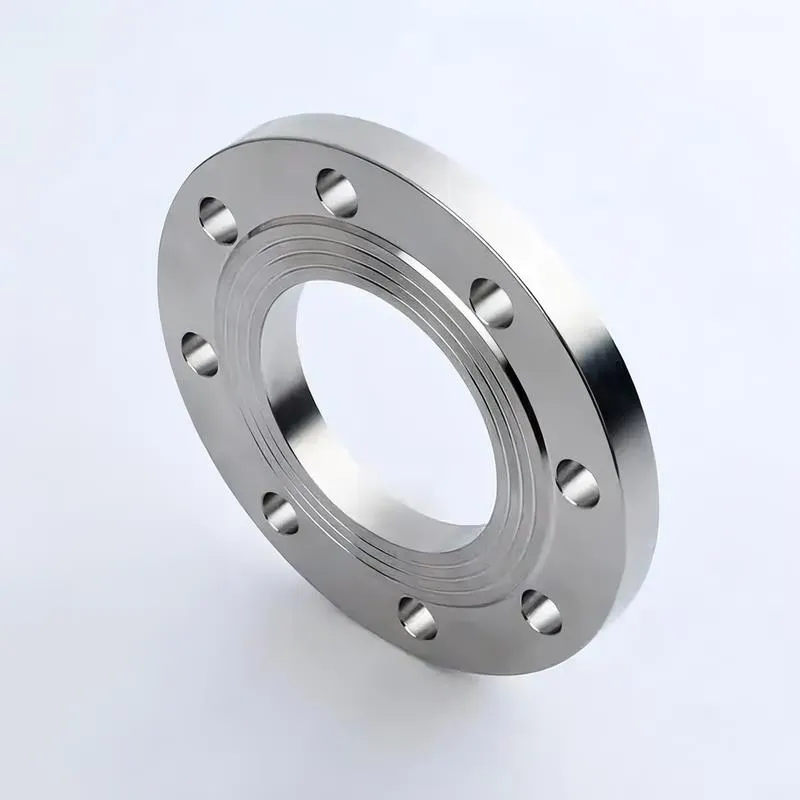
A flange—also referred to as a flange plate or rim—is a component used to connect shafts to one another, or, more commonly, to join the ends of pipes. Flanges are also utilized at the inlet and outlet ports of equipment to facilitate connections between two devices—for instance, the flange on a speed reducer. A "flange connection" or "flanged joint" refers to a detachable joint assembly comprising three interconnected elements—a flange, a gasket, and bolts—that together form a sealed structural unit. In the context of piping systems, a "pipe flange" specifically denotes a flange used for plumbing within the installation; when applied to equipment, it refers to the inlet or outlet flange of that specific device. Flanges feature a series of holes through which bolts are inserted to securely fasten the two flanges together, while a gasket placed between the flanges ensures a leak-proof seal. Flanges are broadly categorized into three types: threaded (screw-in) flanges, welded flanges, and clamp-type flanges. Flanges are invariably used in pairs; threaded flanges are suitable for low-pressure piping applications, whereas welded flanges are required for systems operating at pressures exceeding 4 kilograms per square centimeter. A sealing gasket is inserted between the two flange plates, which are then firmly secured using bolts. The thickness of a flange—as well as the specifications of the bolts used to fasten it—vary depending on the specific pressure rating required for the application. When connecting equipment such as water pumps or valves to piping systems, the corresponding connection points on these devices are often manufactured in the shape of a matching flange; this method of attachment is also referred to as a "flange connection." Generally, any connecting component that utilizes bolts to join and seal the perimeters of two flat surfaces—such as the joints in ventilation ducts—is termed a "flange"; such components may collectively be classified as "flange-type parts." However, since such a connection often constitutes merely a *portion* of a larger device—for instance, the interface between a flange and a water pump—it would be inappropriate to classify the entire water pump itself as a "flange-type part." Conversely, smaller components—such as valves—that feature such flanged interfaces may indeed be appropriately categorized as "flange-type parts."
-:-
For detailed product information, please contact sales.
-:
SAE J431 automotive gray cast Iron Flange, SAE grade G3000 Product Information
-:-
For detailed product information, please contact sales.
-:
SAE J431 automotive gray cast Iron Flange, SAE grade G3000 Synonyms
-:-
For detailed product information, please contact sales.
-:
SAE J431 automotive gray cast iron, SAE grade G3000 Product Information
-:-
For detailed product information, please contact sales.
-:
## **Product Introduction: SAE J431 G3000 Automotive Gray Cast Iron**
SAE J431 G3000 is a high-strength automotive-grade gray cast iron engineered for demanding applications requiring superior mechanical performance, wear resistance, and structural integrity. With a minimum tensile strength of 30,000 psi (207 MPa), the G3000 grade represents the upper tier of conventional gray iron capabilities, providing approximately 20% greater strength than the widely used G2500 grade. This enhanced performance is achieved through precise control of chemistry and cooling rates to develop a fully pearlitic matrix with refined graphite flakes. Designed for critical, highly stressed components in powertrain, braking, and chassis systems, G3000 delivers the necessary durability to withstand elevated mechanical and thermal loads while maintaining the essential castability, machinability, and damping characteristics of gray iron.
This grade is specified where component miniaturization, increased power density, or enhanced safety factors necessitate a material upgrade from standard grades, without transitioning to more expensive ductile iron or steel.
---
### **1. Chemical Composition**
The chemistry is optimized to promote a strong, fully pearlitic matrix with controlled graphite formation. Tighter control than lower grades is often required.
**Typical Composition Range (SAE J431 G3000):**
| Element | Content (%) | Primary Function |
| :--- | :--- | :--- |
| **Carbon (C)** | **3.00 - 3.30** | **Controlled graphite former.** Lower carbon content reduces graphite volume, increasing the density of the stronger metallic matrix and shifting the balance toward higher strength. |
| **Silicon (Si)** | **1.80 - 2.20** | **Moderate graphitizer.** Further reduced from G2500 to minimize ferrite formation, ensuring a near fully pearlitic matrix for maximum strength. |
| **Manganese (Mn)** | **0.70 - 1.00** | **Essential pearlite stabilizer.** Maintained at a high level to fully counteract silicon's graphitizing effect and ensure a consistent, fine pearlitic structure throughout the casting. |
| **Phosphorus (P)** | **≤ 0.10** | **Strictly controlled.** Kept very low to maximize toughness and fatigue resistance, which are critical for high-strength applications. |
| **Sulfur (S)** | **≤ 0.12** | **Tightly controlled impurity.** Balanced by manganese; lower levels improve ductility and thermal shock resistance. |
| **Chromium (Cr)** | **0.10 - 0.30** (Optional) | Often added intentionally to increase hardenability, refine pearlite, and enhance wear and oxidation resistance, particularly for components like brake rotors. |
| **Copper (Cu)** | **0.20 - 0.40** (Optional) | Frequently used to strengthen and refine the pearlitic matrix, improve uniformity of properties in thick sections, and enhance atmospheric corrosion resistance. |
| **Iron (Fe)** | Balance | Base metal. |
**Microstructural Note:** The target microstructure is a **fully pearlitic matrix (95-100% pearlite)** with a **uniform distribution of fine, Type A graphite flakes**. The pearlite lamellae should be fine and well-dispersed. The absence of ferrite and coarse graphite is critical to achieving the specified strength and hardness. Additions like Cr and Cu promote matrix refinement.
---
### **2. Physical & Mechanical Properties**
Properties reflect a focus on structural performance while preserving key functional attributes of gray iron.
| Property | Typical Value / Description | SAE J431 Requirement |
| :--- | :--- | :--- |
| **Microstructure** | **Fully pearlitic matrix with fine, Type A graphite.** | - |
| **Tensile Strength, min** | **207 MPa (30,000 psi)** | **207 MPa (30,000 psi)** |
| **Typical Tensile Strength** | 210 - 280 MPa (30 - 41 ksi) | - |
| **Compressive Strength** | ~750 - 950 MPa | - |
| **Elongation** | **Negligible (< 0.5%)** | - |
| **Hardness (Brinell)** | **207 - 255 HB** | Specified range |
| **Modulus of Elasticity** | ~110-140 GPa (16-20 x 10⁶ psi) | - |
| **Fatigue Strength (Rotating Bending)** | **~90-110 MPa** – Good for cast iron, suitable for cyclically loaded components. | - |
| **Damping Capacity** | **Good.** Reduced compared to ferritic grades but remains a valuable asset for controlling vibration in powertrains. | - |
| **Thermal Conductivity** | **Moderate (~40 W/m·K).** Adequate for managing heat in components like brake rotors and cylinder heads. | - |
| **Thermal Fatigue Resistance** | **Very Good.** The refined, stable pearlitic structure handles thermal cycling well. | - |
| **Wear Resistance** | **Very Good.** The hard pearlitic matrix offers excellent resistance to scuffing, abrasion, and micro-welding. | - |
| **Machinability** | **Good.** More demanding than G2500 due to higher hardness and abrasiveness. Requires premium carbide tooling and optimized feeds/speeds but remains highly productive. | - |
| **Castability** | **Very Good.** Good fluidity, but slightly more prone to shrinkage and internal stresses due to lower carbon equivalent; requires careful gating and risering design. | - |
---
### **3. Key Product Advantages & Characteristics**
* **High Strength-to-Weight Ratio for Cast Iron:** Enables lighter or more compact component designs compared to lower-strength grades, supporting vehicle lightweighting initiatives.
* **Excellent Wear and Scuffing Resistance:** Ideal for friction surfaces and components in sliding contact.
* **Superior Fatigue Strength:** Provides reliable performance under cyclic loading conditions common in automotive applications.
* **Enhanced Thermal Stability:** Maintains mechanical properties at elevated operating temperatures.
* **Maintained Manufacturability:** Preserves the casting and machining advantages fundamental to gray iron's economic production.
---
### **4. Product Applications (Automotive)**
SAE G3000 is specified for high-performance, safety-critical, or heavily loaded components.
* **Engine & Powertrain:** **High-performance diesel engine blocks and cylinder heads**, **heavy-duty truck engine components**, flywheels, timing gear covers.
* **Braking Systems:** **Premium brake discs/rotors** (especially vented and slotted designs), **high-performance or heavy-duty brake drums**, brake caliper housings for performance vehicles.
* **Chassis & Driveline:** **Heavy-duty steering knuckles and housings**, differential carriers for high-torque applications, suspension components.
* **Industrial & Off-Highway:** Compressor housings, pump bodies, and other heavily stressed industrial castings.
---
### **5. International & Related Standards**
G3000 is a globally recognized high-strength gray iron grade with direct equivalents.
| Standard | Title / Scope | Equivalent / Related Designations |
| :--- | :--- | :--- |
| **SAE J431** | *Automotive Gray Iron Castings* | **Grade G3000** |
| **ASTM A48** | *Standard Specification for Gray Iron Castings* | **Class 35** or **Class 40** are typical commercial equivalents, though matching requires property verification. |
| **ISO 185** | *Grey cast irons — Classification* | **Grade 300** |
| **JIS G5501** | *Grey iron castings* (Japanese) | **FC300** |
| **GB/T 9439** | *Grey iron castings* (Chinese) | **HT300** |
| **DIN EN 1561** | *Founding - Grey cast irons* (European) | **EN-GJL-300** |
| **AMS 5310** | *Gray Iron Castings, Automotive* | References SAE grades. |
**Specification Note:** Procurement of G3000 requires tighter controls than lower grades. Key requirements include:
* **Certified Mechanical Properties:** Mandatory tensile and hardness certification from separately cast test bars, often with stricter statistical process control (SPC) limits.
* **Microstructure Specification:** Often required to verify fully pearlitic matrix with acceptable graphite size and distribution (e.g., ASTM A247).
* **Alloy Certification:** Verification of intentional alloying elements (Cr, Cu, etc.) when specified.
* **Rigorous Non-Destructive Testing (NDT):** Components often undergo 100% visual inspection, with spot-checking via dye penetrant or magnetic particle inspection for critical areas.
---
### **Conclusion**
SAE J431 G3000 Automotive Gray Cast Iron is the **premium high-strength solution** within the conventional gray iron family, pushing the boundaries of the material's inherent capabilities. Its **fully pearlitic, refined microstructure** delivers the **strength, wear resistance, and thermal stability** required for the most demanding automotive applications, from high-performance brake rotors to heavy-duty diesel engine blocks. While it presents greater challenges in foundry control and machining, its performance justifies its use where G2500 is insufficient and where ductile iron or steel would incur significant cost or manufacturability penalties. G3000 embodies the successful refinement of a traditional material to meet modern engineering demands, ensuring gray iron remains a vital and competitive material in advanced automotive design.
-:-
For detailed product information, please contact sales.
-:
SAE J431 automotive gray cast iron, SAE grade G3000 Specification
Dimensions
Size:
Diameter 20-1000 mm Length <6501 mm
Size:We can customized as required
Standard:
Per your request or drawing
We can customized as required
Properties(Theoretical)
Chemical Composition
-:-
For detailed product information, please contact sales.
-:
SAE J431 automotive gray cast iron, SAE grade G3000 Properties
-:-
For detailed product information, please contact sales.
-:
Applications of SAE J431 automotive gray cast Iron Flange, SAE grade G3000
-:-
For detailed product information, please contact sales.
-:
Chemical Identifiers SAE J431 automotive gray cast Iron Flange, SAE grade G3000
-:-
For detailed product information, please contact sales.
-:
Packing of SAE J431 automotive gray cast Iron Flange, SAE grade G3000
-:-
For detailed product information, please contact sales.
-:
Standard Packing:
-:-
For detailed product information, please contact sales.
-:
Typical bulk packaging includes palletized plastic 5 gallon/25 kg. pails, fiber and Steel Flange drums to 1 ton super sacks in full container (FCL) or truck load (T/L) quantities. Research and sample quantities and hygroscopic, oxidizing or other air sensitive materials may be packaged under argon or vacuum. Solutions are packaged in polypropylene, plastic or glass jars up to palletized 2972 gallon liquid totes Special package is available on request. E FORUs’ is carefully handled to minimize damage during storage and transportation and to preserve the quality of our products in their original condition