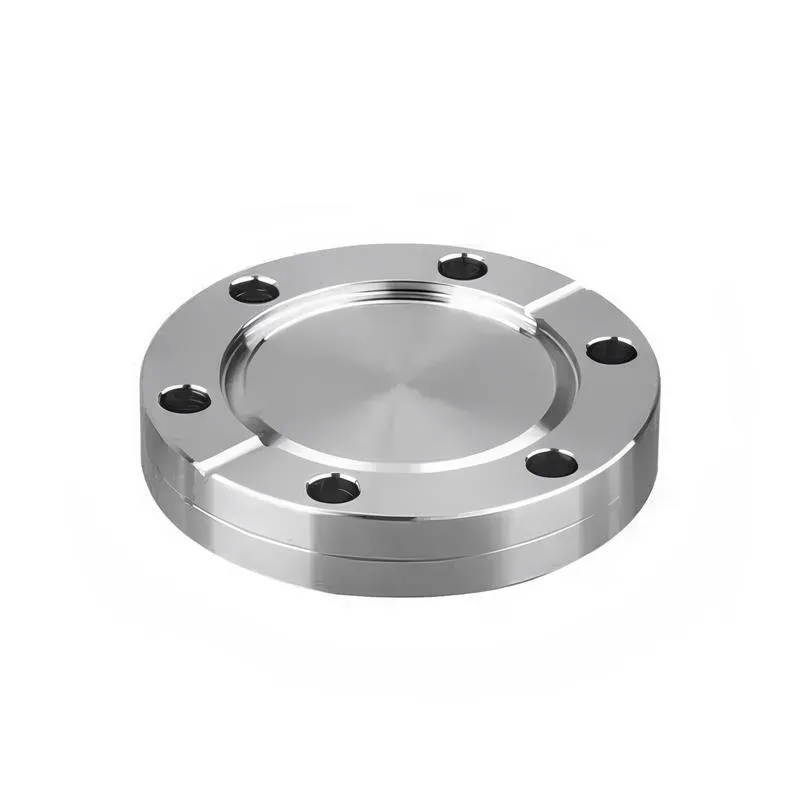
1,We Manufacturing processes are primarily classified into four types:
1:Forging,
2:Casting,
3:Cutting,
4:Rolling.
2,We can manufacture in accordance with these standards.
Standards:
GB Series (Chinese Standards), JB Series (Machinery Standards), HG Series (Chemical Industry Standards), ASME B16.5 (American Standards), BS4504 (British Standards), DIN (German Standards), and JIS (Japanese Standards).
Internationally, there are two primary systems of pipe flange standards: the European system, represented by the German DIN standards (including those of the former Soviet Union), and the American system, represented by the US ANSI pipe flange standards. Other common standards include: the Chinese Ministry of Machinery Industry standards (JB series), the Ministry of Chemical Industry standards (HG series), the Chinese National Standard *GB/T 9112–9124-2010 Steel Pipe Flanges*, as well as US standards (ASME B16.5), British standards (BS4504), German standards (DIN), Japanese standards (JIS), and marine standards (CBM), among others.
The nominal pressure ratings for the PN series are designated by "PN" and comprise the following nine levels: PN2.5, PN6, PN10, PN16, PN25, PN40, PN63, PN100, and PN160.
The nominal pressure ratings for the Class series are designated by "Class" and comprise the following six levels: Class150, Class300, Class600, Class900, Class1500, and Class2500.
Flange Classification
1. **According to Chemical Industry Standards:** Flanges are classified as follows:
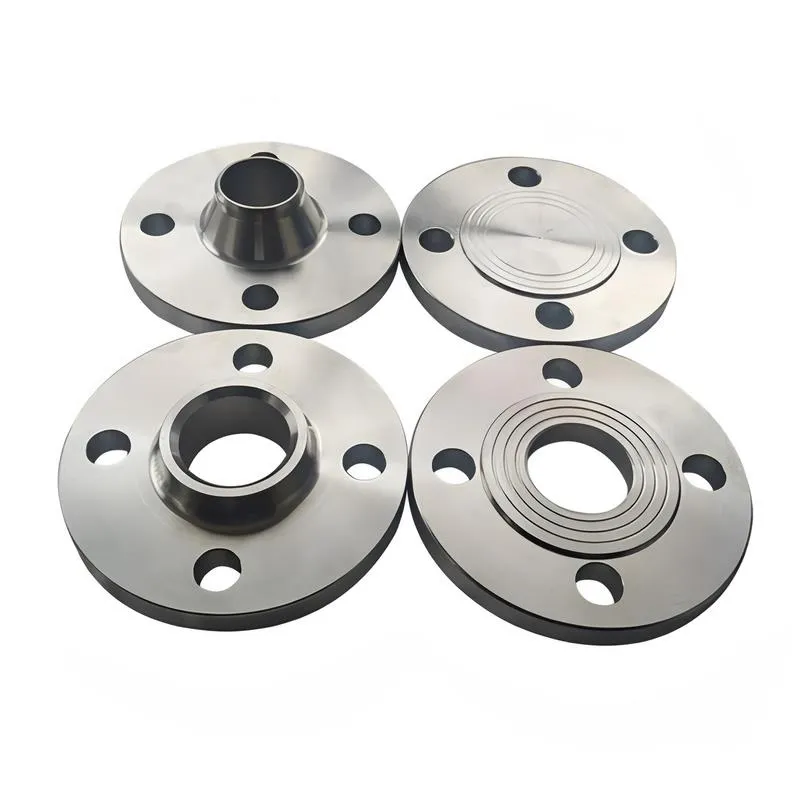
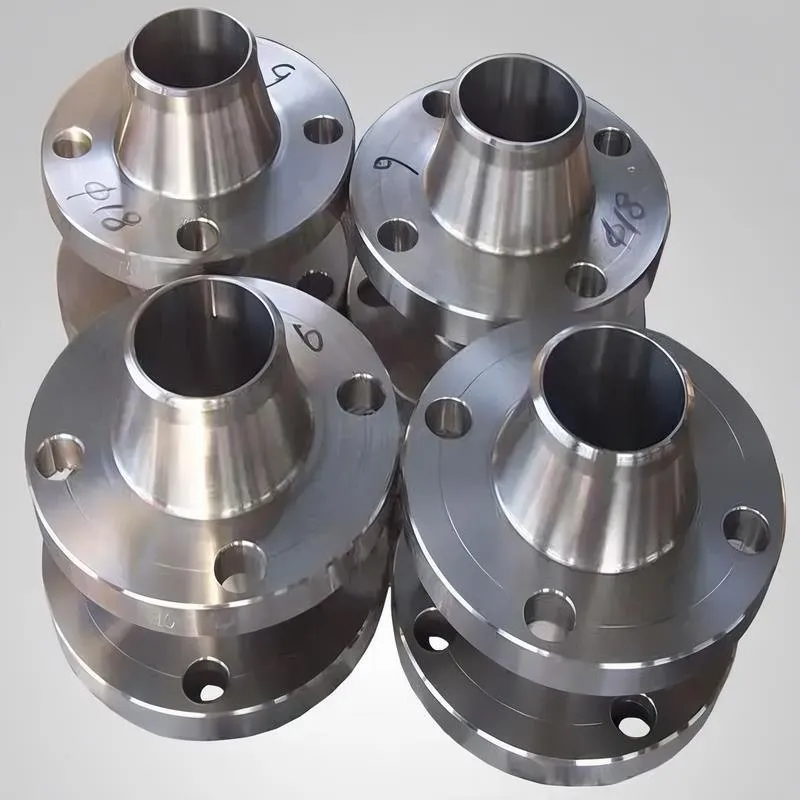
Plate Flat Welding Flange (PL), Necked Flat Welding Flange (SO), Necked Butt Welding Flange (WN), Integral Flange (IF), Socket Welding Flange (SW), Threaded Flange (Th), Butt Welding Ring Loose Flange (PJ/SE), Blind Flange (BL), Flat Welding Ring Loose Flange (PJ/PJ), and Lined Blind Flange (BL(s)).
2. **According to Petrochemical (SH) Industry Standards:** Flanges are classified as follows:
Threaded Flange (PL), Butt Welding Flange (WN), Flat Welding Flange (SO), Socket Welding Flange (SW), Loose Flange (LJ), and Blind Flange (no specific designation).
3. **According to Machinery (JB) Industry Standards:** Flanges are classified as follows:
Integral Flange, Butt Welding Flange, Plate Flat Welding Flange, Butt Welding Ring Plate Loose Flange, Flat Welding Ring Plate Loose Flange, Lap Joint Ring Plate Loose Flange, and Blind Flange.
4. **According to Connection Method/Type:** Flanges are classified as follows:
Plate Flat Welding Flange, Necked Flat Welding Flange, Necked Butt Welding Flange, Socket Welding Flange, Threaded Flange, Blind Flange, Necked Butt Welding Ring Loose Flange, Flat Welding Ring Loose Flange, Ring-Type Joint (RTJ) Flange and Blind Flange, Large-Diameter Plate Flange, Large-Diameter High-Neck Flange, Figure-8 Blind Plate, Butt Welding Ring Loose Flange, etc.
5. **According to the Component Being Connected:** Flanges can be classified into Vessel Flanges and Pipe Flanges.
6. **According to Structural Type:** Flanges include Integral Flanges, Threaded Flanges, Flat Welding Flanges, Butt Welding Flanges, Lap Joint (Loose/Swivel) Flanges, and Blind Flanges.
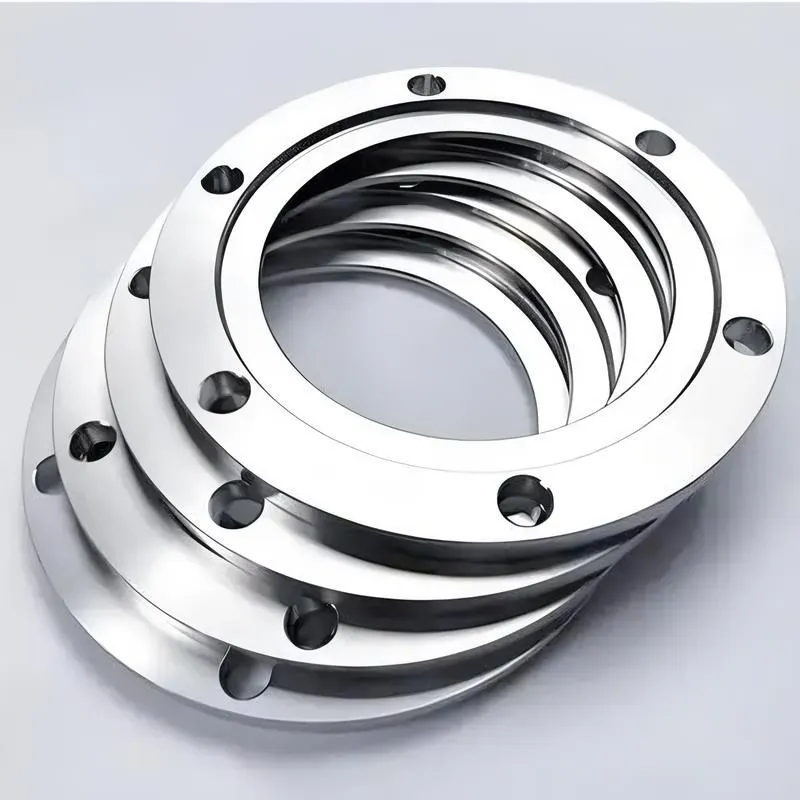
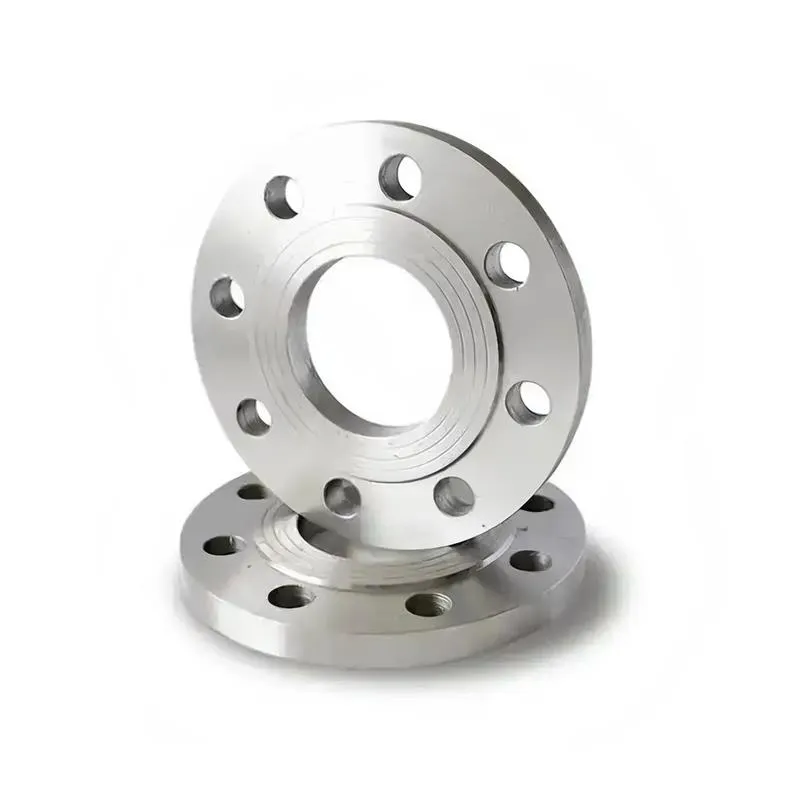
A flange—also referred to as a flange plate or rim—is a component used to connect shafts to one another, or, more commonly, to join the ends of pipes. Flanges are also utilized at the inlet and outlet ports of equipment to facilitate connections between two devices—for instance, the flange on a speed reducer. A "flange connection" or "flanged joint" refers to a detachable joint assembly comprising three interconnected elements—a flange, a gasket, and bolts—that together form a sealed structural unit. In the context of piping systems, a "pipe flange" specifically denotes a flange used for plumbing within the installation; when applied to equipment, it refers to the inlet or outlet flange of that specific device. Flanges feature a series of holes through which bolts are inserted to securely fasten the two flanges together, while a gasket placed between the flanges ensures a leak-proof seal. Flanges are broadly categorized into three types: threaded (screw-in) flanges, welded flanges, and clamp-type flanges. Flanges are invariably used in pairs; threaded flanges are suitable for low-pressure piping applications, whereas welded flanges are required for systems operating at pressures exceeding 4 kilograms per square centimeter. A sealing gasket is inserted between the two flange plates, which are then firmly secured using bolts. The thickness of a flange—as well as the specifications of the bolts used to fasten it—vary depending on the specific pressure rating required for the application. When connecting equipment such as water pumps or valves to piping systems, the corresponding connection points on these devices are often manufactured in the shape of a matching flange; this method of attachment is also referred to as a "flange connection." Generally, any connecting component that utilizes bolts to join and seal the perimeters of two flat surfaces—such as the joints in ventilation ducts—is termed a "flange"; such components may collectively be classified as "flange-type parts." However, since such a connection often constitutes merely a *portion* of a larger device—for instance, the interface between a flange and a water pump—it would be inappropriate to classify the entire water pump itself as a "flange-type part." Conversely, smaller components—such as valves—that feature such flanged interfaces may indeed be appropriately categorized as "flange-type parts."
-:-
For detailed product information, please contact sales.
-:
Malleable Iron Flange casting, Class 90001 Product Information
-:-
For detailed product information, please contact sales.
-:
Malleable Iron Flange casting, Class 90001 Synonyms
-:-
For detailed product information, please contact sales.
-:
Malleable iron casting, Class 90001 Product Information
-:-
For detailed product information, please contact sales.
-:
## **Malleable Iron Casting - Class 90001: Ultra-Premium Performance Grade**
### **1. Overview**
**Class 90001** represents the **highest achievable performance tier** in standardized malleable iron technology, pushing the boundaries of cast iron metallurgy to deliver exceptional **minimum tensile strength of 900 MPa (130,500 psi)** with **1% minimum elongation**. This grade operates at the extreme limits of traditional cast iron capabilities, achieving mechanical properties that rival or exceed many alloy steels while maintaining the manufacturing advantages of casting. Developed for applications where conventional engineering materials would fail under extreme stress, Class 90001 requires the most sophisticated metallurgical control, advanced alloy design, and precision thermal processing available in modern foundry technology.
### **2. International Standards & Recognition**
**Primary Reference Standards:**
- **ASTM A220/A220M** - Standard Specification for Pearlitic Malleable Iron Castings *(Extended capability range)*
- **ASTM A602** - Automotive Malleable Iron Castings *(Special application classification)*
**International Designation Equivalents:**
| Standard | Designation | Status/Notes |
|----------|-------------|--------------|
| **ISO 5922** | **JMB 900-1** | Maximum performance classification |
| **EN 1562** | EN-GJMB-900-1 | Premium European specification |
| **JIS G 5705** | FCMB 900 | Japanese high-performance grade |
| **GB/T 9440** | JMB 900 | Chinese premium classification |
| **Custom Specifications** | Varies by OEM | Often produced under proprietary specs |
*Technical Reality: Class 90001 is **exclusively produced under customer-specific technical agreements** and represents less than 0.5% of global malleable iron production. Each application requires customized metallurgical design and validation.*
### **3. Advanced Chemical Composition**
**Premium Alloy System Design (Weight %):**
| Element | Control Range | Metallurgical Function |
|---------|---------------|------------------------|
| **Carbon (C)** | 2.60-2.95 | Ultra-high strength foundation, carbide engineering |
| **Silicon (Si)** | 2.00-2.60 | Maximum solid solution strengthening, oxidation resistance |
| **Manganese (Mn)** | 1.60-2.20 | Extreme hardenability for heavy sections |
| **Chromium (Cr)** | 0.50-1.00 | Deep hardening, carbide stabilization, wear enhancement |
| **Molybdenum (Mo)** | 0.30-0.60 | Elevated temperature strength, tempering resistance |
| **Nickel (Ni)** | 0.50-1.00 | Toughness optimization, hardenability synergy |
| **Vanadium (V)** | 0.15-0.30 | Ultra-fine grain refinement, secondary hardening |
| **Copper (Cu)** | 0.80-1.50 | Matrix strengthening, corrosion resistance |
| **Niobium (Nb)** | 0.05-0.15 | Precipitation strengthening, grain boundary control |
| **Boron (B)** | 0.002-0.005 | Hardenability enhancement (precise control required) |
| **Phosphorus (P)** | ≤ 0.030 | Ultra-low for maximum toughness |
| **Sulfur (S)** | ≤ 0.020 | Ultra-low for improved machinability and toughness |
| **Tramp Elements** | ≤ 0.010 each | Strict control of Pb, Sn, Sb, As, Ti |
**Advanced Alloy Design Philosophy:**
- **Total Alloy Content:** Σ(Alloying elements) ≥ 4.0%
- **Carbon Equivalent:** 4.1-4.6% (controlled graphitization)
- **Hardenability Index:** DI (Ideal Diameter) ≥ 8 inches
- **Alloy Synergy:** Balanced for martensitic/bainitic transformation
- **Purity Requirements:** Oxygen ≤ 20 ppm, Nitrogen ≤ 50 ppm
### **4. Extreme Performance Properties**
**Minimum Specification Requirements:**
| Property | Minimum Value | Typical Achievable Range |
|----------|---------------|--------------------------|
| **Tensile Strength** | 900 MPa (130,500 psi) | 900-1100 MPa |
| **Yield Strength (0.2%)** | 550 MPa (79,750 psi) | 550-700 MPa |
| **Elongation** | 1% | 1-3% |
| **Hardness** | 363-444 HB | 375-415 HB typical |
**Comprehensive Ultra-High Performance Profile:**
**Mechanical Properties:**
- **Tensile Strength:** 900-1100 MPa (130,500-159,500 psi)
- **Yield Strength:** 550-700 MPa (79,750-101,500 psi)
- **Yield Ratio:** 0.61-0.64
- **Elongation:** 1-3% in 50 mm
- **Reduction of Area:** 3-8%
- **Modulus of Elasticity:** 195-210 GPa (28.3-30.5 × 10⁶ psi)
- **Shear Modulus:** 78-85 GPa
- **Poisson's Ratio:** 0.29-0.31
- **Compressive Strength:** 1000-1300 MPa
- **Shear Strength:** 650-800 MPa
**Hardness & Wear Characteristics:**
- **Brinell Hardness:** 363-444 HB (typically 375-415 HB)
- **Rockwell Hardness:** 40-47 HRC equivalent
- **Vickers Hardness:** 385-460 HV
- **Microhardness (Matrix):** 450-550 HV
- **Abrasion Resistance:** Exceptional (6-8× ferritic grades)
- **Surface Hardening Potential:** 60-65 HRC achievable
- **Wear Rate:** 0.8-1.5 × 10⁻⁶ mm³/N·m (ASTM G65)
**Fatigue & Fracture Mechanics:**
- **Fatigue Limit (10⁷ cycles):** 350-420 MPa
- **Fatigue Ratio:** 0.39-0.43
- **Endurance Limit:** 0.38-0.40 of tensile strength
- **Charpy V-Notch Impact:** 3-8 J at 20°C
- **Fracture Toughness (K₁c):** 20-35 MPa√m
- **Crack Growth Threshold:** ΔK_th = 5-7 MPa√m
- **Ductile-Brittle Transition:** 25-50°C
- **Fatigue Crack Growth:** Paris law exponent n = 2.8-3.2
**Physical & Thermal Properties:**
- **Density:** 7.38-7.50 g/cm³
- **Melting Range:** 1180-1250°C
- **Thermal Conductivity:** 30-36 W/m·K (20°C)
- **Specific Heat Capacity:** 430-460 J/kg·K
- **Thermal Expansion Coefficient:** 9.8-10.6 × 10⁻⁶/°C (20-200°C)
- **Electrical Resistivity:** 0.45-0.55 μΩ·m
- **Damping Capacity:** 1.5-3× better than equivalent steels
- **Magnetic Saturation:** 1.8-2.0 Tesla
- **Curie Temperature:** 745-760°C
### **5. State-of-the-Art Manufacturing Process**
**Advanced Five-Stage Thermal Processing:**
**Stage 1: Precision Graphitization**
- Temperature: 950-980°C with multi-zone control
- Time: 3-8 hours (rapid cycle optimization)
- Atmosphere: Hydrogen-based or vacuum (10⁻³ mbar)
- Monitoring: In-situ spectroscopy for carbon activity
**Stage 2: Multi-Step Austenitization**
- Preheating: 500°C → 700°C → 800°C (graded heating)
- Austenitization: 880-910°C with carbon potential 0.9-1.1%
- Soaking: 1-2 hours with ultrasonic grain refinement
- Grain Size: ASTM 10-12 (ultra-fine, ≤ 0.011 mm)
**Stage 3: Intensive Quenching Technology**
- Medium: High-velocity polymer or direct water spray
- Cooling Rate: 100-200°C/second surface cooling
- Quench Uniformity: Computational fluid dynamics optimized
- Distortion Control: Fixture quenching with controlled constraints
**Stage 4: Multi-Temperature Tempering Sequence**
- Stage 1: 200°C/2h - Stress relief, retained austenite transformation
- Stage 2: 400°C/2-3h - Primary toughness development
- Stage 3: 520-560°C/2-3h - Secondary hardening peak
- Stage 4: 250°C/1h - Final stabilization
- Total Cycle: 6-10 hours controlled atmosphere
**Stage 5: Advanced Surface Engineering**
- Cryogenic Treatment: -120°C for 2-4 hours (optional)
- Stress Peening: Controlled compressive stress induction
- Surface Modification: Optional PVD/DLC coatings
**Final Microstructural Characteristics:**
- **Matrix:** Tempered martensite with nano-carbides (95-99%)
- **Prior Austenite Grain:** ASTM 10-12 (≤ 0.011 mm)
- **Martensite Lath Width:** 0.1-0.8 μm (sub-micron structure)
- **Carbide Distribution:** 0.02-0.10 μm, uniform dispersion
- **Temper Carbon:** Ultra-fine (10-30 μm aggregates)
- **Retained Austenite:** < 1%
- **Inclusion Content:** ≤ 0.5% by volume, size ≤ 10 μm
- **Microcleanliness:** Oxygen ≤ 20 ppm, Nitrogen ≤ 50 ppm
### **6. Manufacturing Requirements & Capabilities**
**Foundry Prerequisites:**
- **Melting:** Vacuum induction melting (VIM) or electro-slag remelting
- **Charge Materials:** 99.9%+ purity elements, certified low-tramp
- **Molding:** Investment casting or ceramic molding for precision
- **Process Control:** Real-time monitoring with closed-loop feedback
- **Environment:** Clean room conditions for critical processing steps
- **Certification:** NADCAP accreditation for heat treatment
**Machining & Processing Challenges:**
- **Machinability Index:** 30-45% of B1112 steel
- **Cutting Parameters:** 25-60 m/min with PCD/CBN tools
- **Power Requirements:** 2-3× conventional materials
- **Tool Life:** 20-40% of standard iron machining
- **Coolant Requirements:** High-pressure through-tool systems
- **Finishing Capability:** Grinding/EDM often required
- **Surface Finish Potential:** 0.2-0.8 μm Ra with optimal conditions
### **7. Specialized Applications**
**Aerospace & Defense:**
- **Aircraft landing gear components**
- **Missile and rocket motor casings**
- **Armor plate connectors and mounts**
- **High-G load bearing structures**
- **Weapon system components under extreme stress**
**Energy & Heavy Industry:**
- **Nuclear reactor control rod mechanisms**
- **Deep well drilling tools (20,000+ psi)**
- **Hydroelectric turbine components**
- **High-pressure valve bodies (10,000+ psi service)**
- **Mine shaft support systems**
**Automotive Extreme Performance:**
- **Formula 1 and top-level racing components**
- **Land speed record vehicle structures**
- **Military vehicle armor integration points**
- **Heavy mining truck stress members**
- **High-performance brake calipers (racing)**
**Special Engineering Applications:**
- **Scientific research equipment (particle accelerators)**
- **High-security vault and lock mechanisms**
- **Earthquake-resistant structural connectors**
- **Deep sea exploration equipment**
- **Extreme environment robotics**
### **8. Design Engineering Principles**
**Critical Design Limitations:**
- **Maximum Section Thickness:** 12 mm for uniform properties
- **Minimum Practical Section:** 3 mm
- **Radius Requirements:** Minimum 6 mm, preferred 10+ mm
- **Stress Concentration:** Kt ≤ 1.3 maximum
- **Loading Conditions:** Primarily compressive or pure tension
**Allowable Stress Guidelines:**
- **Static Design Stress:** 250-300 MPa (36,300-43,500 psi)
- **Fatigue Design Stress:** 180-250 MPa (26,100-36,300 psi)
- **Safety Factors:** 4.0-5.0 for dynamic applications
- **Proof Testing:** 2.0× design load mandatory
- **Non-Destructive Testing:** 100% inspection required
**Geometric Design Rules:**
1. **Avoid** any sharp features or notches
2. **Use** generous radii and smooth transitions
3. **Design** for uniform cooling during heat treatment
4. **Consider** residual stress in assembly design
5. **Validate** with finite element analysis including material anisotropy
### **9. Quality Assurance & Certification**
**Mandatory Testing Protocol:**
1. **Chemical Analysis:** Glow discharge mass spectrometry
2. **Mechanical Testing:** Statistical process with 10+ samples
3. **Microstructural Analysis:** SEM/TEM characterization
4. **Non-Destructive Testing:** UT, RT, CT scan for critical parts
5. **Dimensional Verification:** CMM with 0.005 mm tolerance
**Advanced Characterization Requirements:**
- **Fracture Toughness:** ASTM E399 (plane strain)
- **High-Cycle Fatigue:** 10⁹ cycle testing
- **Residual Stress:** Neutron diffraction analysis
- **Microstructural Quantification:** EBSD for orientation mapping
- **Surface Integrity:** White light interferometry
**Certification Standards:**
- **Material Certification:** EN 10204 3.1 Type with full pedigree
- **Process Certification:** AS9100 or equivalent
- **Traceability:** Full digital thread from raw material to finished part
- **Statistical Control:** Cp ≥ 2.0, Cpk ≥ 1.67
- **Lot Acceptance:** Zero-defect philosophy
### **10. Economic & Supply Chain Realities**
**Cost Structure Analysis:**
- **Raw Material Cost:** 3-4× Class 80002
- **Processing Cost:** 5-8× conventional malleable iron
- **Quality Control Cost:** 25-40% of total cost
- **Tooling & Setup:** $50,000-$500,000+ depending on complexity
- **Development Cost:** $100,000-$1,000,000+ per application
**Supply Chain Constraints:**
- **Global Capacity:** < 10 qualified foundries worldwide
- **Lead Times:** 6-18 months for first articles
- **Minimum Orders:** $250,000+ for production runs
- **Technical Support:** Dedicated metallurgical team required
- **Inventory Strategy:** Just-in-time with premium pricing
**Value Proposition:**
- **Performance:** 90-95% of maraging steel at 40-60% cost
- **Complexity:** Unmatched geometric capability vs. forgings
- **Delivery:** Faster than custom forgings for complex parts
- **Sustainability:** Lower carbon footprint than equivalent steel components
### **11. Technical Limitations & Risk Mitigation**
**Material-Specific Limitations:**
- **Maximum Service Temperature:** 250°C continuous
- **Impact Resistance:** Limited below 0°C
- **Corrosion Resistance:** Requires protective coatings
- **Size Constraints:** Maximum 100 kg single casting
- **Repairability:** Generally not repairable if damaged
**Process Risks & Mitigation:**
- **Heat Treatment Cracking:** Statistical process control with real-time monitoring
- **Property Variation:** Multiple thermal cycles with verification at each stage
- **Dimensional Stability:** Fixturing during all thermal processing
- **Surface Integrity:** Controlled machining with in-process verification
### **12. Future Technology Development**
**Emerging Research Areas:**
1. **Nanocomposite Structures:** Carbon nanotube reinforcement
2. **Functionally Graded Materials:** Property gradients within single castings
3. **Additive Hybrid Manufacturing:** 3D printing with traditional casting
4. **Smart Materials Integration:** Embedded sensors for health monitoring
5. **AI-Optimized Processing:** Machine learning for property prediction
**Market Evolution:**
- **Growing adoption** in aerospace and defense
- **Increased use** in renewable energy extreme applications
- **Development** of rapid manufacturing techniques
- **Expansion** into medical and scientific equipment
### **13. Implementation Strategy**
**Success Critical Factors:**
1. **Early Collaboration:** 12+ month development cycle typical
2. **Prototype Validation:** Multiple iteration phases required
3. **Risk Sharing:** Customer-supplier development partnerships
4. **Lifecycle Planning:** Total cost of ownership analysis essential
**Recommended Development Process:**
- Phase 1: Material suitability analysis (3-6 months)
- Phase 2: Process development and optimization (6-9 months)
- Phase 3: Prototype manufacturing and testing (3-6 months)
- Phase 4: Production qualification (3-6 months)
- Phase 5: Ramp-up and continuous improvement (ongoing)
### **14. Comparative Analysis with Alternatives**
**vs. Maraging Steel (18Ni 300):**
- **Strength:** 85-90% of maraging steel
- **Cost:** 40-50% lower for complex parts
- **Manufacturability:** Superior for intricate geometries
- **Delivery:** 30-50% faster lead times
**vs. Titanium Alloys (Ti-6Al-4V):**
- **Strength:** Comparable in specific strength
- **Cost:** 20-30% of titanium
- **Temperature Capability:** Lower maximum service temperature
- **Corrosion Resistance:** Requires surface protection
**vs. Advanced Composites:**
- **Compressive Strength:** 2-3× better
- **Temperature Resistance:** Superior
- **Cost:** Competitive for medium volumes
- **Manufacturing:** Established supply chain advantages
### **15. Conclusion & Strategic Recommendations**
**Class 90001** represents the **absolute frontier of traditional cast iron technology**, delivering unprecedented performance that challenges conventional material selection paradigms. This grade serves critical applications where extreme strength, geometric complexity, and economic feasibility intersect in ways no other material system can address.
**Strategic Implementation Guidelines:**
1. **Material Selection Justification:**
- Document exhaustive analysis of alternatives
- Calculate total lifecycle cost benefits
- Validate performance requirements rigorously
2. **Supplier Partnership Requirements:**
- Select partners with proven Class 90001 experience
- Establish long-term technical collaboration
- Implement shared risk/reward models
3. **Design Philosophy Adaptation:**
- Adopt conservative safety margins
- Design for inspectability and verification
- Implement comprehensive FEA validation
4. **Quality Culture Implementation:**
- Establish zero-defect mentality
- Implement statistical process control throughout
- Maintain complete digital traceability
**Final Technical Assessment:**
Class 90001 is not merely a material specification but a **complete engineering system** requiring integration of advanced metallurgy, precision manufacturing, rigorous quality assurance, and sophisticated design methodology. The investment in proper development, validation, and implementation is substantial but justified for applications where its unique capabilities provide unmatched value.
This grade continues to evolve as manufacturing technologies advance, with ongoing research promising even greater capabilities in the coming decade. For organizations facing extreme engineering challenges, Class 90001 offers a proven, high-performance solution that pushes the boundaries of what is possible with cast metal components.
**Recommendation:** Engage with Class 90001 only after comprehensive technical and economic analysis, with full commitment to the development process, and with recognition of both its exceptional capabilities and its significant implementation requirements.
-:-
For detailed product information, please contact sales.
-:
Malleable iron casting, Class 90001 Specification
Dimensions
Size:
Diameter 20-1000 mm Length <6583 mm
Size:We can customized as required
Standard:
Per your request or drawing
We can customized as required
Properties(Theoretical)
Chemical Composition
-:-
For detailed product information, please contact sales.
-:
Malleable iron casting, Class 90001 Properties
-:-
For detailed product information, please contact sales.
-:
Applications of Malleable Iron Flange casting, Class 90001
-:-
For detailed product information, please contact sales.
-:
Chemical Identifiers Malleable Iron Flange casting, Class 90001
-:-
For detailed product information, please contact sales.
-:
Packing of Malleable Iron Flange casting, Class 90001
-:-
For detailed product information, please contact sales.
-:
Standard Packing:
-:-
For detailed product information, please contact sales.
-:
Typical bulk packaging includes palletized plastic 5 gallon/25 kg. pails, fiber and Steel Flange drums to 1 ton super sacks in full container (FCL) or truck load (T/L) quantities. Research and sample quantities and hygroscopic, oxidizing or other air sensitive materials may be packaged under argon or vacuum. Solutions are packaged in polypropylene, plastic or glass jars up to palletized 3054 gallon liquid totes Special package is available on request. E FORUs’ is carefully handled to minimize damage during storage and transportation and to preserve the quality of our products in their original condition