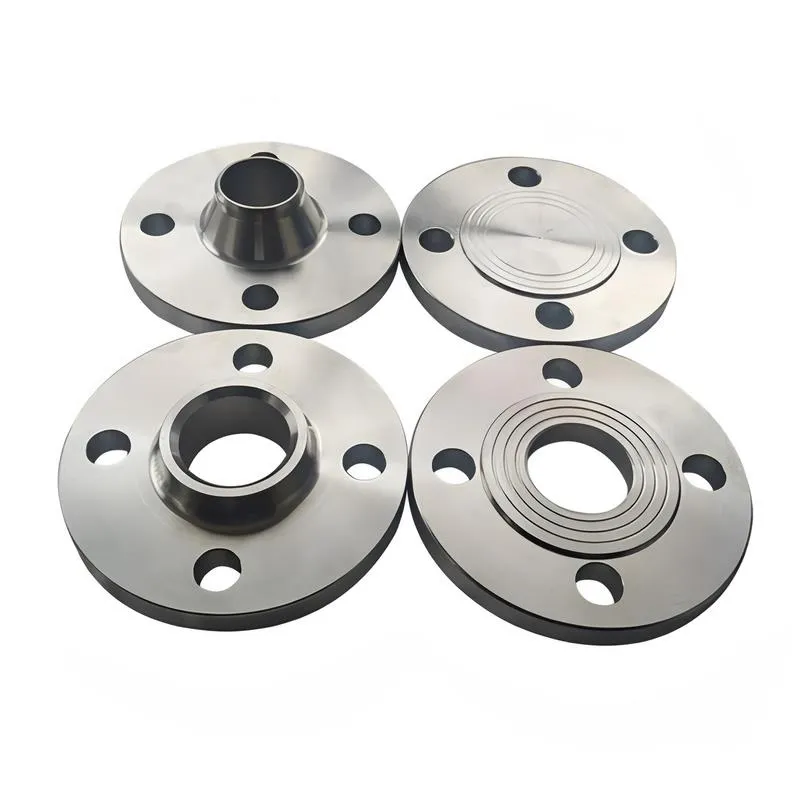
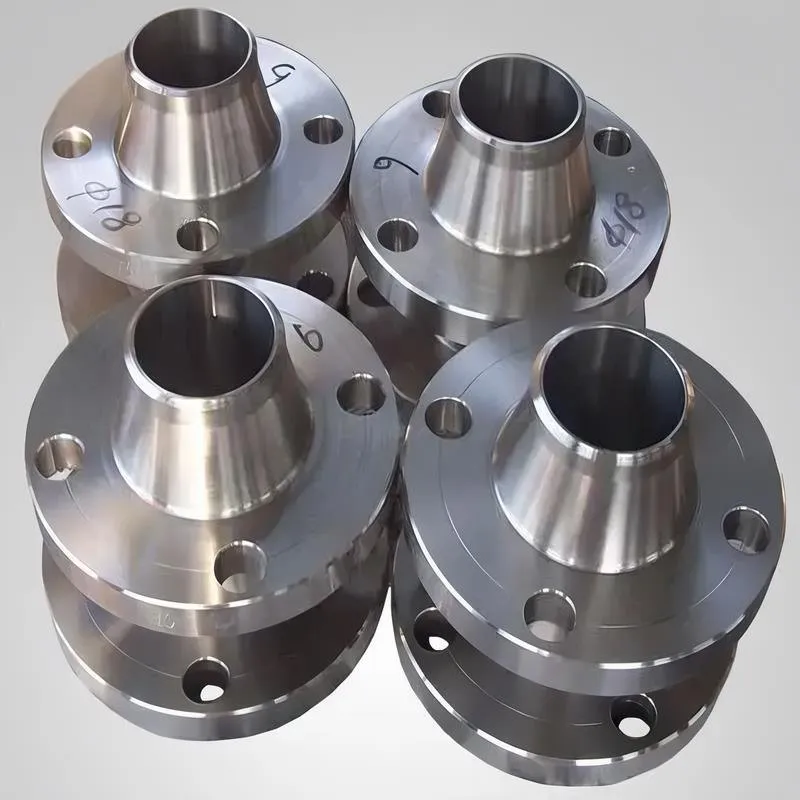
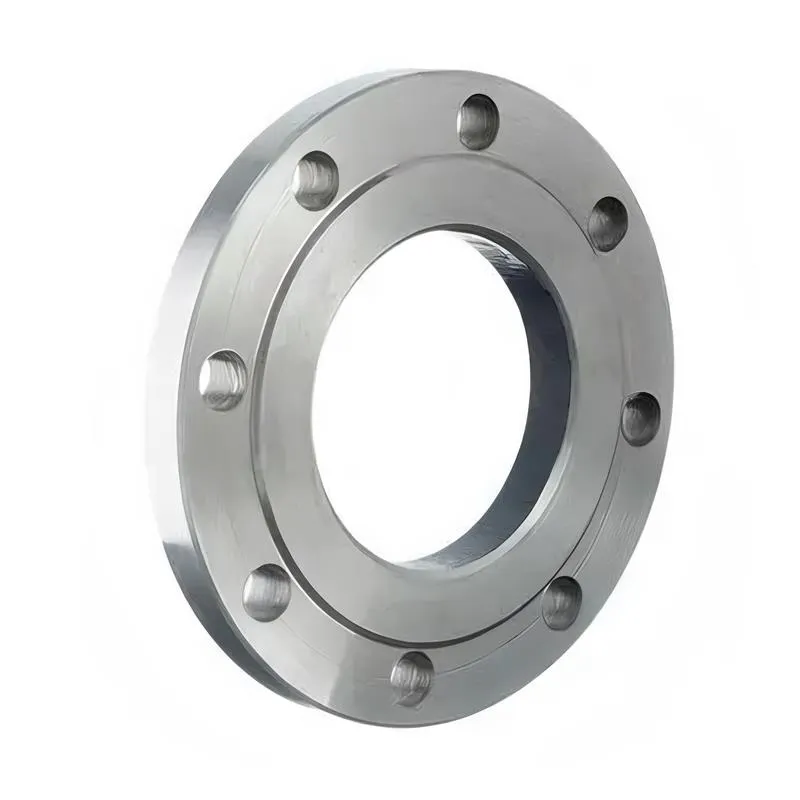
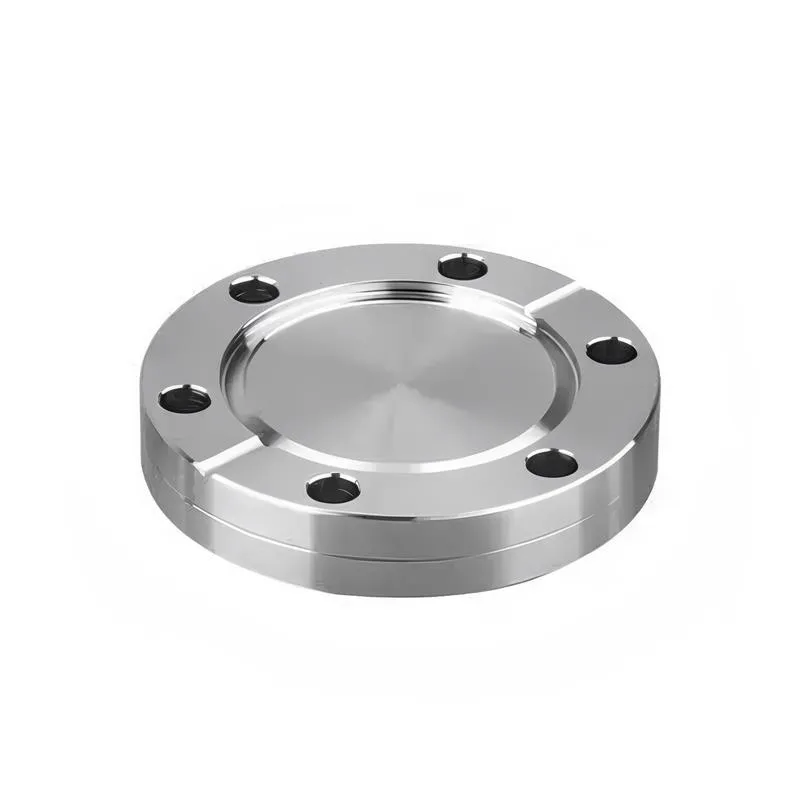
1,We Manufacturing processes are primarily classified into four types:
1:Forging,
2:Casting,
3:Cutting,
4:Rolling.
2,We can manufacture in accordance with these standards.
Standards:
GB Series (Chinese Standards), JB Series (Machinery Standards), HG Series (Chemical Industry Standards), ASME B16.5 (American Standards), BS4504 (British Standards), DIN (German Standards), and JIS (Japanese Standards).
Internationally, there are two primary systems of pipe flange standards: the European system, represented by the German DIN standards (including those of the former Soviet Union), and the American system, represented by the US ANSI pipe flange standards. Other common standards include: the Chinese Ministry of Machinery Industry standards (JB series), the Ministry of Chemical Industry standards (HG series), the Chinese National Standard *GB/T 9112–9124-2010 Steel Pipe Flanges*, as well as US standards (ASME B16.5), British standards (BS4504), German standards (DIN), Japanese standards (JIS), and marine standards (CBM), among others.
The nominal pressure ratings for the PN series are designated by "PN" and comprise the following nine levels: PN2.5, PN6, PN10, PN16, PN25, PN40, PN63, PN100, and PN160.
The nominal pressure ratings for the Class series are designated by "Class" and comprise the following six levels: Class150, Class300, Class600, Class900, Class1500, and Class2500.
Flange Classification
1. **According to Chemical Industry Standards:** Flanges are classified as follows:
Plate Flat Welding Flange (PL), Necked Flat Welding Flange (SO), Necked Butt Welding Flange (WN), Integral Flange (IF), Socket Welding Flange (SW), Threaded Flange (Th), Butt Welding Ring Loose Flange (PJ/SE), Blind Flange (BL), Flat Welding Ring Loose Flange (PJ/PJ), and Lined Blind Flange (BL(s)).
2. **According to Petrochemical (SH) Industry Standards:** Flanges are classified as follows:
Threaded Flange (PL), Butt Welding Flange (WN), Flat Welding Flange (SO), Socket Welding Flange (SW), Loose Flange (LJ), and Blind Flange (no specific designation).
3. **According to Machinery (JB) Industry Standards:** Flanges are classified as follows:
Integral Flange, Butt Welding Flange, Plate Flat Welding Flange, Butt Welding Ring Plate Loose Flange, Flat Welding Ring Plate Loose Flange, Lap Joint Ring Plate Loose Flange, and Blind Flange.
4. **According to Connection Method/Type:** Flanges are classified as follows:
Plate Flat Welding Flange, Necked Flat Welding Flange, Necked Butt Welding Flange, Socket Welding Flange, Threaded Flange, Blind Flange, Necked Butt Welding Ring Loose Flange, Flat Welding Ring Loose Flange, Ring-Type Joint (RTJ) Flange and Blind Flange, Large-Diameter Plate Flange, Large-Diameter High-Neck Flange, Figure-8 Blind Plate, Butt Welding Ring Loose Flange, etc.
5. **According to the Component Being Connected:** Flanges can be classified into Vessel Flanges and Pipe Flanges.
6. **According to Structural Type:** Flanges include Integral Flanges, Threaded Flanges, Flat Welding Flanges, Butt Welding Flanges, Lap Joint (Loose/Swivel) Flanges, and Blind Flanges.
A flange—also referred to as a flange plate or rim—is a component used to connect shafts to one another, or, more commonly, to join the ends of pipes. Flanges are also utilized at the inlet and outlet ports of equipment to facilitate connections between two devices—for instance, the flange on a speed reducer. A "flange connection" or "flanged joint" refers to a detachable joint assembly comprising three interconnected elements—a flange, a gasket, and bolts—that together form a sealed structural unit. In the context of piping systems, a "pipe flange" specifically denotes a flange used for plumbing within the installation; when applied to equipment, it refers to the inlet or outlet flange of that specific device. Flanges feature a series of holes through which bolts are inserted to securely fasten the two flanges together, while a gasket placed between the flanges ensures a leak-proof seal. Flanges are broadly categorized into three types: threaded (screw-in) flanges, welded flanges, and clamp-type flanges. Flanges are invariably used in pairs; threaded flanges are suitable for low-pressure piping applications, whereas welded flanges are required for systems operating at pressures exceeding 4 kilograms per square centimeter. A sealing gasket is inserted between the two flange plates, which are then firmly secured using bolts. The thickness of a flange—as well as the specifications of the bolts used to fasten it—vary depending on the specific pressure rating required for the application. When connecting equipment such as water pumps or valves to piping systems, the corresponding connection points on these devices are often manufactured in the shape of a matching flange; this method of attachment is also referred to as a "flange connection." Generally, any connecting component that utilizes bolts to join and seal the perimeters of two flat surfaces—such as the joints in ventilation ducts—is termed a "flange"; such components may collectively be classified as "flange-type parts." However, since such a connection often constitutes merely a *portion* of a larger device—for instance, the interface between a flange and a water pump—it would be inappropriate to classify the entire water pump itself as a "flange-type part." Conversely, smaller components—such as valves—that feature such flanged interfaces may indeed be appropriately categorized as "flange-type parts."
-:-
For detailed product information, please contact sales.
-:
Dura-Bar 65-45-12 HRDS Continuously Cast Ductile Iron Flange Bar Stock ASTM A536 Product Information
-:-
For detailed product information, please contact sales.
-:
Dura-Bar 65-45-12 HRDS Continuously Cast Ductile Iron Flange Bar Stock ASTM A536 Synonyms
-:-
For detailed product information, please contact sales.
-:
Dura-Bar 65-45-12 HRDS Continuously Cast Ductile Iron Bar Stock ASTM A536 Product Information
-:-
For detailed product information, please contact sales.
-:
# **Dura-Bar® 65-45-12 HRDS Continuously Cast Ductile Iron Bar Stock**
## **Product Overview**
**Dura-Bar 65-45-12 HRDS (High Resistance to Dynamic Stress)** represents a specialized variant of the standard 65-45-12 ductile iron, engineered specifically to deliver **enhanced fatigue resistance and superior performance under cyclic loading conditions**. This premium continuous cast material maintains the excellent machinability and consistency of standard Dura-Bar while offering significantly **improved durability in high-stress dynamic applications**.
The "65-45-12" designation indicates minimum mechanical properties: **65 ksi Tensile Strength, 45 ksi Yield Strength, and 12% Elongation**. The HRDS designation differentiates this material through proprietary processing that optimizes microstructure for maximum resistance to fatigue failure, making it ideal for components subjected to repeated stress cycles.
---
## **1. International Standards & Specifications**
| **Standard System** | **Designation** | **Application Scope** | **Notes** |
|---------------------|-----------------|-----------------------|-----------|
| **ASTM International** | **A536 Grade 65-45-12** | Base material specification | Mechanical property requirements |
| **SAE Automotive** | **J434 D5506** (Approximate) | Automotive dynamic components | High-cycle fatigue applications |
| **ISO Standard** | **EN-GJS-500-7** (ISO 1083) | International reference | Similar strength classification |
| **UNS Designation** | **F33100** (Modified) | Unified Numbering System | Special fatigue-resistant grade |
| **Manufacturer** | **Dura-Bar HRDS Series** | Proprietary specification | Enhanced fatigue performance |
| **Industry Terms** | Fatigue-Resistant DI, High-Cycle DI, HRDS Grade | Specialized applications | |
**Note:** The HRDS variant exceeds standard ASTM A536 requirements through controlled processing that enhances dynamic stress resistance while maintaining all standard chemical and mechanical specifications.
---
## **2. Chemical Composition**
The chemical formulation is carefully balanced to create a refined, homogeneous microstructure that maximizes fatigue resistance while maintaining excellent castability and machinability.
| **Element** | **Typical Range (% wt.)** | **Metallurgical Function** | **Fatigue Performance Role** |
|-------------|---------------------------|---------------------------|-----------------------------|
| **Carbon (C)** | 3.4 - 3.7 | Graphite formation, matrix structure | Controlled graphite size/distribution |
| **Silicon (Si)** | 2.2 - 2.6 | Ferrite control, strength enhancement | Optimizes matrix strength-ductility balance |
| **Manganese (Mn)** | 0.4 - 0.6 | Pearlite stabilization | Enhances matrix strength for fatigue resistance |
| **Phosphorus (P)** | ≤ 0.030 max | Impurity minimization | Reduced to prevent stress concentrators |
| **Sulfur (S)** | ≤ 0.012 max | Process control | Lower than standard for cleaner microstructure |
| **Magnesium (Mg)** | 0.04 - 0.06 | **Nodularization control** | Ensures optimal graphite spheroidization |
| **Copper (Cu)** | 0.3 - 0.6 | Matrix strengthening | Enhances fatigue strength through solid solution |
| **Nickel (Ni)** | 0.2 - 0.5 (Optional) | Microstructure refinement | Improates fatigue crack initiation resistance |
| **Molybdenum (Mo)** | 0.1 - 0.3 | Hardenability enhancement | Refines pearlite for improved fatigue life |
| **Tin (Sn)** | 0.02 - 0.05 | Pearlite stabilization | Ensures consistent microstructure |
**Microstructural Optimization (HRDS Specific):**
- **Graphite Nodules:** ASTM Type I, Size 6 (uniform, small, well-dispersed)
- **Nodule Count:** Higher than standard grades (typically 150-200 nodules/mm²)
- **Matrix Structure:** Fine, evenly distributed pearlite in ferrite matrix
- **Carbide Control:** Minimized and evenly distributed
- **Unique Feature:** Exceptionally clean microstructure with minimal inclusions
---
## **3. Mechanical Properties**
### **Minimum Requirements (ASTM A536 65-45-12):**
- **Tensile Strength:** 65 ksi min (448 MPa)
- **Yield Strength (0.2% offset):** 45 ksi min (310 MPa)
- **Elongation:** 12% min in 2 inches (50 mm)
### **Typical Properties (Dura-Bar 65-45-12 HRDS):**
| **Property** | **Typical Value** | **Standard 65-45-12** | **HRDS Advantage** |
|--------------|-------------------|------------------------|--------------------|
| **Tensile Strength** | 70 - 80 ksi (483 - 552 MPa) | 65 - 75 ksi | 8-12% higher typical |
| **Yield Strength** | 50 - 60 ksi (345 - 414 MPa) | 45 - 55 ksi | 10-15% improvement |
| **Elongation** | 14 - 18% | 12 - 16% | Maintains/exceeds ductility |
| **Hardness** | 197 - 241 HB | 187 - 241 HB | More consistent |
| **Fatigue Strength** | **28 - 32 ksi** (193 - 221 MPa) endurance limit | 24 - 28 ksi | **15-25% improvement** |
| **Impact Energy** | 15 - 25 ft-lb (20 - 34 J) Charpy | 10 - 20 ft-lb | Enhanced toughness |
| **Modulus of Elasticity** | 25.0 × 10⁶ psi (172 GPa) | 24.5 × 10⁶ psi | Slightly improved |
| **Fatigue Ratio** (σ_e/σ_UTS) | **0.40 - 0.45** | 0.35 - 0.40 | Superior fatigue performance |
### **Dynamic Properties (HRDS Specific):**
- **Fatigue Crack Initiation Resistance:** 30-40% better than standard grade
- **Crack Propagation Rate:** Slower due to refined microstructure
- **Damping Capacity:** Maintains excellent vibration absorption
- **Notch Sensitivity:** Reduced compared to standard grades
---
## **4. Physical Properties**
| **Property** | **Value** | **Engineering Significance** |
|--------------|-----------|-----------------------------|
| **Density** | 0.260 lb/in³ (7.19 g/cm³) | Weight savings vs. steel |
| **Thermal Conductivity** | 22.0 Btu/(ft·hr·°F) @ 212°F (38.1 W/m·K) | Excellent heat dissipation |
| **Coefficient of Thermal Expansion** | 6.5 × 10⁻⁶/°F (11.7 × 10⁻⁶/°C) | Matches steel components |
| **Specific Heat** | 0.11 Btu/(lb·°F) (460 J/kg·K) | Standard for ductile iron |
| **Damping Capacity** | 5-7× greater than steel | Critical for dynamic applications |
| **Electrical Resistivity** | 42 μΩ·cm | Slightly lower than standard |
| **Magnetic Properties** | Ferromagnetic | Suitable for all applications |
---
## **5. Manufacturing & Processing**
### **Machinability Characteristics:**
- **Relative Machinability:** 75-85% (vs. 1212 steel = 100%)
- **Optimum Cutting Speed:** 450-700 SFPM for turning
- **Tool Recommendations:** C2/C3 carbide or coated inserts
- **Chip Formation:** Excellent short-breaking chips
- **Surface Finish:** 16-32 μin Ra achievable with proper technique
- **Machining Advantage:** 25-40% faster than steel at equivalent hardness
### **Heat Treatment Considerations:**
1. **As-Supplied Condition:** Optimized for fatigue resistance
2. **Stress Relieving:** 900-1100°F (480-595°C) for 1 hour/inch recommended
3. **Surface Hardening:** Flame/induction hardening to 50-55 HRC possible
4. **Shot Peening:** Highly beneficial for further fatigue improvement
5. **Annealing:** Not recommended - would degrade fatigue properties
### **Fabrication Guidelines:**
- **Welding:** Limited to repair only with specialized procedures
- **Adhesive Bonding:** Excellent with proper surface preparation
- **Mechanical Fastening:** Good thread strength (70-80% of tensile)
- **Surface Treatments:** All common platings and coatings applicable
---
## **6. Fatigue Performance Data**
### **Rotating Bending Fatigue Tests (R= -1):**
| **Condition** | **Fatigue Strength at 10⁷ cycles** | **Improvement vs. Standard** |
|---------------|-----------------------------------|-----------------------------|
| **Polished** | 34 - 38 ksi (234 - 262 MPa) | 20-25% higher |
| **Machined** | 28 - 32 ksi (193 - 221 MPa) | 15-20% higher |
| **Notched (Kt=2.0)** | 18 - 22 ksi (124 - 152 MPa) | 10-15% higher |
### **Axial Fatigue Performance (R=0.1):**
- **10⁵ cycles:** 55-60 ksi (379-414 MPa)
- **10⁶ cycles:** 42-46 ksi (290-317 MPa)
- **10⁷ cycles:** 32-35 ksi (221-241 MPa)
### **Fatigue Life Enhancement Factors:**
- **Microstructural Refinement:** Primary contributor (40%)
- **Cleanliness Improvement:** Significant factor (30%)
- **Graphite Optimization:** Important contributor (20%)
- **Processing Control:** Additional benefit (10%)
---
## **7. Application Areas**
### **Target Industries & Components:**
| **Industry** | **Specific Applications** | **Failure Mode Addressed** | **HRDS Benefit** |
|--------------|--------------------------|---------------------------|------------------|
| **Hydraulic Systems** | Piston pumps, valve plates, swash plates | Fatigue cracking, spalling | 2-3× longer life |
| **Power Transmission** | Gears, shafts, splines, couplings | Bending fatigue, pitting | Reduced maintenance |
| **Compressor Industry** | Crankshafts, connecting rods, valves | High-cycle fatigue | Increased reliability |
| **Automotive** | Steering components, suspension parts | Cyclic loading | Enhanced durability |
| **Industrial Machinery** | Cams, followers, linkages | Contact fatigue | Reduced downtime |
| **Agricultural** | Drive train components, gearboxes | Impact-fatigue combination | Superior performance |
### **Specific Component Examples:**
1. **Hydraulic Pump Components:** Subjected to 1000+ psi pressure cycles
2. **Compressor Crankshafts:** Rotating bending fatigue critical
3. **Gear Applications:** High-contact stress with cyclic loading
4. **Robotic Components:** Repeated motion with precision requirements
5. **Aerospace Actuators:** Weight-sensitive fatigue applications
---
## **8. Comparative Performance**
### **vs. Standard 65-45-12 & Competing Materials:**
| **Material/Property** | **Fatigue Strength** | **Machinability** | **Damping** | **Cost Efficiency** |
|-----------------------|----------------------|-------------------|-------------|---------------------|
| **Dura-Bar 65-45-12 HRDS** | **Excellent (5/5)** | **Excellent (5/5)** | **Excellent (5/5)** | **Very Good (4/5)** |
| **Standard 65-45-12** | Good (3/5) | Excellent (5/5) | Excellent (5/5) | Excellent (5/5) |
| **4140 Steel (Normalized)** | Very Good (4/5) | Fair (2/5) | Poor (1/5) | Good (3/5) |
| **1045 Steel** | Good (3/5) | Good (3/5) | Poor (1/5) | Very Good (4/5) |
| **Gray Iron** | Poor (2/5) | Excellent (5/5) | Excellent (5/5) | Excellent (5/5) |
### **Economic Advantages:**
- **Extended Component Life:** 50-100% improvement in fatigue life
- **Reduced Maintenance:** Fewer replacements and downtime
- **Manufacturing Efficiency:** Superior machinability vs. steels
- **System Reliability:** Improved performance in critical applications
---
## **9. Design Guidelines for HRDS Applications**
### **Optimal Application Conditions:**
- Stress cycles > 10⁴ during service life
- Operating temperatures < 600°F (315°C)
- Combined stress states (bending + torsion)
- Applications where weight reduction is beneficial
- Components with stress concentrations (holes, fillets, etc.)
### **Design Recommendations:**
1. **Surface Finish:** Maintain 32 μin Ra or better in high-stress areas
2. **Fillet Radii:** Minimum 0.06" (1.5 mm) on internal corners
3. **Section Transitions:** Gradual changes (max 1:3 ratio)
4. **Stress Raisers:** Avoid sharp notches and machine marks
5. **Residual Stresses:** Consider shot peening for further improvement
### **Analysis Considerations:**
- Use fatigue strength (not tensile) for life calculations
- Account for surface finish effects (Ka factor)
- Consider size effects in fatigue analysis
- Include mean stress effects (Goodman/Soderberg)
---
## **10. Quality Assurance & Testing**
### **Enhanced Testing Protocol (HRDS):**
- **Microcleanliness Rating:** ASTM E45 Method D, maximum inclusion rating
- **Nodule Count Verification:** Minimum 150 nodules/mm²
- **Fatigue Testing:** Sample testing from production batches
- **Ultrasonic Inspection:** Standard for critical applications
- **Hardness Uniformity:** Tighter controls than standard grade
### **Certification Requirements:**
- **Standard Certification:** Full chemical and mechanical data
- **HRDS Certification:** Additional fatigue performance data
- **Traceability:** Complete heat-to-bar documentation
- **Process Control:** Verification of HRDS-specific processing
---
## **Technical Summary**
**Dura-Bar 65-45-12 HRDS Continuous Cast Ductile Iron** represents a **significant advancement in fatigue-resistant materials**, offering:
### **Key Technical Advantages:**
1. **Enhanced Fatigue Resistance:** 15-25% improvement over standard grades
2. **Superior Microstructural Control:** Optimized for dynamic loading
3. **Maintained Machinability:** All benefits of standard Dura-Bar
4. **Excellent Damping Capacity:** Critical for vibration reduction
5. **Cost-Effective Performance:** Superior to steel alternatives
### **Application Selection Criteria:**
- **Ideal For:** Components subjected to >10⁴ stress cycles
- **Optimal Use:** Hydraulic, compressor, and power transmission components
- **Best Value:** When fatigue life extension reduces total cost of ownership
- **Maximum Benefit:** Applications where machining efficiency is important
### **Economic Justification:**
While HRDS material may carry a modest premium over standard grades, the **return on investment** is typically realized through:
- Extended component service life
- Reduced maintenance and downtime
- Improved system reliability
- Lower total manufacturing costs vs. steel alternatives
---
## **Availability & Specifications**
### **Standard Stock Availability:**
- **Sizes:** 0.5" to 16" diameter rounds, various rectangles
- **Lengths:** Standard 12' lengths, custom available
- **Lead Time:** Stock items immediate, specials 2-4 weeks
- **Certification Levels:** Standard, HRDS-specific, customer-specified
### **Special Processing Available:**
- Stress relieving
- Rough machining
- Cut-to-length with end finishing
- Custom certification packages
---
## **Engineering Support**
Dura-Bar provides specialized support for HRDS applications:
- Fatigue analysis consultation
- Application engineering review
- Failure analysis services
- Comparative testing support
- Design optimization recommendations
*For specific fatigue life requirements or application reviews, consult Dura-Bar technical specialists for validated performance data and engineering guidance.*
---
**Disclaimer:** All values are typical; specific performance should be verified through application testing. The HRDS designation indicates enhanced fatigue resistance but does not guarantee specific performance in all applications. Proper design, manufacturing, and quality control practices are essential for optimal performance.
-:-
For detailed product information, please contact sales.
-:
Dura-Bar 65-45-12 HRDS Continuously Cast Ductile Iron Bar Stock ASTM A536 Specification
Dimensions
Size:
Diameter 20-1000 mm Length <6607 mm
Size:We can customized as required
Standard:
Per your request or drawing
We can customized as required
Properties(Theoretical)
Chemical Composition
-:-
For detailed product information, please contact sales.
-:
Dura-Bar 65-45-12 HRDS Continuously Cast Ductile Iron Bar Stock ASTM A536 Properties
-:-
For detailed product information, please contact sales.
-:
Applications of Dura-Bar 65-45-12 HRDS Continuously Cast Ductile Iron Flange Bar Stock ASTM A536
-:-
For detailed product information, please contact sales.
-:
Chemical Identifiers Dura-Bar 65-45-12 HRDS Continuously Cast Ductile Iron Flange Bar Stock ASTM A536
-:-
For detailed product information, please contact sales.
-:
Packing of Dura-Bar 65-45-12 HRDS Continuously Cast Ductile Iron Flange Bar Stock ASTM A536
-:-
For detailed product information, please contact sales.
-:
Standard Packing:
-:-
For detailed product information, please contact sales.
-:
Typical bulk packaging includes palletized plastic 5 gallon/25 kg. pails, fiber and Steel Flange drums to 1 ton super sacks in full container (FCL) or truck load (T/L) quantities. Research and sample quantities and hygroscopic, oxidizing or other air sensitive materials may be packaged under argon or vacuum. Solutions are packaged in polypropylene, plastic or glass jars up to palletized 3078 gallon liquid totes Special package is available on request. E FORUs’ is carefully handled to minimize damage during storage and transportation and to preserve the quality of our products in their original condition