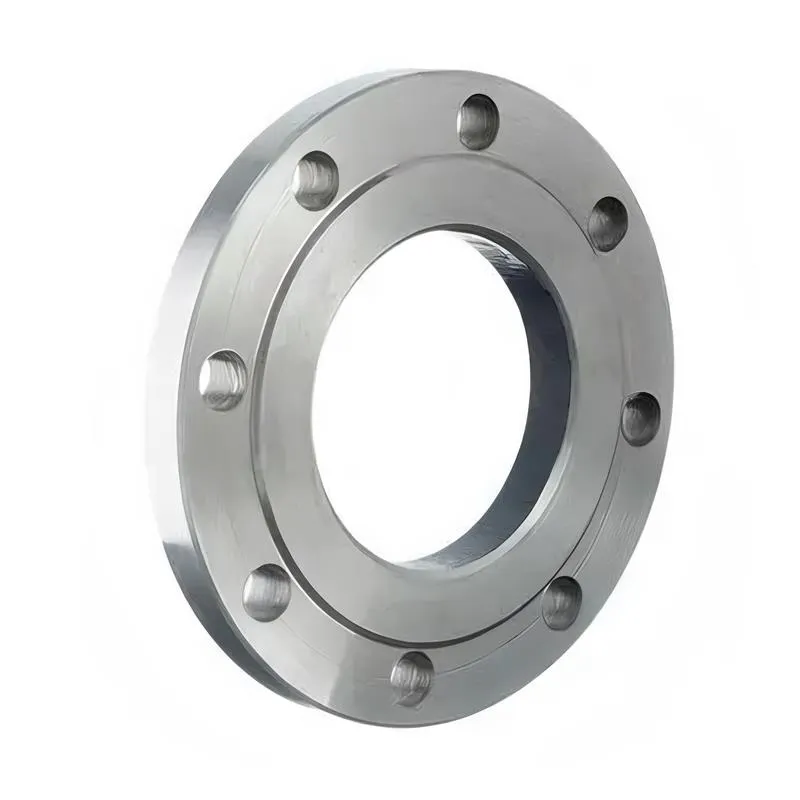
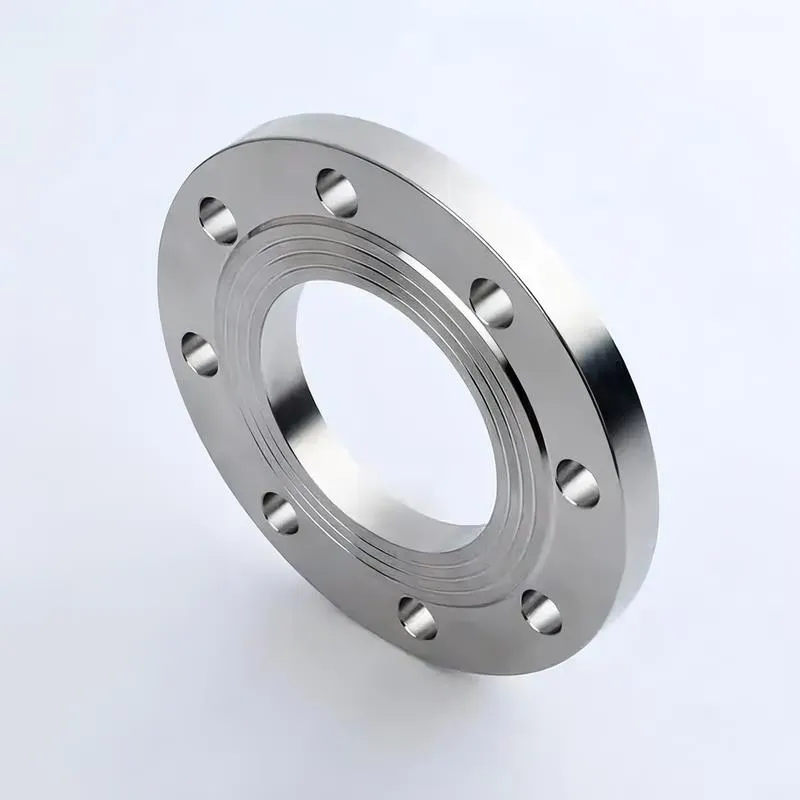
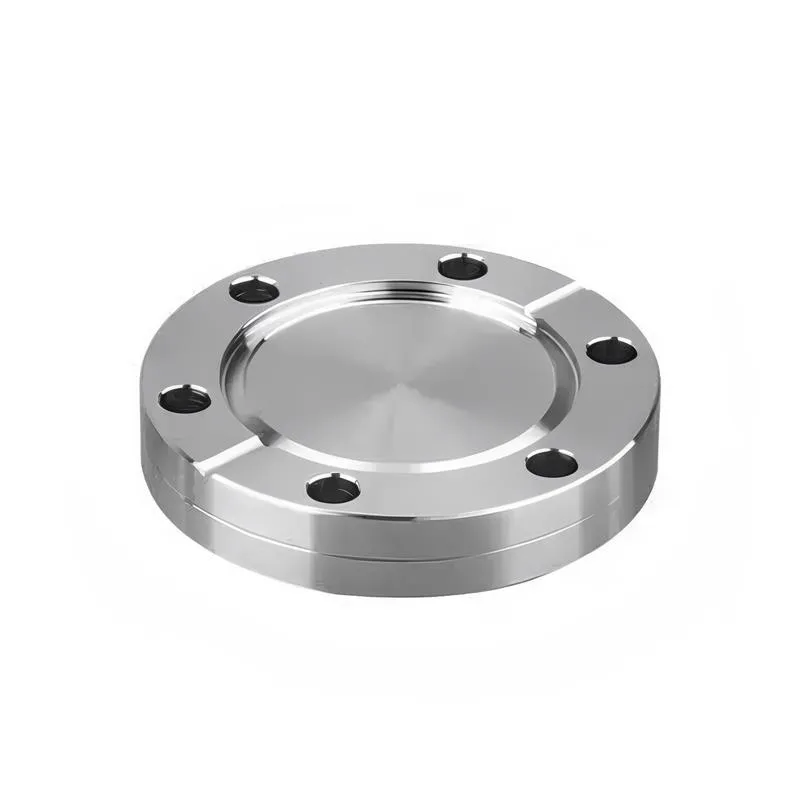
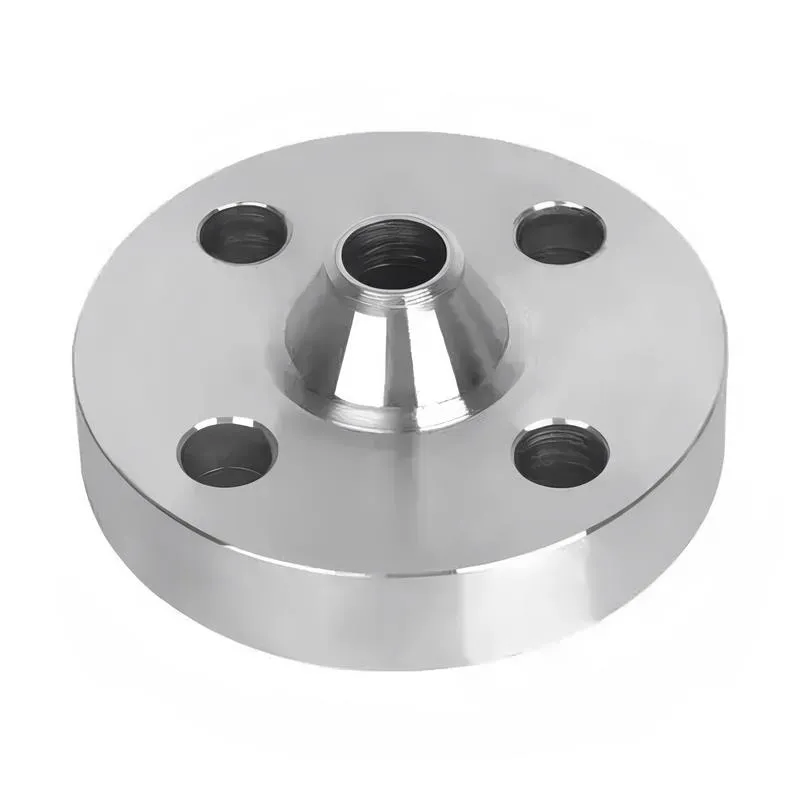
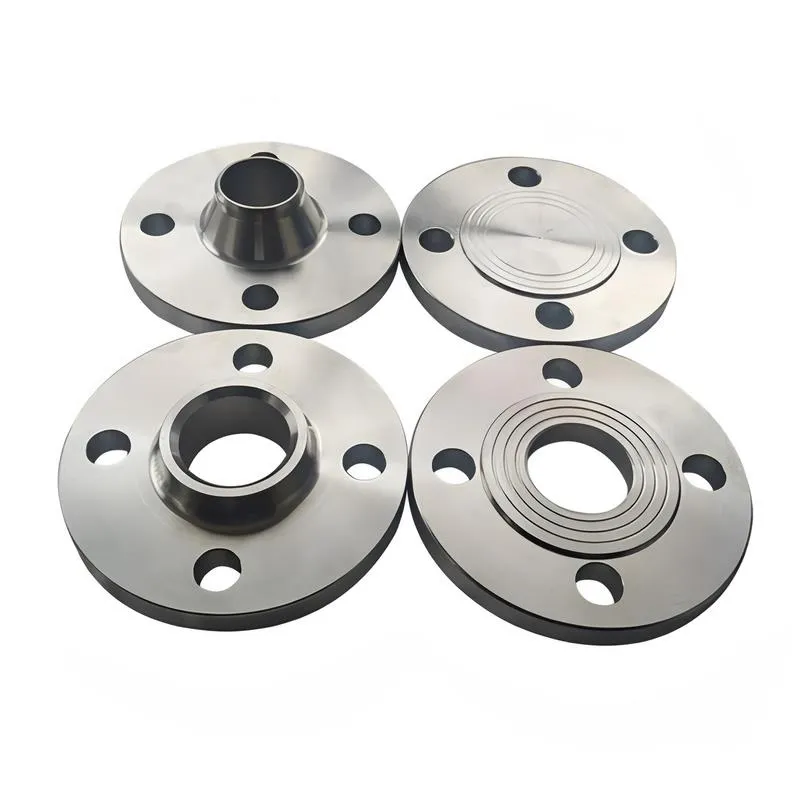
1,We Manufacturing processes are primarily classified into four types:
1:Forging,
2:Casting,
3:Cutting,
4:Rolling.
2,We can manufacture in accordance with these standards.
Standards:
GB Series (Chinese Standards), JB Series (Machinery Standards), HG Series (Chemical Industry Standards), ASME B16.5 (American Standards), BS4504 (British Standards), DIN (German Standards), and JIS (Japanese Standards).
Internationally, there are two primary systems of pipe flange standards: the European system, represented by the German DIN standards (including those of the former Soviet Union), and the American system, represented by the US ANSI pipe flange standards. Other common standards include: the Chinese Ministry of Machinery Industry standards (JB series), the Ministry of Chemical Industry standards (HG series), the Chinese National Standard *GB/T 9112–9124-2010 Steel Pipe Flanges*, as well as US standards (ASME B16.5), British standards (BS4504), German standards (DIN), Japanese standards (JIS), and marine standards (CBM), among others.
The nominal pressure ratings for the PN series are designated by "PN" and comprise the following nine levels: PN2.5, PN6, PN10, PN16, PN25, PN40, PN63, PN100, and PN160.
The nominal pressure ratings for the Class series are designated by "Class" and comprise the following six levels: Class150, Class300, Class600, Class900, Class1500, and Class2500.
Flange Classification
1. **According to Chemical Industry Standards:** Flanges are classified as follows:
Plate Flat Welding Flange (PL), Necked Flat Welding Flange (SO), Necked Butt Welding Flange (WN), Integral Flange (IF), Socket Welding Flange (SW), Threaded Flange (Th), Butt Welding Ring Loose Flange (PJ/SE), Blind Flange (BL), Flat Welding Ring Loose Flange (PJ/PJ), and Lined Blind Flange (BL(s)).
2. **According to Petrochemical (SH) Industry Standards:** Flanges are classified as follows:
Threaded Flange (PL), Butt Welding Flange (WN), Flat Welding Flange (SO), Socket Welding Flange (SW), Loose Flange (LJ), and Blind Flange (no specific designation).
3. **According to Machinery (JB) Industry Standards:** Flanges are classified as follows:
Integral Flange, Butt Welding Flange, Plate Flat Welding Flange, Butt Welding Ring Plate Loose Flange, Flat Welding Ring Plate Loose Flange, Lap Joint Ring Plate Loose Flange, and Blind Flange.
4. **According to Connection Method/Type:** Flanges are classified as follows:
Plate Flat Welding Flange, Necked Flat Welding Flange, Necked Butt Welding Flange, Socket Welding Flange, Threaded Flange, Blind Flange, Necked Butt Welding Ring Loose Flange, Flat Welding Ring Loose Flange, Ring-Type Joint (RTJ) Flange and Blind Flange, Large-Diameter Plate Flange, Large-Diameter High-Neck Flange, Figure-8 Blind Plate, Butt Welding Ring Loose Flange, etc.
5. **According to the Component Being Connected:** Flanges can be classified into Vessel Flanges and Pipe Flanges.
6. **According to Structural Type:** Flanges include Integral Flanges, Threaded Flanges, Flat Welding Flanges, Butt Welding Flanges, Lap Joint (Loose/Swivel) Flanges, and Blind Flanges.
A flange—also referred to as a flange plate or rim—is a component used to connect shafts to one another, or, more commonly, to join the ends of pipes. Flanges are also utilized at the inlet and outlet ports of equipment to facilitate connections between two devices—for instance, the flange on a speed reducer. A "flange connection" or "flanged joint" refers to a detachable joint assembly comprising three interconnected elements—a flange, a gasket, and bolts—that together form a sealed structural unit. In the context of piping systems, a "pipe flange" specifically denotes a flange used for plumbing within the installation; when applied to equipment, it refers to the inlet or outlet flange of that specific device. Flanges feature a series of holes through which bolts are inserted to securely fasten the two flanges together, while a gasket placed between the flanges ensures a leak-proof seal. Flanges are broadly categorized into three types: threaded (screw-in) flanges, welded flanges, and clamp-type flanges. Flanges are invariably used in pairs; threaded flanges are suitable for low-pressure piping applications, whereas welded flanges are required for systems operating at pressures exceeding 4 kilograms per square centimeter. A sealing gasket is inserted between the two flange plates, which are then firmly secured using bolts. The thickness of a flange—as well as the specifications of the bolts used to fasten it—vary depending on the specific pressure rating required for the application. When connecting equipment such as water pumps or valves to piping systems, the corresponding connection points on these devices are often manufactured in the shape of a matching flange; this method of attachment is also referred to as a "flange connection." Generally, any connecting component that utilizes bolts to join and seal the perimeters of two flat surfaces—such as the joints in ventilation ducts—is termed a "flange"; such components may collectively be classified as "flange-type parts." However, since such a connection often constitutes merely a *portion* of a larger device—for instance, the interface between a flange and a water pump—it would be inappropriate to classify the entire water pump itself as a "flange-type part." Conversely, smaller components—such as valves—that feature such flanged interfaces may indeed be appropriately categorized as "flange-type parts."
-:-
For detailed product information, please contact sales.
-:
AISI 1547 Steel Flange, annealed, cold drawn, 19-32 mm (0.75-1.25 in) round Product Information
-:-
For detailed product information, please contact sales.
-:
AISI 1547 Steel Flange, annealed, cold drawn, 19-32 mm (0.75-1.25 in) round Synonyms
-:-
For detailed product information, please contact sales.
-:
AISI 1547 Steel, annealed, cold drawn, 19-32 mm (0.75-1.25 in) round Product Information
-:-
For detailed product information, please contact sales.
-:
# **Product Datasheet: AISI 1547 Steel, Annealed & Cold Drawn Bar (UNS G15470)**
## **Product Overview**
AISI 1547 Annealed & Cold Drawn Bar is a **precision-engineered medium-high carbon manganese steel** that combines optimal machinability with superior dimensional accuracy. This dual-processed material undergoes full annealing followed by controlled cold drawing, resulting in a refined microstructure with enhanced mechanical properties and exceptional consistency. Specifically processed in the 19-32 mm (0.75-1.25 inch) diameter range, this product is designed for applications requiring extensive machining operations followed by heat treatment, where both dimensional precision and predictable material behavior are critical.
## **Key Features & Benefits**
- **Superior Machinability**: Annealed structure provides maximum tool life (70-75% of B1112) and excellent chip control
- **Precision Dimensions**: Cold drawing ensures tight tolerances (±0.10-0.13mm) and excellent roundness
- **Uniform Microstructure**: Homogeneous ferrite-pearlite structure eliminates banding and segregation
- **Enhanced Surface Quality**: 2.0-4.0 μm Ra surface finish, free of mill scale and surface defects
- **Reduced Residual Stresses**: Annealing prior to cold work minimizes internal stresses
- **Predictable Heat Treatment Response**: Consistent starting structure ensures uniform hardening behavior
- **Improved Mechanical Properties**: Cold drawing increases strength while maintaining good ductility
---
## **1. Chemical Composition**
### **Standard Composition (ASTM A108, SAE J403)**
| Element | Composition Range (%) | Typical Analysis (%) | Role in Annealed & Cold Drawn State |
|---------|----------------------|---------------------|-------------------------------------|
| **Carbon (C)** | 0.44 - 0.51 | 0.47 | Provides hardenability; balanced for optimal machinability and strength |
| **Manganese (Mn)** | 1.35 - 1.65 | 1.50 | Enhances hardenability; contributes to strength through solid solution strengthening |
| **Phosphorus (P)** | ≤ 0.040 | 0.017 | Controlled residual; minimized for maximum ductility |
| **Sulfur (S)** | ≤ 0.050 | 0.027 | Optimized for machinability; inclusion shape controlled |
| **Silicon (Si)** | 0.15 - 0.35 | 0.25 | Deoxidizer; strengthens ferrite matrix |
| **Iron (Fe)** | Balance | Balance | Base metal |
### **Special Processing Controls**
| Element | Control Method | Purpose in Dual Processing |
|---------|---------------|----------------------------|
| **Aluminum (Al)** | 0.020-0.050% | Grain size control during annealing |
| **Nitrogen (N)** | ≤ 0.010% | Prevents strain aging during processing and storage |
| **Oxygen (O)** | ≤ 30 ppm | Improved internal cleanliness |
| **Calcium (Ca)** | Optional treatment | Inclusion modification for enhanced machinability |
### **Critical Element Ratios & Calculations**
| Parameter | Value/Formula | Significance |
|-----------|--------------|--------------|
| **Carbon Equivalent (CEIIW)** | 0.75-0.83 | CE = C + Mn/6 |
| **Machinability Index** | High | Optimal for precision machining |
| **Hardenability Factor** | Excellent | Suitable for through-hardening 19-32mm sections |
| **Work Hardening Rate** | Moderate | Controlled by annealing process |
---
## **2. Physical Properties**
### **Basic Physical Properties**
| Property | Value | Conditions/Notes |
|----------|-------|------------------|
| **Density** | 7.85 g/cm³ | At 20°C (68°F) |
| **Melting Point** | 1480-1510°C | 2696-2750°F |
| **Specific Heat Capacity** | 480 J/kg·K | At 20°C |
| **Thermal Conductivity** | 47.5 W/m·K | At 100°C |
| **Coefficient of Thermal Expansion** | 11.4 ×10⁻⁶/°C | 20-100°C range |
| **Electrical Resistivity** | 0.23 μΩ·m | At 20°C |
| **Modulus of Elasticity (E)** | 200-205 GPa | 29-29.7 ×10⁶ psi |
| **Shear Modulus (G)** | 79-80 GPa | 11.5 ×10⁶ psi |
| **Poisson's Ratio (ν)** | 0.29 | - |
| **Magnetic Properties** | Ferromagnetic | Curie point: ~770°C |
### **Thermal Processing Characteristics**
| Temperature Point | Value |
|------------------|-------|
| **Ac₁ (Lower Critical)** | 715°C (1319°F) |
| **Ac₃ (Upper Critical)** | 775°C (1427°F) |
| **Annealing Temperature** | 820-840°C (1510-1545°F) |
| **Recrystallization Temperature** | 560-610°C (1040-1130°F) |
| **Stress Relief Temperature** | 550-650°C (1020-1200°F) |
---
## **3. Mechanical Properties**
### **Typical As-Processed Properties (19-32 mm diameter)**
| Property | Value Range | Metric Units | Imperial Units |
|----------|-------------|--------------|----------------|
| **Hardness** | 156 - 197 HB | 156 - 197 HB | 156 - 197 HB |
| **Tensile Strength** | 550 - 690 MPa | 550 - 690 MPa | 80 - 100 ksi |
| **Yield Strength (0.2% offset)** | 310 - 450 MPa | 310 - 450 MPa | 45 - 65 ksi |
| **Elongation (in 50mm)** | 20 - 28% | 20 - 28% | 20 - 28% |
| **Reduction of Area** | 40 - 50% | 40 - 50% | 40 - 50% |
| **Machinability Rating** | 70-75% of B1112 | - | - |
| **Charpy Impact (20°C)** | 30-45 J | 30-45 J | 22-33 ft-lb |
### **Microstructural Characteristics**
| Feature | Specification | Standard Method |
|---------|--------------|-----------------|
| **Microstructure** | Fine lamellar pearlite in ferrite matrix | Metallographic examination |
| **Grain Size** | ASTM 5-7 | ASTM E112 |
| **Decarburization** | ≤ 0.10mm per side | ASTM E1077 |
| **Inclusion Rating** | ASTM 2.0 max | ASTM E45 |
| **Banding** | Negligible | Visual assessment |
### **Directional Properties Comparison**
| Property | Longitudinal | Transverse | Anisotropy Factor |
|----------|-------------|------------|-------------------|
| **Tensile Strength** | 100% | 97-99% | 1-3% |
| **Yield Strength** | 100% | 95-98% | 2-5% |
| **Elongation** | 100% | 92-96% | 4-8% |
| **Impact Energy** | 100% | 88-94% | 6-12% |
| **Fatigue Strength** | 100% | 96-98% | 2-4% |
---
## **4. Dimensional Specifications & Tolerances**
### **Standard Tolerances (ASTM A108)**
| Diameter Range | Diameter Tolerance (±) | Roundness Tolerance | Straightness |
|----------------|-----------------------|---------------------|--------------|
| **19-25mm** | 0.10mm (0.004") | 0.06mm (0.0024") | 0.3mm/m |
| **25-32mm** | 0.13mm (0.005") | 0.08mm (0.0031") | 0.25mm/m |
### **Surface Finish Specifications**
| Grade | Surface Roughness (Ra) | Characteristics | Typical Application |
|-------|------------------------|-----------------|---------------------|
| **Commercial Drawn** | 2.0-4.0 μm | As-drawn, smooth | General machining |
| **Turned Finish** | 1.0-2.0 μm | Light turning | Precision components |
| **Ground Finish** | 0.8-1.6 μm | Centerless ground | Bearing surfaces |
| **Special Polish** | 0.4-0.8 μm | Polished | Hydraulic components |
### **Available Conditions**
| Condition Code | Description | Typical Hardness Range |
|----------------|-------------|------------------------|
| **ACD** | Annealed & cold drawn | 156-197 HB |
| **ACD-SR** | ACD + stress relieved | 149-187 HB |
| **ACD-T** | ACD + turned | 156-197 HB |
| **ACD-G** | ACD + ground | 156-197 HB |
---
## **5. Heat Treatment Response**
### **Annealing Process Parameters**
| Parameter | Value Range | Purpose |
|-----------|-------------|---------|
| **Annealing Temperature** | 820-840°C (1510-1545°F) | Complete austenitization |
| **Soaking Time** | 1-2 hours per inch | Full transformation |
| **Cooling Rate** | 15-25°C/hour to 600°C | Optimal spheroidization/softening |
| **Final Cooling** | Air cool from 600°C | Room temperature |
### **Through-Hardening Characteristics**
| Treatment | Parameters | Resulting Hardness | Application |
|-----------|------------|-------------------|-------------|
| **Normalizing** | 860-890°C, air cool | 187-235 HB | Improved uniformity |
| **Oil Quench + Temper (540°C)** | 830°C OQ + temper | 285-341 HB | High toughness applications |
| **Oil Quench + Temper (425°C)** | 830°C OQ + temper | 321-375 HB | High strength requirements |
| **Induction Hardening** | 900-950°C, quench | 55-60 HRC (surface) | Wear surfaces |
### **Hardenability Data (Jominy Test - Typical)**
| Distance from quenched end | Hardness (HRC) | Tempered Hardness (540°C) |
|----------------------------|----------------|---------------------------|
| **1.5mm (1/16")** | 58-62 | 30-35 HRC |
| **3mm (1/8")** | 55-59 | 28-33 HRC |
| **6mm (1/4")** | 48-53 | 25-30 HRC |
| **10mm (3/8")** | 40-46 | 22-27 HRC |
| **15mm (5/8")** | 33-39 | 20-25 HRC |
---
## **6. Product Specifications & International Standards**
### **Primary Specifications**
| Standard | Number | Title/Scope |
|----------|--------|-------------|
| **ASTM** | A108-19 | Steel Bar, Carbon and Alloy, Cold-Finished |
| **ASTM** | A29/A29M-20 | General Requirements for Steel Bars |
| **SAE** | J403_202104 | Chemical Compositions of SAE Carbon Steels |
| **SAE** | J404_202104 | Chemical Ranges of SAE Carbon Steels |
| **AMS** | 5045G (similar) | Bars, Forgings, and Tubing |
| **UNS** | G15470 | Unified Numbering System |
### **International Equivalents**
| Standard | Equivalent Designation | Notes |
|----------|------------------------|-------|
| **ISO** | ISO 683-18: 46Mn6 +A | Annealed condition |
| **EN** | EN 10083-2: 1.5069 +A | 46Mn6, annealed |
| **DIN** | DIN 17210: C46Mn6 +G | Annealed and drawn |
| **JIS** | JIS G3123: S45C-D-A | Cold drawn, annealed |
| **GB** | GB/T 3078: 45Mn-A | Chinese annealed standard |
### **Quality Designations & Markings**
| Marking | Meaning | Location |
|---------|---------|----------|
| **Heat Number** | Melt identification | End tag or painted |
| **Grade** | AISI 1547 or equivalent | End tag |
| **Condition** | ACD (Annealed & Cold Drawn) | End tag |
| **Size** | Diameter in mm | End tag |
| **Direction** | Grain direction indicator | Longitudinal line |
---
## **7. Manufacturing & Processing Characteristics**
### **Machinability Performance**
| Operation | Relative Machinability | Optimal Parameters | Tool Life Expectancy |
|-----------|------------------------|-------------------|---------------------|
| **Turning** | 70-75% | 40-55 m/min, 0.25-0.40 mm/rev | 120-180 minutes |
| **Drilling** | 65-70% | 25-35 m/min, 0.15-0.25 mm/rev | 150-200 holes |
| **Milling** | 68-72% | 35-45 m/min, 0.10-0.20 mm/tooth | 100-150 minutes |
| **Tapping** | 60-65% | 8-15 m/min, proper lubrication | 120-160 holes |
| **Threading** | 65-70% | 25-35 m/min, full profile inserts | Good |
### **Recommended Tooling Specifications**
| Operation | Tool Material | Geometry | Lubrication/Coolant |
|-----------|---------------|----------|---------------------|
| **Turning** | C2/C6 carbide, coated | Positive rake, sharp | Soluble oil (5-10%) |
| **Drilling** | HSS-Co 8%, coated | 135° split point | Cutting oil or emulsion |
| **Milling** | Coated carbide | Positive shear geometry | Flood coolant |
| **Tapping** | HSS-E, TiN coated | 3-4 flute, spiral point | Tapping compound |
| **Broaching** | HSS, carbide-tipped | Proper chip clearance | Cutting oil |
### **Forming & Fabrication**
| Process | Suitability | Recommendations |
|---------|-------------|-----------------|
| **Cold Bending** | Good | Minimum radius = 3× thickness |
| **Roll Forming** | Excellent | With grain direction |
| **Swaging** | Good | Suitable for moderate reductions |
| **Thread Rolling** | Excellent | Produces strong, precise threads |
| **Knurling** | Excellent | Clean, sharp patterns achievable |
### **Welding Considerations**
**Weldability Rating**: **Poor** (Carbon Equivalent ≈ 0.78)
| Process | Preheat Temperature | Interpass Temperature | Post-Weld Treatment |
|---------|-------------------|----------------------|---------------------|
| **SMAW** | 250-300°C | ≤300°C | Stress relief @ 600-650°C mandatory |
| **GTAW** | 200-250°C | ≤250°C | Stress relief strongly recommended |
| **GMAW** | 200-250°C | ≤250°C | Stress relief recommended |
| **Not Recommended** | - | - | Resistance, spot welding |
**Filler Metal Selection**:
- AWS E10018-D2 (SMAW)
- AWS ER100S-2 (GTAW/GMAW)
- **Note**: Welding generally discouraged except for repairs
---
## **8. Typical Applications**
### **Precision Machined Components**
- **Hydraulic Systems**: Valve bodies, pump housings, cylinder barrels
- **Power Transmission**: Gear blanks, splined shafts, coupling hubs
- **Automotive Components**: Transmission parts, steering components
- **Fluid Handling**: Fittings, connectors, manifold blocks
### **Heat-Treated Parts**
- **Gears & Sprockets**: After carburizing or through-hardening
- **Shafts & Axles**: Induction hardened bearing surfaces
- **Tooling Components**: Jigs, fixtures, die components
- **Wear Parts**: Bushings, sleeves, guide pins
### **Fastener Industry**
- **High-Strength Bolts**: Grade 10.9 equivalents after heat treatment
- **Special Fasteners**: Custom threaded components, large studs
- **Socket Products**: Blank stock for high-strength cap screws
- **Pins & Keys**: Dowel pins, taper pins, parallel keys
### **Industrial Machinery**
- **Textile Machinery**: Spindles, rollers, guides
- **Packaging Equipment**: Cam shafts, roller shafts
- **Printing Presses**: Impression cylinders, gear trains
- **Food Processing**: Shafts, gears, bearing supports
### **Specialty Applications**
- **Defense Components**: Certain firearm parts (when properly heat treated)
- **Medical Equipment**: Precision shafts, surgical instrument components
- **Aerospace**: Non-critical structural components
- **Energy Sector**: Valve components, pump parts
---
## **9. Quality Control & Testing**
### **Standard Inspection Requirements**
| Test | Method Standard | Frequency | Acceptance Criteria |
|------|----------------|-----------|-------------------|
| **Chemical Analysis** | ASTM E415 | Each heat | Within specified ranges |
| **Tensile Test** | ASTM A370 | Per lot | Meet minimum requirements |
| **Hardness Test** | ASTM E10 | Per lot | 156-197 HB range |
| **Surface Inspection** | Visual, 10× magnification | 100% | Free of defects |
| **Dimensional Check** | Micrometer/caliper | Per bundle | Within tolerance |
### **Optional/Additional Testing**
| Test | Standard Method | Typical Specification | Purpose |
|------|----------------|----------------------|---------|
| **Impact Testing** | ASTM A370 (Charpy) | Customer specification | Toughness evaluation |
| **Microcleanliness** | ASTM E45 | ≤2.0 inclusion rating | Internal quality |
| **Grain Size** | ASTM E112 | ASTM 5-7 | Microstructure control |
| **Decarburization** | ASTM E1077 | ≤0.10mm per side | Surface integrity |
| **NDT Testing** | UT, MT, or PT | As specified | Defect detection |
### **Certifications & Documentation**
- **Mill Test Certificate**: EN 10204 3.1 standard
- **Heat Traceability**: Complete from melt to finished product
- **RoHS/REACH Compliance**: Fully compliant
- **Material Test Reports**: Detailed test data available
- **Third-Party Certification**: Available upon request
---
## **10. Comparison with Alternative Conditions**
### **Annealed & Cold Drawn vs. Other 1547 Conditions**
| Property | ACD 1547 | Cold Drawn Only | Hot Rolled | Advantage |
|----------|----------|-----------------|------------|-----------|
| **Machinability** | Excellent (70-75%) | Good (55-60%) | Fair (50-55%) | ACD |
| **Dimensional Accuracy** | Excellent | Excellent | Poor | ACD/CD |
| **Surface Finish** | 2.0-4.0μm Ra | 2.5-4.5μm Ra | 12-25μm Ra | ACD |
| **Residual Stress** | Low | Moderate | Variable | ACD |
| **Microstructural Uniformity** | Excellent | Good | Variable | ACD |
| **Cost** | Highest | High | Lowest | HR |
### **Comparison with Similar Annealed Grades**
| Grade | Machinability | Hardenability | Cost | Best Application |
|-------|--------------|---------------|------|-----------------|
| **1547 ACD** | 70-75% | Excellent | Medium | Precision machined, heat-treated parts |
| **1045 ACD** | 75-80% | Good | Lower | General precision components |
| **4140 ACD** | 60-65% | Excellent | Higher | Critical high-strength applications |
| **1144 ACD** | 85-90% | Good | Similar | Stress-proof applications |
---
## **11. Technical Guidelines & Best Practices**
### **Storage & Handling**
- **Storage Environment**: Dry, temperature-controlled preferred
- **Stacking Method**: Flat, properly supported, avoid point loading
- **Corrosion Protection**: Light oil coating, VCI paper wrapping
- **Handling Equipment**: Non-marring clamps, proper lifting gear
- **Identification**: Maintain all heat/lot markings
### **Processing Recommendations**
1. **Stress Relief**: Recommended after heavy machining (550-600°C for 1 hour)
2. **Machining Sequence**: Rough machine, stress relieve if needed, finish machine
3. **Heat Treatment**: Normalize before hardening for best results
4. **Surface Preparation**: Clean thoroughly before plating/coating
5. **Quality Verification**: First article inspection recommended
### **Design Considerations**
- **Fillet Radii**: Minimum 3mm at section changes
- **Machining Allowances**: Standard 0.5-1.0mm per side
- **Heat Treatment Effects**: Account for dimensional changes (0.1-0.2%)
- **Surface Requirements**: Specify finish and tolerances clearly
### **Safety & Environmental**
- **Machining Safety**: Standard machine shop PPE required
- **Coolant Management**: Proper filtration and disposal
- **Heat Treatment Safety**: Adequate ventilation for oil quenching
- **Waste Disposal**: Chips/swarf 100% recyclable as ferrous scrap
---
## **12. Limitations & Special Notes**
### **Temperature Limitations**
- **Maximum Service (as-supplied)**: 300°C (570°F)
- **Stress Relief Range**: 550-650°C (1020-1200°F)
- **Annealing Temperature**: 820-840°C (1510-1545°F)
- **Cryogenic Service**: Not recommended below -20°C (-4°F)
### **Corrosion Behavior**
- **General Resistance**: Poor (requires protective coatings)
- **Common Protective Coatings**: Zinc plating, powder coating, chrome plating
- **Pre-treatment**: Essential for coating adhesion
- **Galvanizing**: Suitable with proper surface preparation
### **Economic & Supply Considerations**
- **Price Premium**: 30-45% over hot rolled equivalent
- **Lead Time**: 3-8 weeks depending on size/quantity
- **Minimum Orders**: Typically 500kg for standard sizes
- **Availability**: Good availability from specialty suppliers
### **Special Processing Notes**
- **Straightening**: Possible but may require re-annealing
- **Cutting Methods**: Saw cutting preferred; abrasive cutting acceptable
- **Joining Methods**: Mechanical fastening preferred over welding
- **Finishing**: Excellent response to grinding and polishing
---
## **13. Troubleshooting Guide**
| Problem | Possible Cause | Recommended Solution |
|---------|---------------|---------------------|
| **Poor Surface Finish** | Tool wear or improper parameters | Use sharp tools, optimize speeds/feeds |
| **Excessive Tool Wear** | Hard spots or inclusions | Verify material hardness, use coated tools |
| **Dimensional Instability** | Residual stresses | Stress relieve before finish machining |
| **Inconsistent Hardening** | Decarburization or segregation | Normalize before hardening, check surface |
| **Cracking During Machining** | Excessive hardness or tool pressure | Verify material condition, reduce feed rates |
---
**Disclaimer**: The information provided in this datasheet is for general reference purposes. Actual properties may vary depending on specific manufacturing processes, heat treatment parameters, and individual lot characteristics. For critical applications, conduct appropriate testing and consult with materials engineering professionals. Always refer to the latest edition of applicable standards and material specifications.
**Revision**: 1.0 | **Date**: October 2023 | **Classification**: Commercial Technical Data
-:-
For detailed product information, please contact sales.
-:
AISI 1547 Steel, annealed, cold drawn, 19-32 mm (0.75-1.25 in) round Specification
Dimensions
Size:
Diameter 20-1000 mm Length <6177 mm
Size:We can customized as required
Standard:
Per your request or drawing
We can customized as required
Properties(Theoretical)
Chemical Composition
-:-
For detailed product information, please contact sales.
-:
AISI 1547 Steel, annealed, cold drawn, 19-32 mm (0.75-1.25 in) round Properties
-:-
For detailed product information, please contact sales.
-:
Applications of AISI 1547 Steel Flange, annealed, cold drawn, 19-32 mm (0.75-1.25 in) round
-:-
For detailed product information, please contact sales.
-:
Chemical Identifiers AISI 1547 Steel Flange, annealed, cold drawn, 19-32 mm (0.75-1.25 in) round
-:-
For detailed product information, please contact sales.
-:
Packing of AISI 1547 Steel Flange, annealed, cold drawn, 19-32 mm (0.75-1.25 in) round
-:-
For detailed product information, please contact sales.
-:
Standard Packing:
-:-
For detailed product information, please contact sales.
-:
Typical bulk packaging includes palletized plastic 5 gallon/25 kg. pails, fiber and Steel Flange drums to 1 ton super sacks in full container (FCL) or truck load (T/L) quantities. Research and sample quantities and hygroscopic, oxidizing or other air sensitive materials may be packaged under argon or vacuum. Solutions are packaged in polypropylene, plastic or glass jars up to palletized 2648 gallon liquid totes Special package is available on request. E FORUs’ is carefully handled to minimize damage during storage and transportation and to preserve the quality of our products in their original condition