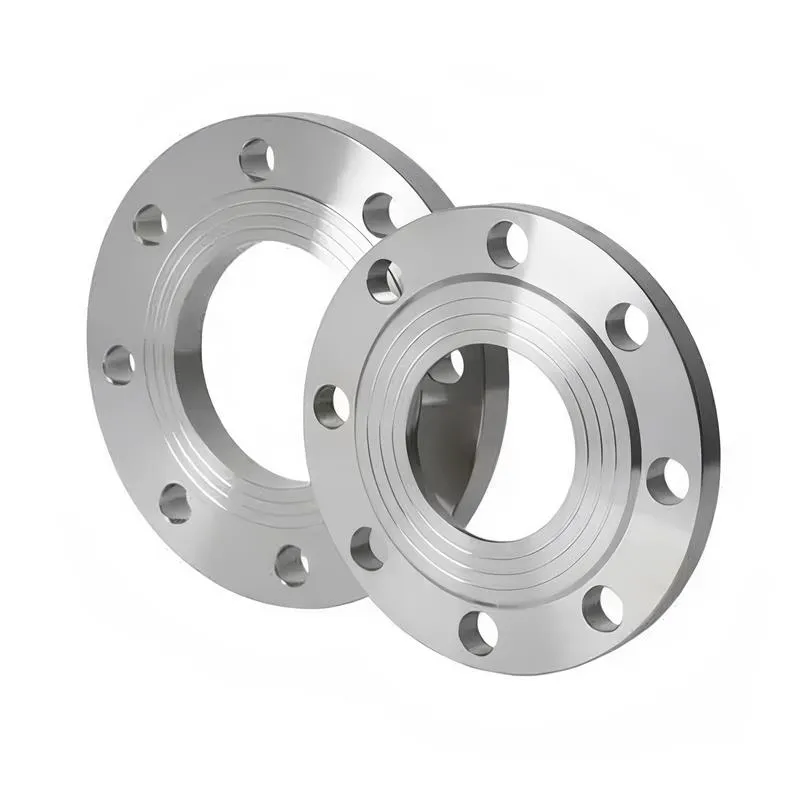
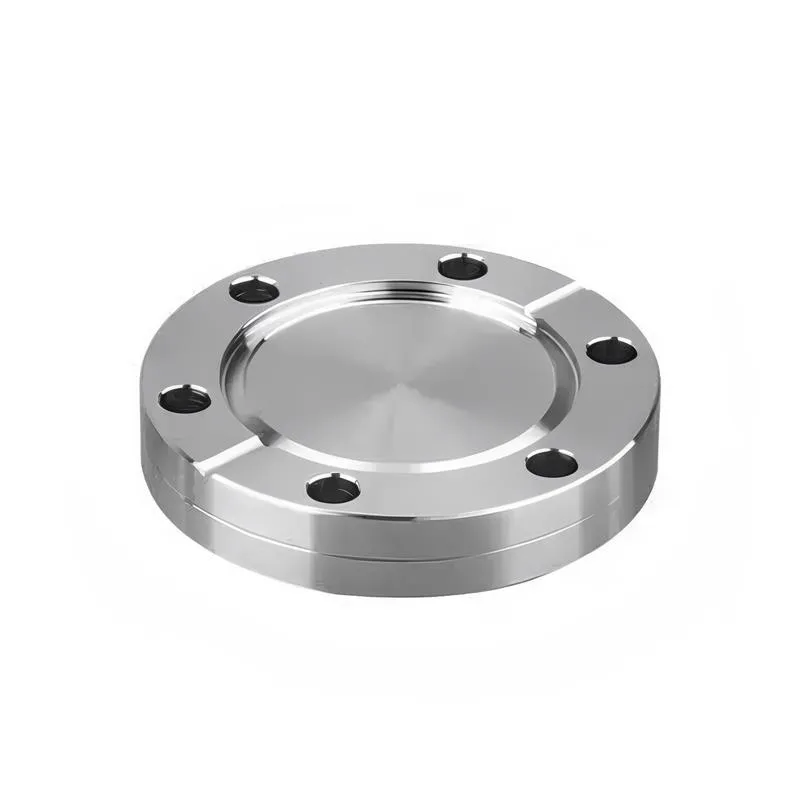
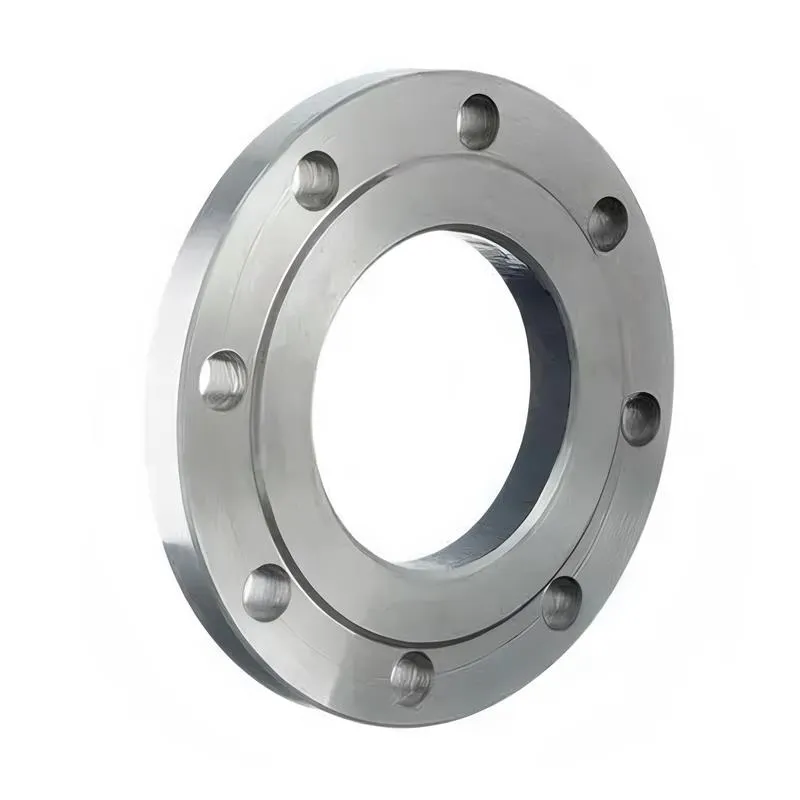
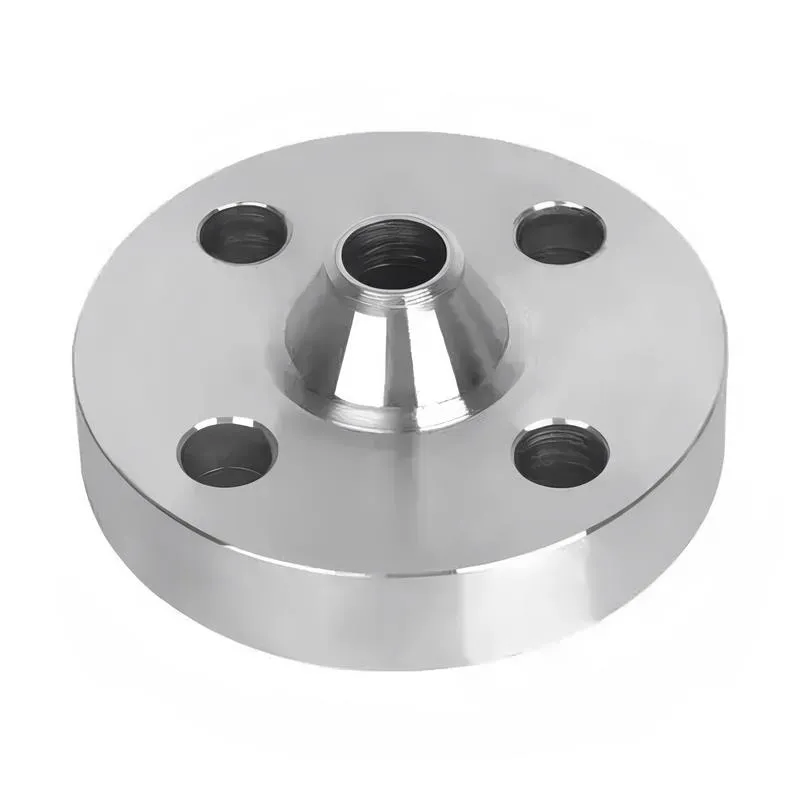
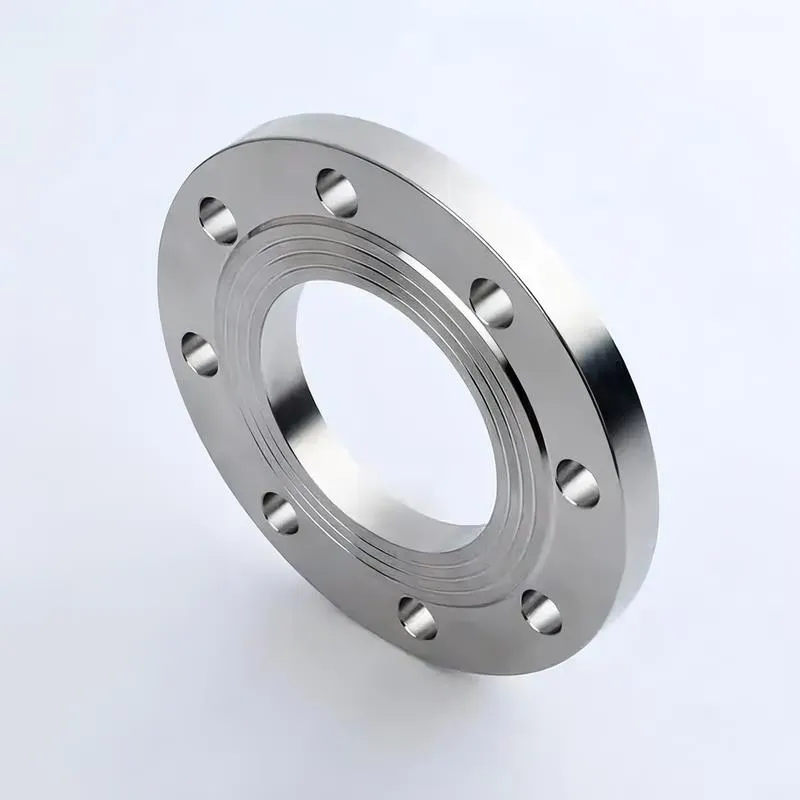
1,We Manufacturing processes are primarily classified into four types:
1:Forging,
2:Casting,
3:Cutting,
4:Rolling.
2,We can manufacture in accordance with these standards.
Standards:
GB Series (Chinese Standards), JB Series (Machinery Standards), HG Series (Chemical Industry Standards), ASME B16.5 (American Standards), BS4504 (British Standards), DIN (German Standards), and JIS (Japanese Standards).
Internationally, there are two primary systems of pipe flange standards: the European system, represented by the German DIN standards (including those of the former Soviet Union), and the American system, represented by the US ANSI pipe flange standards. Other common standards include: the Chinese Ministry of Machinery Industry standards (JB series), the Ministry of Chemical Industry standards (HG series), the Chinese National Standard *GB/T 9112–9124-2010 Steel Pipe Flanges*, as well as US standards (ASME B16.5), British standards (BS4504), German standards (DIN), Japanese standards (JIS), and marine standards (CBM), among others.
The nominal pressure ratings for the PN series are designated by "PN" and comprise the following nine levels: PN2.5, PN6, PN10, PN16, PN25, PN40, PN63, PN100, and PN160.
The nominal pressure ratings for the Class series are designated by "Class" and comprise the following six levels: Class150, Class300, Class600, Class900, Class1500, and Class2500.
Flange Classification
1. **According to Chemical Industry Standards:** Flanges are classified as follows:
Plate Flat Welding Flange (PL), Necked Flat Welding Flange (SO), Necked Butt Welding Flange (WN), Integral Flange (IF), Socket Welding Flange (SW), Threaded Flange (Th), Butt Welding Ring Loose Flange (PJ/SE), Blind Flange (BL), Flat Welding Ring Loose Flange (PJ/PJ), and Lined Blind Flange (BL(s)).
2. **According to Petrochemical (SH) Industry Standards:** Flanges are classified as follows:
Threaded Flange (PL), Butt Welding Flange (WN), Flat Welding Flange (SO), Socket Welding Flange (SW), Loose Flange (LJ), and Blind Flange (no specific designation).
3. **According to Machinery (JB) Industry Standards:** Flanges are classified as follows:
Integral Flange, Butt Welding Flange, Plate Flat Welding Flange, Butt Welding Ring Plate Loose Flange, Flat Welding Ring Plate Loose Flange, Lap Joint Ring Plate Loose Flange, and Blind Flange.
4. **According to Connection Method/Type:** Flanges are classified as follows:
Plate Flat Welding Flange, Necked Flat Welding Flange, Necked Butt Welding Flange, Socket Welding Flange, Threaded Flange, Blind Flange, Necked Butt Welding Ring Loose Flange, Flat Welding Ring Loose Flange, Ring-Type Joint (RTJ) Flange and Blind Flange, Large-Diameter Plate Flange, Large-Diameter High-Neck Flange, Figure-8 Blind Plate, Butt Welding Ring Loose Flange, etc.
5. **According to the Component Being Connected:** Flanges can be classified into Vessel Flanges and Pipe Flanges.
6. **According to Structural Type:** Flanges include Integral Flanges, Threaded Flanges, Flat Welding Flanges, Butt Welding Flanges, Lap Joint (Loose/Swivel) Flanges, and Blind Flanges.
A flange—also referred to as a flange plate or rim—is a component used to connect shafts to one another, or, more commonly, to join the ends of pipes. Flanges are also utilized at the inlet and outlet ports of equipment to facilitate connections between two devices—for instance, the flange on a speed reducer. A "flange connection" or "flanged joint" refers to a detachable joint assembly comprising three interconnected elements—a flange, a gasket, and bolts—that together form a sealed structural unit. In the context of piping systems, a "pipe flange" specifically denotes a flange used for plumbing within the installation; when applied to equipment, it refers to the inlet or outlet flange of that specific device. Flanges feature a series of holes through which bolts are inserted to securely fasten the two flanges together, while a gasket placed between the flanges ensures a leak-proof seal. Flanges are broadly categorized into three types: threaded (screw-in) flanges, welded flanges, and clamp-type flanges. Flanges are invariably used in pairs; threaded flanges are suitable for low-pressure piping applications, whereas welded flanges are required for systems operating at pressures exceeding 4 kilograms per square centimeter. A sealing gasket is inserted between the two flange plates, which are then firmly secured using bolts. The thickness of a flange—as well as the specifications of the bolts used to fasten it—vary depending on the specific pressure rating required for the application. When connecting equipment such as water pumps or valves to piping systems, the corresponding connection points on these devices are often manufactured in the shape of a matching flange; this method of attachment is also referred to as a "flange connection." Generally, any connecting component that utilizes bolts to join and seal the perimeters of two flat surfaces—such as the joints in ventilation ducts—is termed a "flange"; such components may collectively be classified as "flange-type parts." However, since such a connection often constitutes merely a *portion* of a larger device—for instance, the interface between a flange and a water pump—it would be inappropriate to classify the entire water pump itself as a "flange-type part." Conversely, smaller components—such as valves—that feature such flanged interfaces may indeed be appropriately categorized as "flange-type parts."
-:-
For detailed product information, please contact sales.
-:
AISI 9260H Steel Flange Product Information
-:-
For detailed product information, please contact sales.
-:
AISI 9260H Steel Flange Synonyms
-:-
For detailed product information, please contact sales.
-:
AISI 9260H Steel Product Information
-:-
For detailed product information, please contact sales.
-:
### **Product Datasheet: AISI 9260H Hardenability-Controlled Alloy Steel**
---
#### **1. Material Overview**
**AISI 9260H** is a **hardenability-controlled, high-silicon, high-carbon alloy steel** belonging to the **"92xx" series**. The **"H" suffix** indicates it is produced to meet specific end-quench hardenability band requirements per SAE J1268. This grade retains the defining characteristics of standard 9260—**very high silicon (~2.00%) and medium-high carbon (~0.60%)**—while adding the critical assurance of **predictable and consistent through-hardening**. This makes it the premium choice for manufacturing **high-performance springs and resilient components** where uniform mechanical properties, especially a high and consistent elastic limit, are essential for reliability and performance repeatability.
#### **2. Key Material Concept: The "H" Guarantee for Spring Performance**
The primary value of the "H" designation for 9260 lies in **controlling the most critical spring property: the elastic limit**.
- **Base Composition:** The high silicon content is the key alloying element, dramatically increasing the elastic limit and hardenability.
- **"H" Band Assurance:** The guaranteed hardenability band ensures that:
1. **Uniform Microstructure:** The transformation from austenite to the desired hardened microstructure (martensite or lower bainite) occurs consistently to a known depth, eliminating soft spots that would lower the elastic limit and cause premature set or fatigue failure.
2. **Predictable Property Gradient:** In spring coils or leaf springs of substantial cross-section, the hardness and strength drop from surface to core is predictable and contained within a narrow band, ensuring consistent load-deflection characteristics.
3. **Elimination of Batch Variability:** Different production lots will respond identically to the same quenching process, enabling "set-and-forget" heat treatment in high-volume spring manufacturing.
#### **3. International Standard & Cross-References**
- **Governing Standard:** **ASTM A304** - Standard Specification for Carbon and Alloy Steel Bars Subject to End-Quench Hardenability Requirements.
- **Material Reference:** **SAE J404** (Chemical Compositions) & **SAE J1268** (Hardenability Bands for 9260H).
- **UNS Designation:** **H92600**
- **Common Procurement Specification:** **ASTM A304, Grade 9260H**.
- **European Equivalent Concept:** Similar to specifying **1.0904 (60SiCr7)** with supplementary hardenability requirements, though no direct "H"-system equivalent exists.
- **Japanese Equivalent:** No direct JIS "H"-band equivalent.
#### **4. Chemical Composition (% by Weight, per SAE J1268 for H-Steels)**
*Chemical ranges are wider than standard 9260 to allow the steelmaker to "tune" the composition to hit the hardenability band.*
| Element | Content Range (%) | Key Role in this "H" Grade |
| :--- | :--- | :--- |
| **Carbon (C)** | **0.55 – 0.65** | Primary hardening element. Range is adjusted to position the hardenability curve within the band. |
| **Manganese (Mn)** | **0.70 – 1.05** | Major hardenability enhancer; its wider range is a primary control variable for the "H" band. |
| **Phosphorus (P)** | **≤ 0.035** | Impurity; kept very low. |
| **Sulfur (S)** | **≤ 0.040** | Impurity; kept very low. |
| **Silicon (Si)** | **1.75 – 2.25** | **The Defining Alloy.** Drives the high elastic limit and hardenability; its high, controlled level is essential for performance. |
| **Chromium (Cr)** | **Not specified** (typically ≤0.35 residual) | Residual element. |
| **Iron (Fe)** | **Balance** | Base metal. |
#### **5. Typical Physical & Mechanical Properties**
*Properties are for material in the heat-treated spring condition (quenched & tempered).*
**A. Physical Properties:**
- **Density:** 7.85 g/cm³
- **Modulus of Elasticity:** 205 GPa (29.7 x 10⁶ psi) – *The high Si content does not significantly alter E.*
- **Decarburization Sensitivity:** **Extremely High.** A critical processing concern for "H" grades as well; surface integrity must be preserved.
**B. Mechanical Properties (After Q&T to Spring Hardness):**
- **Hardness:** **44 – 50 HRC** (Typical spring operating range)
- **Tensile Strength:** **1350 – 1650 MPa** (196 – 239 ksi)
- **Yield Strength (0.2% Offset):** **1200 – 1500 MPa** (174 – 218 ksi)
- **Elastic Limit/Ratio:** **Very High, typically >90% of UTS**, and **more consistent** due to "H" band control.
- **Fatigue Endurance Limit:** **Exceptionally High.** The consistent microstructure minimizes internal stress concentrators.
- **Impact Toughness:** Moderate, but sufficient for spring applications.
**C. The Guaranteed Hardenability (The Core Value):**
*The material certification includes actual Jominy test results proving compliance with the SAE J1268 band for 9260H. This data allows spring designers to confidently predict the as-quenched hardness at the center of a given wire diameter or bar thickness after their specific quenching process, ensuring the core achieves the required transformation for optimal properties.*
#### **6. Processing & Fabrication Characteristics**
- **Hardenability Performance:** **Guaranteed Good to Very Good.** Provides reliable through-hardening for spring wire diameters and bar thicknesses common in heavy-duty applications.
- **Machinability (Annealed):** **Poor.** The high silicon content makes it abrasive and tough to machine.
- **Formability (Annealed):** **Fair.** Cold coiling is possible but requires higher forces.
- **Weldability:** **Very Poor.** Not recommended. The high carbon equivalent makes it extremely crack-sensitive.
- **Heat Treatment Consistency:** **Superior.** The "H" band eliminates the major variable in spring heat treatment, leading to uniform hardness, reduced scrap, and consistent spring rates.
#### **7. Primary Applications**
AISI 9260H is specified for **critical, high-volume spring applications** where performance must be predictable and repeatable:
- **Automotive Suspension Springs:** **Coil springs for high-performance vehicles, heavy-duty trucks, and SUVs** where consistent ride height and handling are paramount.
- **Railway Springs:** **Critical coil and leaf springs** for locomotive and rolling stock suspension.
- **Industrial Valve Springs:** For high-RPM or high-load engines where consistent spring pressure is vital to prevent valve float.
- **Heavy-Duty Torsion Bars:** Especially for automotive and military vehicle suspension.
- **High-Stress Agricultural Springs:** For large equipment where field failure is costly.
#### **8. Available Forms & Procurement Notes**
- **Most Common:** **Hot-rolled or cold-drawn round bars, flat bars, and most importantly, spheroidize-annealed or oil-tempered wire** for spring coiling.
- **Critical Procurement Specification:** Must be ordered to **ASTM A304, Grade 9260H**.
- **Mandatory Certification:** The **Certified Material Test Report (CMTR) must include the Jominy Hardenability Test Results**.
- **Surface Quality:** For spring wire, a **decarb-free** or **controlled decarb** specification is often paired with the "H" grade requirement to ensure optimal fatigue life.
---
**Disclaimer:** The "H" designation guarantees hardenability but does not mitigate the **extremely high decarburization sensitivity** of this high-silicon steel. Proper atmosphere control during heat treatment or subsequent surface removal (grinding, shot peening) remains essential. This is a premium material for spring applications where performance consistency justifies the cost. The Jominy data should be used to validate the quenching process for the specific spring geometry.
-:-
For detailed product information, please contact sales.
-:
AISI 9260H Steel Specification
Dimensions
Size:
Diameter 20-1000 mm Length <5192 mm
Size:We can customized as required
Standard:
Per your request or drawing
We can customized as required
Properties(Theoretical)
Chemical Composition
-:-
For detailed product information, please contact sales.
-:
AISI 9260H Steel Properties
-:-
For detailed product information, please contact sales.
-:
Applications of AISI 9260H Steel Flange
-:-
For detailed product information, please contact sales.
-:
Chemical Identifiers AISI 9260H Steel Flange
-:-
For detailed product information, please contact sales.
-:
Packing of AISI 9260H Steel Flange
-:-
For detailed product information, please contact sales.
-:
Standard Packing:
-:-
For detailed product information, please contact sales.
-:
Typical bulk packaging includes palletized plastic 5 gallon/25 kg. pails, fiber and Steel Flange drums to 1 ton super sacks in full container (FCL) or truck load (T/L) quantities. Research and sample quantities and hygroscopic, oxidizing or other air sensitive materials may be packaged under argon or vacuum. Solutions are packaged in polypropylene, plastic or glass jars up to palletized 1663 gallon liquid totes Special package is available on request. E FORUs’ is carefully handled to minimize damage during storage and transportation and to preserve the quality of our products in their original condition