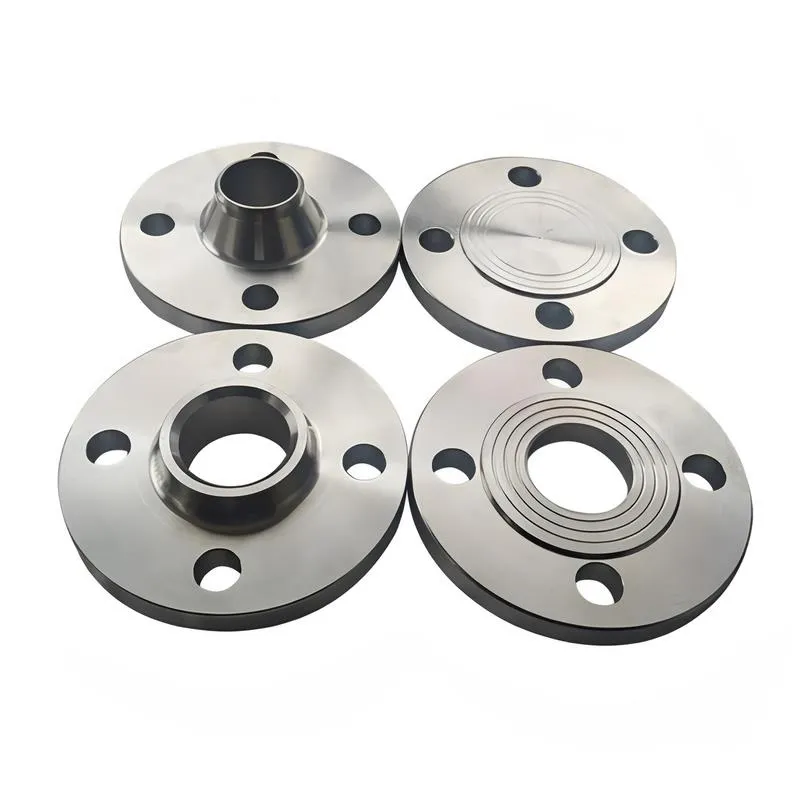
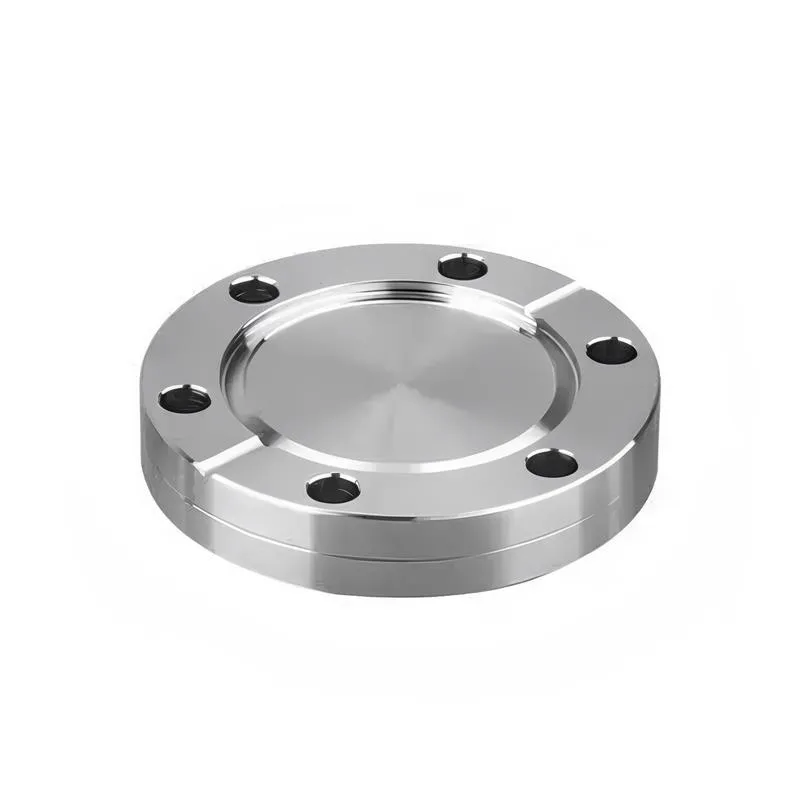
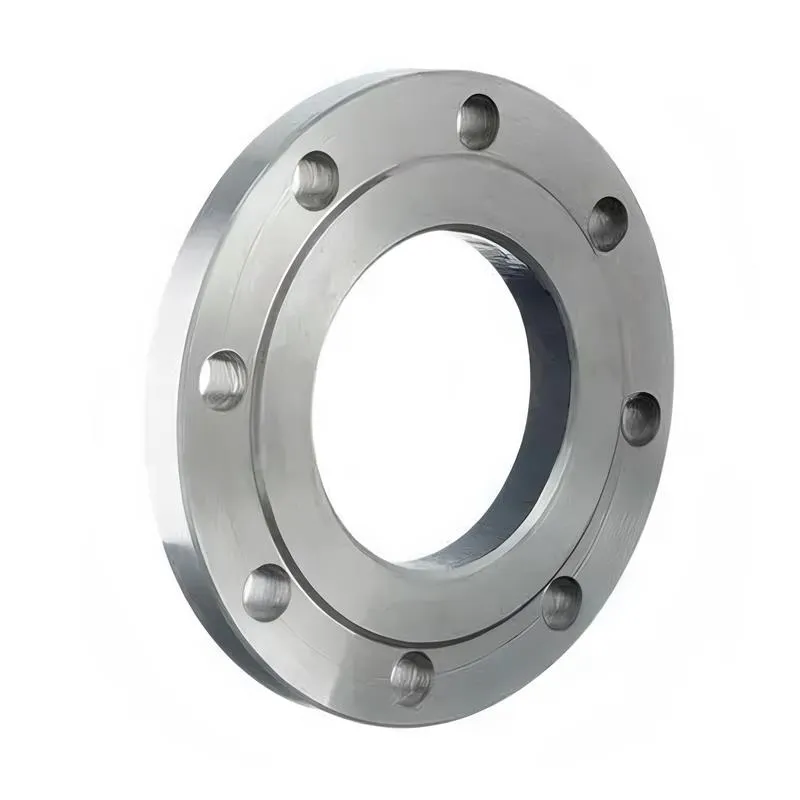
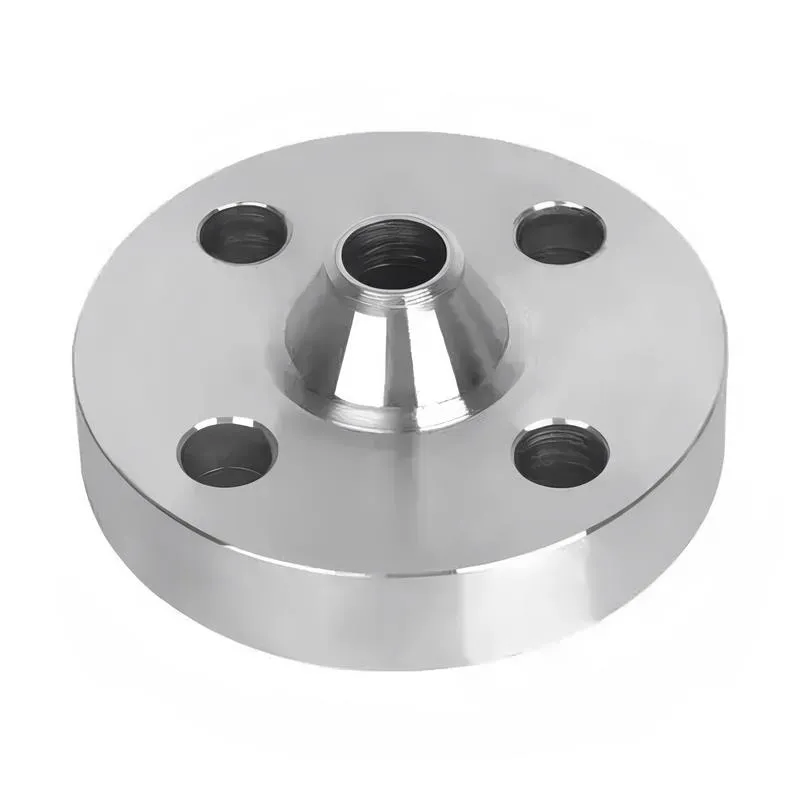
1,We Manufacturing processes are primarily classified into four types:
1:Forging,
2:Casting,
3:Cutting,
4:Rolling.
2,We can manufacture in accordance with these standards.
Standards:
GB Series (Chinese Standards), JB Series (Machinery Standards), HG Series (Chemical Industry Standards), ASME B16.5 (American Standards), BS4504 (British Standards), DIN (German Standards), and JIS (Japanese Standards).
Internationally, there are two primary systems of pipe flange standards: the European system, represented by the German DIN standards (including those of the former Soviet Union), and the American system, represented by the US ANSI pipe flange standards. Other common standards include: the Chinese Ministry of Machinery Industry standards (JB series), the Ministry of Chemical Industry standards (HG series), the Chinese National Standard *GB/T 9112–9124-2010 Steel Pipe Flanges*, as well as US standards (ASME B16.5), British standards (BS4504), German standards (DIN), Japanese standards (JIS), and marine standards (CBM), among others.
The nominal pressure ratings for the PN series are designated by "PN" and comprise the following nine levels: PN2.5, PN6, PN10, PN16, PN25, PN40, PN63, PN100, and PN160.
The nominal pressure ratings for the Class series are designated by "Class" and comprise the following six levels: Class150, Class300, Class600, Class900, Class1500, and Class2500.
Flange Classification
1. **According to Chemical Industry Standards:** Flanges are classified as follows:
Plate Flat Welding Flange (PL), Necked Flat Welding Flange (SO), Necked Butt Welding Flange (WN), Integral Flange (IF), Socket Welding Flange (SW), Threaded Flange (Th), Butt Welding Ring Loose Flange (PJ/SE), Blind Flange (BL), Flat Welding Ring Loose Flange (PJ/PJ), and Lined Blind Flange (BL(s)).
2. **According to Petrochemical (SH) Industry Standards:** Flanges are classified as follows:
Threaded Flange (PL), Butt Welding Flange (WN), Flat Welding Flange (SO), Socket Welding Flange (SW), Loose Flange (LJ), and Blind Flange (no specific designation).
3. **According to Machinery (JB) Industry Standards:** Flanges are classified as follows:
Integral Flange, Butt Welding Flange, Plate Flat Welding Flange, Butt Welding Ring Plate Loose Flange, Flat Welding Ring Plate Loose Flange, Lap Joint Ring Plate Loose Flange, and Blind Flange.
4. **According to Connection Method/Type:** Flanges are classified as follows:
Plate Flat Welding Flange, Necked Flat Welding Flange, Necked Butt Welding Flange, Socket Welding Flange, Threaded Flange, Blind Flange, Necked Butt Welding Ring Loose Flange, Flat Welding Ring Loose Flange, Ring-Type Joint (RTJ) Flange and Blind Flange, Large-Diameter Plate Flange, Large-Diameter High-Neck Flange, Figure-8 Blind Plate, Butt Welding Ring Loose Flange, etc.
5. **According to the Component Being Connected:** Flanges can be classified into Vessel Flanges and Pipe Flanges.
6. **According to Structural Type:** Flanges include Integral Flanges, Threaded Flanges, Flat Welding Flanges, Butt Welding Flanges, Lap Joint (Loose/Swivel) Flanges, and Blind Flanges.
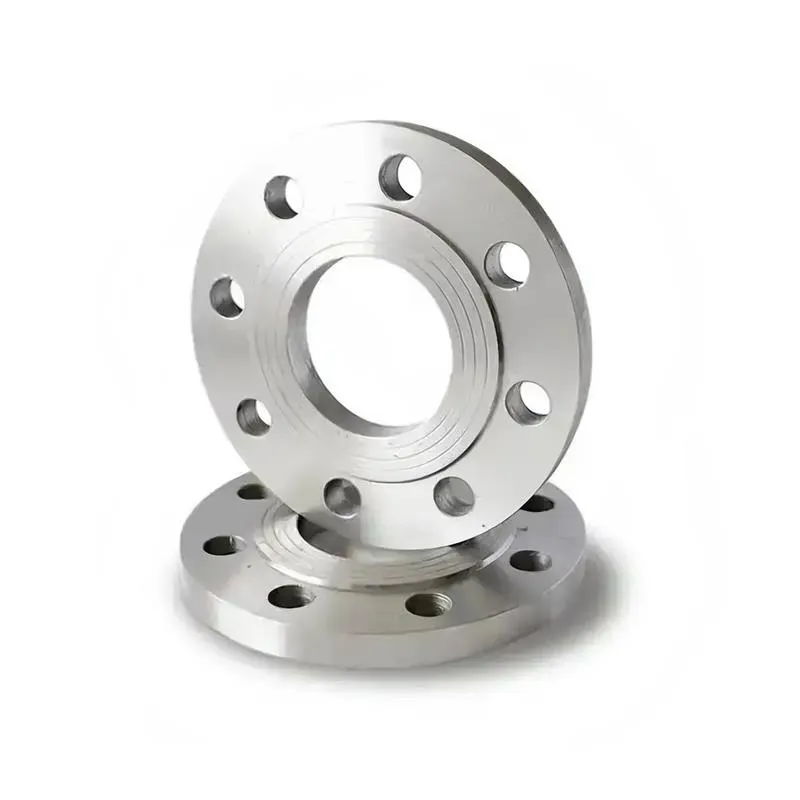
A flange—also referred to as a flange plate or rim—is a component used to connect shafts to one another, or, more commonly, to join the ends of pipes. Flanges are also utilized at the inlet and outlet ports of equipment to facilitate connections between two devices—for instance, the flange on a speed reducer. A "flange connection" or "flanged joint" refers to a detachable joint assembly comprising three interconnected elements—a flange, a gasket, and bolts—that together form a sealed structural unit. In the context of piping systems, a "pipe flange" specifically denotes a flange used for plumbing within the installation; when applied to equipment, it refers to the inlet or outlet flange of that specific device. Flanges feature a series of holes through which bolts are inserted to securely fasten the two flanges together, while a gasket placed between the flanges ensures a leak-proof seal. Flanges are broadly categorized into three types: threaded (screw-in) flanges, welded flanges, and clamp-type flanges. Flanges are invariably used in pairs; threaded flanges are suitable for low-pressure piping applications, whereas welded flanges are required for systems operating at pressures exceeding 4 kilograms per square centimeter. A sealing gasket is inserted between the two flange plates, which are then firmly secured using bolts. The thickness of a flange—as well as the specifications of the bolts used to fasten it—vary depending on the specific pressure rating required for the application. When connecting equipment such as water pumps or valves to piping systems, the corresponding connection points on these devices are often manufactured in the shape of a matching flange; this method of attachment is also referred to as a "flange connection." Generally, any connecting component that utilizes bolts to join and seal the perimeters of two flat surfaces—such as the joints in ventilation ducts—is termed a "flange"; such components may collectively be classified as "flange-type parts." However, since such a connection often constitutes merely a *portion* of a larger device—for instance, the interface between a flange and a water pump—it would be inappropriate to classify the entire water pump itself as a "flange-type part." Conversely, smaller components—such as valves—that feature such flanged interfaces may indeed be appropriately categorized as "flange-type parts."
-:-
For detailed product information, please contact sales.
-:
AISI Grade 18Ni (300) Maraging Steel Flange solution treated at 815°C (1500°F) for 15 minutes, air cooled, aged at 480°C (900°F) for 3 hours, 6.35 mm sheet Product Information
-:-
For detailed product information, please contact sales.
-:
AISI Grade 18Ni (300) Maraging Steel Flange solution treated at 815°C (1500°F) for 15 minutes, air cooled, aged at 480°C (900°F) for 3 hours, 6.35 mm sheet Synonyms
-:-
For detailed product information, please contact sales.
-:
AISI Grade 18Ni (300) Maraging Steel solution treated at 815°C (1500°F) for 15 minutes, air cooled, aged at 480°C (900°F) for 3 hours, 6.35 mm sheet Product Information
-:-
For detailed product information, please contact sales.
-:
# AISI Grade 18Ni (300) Maraging Steel
## Solution Treated & Aged 6.35 mm Sheet Product
---
### **Product Overview**
This specification covers **AISI Grade 18Ni (300) Maraging Steel** supplied as **6.35 mm (0.250 inch) thick sheet/plate** in the **final precipitation-hardened (aged) condition**. The material has undergone the specific two-step heat treatment cycle of **solution treatment at 815°C (1500°F) for 15 minutes, air cooling, followed by aging at 480°C (900°F) for 3 hours**. This optimized cycle for thin sheet product ensures complete transformation and peak aging while minimizing grain growth and surface oxidation.
---
### **Chemical Composition (Weight %) - Standard Grade 300**
| Element | Specification Range (AMS 6520) | Typical Analysis | Primary Function |
| :--- | :--- | :--- | :--- |
| **Nickel (Ni)** | 18.00 – 19.00 | 18.5 | Forms tough, low-carbon martensitic matrix upon air cooling. |
| **Cobalt (Co)** | 8.50 – 9.50 | 9.0 | Drives Mo into solution to enhance precipitation hardening response. |
| **Molybdenum (Mo)** | 4.60 – 5.20 | 4.9 | Principal precipitation hardener; forms Ni₃Mo intermetallics. |
| **Titanium (Ti)** | 0.55 – 0.80 | 0.65 | Secondary precipitation hardener; forms Ni₃Ti intermetallics. |
| **Aluminum (Al)** | 0.05 – 0.15 | 0.08 | Deoxidizer; aids in grain refinement. |
| **Carbon (C)** | ≤ 0.030 | 0.006 | Kept minimal for maximum toughness and weldability. |
| **Manganese (Mn)** | ≤ 0.10 | 0.05 | Residual. |
| **Silicon (Si)** | ≤ 0.10 | 0.05 | Residual. |
| **Boron (B)** | 0.003 – 0.005 | 0.004 | Enhances hardenability and grain boundary strength. |
| **Zirconium (Zr)** | 0.01 – 0.02 | 0.015 | Grain refiner; improves notch toughness. |
| **Sulfur (S)** | ≤ 0.010 | 0.003 | Impurity, tightly controlled. |
| **Phosphorus (P)** | ≤ 0.010 | 0.005 | Impurity, tightly controlled. |
| **Iron (Fe)** | Balance | Balance | Base. |
---
### **Specified Heat Treatment Cycle & Metallurgical Rationale**
This product is supplied in the final, ready-to-use aged condition per the following precise cycle:
1. **Solution Treatment:**
* **Temperature:** 815°C ± 10°C (1500°F)
* **Time at Temperature:** 15 minutes
* **Cooling:** Air Cool (or forced air)
* ***Rationale for Short Soak:*** At 6.35 mm thickness, thermal equilibrium is reached rapidly. A 15-minute soak is sufficient to fully austenitize the sheet, dissolve alloying elements into solid solution, and achieve a uniform, fine-grained structure without excessive grain growth. This yields a soft, uniform martensite (~30 HRC) ideal for any required final forming or machining.
2. **Aging (Precipitation Hardening):**
* **Temperature:** 480°C ± 5°C (900°F)
* **Time at Temperature:** 3 hours
* **Cooling:** Air Cool
* ***Rationale:*** This is the standard peak-aging treatment. It precipitates a fine, uniform dispersion of intermetallic compounds (Ni₃Mo, Ni₃Ti, Fe₂Mo) within the martensitic matrix, transforming the soft martensite to its ultimate strength and hardness with minimal dimensional change.
---
### **Mechanical Properties (Typical & Minimum - Longitudinal Direction)**
*Properties are generally isotropic in thin sheet, but longitudinal values are typically reported.*
| Property | Minimum Guaranteed Value | Typical Achieved Value (6.35 mm Sheet) | Test Standard |
| :--- | :--- | :--- | :--- |
| **Ultimate Tensile Strength (UTS)** | 2000 MPa (290 ksi) | 2030 - 2070 MPa (294 - 300 ksi) | ASTM E8 |
| **0.2% Yield Strength (YS)** | 1900 MPa (276 ksi) | 1930 - 1980 MPa (280 - 287 ksi) | ASTM E8 |
| **Elongation in 2 inches (50 mm)** | 8% | 10 - 12% | ASTM E8 |
| **Reduction of Area** | 45% | 50 - 60% | ASTM E8 |
| **Hardness** | 50 HRC | 51 - 53 HRC | ASTM E18 |
| **Modulus of Elasticity** | 180 GPa (26 x 10⁶ psi) | 185 GPa (26.8 x 10⁶ psi) | ASTM E111 |
| **Fracture Toughness (KIC)** | Report | 75 - 90 MPa√m | ASTM E399 |
**Note on Formability in Aged Condition:** The material has **very limited ductility** in this final state. Bending or forming should be avoided. Any shaping must be performed in the **solution-treated condition** prior to the final aging step.
---
### **Physical Properties (Aged Condition, 20°C)**
| Property | Value |
| :--- | :--- |
| **Density** | 8.01 g/cm³ (0.289 lb/in³) |
| **Melting Range** | 1410 - 1440°C (2570 - 2625°F) |
| **Thermal Conductivity** | 19.5 W/(m·K) |
| **Specific Heat Capacity** | 460 J/(kg·K) |
| **Coefficient of Thermal Expansion** | 10.5 x 10⁻⁶ /°C (20-100°C) |
| **Electrical Resistivity** | 0.60 μΩ·m |
| **Magnetic Permeability** | Ferromagnetic |
---
### **Dimensional & Quality Specifications (6.35 mm Sheet)**
* **Standard Thickness:** 6.35 mm (0.250 in)
* **Thickness Tolerance:** ±0.10 mm (±0.004 in) per ASTM A693
* **Width & Length:** Available in standard mill sizes or custom sheared/plate dimensions.
* **Flatness:** Commercial or Structural flatness per ASTM A568.
* **Surface Condition:** Generally supplied with a descaled, pickled, or cold-rolled finish. A smooth surface is critical for many aerospace applications.
* **Edge Condition:** Sheared, machined, or abrasive waterjet cut as specified.
---
### **International Standards Compliance**
This product conforms to the requirements of the following standards for aged maraging steel sheet/plate:
| Standard Body | Standard Number | Title / Description |
| :--- | :--- | :--- |
| **ASTM International** | ASTM A693-16 | Specification for Precipitation-Hardening Stainless and Maraging Steel Plate, Sheet, and Strip |
| **SAE Aerospace (AMS)** | AMS 6520E | Sheet, Strip, and Plate 18.5Ni-9.0Co-4.9Mo-0.65Ti (0.020C max) Maraging Steel, Solution Heat Treated and Cold Rolled (or hot rolled) and Aged |
| **SAE Aerospace (AMS)** | AMS 6521G | Steel Bars, Forgings, and Tubing 18.5Ni-9.0Co-4.9Mo-0.65Ti (Maraging 300) |
| **Unified Numbering System** | UNS K92890 | |
| **Military Standard** | MIL-S-46850D | Steel, Maraging 18Ni-9Co-5Mo-0.65Ti, High Yield Strength |
---
### **Typical Applications**
The 6.35 mm aged sheet is ideal for **high-strength, thin-gauge structural components** where weight savings are critical and the material can be used in its flat or simply bent form, or where it will be machined.
* **Aerospace & Defense:**
* **Missile and Rocket Motor Casings/Skin:** Used in rolled and welded cylindrical sections.
* **Aircraft Armor Plating** for critical areas on military helicopters and aircraft.
* **Wing Skin Doublers and Reinforcements** in high-stress areas.
* **Lightweight Bulkheads and Frames.**
* **Deployable Space Structure Components.**
* **High-Performance Tooling:**
* **Blades for Rotary Cutters** and high-wear liners.
* **Fixtures and Bases** for precision measurement equipment requiring dimensional stability.
* **Liners for High-Pressure Vessels.**
* **Industrial & Racing:**
* **High-Strength Shims and Spacers.**
* **Safety Cell Reinforcement Plates** in motorsport.
* **Components for High-Speed Machinery** requiring high stiffness and fatigue resistance.
---
### **Fabrication & Handling Notes**
**Cutting:**
* **Abrasive Waterjet Cutting:** **Highly recommended.** Produces no heat-affected zone (HAZ) and minimal residual stress.
* **Laser/Plasma Cutting:** Acceptable but creates a HAZ that may require subsequent milling or grinding for fatigue-critical edges.
* **Shearing/Punching:** Possible but edges will be severely work-hardened and require dressing (milling, grinding).
**Machining (in Aged Condition):**
* **Challenging.** Requires rigid setups, sharp carbide tooling, and high-pressure coolant.
* **Drilling/Tapping:** Use slow speeds/feeds and high-quality drills (cobalt or carbide). Peck drilling is essential.
**Joining:**
* **Welding:** Can be welded using GTAW (TIG) with matching filler wire (e.g., ER18Ni300). **Significant loss of strength in the as-welded condition.** For optimal properties, the entire assembly must be re-solution treated and aged post-weld (often not feasible). For critical applications, design around welding or use mechanical fastening.
* **Adhesive Bonding:** An excellent option. Surface must be properly prepared (abraded and chemically cleaned).
* **Mechanical Fastening (Bolting/Riveting):** Preferred method for joining aged sheet. Ensure proper edge distances and clamp-up to prevent sheet bearing failure.
**Corrosion Protection:**
* The alloy is **not stainless** and will rust. For service in corrosive environments, protective coatings are mandatory.
* Common treatments include: **Cadmium plating** (with post-plate bake for hydrogen embrittlement relief), **electroless nickel plating**, or **paint systems** with a suitable primer.
---
### **Quality Assurance & Documentation**
* **Mill Certification:** Material Test Report conforming to EN 10204 3.1 or equivalent, listing heat chemistry and mechanical test results.
* **Heat Treatment Certification:** Documentation verifying the exact solution and aging cycle parameters (temperature, time) was followed.
* **Surface Quality Inspection:** Free from excessive scale, pits, scratches, or inclusions per the governing specification.
* **Ultrasonic Inspection:** May be specified for aerospace applications to ensure internal soundness (freedom from laminations, inclusions).
---
### **Key Advantage & Design Consideration**
* **Primary Advantage:** This product provides **ready-to-use, ultra-high strength** in a convenient sheet form, eliminating the need for the end-user to perform complex and critical heat treatments.
* **Critical Design Limitation:** The material has **near-zero useful ductility** in this aged state. Components must be designed to be **fabricated flat** or with very simple bends (using large radii), or they must be **machined from the solid sheet**. Complex forming operations must be completed in the solution-treated condition **before** the final aging treatment is performed by the supplier or a qualified heat treater.
-:-
For detailed product information, please contact sales.
-:
AISI Grade 18Ni (300) Maraging Steel solution treated at 815°C (1500°F) for 15 minutes, air cooled, aged at 480°C (900°F) for 3 hours, 6.35 mm sheet Specification
Dimensions
Size:
Diameter 20-1000 mm Length <7340 mm
Size:We can customized as required
Standard:
Per your request or drawing
We can customized as required
Properties(Theoretical)
Chemical Composition
-:-
For detailed product information, please contact sales.
-:
AISI Grade 18Ni (300) Maraging Steel solution treated at 815°C (1500°F) for 15 minutes, air cooled, aged at 480°C (900°F) for 3 hours, 6.35 mm sheet Properties
-:-
For detailed product information, please contact sales.
-:
Applications of AISI Grade 18Ni (300) Maraging Steel Flange solution treated at 815°C (1500°F) for 15 minutes, air cooled, aged at 480°C (900°F) for 3 hours, 6.35 mm sheet
-:-
For detailed product information, please contact sales.
-:
Chemical Identifiers AISI Grade 18Ni (300) Maraging Steel Flange solution treated at 815°C (1500°F) for 15 minutes, air cooled, aged at 480°C (900°F) for 3 hours, 6.35 mm sheet
-:-
For detailed product information, please contact sales.
-:
Packing of AISI Grade 18Ni (300) Maraging Steel Flange solution treated at 815°C (1500°F) for 15 minutes, air cooled, aged at 480°C (900°F) for 3 hours, 6.35 mm sheet
-:-
For detailed product information, please contact sales.
-:
Standard Packing:
-:-
For detailed product information, please contact sales.
-:
Typical bulk packaging includes palletized plastic 5 gallon/25 kg. pails, fiber and Steel Flange drums to 1 ton super sacks in full container (FCL) or truck load (T/L) quantities. Research and sample quantities and hygroscopic, oxidizing or other air sensitive materials may be packaged under argon or vacuum. Solutions are packaged in polypropylene, plastic or glass jars up to palletized 3811 gallon liquid totes Special package is available on request. E FORUs’ is carefully handled to minimize damage during storage and transportation and to preserve the quality of our products in their original condition