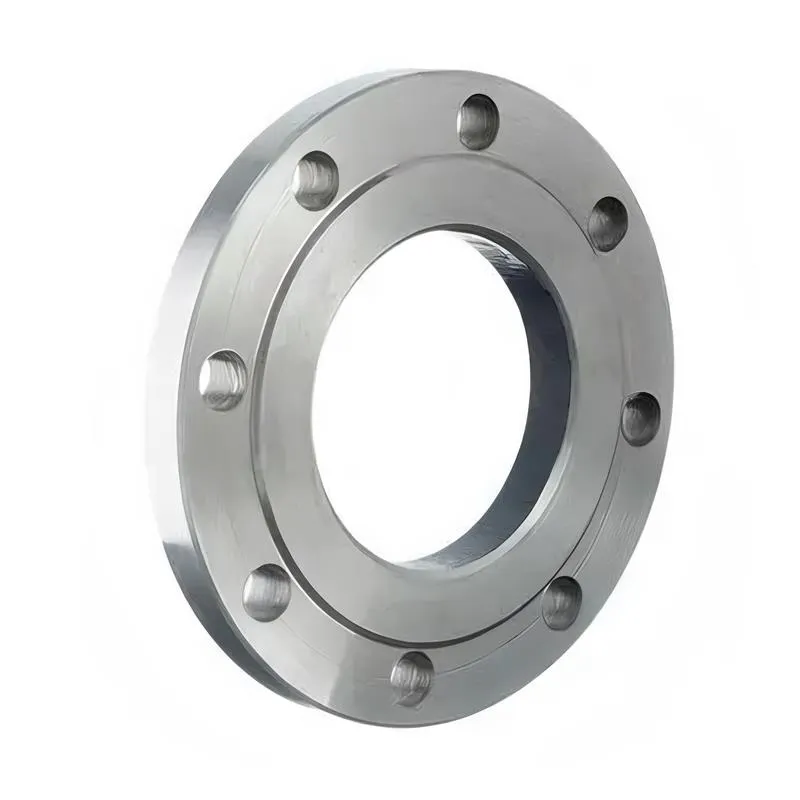
AISI M1031 Merchant Quality Carbon Steel Flange
Product Code : FL-Steel-1180-CU
We provide AISI M1031 Merchant Quality Carbon Steel Flange Manufacturing types: Forging, Casting, Cutting, Rolling.We can manufacture in accordance with these standards.GB/T 9112–9124-2010 Steel Pipe Flanges , JB Series , HG Series, ASME B16.5, BS4504, DIN , JIS,CBM,etc
1,We Manufacturing processes are primarily classified into four types:
1:Forging,
2:Casting,
3:Cutting,
4:Rolling.
2,We can manufacture in accordance with these standards.
Standards:
GB Series (Chinese Standards), JB Series (Machinery Standards), HG Series (Chemical Industry Standards), ASME B16.5 (American Standards), BS4504 (British Standards), DIN (German Standards), and JIS (Japanese Standards).
Internationally, there are two primary systems of pipe flange standards: the European system, represented by the German DIN standards (including those of the former Soviet Union), and the American system, represented by the US ANSI pipe flange standards. Other common standards include: the Chinese Ministry of Machinery Industry standards (JB series), the Ministry of Chemical Industry standards (HG series), the Chinese National Standard *GB/T 9112–9124-2010 Steel Pipe Flanges*, as well as US standards (ASME B16.5), British standards (BS4504), German standards (DIN), Japanese standards (JIS), and marine standards (CBM), among others.
The nominal pressure ratings for the PN series are designated by "PN" and comprise the following nine levels: PN2.5, PN6, PN10, PN16, PN25, PN40, PN63, PN100, and PN160.
The nominal pressure ratings for the Class series are designated by "Class" and comprise the following six levels: Class150, Class300, Class600, Class900, Class1500, and Class2500.
Flange Classification
1. **According to Chemical Industry Standards:** Flanges are classified as follows:
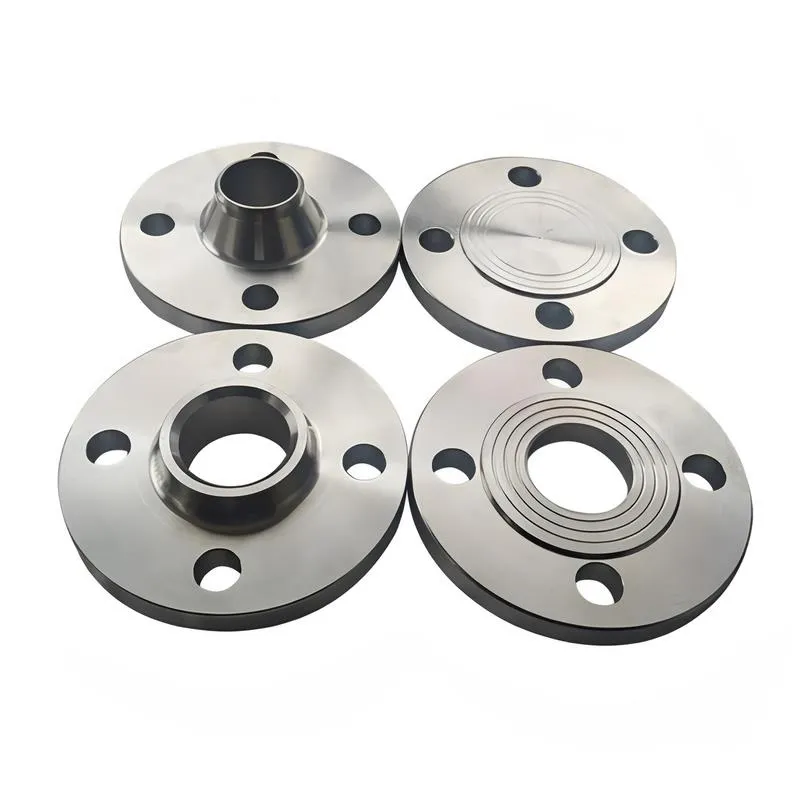
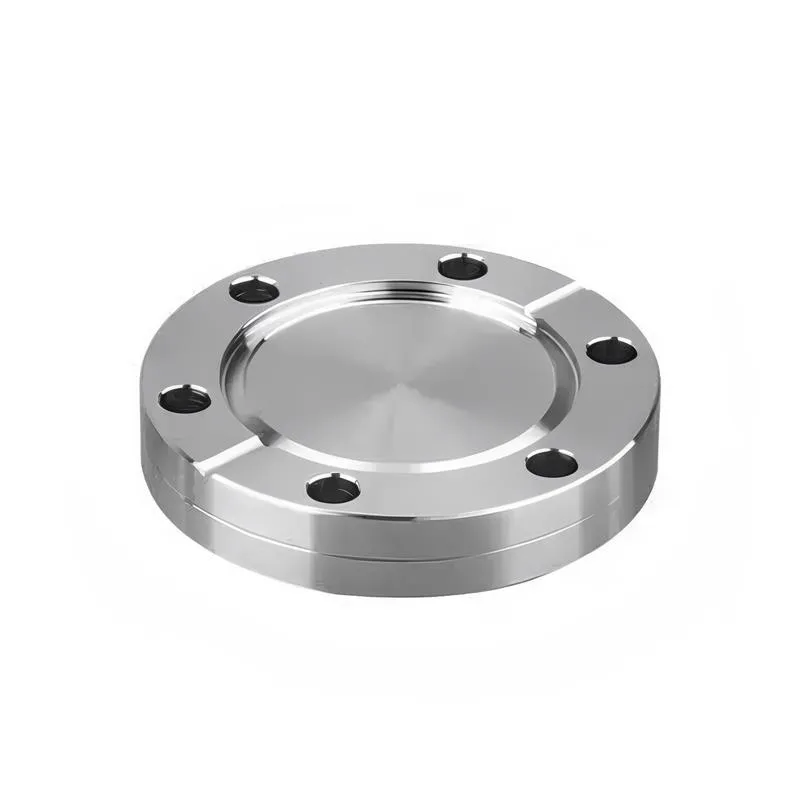
Plate Flat Welding Flange (PL), Necked Flat Welding Flange (SO), Necked Butt Welding Flange (WN), Integral Flange (IF), Socket Welding Flange (SW), Threaded Flange (Th), Butt Welding Ring Loose Flange (PJ/SE), Blind Flange (BL), Flat Welding Ring Loose Flange (PJ/PJ), and Lined Blind Flange (BL(s)).
2. **According to Petrochemical (SH) Industry Standards:** Flanges are classified as follows:
Threaded Flange (PL), Butt Welding Flange (WN), Flat Welding Flange (SO), Socket Welding Flange (SW), Loose Flange (LJ), and Blind Flange (no specific designation).
3. **According to Machinery (JB) Industry Standards:** Flanges are classified as follows:
Integral Flange, Butt Welding Flange, Plate Flat Welding Flange, Butt Welding Ring Plate Loose Flange, Flat Welding Ring Plate Loose Flange, Lap Joint Ring Plate Loose Flange, and Blind Flange.
4. **According to Connection Method/Type:** Flanges are classified as follows:
Plate Flat Welding Flange, Necked Flat Welding Flange, Necked Butt Welding Flange, Socket Welding Flange, Threaded Flange, Blind Flange, Necked Butt Welding Ring Loose Flange, Flat Welding Ring Loose Flange, Ring-Type Joint (RTJ) Flange and Blind Flange, Large-Diameter Plate Flange, Large-Diameter High-Neck Flange, Figure-8 Blind Plate, Butt Welding Ring Loose Flange, etc.
5. **According to the Component Being Connected:** Flanges can be classified into Vessel Flanges and Pipe Flanges.
6. **According to Structural Type:** Flanges include Integral Flanges, Threaded Flanges, Flat Welding Flanges, Butt Welding Flanges, Lap Joint (Loose/Swivel) Flanges, and Blind Flanges.
A flange—also referred to as a flange plate or rim—is a component used to connect shafts to one another, or, more commonly, to join the ends of pipes. Flanges are also utilized at the inlet and outlet ports of equipment to facilitate connections between two devices—for instance, the flange on a speed reducer. A "flange connection" or "flanged joint" refers to a detachable joint assembly comprising three interconnected elements—a flange, a gasket, and bolts—that together form a sealed structural unit. In the context of piping systems, a "pipe flange" specifically denotes a flange used for plumbing within the installation; when applied to equipment, it refers to the inlet or outlet flange of that specific device. Flanges feature a series of holes through which bolts are inserted to securely fasten the two flanges together, while a gasket placed between the flanges ensures a leak-proof seal. Flanges are broadly categorized into three types: threaded (screw-in) flanges, welded flanges, and clamp-type flanges. Flanges are invariably used in pairs; threaded flanges are suitable for low-pressure piping applications, whereas welded flanges are required for systems operating at pressures exceeding 4 kilograms per square centimeter. A sealing gasket is inserted between the two flange plates, which are then firmly secured using bolts. The thickness of a flange—as well as the specifications of the bolts used to fasten it—vary depending on the specific pressure rating required for the application. When connecting equipment such as water pumps or valves to piping systems, the corresponding connection points on these devices are often manufactured in the shape of a matching flange; this method of attachment is also referred to as a "flange connection." Generally, any connecting component that utilizes bolts to join and seal the perimeters of two flat surfaces—such as the joints in ventilation ducts—is termed a "flange"; such components may collectively be classified as "flange-type parts." However, since such a connection often constitutes merely a *portion* of a larger device—for instance, the interface between a flange and a water pump—it would be inappropriate to classify the entire water pump itself as a "flange-type part." Conversely, smaller components—such as valves—that feature such flanged interfaces may indeed be appropriately categorized as "flange-type parts."
-:-
For detailed product information, please contact sales.
-:
AISI M1031 Merchant Quality Carbon Steel Flange, Composition Spec Product Information
-:-
For detailed product information, please contact sales.
-:
AISI M1031 Merchant Quality Carbon Steel Flange, Composition Spec Synonyms
-:-
For detailed product information, please contact sales.
-:
AISI M1031 Merchant Quality Carbon Steel, Composition Spec Product Information
-:-
For detailed product information, please contact sales.
-:
# **Product Technical Specification: AISI M1031 Merchant Quality Carbon Steel**
## **1. Product Overview**
**AISI M1031** represents a **Merchant Quality** specification for a medium-carbon steel intended primarily for commercial and industrial applications where precise heat treatment control is not critical. Unlike standard AISI 1030, the "M" prefix and "Merchant Quality" designation indicate that this material is produced to **less stringent chemical composition ranges** and with **reduced testing requirements**, making it a more economical option for general-purpose components. The "Composition Spec" designation means the material is supplied with guaranteed chemical analysis but may have more relaxed mechanical property requirements. This grade is typically supplied in the as-rolled or normalized condition and is well-suited for applications where moderate strength, good machinability, and cost-effectiveness are prioritized over exacting mechanical specifications.
---
## **2. Chemical Composition (% by Weight)**
### **Standard Specification Ranges (Typical)**
| Element | Minimum | Maximum | Typical Range | Notes |
|---------|---------|---------|---------------|-------|
| **Carbon (C)** | 0.26 | 0.35 | 0.28 - 0.33 | Primary strength element |
| **Manganese (Mn)** | 0.50 | 1.00 | 0.60 - 0.85 | Standard deoxidizer |
| **Phosphorus (P)** | - | 0.050 | 0.010 - 0.030 | Residual (impurity) |
| **Sulfur (S)** | - | 0.060 | 0.020 - 0.040 | Residual (impurity) |
| **Silicon (Si)** | 0.10 | 0.35 | 0.15 - 0.25 | Deoxidizer |
| **Copper (Cu)** | - | 0.20 | 0.10 - 0.15 | Residual (when specified) |
| **Iron (Fe)** | Balance | Balance | Balance | Base metal |
### **Key Composition Notes:**
1. **Wider Ranges:** Compared to standard AISI 1030, M1031 typically has expanded composition limits
2. **Residual Elements:** May contain higher levels of copper, nickel, chromium (≤0.20% each unless specified)
3. **Heat-to-Heat Variation:** More significant compositional variation between production heats is acceptable
4. **Analysis Report:** Supplied with composition certificate but may not include full traceability
---
## **3. Physical Properties**
| Property | Typical Value | Units | Condition/Notes |
|----------|---------------|-------|-----------------|
| **Density** | 7.85 - 7.87 | g/cm³ | Room temperature |
| **Melting Point** | 1,420 - 1,510 | °C | Approximate range |
| **Thermal Conductivity** | 48 - 52 | W/m·K | 100°C |
| **Specific Heat Capacity** | 465 - 480 | J/kg·K | 20°C |
| **Coefficient of Thermal Expansion** | 11.5 - 12.5 | ×10⁻⁶/°C | 20-100°C |
| **Electrical Resistivity** | 0.18 - 0.21 | μΩ·m | 20°C |
| **Modulus of Elasticity** | 190 - 205 | GPa | Room temperature |
| **Poisson's Ratio** | 0.28 - 0.30 | - | Room temperature |
| **Magnetic Permeability** | High | - | Ferromagnetic |
---
## **4. Mechanical Properties**
### **A. Typical As-Rolled Condition**
*Properties vary more significantly than standard 1030 due to composition variations*
| Property | Typical Range | Units | Notes |
|----------|---------------|-------|-------|
| **Tensile Strength** | 60 - 75 | ksi (415-515 MPa) | Depends on section size |
| **Yield Strength** | 35 - 50 | ksi (240-345 MPa) | Minimum often not guaranteed |
| **Elongation (in 2")** | 20 - 30 | % | Specimen dependent |
| **Reduction of Area** | 40 - 55 | % | - |
| **Brinell Hardness** | 140 - 175 | HBW | Surface to center variation possible |
| **Charpy Impact (V-notch)** | 15 - 35 | J @ 20°C | Not typically tested |
### **B. Normalized Condition (if specified)**
- **Tensile Strength:** 65 - 80 ksi (450 - 550 MPa)
- **Yield Strength:** 40 - 55 ksi (275 - 380 MPa)
- **Elongation:** 22 - 28%
- **Hardness:** 150 - 190 HB
### **C. Key Mechanical Property Notes:**
1. **No Guaranteed Minimums:** Mechanical properties are typically "as is" without minimum guarantees
2. **Batch Variation:** Significant property variation between batches/lots is common
3. **Testing Limitations:** Often supplied without mechanical test certification
4. **Section Size Effect:** Properties vary considerably with section size
---
## **5. Processing Characteristics**
### **Machinability**
- **Rating:** 60-70% (relative to B1112 as 100%)
- **Condition:** Best in as-rolled or normalized state
- **Tool Life:** Good with proper tooling and coolant
- **Surface Finish:** Fair to good with proper parameters
- **Chip Control:** May produce stringy chips without chip breakers
### **Formability**
- **Cold Forming:** Fair - better in annealed condition
- **Bending:** Good for moderate radii (R ≥ 2t)
- **Hot Forming:** Excellent at 870-1150°C (1600-2100°F)
- **Forgability:** Good within proper temperature ranges
### **Weldability**
- **Rating:** Fair (with precautions)
- **Pre-heat:** Recommended for sections > 10 mm
- **Post-Weld:** Stress relief optional for non-critical applications
- **Filler Metals:** E7018, ER70S-6 or equivalent
- **Cracking Risk:** Moderate - requires proper procedure
### **Heat Treatment Response**
- **Hardenability:** Low to moderate - varies with actual composition
- **Quenching:** Water or oil quench possible
- **Tempering:** Standard tempering practices apply
- **Consistency:** Response may vary between heats
---
## **6. Product Applications**
### **Primary Applications:**
**General Manufacturing & Fabrication:**
- Machine frames and bases
- Brackets and supports
- Guards and covers
- Tool stands and work benches
**Commercial Construction:**
- Non-structural steel members
- Handrails and balustrades
- Stair treads and risers
- Door and window frames
**Agricultural Equipment:**
- Implement frames
- Tractor attachments
- Storage tank components
- Livestock equipment
**Material Handling:**
- Pallet rack components
- Conveyor frames
- Cart and dolly frames
- Storage system components
**Consumer Products:**
- Furniture frames
- Exercise equipment
- Outdoor structures
- General hardware
### **Application Restrictions:**
- **NOT** recommended for:
- Critical load-bearing components
- Fatigue-sensitive applications
- High-stress dynamic parts
- Pressure vessels or piping
- Automotive safety components
- Aerospace applications
---
## **7. International Standards & Equivalents**
### **Primary Specifications:**
- **AISI:** M1031 (Merchant Quality)
- **ASTM:** A283 Grade D (similar properties)
- **SAE:** J403 (chemical composition reference)
### **International Equivalents (Approximate):**
| Country/Region | Standard | Grade/Designation | Comparison Notes |
|----------------|----------|-------------------|------------------|
| **ISO** | ISO 630 | E275B | Similar strength level |
| **Europe** | EN 10025-2 | S275JR | Structural steel equivalent |
| **Germany** | DIN 17100 | St44-2 | General structural steel |
| **UK** | BS 4360 | 43A | Old structural grade |
| **Japan** | JIS G3101 | SS330/SS400 | General structural steel |
| **China** | GB/T 700 | Q275 | Carbon structural steel |
| **Canada** | CSA G40.21 | 300W | Similar but with testing |
| **Australia** | AS 3679.1 | 300 | Structural grade |
### **Quality Designation Clarification:**
- **Merchant Quality:** Commercial quality with reduced testing
- **Composition Spec:** Chemical analysis guaranteed, mechanicals typical
- **M-Prefix:** Indicates merchant quality in AISI system
---
## **8. Available Product Forms**
### **Standard Forms:**
- **Hot Rolled Bars:** Rounds, squares, flats, angles
- **Structural Shapes:** Channels, beams, tees
- **Sheets & Plates:** 1.5 mm to 50 mm thickness
- **Strip & Skelp:** For forming operations
- **Billets & Blooms:** For further processing
### **Common Sizes:**
- **Round Bars:** 10 mm to 150 mm diameter
- **Flat Bars:** 20 x 3 mm to 200 x 50 mm
- **Angles:** 25 x 25 x 3 mm to 150 x 150 x 12 mm
- **Plates:** 1200 x 2400 mm standard sheets
### **Surface Conditions:**
- Hot rolled (mill scale)
- Pickled and oiled
- Shot blasted
- Primed/painted (special order)
---
## **9. Quality Assurance & Testing**
### **Standard Testing Level:**
1. **Chemical Analysis:** Provided (ladle analysis typical)
2. **Visual Inspection:** For obvious defects
3. **Dimensional Verification:** To specified tolerances
4. **Mechanical Testing:** Usually NOT performed unless specified
### **Certification Available:**
- **Certificate of Conformity:** Stating compliance with purchase order
- **Mill Test Certificate:** Basic chemical analysis only
- **No Certification:** Often sold without documentation
### **Typical Tolerances:**
- **Dimensional:** Commercial tolerances per relevant standards
- **Straightness:** Standard mill tolerances apply
- **Surface Quality:** May have more imperfections than quality grades
### **Non-Conformance:**
- Higher acceptance of surface defects
- Greater dimensional variation allowed
- Composition may vary outside typical ranges
---
## **10. Cost & Availability Considerations**
### **Economic Advantages:**
1. **Lower Cost:** Typically 15-30% less than standard 1030
2. **Wider Availability:** Commonly stocked by metal service centers
3. **Minimum Order Quantities:** Often lower than quality grades
4. **Lead Times:** Generally shorter due to inventory stocking
### **Trade-offs:**
1. **Property Variation:** Less consistency between batches
2. **Limited Certification:** Reduced documentation available
3. **Application Restrictions:** Not suitable for critical uses
4. **Processing Challenges:** May require adjustment of parameters
---
## **11. Technical Recommendations**
### **Design Considerations:**
- Use conservative safety factors (4.0-5.0 minimum)
- Avoid stress concentrations
- Design for inspectability
- Consider corrosion protection requirements
### **Fabrication Guidelines:**
- Verify material before critical operations
- Adjust welding procedures for composition variation
- Allow for dimensional variations in fits
- Consider normalizing for critical fabrications
### **Quality Control:**
- Implement incoming material verification
- Consider batch testing for large projects
- Document material source and heat numbers
- Establish acceptance criteria for defects
---
## **12. Comparison with Standard AISI 1030**
| Parameter | AISI 1030 (Standard) | AISI M1031 (Merchant Quality) |
|-----------|----------------------|-------------------------------|
| **Composition Control** | Tight ranges | Wider ranges |
| **Mechanical Guarantees** | Minimum values specified | Typical values only |
| **Testing Requirements** | Full testing standard | Limited testing |
| **Traceability** | Full heat traceability | Limited or no traceability |
| **Cost** | Higher | Lower |
| **Application Suitability** | Critical components | Non-critical applications |
| **Consistency** | High | Variable |
| **Certification** | Full MTR available | Basic documentation |
---
## **13. Regulatory & Compliance Notes**
### **Industry Restrictions:**
- Generally not accepted in:
- ASME pressure vessel code applications
- API piping specifications
- Automotive OEM specifications
- Aerospace standards
- Nuclear applications
### **Building Codes:**
- May be acceptable for non-structural applications
- Check local building code requirements
- Engineering approval required for structural use
### **Safety Considerations:**
- Standard steel safety practices apply
- No special handling requirements
- Recyclable as ferrous scrap
---
**Disclaimer:** This material is supplied as "Merchant Quality" with inherent variability in properties and characteristics. Users assume all responsibility for determining suitability for intended applications. The manufacturer/supplier makes no warranties regarding mechanical properties, performance characteristics, or fitness for particular purposes. Professional engineering assessment is recommended for all applications.
**Document Status:** Informational Guide
**Revision:** 2.0
**Date:** November 2024
**Applicability:** Commercial reference only
-:-
For detailed product information, please contact sales.
-:
AISI M1031 Merchant Quality Carbon Steel, Composition Spec Specification
Dimensions
Size:
Diameter 20-1000 mm Length <6040 mm
Size:We can customized as required
Standard:
Per your request or drawing
We can customized as required
Properties(Theoretical)
Chemical Composition
-:-
For detailed product information, please contact sales.
-:
AISI M1031 Merchant Quality Carbon Steel, Composition Spec Properties
-:-
For detailed product information, please contact sales.
-:
Applications of AISI M1031 Merchant Quality Carbon Steel Flange, Composition Spec
-:-
For detailed product information, please contact sales.
-:
Chemical Identifiers AISI M1031 Merchant Quality Carbon Steel Flange, Composition Spec
-:-
For detailed product information, please contact sales.
-:
Packing of AISI M1031 Merchant Quality Carbon Steel Flange, Composition Spec
-:-
For detailed product information, please contact sales.
-:
Standard Packing:
-:-
For detailed product information, please contact sales.
-:
Typical bulk packaging includes palletized plastic 5 gallon/25 kg. pails, fiber and Steel Flange drums to 1 ton super sacks in full container (FCL) or truck load (T/L) quantities. Research and sample quantities and hygroscopic, oxidizing or other air sensitive materials may be packaged under argon or vacuum. Solutions are packaged in polypropylene, plastic or glass jars up to palletized 2511 gallon liquid totes Special package is available on request. E FORUs’ is carefully handled to minimize damage during storage and transportation and to preserve the quality of our products in their original condition