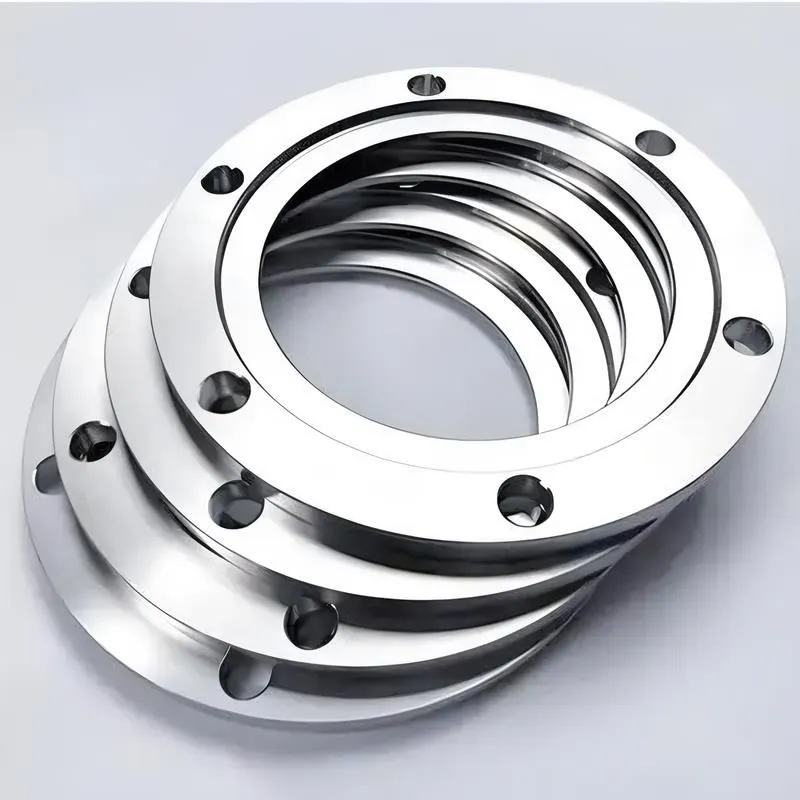
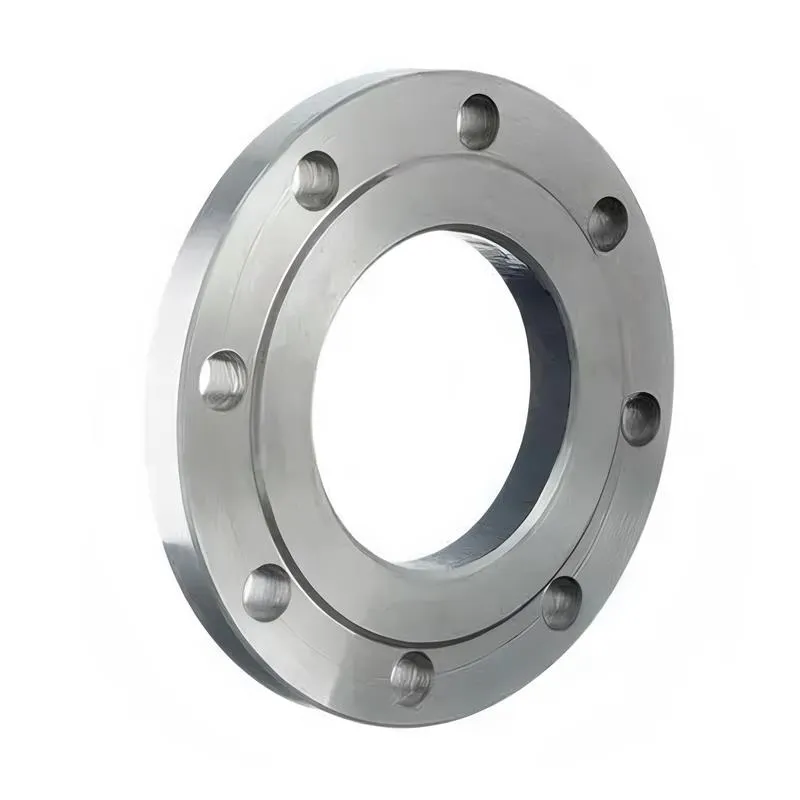
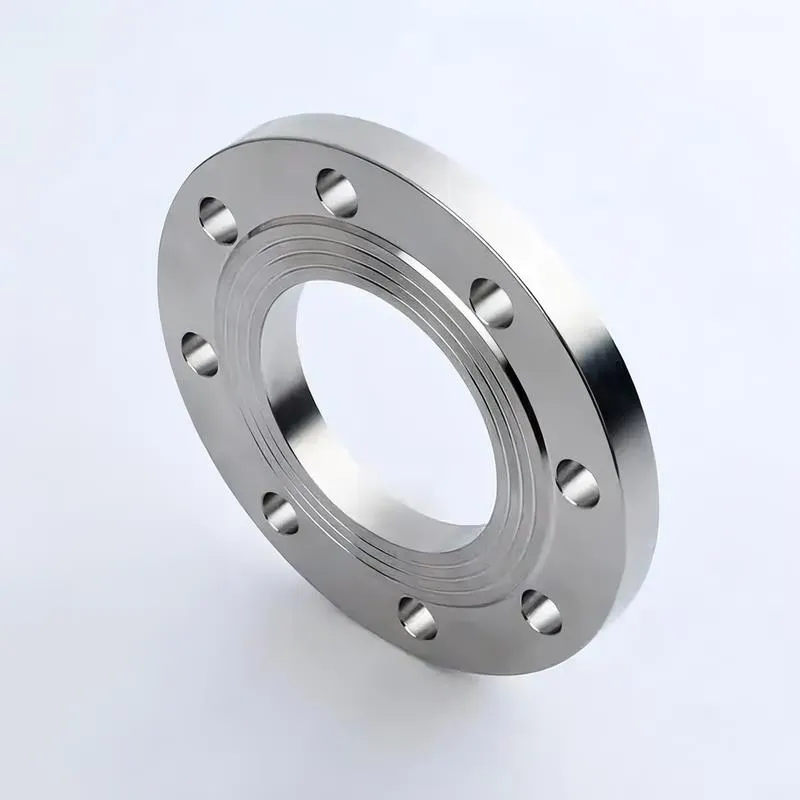
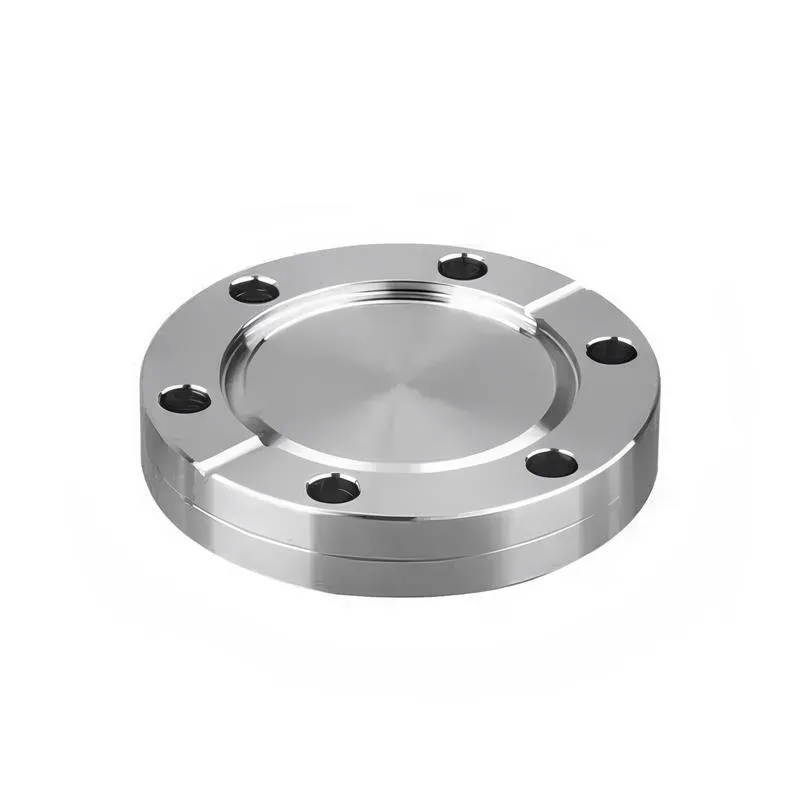
1,We Manufacturing processes are primarily classified into four types:
1:Forging,
2:Casting,
3:Cutting,
4:Rolling.
2,We can manufacture in accordance with these standards.
Standards:
GB Series (Chinese Standards), JB Series (Machinery Standards), HG Series (Chemical Industry Standards), ASME B16.5 (American Standards), BS4504 (British Standards), DIN (German Standards), and JIS (Japanese Standards).
Internationally, there are two primary systems of pipe flange standards: the European system, represented by the German DIN standards (including those of the former Soviet Union), and the American system, represented by the US ANSI pipe flange standards. Other common standards include: the Chinese Ministry of Machinery Industry standards (JB series), the Ministry of Chemical Industry standards (HG series), the Chinese National Standard *GB/T 9112–9124-2010 Steel Pipe Flanges*, as well as US standards (ASME B16.5), British standards (BS4504), German standards (DIN), Japanese standards (JIS), and marine standards (CBM), among others.
The nominal pressure ratings for the PN series are designated by "PN" and comprise the following nine levels: PN2.5, PN6, PN10, PN16, PN25, PN40, PN63, PN100, and PN160.
The nominal pressure ratings for the Class series are designated by "Class" and comprise the following six levels: Class150, Class300, Class600, Class900, Class1500, and Class2500.
Flange Classification
1. **According to Chemical Industry Standards:** Flanges are classified as follows:
Plate Flat Welding Flange (PL), Necked Flat Welding Flange (SO), Necked Butt Welding Flange (WN), Integral Flange (IF), Socket Welding Flange (SW), Threaded Flange (Th), Butt Welding Ring Loose Flange (PJ/SE), Blind Flange (BL), Flat Welding Ring Loose Flange (PJ/PJ), and Lined Blind Flange (BL(s)).
2. **According to Petrochemical (SH) Industry Standards:** Flanges are classified as follows:
Threaded Flange (PL), Butt Welding Flange (WN), Flat Welding Flange (SO), Socket Welding Flange (SW), Loose Flange (LJ), and Blind Flange (no specific designation).
3. **According to Machinery (JB) Industry Standards:** Flanges are classified as follows:
Integral Flange, Butt Welding Flange, Plate Flat Welding Flange, Butt Welding Ring Plate Loose Flange, Flat Welding Ring Plate Loose Flange, Lap Joint Ring Plate Loose Flange, and Blind Flange.
4. **According to Connection Method/Type:** Flanges are classified as follows:
Plate Flat Welding Flange, Necked Flat Welding Flange, Necked Butt Welding Flange, Socket Welding Flange, Threaded Flange, Blind Flange, Necked Butt Welding Ring Loose Flange, Flat Welding Ring Loose Flange, Ring-Type Joint (RTJ) Flange and Blind Flange, Large-Diameter Plate Flange, Large-Diameter High-Neck Flange, Figure-8 Blind Plate, Butt Welding Ring Loose Flange, etc.
5. **According to the Component Being Connected:** Flanges can be classified into Vessel Flanges and Pipe Flanges.
6. **According to Structural Type:** Flanges include Integral Flanges, Threaded Flanges, Flat Welding Flanges, Butt Welding Flanges, Lap Joint (Loose/Swivel) Flanges, and Blind Flanges.
A flange—also referred to as a flange plate or rim—is a component used to connect shafts to one another, or, more commonly, to join the ends of pipes. Flanges are also utilized at the inlet and outlet ports of equipment to facilitate connections between two devices—for instance, the flange on a speed reducer. A "flange connection" or "flanged joint" refers to a detachable joint assembly comprising three interconnected elements—a flange, a gasket, and bolts—that together form a sealed structural unit. In the context of piping systems, a "pipe flange" specifically denotes a flange used for plumbing within the installation; when applied to equipment, it refers to the inlet or outlet flange of that specific device. Flanges feature a series of holes through which bolts are inserted to securely fasten the two flanges together, while a gasket placed between the flanges ensures a leak-proof seal. Flanges are broadly categorized into three types: threaded (screw-in) flanges, welded flanges, and clamp-type flanges. Flanges are invariably used in pairs; threaded flanges are suitable for low-pressure piping applications, whereas welded flanges are required for systems operating at pressures exceeding 4 kilograms per square centimeter. A sealing gasket is inserted between the two flange plates, which are then firmly secured using bolts. The thickness of a flange—as well as the specifications of the bolts used to fasten it—vary depending on the specific pressure rating required for the application. When connecting equipment such as water pumps or valves to piping systems, the corresponding connection points on these devices are often manufactured in the shape of a matching flange; this method of attachment is also referred to as a "flange connection." Generally, any connecting component that utilizes bolts to join and seal the perimeters of two flat surfaces—such as the joints in ventilation ducts—is termed a "flange"; such components may collectively be classified as "flange-type parts." However, since such a connection often constitutes merely a *portion* of a larger device—for instance, the interface between a flange and a water pump—it would be inappropriate to classify the entire water pump itself as a "flange-type part." Conversely, smaller components—such as valves—that feature such flanged interfaces may indeed be appropriately categorized as "flange-type parts."
-:-
For detailed product information, please contact sales.
-:
AISI Type P6 Mold Steel Flange (UNS T51606) Product Information
-:-
For detailed product information, please contact sales.
-:
AISI Type P6 Mold Steel Flange (UNS T51606) Synonyms
-:-
For detailed product information, please contact sales.
-:
AISI Type P6 Mold Steel (UNS T51606) Product Information
-:-
For detailed product information, please contact sales.
-:
# **Product Introduction: AISI Type P6 Mold Steel (UNS T51606)**
## **Overview**
**AISI P6 (UNS T51606)** is a **low-carbon, high-nickel carburizing mold steel** representing the ultimate evolution of traditional nickel-based carburizing mold steels. Characterized by its **exceptionally high nickel content**, P6 was engineered specifically for manufacturing **ultra-large, complex, and heavily stressed plastic injection molds and die-casting dies** where **maximum core toughness and impact resistance** were paramount to prevent catastrophic cracking under extreme production loads. Like other P-series carburizing steels, P6 is supplied soft and requires carburizing to develop its wear-resistant surface, but its core properties after heat treatment are unmatched among classic carburizing mold grades.
## **1. Chemical Composition (Nominal %)**
P6's composition is optimized for supreme core toughness through very high nickel content.
| Element | Content (%) | Primary Function |
|---------|------------|------------------|
| **Carbon (C)** | ≤ 0.10 | **Extremely low.** Maximizes machinability and allows for deep, uniform carburization. |
| **Nickel (Ni)** | 3.25 - 3.75 | **Primary element.** Provides exceptional core toughness, ductility, and impact resistance. Significantly improves hardenability and refines grain structure throughout. |
| **Chromium (Cr)** | 1.25 - 1.75 | Enhances case hardenability and wear resistance through chromium carbide formation in the carburized layer. |
| **Molybdenum (Mo)** | 0.45 - 0.60 | Increases hardenability (especially in thick sections), improves toughness, and enhances tempering resistance. |
| **Manganese (Mn)** | 0.45 - 0.75 | Supports hardenability and acts as a deoxidizer. |
| **Silicon (Si)** | 0.20 - 0.40 | Deoxidizer. |
| **Vanadium (V)** | 0.10 - 0.20 (Typical) | Refines grain size and improves toughness (may be present in some specifications). |
| **Iron (Fe)** | Balance | Base metal. |
**Key Chemistry Note:** P6's defining feature is its **very high nickel content (≈3.5%)**, the highest among standard AISI P-series steels. This composition makes it essentially a **carburizing-grade nickel-chromium-molybdenum alloy steel**, closely related to high-strength engineering steels like **43xx or 93xx series**. The nickel ensures the core transforms to a very fine, tough lower bainite or martensite upon quenching, providing extraordinary resistance to crack initiation and propagation. The **Cr-Mo combination** ensures the carburized case achieves high hardness and good wear resistance.
## **2. Physical & Mechanical Properties**
| Property | Typical Value / Condition |
|----------|--------------------------|
| **Density** | ~7.85 g/cm³ |
| **Melting Point** | ~1480°C (2695°F) |
| **Thermal Conductivity** | ~38 W/m·K (Moderate, lower than simpler steels due to high alloy content) |
| **Coefficient of Thermal Expansion** | ~12.0 × 10⁻⁶/K (20-100°C) |
| **Modulus of Elasticity** | 205 GPa (29.7 × 10⁶ psi) |
| **Supplied Condition (Annealed)** | **~125-160 HB** (Soft, very machinable). |
| **Core Hardness (After Carburize & HT)** | **38-45 HRC** (Very strong and exceptionally tough nickel-alloy martensite/bainite). |
| **Case Hardness (After Carburize & HT)** | **58-63 HRC** (High-carbon martensite with fine alloy carbides). |
| **Effective Case Depth** | Typically 1.0mm to 2.5mm (0.040" to 0.100") or more for large sections. |
| **Core Tensile Strength** | ~1200-1400 MPa |
| **Core Yield Strength** | ~1000-1200 MPa |
| **Core Toughness (Charpy V-Notch)** | **Outstanding.** Can exceed **40-50 J (30-37 ft-lbf)** or more, far superior to other carburizing mold steels and many through-hardened tool steels. |
| **Wear Resistance (Case)** | **Very Good.** Suitable for long production runs. |
| **Dimensional Stability During HT** | **Fair to Good.** The high hardenability allows for oil quenching, reducing distortion risk versus water quenching, but carburizing itself causes dimensional changes. |
## **3. International Standards & Cross-References**
P6 is a specialized, high-performance grade with close equivalents in engineering steel standards.
| Standard | Designation | Notes |
|----------|------------|-------|
| **UNS** | T51606 | |
| **AISI/ASTM (USA)** | P6 (ASTM A681) | |
| **SAE/AISI (Engineering Steel)** | **~93xx Series** (e.g., 9315, 9310) are very close compositional matches for carburizing. | |
| **ISO (International)** | **~15NiCrMo13-6** or similar high-nickel carburizing steel (ISO 4957). | |
| **DIN (Germany)** | **~1.6562** (17NiCrMoS6-4) or **1.5752** (15NiCr13) – High-nickel carburizing steels for heavy-duty components. | |
| **Common Name** | **High-Nickel Carburizing Mold Steel, Super-Tough Mold Steel** | |
## **4. Product Applications**
P6 was reserved for the most demanding, high-value mold applications where failure was not an option and core toughness was the critical design criterion.
**Historical & Specialized Applications:**
* **Ultra-Large Plastic Injection Molds:** For massive automotive parts (bumpers, dashboards, body panels), appliance cabinets, and pallets where immense clamp forces and uneven cooling stresses posed high risk of core cracking.
* **Critical Die Casting Dies:** For large aluminum die-casting cavities and cores subject to severe thermal fatigue and mechanical shock.
* **Compression Molds for High-Pressure Thermosets.**
* **Extrusion Dies** for demanding profiles.
* **Giant Mold Bases and Support Blocks** in mega-molding machines.
**Why P6 Was Specified:** When a mold core measured in feet (meters) and weighed tons, a through-hardening steel like H13 (even pre-hardened) might still have insufficient toughness in the core to handle stress concentrations. P6's **high-nickel core** provided a safety margin against brittle fracture that other materials could not match at that size scale.
## **5. Heat Treatment (Carburizing & Hardening)**
The heat treatment of P6 is complex and tailored to its thick sections.
* **Carburizing:**
* **Method:** **Gas or vacuum carburizing** for deep, controlled case development. Pack carburizing was historically used but is less controllable.
* **Temperature:** 900-925°C (1650-1700°F).
* **Cycle:** Often a "boost-diffuse" cycle to achieve deep case (1.5mm+) without excessive surface carbon.
* **Hardening:**
* **Austenitize:** **820-850°C (1510-1560°F).** This temperature fully hardens the high-carbon case and austenitizes the core.
* **Quench:** **Oil quench.** The high alloy content provides superb oil hardenability, allowing full hardening of very thick sections with minimal distortion risk.
* For the largest blocks, a **marquench (hot oil quench)** might be used to further reduce thermal stress.
* **Tempering:**
* **Temper immediately** after quenching.
* Often a **double or triple temper** is used.
* Temperatures range from **150-200°C (300-390°F)** for maximum case hardness to **400-500°C (750-930°F)** for high core toughness and stress relief in massive sections.
## **6. Modern Perspective & Successors**
**P6 is functionally obsolete for new mold construction.** Its purpose has been superseded by several technological advances:
1. **Advanced Pre-Hardened Steels:** Modern vacuum-melted, pre-hardened steels like **P20+Ni (1.2738, ~280-325 HB)** and **H13 pre-hardened (1.2344, ~340-380 HB)** offer excellent core toughness, are readily machinable, and eliminate the distortion-prone carburizing process entirely.
2. **Superior Metallurgy:** Electro-slag remelted (ESR) and vacuum arc remelted (VAR) versions of standard grades provide much cleaner steel with better transverse properties and toughness.
3. **Maraging Steels:** For the ultimate in toughness and dimensional stability, **18% Nickel Maraging Steels (e.g., 1.2709)** are now the premium choice. They are machined soft, then aged at low temperature with near-zero distortion to achieve 50-54 HRC core hardness and exceptional toughness.
**Conclusion:** AISI P6 represents the pinnacle of traditional carburizing mold steel technology, a solution born from the necessity to build massive, resilient molds with the metallurgical knowledge and heat treatment capabilities of its era. Today, it serves as a historical benchmark for core toughness, but its complex processing has been rendered economically and technically obsolete by superior materials and manufacturing methods.
---
**Disclaimer:** This profile documents a historically significant but largely obsolete material. **Specifying AISI P6 for a new mold project is not recommended.** Contemporary mold designers should evaluate **pre-hardened P20+Ni (1.2738), H13 (1.2344), or maraging steel (1.2709)** based on specific requirements for size, toughness, hardness, and corrosion resistance. The information is provided for educational and historical context in the evolution of mold making technology.
-:-
For detailed product information, please contact sales.
-:
AISI Type P6 Mold Steel (UNS T51606) Specification
Dimensions
Size:
Diameter 20-1000 mm Length <6752 mm
Size:We can customized as required
Standard:
Per your request or drawing
We can customized as required
Properties(Theoretical)
Chemical Composition
-:-
For detailed product information, please contact sales.
-:
AISI Type P6 Mold Steel (UNS T51606) Properties
-:-
For detailed product information, please contact sales.
-:
Applications of AISI Type P6 Mold Steel Flange (UNS T51606)
-:-
For detailed product information, please contact sales.
-:
Chemical Identifiers AISI Type P6 Mold Steel Flange (UNS T51606)
-:-
For detailed product information, please contact sales.
-:
Packing of AISI Type P6 Mold Steel Flange (UNS T51606)
-:-
For detailed product information, please contact sales.
-:
Standard Packing:
-:-
For detailed product information, please contact sales.
-:
Typical bulk packaging includes palletized plastic 5 gallon/25 kg. pails, fiber and Steel Flange drums to 1 ton super sacks in full container (FCL) or truck load (T/L) quantities. Research and sample quantities and hygroscopic, oxidizing or other air sensitive materials may be packaged under argon or vacuum. Solutions are packaged in polypropylene, plastic or glass jars up to palletized 3223 gallon liquid totes Special package is available on request. E FORUs’ is carefully handled to minimize damage during storage and transportation and to preserve the quality of our products in their original condition