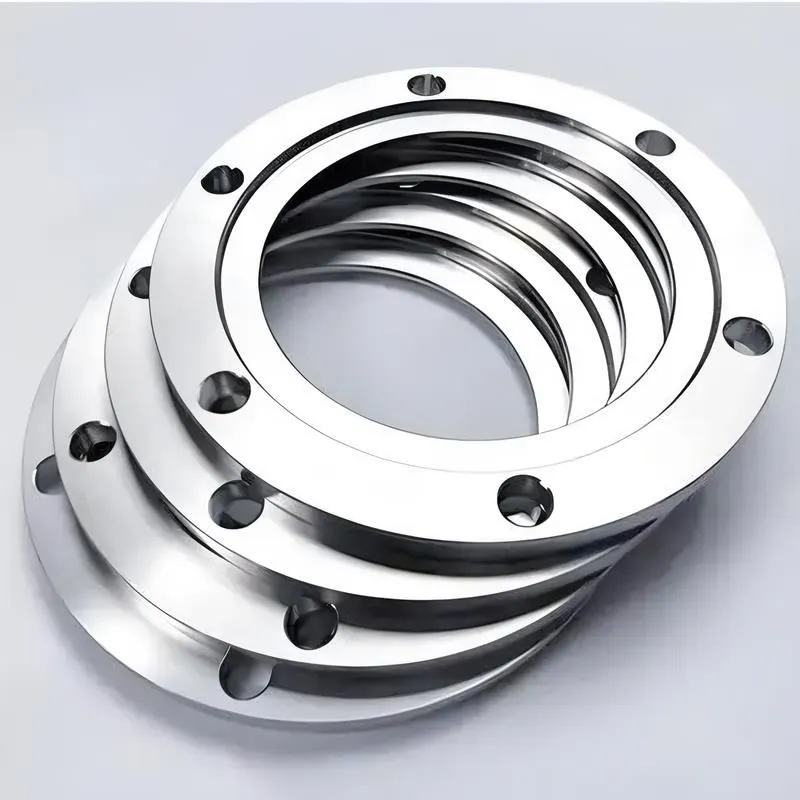
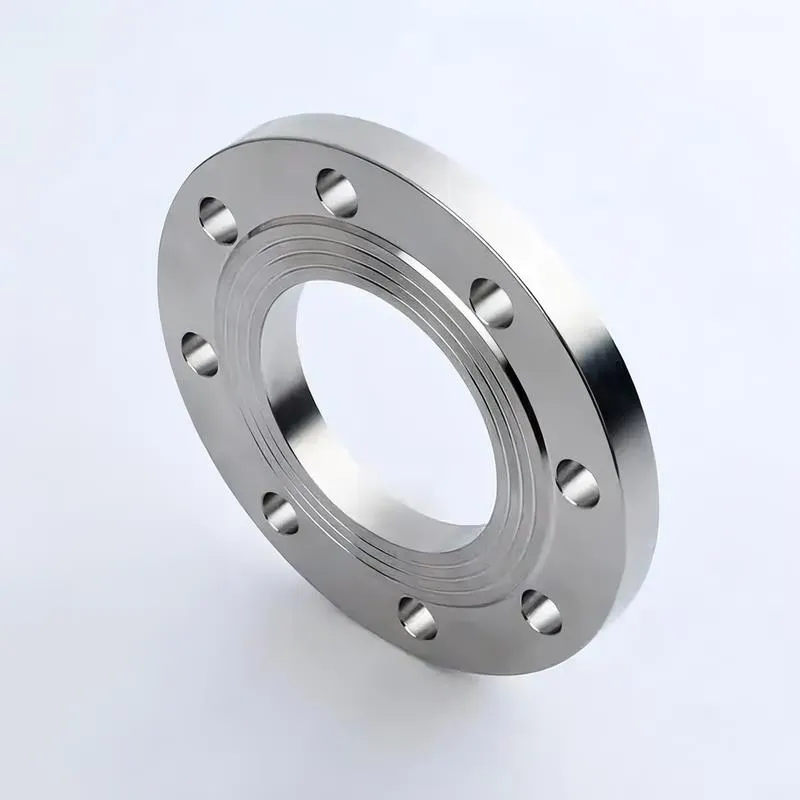
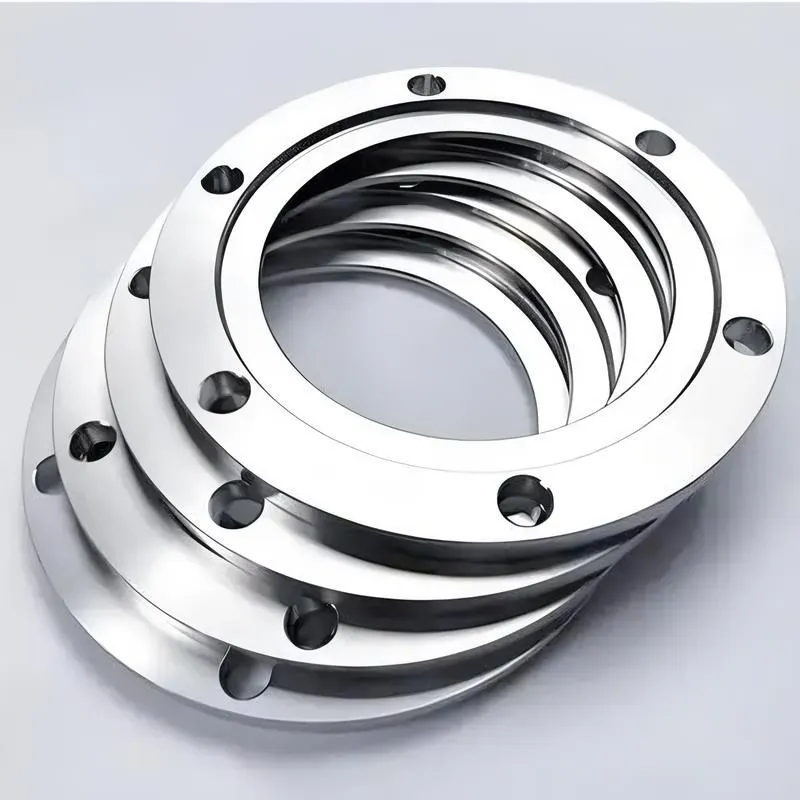
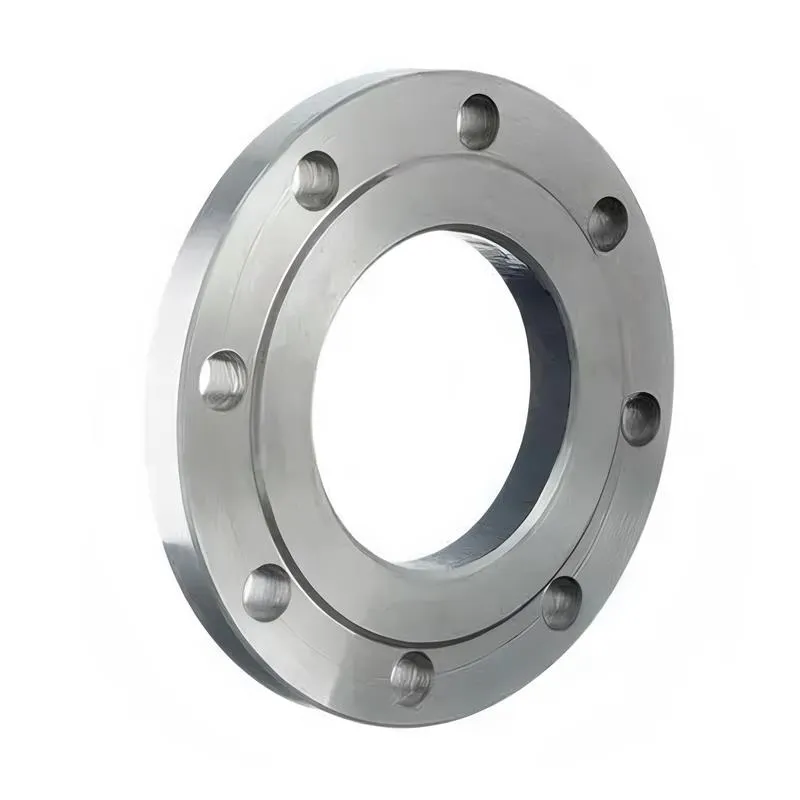
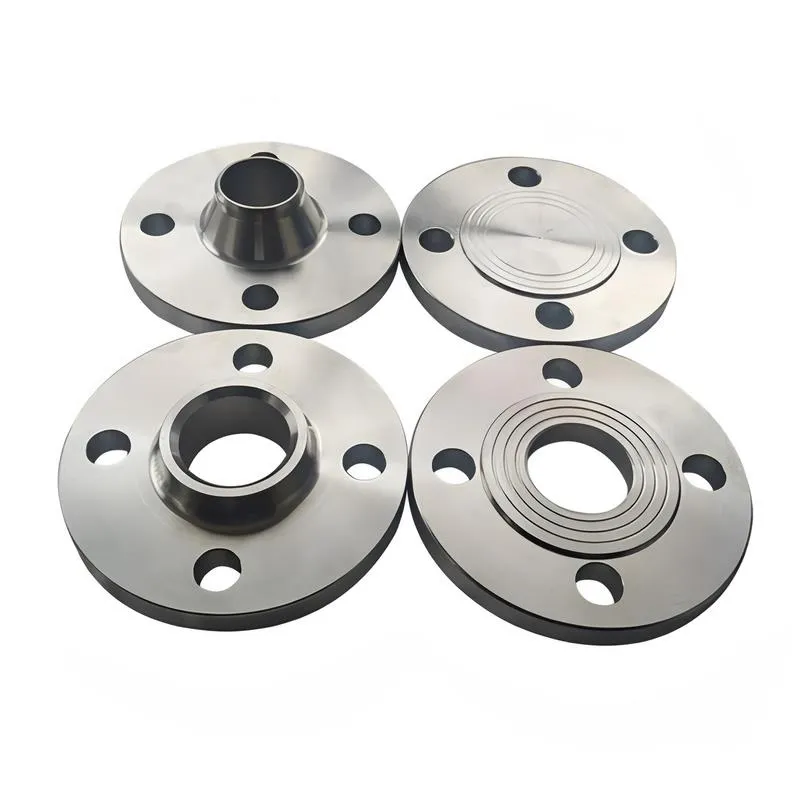
ASTM A606 HSLA Steel Flange
Product Code : FL-Steel-440-CU
We provide ASTM A606 HSLA Steel Flange Manufacturing types: Forging, Casting, Cutting, Rolling.We can manufacture in accordance with these standards.GB/T 9112–9124-2010 Steel Pipe Flanges , JB Series , HG Series, ASME B16.5, BS4504, DIN , JIS,CBM,etc
1,We Manufacturing processes are primarily classified into four types:
1:Forging,
2:Casting,
3:Cutting,
4:Rolling.
2,We can manufacture in accordance with these standards.
Standards:
GB Series (Chinese Standards), JB Series (Machinery Standards), HG Series (Chemical Industry Standards), ASME B16.5 (American Standards), BS4504 (British Standards), DIN (German Standards), and JIS (Japanese Standards).
Internationally, there are two primary systems of pipe flange standards: the European system, represented by the German DIN standards (including those of the former Soviet Union), and the American system, represented by the US ANSI pipe flange standards. Other common standards include: the Chinese Ministry of Machinery Industry standards (JB series), the Ministry of Chemical Industry standards (HG series), the Chinese National Standard *GB/T 9112–9124-2010 Steel Pipe Flanges*, as well as US standards (ASME B16.5), British standards (BS4504), German standards (DIN), Japanese standards (JIS), and marine standards (CBM), among others.
The nominal pressure ratings for the PN series are designated by "PN" and comprise the following nine levels: PN2.5, PN6, PN10, PN16, PN25, PN40, PN63, PN100, and PN160.
The nominal pressure ratings for the Class series are designated by "Class" and comprise the following six levels: Class150, Class300, Class600, Class900, Class1500, and Class2500.
Flange Classification
1. **According to Chemical Industry Standards:** Flanges are classified as follows:
Plate Flat Welding Flange (PL), Necked Flat Welding Flange (SO), Necked Butt Welding Flange (WN), Integral Flange (IF), Socket Welding Flange (SW), Threaded Flange (Th), Butt Welding Ring Loose Flange (PJ/SE), Blind Flange (BL), Flat Welding Ring Loose Flange (PJ/PJ), and Lined Blind Flange (BL(s)).
2. **According to Petrochemical (SH) Industry Standards:** Flanges are classified as follows:
Threaded Flange (PL), Butt Welding Flange (WN), Flat Welding Flange (SO), Socket Welding Flange (SW), Loose Flange (LJ), and Blind Flange (no specific designation).
3. **According to Machinery (JB) Industry Standards:** Flanges are classified as follows:
Integral Flange, Butt Welding Flange, Plate Flat Welding Flange, Butt Welding Ring Plate Loose Flange, Flat Welding Ring Plate Loose Flange, Lap Joint Ring Plate Loose Flange, and Blind Flange.
4. **According to Connection Method/Type:** Flanges are classified as follows:
Plate Flat Welding Flange, Necked Flat Welding Flange, Necked Butt Welding Flange, Socket Welding Flange, Threaded Flange, Blind Flange, Necked Butt Welding Ring Loose Flange, Flat Welding Ring Loose Flange, Ring-Type Joint (RTJ) Flange and Blind Flange, Large-Diameter Plate Flange, Large-Diameter High-Neck Flange, Figure-8 Blind Plate, Butt Welding Ring Loose Flange, etc.
5. **According to the Component Being Connected:** Flanges can be classified into Vessel Flanges and Pipe Flanges.
6. **According to Structural Type:** Flanges include Integral Flanges, Threaded Flanges, Flat Welding Flanges, Butt Welding Flanges, Lap Joint (Loose/Swivel) Flanges, and Blind Flanges.
A flange—also referred to as a flange plate or rim—is a component used to connect shafts to one another, or, more commonly, to join the ends of pipes. Flanges are also utilized at the inlet and outlet ports of equipment to facilitate connections between two devices—for instance, the flange on a speed reducer. A "flange connection" or "flanged joint" refers to a detachable joint assembly comprising three interconnected elements—a flange, a gasket, and bolts—that together form a sealed structural unit. In the context of piping systems, a "pipe flange" specifically denotes a flange used for plumbing within the installation; when applied to equipment, it refers to the inlet or outlet flange of that specific device. Flanges feature a series of holes through which bolts are inserted to securely fasten the two flanges together, while a gasket placed between the flanges ensures a leak-proof seal. Flanges are broadly categorized into three types: threaded (screw-in) flanges, welded flanges, and clamp-type flanges. Flanges are invariably used in pairs; threaded flanges are suitable for low-pressure piping applications, whereas welded flanges are required for systems operating at pressures exceeding 4 kilograms per square centimeter. A sealing gasket is inserted between the two flange plates, which are then firmly secured using bolts. The thickness of a flange—as well as the specifications of the bolts used to fasten it—vary depending on the specific pressure rating required for the application. When connecting equipment such as water pumps or valves to piping systems, the corresponding connection points on these devices are often manufactured in the shape of a matching flange; this method of attachment is also referred to as a "flange connection." Generally, any connecting component that utilizes bolts to join and seal the perimeters of two flat surfaces—such as the joints in ventilation ducts—is termed a "flange"; such components may collectively be classified as "flange-type parts." However, since such a connection often constitutes merely a *portion* of a larger device—for instance, the interface between a flange and a water pump—it would be inappropriate to classify the entire water pump itself as a "flange-type part." Conversely, smaller components—such as valves—that feature such flanged interfaces may indeed be appropriately categorized as "flange-type parts."
-:-
For detailed product information, please contact sales.
-:
ASTM A606 HSLA Steel Flange, Cold Rolled Sheet Product Information
-:-
For detailed product information, please contact sales.
-:
ASTM A606 HSLA Steel Flange, Cold Rolled Sheet Synonyms
-:-
For detailed product information, please contact sales.
-:
ASTM A606 HSLA Steel, Cold Rolled Sheet Product Information
-:-
For detailed product information, please contact sales.
-:
### **ASTM A606 HSLA Steel, Cold Rolled Sheet**
#### **1. Overview**
ASTM A606 is a specification for **high-strength low-alloy (HSLA) steel** supplied as **cold-rolled sheet and strip**, featuring **enhanced atmospheric corrosion resistance**. This weathering steel develops a protective oxide patina when exposed to weather, providing approximately **two times better corrosion resistance** than conventional carbon steel. The cold-rolling process provides superior surface finish, tighter dimensional tolerances, and improved mechanical properties compared to hot-rolled products, making it ideal for applications requiring both aesthetic appeal and structural performance.
#### **2. Chemical Composition**
The chemical composition is optimized for cold-rolling and corrosion resistance:
| Element | Composition (%) |
|---------|-----------------|
| Carbon (C) | 0.22 max |
| Manganese (Mn) | 0.60 - 1.25 |
| Phosphorus (P) | 0.04 - 0.12 |
| Sulfur (S) | 0.05 max |
| Silicon (Si) | 0.25 - 0.75 |
| Copper (Cu) | 0.20 - 0.40 |
| Chromium (Cr) | 0.30 - 1.25 |
| Nickel (Ni) | 0.25 max |
**Enhanced Composition Features:**
- **Copper-Chromium-Phosphorus System**: Forms dense, adherent protective patina
- **Controlled Carbon Content**: Ensures good cold workability
- **Phosphorus Enhancement (0.04-0.12%)**: Significantly improves atmospheric corrosion resistance
- **Balanced Alloy System**: Optimized for cold-rolling process
#### **3. Physical & Mechanical Properties**
**Mechanical Properties:**
| Property | Requirement |
|----------|-------------|
| **Tensile Strength** | 70 ksi min (485 MPa min) |
| **Yield Strength** | 50 ksi min (345 MPa min) |
| **Elongation in 2 inches** | 22% min |
| **Rockwell Hardness (HRB)** | 80 max |
| **Bend Test** | Bend 180° around diameter equal to thickness |
**Enhanced Performance Characteristics:**
- **Superior Surface Finish**: Excellent for visible applications
- **Enhanced Dimensional Accuracy**: Tight thickness and flatness tolerances
- **Improved Strength**: Cold working increases strength properties
- **Atmospheric Corrosion Resistance**: 2x better than carbon steel
**Physical Properties (Typical):**
- **Density**: 0.284 lb/in³ (7,850 kg/m³)
- **Modulus of Elasticity**: 29,000 ksi (200 GPa)
- **Poisson's Ratio**: 0.29
- **Surface Roughness**: 0.5 - 2.5 μm Ra
- **Thermal Conductivity**: 43.0 W/m·K at 212°F (100°C)
#### **4. Product Applications**
A606 cold-rolled sheet is used in applications requiring superior surface quality:
**Architectural Applications:**
- Premium architectural wall panels
- High-end building facades
- Decorative structural elements
- Interior design features
**Transportation Equipment:**
- Truck and trailer exterior panels
- Railway car interior and exterior panels
- Automotive body components
- Recreational vehicle panels
**Consumer Products:**
- Appliance exterior panels
- Furniture components
- Electronic enclosures
- Display and signage panels
**Industrial Equipment:**
- Control panel enclosures
- Machine covers and guards
- Instrument housings
- Precision equipment parts
#### **5. International Standards & Equivalents**
| Region/Country | Standard | Equivalent Grade | Notes |
|----------------|----------|------------------|-------|
| **International** | **ISO 4952** | E460D | Cold-rolled weathering steel |
| **Europe** | **EN 10169** | S350G+Z | Continuously organic coated steel |
| **Japan** | **JIS G3141** | SPCC-SD | Cold-rolled carbon steel |
| **China** | **GB/T 5213** | SPCC | Cold-rolled carbon steel |
**Surface Finish Options:**
| Finish Type | Surface Roughness (Ra) | Typical Applications |
|-------------|---------------------|---------------------|
| **Matte Finish** | 1.0 - 2.5 μm | General forming applications |
| **Bright Finish** | 0.5 - 1.2 μm | Visible exterior applications |
| **Extra Smooth** | 0.3 - 0.8 μm | Premium architectural uses |
#### **6. Fabrication & Quality Assurance**
**Cold-Rolling Process Features:**
- **Reduction Ratio**: Typically 50-90% thickness reduction
- **Surface Preparation**: Pickling and cleaning before rolling
- **Tension Leveling**: Ensures superior flatness
- **Surface Texture**: Controlled roll surface patterning
**Forming and Fabrication:**
- **Deep Drawing**: Suitable for moderate drawing operations
- **Bending**: Excellent for brake forming and press braking
- **Stamping**: Good for blanking and piercing operations
- **Roll Forming**: Ideal for continuous forming processes
**Surface Treatment Compatibility:**
- **Chemical Treatment**: Excellent for phosphating and chromating
- **Painting**: Superior paint adhesion and appearance
- **Powder Coating**: Ideal base material
- **Printing**: Excellent for decorative printing
**Quality Control Requirements:**
- **Surface Inspection**: 100% visual inspection for defects
- **Dimensional Checks**: Precise thickness and width control
- **Mechanical Testing**: Regular verification of properties
- **Flatness Measurement**: Strict flatness tolerances
---
**Technical Advantages:**
- **Superior surface quality** for visible applications
- **Enhanced dimensional accuracy** for precision fabrication
- **Improved mechanical properties** through cold working
- **Reduced maintenance** through weathering properties
**Design Considerations:**
- **Utilize superior surface finish** in visible applications
- **Account for cold-worked properties** in design calculations
- **Consider forming limitations** in complex shapes
- **Optimize for weathering characteristics** in exterior applications
**Service Limitations:**
- **Thickness limitations** compared to hot-rolled products
- **Avoid severe forming** that may damage surface finish
- **Temperature limit**: 750°F (400°C)
- **Not suitable** for continuous immersion service
**Disclaimer:** This technical information is for reference purposes only. For specific applications, consult the latest ASTM A606 specification and relevant design codes. Cold-rolled material requires careful handling to maintain surface quality. All designs must consider specific service conditions and be approved by qualified engineers. Fabrication should follow established procedures for cold-rolled weathering steels to preserve surface characteristics and performance properties.
-:-
For detailed product information, please contact sales.
-:
ASTM A606 HSLA Steel, Cold Rolled Sheet Specification
Dimensions
Size:
Diameter 20-1000 mm Length <4485 mm
Size:We can customized as required
Standard:
Per your request or drawing
We can customized as required
Properties(Theoretical)
Chemical Composition
-:-
For detailed product information, please contact sales.
-:
ASTM A606 HSLA Steel, Cold Rolled Sheet Properties
-:-
For detailed product information, please contact sales.
-:
Applications of ASTM A606 HSLA Steel Flange, Cold Rolled Sheet
-:-
For detailed product information, please contact sales.
-:
Chemical Identifiers ASTM A606 HSLA Steel Flange, Cold Rolled Sheet
-:-
For detailed product information, please contact sales.
-:
Packing of ASTM A606 HSLA Steel Flange, Cold Rolled Sheet
-:-
For detailed product information, please contact sales.
-:
Standard Packing:
-:-
For detailed product information, please contact sales.
-:
Typical bulk packaging includes palletized plastic 5 gallon/25 kg. pails, fiber and Steel Flange drums to 1 ton super sacks in full container (FCL) or truck load (T/L) quantities. Research and sample quantities and hygroscopic, oxidizing or other air sensitive materials may be packaged under argon or vacuum. Solutions are packaged in polypropylene, plastic or glass jars up to palletized 956 gallon liquid totes Special package is available on request. E FORUs’ is carefully handled to minimize damage during storage and transportation and to preserve the quality of our products in their original condition