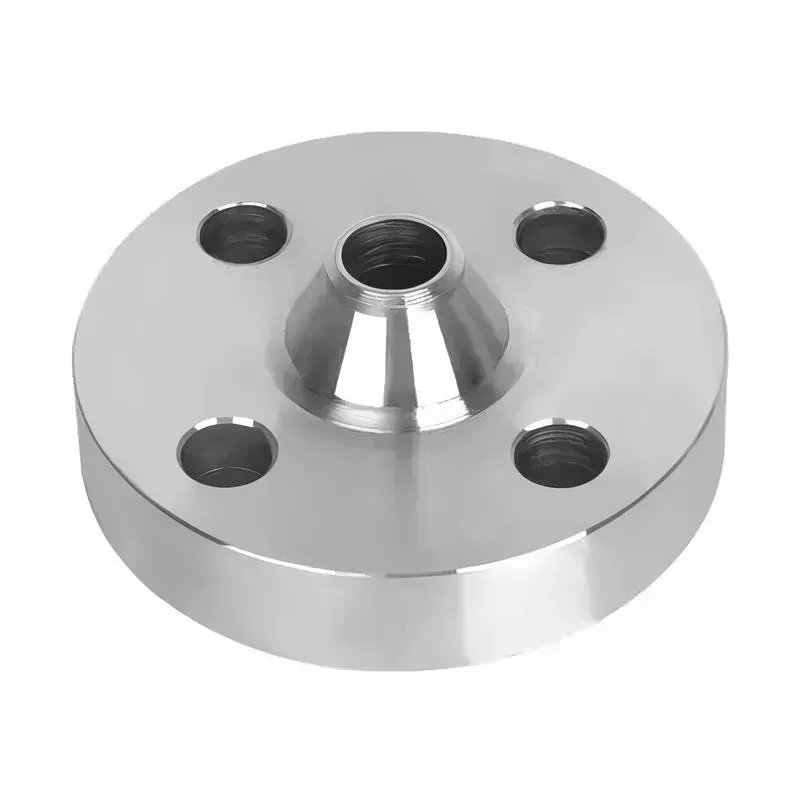
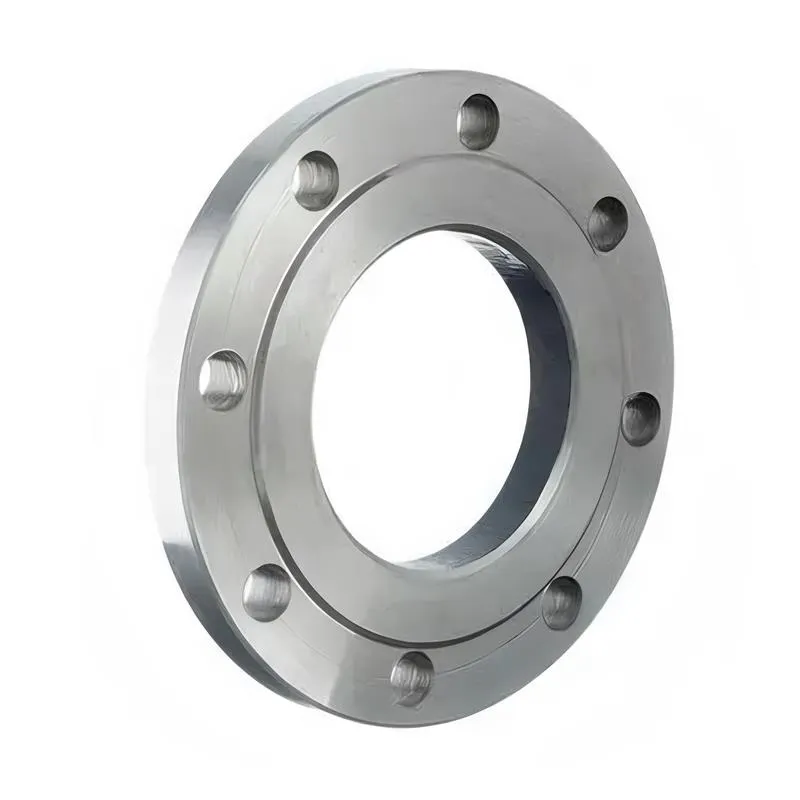
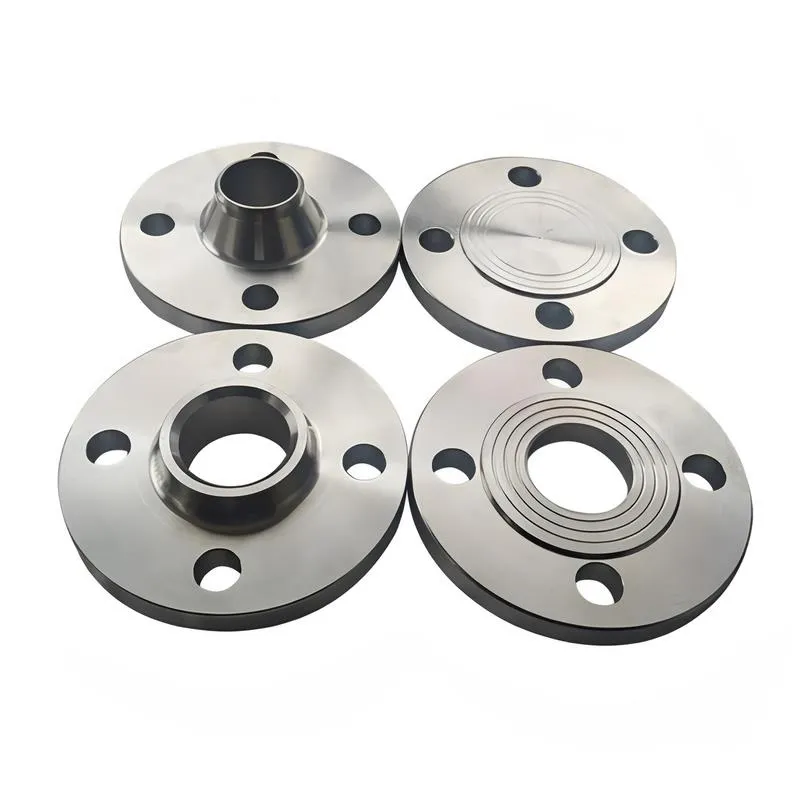
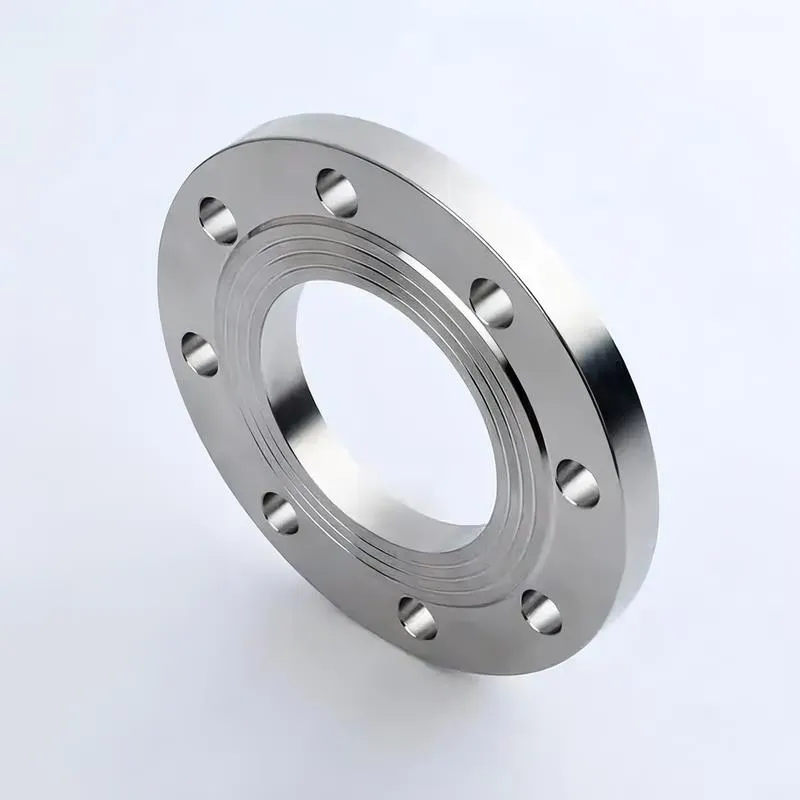
1,We Manufacturing processes are primarily classified into four types:
1:Forging,
2:Casting,
3:Cutting,
4:Rolling.
2,We can manufacture in accordance with these standards.
Standards:
GB Series (Chinese Standards), JB Series (Machinery Standards), HG Series (Chemical Industry Standards), ASME B16.5 (American Standards), BS4504 (British Standards), DIN (German Standards), and JIS (Japanese Standards).
Internationally, there are two primary systems of pipe flange standards: the European system, represented by the German DIN standards (including those of the former Soviet Union), and the American system, represented by the US ANSI pipe flange standards. Other common standards include: the Chinese Ministry of Machinery Industry standards (JB series), the Ministry of Chemical Industry standards (HG series), the Chinese National Standard *GB/T 9112–9124-2010 Steel Pipe Flanges*, as well as US standards (ASME B16.5), British standards (BS4504), German standards (DIN), Japanese standards (JIS), and marine standards (CBM), among others.
The nominal pressure ratings for the PN series are designated by "PN" and comprise the following nine levels: PN2.5, PN6, PN10, PN16, PN25, PN40, PN63, PN100, and PN160.
The nominal pressure ratings for the Class series are designated by "Class" and comprise the following six levels: Class150, Class300, Class600, Class900, Class1500, and Class2500.
Flange Classification
1. **According to Chemical Industry Standards:** Flanges are classified as follows:
Plate Flat Welding Flange (PL), Necked Flat Welding Flange (SO), Necked Butt Welding Flange (WN), Integral Flange (IF), Socket Welding Flange (SW), Threaded Flange (Th), Butt Welding Ring Loose Flange (PJ/SE), Blind Flange (BL), Flat Welding Ring Loose Flange (PJ/PJ), and Lined Blind Flange (BL(s)).
2. **According to Petrochemical (SH) Industry Standards:** Flanges are classified as follows:
Threaded Flange (PL), Butt Welding Flange (WN), Flat Welding Flange (SO), Socket Welding Flange (SW), Loose Flange (LJ), and Blind Flange (no specific designation).
3. **According to Machinery (JB) Industry Standards:** Flanges are classified as follows:
Integral Flange, Butt Welding Flange, Plate Flat Welding Flange, Butt Welding Ring Plate Loose Flange, Flat Welding Ring Plate Loose Flange, Lap Joint Ring Plate Loose Flange, and Blind Flange.
4. **According to Connection Method/Type:** Flanges are classified as follows:
Plate Flat Welding Flange, Necked Flat Welding Flange, Necked Butt Welding Flange, Socket Welding Flange, Threaded Flange, Blind Flange, Necked Butt Welding Ring Loose Flange, Flat Welding Ring Loose Flange, Ring-Type Joint (RTJ) Flange and Blind Flange, Large-Diameter Plate Flange, Large-Diameter High-Neck Flange, Figure-8 Blind Plate, Butt Welding Ring Loose Flange, etc.
5. **According to the Component Being Connected:** Flanges can be classified into Vessel Flanges and Pipe Flanges.
6. **According to Structural Type:** Flanges include Integral Flanges, Threaded Flanges, Flat Welding Flanges, Butt Welding Flanges, Lap Joint (Loose/Swivel) Flanges, and Blind Flanges.
A flange—also referred to as a flange plate or rim—is a component used to connect shafts to one another, or, more commonly, to join the ends of pipes. Flanges are also utilized at the inlet and outlet ports of equipment to facilitate connections between two devices—for instance, the flange on a speed reducer. A "flange connection" or "flanged joint" refers to a detachable joint assembly comprising three interconnected elements—a flange, a gasket, and bolts—that together form a sealed structural unit. In the context of piping systems, a "pipe flange" specifically denotes a flange used for plumbing within the installation; when applied to equipment, it refers to the inlet or outlet flange of that specific device. Flanges feature a series of holes through which bolts are inserted to securely fasten the two flanges together, while a gasket placed between the flanges ensures a leak-proof seal. Flanges are broadly categorized into three types: threaded (screw-in) flanges, welded flanges, and clamp-type flanges. Flanges are invariably used in pairs; threaded flanges are suitable for low-pressure piping applications, whereas welded flanges are required for systems operating at pressures exceeding 4 kilograms per square centimeter. A sealing gasket is inserted between the two flange plates, which are then firmly secured using bolts. The thickness of a flange—as well as the specifications of the bolts used to fasten it—vary depending on the specific pressure rating required for the application. When connecting equipment such as water pumps or valves to piping systems, the corresponding connection points on these devices are often manufactured in the shape of a matching flange; this method of attachment is also referred to as a "flange connection." Generally, any connecting component that utilizes bolts to join and seal the perimeters of two flat surfaces—such as the joints in ventilation ducts—is termed a "flange"; such components may collectively be classified as "flange-type parts." However, since such a connection often constitutes merely a *portion* of a larger device—for instance, the interface between a flange and a water pump—it would be inappropriate to classify the entire water pump itself as a "flange-type part." Conversely, smaller components—such as valves—that feature such flanged interfaces may indeed be appropriately categorized as "flange-type parts."
-:-
For detailed product information, please contact sales.
-:
Bethlehem Steel Flange ASTM A36, 3/16 to 3/4 in. thick, as-rolled Steel Flange plate Product Information
-:-
For detailed product information, please contact sales.
-:
Bethlehem Steel Flange ASTM A36, 3/16 to 3/4 in. thick, as-rolled Steel Flange plate Synonyms
-:-
For detailed product information, please contact sales.
-:
Bethlehem Steel ASTM A36, 3/16 to 3/4 in. thick, as-rolled steel plate Product Information
-:-
For detailed product information, please contact sales.
-:
# **Bethlehem Steel ASTM A36 (3/16" to 3/4" thickness) Hot-Rolled Steel Plate - As-Rolled Condition**
---
## **1. Overview**
Bethlehem Steel's ASTM A36 hot-rolled steel plate in the **3/16" to 3/4" (0.1875" to 0.75") thickness range** represents the classic, general-purpose structural steel that has formed the backbone of American industrial and construction projects for decades. Supplied in the **as-rolled condition** (without subsequent heat treatment), this material offers a balanced combination of strength, weldability, formability, and cost-effectiveness. As one of the most widely recognized and specified carbon steel grades globally, ASTM A36 provides reliable performance for a vast array of structural and general fabrication applications where high ductility and ease of fabrication are paramount.
**Note:** While Bethlehem Steel's original operations have been reconfigured, this product description reflects the traditional specifications and characteristics associated with Bethlehem-produced A36 plate.
---
## **2. International Standards**
This product conforms to the following globally recognized standards:
* **ASTM A36/A36M:** Standard Specification for Carbon Structural Steel.
* This is the primary governing specification. The requirements for plates, shapes, and bars are included.
* **ASME SA-36:** Often referenced for pressure vessel and boiler applications.
* **AISI 1006-1025 (Comparable):** While not a direct equivalent, A36's chemistry falls within the range of these basic carbon steels.
* **Historical Military Standards:** MIL-S-22698 (Ships) often accepted A36 as an alternative.
---
## **3. Chemical Composition (Typical, % by Weight)**
ASTM A36 is unique among structural steels in that it can be specified to meet **either** chemical composition requirements **or** mechanical property requirements. For plates in this thickness range, the following composition is typical for Bethlehem-produced material:
| Element | Content (Maximum, unless specified) | Role & Implication |
| :--- | :--- | :--- |
| **Carbon (C)** | 0.25% - 0.29% (max by spec) | Primary strengthener. The upper limit ensures weldability and formability. |
| **Manganese (Mn)** | 0.80% - 1.20% | Enhances strength and hardenability; deoxidizer. |
| **Phosphorus (P)** | 0.040% max | Residual; kept low for ductility and toughness. |
| **Sulfur (S)** | 0.050% max | Residual; controlled for weldability and hot workability. |
| **Silicon (Si)** | 0.15% - 0.40% | Deoxidizer (killed or semi-killed steel); contributes to strength. |
| **Copper (Cu)** | 0.20% min (when required) | Optional for enhanced atmospheric corrosion resistance (not a standard requirement for A36). |
**Key Characteristic:** A36 has a **relatively high carbon content for its strength level** compared to modern HSLA steels. This gives it excellent machinability but requires more attention during welding.
---
## **4. Physical & Mechanical Properties (As-Rolled Condition)**
Properties are guaranteed in the as-rolled state, which is the standard and most economical delivery condition for this thickness range.
| Property | ASTM A36 Specification Minimum | Typical Value for Bethlehem Plate (3/16"-3/4") |
| :--- | :--- | :--- |
| **Yield Strength (min)** | 36 ksi (250 MPa) | Typically 36-45 ksi. Very consistent in this thickness range. |
| **Tensile Strength** | 58-80 ksi (400-550 MPa) | Typically 58-70 ksi. |
| **Elongation in 2" (min)** | 20% (for plates up to 3/4") | Typically 23-30%. Excellent ductility. |
| **Yield-to-Tensile Ratio** | N/A | Typically 0.60 - 0.70. This low ratio indicates excellent formability and energy absorption capacity. |
| **Modulus of Elasticity** | 29,000 ksi (200 GPa) (Standard for steel) | |
| **Brinell Hardness** | ~137-180 HB | |
| **Density** | 0.284 lb/in³ (7.85 g/cm³) | |
| **Surface Finish** | Standard hot-rolled mill scale finish. The scale is tightly adherent but must be removed for painting or critical welding. | |
**Advantage of As-Rolled Condition:** This is the most economical state, preserving the scale formed during rolling which offers some temporary corrosion protection during storage. Properties are isotropic (similar in all directions) within this moderate thickness range.
---
## **5. Key Features & Advantages**
* **Unmatched Versatility & Availability:** The most widely available steel plate grade globally, stocked by virtually all steel service centers.
* **Excellent Formability & Ductility:** Can be easily sheared, punched, bent (minimum bend radius ~1/2T to 1T for 90° bends), and formed at room temperature.
* **Superior Machinability:** The carbon content and as-rolled microstructure make it one of the easiest structural steels to machine, producing good surface finishes and chip control.
* **Good Weldability:** Weldable by all common processes, though its carbon content necessitates basic precautions (low-hydrogen electrodes recommended for thicker sections, preheat for >3/4").
* **Cost-Effectiveness:** The benchmark for economical structural steel plate.
* **Proven Historical Performance:** Decades of successful use in millions of structures provide an unparalleled track record.
---
## **6. Product Applications**
Bethlehem A36 plate in this thickness range has been used in virtually every sector of industry:
* **General Structural Fabrication:** Base plates, gussets, brackets, machine frames, and weldments.
* **Construction:** Building columns, built-up beams, moment plates, and connection elements.
* **Industrial Machinery:** Guards, platforms, stairs, tooling plates, and support structures.
* **Transportation:** Truck frames, trailer components, and heavy equipment mounting plates.
* **Infrastructure:** Bridge diaphragm plates, sign supports, and utility structures.
* **Agriculture & Mining:** Equipment frames, buckets (liners), and structural repairs.
* **Shipbuilding & Barges:** Non-critical hull plates, bulkheads, and deck plating for inland vessels.
---
## **7. Fabrication & Processing Notes**
* **Cutting:** Excellent for all methods: flame cutting, plasma cutting, laser cutting, shearing, and sawing.
* **Forming:** Can be cold-formed easily. For bends across the rolling direction, a minimum inside bend radius equal to the plate thickness is typical. Punching and drilling are straightforward.
* **Welding:** Use common processes (SMAW, GMAW, FCAW). **For this thickness range (3/16"-3/4"):**
* For plates **under 3/4"**, preheat is generally **not required** for ambient temperatures above 32°F (0°C).
* **Recommended Practice:** Use low-hydrogen electrodes (E7018) for critical welds to prevent underbead cracking.
* For highly restrained joints or in cold weather, a slight preheat (150-200°F / 65-95°C) is advisable.
* **Surface Preparation:** The mill scale must be removed by abrasive blasting, pickling, or grinding for painting, galvanizing, or precision welding. The scale is not uniform and will interfere with coating adhesion.
* **Machining:** Produces discontinuous chips. Use standard high-speed steel or carbide tools with appropriate coolants.
---
## **8. Comparison with Modern Equivalents**
* **vs. ASTM A572 Gr. 50:** A36 has lower strength but better formability and machinability. A572 Gr. 50 offers 50 ksi yield for weight savings but may require different welding procedures.
* **vs. ASTM A709 Gr. 36:** Essentially the same material when supplied to bridge specifications with additional testing requirements.
* **vs. EN 10025 S235/S275:** European grades with similar applications and slightly different property definitions.
---
## **Important Historical & Procurement Note**
*Bethlehem Steel Corporation filed for bankruptcy in 2001 and its assets were acquired. Plates meeting classic Bethlehem A36 specifications are now produced by successor companies including **Cleveland-Cliffs Inc.** (which also acquired AK Steel), **Nucor**, **ArcelorMittal**, and others.*
**Disclaimer:**
*This description documents the traditional product characteristics associated with Bethlehem Steel's ASTM A36 plate. For current procurement, specify **ASTM A36** to the required thickness and dimensions. The chemical and mechanical properties will be certified by the producing mill via a Mill Test Report (MTR). Always consult the latest **ASTM A36/A36M** specification for governing requirements. "As-rolled" is the standard condition; if normalized or other treatment is required, it must be explicitly specified.*
-:-
For detailed product information, please contact sales.
-:
Bethlehem Steel ASTM A36, 3/16 to 3/4 in. thick, as-rolled steel plate Specification
Dimensions
Size:
Diameter 20-1000 mm Length <4605 mm
Size:We can customized as required
Standard:
Per your request or drawing
We can customized as required
Properties(Theoretical)
Chemical Composition
-:-
For detailed product information, please contact sales.
-:
Bethlehem Steel ASTM A36, 3/16 to 3/4 in. thick, as-rolled steel plate Properties
-:-
For detailed product information, please contact sales.
-:
Applications of Bethlehem Steel Flange ASTM A36, 3/16 to 3/4 in. thick, as-rolled Steel Flange plate
-:-
For detailed product information, please contact sales.
-:
Chemical Identifiers Bethlehem Steel Flange ASTM A36, 3/16 to 3/4 in. thick, as-rolled Steel Flange plate
-:-
For detailed product information, please contact sales.
-:
Packing of Bethlehem Steel Flange ASTM A36, 3/16 to 3/4 in. thick, as-rolled Steel Flange plate
-:-
For detailed product information, please contact sales.
-:
Standard Packing:
-:-
For detailed product information, please contact sales.
-:
Typical bulk packaging includes palletized plastic 5 gallon/25 kg. pails, fiber and Steel Flange drums to 1 ton super sacks in full container (FCL) or truck load (T/L) quantities. Research and sample quantities and hygroscopic, oxidizing or other air sensitive materials may be packaged under argon or vacuum. Solutions are packaged in polypropylene, plastic or glass jars up to palletized 1076 gallon liquid totes Special package is available on request. E FORUs’ is carefully handled to minimize damage during storage and transportation and to preserve the quality of our products in their original condition