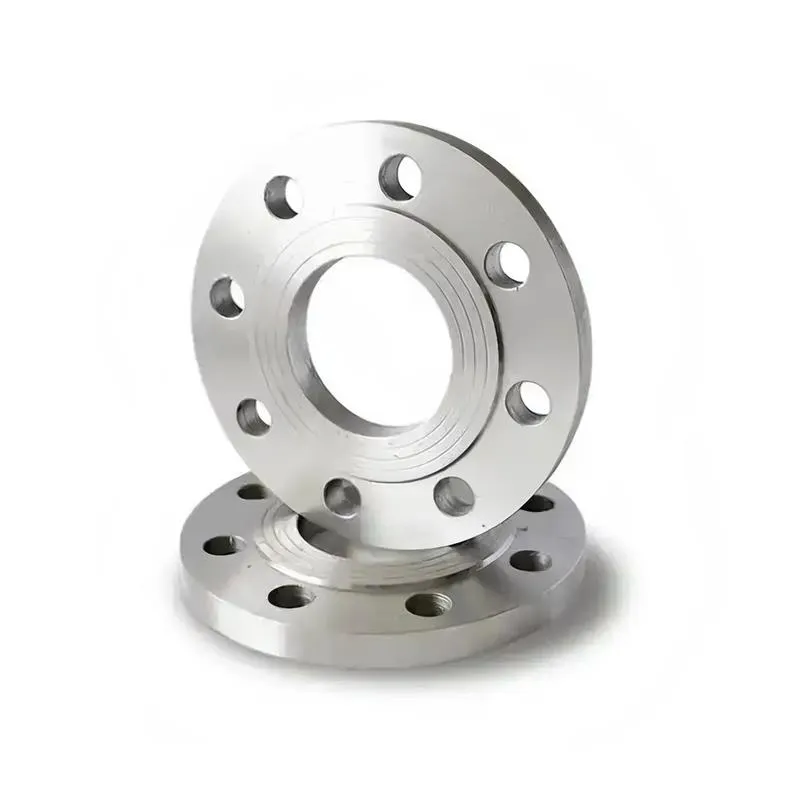
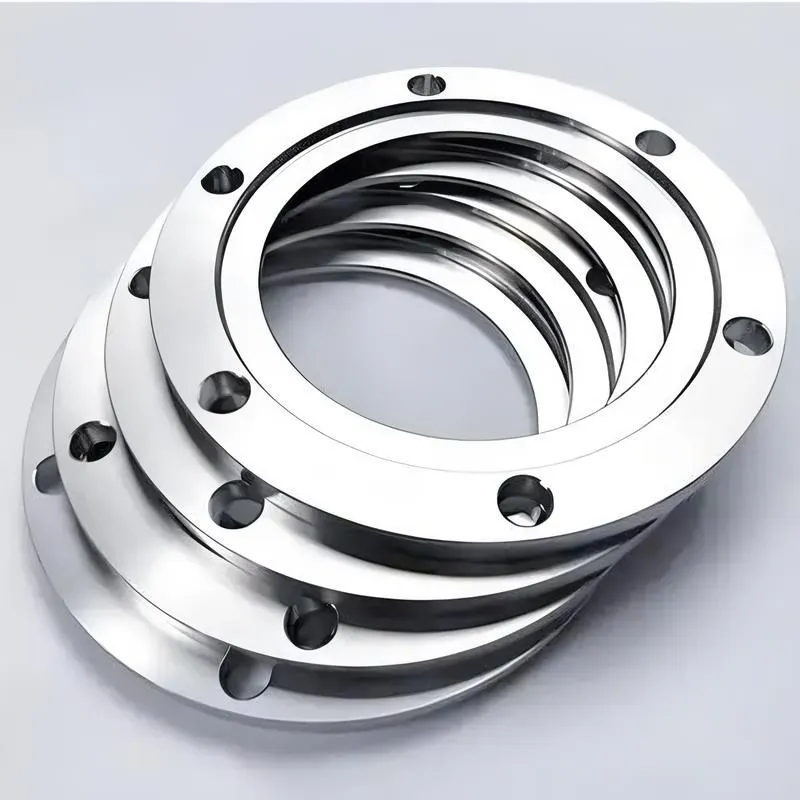
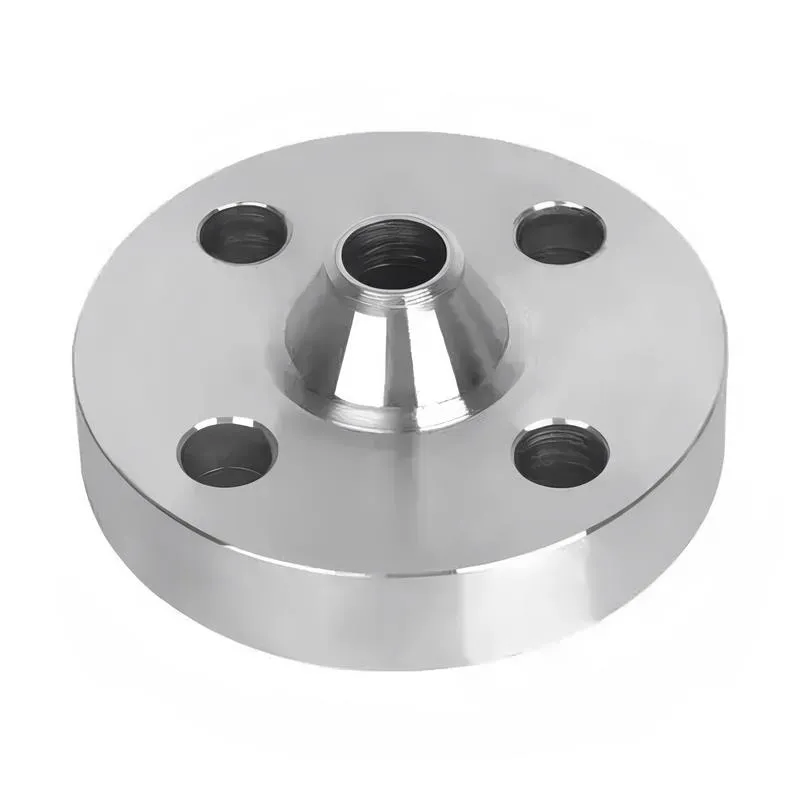
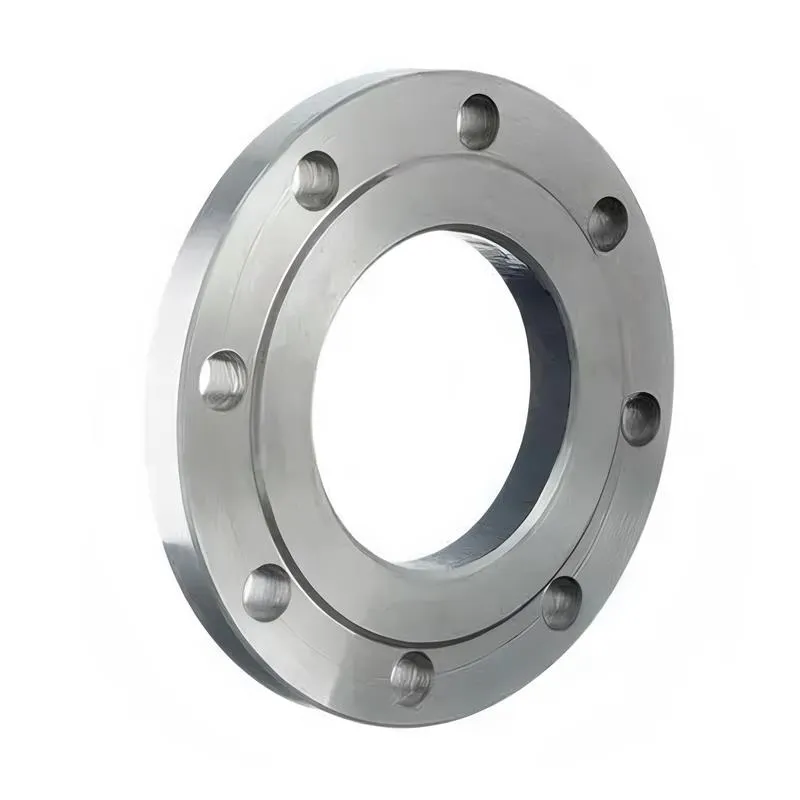
1,We Manufacturing processes are primarily classified into four types:
1:Forging,
2:Casting,
3:Cutting,
4:Rolling.
2,We can manufacture in accordance with these standards.
Standards:
GB Series (Chinese Standards), JB Series (Machinery Standards), HG Series (Chemical Industry Standards), ASME B16.5 (American Standards), BS4504 (British Standards), DIN (German Standards), and JIS (Japanese Standards).
Internationally, there are two primary systems of pipe flange standards: the European system, represented by the German DIN standards (including those of the former Soviet Union), and the American system, represented by the US ANSI pipe flange standards. Other common standards include: the Chinese Ministry of Machinery Industry standards (JB series), the Ministry of Chemical Industry standards (HG series), the Chinese National Standard *GB/T 9112–9124-2010 Steel Pipe Flanges*, as well as US standards (ASME B16.5), British standards (BS4504), German standards (DIN), Japanese standards (JIS), and marine standards (CBM), among others.
The nominal pressure ratings for the PN series are designated by "PN" and comprise the following nine levels: PN2.5, PN6, PN10, PN16, PN25, PN40, PN63, PN100, and PN160.
The nominal pressure ratings for the Class series are designated by "Class" and comprise the following six levels: Class150, Class300, Class600, Class900, Class1500, and Class2500.
Flange Classification
1. **According to Chemical Industry Standards:** Flanges are classified as follows:
Plate Flat Welding Flange (PL), Necked Flat Welding Flange (SO), Necked Butt Welding Flange (WN), Integral Flange (IF), Socket Welding Flange (SW), Threaded Flange (Th), Butt Welding Ring Loose Flange (PJ/SE), Blind Flange (BL), Flat Welding Ring Loose Flange (PJ/PJ), and Lined Blind Flange (BL(s)).
2. **According to Petrochemical (SH) Industry Standards:** Flanges are classified as follows:
Threaded Flange (PL), Butt Welding Flange (WN), Flat Welding Flange (SO), Socket Welding Flange (SW), Loose Flange (LJ), and Blind Flange (no specific designation).
3. **According to Machinery (JB) Industry Standards:** Flanges are classified as follows:
Integral Flange, Butt Welding Flange, Plate Flat Welding Flange, Butt Welding Ring Plate Loose Flange, Flat Welding Ring Plate Loose Flange, Lap Joint Ring Plate Loose Flange, and Blind Flange.
4. **According to Connection Method/Type:** Flanges are classified as follows:
Plate Flat Welding Flange, Necked Flat Welding Flange, Necked Butt Welding Flange, Socket Welding Flange, Threaded Flange, Blind Flange, Necked Butt Welding Ring Loose Flange, Flat Welding Ring Loose Flange, Ring-Type Joint (RTJ) Flange and Blind Flange, Large-Diameter Plate Flange, Large-Diameter High-Neck Flange, Figure-8 Blind Plate, Butt Welding Ring Loose Flange, etc.
5. **According to the Component Being Connected:** Flanges can be classified into Vessel Flanges and Pipe Flanges.
6. **According to Structural Type:** Flanges include Integral Flanges, Threaded Flanges, Flat Welding Flanges, Butt Welding Flanges, Lap Joint (Loose/Swivel) Flanges, and Blind Flanges.
A flange—also referred to as a flange plate or rim—is a component used to connect shafts to one another, or, more commonly, to join the ends of pipes. Flanges are also utilized at the inlet and outlet ports of equipment to facilitate connections between two devices—for instance, the flange on a speed reducer. A "flange connection" or "flanged joint" refers to a detachable joint assembly comprising three interconnected elements—a flange, a gasket, and bolts—that together form a sealed structural unit. In the context of piping systems, a "pipe flange" specifically denotes a flange used for plumbing within the installation; when applied to equipment, it refers to the inlet or outlet flange of that specific device. Flanges feature a series of holes through which bolts are inserted to securely fasten the two flanges together, while a gasket placed between the flanges ensures a leak-proof seal. Flanges are broadly categorized into three types: threaded (screw-in) flanges, welded flanges, and clamp-type flanges. Flanges are invariably used in pairs; threaded flanges are suitable for low-pressure piping applications, whereas welded flanges are required for systems operating at pressures exceeding 4 kilograms per square centimeter. A sealing gasket is inserted between the two flange plates, which are then firmly secured using bolts. The thickness of a flange—as well as the specifications of the bolts used to fasten it—vary depending on the specific pressure rating required for the application. When connecting equipment such as water pumps or valves to piping systems, the corresponding connection points on these devices are often manufactured in the shape of a matching flange; this method of attachment is also referred to as a "flange connection." Generally, any connecting component that utilizes bolts to join and seal the perimeters of two flat surfaces—such as the joints in ventilation ducts—is termed a "flange"; such components may collectively be classified as "flange-type parts." However, since such a connection often constitutes merely a *portion* of a larger device—for instance, the interface between a flange and a water pump—it would be inappropriate to classify the entire water pump itself as a "flange-type part." Conversely, smaller components—such as valves—that feature such flanged interfaces may indeed be appropriately categorized as "flange-type parts."
-:-
For detailed product information, please contact sales.
-:
Class I Type A Ni-Cr-HC Martensitic White Cast Iron Flange Product Information
-:-
For detailed product information, please contact sales.
-:
Class I Type A Ni-Cr-HC Martensitic White Cast Iron Flange Synonyms
-:-
For detailed product information, please contact sales.
-:
Class I Type A Ni-Cr-HC Martensitic White Cast Iron Product Information
-:-
For detailed product information, please contact sales.
-:
## **Product Introduction: Class I Type A Ni-Cr-HC Martensitic White Cast Iron**
Class I Type A Ni-Cr-HC Martensitic White Cast Iron is a premium abrasion-resistant alloy belonging to the high-chromium white iron family, standardized under ASTM A532 for its exceptional wear performance in severe-impact service conditions. The designation "Ni-Cr-HC" indicates a nickel-chromium alloy with a high carbon content, engineered to achieve a fully martensitic matrix with a uniform dispersion of hard chromium carbides upon proper heat treatment. This specific microstructure is the foundation of its outstanding combination of high hardness, superior abrasion resistance, and good fracture toughness, making it a benchmark material for components subjected to extreme abrasive wear with heavy impact.
It is specifically designed for applications where conventional materials fail rapidly, offering a balance between wear life and resistance to catastrophic breakage that is superior to many lower-alloy white irons.
---
### **1. Chemical Composition**
The composition is precisely balanced to ensure the formation of the desired martensitic microstructure and hard (Cr,Fe)₇C₃ carbides. The "HC" designation implies a carbon content at the higher end of the range for this class.
**Typical Composition Range (ASTM A532 Class I Type A):**
| Element | Content (%) | Primary Function |
| :--- | :--- | :--- |
| **Chromium (Cr)** | **1.4 - 4.0** | **Primary carbide former and hardenability agent.** Forms hard (Fe,Cr)₇C₃ and (Fe,Cr)₂₃C₆ carbides. Moderates levels provide solid solution strengthening and improve corrosion/oxidation resistance slightly. |
| **Nickel (Ni)** | **3.3 - 5.0** | **Key austenite stabilizer and hardenability enhancer.** Promotes the formation of martensite upon air quenching by suppressing the pearlite transformation, ensuring a fully martensitic matrix without the need for rapid liquid quenching, thus reducing casting stresses and cracking risk. |
| **Carbon (C)** | **2.8 - 3.6** | **Primary carbide former.** The high ("HC") carbon content ensures a high volume fraction of hard carbides for maximum abrasion resistance. It is balanced with Ni/Cr to control carbide type and matrix hardenability. |
| **Manganese (Mn)** | 0.5 - 1.5 | Aids in deoxidation and works synergistically with Ni to increase hardenability and stabilize austenite. |
| **Molybdenum (Mo)** | 0 - 1.0 (Optional) | Often added (~0.4-1.0%) to further enhance hardenability, especially in thicker sections, and to refine the martensitic structure. |
| **Silicon (Si)** | 0.5 - 1.5 | A deoxidizer and graphitizer, but kept low to prevent graphite formation which would soften the material and reduce abrasion resistance. |
| **Copper (Cu)** | 0 - 1.2 (Optional) | Sometimes used as a partial substitute for Ni to enhance hardenability and corrosion resistance. |
| **Iron (Fe)** | Balance | Base metal. |
**Microstructural Note:** The target as-cast microstructure is *austenite + carbides + some pearlite*. After a destabilization heat treatment (typically 750-950°C followed by air cooling), the nickel suppresses pearlite formation, allowing the austenite to transform into a **hard martensitic matrix** containing a uniform distribution of **primary and eutectic chromium-rich carbides (M₇C₃)**. *No graphite should be present.*
---
### **2. Physical & Mechanical Properties**
Properties are dominated by the hard carbides and the strong martensitic matrix, favoring wear resistance over ductility.
| Property | Typical Value / Description |
| :--- | :--- |
| **Microstructure (Heat-Treated)** | **Martensitic matrix with 25-35% volume of (Cr,Fe)₇C₃ carbides.** |
| **Density** | ~7.6 - 7.8 g/cm³ |
| **Macrohardness** | **550 - 650 HB** (58 - 62 HRC) – The high hardness is the primary indicator of its abrasion resistance. |
| **Compressive Strength** | **Very High** – Excellent for load-bearing in wear applications. |
| **Tensile Strength** | **Low to Moderate (350 - 550 MPa)** – Not a design parameter for this brittle material. |
| **Yield Strength** | Not typically measured. |
| **Elongation** | **Negligible (< 0.5%)** – It is a brittle material with essentially no ductility at room temperature. |
| **Fracture Toughness** | **Moderate for a white iron (~15-25 MPa√m).** Superior to higher-Cr (>12% Cr) white irons due to the tougher martensitic (vs. austenitic) matrix and lower carbide volume. This is its key advantage in impact service. |
| **Impact Resistance (Charpy Unnotched)** | **10 - 25 J** – Limited but sufficient to handle significant impact in many mining and milling applications. |
| **Abrasion Resistance** | **Excellent.** Superior to martensitic steels and comparable to or better than many higher-chromium white irons in high-stress, gouging abrasion. Performance is optimal when the abrasive is softer than the carbides. |
| **Machinability** | **Extremely Poor.** Can only be finished by grinding. Components are typically cast to near-net shape. |
---
### **3. Key Product Advantages & Characteristics**
* **Superior Gouging Abrasion Resistance:** The high volume of hard M₇C₃ carbides embedded in a martensitic matrix provides exceptional resistance to cutting and gouging wear from materials like rock and ore.
* **Good Impact Resistance:** The martensitic matrix, compared to an austenitic one, provides better crack propagation resistance, making it suitable for applications involving heavy, repetitive impact (e.g., hammer tips, crusher liners).
* **Good Hardenability in Section Size:** The Ni-Cr-Mo combination allows for air hardening of relatively thick sections, minimizing quenching stresses and distortion.
* **Consistent Performance:** Standardized composition and heat treatment under ASTM A532 ensure reliable and predictable wear life.
---
### **4. Product Applications**
This material is the industry standard for components experiencing severe abrasion coupled with significant impact.
* **Mining & Mineral Processing:** **Grinding mill liners**, **slurry pump casings and impellers**, crusher rolls and hammers, pulverizer rings, dredge pump parts.
* **Cement Industry:** Clinker crusher hammers, roll crusher segments, wear plates in raw and finish mills.
* **Power Generation:** Pulverizer wear parts (tires, rolls, rings) in coal-fired plants, ash-handling equipment.
* **Shot Blasting & Recycling:** Blast machine liners, impellers, and blades.
* **Earth-Moving & Excavation:** Teeth and adapters for dredge cutters, wear plates on heavy machinery.
---
### **5. International Standards**
ASTM A532 is the principal global standard for abrasion-resistant cast irons. Class I Type A is one of its most commonly specified grades.
| Standard | Title / Scope | Common Designations / Notes |
| :--- | :--- | :--- |
| **ASTM A532/A532M** | *Standard Specification for Abrasion-Resistant Cast Irons* | **Class I Type A** is the definitive standard for Ni-Cr-HC martensitic white iron. The standard specifies chemical composition, hardness, and other requirements. |
| **ISO 21988** | *Abrasion-resistant cast irons* | Equivalent grades are cross-referenced. The Ni-Cr-HC grade can be aligned with ISO designations based on composition and hardness. |
| **BS 4844** | *Abrasion resisting white cast irons* (British, historical) | **Grade 3A** is a close equivalent to ASTM Class I Type A. |
| **JIS G5511** | *Abrasion-resistant white cast irons* (Japanese) | **SMC 370, SMC 410** series may overlap in properties, though compositions differ. Direct equivalent is not specified; ASTM A532 is often referenced. |
| **DIN EN 12513** | *Founding - Abrasion resistant cast irons* (European) | Designations like **G-X 300 NiCr 4 2** correspond to similar Ni-Cr white irons, though exact equivalence to Class I Type A should be verified by composition. |
**Specification Note:** Procurement is straightforward by specifying **"ASTM A532, Class I Type A"**. Additional requirements often include:
* **Minimum as-cast or heat-treated hardness** (e.g., 550 HB minimum).
* **Section size limitations** for hardness attainment.
* **Non-destructive testing** (e.g., magnetic particle inspection for critical casting areas).
---
### **Conclusion**
Class I Type A Ni-Cr-HC Martensitic White Cast Iron is a **workhorse alloy in the world of severe abrasion and impact**. Its standardized formulation under **ASTM A532** provides a reliable and proven solution for extending the service life of critical wear components in heavy industries. The **unique combination of a martensitic matrix and a high volume of chromium carbides** delivers an optimal balance between **resistance to cutting/gouging wear and the ability to withstand heavy mechanical shock**, a balance that higher-chromium, austenitic white irons often cannot match. For applications like mill liners and crusher hammers, it remains a first-choice material where total cost of ownership is dictated by wear life and resistance to catastrophic failure.
-:-
For detailed product information, please contact sales.
-:
Class I Type A Ni-Cr-HC Martensitic White Cast Iron Specification
Dimensions
Size:
Diameter 20-1000 mm Length <6489 mm
Size:We can customized as required
Standard:
Per your request or drawing
We can customized as required
Properties(Theoretical)
Chemical Composition
-:-
For detailed product information, please contact sales.
-:
Class I Type A Ni-Cr-HC Martensitic White Cast Iron Properties
-:-
For detailed product information, please contact sales.
-:
Applications of Class I Type A Ni-Cr-HC Martensitic White Cast Iron Flange
-:-
For detailed product information, please contact sales.
-:
Chemical Identifiers Class I Type A Ni-Cr-HC Martensitic White Cast Iron Flange
-:-
For detailed product information, please contact sales.
-:
Packing of Class I Type A Ni-Cr-HC Martensitic White Cast Iron Flange
-:-
For detailed product information, please contact sales.
-:
Standard Packing:
-:-
For detailed product information, please contact sales.
-:
Typical bulk packaging includes palletized plastic 5 gallon/25 kg. pails, fiber and Steel Flange drums to 1 ton super sacks in full container (FCL) or truck load (T/L) quantities. Research and sample quantities and hygroscopic, oxidizing or other air sensitive materials may be packaged under argon or vacuum. Solutions are packaged in polypropylene, plastic or glass jars up to palletized 2960 gallon liquid totes Special package is available on request. E FORUs’ is carefully handled to minimize damage during storage and transportation and to preserve the quality of our products in their original condition