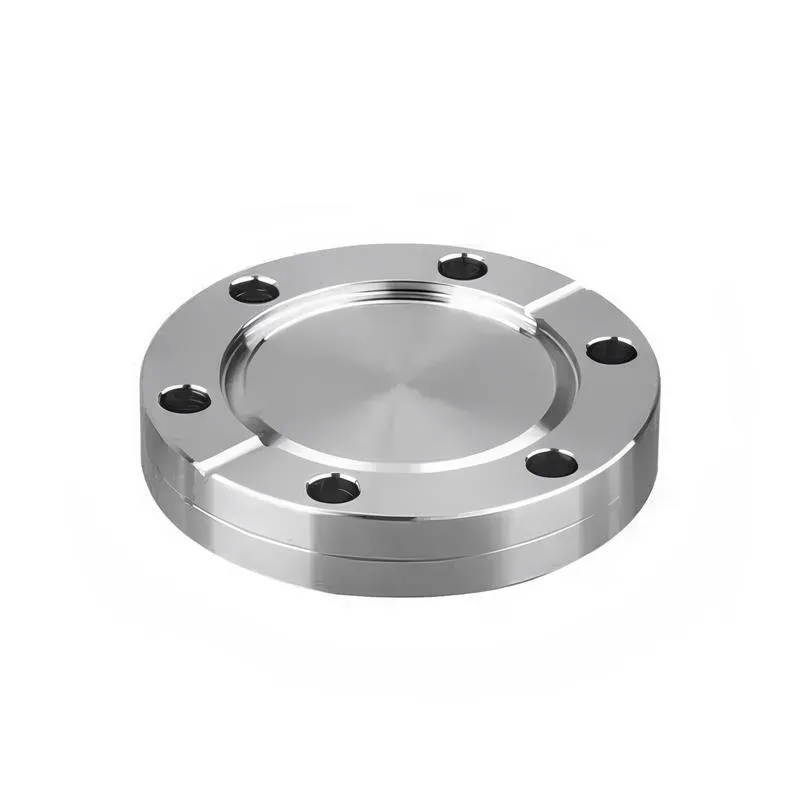
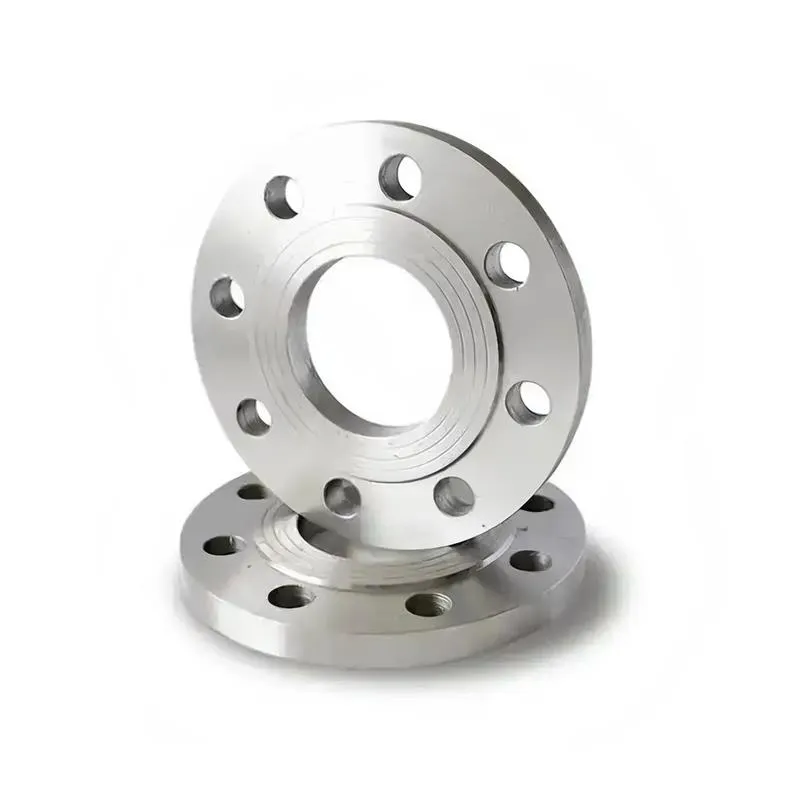
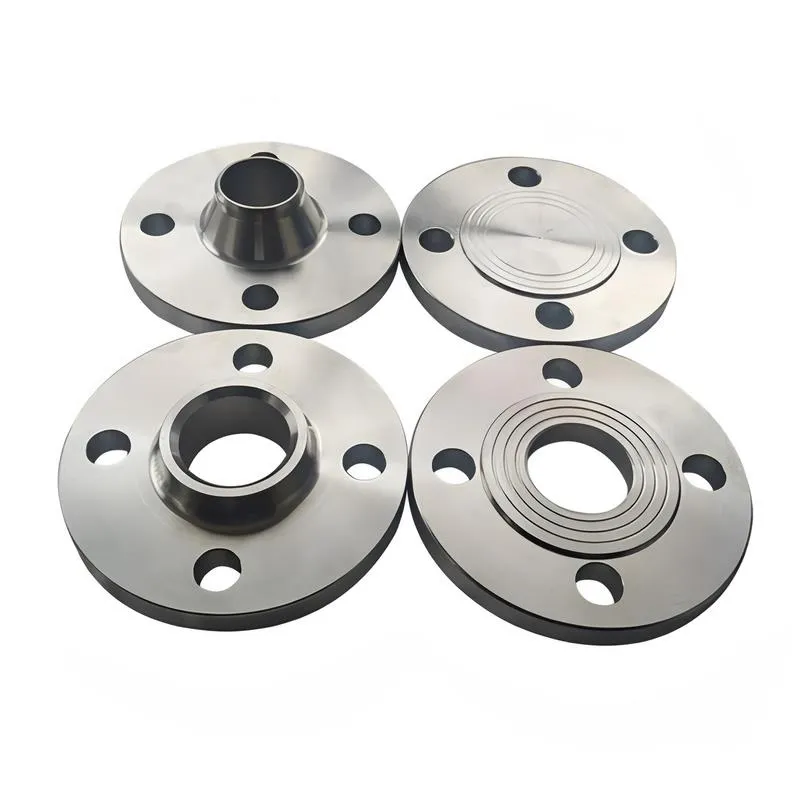
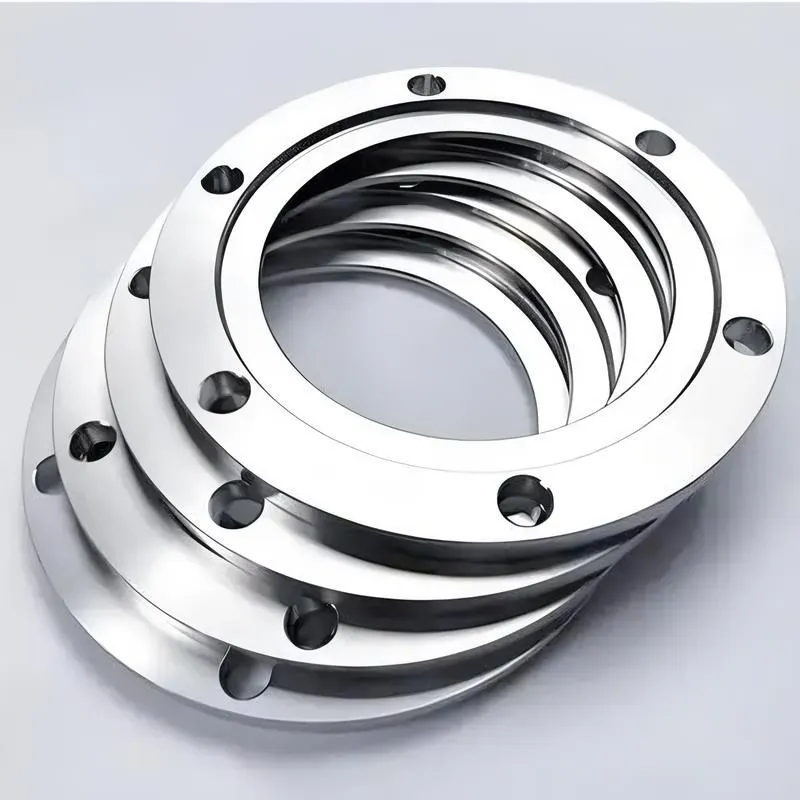
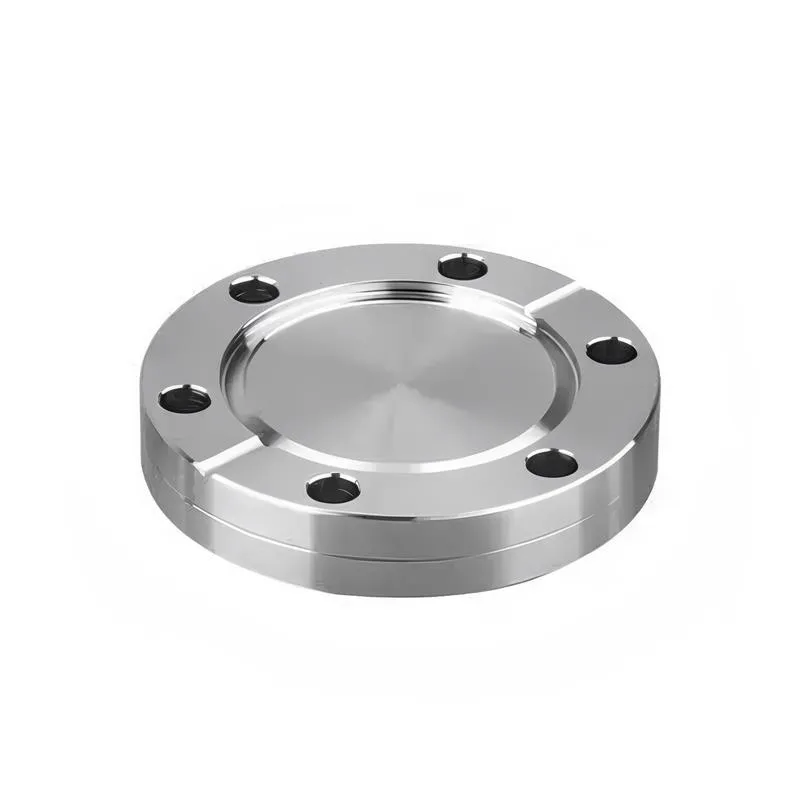
InduSteel Flange,FORA 500 500 HB Wear Resistant Steel Flange
Product Code : FL-Steel-1329-CU
We provide InduSteel Flange,FORA 500 500 HB Wear Resistant Steel Flange Manufacturing types: Forging, Casting, Cutting, Rolling.We can manufacture in accordance with these standards.GB/T 9112–9124-2010 Steel Pipe Flanges , JB Series , HG Series, ASME B16.5, BS4504, DIN , JIS,CBM,etc
1,We Manufacturing processes are primarily classified into four types:
1:Forging,
2:Casting,
3:Cutting,
4:Rolling.
2,We can manufacture in accordance with these standards.
Standards:
GB Series (Chinese Standards), JB Series (Machinery Standards), HG Series (Chemical Industry Standards), ASME B16.5 (American Standards), BS4504 (British Standards), DIN (German Standards), and JIS (Japanese Standards).
Internationally, there are two primary systems of pipe flange standards: the European system, represented by the German DIN standards (including those of the former Soviet Union), and the American system, represented by the US ANSI pipe flange standards. Other common standards include: the Chinese Ministry of Machinery Industry standards (JB series), the Ministry of Chemical Industry standards (HG series), the Chinese National Standard *GB/T 9112–9124-2010 Steel Pipe Flanges*, as well as US standards (ASME B16.5), British standards (BS4504), German standards (DIN), Japanese standards (JIS), and marine standards (CBM), among others.
The nominal pressure ratings for the PN series are designated by "PN" and comprise the following nine levels: PN2.5, PN6, PN10, PN16, PN25, PN40, PN63, PN100, and PN160.
The nominal pressure ratings for the Class series are designated by "Class" and comprise the following six levels: Class150, Class300, Class600, Class900, Class1500, and Class2500.
Flange Classification
1. **According to Chemical Industry Standards:** Flanges are classified as follows:
Plate Flat Welding Flange (PL), Necked Flat Welding Flange (SO), Necked Butt Welding Flange (WN), Integral Flange (IF), Socket Welding Flange (SW), Threaded Flange (Th), Butt Welding Ring Loose Flange (PJ/SE), Blind Flange (BL), Flat Welding Ring Loose Flange (PJ/PJ), and Lined Blind Flange (BL(s)).
2. **According to Petrochemical (SH) Industry Standards:** Flanges are classified as follows:
Threaded Flange (PL), Butt Welding Flange (WN), Flat Welding Flange (SO), Socket Welding Flange (SW), Loose Flange (LJ), and Blind Flange (no specific designation).
3. **According to Machinery (JB) Industry Standards:** Flanges are classified as follows:
Integral Flange, Butt Welding Flange, Plate Flat Welding Flange, Butt Welding Ring Plate Loose Flange, Flat Welding Ring Plate Loose Flange, Lap Joint Ring Plate Loose Flange, and Blind Flange.
4. **According to Connection Method/Type:** Flanges are classified as follows:
Plate Flat Welding Flange, Necked Flat Welding Flange, Necked Butt Welding Flange, Socket Welding Flange, Threaded Flange, Blind Flange, Necked Butt Welding Ring Loose Flange, Flat Welding Ring Loose Flange, Ring-Type Joint (RTJ) Flange and Blind Flange, Large-Diameter Plate Flange, Large-Diameter High-Neck Flange, Figure-8 Blind Plate, Butt Welding Ring Loose Flange, etc.
5. **According to the Component Being Connected:** Flanges can be classified into Vessel Flanges and Pipe Flanges.
6. **According to Structural Type:** Flanges include Integral Flanges, Threaded Flanges, Flat Welding Flanges, Butt Welding Flanges, Lap Joint (Loose/Swivel) Flanges, and Blind Flanges.
A flange—also referred to as a flange plate or rim—is a component used to connect shafts to one another, or, more commonly, to join the ends of pipes. Flanges are also utilized at the inlet and outlet ports of equipment to facilitate connections between two devices—for instance, the flange on a speed reducer. A "flange connection" or "flanged joint" refers to a detachable joint assembly comprising three interconnected elements—a flange, a gasket, and bolts—that together form a sealed structural unit. In the context of piping systems, a "pipe flange" specifically denotes a flange used for plumbing within the installation; when applied to equipment, it refers to the inlet or outlet flange of that specific device. Flanges feature a series of holes through which bolts are inserted to securely fasten the two flanges together, while a gasket placed between the flanges ensures a leak-proof seal. Flanges are broadly categorized into three types: threaded (screw-in) flanges, welded flanges, and clamp-type flanges. Flanges are invariably used in pairs; threaded flanges are suitable for low-pressure piping applications, whereas welded flanges are required for systems operating at pressures exceeding 4 kilograms per square centimeter. A sealing gasket is inserted between the two flange plates, which are then firmly secured using bolts. The thickness of a flange—as well as the specifications of the bolts used to fasten it—vary depending on the specific pressure rating required for the application. When connecting equipment such as water pumps or valves to piping systems, the corresponding connection points on these devices are often manufactured in the shape of a matching flange; this method of attachment is also referred to as a "flange connection." Generally, any connecting component that utilizes bolts to join and seal the perimeters of two flat surfaces—such as the joints in ventilation ducts—is termed a "flange"; such components may collectively be classified as "flange-type parts." However, since such a connection often constitutes merely a *portion* of a larger device—for instance, the interface between a flange and a water pump—it would be inappropriate to classify the entire water pump itself as a "flange-type part." Conversely, smaller components—such as valves—that feature such flanged interfaces may indeed be appropriately categorized as "flange-type parts."
-:-
For detailed product information, please contact sales.
-:
InduSteel Flange FORA 500 500 HB Wear Resistant Steel Flange Product Information
-:-
For detailed product information, please contact sales.
-:
InduSteel Flange FORA 500 500 HB Wear Resistant Steel Flange Synonyms
-:-
For detailed product information, please contact sales.
-:
Industeel FORA 500 500 HB Wear Resistant Steel Product Information
-:-
For detailed product information, please contact sales.
-:
# **Product Datasheet: Industeel FORA 500 Wear Resistant Steel**
## **1. Product Overview**
**FORA 500** is a premium **high-hardness abrasion-resistant steel plate** engineered by Industeel (ArcelorMittal) for applications demanding **exceptional wear resistance under severe abrasive conditions**. With a guaranteed minimum hardness of **500 HBW**, this quenched and tempered steel represents the advanced tier of the FORA wear plate family, delivering superior protection against material degradation in highly aggressive environments. FORA 500 maintains an optimal balance between extreme surface hardness and controlled toughness, making it suitable for applications where both abrasion resistance and structural integrity are critical requirements.
## **2. International Standards & Designations**
| System/Authority | Designation | Specification / Relationship |
| :--- | :--- | :--- |
| **Manufacturer** | **Industeel FORA 500** | Proprietary brand name |
| **Hardness Class** | **500 HBW Minimum** | Nominal hardness specification |
| **ISO** | **ISO 21933:2020** | Abrasion-resistant steel plate (General reference) |
| **European** | **EN 10025-6:2019** | High yield strength steel plates in Q&T condition (Property reference) |
| **ASTM** | **A514/A514M** (Grade approximate) | High-yield-strength, quenched and tempered alloy steel plate |
| **Common Names** | 500HB Wear Plate, AR500 Steel Plate, Premium Abrasion Resistant Steel |
## **3. Chemical Composition (% by Weight)**
FORA 500 employs a precisely controlled alloy system designed to achieve maximum hardness while maintaining adequate toughness.
| Element | Typical FORA 500 Composition | Metallurgical Function |
| :--- | :--- | :--- |
| **Carbon (C)** | **0.25 - 0.35** | Primary hardening element enabling high martensitic hardness |
| **Manganese (Mn)** | **1.20 - 1.60** | Enhances hardenability and solid solution strengthening |
| **Silicon (Si)** | **0.15 - 0.50** | Deoxidizer and solid solution strengthener |
| **Phosphorus (P)** | **≤ 0.020** | Controlled to minimize brittleness |
| **Sulfur (S)** | **≤ 0.008** | Low level for improved transverse properties |
| **Chromium (Cr)** | **0.80 - 1.50** | Significantly improves hardenability and wear resistance |
| **Molybdenum (Mo)** | **0.20 - 0.50** | Enhances hardenability and tempering resistance |
| **Boron (B)** | **0.001 - 0.005** | Powerful hardenability agent for uniform properties |
| **Nickel (Ni)** | **≤ 0.80** | Optional addition for improved toughness |
| **Vanadium (V)** | **≤ 0.15** | Optional microalloy for grain refinement and precipitation hardening |
| **Iron (Fe)** | Balance | Base material |
**Manufacturing Process:** Produced through **Electric Arc Furnace melting → Secondary refining with vacuum degassing → Continuous casting → Controlled thermomechanical rolling → Intensive Quenching & Precision Tempering**. This advanced process creates a highly uniform **tempered martensitic microstructure** with fine carbide distribution optimized for maximum wear resistance.
## **4. Mechanical & Physical Properties**
| Property | Specification / Typical Range | Test Standard | Technical Notes |
| :--- | :--- | :--- | :--- |
| **Hardness** | **500 - 560 HBW** (Minimum 500 HBW) | EN ISO 6506-1 | Uniform through thickness (up to 50mm) |
| **Yield Strength (Rp0.2)** | **≥ 1350 MPa (≥ 196 ksi)** | EN ISO 6892-1 | Extremely high deformation resistance |
| **Tensile Strength (Rm)** | **1550 - 1800 MPa (225 - 261 ksi)** | EN ISO 6892-1 | |
| **Elongation (A₅)** | **≥ 8%** | EN ISO 6892-1 | Maintains ductility despite high hardness |
| **Impact Toughness** | **≥ 15 J at +20°C**
**≥ 8 J at -20°C** | EN ISO 148-1 | Adequate for many impact-abrasion applications |
| **Bend Test** | 180° bend over mandrel **t = 3.0 × t** | EN ISO 7438 | Requires careful forming procedures |
| **Modulus of Elasticity** | **210 GPa (30,400 ksi)** | -- | Standard steel modulus |
| **Density** | **7.85 g/cm³ (0.284 lb/in³)** | -- | |
| **Abrasion Resistance** | **6-8× better than mild steel**
**1.5-2× better than 400 HB steel** | Relative comparison | Excellent for severe abrasion |
| **Surface Finish** | As-rolled or shot blasted | -- | Available with various surface treatments |
| **Available Thickness** | **6mm to 80mm** (typical) | -- | Consult manufacturer for specific availability |
## **5. Key Characteristics & Advantages**
* **Exceptional Abrasion Resistance:** One of the highest hardness levels available in commercial wear plate, providing outstanding protection in severe abrasive environments
* **Good Impact Resistance:** Maintains reasonable toughness despite high hardness, reducing risk of catastrophic failure
* **Uniform Properties:** Advanced quenching ensures consistent hardness throughout the plate thickness
* **High Load-Bearing Capacity:** Combines wear resistance with excellent structural strength
* **Good Fatigue Resistance:** Suitable for applications with cyclic loading
* **Controlled Weldability:** Can be welded using proper procedures despite high hardness
* **Excellent Surface Stability:** Resists deformation and grooving under heavy pressure
## **6. Primary Applications**
FORA 500 is designed for severe wear applications across multiple industries:
* **Mining & Mineral Processing:**
- High-wear chute liners and transfer points
- Screen decks for abrasive ores
- Crusher components and wear plates
- Hopper liners for hard rock mining
* **Quarrying & Aggregates:**
- Conveyor impact zones
- Classifier wear parts
- Crusher liners and mantles
- Material handling equipment
* **Construction & Demolition:**
- Concrete mixing equipment
- Demolition tool wear surfaces
- Asphalt plant components
- Heavy equipment bucket liners
* **Cement Industry:**
- Raw mill feed chutes
- Clinker crusher components
- Separator blades and wear plates
- Conveyor system high-wear areas
* **Steel Industry:**
- Slag handling equipment
- Pelletizing plant wear parts
- Roll guides and deflector plates
- Material transfer systems
* **Power Generation:**
- Coal handling systems
- Ash conveyor components
- Pulverizer wear parts
- Material processing equipment
## **7. Fabrication & Processing Guidelines**
* **Cutting Methods:**
- **Abrasive waterjet cutting:** Recommended method
- **Plasma cutting:** Possible with proper parameters
- **Laser cutting:** Suitable for thinner sections
- **Oxy-fuel cutting:** Not recommended without special procedures
* **Forming Operations:**
- **Minimum bend radius:** 5× plate thickness
- **Preheating required:** 200-250°C before forming
- **Hot forming recommended** for complex shapes
- **Avoid sharp corners** and stress concentrators
* **Welding Procedures:**
- **Preheat temperature:** 200-250°C minimum
- **Interpass temperature:** 200-300°C
- **Filler metals:** Special low-hydrogen, high-toughness electrodes (AWS E11018M type)
- **Heat input:** Control to 1.0-2.0 kJ/mm
- **Post-weld treatment:** Stress relieving at 250-300°C recommended
* **Machining Operations:**
- **Carbide or ceramic tooling** required
- **Slow speeds** with heavy, positive feeds
- **Ample coolant** to prevent overheating
- **Rigid setups** to minimize vibration
* **Bolt Fastening:**
- **Pre-drill all holes** with carbide drills
- **Use hardened washers** and bolts
- **Proper torque sequence** essential
- **Consider mechanical attachment** as alternative to welding
## **8. Quality Control & Certification**
**Standard Testing:**
- Brinell hardness testing (multiple locations)
- Tensile testing per ISO 6892-1
- Charpy V-notch impact testing
- Chemical analysis verification
- Dimensional inspection
**Optional Testing:**
- Ultrasonic testing for internal defects
- Microstructural examination
- Hardness profile mapping
- Bend testing verification
**Certification:** Material supplied with full traceability and comprehensive test certificates including heat treatment records and mechanical property verification.
## **9. Health & Safety Considerations**
* **Personal Protection:** Require full PPE including safety glasses, gloves, hearing protection, and steel-toed boots
* **Cutting Operations:** Implement proper ventilation and fume extraction
* **Material Handling:** Use appropriate lifting equipment and secure storage
* **Hot Work:** Follow established hot work procedures and fire safety protocols
* **Noise Control:** Implement measures for noise reduction during processing
## **10. Technical Support Services**
Industeel provides:
- Application engineering support
- Fabrication procedure development
- Welding procedure qualification
- Failure analysis and troubleshooting
- Custom heat treatment options
- On-site technical consultation
---
**Disclaimer:** This technical datasheet provides general information about Industeel FORA 500 wear resistant steel. Specific properties and performance characteristics may vary based on plate thickness, production parameters, and service conditions. Always consult the manufacturer's latest technical documentation and conduct appropriate testing for critical applications. Proper material selection should consider all factors including abrasion type, impact energy, temperature range, and environmental conditions. This material represents a premium solution for severe wear applications where extended service life justifies the investment.
-:-
For detailed product information, please contact sales.
-:
Industeel FORA 500 500 HB Wear Resistant Steel Specification
Dimensions
Size:
Diameter 20-1000 mm Length <6433 mm
Size:We can customized as required
Standard:
Per your request or drawing
We can customized as required
Properties(Theoretical)
Chemical Composition
-:-
For detailed product information, please contact sales.
-:
Industeel FORA 500 500 HB Wear Resistant Steel Properties
-:-
For detailed product information, please contact sales.
-:
Applications of InduSteel Flange FORA 500 500 HB Wear Resistant Steel Flange
-:-
For detailed product information, please contact sales.
-:
Chemical Identifiers InduSteel Flange FORA 500 500 HB Wear Resistant Steel Flange
-:-
For detailed product information, please contact sales.
-:
Packing of InduSteel Flange FORA 500 500 HB Wear Resistant Steel Flange
-:-
For detailed product information, please contact sales.
-:
Standard Packing:
-:-
For detailed product information, please contact sales.
-:
Typical bulk packaging includes palletized plastic 5 gallon/25 kg. pails, fiber and Steel Flange drums to 1 ton super sacks in full container (FCL) or truck load (T/L) quantities. Research and sample quantities and hygroscopic, oxidizing or other air sensitive materials may be packaged under argon or vacuum. Solutions are packaged in polypropylene, plastic or glass jars up to palletized 2904 gallon liquid totes Special package is available on request. E FORUs’ is carefully handled to minimize damage during storage and transportation and to preserve the quality of our products in their original condition