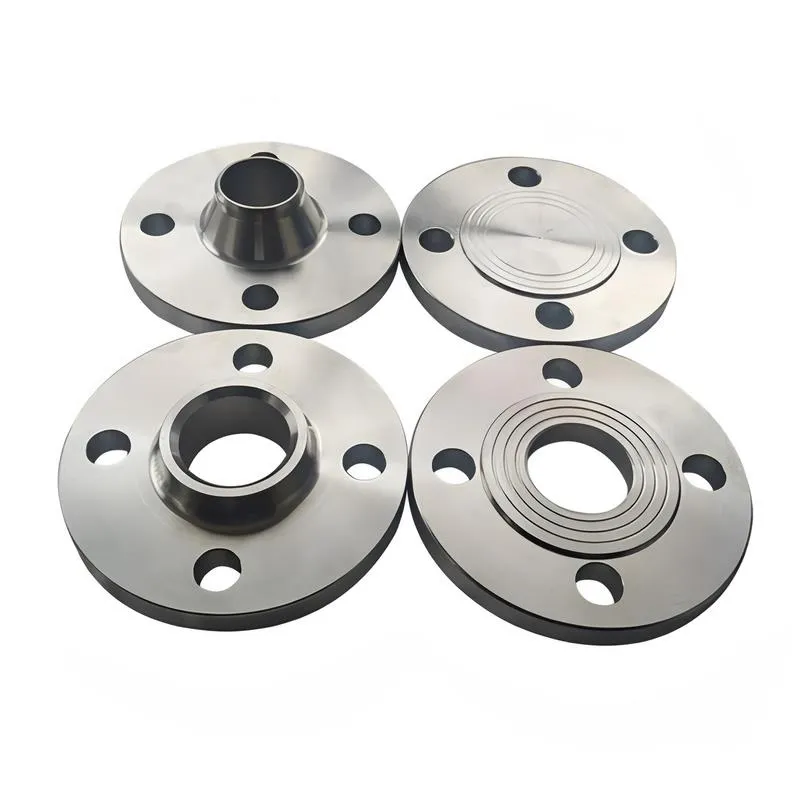
1,We Manufacturing processes are primarily classified into four types:
1:Forging,
2:Casting,
3:Cutting,
4:Rolling.
2,We can manufacture in accordance with these standards.
Standards:
GB Series (Chinese Standards), JB Series (Machinery Standards), HG Series (Chemical Industry Standards), ASME B16.5 (American Standards), BS4504 (British Standards), DIN (German Standards), and JIS (Japanese Standards).
Internationally, there are two primary systems of pipe flange standards: the European system, represented by the German DIN standards (including those of the former Soviet Union), and the American system, represented by the US ANSI pipe flange standards. Other common standards include: the Chinese Ministry of Machinery Industry standards (JB series), the Ministry of Chemical Industry standards (HG series), the Chinese National Standard *GB/T 9112–9124-2010 Steel Pipe Flanges*, as well as US standards (ASME B16.5), British standards (BS4504), German standards (DIN), Japanese standards (JIS), and marine standards (CBM), among others.
The nominal pressure ratings for the PN series are designated by "PN" and comprise the following nine levels: PN2.5, PN6, PN10, PN16, PN25, PN40, PN63, PN100, and PN160.
The nominal pressure ratings for the Class series are designated by "Class" and comprise the following six levels: Class150, Class300, Class600, Class900, Class1500, and Class2500.
Flange Classification
1. **According to Chemical Industry Standards:** Flanges are classified as follows:
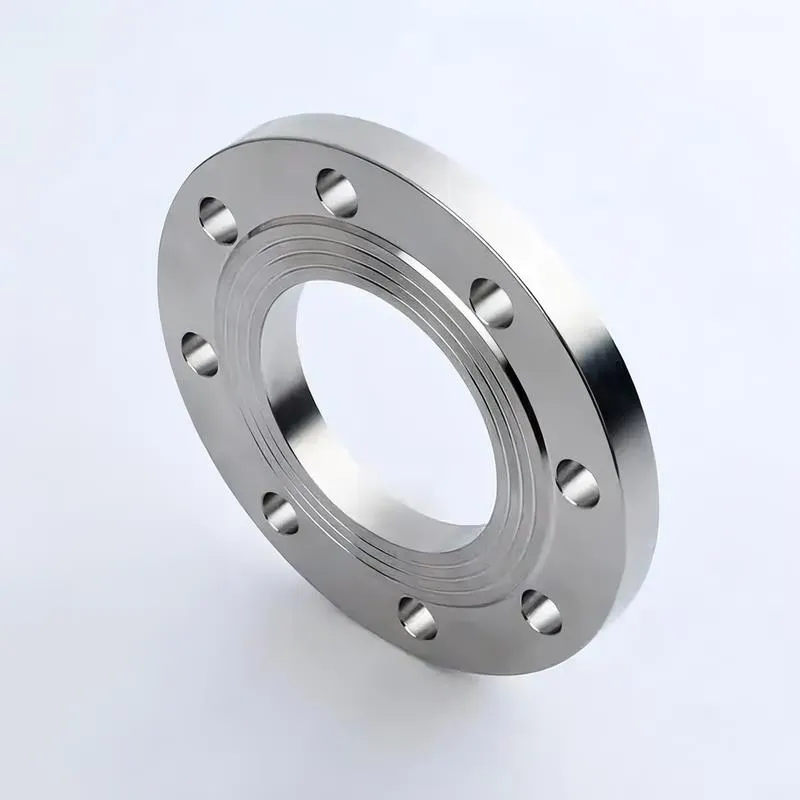
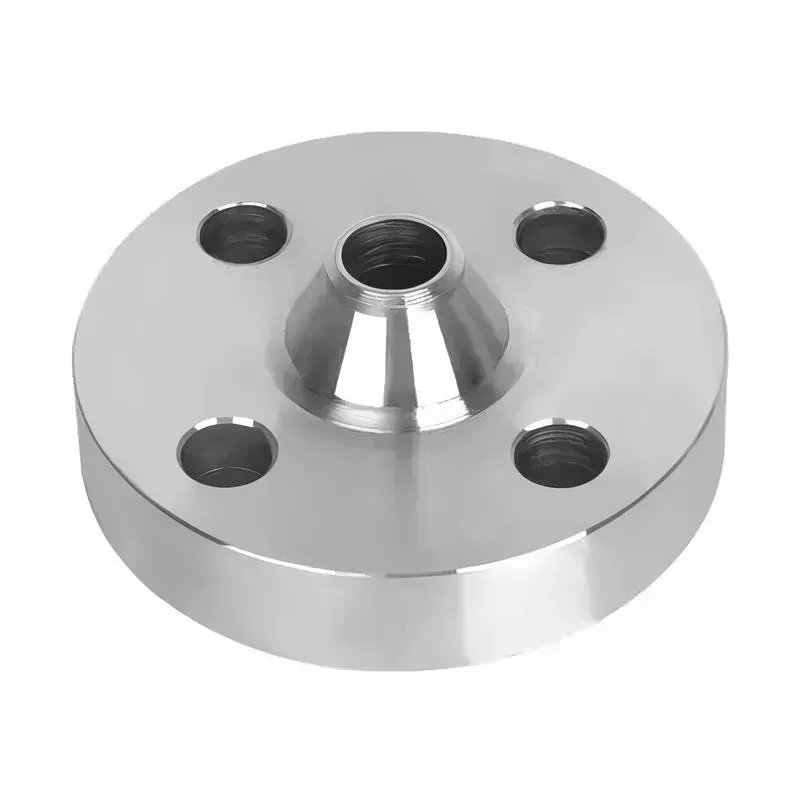
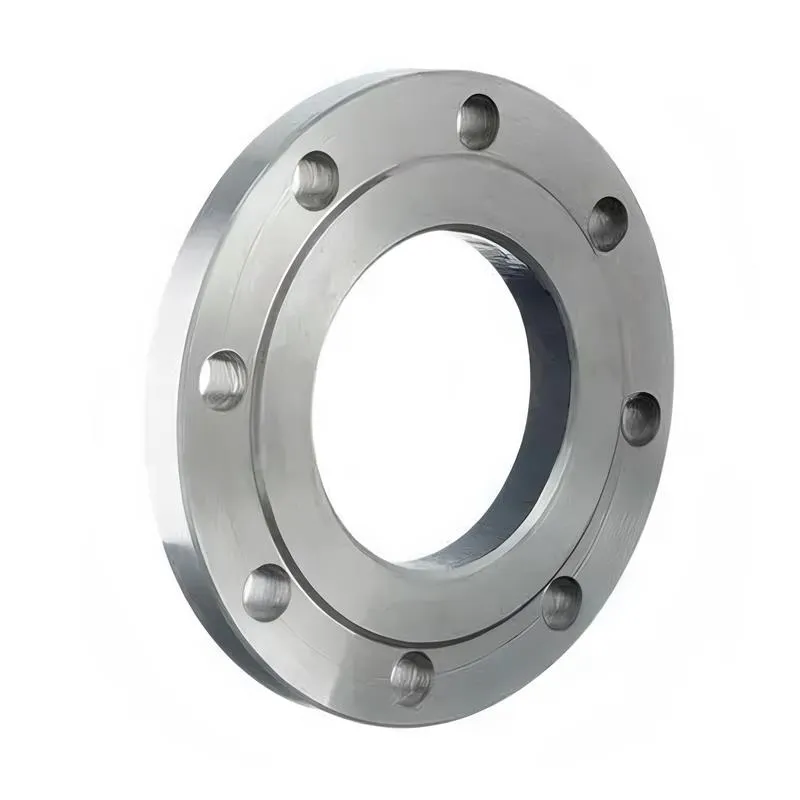
Plate Flat Welding Flange (PL), Necked Flat Welding Flange (SO), Necked Butt Welding Flange (WN), Integral Flange (IF), Socket Welding Flange (SW), Threaded Flange (Th), Butt Welding Ring Loose Flange (PJ/SE), Blind Flange (BL), Flat Welding Ring Loose Flange (PJ/PJ), and Lined Blind Flange (BL(s)).
2. **According to Petrochemical (SH) Industry Standards:** Flanges are classified as follows:
Threaded Flange (PL), Butt Welding Flange (WN), Flat Welding Flange (SO), Socket Welding Flange (SW), Loose Flange (LJ), and Blind Flange (no specific designation).
3. **According to Machinery (JB) Industry Standards:** Flanges are classified as follows:
Integral Flange, Butt Welding Flange, Plate Flat Welding Flange, Butt Welding Ring Plate Loose Flange, Flat Welding Ring Plate Loose Flange, Lap Joint Ring Plate Loose Flange, and Blind Flange.
4. **According to Connection Method/Type:** Flanges are classified as follows:
Plate Flat Welding Flange, Necked Flat Welding Flange, Necked Butt Welding Flange, Socket Welding Flange, Threaded Flange, Blind Flange, Necked Butt Welding Ring Loose Flange, Flat Welding Ring Loose Flange, Ring-Type Joint (RTJ) Flange and Blind Flange, Large-Diameter Plate Flange, Large-Diameter High-Neck Flange, Figure-8 Blind Plate, Butt Welding Ring Loose Flange, etc.
5. **According to the Component Being Connected:** Flanges can be classified into Vessel Flanges and Pipe Flanges.
6. **According to Structural Type:** Flanges include Integral Flanges, Threaded Flanges, Flat Welding Flanges, Butt Welding Flanges, Lap Joint (Loose/Swivel) Flanges, and Blind Flanges.
A flange—also referred to as a flange plate or rim—is a component used to connect shafts to one another, or, more commonly, to join the ends of pipes. Flanges are also utilized at the inlet and outlet ports of equipment to facilitate connections between two devices—for instance, the flange on a speed reducer. A "flange connection" or "flanged joint" refers to a detachable joint assembly comprising three interconnected elements—a flange, a gasket, and bolts—that together form a sealed structural unit. In the context of piping systems, a "pipe flange" specifically denotes a flange used for plumbing within the installation; when applied to equipment, it refers to the inlet or outlet flange of that specific device. Flanges feature a series of holes through which bolts are inserted to securely fasten the two flanges together, while a gasket placed between the flanges ensures a leak-proof seal. Flanges are broadly categorized into three types: threaded (screw-in) flanges, welded flanges, and clamp-type flanges. Flanges are invariably used in pairs; threaded flanges are suitable for low-pressure piping applications, whereas welded flanges are required for systems operating at pressures exceeding 4 kilograms per square centimeter. A sealing gasket is inserted between the two flange plates, which are then firmly secured using bolts. The thickness of a flange—as well as the specifications of the bolts used to fasten it—vary depending on the specific pressure rating required for the application. When connecting equipment such as water pumps or valves to piping systems, the corresponding connection points on these devices are often manufactured in the shape of a matching flange; this method of attachment is also referred to as a "flange connection." Generally, any connecting component that utilizes bolts to join and seal the perimeters of two flat surfaces—such as the joints in ventilation ducts—is termed a "flange"; such components may collectively be classified as "flange-type parts." However, since such a connection often constitutes merely a *portion* of a larger device—for instance, the interface between a flange and a water pump—it would be inappropriate to classify the entire water pump itself as a "flange-type part." Conversely, smaller components—such as valves—that feature such flanged interfaces may indeed be appropriately categorized as "flange-type parts."
-:-
For detailed product information, please contact sales.
-:
Malleable Iron Flange casting, Class 35018 Product Information
-:-
For detailed product information, please contact sales.
-:
Malleable Iron Flange casting, Class 35018 Synonyms
-:-
For detailed product information, please contact sales.
-:
Malleable iron casting, Class 35018 Product Information
-:-
For detailed product information, please contact sales.
-:
# Malleable Iron Casting - Class 35018 (ASTM A47/A197)
## Overview
**Malleable Iron Casting Class 35018** is a premium grade of ferritic malleable iron defined under ASTM A47/A197 standards, offering an optimal balance of enhanced strength and exceptional ductility. This material undergoes a controlled heat treatment process (malleablization) that transforms the brittle white iron cast structure into a ductile ferritic matrix containing temper carbon aggregates. Class 35018 represents an advanced evolution in malleable iron technology, bridging the gap between traditional ferritic grades and pearlitic malleable irons while maintaining superior elongation characteristics.
## International Standards
| Standard Organization | Standard Number | Classification/Equivalent |
|----------------------|----------------|--------------------------|
| **ASTM International** | **ASTM A47/A47M** | Class 35018 (Primary Specification) |
| **ASTM International** | **ASTM A197/A197M** | Cupola Malleable Iron |
| **Society of Automotive Engineers** | **SAE J158** | Malleable Iron Castings |
| **International Organization for Standardization** | **ISO 5922** | JMB 350-18 (Approximate Equivalent) |
| **European Committee for Standardization** | **EN 1562** | EN-GJMB-350-18 |
| **Japanese Industrial Standards** | **JIS G 5705** | FCMB 350 |
| **Chinese National Standards** | **GB/T 9440** | JMB 350 |
## Chemical Composition
### Base Composition Requirements
The chemical composition is carefully controlled to ensure proper malleablization and achieve target mechanical properties:
| Element | Composition Range (%) | Function & Influence |
|---------|----------------------|---------------------|
| **Carbon (C)** | 2.20 - 2.90 | Primary carbon source for temper carbon formation during annealing |
| **Silicon (Si)** | 1.00 - 1.75 | Graphitizing agent; accelerates annealing process |
| **Manganese (Mn)** | 0.25 - 0.55 | Counteracts sulfur effects; enhances strength |
| **Sulfur (S)** | ≤ 0.12 (max) | Controlled impurity; excessive S causes brittleness |
| **Phosphorus (P)** | ≤ 0.12 (max) | Improves fluidity but reduces toughness at high levels |
| **Chromium (Cr)** | ≤ 0.08 (max) | Restricted; inhibits graphitization during annealing |
| **Copper (Cu)** | Optional (0.10-0.40) | Sometimes added for improved corrosion resistance |
### Special Notes on Composition Control
1. **Carbon Equivalent (CE)**: Typically maintained between 3.6-4.1%
2. **Si/C Ratio**: Critical for proper annealing response; typically maintained at 0.45-0.65
3. **Trace Elements**: Lead, bismuth, and tellurium are strictly controlled (<0.002% each)
## Physical and Mechanical Properties
### Minimum Requirements per ASTM A47
| Property | Minimum Requirement | Typical Range |
|----------|-------------------|--------------|
| **Tensile Strength** | 350 MPa (50,000 psi) | 360-400 MPa (52,200-58,000 psi) |
| **Yield Strength (0.5% extension)** | 230 MPa (33,000 psi) | 240-280 MPa (34,800-40,600 psi) |
| **Elongation (in 50 mm)** | 18% | 18-22% |
| **Brinell Hardness** | Not specified | 156-197 HB (typical 163-179 HB) |
| **Yield Ratio** | ≈ 0.65 | 0.64-0.68 |
### Comprehensive Property Profile
**1. Mechanical Properties:**
- **Tensile Strength**: 50,000 psi minimum (typically 52,000-58,000 psi)
- **Yield Strength**: 33,000 psi minimum
- **Elongation**: 18% minimum in 2 inches
- **Impact Resistance**: Excellent Charpy V-notch values at room temperature
- **Fatigue Strength**: Approximately 200-220 MPa at 10⁷ cycles
- **Fracture Toughness**: Good resistance to crack propagation
**2. Physical Properties:**
- **Density**: 7.2-7.3 g/cm³
- **Melting Point**: Approximately 1140-1200°C
- **Thermal Conductivity**: 40-50 W/m·K at 20°C
- **Coefficient of Thermal Expansion**: 10.5-11.5 × 10⁻⁶/°C (20-200°C)
- **Electrical Resistivity**: 0.30-0.35 μΩ·m
- **Elastic Modulus**: 170-180 GPa (24.6-26.1 × 10⁶ psi)
- **Shear Modulus**: 65-70 GPa
- **Poisson's Ratio**: 0.26-0.28
**3. Manufacturing Properties:**
- **Machinability**: Excellent (85-90% relative to B1112 steel)
- **Castability**: Good, with excellent fluidity for complex shapes
- **Surface Finish**: Capable of achieving 2.5-6.3 μm Ra as-cast
- **Dimensional Stability**: Excellent during and after heat treatment
- **Weldability**: Fair with pre-heat and post-heat treatment
## Metallurgical Characteristics
### Microstructure
- **Matrix**: Predominantly ferritic with <10% pearlite
- **Carbon Form**: Irregular temper carbon aggregates (nodules)
- **Grain Structure**: ASTM grain size 4-6
- **Nodule Count**: 80-120 nodules/mm²
- **Nodule Size**: Typically 20-40 μm
### Heat Treatment Process
Class 35018 undergoes a two-stage annealing process:
1. **First Stage**: 900-950°C for 10-20 hours (graphitization)
2. **Second Stage**: 700-730°C for 15-30 hours (ferritization)
3. **Total Cycle Time**: 25-50 hours depending on section thickness
## Product Applications
### Automotive Industry
- **Steering Components**: Drag links, tie rod ends, pitman arms
- **Suspension Parts**: Shackles, spring hangers, U-bolts
- **Brake System Components**: Brake levers, cam shafts, adjusters
- **Drivetrain Parts**: Universal joint yokes, differential cases
- **Engine Components**: Rocker arms, brackets, pulleys
### Agricultural Equipment
- **Tractor Components**: Drawbar assemblies, hitch parts, pedal brackets
- **Implement Parts**: Cultivator frames, plow components, mower parts
- **Harvesting Equipment**: Combine linkages, reel arms, auger brackets
### Construction and Mining
- **Heavy Equipment**: Excavator linkages, bulldozer track components
- **Mining Hardware**: Chain links, conveyor parts, crusher components
- **Construction Tools**: Scaffolding fittings, hoist components, crane parts
### Industrial Applications
- **Valves and Fittings**: Pipe fittings, valve bodies, flange adapters
- **Material Handling**: Conveyor system components, gear housings
- **Machine Components**: Gear blanks, bearing housings, machine bases
- **Hardware and Tools**: Wrenches, sockets, vise parts, clamps
### Electrical Industry
- **Utility Hardware**: Pole line hardware, transformer brackets
- **Electrical Fittings**: Conduit bodies, junction boxes, cable guards
## Manufacturing Advantages
### Processing Benefits
1. **Excellent Castability**: Superior fluidity allows for thin sections (down to 3 mm)
2. **Complex Geometries**: Capable of intricate shapes with minimal draft angles
3. **Dimensional Consistency**: Minimal distortion during annealing
4. **Surface Quality**: Good as-cast finish reduces machining requirements
5. **Heat Treatment Response**: Consistent property development throughout cross-sections
### Performance Advantages
1. **Strength-Ductility Balance**: Superior elongation at higher strength levels
2. **Impact Resistance**: Excellent toughness at room temperature
3. **Fatigue Performance**: Good resistance to cyclic loading
4. **Machinability**: Faster machining rates with better tool life
5. **Cost Efficiency**: Competitive total cost compared to ductile iron and steel castings
## Quality Control and Testing
### Standard Tests
1. **Tensile Testing**: Per ASTM E8 on separately cast test bars
2. **Hardness Testing**: Brinell per ASTM E10 or Rockwell per ASTM E18
3. **Microstructural Examination**: Per ASTM A247
4. **Pressure Testing**: For fluid-handling components
5. **Non-Destructive Testing**: Magnetic particle, dye penetrant, or ultrasonic as specified
### Certification Requirements
- **Material Certification**: Chemical analysis and mechanical property reports
- **Heat Treatment Records**: Complete annealing cycle documentation
- **Dimensional Reports**: First article and statistical process control data
- **Non-Destructive Testing Reports**: When specified by customer requirements
## Comparative Analysis
### vs. Class 32510
- **Strength**: 8% higher minimum tensile strength
- **Ductility**: 80% higher minimum elongation
- **Applications**: More suitable for highly stressed, dynamically loaded components
### vs. Pearlitic Malleable Iron (e.g., 45006)
- **Ductility**: Significantly higher elongation
- **Machinability**: Superior due to ferritic matrix
- **Impact Resistance**: Better at room temperature
### vs. Ductile Iron (65-45-12)
- **Castability**: Better for very thin sections
- **Machinability**: Approximately 20-30% better
- **Impact Properties**: Superior at low stress concentrations
## Environmental and Sustainability Aspects
### Energy Consumption
- **Malleablization Process**: Energy-intensive but offset by reduced machining
- **Recyclability**: 100% recyclable with no degradation of properties
- **Material Efficiency**: Near-net-shape casting minimizes waste
### Life Cycle Considerations
- **Durability**: Long service life reduces replacement frequency
- **Maintenance**: Good corrosion resistance with proper coatings
- **End-of-Life**: Fully recyclable in steelmaking processes
## Technical Limitations and Considerations
### Design Constraints
1. **Section Sensitivity**: Properties vary with casting thickness
2. **Maximum Section**: Typically limited to 50 mm for uniform properties
3. **Annealing Effects**: Some dimensional changes during heat treatment
4. **Temperature Limits**: Not recommended for sustained service above 425°C
### Processing Considerations
1. **Long Lead Times**: Extended annealing cycles (25-50 hours)
2. **Energy Intensive**: High thermal mass requires significant energy input
3. **Limited Hardenability**: Cannot be through-hardened by quenching
## Future Developments and Trends
### Technology Advancements
1. **Accelerated Annealing**: New processes reducing cycle times by 30-40%
2. **Alloy Development**: Enhanced grades with improved strength-ductility combinations
3. **Process Control**: Advanced monitoring for consistent property development
### Market Trends
1. **Lightweighting**: Development of optimized geometries for weight reduction
2. **Sustainability**: Improved energy efficiency in annealing processes
3. **Digital Integration**: Smart manufacturing and quality tracking systems
## Conclusion
Malleable Iron Casting Class 35018 represents an advanced engineering material that combines the traditional benefits of malleable iron—excellent castability, machinability, and toughness—with enhanced strength and ductility. Its 350 MPa tensile strength with 18% elongation makes it uniquely suited for applications requiring both load-bearing capacity and impact resistance. Governed by ASTM A47 standards with international equivalents, this material continues to serve critical roles across automotive, agricultural, construction, and industrial sectors where reliability, performance, and cost-effectiveness are paramount. As manufacturing technologies advance, Class 35018 maintains its relevance through ongoing process improvements and expanded application potential.
-:-
For detailed product information, please contact sales.
-:
Malleable iron casting, Class 35018 Specification
Dimensions
Size:
Diameter 20-1000 mm Length <6574 mm
Size:We can customized as required
Standard:
Per your request or drawing
We can customized as required
Properties(Theoretical)
Chemical Composition
-:-
For detailed product information, please contact sales.
-:
Malleable iron casting, Class 35018 Properties
-:-
For detailed product information, please contact sales.
-:
Applications of Malleable Iron Flange casting, Class 35018
-:-
For detailed product information, please contact sales.
-:
Chemical Identifiers Malleable Iron Flange casting, Class 35018
-:-
For detailed product information, please contact sales.
-:
Packing of Malleable Iron Flange casting, Class 35018
-:-
For detailed product information, please contact sales.
-:
Standard Packing:
-:-
For detailed product information, please contact sales.
-:
Typical bulk packaging includes palletized plastic 5 gallon/25 kg. pails, fiber and Steel Flange drums to 1 ton super sacks in full container (FCL) or truck load (T/L) quantities. Research and sample quantities and hygroscopic, oxidizing or other air sensitive materials may be packaged under argon or vacuum. Solutions are packaged in polypropylene, plastic or glass jars up to palletized 3045 gallon liquid totes Special package is available on request. E FORUs’ is carefully handled to minimize damage during storage and transportation and to preserve the quality of our products in their original condition