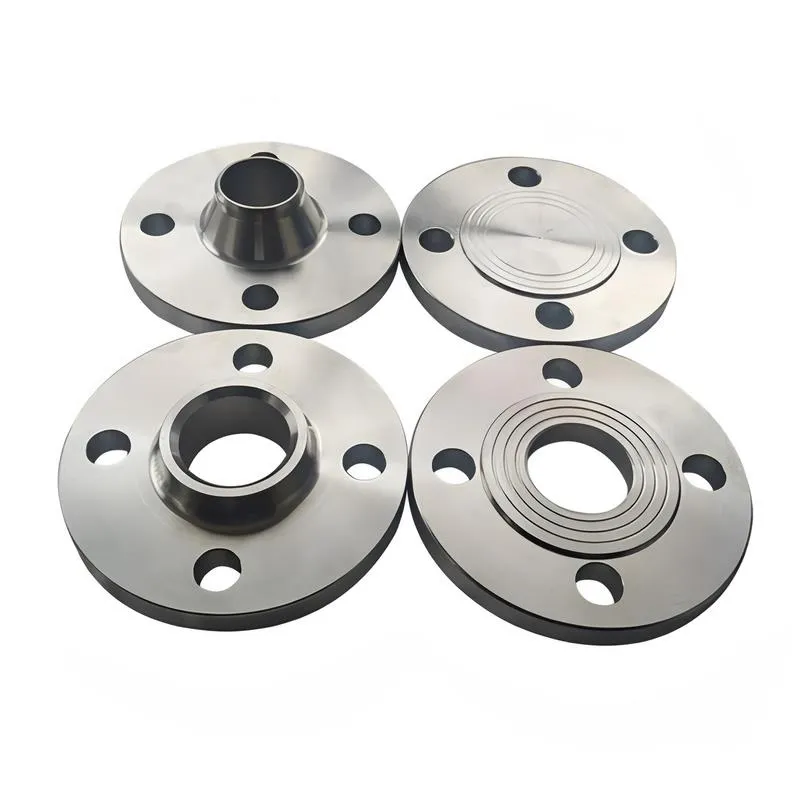
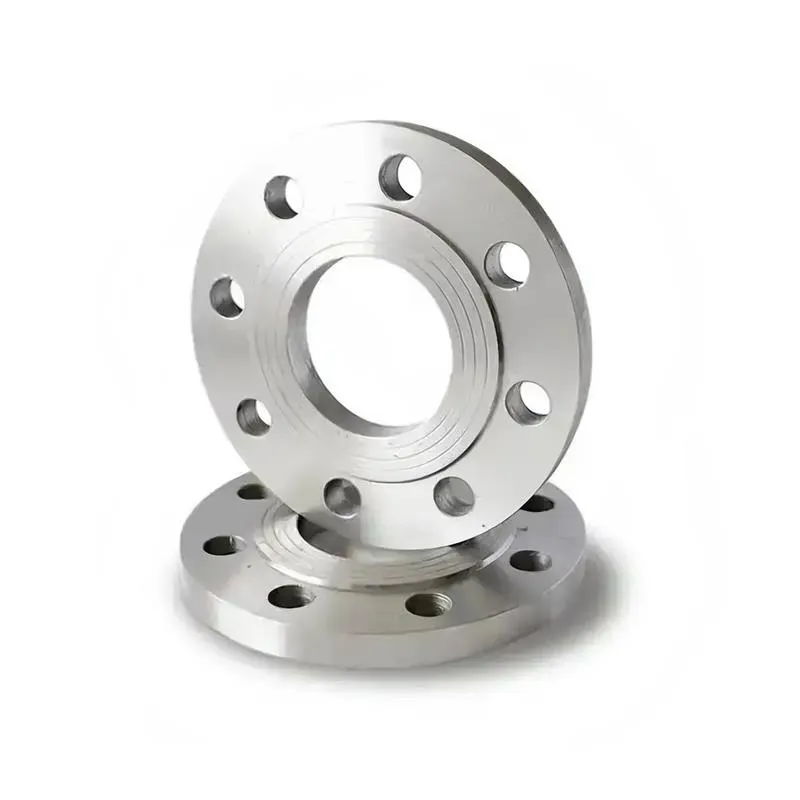
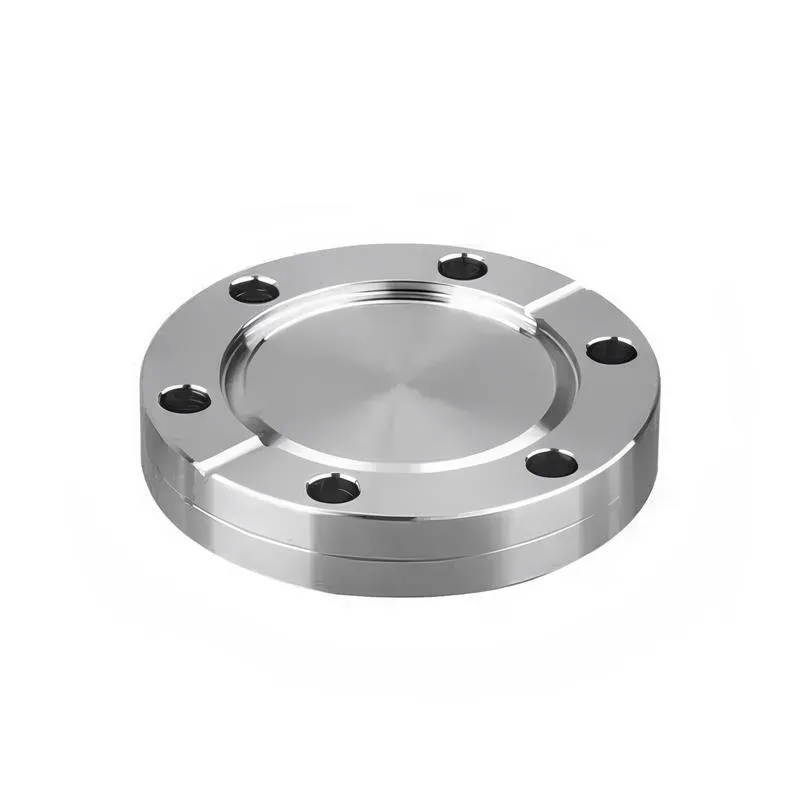
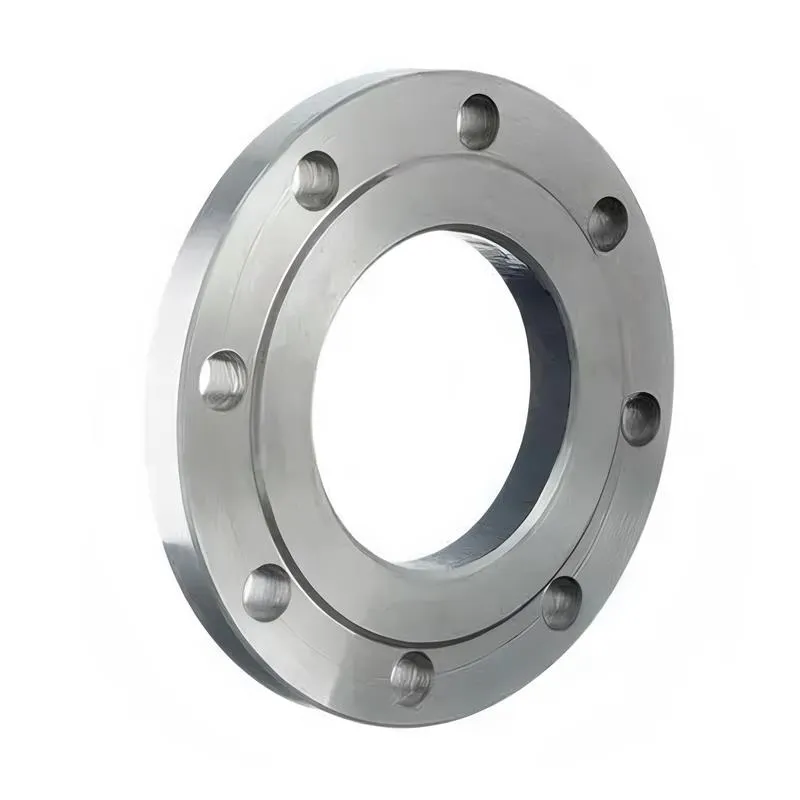
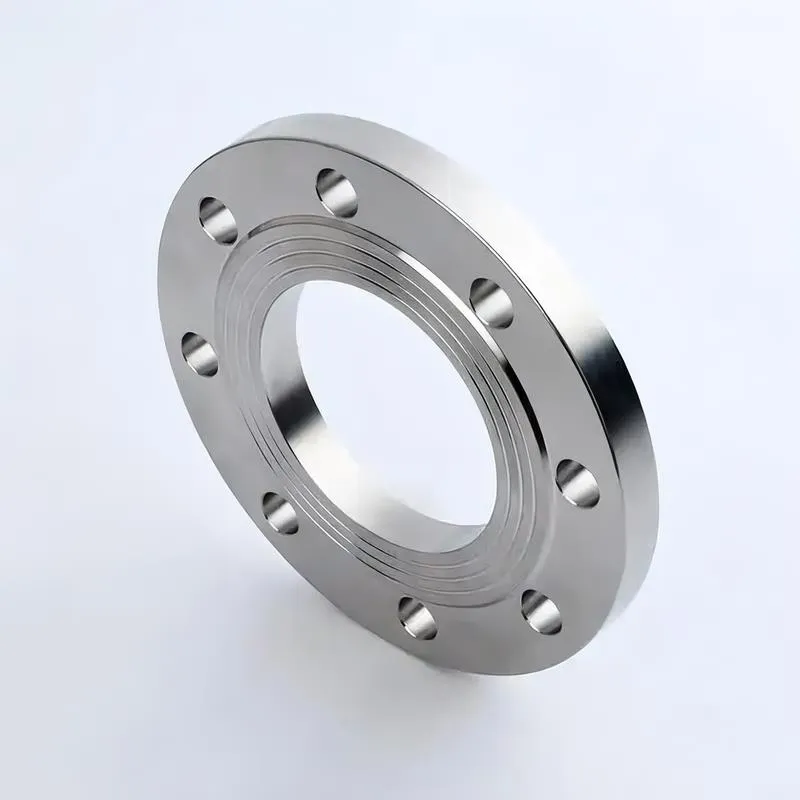
1,We Manufacturing processes are primarily classified into four types:
1:Forging,
2:Casting,
3:Cutting,
4:Rolling.
2,We can manufacture in accordance with these standards.
Standards:
GB Series (Chinese Standards), JB Series (Machinery Standards), HG Series (Chemical Industry Standards), ASME B16.5 (American Standards), BS4504 (British Standards), DIN (German Standards), and JIS (Japanese Standards).
Internationally, there are two primary systems of pipe flange standards: the European system, represented by the German DIN standards (including those of the former Soviet Union), and the American system, represented by the US ANSI pipe flange standards. Other common standards include: the Chinese Ministry of Machinery Industry standards (JB series), the Ministry of Chemical Industry standards (HG series), the Chinese National Standard *GB/T 9112–9124-2010 Steel Pipe Flanges*, as well as US standards (ASME B16.5), British standards (BS4504), German standards (DIN), Japanese standards (JIS), and marine standards (CBM), among others.
The nominal pressure ratings for the PN series are designated by "PN" and comprise the following nine levels: PN2.5, PN6, PN10, PN16, PN25, PN40, PN63, PN100, and PN160.
The nominal pressure ratings for the Class series are designated by "Class" and comprise the following six levels: Class150, Class300, Class600, Class900, Class1500, and Class2500.
Flange Classification
1. **According to Chemical Industry Standards:** Flanges are classified as follows:
Plate Flat Welding Flange (PL), Necked Flat Welding Flange (SO), Necked Butt Welding Flange (WN), Integral Flange (IF), Socket Welding Flange (SW), Threaded Flange (Th), Butt Welding Ring Loose Flange (PJ/SE), Blind Flange (BL), Flat Welding Ring Loose Flange (PJ/PJ), and Lined Blind Flange (BL(s)).
2. **According to Petrochemical (SH) Industry Standards:** Flanges are classified as follows:
Threaded Flange (PL), Butt Welding Flange (WN), Flat Welding Flange (SO), Socket Welding Flange (SW), Loose Flange (LJ), and Blind Flange (no specific designation).
3. **According to Machinery (JB) Industry Standards:** Flanges are classified as follows:
Integral Flange, Butt Welding Flange, Plate Flat Welding Flange, Butt Welding Ring Plate Loose Flange, Flat Welding Ring Plate Loose Flange, Lap Joint Ring Plate Loose Flange, and Blind Flange.
4. **According to Connection Method/Type:** Flanges are classified as follows:
Plate Flat Welding Flange, Necked Flat Welding Flange, Necked Butt Welding Flange, Socket Welding Flange, Threaded Flange, Blind Flange, Necked Butt Welding Ring Loose Flange, Flat Welding Ring Loose Flange, Ring-Type Joint (RTJ) Flange and Blind Flange, Large-Diameter Plate Flange, Large-Diameter High-Neck Flange, Figure-8 Blind Plate, Butt Welding Ring Loose Flange, etc.
5. **According to the Component Being Connected:** Flanges can be classified into Vessel Flanges and Pipe Flanges.
6. **According to Structural Type:** Flanges include Integral Flanges, Threaded Flanges, Flat Welding Flanges, Butt Welding Flanges, Lap Joint (Loose/Swivel) Flanges, and Blind Flanges.
A flange—also referred to as a flange plate or rim—is a component used to connect shafts to one another, or, more commonly, to join the ends of pipes. Flanges are also utilized at the inlet and outlet ports of equipment to facilitate connections between two devices—for instance, the flange on a speed reducer. A "flange connection" or "flanged joint" refers to a detachable joint assembly comprising three interconnected elements—a flange, a gasket, and bolts—that together form a sealed structural unit. In the context of piping systems, a "pipe flange" specifically denotes a flange used for plumbing within the installation; when applied to equipment, it refers to the inlet or outlet flange of that specific device. Flanges feature a series of holes through which bolts are inserted to securely fasten the two flanges together, while a gasket placed between the flanges ensures a leak-proof seal. Flanges are broadly categorized into three types: threaded (screw-in) flanges, welded flanges, and clamp-type flanges. Flanges are invariably used in pairs; threaded flanges are suitable for low-pressure piping applications, whereas welded flanges are required for systems operating at pressures exceeding 4 kilograms per square centimeter. A sealing gasket is inserted between the two flange plates, which are then firmly secured using bolts. The thickness of a flange—as well as the specifications of the bolts used to fasten it—vary depending on the specific pressure rating required for the application. When connecting equipment such as water pumps or valves to piping systems, the corresponding connection points on these devices are often manufactured in the shape of a matching flange; this method of attachment is also referred to as a "flange connection." Generally, any connecting component that utilizes bolts to join and seal the perimeters of two flat surfaces—such as the joints in ventilation ducts—is termed a "flange"; such components may collectively be classified as "flange-type parts." However, since such a connection often constitutes merely a *portion* of a larger device—for instance, the interface between a flange and a water pump—it would be inappropriate to classify the entire water pump itself as a "flange-type part." Conversely, smaller components—such as valves—that feature such flanged interfaces may indeed be appropriately categorized as "flange-type parts."
-:-
For detailed product information, please contact sales.
-:
Sandvik 12C27M Strip Steel Flange Product Information
-:-
For detailed product information, please contact sales.
-:
Sandvik 12C27M Strip Steel Flange Synonyms
-:-
For detailed product information, please contact sales.
-:
Sandvik 12C27M Strip Steel Product Information
-:-
For detailed product information, please contact sales.
-:
## **Sandvik 12C27M Strip Steel – Advanced Martensitic Stainless Steel with Enhanced Edge Performance**
### **Product Overview**
Sandvik 12C27M represents a **modernized and optimized evolution** of the classic 12C27 stainless steel, specifically engineered through refined metallurgy to deliver **superior edge properties, enhanced cleanliness, and more consistent performance**. The "M" designation signifies a **Modified** composition with tighter control over impurities and a more uniform microstructure, making it the premium choice for high-end cutlery and precision components where ultimate sharpness, edge stability, and reliability are critical.
### **Key Advantages over Standard 12C27**
* **Superior Edge Refinement:** The modified composition and manufacturing process yield a finer, more homogeneous carbide distribution, enabling an exceptionally keen and stable edge.
* **Enhanced Toughness:** Improved micro-cleanliness (lower sulfur and inclusion content) provides better resistance to chipping and micro-fractures under lateral stress.
* **Excellent Corrosion Resistance:** Maintains the good stain resistance of 12C27, suitable for demanding environments.
* **Optimal Hardness Balance:** Achieves high hardness (58-60+ HRC) while retaining the ductility necessary for real-world durability.
* **Consistent & Predictable Performance:** Tighter production controls ensure batch-to-binary uniformity in heat treatment response and final properties.
### **Chemical Composition (Typical, wt%)**
The composition is precisely balanced with stricter limits on impurities to optimize performance.
| Element | Content (%) | Element | Content (%) |
| :--- | :--- | :--- | :--- |
| **Carbon (C)** | 0.60 | **Chromium (Cr)** | 13.50 |
| **Silicon (Si)** | 0.40 | **Manganese (Mn)** | 0.40 |
| **Phosphorus (P)** | ≤ 0.020 | **Sulfur (S)** | **≤ 0.001** (Very Low) |
| **Nitrogen (N)** | Controlled | **Iron (Fe)** | Balance |
**Key Differentiator:** The extremely low sulfur content (≤0.001%) is a critical upgrade, minimizing sulfide inclusions that can act as stress concentrators and weaken the edge.
### **Physical & Mechanical Properties**
#### **Properties in Annealed Condition (as supplied strip):**
* **Density:** 7.7 g/cm³
* **Modulus of Elasticity:** ~200 GPa
* **Hardness:** 180-220 HB
* **Tensile Strength:** 650-850 MPa
* **Yield Strength:** ~500 MPa
* **Elongation:** ≥ 18%
* **Magnetic:** Yes
#### **Properties after Optimal Hardening & Tempering:**
* **Recommended Hardness Range:** **58 – 62 HRC**
* **Typical Heat Treatment:** Austenitize at **1050-1070°C**, oil quench, and temper at **150-180°C**.
* **Tensile Strength:** 2100 – 2400 MPa
* **Toughness (Impact Resistance):** Superior to standard 12C27 at equivalent hardness due to cleaner steel.
#### **Corrosion Resistance:**
* Performs well against water, food acids, and perspiration. Offers clearly better protection than tool steels but is not suitable for highly corrosive (e.g., marine, chemical) environments without care.
### **International Standards & Approvals**
* **Sandvik Proprietary Premium Grade:** **12C27M** is the defining specification.
* **Base Material Standard:** Corresponds to the family of:
* **EN / Euronorm:** 1.4021 (X20Cr13)
* **UNS:** S42000
* **AISI:** 420 (Modified)
* **Industry Status:** Recognized as a benchmark material in the premium knife-making and fine tooling industries. It is often specified by name by high-end manufacturers.
### **Product Applications**
12C27M is designed for applications where the performance limits of standard martensitic stainless steels are to be exceeded.
* **Premium Cutlery & Blades:**
* High-end chef's knives (professional and enthusiast grades)
* Top-tier folding knives, hunting knives, and tactical blades
* Precision surgical blades and dermatological scalpels
* Award-winning custom knives
* High-performance razor blades
* **Precision Industrial Components:**
* Critical wear parts requiring a combination of edge retention and corrosion resistance
* Cutting blades for specialized materials (e.g., textiles, composites, tapes)
* 精密弹簧和弹性元件 (Precision springs and elastic components) for corrosive atmospheres (after appropriate tempering)
* Injection mold components for abrasive plastics
* Gauge blocks and metrology components
* **Consumer & Professional Tools:**
* High-quality scissors and shears (hairdressing, fabric)
* Craft and utility blades
* Tool inserts for precision cutting
### **Processing Guidelines**
* **Forming:** Excellent formability in the annealed state. Good for blanking, stamping, and bending.
* **Machining:** Machines well in the annealed condition. Use sharp, positive-rake carbide tools.
* **Heat Treatment (Critical):**
* **Pre-heat/Austenitize:** 850°C (pre-heat) followed by **1050-1070°C**. Precise temperature control is essential.
* **Quenching:** Rapid oil quenching is standard.
* **Tempering:** Immediate tempering at **150-180°C for 1-2 hours** (double tempering recommended for maximum stability).
* **Cryogenic Treatment:** Optionally used after quenching (before tempering) to enhance transformation completeness and wear resistance.
* **Finishing:** Takes an exceptional polish. Processes well with grinding, belt finishing, hand sanding, and tumbling.
### **Availability**
Sandvik supplies 12C27M as a premium cold-rolled strip.
* **Thickness:** Typically 0.3 mm to 4.0 mm
* **Width:** Up to 330 mm
* **Condition:** Soft Annealed (A)
* **Surface Finish:** Bright (2B), Polished (2P/2R), or precision rolled to specific roughness (Ra).
* **Packaging:** Protected coils or precision-cut blanks.
---
**Technical Recommendation:** Sandvik 12C27M is a performance-optimized material. To fully exploit its capabilities, close collaboration with heat treatment specialists is crucial. For industrial applications, prototyping and testing under real-world conditions are strongly advised. Consult Sandvik's latest technical documentation and application engineers for specific guidance related to your design, fabrication process, and performance requirements.
-:-
For detailed product information, please contact sales.
-:
Sandvik 12C27M Strip Steel Specification
Dimensions
Size:
Diameter 20-1000 mm Length <7442 mm
Size:We can customized as required
Standard:
Per your request or drawing
We can customized as required
Properties(Theoretical)
Chemical Composition
-:-
For detailed product information, please contact sales.
-:
Sandvik 12C27M Strip Steel Properties
-:-
For detailed product information, please contact sales.
-:
Applications of Sandvik 12C27M Strip Steel Flange
-:-
For detailed product information, please contact sales.
-:
Chemical Identifiers Sandvik 12C27M Strip Steel Flange
-:-
For detailed product information, please contact sales.
-:
Packing of Sandvik 12C27M Strip Steel Flange
-:-
For detailed product information, please contact sales.
-:
Standard Packing:
-:-
For detailed product information, please contact sales.
-:
Typical bulk packaging includes palletized plastic 5 gallon/25 kg. pails, fiber and Steel Flange drums to 1 ton super sacks in full container (FCL) or truck load (T/L) quantities. Research and sample quantities and hygroscopic, oxidizing or other air sensitive materials may be packaged under argon or vacuum. Solutions are packaged in polypropylene, plastic or glass jars up to palletized 3913 gallon liquid totes Special package is available on request. E FORUs’ is carefully handled to minimize damage during storage and transportation and to preserve the quality of our products in their original condition