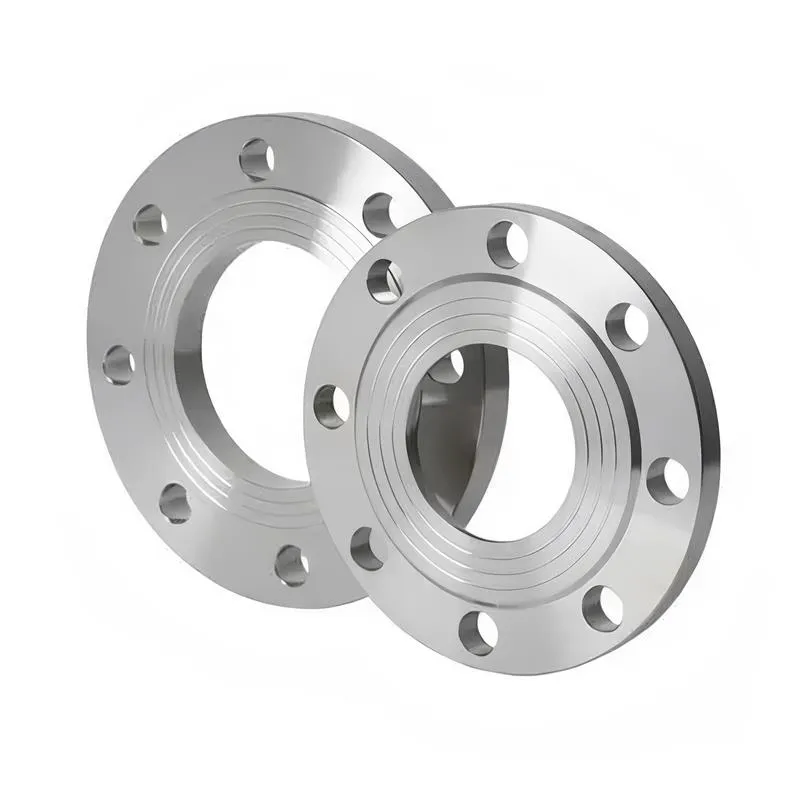
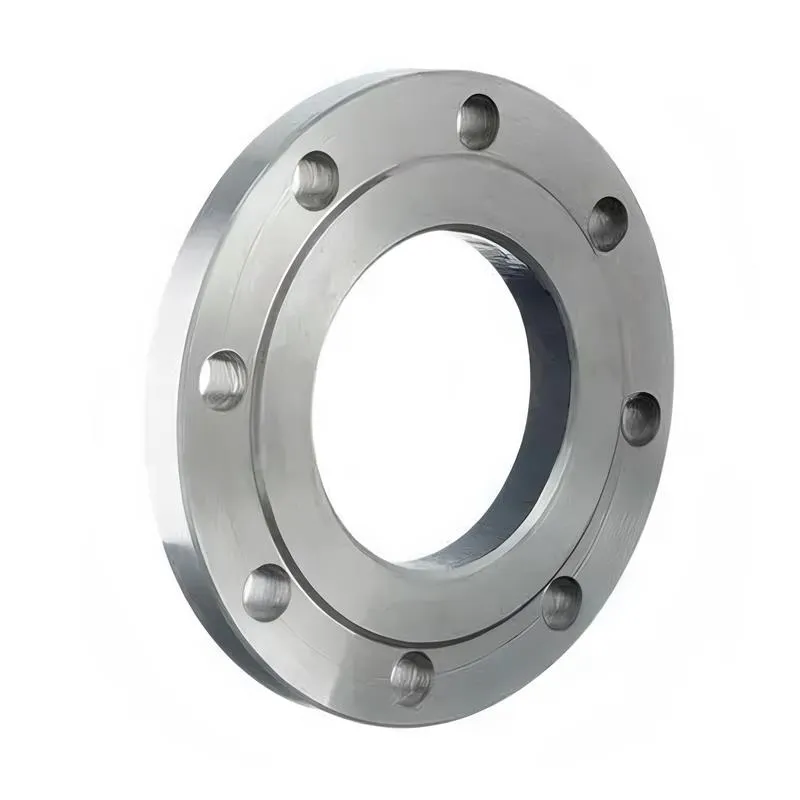
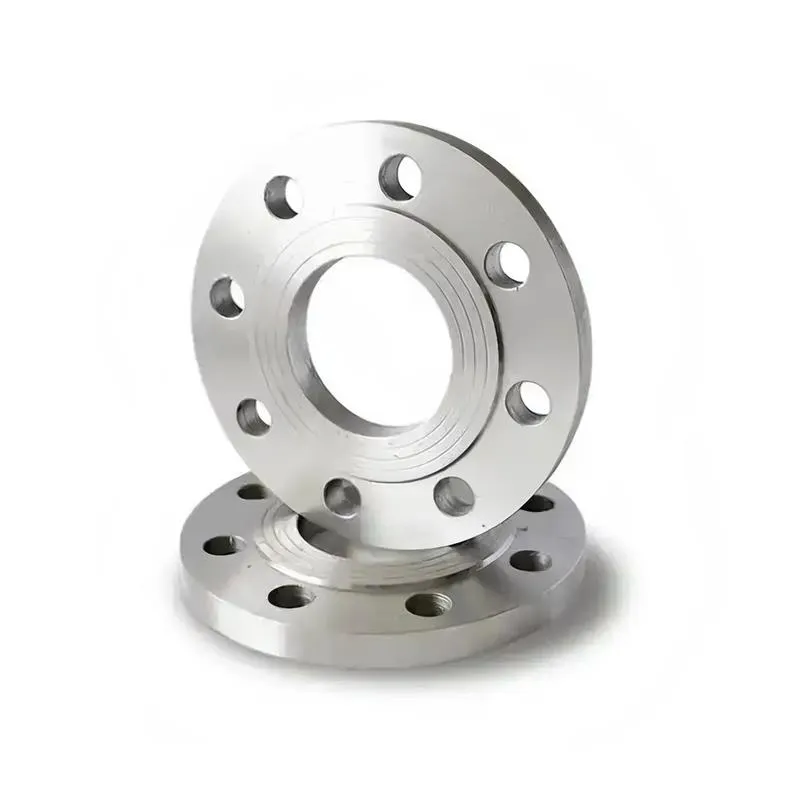
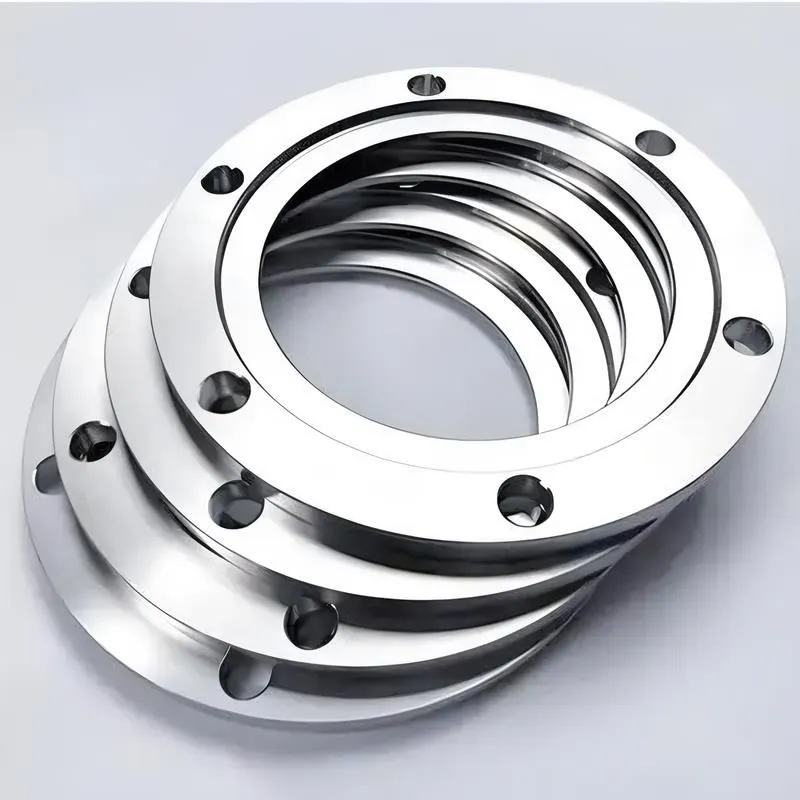
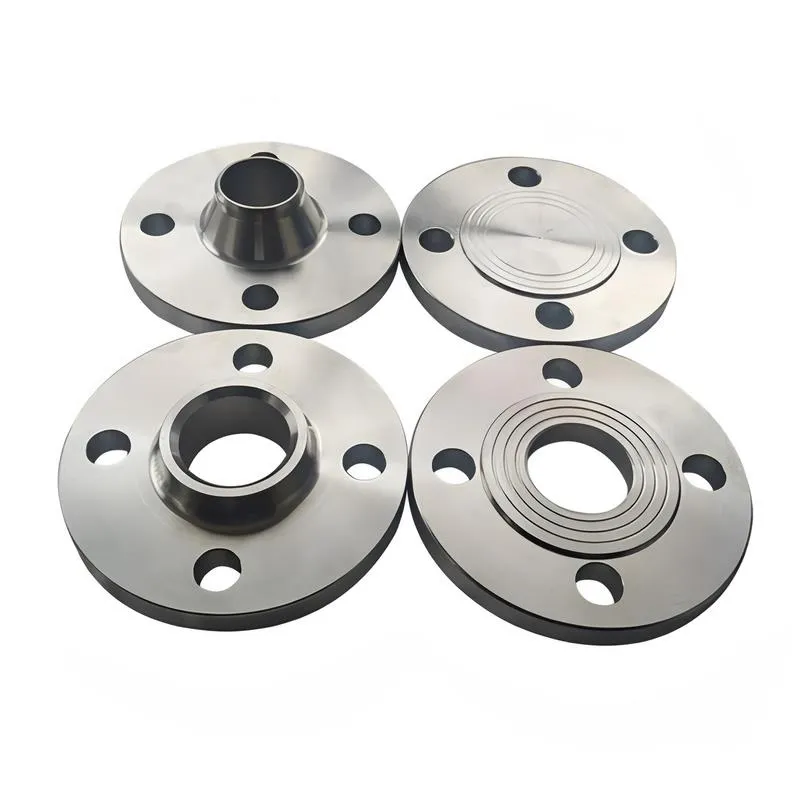
1,We Manufacturing processes are primarily classified into four types:
1:Forging,
2:Casting,
3:Cutting,
4:Rolling.
2,We can manufacture in accordance with these standards.
Standards:
GB Series (Chinese Standards), JB Series (Machinery Standards), HG Series (Chemical Industry Standards), ASME B16.5 (American Standards), BS4504 (British Standards), DIN (German Standards), and JIS (Japanese Standards).
Internationally, there are two primary systems of pipe flange standards: the European system, represented by the German DIN standards (including those of the former Soviet Union), and the American system, represented by the US ANSI pipe flange standards. Other common standards include: the Chinese Ministry of Machinery Industry standards (JB series), the Ministry of Chemical Industry standards (HG series), the Chinese National Standard *GB/T 9112–9124-2010 Steel Pipe Flanges*, as well as US standards (ASME B16.5), British standards (BS4504), German standards (DIN), Japanese standards (JIS), and marine standards (CBM), among others.
The nominal pressure ratings for the PN series are designated by "PN" and comprise the following nine levels: PN2.5, PN6, PN10, PN16, PN25, PN40, PN63, PN100, and PN160.
The nominal pressure ratings for the Class series are designated by "Class" and comprise the following six levels: Class150, Class300, Class600, Class900, Class1500, and Class2500.
Flange Classification
1. **According to Chemical Industry Standards:** Flanges are classified as follows:
Plate Flat Welding Flange (PL), Necked Flat Welding Flange (SO), Necked Butt Welding Flange (WN), Integral Flange (IF), Socket Welding Flange (SW), Threaded Flange (Th), Butt Welding Ring Loose Flange (PJ/SE), Blind Flange (BL), Flat Welding Ring Loose Flange (PJ/PJ), and Lined Blind Flange (BL(s)).
2. **According to Petrochemical (SH) Industry Standards:** Flanges are classified as follows:
Threaded Flange (PL), Butt Welding Flange (WN), Flat Welding Flange (SO), Socket Welding Flange (SW), Loose Flange (LJ), and Blind Flange (no specific designation).
3. **According to Machinery (JB) Industry Standards:** Flanges are classified as follows:
Integral Flange, Butt Welding Flange, Plate Flat Welding Flange, Butt Welding Ring Plate Loose Flange, Flat Welding Ring Plate Loose Flange, Lap Joint Ring Plate Loose Flange, and Blind Flange.
4. **According to Connection Method/Type:** Flanges are classified as follows:
Plate Flat Welding Flange, Necked Flat Welding Flange, Necked Butt Welding Flange, Socket Welding Flange, Threaded Flange, Blind Flange, Necked Butt Welding Ring Loose Flange, Flat Welding Ring Loose Flange, Ring-Type Joint (RTJ) Flange and Blind Flange, Large-Diameter Plate Flange, Large-Diameter High-Neck Flange, Figure-8 Blind Plate, Butt Welding Ring Loose Flange, etc.
5. **According to the Component Being Connected:** Flanges can be classified into Vessel Flanges and Pipe Flanges.
6. **According to Structural Type:** Flanges include Integral Flanges, Threaded Flanges, Flat Welding Flanges, Butt Welding Flanges, Lap Joint (Loose/Swivel) Flanges, and Blind Flanges.
A flange—also referred to as a flange plate or rim—is a component used to connect shafts to one another, or, more commonly, to join the ends of pipes. Flanges are also utilized at the inlet and outlet ports of equipment to facilitate connections between two devices—for instance, the flange on a speed reducer. A "flange connection" or "flanged joint" refers to a detachable joint assembly comprising three interconnected elements—a flange, a gasket, and bolts—that together form a sealed structural unit. In the context of piping systems, a "pipe flange" specifically denotes a flange used for plumbing within the installation; when applied to equipment, it refers to the inlet or outlet flange of that specific device. Flanges feature a series of holes through which bolts are inserted to securely fasten the two flanges together, while a gasket placed between the flanges ensures a leak-proof seal. Flanges are broadly categorized into three types: threaded (screw-in) flanges, welded flanges, and clamp-type flanges. Flanges are invariably used in pairs; threaded flanges are suitable for low-pressure piping applications, whereas welded flanges are required for systems operating at pressures exceeding 4 kilograms per square centimeter. A sealing gasket is inserted between the two flange plates, which are then firmly secured using bolts. The thickness of a flange—as well as the specifications of the bolts used to fasten it—vary depending on the specific pressure rating required for the application. When connecting equipment such as water pumps or valves to piping systems, the corresponding connection points on these devices are often manufactured in the shape of a matching flange; this method of attachment is also referred to as a "flange connection." Generally, any connecting component that utilizes bolts to join and seal the perimeters of two flat surfaces—such as the joints in ventilation ducts—is termed a "flange"; such components may collectively be classified as "flange-type parts." However, since such a connection often constitutes merely a *portion* of a larger device—for instance, the interface between a flange and a water pump—it would be inappropriate to classify the entire water pump itself as a "flange-type part." Conversely, smaller components—such as valves—that feature such flanged interfaces may indeed be appropriately categorized as "flange-type parts."
-:-
For detailed product information, please contact sales.
-:
Schmolz + Bickenbach P-20 Modified Plastic Mold Steel Flange Product Information
-:-
For detailed product information, please contact sales.
-:
Schmolz + Bickenbach P-20 Modified Plastic Mold Steel Flange Synonyms
-:-
For detailed product information, please contact sales.
-:
Schmolz + Bickenbach P-20 Modified Plastic Mold Steel Product Information
-:-
For detailed product information, please contact sales.
-:
# **SCHMOLZ + BICKENBACH Formadur® P-20 Modified Series | Premium Modified Plastic Mold Steels**
## **Overview**
SCHMOLZ + BICKENBACH **P-20 Modified** series represents an advanced family of plastic mold steels that significantly enhance the capabilities of the classic AISI P20 grade through precise metallurgical modifications. These grades are engineered to overcome the limitations of standard P20, offering superior performance in **polishability, toughness, hardenability consistency, and machinability**. By carefully balancing alloying elements like Nickel, Chromium, and Molybdenum, and employing advanced melting practices (often ESR or VAR), the P-20 Modified variants deliver exceptional homogeneity and reliability for demanding plastic injection mold applications where standard P20 may fall short.
## **Key Modified Grades & Selection Rationale**
| Grade Designation | Key Modification | Primary Advantage | Target Hardness (Pre-hardened) |
|-------------------|------------------|-------------------|--------------------------------|
| **Formadur® 2311** | Nickel Addition (0.9-1.2%) | Enhanced Toughness & Hardenability | 30-34 HRC |
| **Formadur® 2316** | Increased Chromium (16%) | Superior Corrosion Resistance | 29-33 HRC |
| **Formadur® 2083** | Higher Chromium (13%) | Good Corrosion Resistance, Polishability | 30-34 HRC |
| **Formadur® 2738** | Nickel Addition (1.0%) for Large Sections | Superior Through-Hardenability in Thick Blocks | 29-33 HRC |
---
## **Detailed Technical Specifications**
### **1. Comparative Chemical Composition (wt%)**
| Element | Formadur® 2311 (P20+Ni) | Formadur® 2316 (Corr.Res.) | Formadur® 2083 | Formadur® 2738 (Heavy Section) | Function of Modification |
|---------|--------------------------|----------------------------|----------------|--------------------------------|--------------------------|
| **C** | 0.33-0.41 | 0.33-0.40 | 0.36-0.42 | 0.35-0.40 | Strength, Hardness |
| **Si** | 0.20-0.40 | ≤0.40 | ≤0.40 | ≤0.40 | Deoxidizer |
| **Mn** | 1.30-1.60 | 1.40-1.60 | ≤1.00 | 1.40-1.60 | Hardenability |
| **Cr** | 1.80-2.10 | **15.0-17.0** | **12.5-13.5** | 1.80-2.10 | **Corrosion Resistance** |
| **Mo** | 0.15-0.25 | 1.00-1.30 | 0.15-0.25 | 0.15-0.30 | Strength, Toughness |
| **Ni** | **0.90-1.20** | - | - | **0.90-1.20** | **Toughness, Hardenability** |
| **V** | - | - | - | - | - |
| **S** | ≤0.005 | ≤0.005 | ≤0.005 | ≤0.003 | Polishability |
| **P** | ≤0.015 | ≤0.025 | ≤0.025 | ≤0.015 | Toughness |
**Metallurgical Rationale for Modifications:**
- **Nickel Addition (2311/2738):** Enhances core toughness, improves hardenability penetration in thick sections, and promotes microstructural homogeneity.
- **High Chromium (2316/2083):** Forms a passive chromium oxide layer for corrosion resistance against acidic/water-containing plastics (PVC, flame-retardant grades).
- **Low Sulfur:** All modified grades maintain ultra-low sulfur for optimal polishability and isotropic properties.
- **Molybdenum Adjustment:** Fine-tuned for optimal hardenability without compromising machinability.
### **2. Physical & Mechanical Properties**
#### **Pre-hardened Delivery Properties:**
| Property | 2311 | 2316 | 2083 | 2738 | Test Standard |
|----------|------|------|------|------|---------------|
| **Typical Hardness** | 300-340 HB (30-34 HRC) | 290-330 HB (29-33 HRC) | 300-340 HB (30-34 HRC) | 290-330 HB (29-33 HRC) | ISO 6506 |
| **Tensile Strength** | 1000-1150 MPa | 950-1100 MPa | 1000-1150 MPa | 1000-1150 MPa | ISO 6892-1 |
| **Yield Strength (0.2%)** | 850-950 MPa | 800-900 MPa | 850-950 MPa | 850-950 MPa | ISO 6892-1 |
| **Elongation A₅** | ≥12% | ≥12% | ≥12% | ≥14% | ISO 6892-1 |
| **Impact Toughness** | ≥40 J | ≥25 J | ≥20 J | ≥40 J | ISO 148-1 |
| **Modulus of Elasticity** | 210 GPa | 210 GPa | 210 GPa | 210 GPa | ISO 6892-1 |
#### **Through-Hardening Capability:**
| Grade | Max Section for 50 HRC | Recommended Quenching Medium | Tempering Range |
|-------|-------------------------|-------------------------------|-----------------|
| 2311 | ~400 mm | Oil/Air | 500-600°C |
| 2316 | ~300 mm | Oil/Air | 500-600°C |
| 2083 | ~250 mm | Oil | 500-550°C |
| 2738 | **>600 mm** | Oil/Air | 500-600°C |
### **3. Specialized Performance Characteristics**
#### **Corrosion Resistance (Relative Comparison):**
| Environment | 2311 | 2316 | 2083 | Notes |
|-------------|------|------|------|-------|
| **Humid Atmosphere** | 3 | 1 | 2 | 1=Best, 5=Worst |
| **PVC Processing** | 4 | 1 | 2 | Chlorine corrosion |
| **Flame-Retardant Plastics** | 4 | 1 | 2-3 | Bromine compounds |
| **Acid Condensates** | 4 | 1-2 | 3 | Cooling water issues |
#### **Surface Finish Capability:**
| Grade | Maximum Achievable Polish | Texture Etching | EDM Finish |
|-------|---------------------------|-----------------|------------|
| **2311** | SPI A1 (Optical) | Excellent | Excellent |
| **2316** | SPI A2-B1 | Very Good | Very Good |
| **2083** | SPI A2-B1 | Very Good | Good |
| **2738** | SPI A2-B1 | Very Good | Excellent |
#### **Machinability Index (vs. Standard P20=100%):**
| Operation | 2311 | 2316 | 2083 | 2738 |
|-----------|------|------|------|------|
| **Turning** | 95% | 85% | 90% | 95% |
| **Milling** | 90% | 80% | 85% | 90% |
| **Drilling** | 90% | 80% | 85% | 90% |
| **EDM** | 100% | 95% | 95% | 100% |
### **4. Thermal & Physical Properties**
| Property | All P-20 Modified Grades | Application Significance |
|----------|--------------------------|--------------------------|
| **Thermal Conductivity** | 35-38 W/m·K | Heat extraction from mold |
| **Coefficient of Expansion** | 11.0-12.0 ×10⁻⁶/K | Dimensional stability |
| **Specific Heat** | 460-480 J/kg·K | Thermal mass consideration |
| **Density** | 7.85-7.87 g/cm³ | Weight calculation |
---
## **International Standards & Equivalents**
### **Standard Designations:**
| Grade | DIN/EN | AISI/ASTM | UNS | JIS | GB |
|-------|--------|-----------|-----|-----|----|
| **2311** | 1.2311 | P20+Ni (Mod) | - | PX5 | 3Cr2NiMo* |
| **2316** | 1.2316 | 420 Mod | S42000 | SUS420J2 | 4Cr13 |
| **2083** | 1.2083 | 420 | S42000 | SUS420J2 | 4Cr13 |
| **2738** | 1.2738 | P20+Ni | - | PX5 | 3Cr2NiMo |
### **Competitor Equivalents:**
- **Uddeholm:** IMPAX® Supreme (2311), STAVAX® (2316), RAMAX® (2083)
- **Böhler:** M201 (2311), M310 (2316), M300 (2738)
- **ThyssenKrupp:** GS-311 (2311), GS-316 (2316)
- **Daido:** NAK 80 (similar to 2311), HPM 38 (similar to 2316)
---
## **Application Guidelines**
### **Grade Selection Matrix:**
| Application Requirement | Primary Choice | Alternative | Why This Selection |
|------------------------|----------------|-------------|-------------------|
| **General Purpose, High Polish** | **2311** | 2738 | Best polish/toughness balance |
| **Corrosive Plastics (PVC, FR)** | **2316** | 2083 | Maximum corrosion resistance |
| **Large Mold Blocks (>400mm)** | **2738** | 2311 | Superior through-hardening |
| **Food/Medical Molds** | **2316** | 2311 | Corrosion resistance, cleanability |
| **Optical Lenses/Displays** | **2311** | - | Best polishability |
| **High-Volume Production** | 2311/2738 | - | Good wear resistance with nitride |
### **Specific Component Applications:**
1. **Cavity & Core Inserts:** All grades suitable based on requirements
2. **Mold Bases:** Primarily 2738 for large bases, 2311 for standard
3. **Hot Runner Components:** 2316 for corrosion resistance
4. **Ejector Sleeves/Pins:** 2311 or 2316 based on plastic
5. **Slider/Lifter Components:** 2311 for toughness
### **Processing Recommendations:**
- **Machining:** Use carbide tools, moderate speeds, adequate coolant
- **Heat Treatment:** Stress relieve at 550-600°C after rough machining
- **Polishing:** Progress through 400-1200 grit, then diamond compound
- **Surface Treatment:** Nitriding recommended for wear resistance (except 2316 may require special parameters)
---
## **Quality & Supply Specifications**
### **Available Forms & Conditions:**
- **Pre-hardened Blocks:** Up to 3000×1500×800 mm
- **Pre-machined Plates:** Precision ground surfaces
- **Forged Blocks:** For optimal grain flow in critical components
- **Special Shapes:** Custom forged near-net shapes
### **Quality Assurance:**
- **Ultrasonic Testing:** Standard for sections >200 mm
- **Hardness Uniformity:** Guaranteed within 30 HB through section
- **Macro-Cleanliness:** Per SEP 1927, typically class e/e
- **Certification:** EN 10204 3.2 with full traceability
### **Special Processing Options:**
1. **ESR (ElectroSlag Remelting):** For highest homogeneity
2. **VAR (Vacuum Arc Remelting):** For critical optical applications
3. **Precision Blanks:** Machined to customer drawings
4. **Stress-Relieving Service:** Pre-machined stability
---
## **Economic & Technical Advantages**
### **Advantages Over Standard P20:**
| Aspect | Improvement | Benefit |
|--------|-------------|---------|
| **Polishability** | 30-50% better | Higher quality surfaces, reduced polishing time |
| **Toughness** | 20-40% higher | Reduced risk of cracking, longer mold life |
| **Hardenability** | More consistent | Uniform properties in thick sections |
| **Corrosion Resistance** | 2316: 5-10× better | Suitable for corrosive plastics |
| **Machining Stability** | Better dimensional control | Tighter tolerances, less rework |
### **Total Cost Considerations:**
- **Initial Cost:** 20-40% premium over standard P20
- **Tool Life Improvement:** 15-30% longer production runs
- **Polish Time Reduction:** 20-40% time savings
- **Scrap Rate Reduction:** Lower due to better predictability
- **ROI Period:** Typically 3-6 months in production
---
**Disclaimer:** This technical overview is based on typical SCHMOLZ + BICKENBACH P-20 Modified grade properties. Specific applications require consultation with technical experts. Properties may vary within specified ranges and are influenced by processing conditions, section size, and heat treatment. Always refer to the latest manufacturer specifications and conduct appropriate testing for critical applications. The selection of mold steel must consider the specific plastic material, production volume, part geometry, surface finish requirements, and maintenance considerations. Performance data are indicative and should be verified for specific operating conditions.
-:-
For detailed product information, please contact sales.
-:
Schmolz + Bickenbach P-20 Modified Plastic Mold Steel Specification
Dimensions
Size:
Diameter 20-1000 mm Length <7122 mm
Size:We can customized as required
Standard:
Per your request or drawing
We can customized as required
Properties(Theoretical)
Chemical Composition
-:-
For detailed product information, please contact sales.
-:
Schmolz + Bickenbach P-20 Modified Plastic Mold Steel Properties
-:-
For detailed product information, please contact sales.
-:
Applications of Schmolz + Bickenbach P-20 Modified Plastic Mold Steel Flange
-:-
For detailed product information, please contact sales.
-:
Chemical Identifiers Schmolz + Bickenbach P-20 Modified Plastic Mold Steel Flange
-:-
For detailed product information, please contact sales.
-:
Packing of Schmolz + Bickenbach P-20 Modified Plastic Mold Steel Flange
-:-
For detailed product information, please contact sales.
-:
Standard Packing:
-:-
For detailed product information, please contact sales.
-:
Typical bulk packaging includes palletized plastic 5 gallon/25 kg. pails, fiber and Steel Flange drums to 1 ton super sacks in full container (FCL) or truck load (T/L) quantities. Research and sample quantities and hygroscopic, oxidizing or other air sensitive materials may be packaged under argon or vacuum. Solutions are packaged in polypropylene, plastic or glass jars up to palletized 3593 gallon liquid totes Special package is available on request. E FORUs’ is carefully handled to minimize damage during storage and transportation and to preserve the quality of our products in their original condition