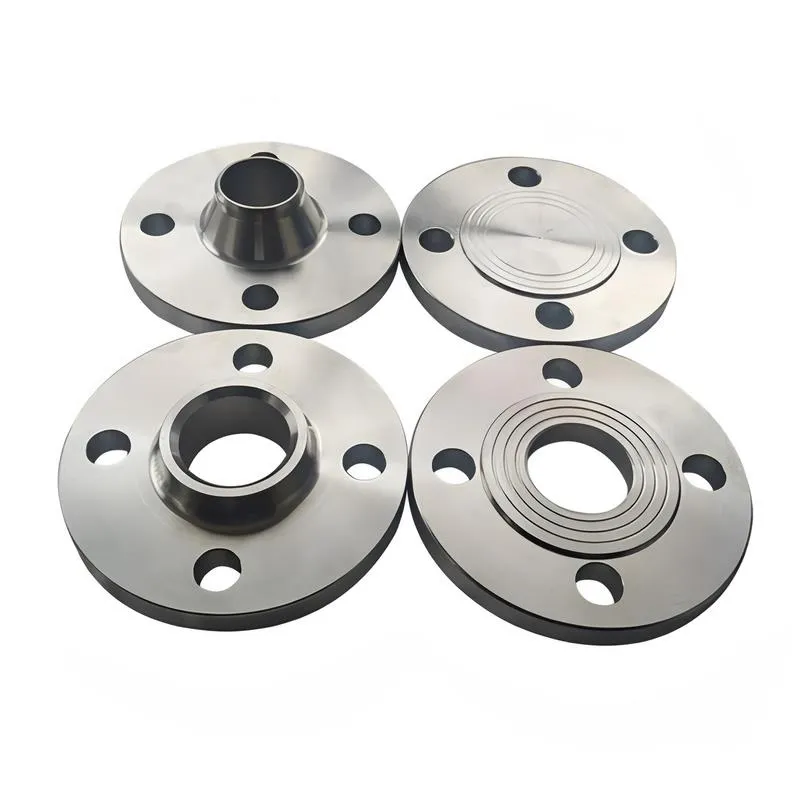
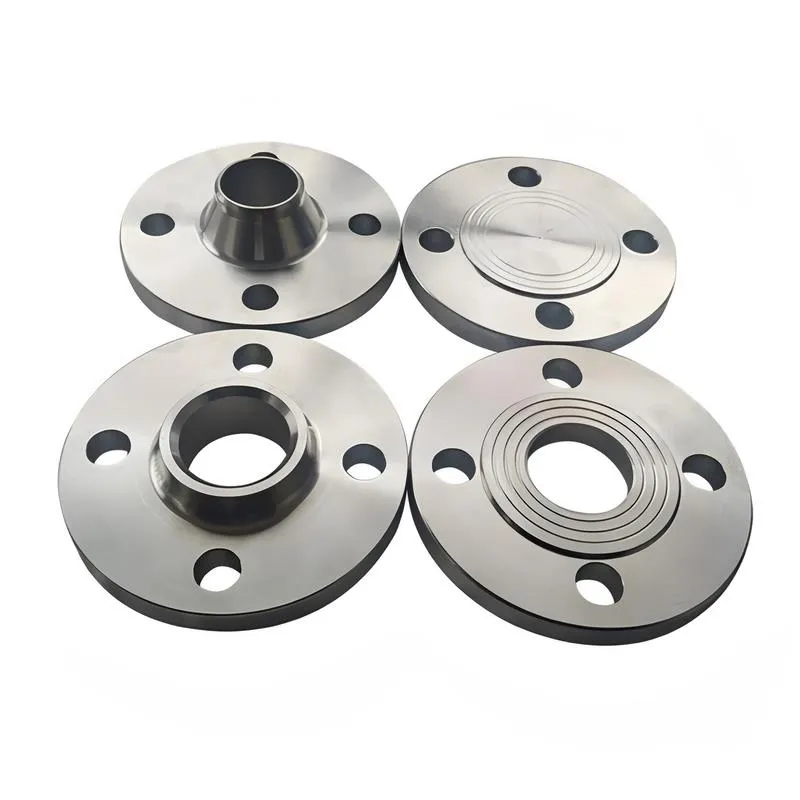
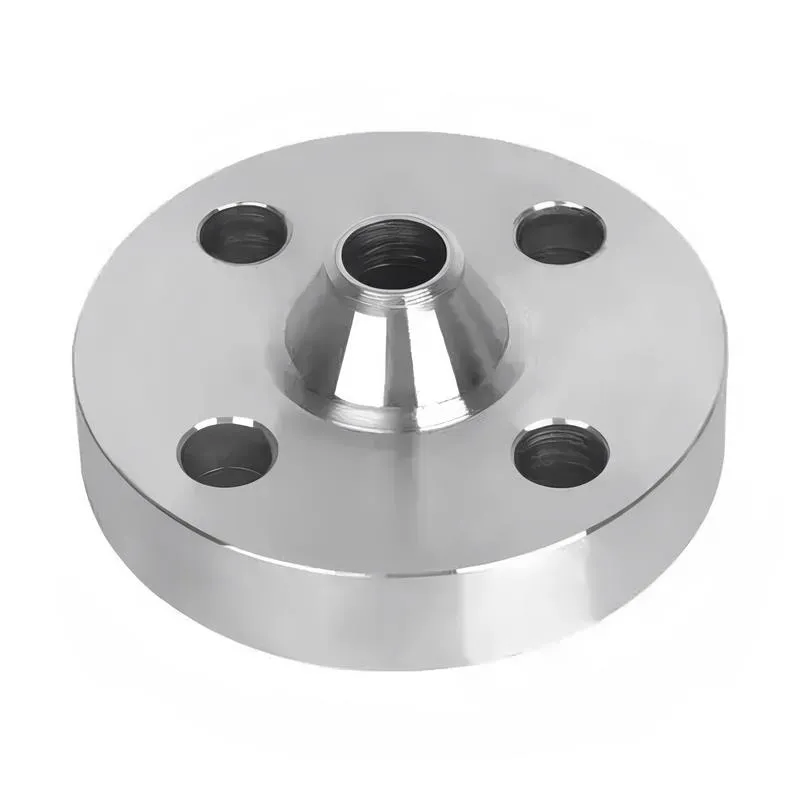
1,We Manufacturing processes are primarily classified into four types:
1:Forging,
2:Casting,
3:Cutting,
4:Rolling.
2,We can manufacture in accordance with these standards.
Standards:
GB Series (Chinese Standards), JB Series (Machinery Standards), HG Series (Chemical Industry Standards), ASME B16.5 (American Standards), BS4504 (British Standards), DIN (German Standards), and JIS (Japanese Standards).
Internationally, there are two primary systems of pipe flange standards: the European system, represented by the German DIN standards (including those of the former Soviet Union), and the American system, represented by the US ANSI pipe flange standards. Other common standards include: the Chinese Ministry of Machinery Industry standards (JB series), the Ministry of Chemical Industry standards (HG series), the Chinese National Standard *GB/T 9112–9124-2010 Steel Pipe Flanges*, as well as US standards (ASME B16.5), British standards (BS4504), German standards (DIN), Japanese standards (JIS), and marine standards (CBM), among others.
The nominal pressure ratings for the PN series are designated by "PN" and comprise the following nine levels: PN2.5, PN6, PN10, PN16, PN25, PN40, PN63, PN100, and PN160.
The nominal pressure ratings for the Class series are designated by "Class" and comprise the following six levels: Class150, Class300, Class600, Class900, Class1500, and Class2500.
Flange Classification
1. **According to Chemical Industry Standards:** Flanges are classified as follows:
Plate Flat Welding Flange (PL), Necked Flat Welding Flange (SO), Necked Butt Welding Flange (WN), Integral Flange (IF), Socket Welding Flange (SW), Threaded Flange (Th), Butt Welding Ring Loose Flange (PJ/SE), Blind Flange (BL), Flat Welding Ring Loose Flange (PJ/PJ), and Lined Blind Flange (BL(s)).
2. **According to Petrochemical (SH) Industry Standards:** Flanges are classified as follows:
Threaded Flange (PL), Butt Welding Flange (WN), Flat Welding Flange (SO), Socket Welding Flange (SW), Loose Flange (LJ), and Blind Flange (no specific designation).
3. **According to Machinery (JB) Industry Standards:** Flanges are classified as follows:
Integral Flange, Butt Welding Flange, Plate Flat Welding Flange, Butt Welding Ring Plate Loose Flange, Flat Welding Ring Plate Loose Flange, Lap Joint Ring Plate Loose Flange, and Blind Flange.
4. **According to Connection Method/Type:** Flanges are classified as follows:
Plate Flat Welding Flange, Necked Flat Welding Flange, Necked Butt Welding Flange, Socket Welding Flange, Threaded Flange, Blind Flange, Necked Butt Welding Ring Loose Flange, Flat Welding Ring Loose Flange, Ring-Type Joint (RTJ) Flange and Blind Flange, Large-Diameter Plate Flange, Large-Diameter High-Neck Flange, Figure-8 Blind Plate, Butt Welding Ring Loose Flange, etc.
5. **According to the Component Being Connected:** Flanges can be classified into Vessel Flanges and Pipe Flanges.
6. **According to Structural Type:** Flanges include Integral Flanges, Threaded Flanges, Flat Welding Flanges, Butt Welding Flanges, Lap Joint (Loose/Swivel) Flanges, and Blind Flanges.
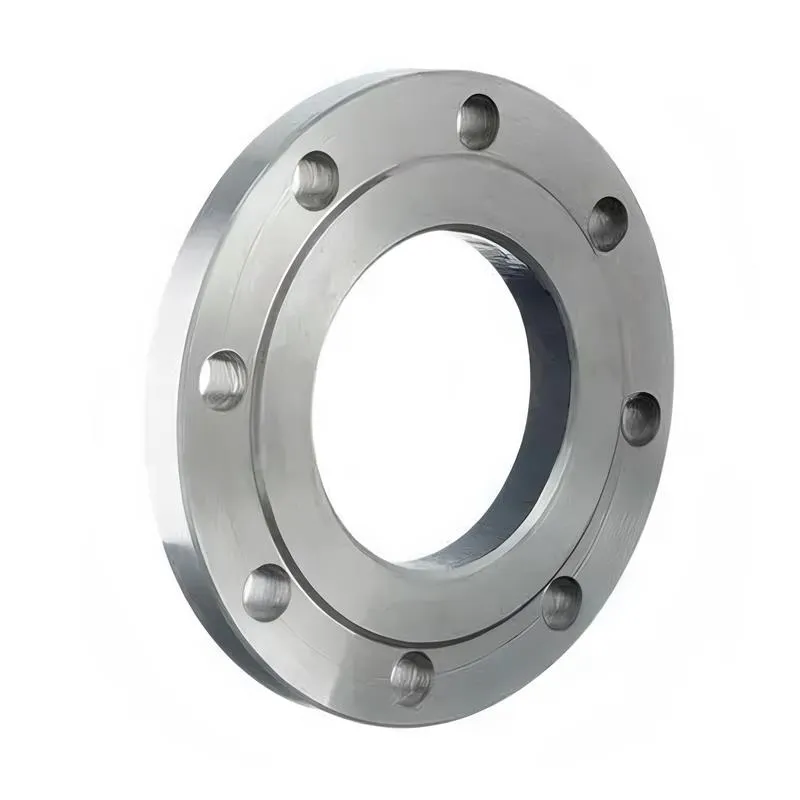
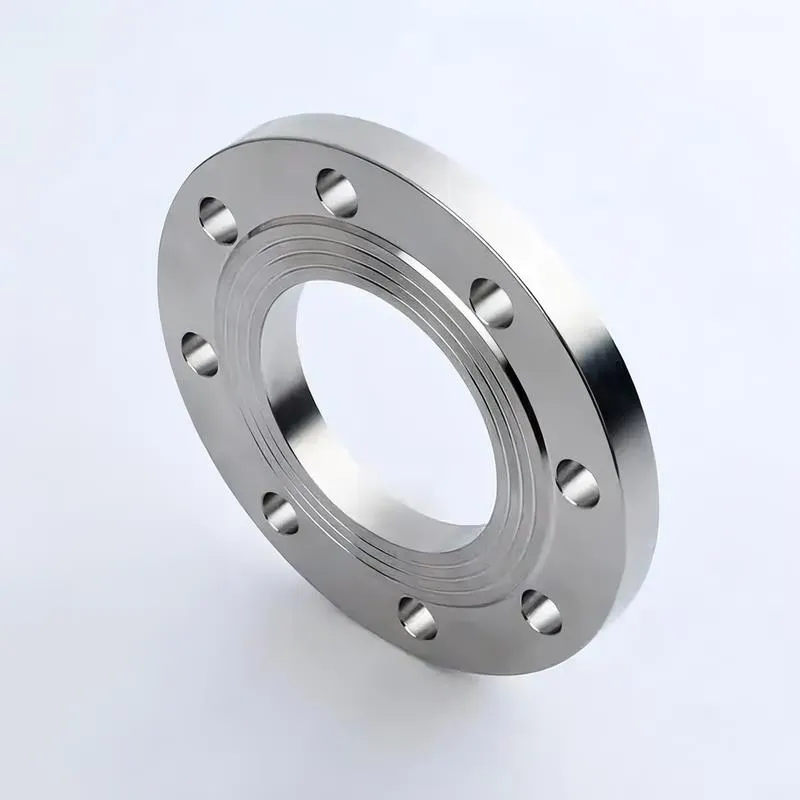
A flange—also referred to as a flange plate or rim—is a component used to connect shafts to one another, or, more commonly, to join the ends of pipes. Flanges are also utilized at the inlet and outlet ports of equipment to facilitate connections between two devices—for instance, the flange on a speed reducer. A "flange connection" or "flanged joint" refers to a detachable joint assembly comprising three interconnected elements—a flange, a gasket, and bolts—that together form a sealed structural unit. In the context of piping systems, a "pipe flange" specifically denotes a flange used for plumbing within the installation; when applied to equipment, it refers to the inlet or outlet flange of that specific device. Flanges feature a series of holes through which bolts are inserted to securely fasten the two flanges together, while a gasket placed between the flanges ensures a leak-proof seal. Flanges are broadly categorized into three types: threaded (screw-in) flanges, welded flanges, and clamp-type flanges. Flanges are invariably used in pairs; threaded flanges are suitable for low-pressure piping applications, whereas welded flanges are required for systems operating at pressures exceeding 4 kilograms per square centimeter. A sealing gasket is inserted between the two flange plates, which are then firmly secured using bolts. The thickness of a flange—as well as the specifications of the bolts used to fasten it—vary depending on the specific pressure rating required for the application. When connecting equipment such as water pumps or valves to piping systems, the corresponding connection points on these devices are often manufactured in the shape of a matching flange; this method of attachment is also referred to as a "flange connection." Generally, any connecting component that utilizes bolts to join and seal the perimeters of two flat surfaces—such as the joints in ventilation ducts—is termed a "flange"; such components may collectively be classified as "flange-type parts." However, since such a connection often constitutes merely a *portion* of a larger device—for instance, the interface between a flange and a water pump—it would be inappropriate to classify the entire water pump itself as a "flange-type part." Conversely, smaller components—such as valves—that feature such flanged interfaces may indeed be appropriately categorized as "flange-type parts."
-:-
For detailed product information, please contact sales.
-:
X6CrNiTi1810 Austenitic Stainless Steel Flange for medical instruments Product Information
-:-
For detailed product information, please contact sales.
-:
X6CrNiTi1810 Austenitic Stainless Steel Flange for medical instruments Synonyms
-:-
For detailed product information, please contact sales.
-:
X6CrNiTi1810 Austenitic Stainless Steel for medical instruments Product Information
-:-
For detailed product information, please contact sales.
-:
# X6CrNiTi18-10 Stabilized Austenitic Stainless Steel for Medical Instruments
## Overview
X6CrNiTi18-10 is a titanium-stabilized austenitic stainless steel that offers enhanced resistance to intergranular corrosion while maintaining excellent mechanical properties and formability. As a stabilized variant of the ubiquitous 304/304L stainless steel, it provides superior performance in applications involving elevated temperatures or welding operations where standard grades might be susceptible to sensitization. This makes it particularly valuable for medical instruments and equipment that undergo repeated high-temperature sterilization cycles or require complex fabrication with multiple welds.
## International Standards & Designations
- **EN 10088-3:** 1.4541 (Primary European designation)
- **AISI 321 / UNS S32100:** Equivalent American standards
- **ISO 7153-1:** Surgical instruments – Materials – Part 1: Metals
- **ASTM A240/A240M:** Standard Specification for Chromium and Chromium-Nickel Stainless Steel Plate, Sheet, and Strip
- **ASTM A276/A276M:** Standard Specification for Stainless Steel Bars and Shapes
- **JIS SUS321:** Japanese Industrial Standard
- **GOST 08Ch18N10T:** Russian Federation Standard
- **ISO 4954:** Steel for heat treatment, alloy steel and free-cutting steel – Technical delivery conditions
## Chemical Composition (Typical, % by weight)
| Element | Content Range (%) | Medical Grade Target (%) | Functional Role |
|---------|-------------------|--------------------------|-----------------|
| **Carbon (C)** | 0.04–0.08 | 0.05–0.07 | Strength contributor |
| **Chromium (Cr)** | 17.0–19.0 | 17.5–18.5 | Corrosion resistance |
| **Nickel (Ni)** | 9.0–12.0 | 9.5–10.5 | Austenite stabilizer |
| **Titanium (Ti)** | 5×C min – 0.70 max | 0.30–0.60 | Stabilizing element |
| **Manganese (Mn)** | ≤ 2.00 | 1.0–1.8 | Austenite stabilizer |
| **Silicon (Si)** | ≤ 1.00 | ≤ 0.75 | Deoxidizer |
| **Phosphorus (P)** | ≤ 0.045 | ≤ 0.035 | Impurity control |
| **Sulfur (S)** | ≤ 0.030 | ≤ 0.015 | Machinability enhancer |
| **Nitrogen (N)** | ≤ 0.11 | ≤ 0.08 | Optional strength enhancer |
| **Iron (Fe)** | Balance | Balance | Base element |
**Stabilization Mechanism:**
The titanium addition (minimum 5 times the carbon content) preferentially forms titanium carbides (TiC) rather than chromium carbides during heating in the sensitization temperature range (450–850°C). This prevents chromium depletion along grain boundaries, thereby maintaining corrosion resistance in heat-affected zones.
## Physical Properties (Annealed Condition)
| Property | Value | Notes |
|----------|-------|-------|
| **Density** | 7.90 g/cm³ | Similar to 304/304L |
| **Melting Point** | 1400–1450 °C | Depends on exact composition |
| **Thermal Conductivity** | 16.2 W/m·K (at 20°C) | Good for sterilization equipment |
| **Specific Heat Capacity** | 500 J/kg·K | Standard for austenitic steels |
| **Electrical Resistivity** | 0.72 μΩ·m | Slightly higher than unstabilized grades |
| **Modulus of Elasticity** | 193–200 GPa | Standard austenitic value |
| **Magnetic Permeability** | <1.02 (annealed) | Practically non-magnetic |
| **Coefficient of Thermal Expansion** | 16.0–17.5 × 10⁻⁶/K (20–100°C) | Important for thermal cycling |
| **Thermal Diffusivity** | 4.1 mm²/s | Affects heat transfer |
## Mechanical Properties (Annealed Condition)
| Property | Minimum Value | Typical Value | Condition |
|----------|---------------|---------------|-----------|
| **Tensile Strength (Rm)** | 500 MPa | 520–670 MPa | Annealed |
| **Yield Strength (Rp0.2)** | 200 MPa | 210–300 MPa | Annealed |
| **Elongation at Break (A)** | 40% | 45–55% | Annealed |
| **Reduction of Area (Z)** | 50% | 60–70% | Annealed |
| **Hardness (Brinell)** | ≤ 215 HBW | 170–200 HBW | Annealed |
| **Hardness (Rockwell B)** | ≤ 95 HRB | 85–92 HRB | Annealed |
| **Impact Toughness (Charpy V)** | ≥ 100 J | 120–180 J | Room temperature |
| **Fatigue Strength (10⁷ cycles)** | 240 MPa | 260–300 MPa | Rotating bending |
*Note: Cold working can increase tensile strength to 800–1000 MPa with corresponding reduction in ductility.*
## Heat Treatment & Microstructural Characteristics
### **Solution Annealing:**
- **Temperature:** 920–1150°C (typically 1050°C)
- **Cooling:** Rapid air cool or water quench
- **Purpose:** Dissolve carbides and obtain homogeneous austenitic structure
### **Stabilization Annealing:**
- **Temperature:** 850–950°C
- **Cooling:** Air cooling
- **Purpose:** Precipitate titanium carbides in a controlled manner, preventing subsequent chromium carbide formation
### **Microstructural Features:**
- Fully austenitic structure with occasional small amounts of delta ferrite (<5%)
- Titanium carbide (TiC) and titanium carbonitride (Ti(C,N)) precipitates
- Grain size typically ASTM 5–8 (fine to medium)
### **Weldability Considerations:**
- **Excellent weldability** by all conventional methods
- No post-weld heat treatment required for most medical applications
- Sensitization resistance maintained in heat-affected zones
- Recommended filler metals: ER321, ER347, or overalloyed grades for critical applications
## Corrosion Resistance
### **General Characteristics:**
- **Excellent general corrosion resistance** comparable to 304/304L
- **Superior intergranular corrosion resistance** after welding or exposure to sensitization temperatures (450–850°C)
- Good resistance to oxidizing acids, organic acids, and alkalis
- Moderate resistance to chloride-induced pitting and crevice corrosion (similar to 304)
### **Medical Environment Performance:**
- **Body Fluids:** Excellent resistance to blood, serum, and physiological solutions
- **Sterilization Methods:**
- **Autoclaving (steam):** Excellent resistance (121–134°C)
- **Dry Heat:** Suitable for repeated cycles up to 250°C
- **Chemical Sterilization:** Compatible with ethylene oxide, glutaraldehyde, hydrogen peroxide plasma
- **Radiation:** No significant degradation from gamma or electron beam sterilization
- **Disinfectants:** Good resistance to alcohols, quaternary ammonium compounds; moderate resistance to chlorine-based disinfectants
### **Limitations:**
- Not recommended for continuous service in strongly reducing acids
- Limited pitting resistance in high-chloride environments
- Potential for stress corrosion cracking in chloride environments above 60°C
## Product Applications in Medical Field
### **Primary Medical Applications:**
1. **Sterilization and Processing Equipment:**
- Autoclave chambers, trays, and racks
- Dry heat sterilizer components
- Washer-disinfector internal components
- Medical instrument reprocessing equipment
2. **Surgical Instruments with Welded Components:**
- Instruments requiring complex fabrication with multiple welds
- Custom surgical tools with brazed or welded attachments
- Instrument repair and modification
3. **Medical Equipment Exposed to Thermal Cycling:**
- Surgical light components
- Equipment housings near heat sources
- Laboratory equipment requiring thermal stability
4. **Dental and Orthodontic Applications:**
- Dental furnace components
- Orthodontic appliance manufacturing equipment
- Dental instrument sterilization trays
5. **Pharmaceutical Processing Equipment:**
- Reactor vessels and piping
- Heat exchangers in pharmaceutical production
- Storage vessels for medical solutions
### **Advantages for Medical Use:**
- **Thermal Stability:** Maintains corrosion resistance after repeated high-temperature exposure
- **Fabrication Flexibility:** Excellent weldability without sensitization concerns
- **Proven Performance:** Long history of use in high-temperature applications
- **Cost-Effective:** More economical than molybdenum-containing grades for many applications
- **Hygienic Properties:** Smooth, non-porous surface facilitates cleaning and sterilization
## Fabrication Characteristics
### **Machinability:**
- **Fair machinability** (approximately 45% of free-cutting steel)
- **Challenges:** Work hardening tendency and abrasive titanium carbides
- **Recommended Practices:**
- Use sharp carbide tools with positive rake angles
- Moderate cutting speeds (20–30 m/min for turning)
- Adequate feed rates to minimize work hardening
- Copious coolant flow to manage heat and chip removal
- Consider sulfur-enhanced variants (1.4541S) for improved machinability
### **Forming Operations:**
- **Excellent cold formability** – suitable for deep drawing, bending, stamping
- Higher springback than carbon steels due to higher yield strength
- May require intermediate annealing for severe forming operations
- Hot working range: 1150–900°C with rapid cooling below 850°C
### **Surface Treatment & Finishing:**
- **Electropolishing:** Effective for achieving smooth, hygienic surfaces
- **Passivation:** Nitric acid treatment (20–50% at 20–50°C) enhances corrosion resistance
- **Mechanical Polishing:** Can achieve mirror finishes (Ra < 0.1 μm)
- **Special Coatings:** Various medical-grade coatings can be applied for specific applications
## Biocompatibility and Regulatory Considerations
### **Biocompatibility Assessment:**
- **ISO 10993 Compliance:** Generally meets requirements for medical device applications
- **Cytotoxicity:** Typically non-cytotoxic (ISO 10993-5)
- **Sensitization:** Nickel content may require consideration for sensitive patients
- **Implantation:** Limited data for long-term implantation; primarily used for instruments rather than implants
### **Regulatory Status:**
- **FDA:** Recognized as acceptable for certain medical device applications
- **EU MDR:** Acceptable with appropriate technical documentation
- **Special Considerations:** Titanium-stabilized grades are less common in implant applications than 316L or titanium alloys
### **Surface Characterization Requirements:**
- Surface roughness specifications for cleanability
- Passivation validation for corrosion resistance
- Freedom from surface defects and contamination
## Quality Assurance for Medical Applications
### **Material Certification:**
- EN 10204 3.1 certificate with full traceability
- Chemical analysis including titanium content verification
- Mechanical property testing
- Corrosion testing (intergranular corrosion test per ASTM A262 Practice E)
### **Special Testing for Medical Grade:**
- Intergranular corrosion testing after sensitization heat treatment
- Surface finish verification
- Cleanliness testing for critical applications
- Sterilization cycle validation
### **Microstructural Requirements:**
- Grain size control (typically ASTM 5–8)
- Titanium carbide distribution assessment
- Delta ferrite content verification (<5% typically specified)
## Comparison with Related Stainless Steels
| Property | X6CrNiTi18-10 (1.4541) | X5CrNi18-10 (1.4301/304) | X2CrNiMo17-12-2 (1.4404/316L) | X6CrNiNb18-10 (1.4550/347) |
|----------|------------------------|---------------------------|--------------------------------|----------------------------|
| **Stabilizing Element** | Titanium | None | None | Niobium |
| **Carbon Content** | 0.04–0.08% | ≤0.07% | ≤0.030% | 0.04–0.08% |
| **Intergranular Corrosion Resistance** | **Excellent** | Good (if low carbon) | Excellent (due to low carbon) | **Excellent** |
| **High-Temperature Stability** | **Excellent** | Poor | Good | **Excellent** |
| **Cost Factor** | 1.2–1.5×304 | 1.0 (Baseline) | 1.3–1.6×304 | 1.3–1.7×304 |
| **Primary Medical Use** | High-temperature equipment | General instruments | Corrosive environments | High-temperature equipment |
## Limitations and Special Considerations
### **Material Limitations:**
- **Limited pitting resistance** in chloride environments
- **Not suitable for cutting edges** requiring high hardness
- **Potential for titanium oxide formation** during welding (not detrimental to corrosion resistance)
- **Higher cost** than unstabilized 304 grades
### **Design Considerations:**
- Account for thermal expansion in assemblies
- Specify appropriate surface finishes for intended use
- Consider galvanic compatibility with other materials
- Evaluate sterilization method compatibility
### **Manufacturing Considerations:**
- Titanium carbides can be abrasive to cutting tools
- Special care needed during grinding to avoid overheating
- Welding procedures should minimize heat input while ensuring proper fusion
## Future Developments and Trends
### **Advanced Processing:**
- Improved melting practices for cleaner steel
- Enhanced surface treatment technologies
- Additive manufacturing compatibility assessment
### **Medical Application Expansion:**
- Evaluation for new sterilization technologies
- Assessment for single-use device applications
- Investigation of surface modifications for enhanced performance
## Economic and Environmental Aspects
### **Cost Considerations:**
- Higher initial cost than standard 304 but often more economical than 316L
- Life cycle cost benefits through extended service life in high-temperature applications
- Reduced maintenance costs due to improved thermal stability
### **Environmental Impact:**
- 100% recyclable through standard stainless steel recycling streams
- Long service life reduces environmental footprint through reduced replacement frequency
- Energy requirements for production comparable to other austenitic stainless steels
## Conclusion
X6CrNiTi18-10 represents a specialized austenitic stainless steel that offers unique advantages for medical applications involving elevated temperatures, welding operations, or thermal cycling. Its titanium stabilization provides excellent resistance to intergranular corrosion, making it particularly suitable for medical instruments and equipment that undergo repeated sterilization cycles or require complex fabrication with welding.
While its corrosion resistance in chloride environments is comparable to standard 304 rather than the superior performance of molybdenum-containing grades like 316L, its thermal stability and weldability make it an excellent choice for specific medical applications where these properties are paramount. The alloy's proven performance history, combined with good mechanical properties and fabricability, ensures its continued relevance in medical device manufacturing.
For medical instrument designers and manufacturers, X6CrNiTi18-10 offers a cost-effective solution for applications where standard 304 might be susceptible to sensitization, but the enhanced corrosion resistance of 316L is not required. Its selection should be based on a careful evaluation of the specific service conditions, with particular attention to temperature exposure, fabrication requirements, and sterilization protocols.
As medical sterilization technologies continue to evolve and instrument designs become more complex, stabilized stainless steels like X6CrNiTi18-10 will continue to play an important role in ensuring the reliability and longevity of medical devices in demanding healthcare environments.
-:-
For detailed product information, please contact sales.
-:
X6CrNiTi1810 Austenitic Stainless Steel for medical instruments Specification
Dimensions
Size:
Diameter 20-1000 mm Length <7416 mm
Size:We can customized as required
Standard:
Per your request or drawing
We can customized as required
Properties(Theoretical)
Chemical Composition
-:-
For detailed product information, please contact sales.
-:
X6CrNiTi1810 Austenitic Stainless Steel for medical instruments Properties
-:-
For detailed product information, please contact sales.
-:
Applications of X6CrNiTi1810 Austenitic Stainless Steel Flange for medical instruments
-:-
For detailed product information, please contact sales.
-:
Chemical Identifiers X6CrNiTi1810 Austenitic Stainless Steel Flange for medical instruments
-:-
For detailed product information, please contact sales.
-:
Packing of X6CrNiTi1810 Austenitic Stainless Steel Flange for medical instruments
-:-
For detailed product information, please contact sales.
-:
Standard Packing:
-:-
For detailed product information, please contact sales.
-:
Typical bulk packaging includes palletized plastic 5 gallon/25 kg. pails, fiber and Steel Flange drums to 1 ton super sacks in full container (FCL) or truck load (T/L) quantities. Research and sample quantities and hygroscopic, oxidizing or other air sensitive materials may be packaged under argon or vacuum. Solutions are packaged in polypropylene, plastic or glass jars up to palletized 3887 gallon liquid totes Special package is available on request. E FORUs’ is carefully handled to minimize damage during storage and transportation and to preserve the quality of our products in their original condition