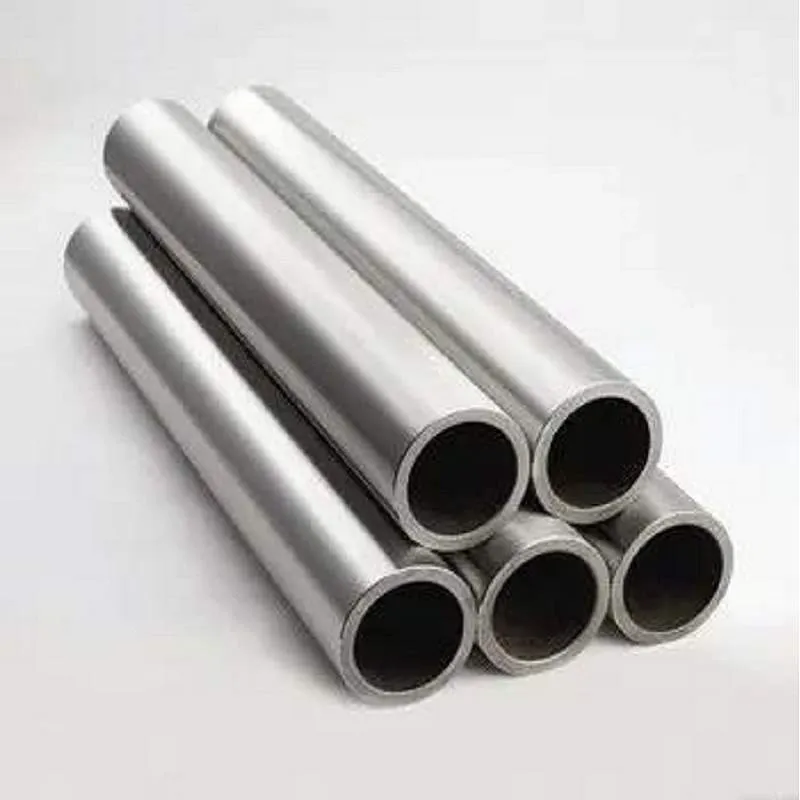
AISI 4037 Steel Tube,Pipe
Product Code : STI-AL-025-CU
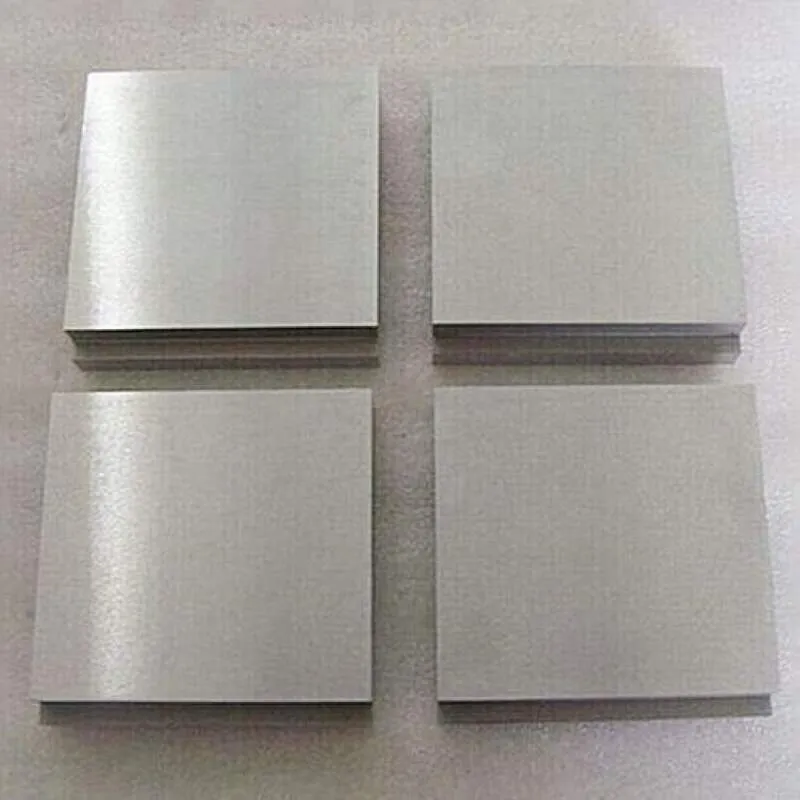
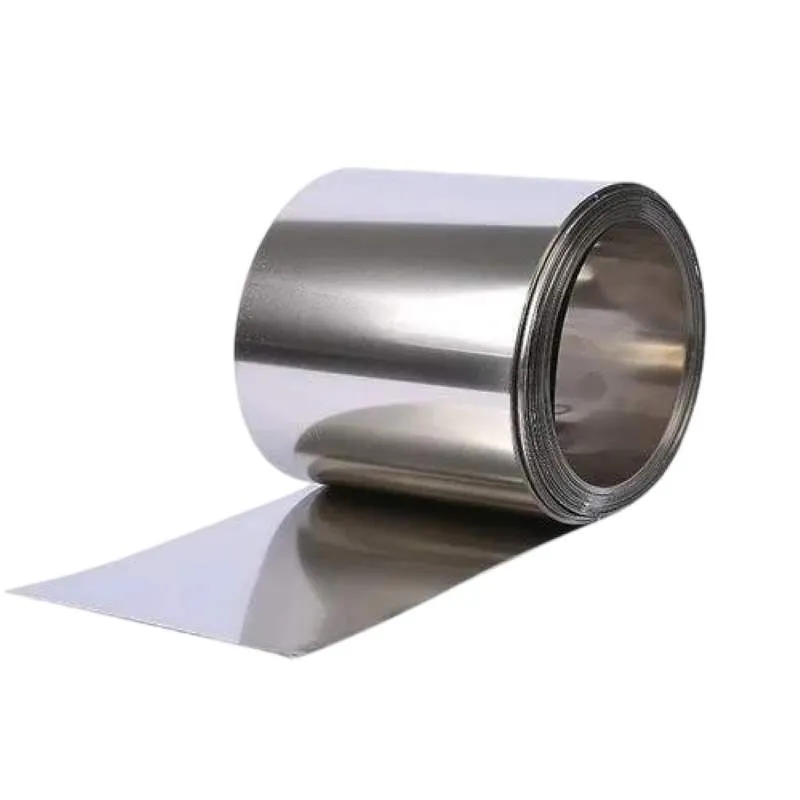
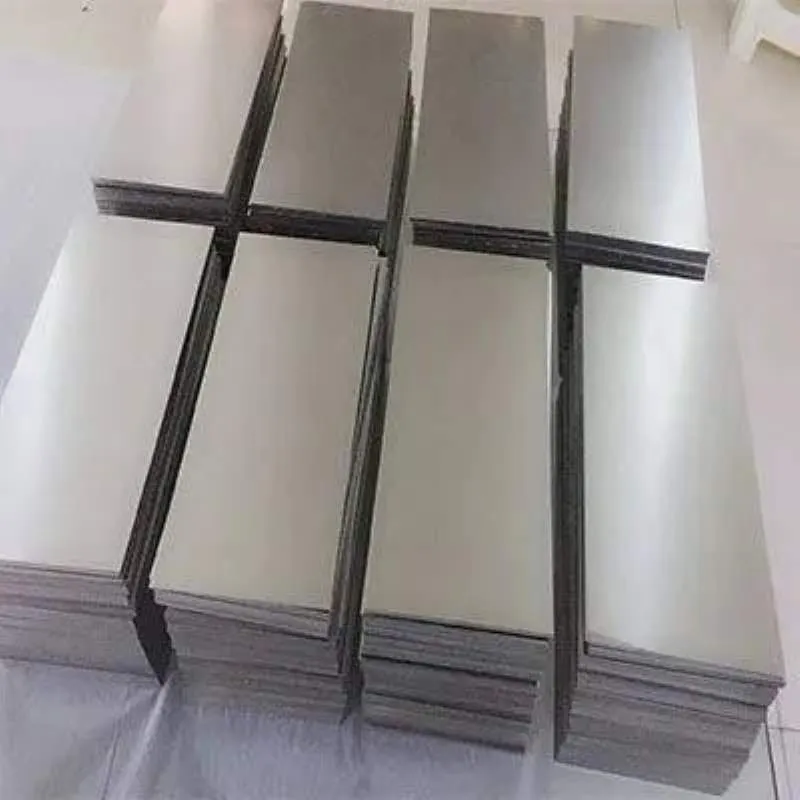
We provide AISI 4037 Steel Tube is available in Bar (Round bar, Flat bar), Ribbon, Wire, Rods, Tube,Seamless Tube,Pipe, Ingots, Plate, Sheet, Strip and Forging Stock.,Purity, chemical composition, size, etc. can all be customized to meet specific requirements.AISI 4037 Steel Pipe
AISI 4037 Steel Tube Product Information
-:-
For detailed product information, please contact sales.
-:
AISI 4037 Steel Tube Synonyms
-:-
For detailed product information, please contact sales.
-:
AISI 4037 Steel Product Information
-:-
For detailed product information, please contact sales.
-:
# **Product Introduction: AISI 4037 Steel**
## **Executive Summary**
**AISI 4037** is a **medium-carbon molybdenum alloy steel** designed for applications requiring high strength, good toughness, and excellent hardenability. With a carbon content of approximately 0.35-0.40% and molybdenum addition of 0.20-0.30%, this grade offers superior mechanical properties compared to plain carbon steels like 1037 or 1537. AISI 4037 provides an optimal balance between strength and ductility when properly heat treated, making it suitable for oil quenching and tempering to achieve a wide range of strength-toughness combinations. This versatile engineering steel is particularly valued for manufacturing heavily loaded components in automotive, machinery, and equipment applications where reliability, wear resistance, and fatigue performance are critical requirements.
---
## **1. Chemical Composition**
### **Standard Composition Ranges**
| Element | Content Range (% by weight) - **AISI 4037** | Primary Function |
| :--- | :--- | :--- |
| **Carbon (C)** | 0.35 - 0.40 | Primary strengthener; provides hardness and strength through martensite formation; balanced for good hardenability and toughness |
| **Molybdenum (Mo)** | 0.20 - 0.30 | Key alloying element; significantly enhances hardenability, improves grain refinement, increases temper resistance, reduces susceptibility to temper embrittlement |
| **Manganese (Mn)** | 0.70 - 0.90 | Deoxidizer, improves hardenability, enhances response to heat treatment |
| **Silicon (Si)** | 0.15 - 0.35 | Deoxidizer, solid solution strengthener in ferrite, improves hardenability |
| **Phosphorus (P)** | 0.035 max | Impurity (controlled at low levels for optimal ductility and toughness) |
| **Sulfur (S)** | 0.040 max | Impurity (typically kept low; may be controlled to 0.08-0.15% in free-machining variants) |
| **Nickel (Ni)** | - | Not specified; trace amounts may be present |
| **Chromium (Cr)** | - | Not specified; trace amounts may be present |
| **Iron (Fe)** | Balance | Matrix element |
### **Key Metallurgical Features**
- **Enhanced Hardenability:** Molybdenum addition provides significantly better through-hardening capability than plain carbon steels
- **Good Strength-Toughness Balance:** Carbon content optimized for strength while maintaining reasonable toughness
- **Temper Resistance:** Molybdenum improves resistance to softening during tempering
- **Grain Refinement:** Molybdenum inhibits austenite grain growth during heat treatment
- **Economic Performance:** Provides enhanced properties over carbon steels without nickel or chromium costs
---
## **2. Physical & Mechanical Properties**
### **A. Fundamental Physical Properties**
| Property | Condition | Value/Range | Notes |
| :--- | :--- | :--- | :--- |
| **Density** | All conditions | 7.85 g/cm³ (0.284 lb/in³) | - |
| **Melting Point** | - | ~1510°C (2750°F) | - |
| **Elastic Modulus** | Tempered | 200-205 GPa (29,000-29,700 ksi) | - |
| **Shear Modulus** | - | 80-82 GPa (11,600-11,900 ksi) | - |
| **Poisson's Ratio** | - | 0.29 | - |
| **Thermal Conductivity** | 100°C | 43.0 W/m·K | - |
| **Specific Heat Capacity** | 20°C | 470 J/kg·K | - |
| **Thermal Expansion Coefficient** | 20-100°C | 11.8 × 10⁻⁶/°C | - |
| **Electrical Resistivity** | 20°C | 0.23 μΩ·m | - |
| **Magnetic Properties** | Below Curie temp | Ferromagnetic | - |
### **B. Mechanical Properties by Heat Treatment Condition**
#### **1. Annealed Condition (Machining State)**
- **Hardness:** 179-229 HB (Brinell)
- **Tensile Strength:** 600-750 MPa (87-109 ksi)
- **Yield Strength (0.2% offset):** 415-600 MPa (60-87 ksi)
- **Elongation:** 20-25% in 50mm
- **Reduction of Area:** 50-60%
- **Charpy V-Notch Impact:** 60-90 J (44-66 ft-lb) at room temperature
- **Machinability Rating:** 55-60% of B1112 (Fair)
#### **2. Normalized Condition (Improved Consistency)**
- **Hardness:** 207-255 HB
- **Tensile Strength:** 690-860 MPa (100-125 ksi)
- **Yield Strength:** 515-690 MPa (75-100 ksi)
- **Elongation:** 18-22%
#### **3. Quenched & Tempered Properties**
*Standard heat treatment: Austenitize 830-850°C, oil quench, temper as specified*
| Tempering Temperature | Tensile Strength | Yield Strength | Elongation | Hardness | Impact Energy (Charpy V) |
| :--- | :--- | :--- | :--- | :--- | :--- |
| **200°C (390°F)** | 1,520-1,690 MPa | 1,380-1,520 MPa | 8-12% | 42-46 HRC | 20-35 J |
| **400°C (750°F)** | 1,310-1,450 MPa | 1,170-1,310 MPa | 12-15% | 37-41 HRC | 35-55 J |
| **540°C (1000°F)** | 1,100-1,240 MPa | 1,000-1,140 MPa | 15-19% | 31-35 HRC | 50-75 J |
| **650°C (1200°F)** | 900-1,050 MPa | 830-970 MPa | 18-22% | 25-29 HRC | 70-95 J |
#### **4. Through-Hardened Properties (Alternative Application)**
*When used without case hardening for high-strength applications*
- **Hardness (as-quenched):** 48-53 HRC (oil quenched)
- **Tensile Strength (Q&T @ 540°C):** 1,100-1,300 MPa (160-190 ksi)
- **Yield Strength:** 950-1,150 MPa (138-167 ksi)
### **C. Special Properties**
- **Hardenability:** Very good; suitable for through-hardening sections up to 60-75mm (2.5-3") diameter in oil quench
- **Fatigue Strength:** ~500-600 MPa at 10⁷ cycles (tempered at 540°C, R=-1)
- **Wear Resistance:** Good in hardened condition; suitable for wear applications
- **Impact Resistance:** Maintains reasonable toughness at medium to high strength levels
- **Temper Resistance:** Good resistance to softening up to 400°C (750°F)
- **Machinability:** Fair in annealed condition; requires proper techniques
---
## **3. International Standards & Specifications**
### **Primary Governing Standards**
| Standard/Organization | Designation | Title/Scope |
| :--- | :--- | :--- |
| **AISI/SAE** | 4037 | Standard grade designation |
| **UNS** | G40370 | Unified Numbering System |
| **ASTM** | A29/A29M | Standard Specification for Steel Bars, Carbon and Alloy, Hot-Wrought |
| **ASTM** | A322 | Standard Specification for Steel Bars, Alloy, Standard Grades |
| **SAE** | J404, J412 | Chemical compositions and hardenability |
| **AMS** | 6323 | Aircraft quality bars and forgings (when specified) |
### **International Equivalents & Cross-References**
| Country/Region | Equivalent Designation | Standard | Notes |
| :--- | :--- | :--- | :--- |
| **ISO** | **36MnMo6** | ISO 683-11 | Similar medium-carbon molybdenum steel |
| **European** | **36MnMo6** | EN 10083-3 | Through-hardening steel, similar properties |
| **Germany** | **36MnMo6** | DIN 17210 | Direct equivalent |
| **United Kingdom** | **En 110** | BS 970 | Similar alloy steel |
| **Japan** | **- (See Note)** | JIS G4102 | No common direct equivalent; SMn433 similar |
| **China** | **36Mo** | GB/T 3077 | Similar molybdenum steel concept |
| **India** | **36Mo40** | IS 5517 | Similar medium-carbon Mo steel |
| **Hardenability Variant** | **4037H** | SAE J1268 | Available with guaranteed hardenability bands |
**Note:** AISI 4037 is primarily a North American grade. The German DIN 17210 standard includes 36MnMo6 as a close equivalent with similar composition and applications.
---
## **4. Product Applications & Industries**
### **Available Product Forms**
- **Bar Stock:** Hot-rolled rounds (10-200mm), squares, hexagons, flats
- **Forgings:** Open-die and closed-die forgings for heavy components
- **Wire Rod:** For cold heading of high-strength fasteners
- **Cold-Finished Bars:** Turned, ground, polished for precision applications
- **Billets:** For further processing
### **Primary Industry Applications**
#### **1. Automotive & Transportation (Medium to Heavy Duty)**
- **Transmission Components:** Gears, pinions, synchronizer hubs, shift forks
- **Drivetrain Parts:** Axle shafts, drive shafts, transmission shafts
- **Suspension Parts:** Torsion bars, stabilizer bars, spring components
- **Steering Components:** Steering arms, pitman arms, linkage parts
- **Engine Components:** Crankshafts (medium duty), camshafts, connecting rods
#### **2. Heavy Equipment & Machinery**
- **Construction Equipment:** Excavator and loader components, track pins, rollers
- **Agricultural Machinery:** Tractor transmission parts, PTO shafts, implement components
- **Mining Equipment:** Crusher parts, conveyor components, shovel teeth
- **Material Handling:** Hoist components, crane parts, conveyor drive systems
#### **3. Industrial Manufacturing**
- **Gear Manufacturing:** Medium to heavy-duty industrial gears
- **Shafting:** Drive shafts, line shafts, counter shafts for machinery
- **Fasteners:** High-strength bolts, studs (Grade 10.9 equivalent)
- **Tooling:** Jigs, fixtures, dies requiring strength and wear resistance
- **Hydraulic Components:** Cylinder rods, piston rods for high-pressure systems
#### **4. General Engineering**
- **Machine Tool Components:** Spindles, arbors, feed screws, lead screws
- **Rolls & Cylinders:** Guide rolls, feed rolls for industrial equipment
- **Bearing Components:** Races, rollers for heavy-duty bearings
- **Valve Components:** High-pressure valve parts, stems, bodies
---
## **5. Heat Treatment Technology**
### **Standard Thermal Processing**
#### **1. Annealing (Full Annealing)**
- **Temperature:** 830-850°C (1525-1560°F)
- **Time:** 1 hour per inch of thickness
- **Cooling:** Furnace cool to 550°C (1020°F) at ≤25°C/hour, then air cool
- **Purpose:** Softening for machining, stress relief
#### **2. Normalizing**
- **Temperature:** 870-900°C (1600-1650°F)
- **Time:** 30 minutes per inch
- **Cooling:** Still air
- **Purpose:** Homogenization, grain refinement
#### **3. Hardening (Quenching)**
- **Austenitizing:** 815-830°C (1500-1525°F)
- **Soak Time:** 20-30 minutes per inch (minimum 30 minutes)
- **Quench Medium:** Oil (fast oil preferred for maximum hardenability)
- **Agitation:** Moderate to vigorous for uniform cooling
- **Critical Diameter (50% martensite):** ~50-75mm (2-3") in oil
#### **4. Tempering**
- **Temperature Range:** 200-650°C (400-1200°F)
- **Time:** 1-2 hours per inch (minimum 2 hours)
- **Cooling:** Air cool (avoid water quenching after tempering)
- **Note:** Double tempering recommended for optimal dimensional stability
### **Alternative Heat Treatments**
#### **1. Induction Hardening**
- Suitable for selective surface hardening
- Provides hard wear surface with tough core
- Applications: Gears, shafts, bearing surfaces
#### **2. Flame Hardening**
- For large or irregularly shaped components
- Provides localized hardening
- Applications: Large gears, track components
#### **3. Nitriding**
- Can be nitrided for enhanced surface properties
- Provides excellent wear and fatigue resistance
- Applications: Gears, shafts, bearing components
### **Special Considerations for AISI 4037**
- **Preheating:** Recommended for sections over 50mm to prevent cracking
- **Quench Uniformity:** Important for minimizing distortion and residual stresses
- **Tempering Promptness:** Should be tempered within 2 hours of quenching
- **Atmosphere Protection:** Recommended during heat treatment to prevent decarburization
---
## **6. Manufacturing & Fabrication Characteristics**
### **Machinability Assessment**
- **Annealed Condition:** 55-60% of B1112 free-machining steel
- **Normalized Condition:** 50-55% of B1112
- **Hardened Condition:** 20-30% of B1112 (requires carbide tools, grinding)
- **Recommended Practices (Annealed Condition):**
- **Turning:** 60-90 m/min (200-300 SFM) with carbide inserts
- **Drilling:** 18-28 m/min (60-90 SFM) with HSS drills
- **Milling:** 65-95 m/min (215-310 SFM) with carbide cutters
- **Threading/Tapping:** Use sharp tools, adequate lubrication
- **Grinding:** Required for hardened material; use proper technique
### **Weldability Characteristics**
**Rating: FAIR to POOR (requires significant precautions)**
#### **Welding Recommendations**
1. **Preheat Temperature:** 200-300°C (390-570°F) depending on thickness
2. **Interpass Temperature:** 150-250°C (300-480°F)
3. **Post-Weld Heat Treatment:** Stress relief at 595-650°C (1100-1200°F) recommended
4. **Filler Metals:** Low-hydrogen electrodes (E10018, E11018) or matching wire
5. **Processes:** GTAW (TIG) preferred; SMAW with low-hydrogen electrodes acceptable
6. **Precautions:** Avoid rapid cooling, consider buttering for critical joints
### **Formability & Hot Working**
- **Hot Working Temperature:** 1150-900°C (2100-1650°F)
- **Forging:** Good forgeability with proper temperature control
- **Cold Formability:** Limited in annealed condition; not recommended in hardened state
- **Hot Forming:** Preferred method for significant forming operations
---
## **7. Quality Assurance & Testing**
### **Standard Certification Requirements**
1. **Chemical Analysis:** Heat analysis and product verification
2. **Mechanical Testing:** Tensile, hardness, impact (when specified)
3. **Non-Destructive Testing:** UT, MT, PT as required by specification
4. **Dimensional Inspection:** Per applicable tolerances
5. **Surface Quality:** Free from harmful defects per applicable standards
### **Specialized Testing (When Required)**
- **Hardenability Testing:** Jominy end-quench for 4037H variant
- **Microstructural Examination:** Grain size, inclusion rating
- **Fatigue Testing:** For dynamically loaded components
- **Fracture Toughness Testing:** For critical applications
---
## **8. Design & Engineering Guidelines**
### **Advantages of AISI 4037**
1. **High Strength Potential:** Can achieve tensile strengths over 1,600 MPa
2. **Good Hardenability:** Suitable for through-hardening of moderately sized sections
3. **Reasonable Toughness:** Maintains good impact resistance at medium strength levels
4. **Wear Resistance:** Good wear characteristics when properly hardened
5. **Cost-Effective:** More economical than nickel-chromium alloyed steels
### **Design Considerations**
- **Section Size:** Consider hardenability limitations for through-hardening
- **Notch Sensitivity:** Design with adequate fillet radii, especially at high hardness
- **Surface Finishing:** Important for fatigue-critical applications
- **Corrosion Protection:** Requires protection in corrosive environments
### **Economic Considerations**
- **Material Cost:** Moderate premium over carbon steels
- **Processing Cost:** Standard heat treatment requirements
- **Total Cost:** Competitive for performance-driven applications
- **Availability:** Readily available from major steel producers
---
## **9. Comparative Analysis: Similar Alloy Steels**
| Grade | C% | Mo% | UTS (MPa) | Toughness | Hardenability | Primary Applications |
| :--- | :--- | :--- | :--- | :--- | :--- | :--- |
| **4037** | 0.35-0.40 | 0.20-0.30 | 1100-1600 | Good | Very Good | Heavy-duty shafts, gears |
| **4137** | 0.35-0.40 | 0.20-0.30 | 1100-1650 | Good | Very Good | Similar applications (Cr addition) |
| **4140** | 0.38-0.43 | 0.15-0.25 | 1150-1700 | Good | Excellent | High-strength components |
| **4340** | 0.38-0.43 | 0.20-0.30 | 1200-1750 | Excellent | Outstanding | Critical aerospace components |
| **8637** | 0.35-0.40 | 0.15-0.25 | 1100-1600 | Very Good | Very Good | Case-hardening applications |
---
## **10. Technical Summary & Selection Guidelines**
### **Optimal Applications for AISI 4037**
1. **Heavy-duty shafts and axles** requiring high strength and wear resistance
2. **Medium to heavy-duty gears** for power transmission
3. **Components subject to high bending and torsional stresses**
4. **Fasteners and studs** requiring high strength (Grade 10.9 and above)
5. **Machine tool components** requiring strength and dimensional stability
### **Selection Criteria**
**Choose AISI 4037 when:**
1. High strength with reasonable toughness is required
2. Component size requires better hardenability than plain carbon steels
3. Good wear resistance is needed in hardened condition
4. Cost constraints limit use of nickel-alloyed grades
5. Components will experience significant mechanical loading
**Consider Alternatives when:**
1. Maximum toughness is critical (consider 4340 or similar)
2. Very large sections require through-hardening (consider boron steels)
3. Weldability is a primary fabrication method (consider lower carbon grades)
4. Corrosion resistance is needed without coatings (consider stainless steels)
5. Case hardening is the primary requirement (consider 8620 or similar)
### **Processing Recommendations**
1. **Machining:** Perform in annealed condition for best results
2. **Heat Treatment:** Oil quench from 815-830°C, temper based on required properties
3. **Quality Control:** Verify critical dimensions after heat treatment
4. **Surface Protection:** Apply appropriate coatings for corrosion protection if needed
---
## **Market Position & Technical Significance**
### **Technical Significance**
AISI 4037 occupies an important position in the spectrum of alloy steels, offering a cost-effective alternative to more highly alloyed grades while providing significantly better properties than plain carbon steels. Its molybdenum addition delivers enhanced hardenability and strength without the cost premium of nickel or chromium.
### **Market Position**
- **Primary Markets:** North American industrial and automotive sectors
- **Volume Usage:** Medium in specific heavy equipment and machinery applications
- **Competitive Position:** Between standard carbon steels and premium alloy steels
- **Future Relevance:** Continues to be relevant for cost-performance optimized applications
---
**AISI 4037** provides an excellent balance of strength, hardenability, and cost-effectiveness for a wide range of engineering applications. Its medium carbon content combined with molybdenum alloying creates a versatile material capable of meeting the demands of heavily loaded components in various industries. While requiring proper heat treatment and fabrication techniques, AISI 4037 delivers reliable performance and good value for applications where strength and wear resistance are primary considerations. For engineers and manufacturers seeking a material that offers enhanced properties over carbon steels without the cost of premium alloy grades, AISI 4037 represents a sound technical and economic choice for many demanding applications in automotive, heavy equipment, and general manufacturing industries.
-:-
For detailed product information, please contact sales.
-:
AISI 4037 Steel Specification
Dimensions
Size:
Diameter 20-1000 mm Length <4023 mm
Size:We can customized as required
Standard:
Per your request or drawing
We can customized as required
Properties(Theoretical)
Chemical Composition
-:-
For detailed product information, please contact sales.
-:
AISI 4037 Steel Properties
-:-
For detailed product information, please contact sales.
-:
Applications of AISI 4037 Steel Tube
-:-
For detailed product information, please contact sales.
-:
Chemical Identifiers AISI 4037 Steel Tube
-:-
For detailed product information, please contact sales.
-:
Packing of AISI 4037 Steel Tube
-:-
For detailed product information, please contact sales.
-:
Standard Packing:
-:-
For detailed product information, please contact sales.
-:
Typical bulk packaging includes palletized plastic 5 gallon/25 kg. pails, fiber and Steel Tube drums to 1 ton super sacks in full container (FCL) or truck load (T/L) quantities. Research and sample quantities and hygroscopic, oxidizing or other air sensitive materials may be packaged under argon or vacuum. Solutions are packaged in polypropylene, plastic or glass jars up to palletized 494 gallon liquid totes Special package is available on request. E FORUs’ is carefully handled to minimize damage during storage and transportation and to preserve the quality of our products in their original condition