AISI 4150 Steel, normalized
Product Code : STI-AL-056-CU
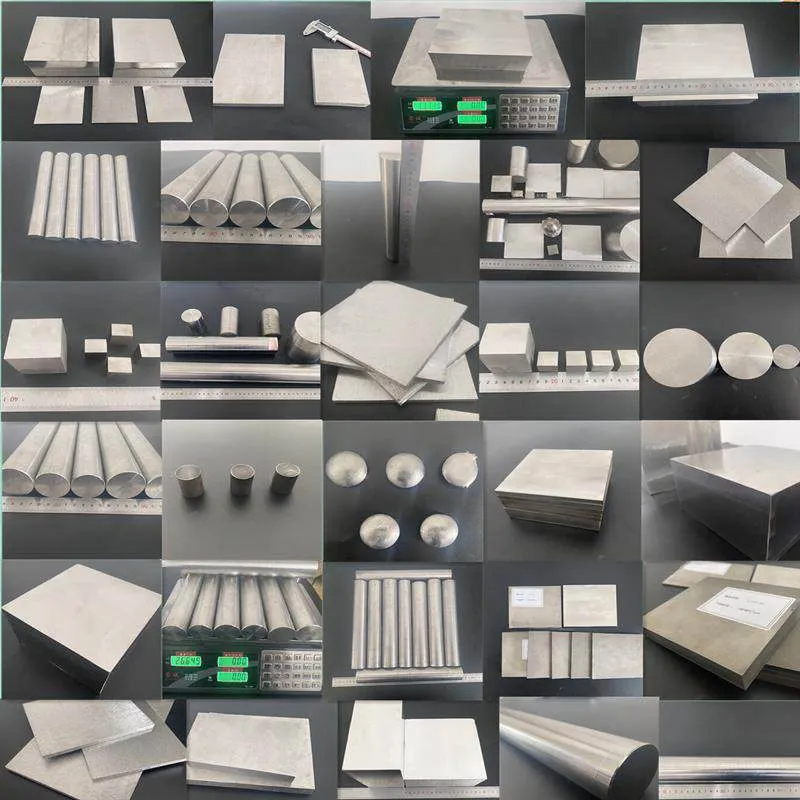
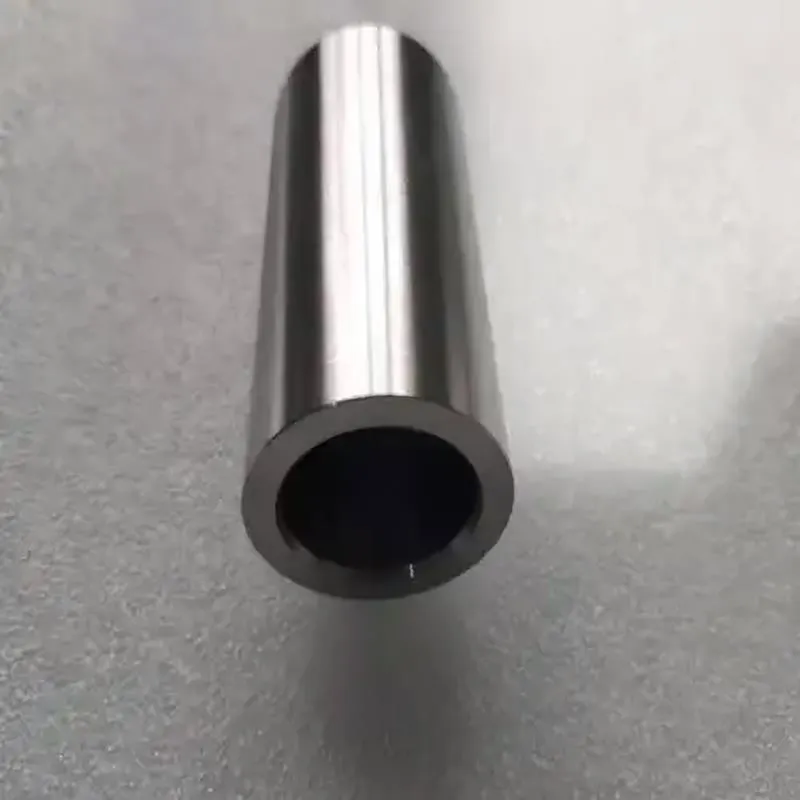
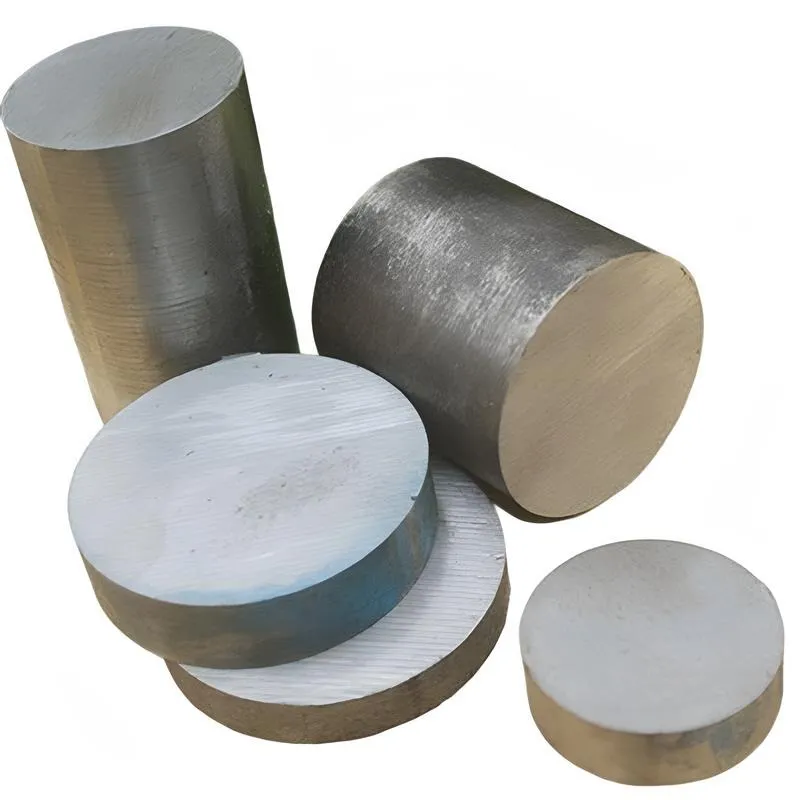
We provide AISI 4150 Steel, normalized at 870°C (1600°F), air cooled, 13 mm (0.5 in.) round is available in Bar (Round bar, Flat bar), Ribbon, Wire, Rods, Tube,Seamless Tube,Pipe, Ingots, Plate, Sheet, Strip and Forging Stock.,Purity, chemical composition, size, etc. can all be customized to meet specific requirements.
Please contact us if you need customized services. We will contact you with the price and availability in 24 hours.
AISI 4150 Steel, normalized at 870°C (1600°F), air cooled, 13 mm (0.5 in.) round Product Information
-:-
For detailed product information, please contact sales.
-:
AISI 4150 Steel, normalized at 870°C (1600°F), air cooled, 13 mm (0.5 in.) round Synonyms
-:-
For detailed product information, please contact sales.
-:
AISI 4150 Steel, normalized at 870°C (1600°F), air cooled, 13 mm (0.5 in.) round Product Information
-:-
For detailed product information, please contact sales.
-:
# **AISI 4150 Steel - Normalized Product Specification**
## **1. Product Definition & Processing History**
This specification covers **AISI 4150** alloy steel supplied as **13 mm (0.5 inch) diameter round bars** processed to a **normalized condition**. Normalization refines the grain structure, improves machinability, and provides a uniform microstructure that serves as an ideal starting point for subsequent heat treatment or machining operations.
**Complete Processing History:**
1. **Material Base:** AISI 4150 - High-carbon chromium-molybdenum alloy steel
2. **Normalizing Temperature:** 870°C (1600°F)
3. **Cooling Method:** Air-cooled in still air
4. **Product Form:** Hot-rolled or cold-finished round bar
5. **Final Condition:** Normalized, ready for machining or further heat treatment
6. **Diameter Significance:** 13 mm ensures rapid, uniform cooling and consistent microstructure
## **2. International Standards & Designations**
- **Primary Standard:** ASTM A29/A29M (Normalized Condition)
- **Material Designation:** AISI 4150 Normalized
- **UNS Designation:** G41500
- **European Equivalent:** 1.7228 (42CrMo5) Normalized, EN 10083-3
- **Japanese Equivalent:** SCM440/445 Normalized, JIS G4105
- **Chinese Equivalent:** 50CrMo Normalized, GB/T 3077
- **ISO Equivalent:** 42CrMo5 Normalized, ISO 683-18
- **Condition Designation:** "N" or Normalized per ASTM A29
## **3. Chemical Composition (Weight %)**
| Element | Composition Range (%) | Typical Aim (%) | Metallurgical Significance in Normalized Condition |
|---------|----------------------|-----------------|---------------------------------------------------|
| **Carbon (C)** | 0.48 - 0.53 | 0.50 | Forms pearlite during normalization; higher carbon increases strength |
| **Manganese (Mn)** | 0.75 - 1.00 | 0.85 | Enhances hardenability; promotes fine pearlite formation |
| **Phosphorus (P)** | ≤ 0.035 | 0.020 | Controlled low level for optimal toughness |
| **Sulfur (S)** | ≤ 0.040 | 0.025 | Improves machinability through MnS inclusion formation |
| **Silicon (Si)** | 0.15 - 0.35 | 0.25 | Deoxidizer; strengthens ferrite matrix |
| **Chromium (Cr)** | 0.80 - 1.10 | 0.95 | Forms fine carbides during normalization |
| **Molybdenum (Mo)** | 0.15 - 0.25 | 0.20 | Refines grain structure; improves high-temperature properties |
**Special Notes for Normalized 4150:**
- Higher carbon content requires careful normalization to prevent excessive hardness
- Typically produced with fine grain practice (ASTM 5-8)
- May include controlled aluminum additions (0.020-0.050%) for grain refinement
## **4. Physical Properties (Normalized Condition)**
| Property | Value | Conditions/Notes |
|----------|-------|------------------|
| **Density** | 7.85 g/cm³ (0.284 lb/in³) | At 20°C |
| **Melting Range** | 1400-1490°C (2550-2715°F) | - |
| **Modulus of Elasticity (E)** | 205 GPa (29.7 × 10⁶ psi) | At 20°C |
| **Shear Modulus (G)** | 80 GPa (11.6 × 10⁶ psi) | At 20°C |
| **Poisson's Ratio (ν)** | 0.29 | At 20°C |
| **Thermal Conductivity** | 42.0 W/m·K | At 100°C |
| **Specific Heat Capacity** | 475 J/kg·K | At 20°C |
| **Coefficient of Thermal Expansion** | 12.2 × 10⁻⁶ /K | 20-100°C range |
| **Electrical Resistivity** | 0.23 µΩ·m | At 20°C |
| **Magnetic Properties** | Ferromagnetic | - |
## **5. Mechanical Properties (Normalized Condition)**
*Minimum guaranteed properties for 13 mm diameter after normalization*
| Property | Minimum Value | Typical Value | Test Standard |
|----------|---------------|---------------|---------------|
| **Hardness (Brinell)** | 241 HB | 262 HB | ASTM E10 |
| **Hardness (Rockwell)** | 22 HRC | 26 HRC | ASTM E18 |
| **Tensile Strength** | 860 MPa (125 ksi) | 965 MPa (140 ksi) | ASTM A370 |
| **Yield Strength (0.2%)** | 620 MPa (90 ksi) | 725 MPa (105 ksi) | ASTM A370 |
| **Elongation in 50 mm** | 15% | 18% | ASTM A370 |
| **Reduction of Area** | 40% | 45% | ASTM A370 |
| **Charpy V-Notch Impact (20°C)** | 27 J (20 ft-lb) | 41 J (30 ft-lb) | ASTM A370 |
| **Fatigue Strength (10⁷ cycles)** | 415 MPa (60 ksi) | 480 MPa (70 ksi) | ASTM E466 |
**Benefits of 13 mm Diameter for Normalization:**
- Rapid, uniform air cooling throughout cross-section
- Minimal microstructure variation from surface to center
- Consistent mechanical properties
- Reduced risk of excessive hardness at center
## **6. Microstructural Characteristics**
### **Normalized Microstructure**
- **Primary Structure:** Fine pearlite in ferrite matrix
- **Pearlite Lamellar Spacing:** 0.2-0.5 μm (finer than as-rolled condition)
- **Grain Size:** ASTM 6-8 (fine due to normalization)
- **Carbide Distribution:** Fine, evenly distributed carbides
- **Prior Austenite Grain Boundaries:** Refined and uniform
- **Surface Condition:** Typically shot blasted after normalization
### **Effect of 870°C Normalization on 13 mm Diameter**
```
870°C NORMALIZATION PROCESS FOR 13 mm DIAMETER:
1. Complete austenitization at 870°C
2. Fine austenite grain formation (ASTM 6-8)
3. Air cooling at approximately 15-25°C/second at 700°C
4. Transformation to fine pearlite + ferrite
5. Result: Uniform microstructure throughout 13 mm section
```
## **7. Normalization Process Details**
### **Specific Normalization Parameters**
```
Temperature: 870°C ±10°C (1600°F ±20°F)
Soak Time: 30 minutes minimum for 13 mm diameter
Atmosphere: Air (may be protective atmosphere for scale control)
Cooling: Still air on racks or mesh belts
Cooling Rate: Approximately 0.5-1.0°C/second average
Result: Fine, uniform normalized structure
```
### **Why Normalize AISI 4150?**
1. **Grain Refinement:** Produces fine, uniform grain structure
2. **Stress Relief:** Eliminates residual stresses from previous processing
3. **Improved Machinability:** Better than as-rolled or annealed conditions for many operations
4. **Homogenization:** Evens out segregation and banding
5. **Preparation:** Ideal condition for subsequent quenching and tempering
## **8. Machinability & Manufacturing Characteristics**
### **Machinability in Normalized Condition**
- **Relative Machinability:** 45% (compared to 100% for B1112 steel)
- **Rating:** Fair - harder than annealed but produces better chips
- **Chip Formation:** Good - produces segmented, manageable chips
- **Surface Finish:** Capable of 3.2-6.3 µm Ra with proper technique
- **Tool Life:** Moderate - requires appropriate tool materials and speeds
### **Recommended Machining Parameters**
| Operation | Speed (m/min) | Feed (mm/rev) | Tool Recommendations |
|-----------|--------------|---------------|----------------------|
| **Turning** | 30-50 | 0.10-0.25 | C5/C6 carbide, positive rake |
| **Drilling** | 15-25 | 0.08-0.15 | HSS-Co drills, peck drilling |
| **Milling** | 25-40 | 0.08-0.20 | Carbide end mills |
| **Tapping** | 5-10 | - | Premium HSS-E taps |
| **Threading** | 20-35 | - | Carbide inserts |
### **Advantages of Normalized vs. Annealed for Machining**
- **Better Chip Breaking:** Normalized structure produces shorter chips
- **Improved Surface Finish:** Often better than soft, gummy annealed material
- **Reduced Tool Built-up Edge:** Less tendency for material to adhere to tools
- **More Consistent:** Less variation in cutting forces
## **9. Product Applications**
### **Pre-Heat Treatment Components**
- **Gear blanks** for subsequent carburizing or through-hardening
- **Shaft blanks** requiring machining before final heat treatment
- **Bearing race blanks** for bearing manufacturers
- **Die blocks** for tool and die applications
- **Mold bases** and **components**
### **Direct Use Applications**
- **Structural components** requiring 250-300 HB hardness
- **Machine tool components** where normalized hardness is sufficient
- **Fixtures** and **jigs** requiring moderate strength
- **Agricultural implement parts** subject to wear
- **General machinery components**
### **Oil & Gas Industry**
- **Valve body blanks** for machining and subsequent heat treatment
- **Flange blanks** requiring further processing
- **Tool joint blanks** (before final heat treatment)
- **Wellhead component blanks**
### **Automotive & Transportation**
- **Chassis components** for heavy trucks
- **Suspension brackets** and **mounts**
- **Bushing housings** requiring machining
- **Axle component blanks**
### **Why 13 mm Diameter is Ideal:**
1. **Rapid Cooling:** Ensures fine, uniform microstructure
2. **Full Transformation:** Complete austenite to pearlite transformation
3. **Consistent Properties:** Minimal variation through cross-section
4. **Versatility:** Suitable for both direct use and further processing
## **10. Subsequent Heat Treatment Capability**
### **Optimal Starting Condition for Heat Treatment**
```
Normalized 4150 provides:
1. Fine, uniform grain structure
2. Minimal residual stress
3. Consistent hardenability response
4. Reduced distortion during quenching
5. Predictable dimensional changes
```
### **Recommended Heat Treatment After Normalization**
1. **For Maximum Strength:** Austenitize at 830-845°C, oil quench, temper at 205-425°C
2. **For Toughness:** Austenitize at 830-845°C, oil quench, temper at 540-650°C
3. **For Surface Hardening:** Can be directly induction or flame hardened
### **Hardenability in Normalized Condition**
- **As-Normalized Hardness:** 241-285 HB (22-30 HRC)
- **Potential After Quenching:** 58-62 HRC (surface), 55-59 HRC (center for 13 mm)
- **Through-Hardening:** Guaranteed for 13 mm diameter with proper quench
## **11. Quality Assurance & Testing**
### **Standard Testing Package**
1. **Hardness Testing:** Multiple locations on cross-section
2. **Tensile Testing:** Per ASTM A370
3. **Microstructure Examination:** Verification of normalized structure
4. **Grain Size Measurement:** ASTM E112 method
5. **Decarburization Check:** Typically ≤0.13 mm (0.005 in) per side
### **Acceptance Criteria for Normalized Condition**
- **Hardness Uniformity:** Within 10 HB points through cross-section
- **Microstructure:** Uniform fine pearlite + ferrite
- **Grain Size:** ASTM 6 or finer
- **Surface Condition:** Free from excessive scale or decarburization
- **Straightness:** ≤1.0 mm/m (0.012 in/ft)
## **12. Comparison with Other Conditions**
### **Normalized vs. Annealed 4150**
| Property | Normalized (This Product) | Annealed 4150 |
|----------|---------------------------|---------------|
| **Hardness** | 241-285 HB | 217-255 HB |
| **Tensile Strength** | 860-1035 MPa | 795-930 MPa |
| **Yield Strength** | 620-795 MPa | 550-725 MPa |
| **Machinability** | Good chip control | Softer but gummier |
| **Chip Formation** | Better (segmented) | Continuous, stringy |
| **Best For** | Pre-heat treatment, direct use | Heavy machining |
### **Normalized vs. As-Rolled 4150**
| Aspect | Normalized | As-Rolled |
|--------|------------|-----------|
| **Microstructure** | Fine, uniform | Variable, banded |
| **Mechanical Properties** | More consistent | Variable through section |
| **Residual Stress** | Minimal | Significant |
| **Dimensional Stability** | Better | May distort during machining |
| **Cost** | Slightly higher | Lower |
## **13. Design & Engineering Considerations**
### **Advantages of Normalized 4150**
1. **Improved Properties:** Better than as-rolled condition
2. **Consistency:** Uniform properties throughout 13 mm section
3. **Machinability:** Good balance of hardness and chip formation
4. **Versatility:** Suitable for direct use or further heat treatment
5. **Cost-Effective:** Less expensive than quenched and tempered material
### **Design Recommendations**
1. **Section Size:** 13 mm is optimal for normalization
2. **Surface Finish:** 3.2-6.3 µm Ra typically achievable
3. **Corrosion Protection:** Still required (normalizing provides none)
4. **Joining Methods:** Can be welded with proper procedures
5. **Heat Treatment:** If required, normalized condition is ideal starting point
## **14. Economic & Supply Considerations**
### **Market Availability**
- **Common Size:** 13 mm diameter widely available
- **Lead Time:** Typically 2-4 weeks
- **Minimum Order:** 100-500 kg typically
- **Cost Factor:** 1.1-1.2× as-rolled condition
- **Value:** Excellent for reducing total manufacturing cost
### **Total Cost Benefits**
1. **Reduced Machining Time:** Better machinability than some conditions
2. **Eliminated Processing:** No customer normalization required
3. **Improved Yield:** More consistent material reduces scrap
4. **Better Performance:** Enhanced properties for many applications
5. **Flexibility:** Can be used as-is or heat treated further
## **15. Specialized Applications**
### **Tool & Die Industry**
- **Die inserts** requiring machining before hardening
- **Mold bases** for plastic injection molding
- **Fixture plates** for manufacturing
- **Gauge blocks** and **reference surfaces**
### **Precision Manufacturing**
- **Shafts** for small machinery
- **Bearing housings** requiring precise machining
- **Instrumentation components**
- **Optical mounting components**
### **Repair & Maintenance**
- **Replacement shafts** for equipment repair
- **Wear pad blanks** for machinery rebuild
- **Bushing stock** for maintenance shops
- **Fastener blanks** for special applications
---
## **Technical Appendix: Property Calculations**
### **Empirical Relationships for Normalized 4150**
1. **Tensile Strength (MPa) ≈ 3.6 × HB**
*Example: 262 HB → 3.6 × 262 = 943 MPa (matches typical)*
2. **Yield Strength ≈ 0.75 × Tensile Strength**
*Example: 943 MPa × 0.75 = 707 MPa*
3. **Fatigue Ratio (σₑ/UTS):** 0.48-0.52 for polished specimens
### **Size Effect for 13 mm Diameter**
- **Cooling Rate:** ~20°C/second at 700°C during air cooling
- **Microstructure Uniformity:** Excellent - minimal variation
- **Surface-to-Center Hardness Difference:** ≤5 HB points
- **Transformation Completeness:** 100% austenite to pearlite+ferrite
---
## **Summary: Application Guidelines**
### **Select This Product When:**
1. **Direct Use:** Component requires 250-300 HB hardness without further heat treatment
2. **Pre-Heat Treatment:** Component will be machined then quenched and tempered
3. **Consistency Needed:** Uniform properties throughout cross-section are important
4. **Machinability Required:** Good chip control and surface finish are needed
5. **Cost Considerations:** Need better properties than as-rolled but less than Q&T
### **Ideal Applications for 13 mm Diameter:**
- Small precision components
- Shafts and pins requiring machining
- Bearing and bushing blanks
- Fastener stock for special applications
- Tooling components before final hardening
### **Consider Alternatives When:**
- Maximum hardness (>300 HB) is required (choose Q&T condition)
- Maximum machinability is needed (choose annealed condition)
- Lowest cost is critical (choose as-rolled material)
- Corrosion resistance is required (choose different material family)
- Immediate use without machining is needed (consider finished Q&T parts)
### **Value Proposition:**
This normalized AISI 4150 in 13 mm diameter provides:
- **Optimized microstructure** for many applications
- **Excellent starting condition** for further heat treatment
- **Consistent properties** throughout the cross-section
- **Good machinability** with proper techniques
- **Cost-effective** solution between as-rolled and fully heat treated material
---
**Final Recommendation:** Normalized AISI 4150 in 13 mm diameter represents an excellent choice for applications requiring moderate strength, good machinability, and the potential for further heat treatment. The normalization process provides a refined, uniform microstructure that enhances both manufacturing processes and final component performance.
---
**Disclaimer:** This product specification is for technical reference. Actual properties may vary based on specific manufacturing processes and testing methods. For critical applications, verify material certifications, conduct incoming inspection, and perform appropriate qualification testing. Always consult with materials engineering specialists for safety-critical applications. The information presented represents typical values but should not be used as the sole basis for design decisions.
-:-
For detailed product information, please contact sales.
-:
AISI 4150 Steel, normalized at 870°C (1600°F), air cooled, 13 mm (0.5 in.) round Specification
Dimensions
Size:
Diameter 20-1000 mm Length <4054 mm
Size:We can customized as required
Standard:
Per your request or drawing
We can customized as required
Properties(Theoretical)
Chemical Composition
-:-
For detailed product information, please contact sales.
-:
AISI 4150 Steel, normalized at 870°C (1600°F), air cooled, 13 mm (0.5 in.) round Properties
-:-
For detailed product information, please contact sales.
-:
Applications of AISI 4150 Steel, normalized at 870°C (1600°F), air cooled, 13 mm (0.5 in.) round
-:-
For detailed product information, please contact sales.
-:
Chemical Identifiers AISI 4150 Steel, normalized at 870°C (1600°F), air cooled, 13 mm (0.5 in.) round
-:-
For detailed product information, please contact sales.
-:
Packing of AISI 4150 Steel, normalized at 870°C (1600°F), air cooled, 13 mm (0.5 in.) round
-:-
For detailed product information, please contact sales.
-:
Standard Packing:
-:-
For detailed product information, please contact sales.
-:
Typical bulk packaging includes palletized plastic 5 gallon/25 kg. pails, fiber and steel drums to 1 ton super sacks in full container (FCL) or truck load (T/L) quantities. Research and sample quantities and hygroscopic, oxidizing or other air sensitive materials may be packaged under argon or vacuum. Solutions are packaged in polypropylene, plastic or glass jars up to palletized 525 gallon liquid totes Special package is available on request. E FORUs’ is carefully handled to minimize damage during storage and transportation and to preserve the quality of our products in their original condition