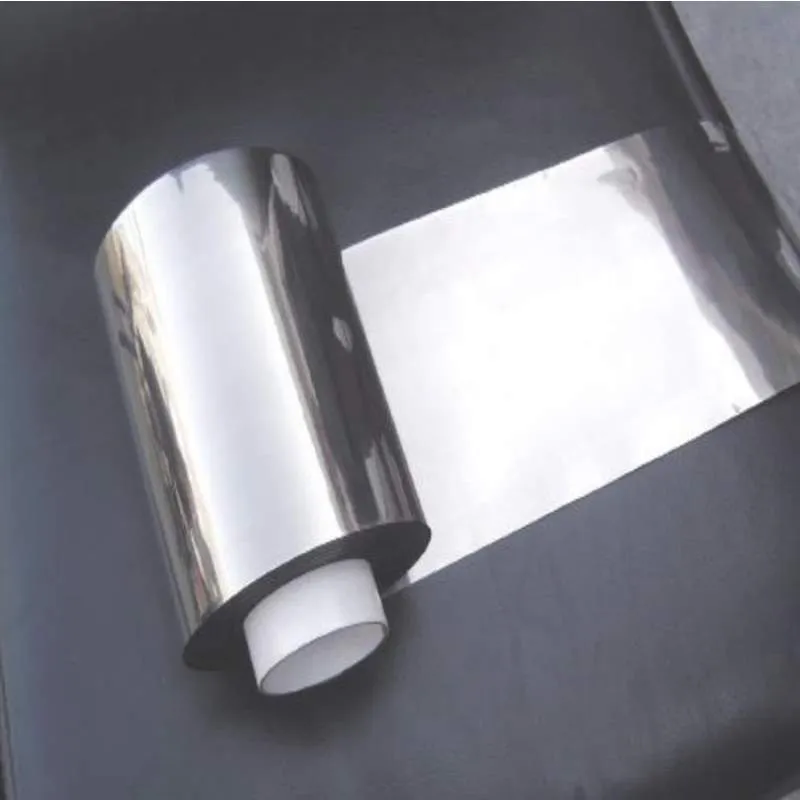
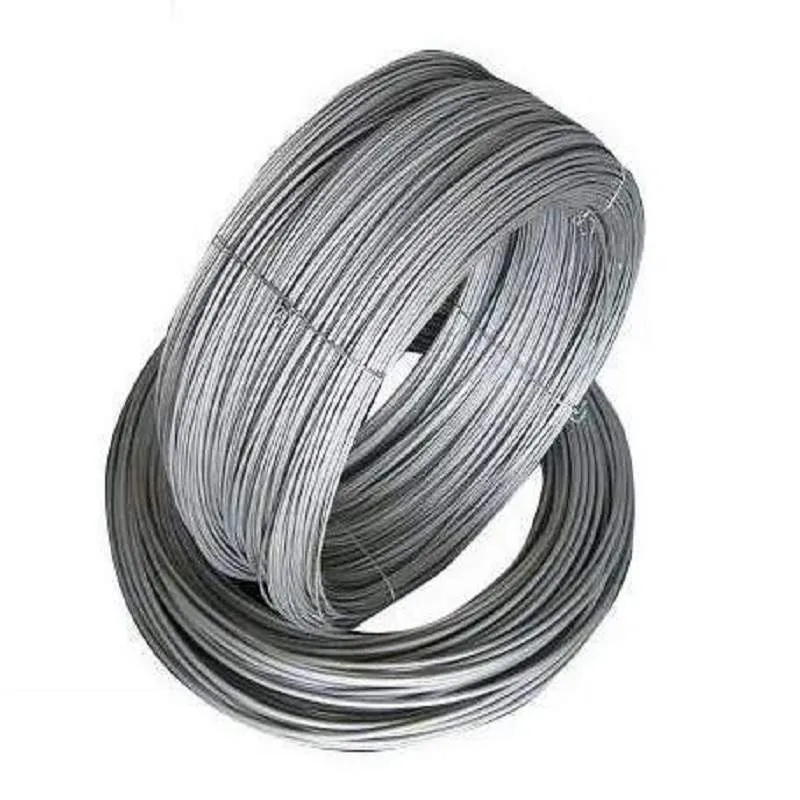
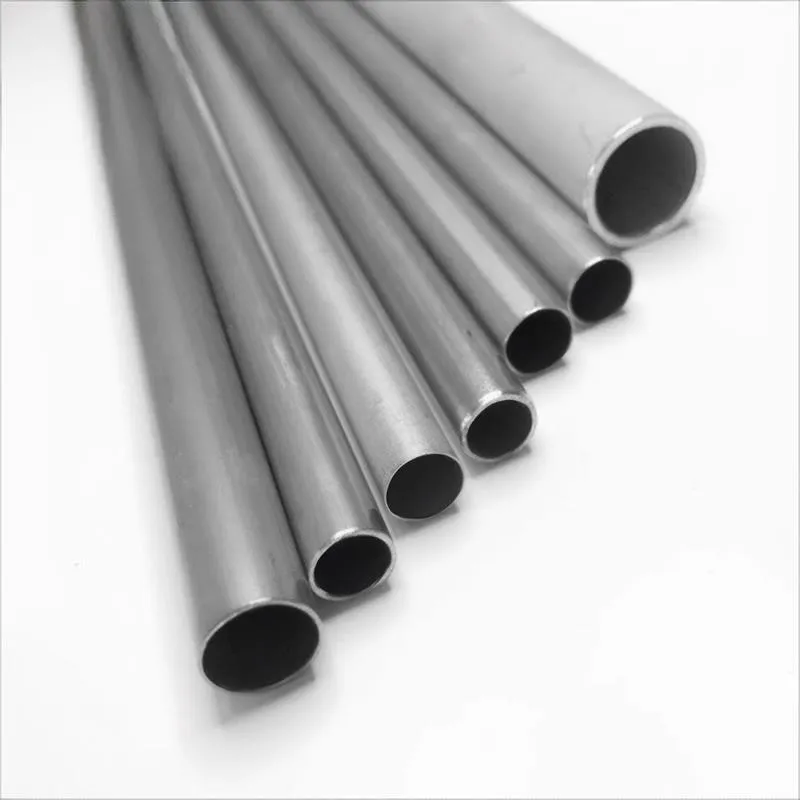
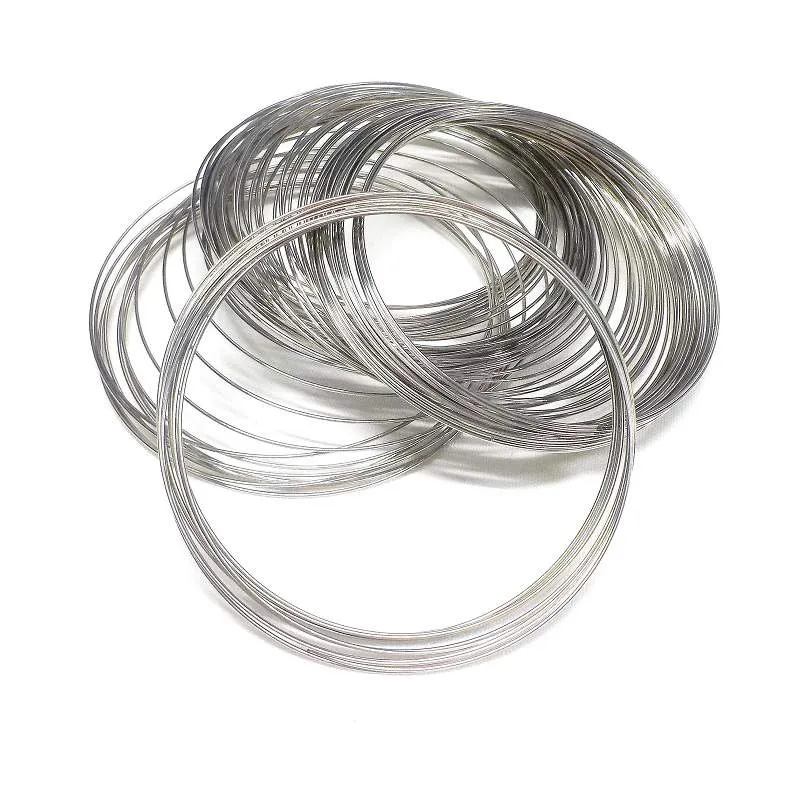
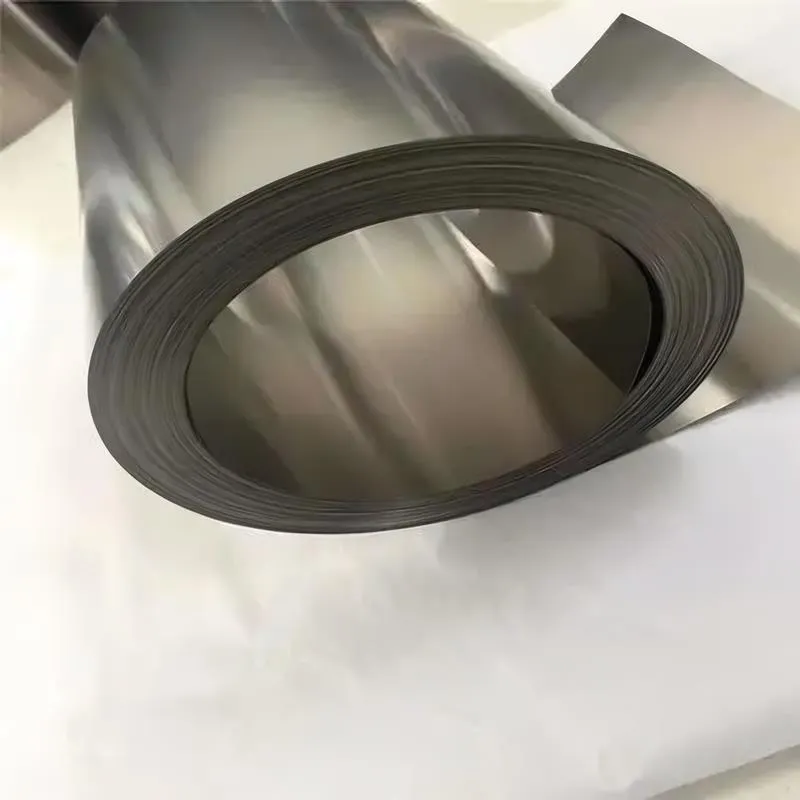
AISI 4626 Steel Foil/Strip
Product Code : STI-AL-077-CU
We provide AISI 4626 Steel Foil/Strip is available in Bar (Round bar, Flat bar), Ribbon, Wire, Rods, Tube,Seamless Tube,Pipe, Ingots, Plate, Sheet, Strip and Forging Stock.,Purity, chemical composition, size, etc. can all be customized to meet specific requirements.
Please contact us if you need customized services. We will contact you with the price and availability in 24 hours.
AISI 4626 Steel Foil Product Information
-:-
For detailed product information, please contact sales.
-:
AISI 4626 Steel Foil Synonyms
-:-
For detailed product information, please contact sales.
-:
AISI 4626 Steel Product Information
-:-
For detailed product information, please contact sales.
-:
# **AISI 4626 Alloy Steel**
## **Medium-High Carbon Nickel-Molybdenum Through-Hardening Steel**
---
### **1. PRODUCT OVERVIEW**
**AISI 4626 Alloy Steel**
- **Material Classification:** Medium-high carbon nickel-molybdenum alloy steel
- **Primary Application:** Through-hardening (quenching and tempering) applications
- **Carbon Content:** 0.24-0.29% (higher than 4621/4620 series)
- **Key Alloying Elements:** Nickel (0.70-1.00%) + Molybdenum (0.15-0.25%)
- **Material Family:** AISI/SAE 46xx series (nickel-molybdenum steels)
- **"26" Designation:** Indicates nominal carbon content of approximately 0.26%
- **UNS Designation:** G46260
- **Typical Forms:** Bars, forgings, billets, tubing
**Material Characteristics:**
1. **Higher Carbon Content:** Provides increased hardness and wear resistance potential
2. **Moderate Nickel Level:** Lower than 4620/4621 series but sufficient for toughness
3. **Balanced Molybdenum:** Provides grain refinement and hardenability
4. **Through-Hardening Focus:** Optimized for quenching and tempering rather than case hardening
5. **Cost-Effective Alloying:** Lower nickel content than 4620/4621 reduces cost
---
### **2. CHEMICAL COMPOSITION SPECIFICATION**
| Element | AISI 4626 Standard Range (%) | Typical Aim Composition (%) | Metallurgical Function |
|---------|-----------------------------|-----------------------------|------------------------|
| **Carbon (C)** | 0.24-0.29 | 0.26-0.28 | Primary strengthener, determines hardness and strength potential |
| **Manganese (Mn)** | 0.60-0.80 | 0.65-0.75 | Enhances hardenability, solid solution strengthening |
| **Phosphorus (P)** | ≤ 0.035 | ≤ 0.020 | Residual impurity (controlled) |
| **Sulfur (S)** | ≤ 0.040 | 0.020-0.035 | Machinability enhancer, typically at higher end |
| **Silicon (Si)** | 0.15-0.30 | 0.20-0.25 | Deoxidizer, improves strength and temper resistance |
| **Nickel (Ni)** | 0.70-1.00 | 0.80-0.90 | **Primary alloy:** Provides toughness and moderate hardenability |
| **Molybdenum (Mo)** | 0.15-0.25 | 0.18-0.22 | **Secondary alloy:** Grain refinement, reduces temper embrittlement |
| **Chromium (Cr)** | - | ≤ 0.20 | Trace residual (not specified) |
| **Copper (Cu)** | - | ≤ 0.35 | Trace residual |
| **Iron (Fe)** | Balance | Balance | Matrix element |
**Composition Design Philosophy:**
- **Carbon Selection:** 0.26% nominal provides good hardenability and wear resistance
- **Nickel Reduction:** Lower than 4620/4621 series (0.9% vs 1.8%) for cost optimization
- **Molybdenum Level:** Maintained for grain refinement and tempering stability
- **Economic Balance:** Provides good properties at reduced alloy cost
---
### **3. INTERNATIONAL STANDARDS & EQUIVALENTS**
| Standard System | Designation | Title / Description | Notes |
|----------------|-------------|---------------------|-------|
| **UNS** | G46260 | Unified Numbering System | Primary US designation |
| **AISI/SAE** | 4626 | SAE J404, J412 | Original specification |
| **ASTM** | A322 | Standard Specification for Steel Bars, Alloy | Grade 4626 |
| **ASTM** | A29/A29M | Steel Bars, Carbon and Alloy | General requirements |
| **AMS** | 6274 | Steel Bars, Forgings, and Tubing | Aerospace specification |
| **ISO** | 683-11 | Heat-treatable steels | International classification |
| **DIN** | 1.6525 | 26NiCrMo2 | German equivalent |
| **EN** | 1.6523 | 26NiCrMo2 | European designation |
| **JIS** | SNCM220 (modified) | Nickel-chromium-molybdenum steel | Similar Japanese grade |
| **GB** | 25Ni2Mo | Chinese standard | Chinese equivalent |
**H-Grade Availability:**
- **AISI 4626H:** Hardenability controlled version available
- **Complies with:** SAE J1268 and ASTM A304
- **Typical bands:** Bands 1-3 depending on application requirements
---
### **4. PHYSICAL PROPERTIES**
| Property | Value | Conditions / Notes |
|----------|-------|-------------------|
| **Density** | 7.85 g/cm³ (0.284 lb/in³) | At 20°C, typical for alloy steels |
| **Melting Range** | 1480-1520°C | Liquidus to solidus temperature |
| **Thermal Conductivity** | 41.5 W/m·K | At 100°C, annealed condition |
| **Specific Heat Capacity** | 460 J/kg·K | At 20°C |
| **Coefficient of Thermal Expansion** | 12.1 × 10⁻⁶/K | 20-100°C temperature range |
| **Electrical Resistivity** | 0.24 μΩ·m | At 20°C |
| **Modulus of Elasticity** | 205 GPa (29.7×10⁶ psi) | Typical for steel |
| **Shear Modulus** | 80 GPa (11.6×10⁶ psi) | - |
| **Poisson's Ratio** | 0.29 | Standard value for steel |
| **Magnetic Properties** | Ferromagnetic | Below Curie temperature (~770°C) |
**Transformation Temperatures:**
- **Ac₁:** ~730°C (1345°F)
- **Ac₃:** ~790°C (1455°F)
- **Ms (Martensite Start):** ~350°C (660°F)
- **Mf (Martensite Finish):** ~200°C (390°F)
---
### **5. MECHANICAL PROPERTIES (HEAT TREATED CONDITION)**
#### **Typical Properties After Standard Heat Treatment:**
*845°C (1550°F) Austenitize, Oil Quench, 540°C (1000°F) Temper*
| Property | Value Range | Testing Standard | Application Significance |
|----------|-------------|------------------|--------------------------|
| **Tensile Strength** | 950-1150 MPa (138-167 ksi) | ASTM E8/E8M | Higher than 4620/4621 due to increased carbon |
| **Yield Strength (0.2%)** | 800-1000 MPa (116-145 ksi) | ASTM E8/E8M | Good elastic limit for engineering applications |
| **Elongation in 4D** | 13-18% | ASTM E8/E8M | Moderate ductility for high-strength material |
| **Reduction of Area** | 40-50% | ASTM E8/E8M | Good energy absorption capability |
| **Hardness** | 30-36 HRC (283-331 HB) | ASTM E18/E10 | Higher than 4621 due to carbon content |
| **Charpy V-Notch Impact** | 30-45 J (22-33 ft-lb) | ASTM E23 | Moderate toughness, lower than higher-nickel grades |
| **Fatigue Strength (Rotating Bending)** | 500-600 MPa | - | Good fatigue resistance |
| **Endurance Limit (approx.)** | 50-55% of UTS | - | Typical for quenched and tempered steels |
#### **Properties by Tempering Temperature:**
| Tempering Temperature | Hardness (HRC) | Tensile Strength (MPa) | Yield Strength (MPa) | Impact Energy (J) |
|----------------------|----------------|------------------------|----------------------|------------------|
| **200°C (390°F)** | 48-52 | 1550-1700 | 1350-1500 | 20-30 |
| **425°C (800°F)** | 40-44 | 1200-1350 | 1050-1200 | 30-40 |
| **540°C (1000°F)** | 30-34 | 950-1100 | 800-950 | 35-45 |
| **650°C (1200°F)** | 24-28 | 750-850 | 600-700 | 45-55 |
---
### **6. HEAT TREATMENT RESPONSE**
#### **Recommended Heat Treatment Parameters:**
1. **Annealing (Full):**
- Temperature: 830-850°C (1525-1560°F)
- Cooling: Furnace cool to 600°C at ≤25°C/hour, then air cool
- Resulting Hardness: 179-217 HB
2. **Normalizing:**
- Temperature: 870-900°C (1600-1650°F)
- Cooling: Air cool
- Purpose: Grain refinement, homogenization
3. **Hardening (Austenitizing):**
- Temperature: 830-850°C (1525-1560°F)
- Soak Time: 30 minutes per inch of thickness
- Quenching Medium: Oil (standard), water for smaller sections
- Critical Cooling Rate: Moderate due to alloy content
4. **Tempering:**
- Temperature Range: 200-650°C (390-1200°F)
- Time: 1-2 hours per inch of thickness
- Cooling: Air cool (water or oil cooling may be used)
#### **Hardenability Characteristics:**
| Distance from Quenched End (Jominy) | Hardness (HRC) | Microstructure |
|-------------------------------------|----------------|---------------|
| **1.5 mm (1/16 inch)** | 48-52 | 90-100% martensite |
| **5 mm (3/16 inch)** | 42-46 | 80-90% martensite |
| **10 mm (3/8 inch)** | 36-40 | 60-80% martensite |
| **15 mm (5/8 inch)** | 30-34 | 40-60% martensite |
| **25 mm (1 inch)** | 26-30 | 20-40% martensite |
**Through-Hardening Capability:**
- **Ideal Critical Diameter (Dᵢ):** ~40-60mm (1.5-2.5 inches) in oil
- **Maximum Effective Hardening Depth:** ~30mm (1.25 inches) for 50 HRC
- **Section Sensitivity:** Moderate - suitable for medium-sized components
---
### **7. TYPICAL APPLICATIONS**
#### **Automotive Components:**
- **Transmission Parts:** Gears, shafts, synchronizer rings
- **Steering Components:** Steering knuckles, pitman arms
- **Engine Components:** Crankshafts (medium duty), camshafts
- **Drive Train:** Axle shafts, drive shafts, universal joints
- **Suspension Parts:** Torsion bars, spring components
#### **Industrial Machinery:**
- **Gear Manufacturing:** Industrial gears, pinions, gear blanks
- **Power Transmission:** Couplings, sprockets, chain wheels
- **Heavy Equipment:** Excavator pins, bucket teeth, track links
- **Machine Tools:** Spindles, arbors, tool holders, lathe centers
- **Agricultural Machinery:** Plow shares, cultivator teeth, gearbox parts
#### **Construction and Mining:**
- **Earth-Moving Equipment:** Wear plates, cutting edges
- **Mining Tools:** Drill bits, cutter teeth, crusher parts
- **Material Handling:** Conveyor components, bucket teeth
#### **General Engineering:**
- **Fasteners:** High-strength bolts, studs, anchor bolts
- **Shafting:** General purpose shafts and axles
- **Wear Parts:** Components requiring moderate to high wear resistance
- **Tooling:** Jigs, fixtures, die components
#### **Application Advantages of 4626 vs. Other Grades:**
1. **vs 4620/4621:** Higher hardness and wear resistance due to increased carbon
2. **vs 4140:** Better toughness due to nickel content
3. **vs 1045:** Better hardenability and toughness
4. **vs 4340:** More economical while providing good properties
---
### **8. PROCESSING CHARACTERISTICS**
#### **Machinability:**
- **Relative Rating:** 55-60% of B1112 free-cutting steel (annealed condition)
- **Annealed Condition Hardness:** 179-217 HB (optimal for machining)
- **Hardened Condition Machinability:** 35-45% (requires carbide tools)
- **Recommended Cutting Parameters:**
- Annealed: 35-55 m/min with HSS tools
- Hardened: 20-35 m/min with carbide tools
- Feed rates: 0.10-0.25 mm/rev
- **Tool Materials:** Carbide recommended for production
- **Chip Formation:** Continuous to segmented chips depending on condition
#### **Forming and Forging:**
- **Hot Working Temperature:** 1150-900°C (2100-1650°F)
- **Forgeability:** Good - suitable for most forging operations
- **Cold Formability:** Fair in annealed condition
- **Annealing Recommended:** Between cold forming operations
#### **Welding Characteristics:**
- **Weldability Rating:** Fair (requires precautions)
- **Preheat Temperature:** 150-200°C (300-400°F) for thickness >12mm
- **Post-Weld Heat Treatment:** Stress relief at 590-650°C (1100-1200°F) recommended
- **Recommended Methods:** GTAW (TIG), SMAW with low-hydrogen electrodes
- **Filler Material:** AWS E10018-D2 or matching composition
- **Cautions:** Susceptible to hydrogen cracking; use proper procedures
#### **Grinding and Finishing:**
- **Grindability:** Good with proper wheel selection
- **Surface Finishing:** Responds well to polishing and superfinishing
- **Plating/Coating Compatibility:** Good base for various surface treatments
---
### **9. MICROSTRUCTURAL CHARACTERISTICS**
#### **As-Annealed Condition:**
- **Primary Phase:** Ferrite with spheroidized carbides
- **Grain Size:** ASTM 5-7 (fine to medium grain)
- **Carbide Distribution:** Uniformly dispersed fine carbides
#### **As-Quenched (Hardened):**
- **Matrix:** Martensite (lath type with some plate martensite)
- **Retained Austenite:** <5% (typical)
- **Prior Austenite Grain Size:** ASTM 7-8 (fine)
#### **Tempered Condition:**
- **Matrix:** Tempered martensite
- **Carbide Precipitation:** Fine carbides within martensite laths
- **Tempering Stages:**
- Stage 1 (100-250°C): ε-carbide formation
- Stage 2 (200-300°C): Retained austenite decomposition
- Stage 3 (250-400°C): Cementite formation and growth
- **Tempered Martensite Embrittlement:** Minimal due to molybdenum content
---
### **10. QUALITY ASSURANCE AND TESTING**
#### **Standard Testing Requirements:**
1. **Chemical Analysis:** Spectrographic analysis per heat/lot (ASTM E415)
2. **Mechanical Testing:** Tensile and hardness tests (ASTM E8, E18)
3. **Microstructural Examination:** Grain size, cleanliness (ASTM E112, E45)
4. **Non-Destructive Testing:** As required by specification
#### **Inclusion Rating (Typical):**
| Inclusion Type | ASTM E45 Rating (Worst Field) | Typical Value |
|----------------|-------------------------------|---------------|
| **A (Sulfide)** | ≤ 2.0 | 1.0-1.5 |
| **B (Alumina)** | ≤ 1.5 | 0.5-1.0 |
| **C (Silicate)** | ≤ 1.5 | 0.5-1.0 |
| **D (Globular Oxide)** | ≤ 1.5 | 0.5-1.0 |
#### **Certification Levels:**
- **Standard Mill Certificate:** Chemical composition and hardness
- **Test Certificate 3.1:** Includes mechanical property testing
- **Special Testing:** Additional tests as specified by customer
---
### **11. COMPARISON WITH SIMILAR GRADES**
| Grade | C% Range | Ni% Range | Mo% Range | Typical UTS (MPa) | Hardness (HRC) after 540°C temper | Relative Cost |
|-------|----------|-----------|-----------|-------------------|-----------------------------------|---------------|
| **AISI 4626** | 0.24-0.29 | 0.70-1.00 | 0.15-0.25 | 950-1150 | 30-34 | Medium |
| **AISI 4620** | 0.17-0.22 | 1.65-2.00 | 0.20-0.30 | 900-1100 | 28-32 | Medium-High |
| **AISI 4621** | 0.18-0.23 | 1.65-2.00 | 0.20-0.30 | 900-1100 | 28-33 | Medium-High |
| **AISI 4140** | 0.38-0.43 | - | 0.15-0.25 | 1000-1200 | 30-35 | Medium |
| **AISI 1045** | 0.43-0.50 | - | - | 700-850 | 25-30 | Low |
| **AISI 4340** | 0.38-0.43 | 1.65-2.00 | 0.20-0.30 | 1100-1300 | 32-37 | High |
**Selection Guidelines:**
- **Choose 4626 over 4620/4621:** When higher hardness/wear resistance is needed
- **Choose 4626 over 4140:** When better toughness is required
- **Choose 4626 over 1045:** When better hardenability is needed
- **Choose 4626 over 4340:** For cost-sensitive applications with good toughness requirements
---
### **12. DESIGN CONSIDERATIONS**
#### **Strength Advantages:**
1. **Good Hardenability:** Suitable for sections up to 60mm diameter
2. **Moderate Toughness:** Nickel provides better impact resistance than non-nickel grades
3. **Wear Resistance:** Good for applications requiring abrasion resistance
4. **Fatigue Resistance:** Adequate for cyclic loading applications
#### **Design Limitations:**
1. **Corrosion Resistance:** Similar to plain carbon steel (requires protection)
2. **Maximum Service Temperature:** Approximately 400°C (750°F) continuous
3. **Notch Sensitivity:** Moderate - design with proper radii
4. **Weldability Constraints:** Requires proper procedures
#### **Recommended Design Practices:**
- **Section Size:** Optimal for 20-60mm diameter components
- **Heat Treatment:** Through-harden for uniform properties
- **Surface Finish:** Good surface finish improves fatigue life
- **Stress Concentrations:** Use generous fillet radii (minimum 2mm)
#### **Design Parameters for Typical Applications:**
| Application | Recommended Hardness (HRC) | Tempering Temperature | Surface Finish (Ra) |
|-------------|----------------------------|----------------------|---------------------|
| **General Gears** | 30-34 | 540°C | 1.6-3.2 μm |
| **Shafts** | 28-32 | 560°C | 0.8-1.6 μm |
| **Wear Plates** | 35-40 | 425°C | 3.2-6.3 μm |
| **Fasteners** | 32-36 | 500°C | 1.6-3.2 μm |
---
### **13. ENVIRONMENTAL AND ECONOMIC CONSIDERATIONS**
#### **Cost Factors:**
- **Material Cost:** Medium (lower than high-nickel grades)
- **Processing Cost:** Standard heat treatment requirements
- **Lifecycle Cost:** Good for medium-duty applications
- **Availability:** Readily available from steel service centers
#### **Environmental Aspects:**
- **Recyclability:** 100% recyclable as steel scrap
- **Production Energy:** Moderate (lower than high-alloy steels)
- **Alternative Materials:** Consider 4140 for similar properties at potentially lower cost
#### **Supply Chain Considerations:**
- **Lead Times:** Typically available from stock for common sizes
- **Global Availability:** Widely produced in US and Europe
- **Quality Consistency:** Good with reputable producers
---
### **14. TECHNICAL GUIDELINES**
#### **Optimal Heat Treatment for Common Applications:**
1. **General Purpose Components:** 845°C oil quench + 540°C temper
2. **High Strength Applications:** 845°C oil quench + 425°C temper
3. **Maximum Toughness:** 845°C oil quench + 650°C temper
4. **Wear Resistance Focus:** 845°C oil quench + 200°C temper
#### **Post-Heat Treatment Processing:**
- **Stress Relieving:** Recommended after rough machining (550-650°C)
- **Straightening:** May be required after heat treatment
- **Final Machining:** Light finishing after heat treatment if needed
#### **Surface Treatment Options:**
- **Induction Hardening:** Suitable for selective surface hardening
- **Nitriding:** Can be applied for additional surface hardness (to ~65 HRC equivalent)
- **Plating/Coating:** Good substrate for various coatings (phosphate, black oxide, etc.)
- **Shot Peening:** Improves fatigue life for critical components
---
**MATERIAL SELECTION SUMMARY:**
AISI 4626 represents a cost-effective option in the nickel-molybdenum alloy steel family. With its medium-high carbon content (0.24-0.29%) and moderate nickel level (0.70-1.00%), it provides a good balance of hardness, strength, and reasonable toughness. This makes it particularly suitable for components requiring higher wear resistance than 4620/4621 series but where the premium cost of higher-nickel grades cannot be justified.
**KEY ADVANTAGES:**
1. **Good Hardness Potential:** Higher carbon provides better wear resistance
2. **Cost Effective:** Lower nickel content reduces material cost
3. **Adequate Toughness:** Nickel content provides reasonable impact resistance
4. **Good Hardenability:** Suitable for medium-section components
**HEAT TREATMENT RECOMMENDATION:**
For optimal performance with AISI 4626:
1. Austenitize at 830-850°C (1525-1560°F) with adequate soak time
2. Oil quench for sections up to 60mm diameter
3. Temper according to required property balance (typically 425-600°C)
4. Consider stress relieving after rough machining if dimensional stability is critical
---
**QUALITY ASSURANCE STATEMENT:**
AISI 4626 alloy steel is produced to meet or exceed the requirements of SAE J404/J412 and ASTM A322. For critical applications, specify additional testing requirements such as microcleanliness rating, grain size verification, or non-destructive examination.
**DISCLAIMER:** The information provided represents typical properties and characteristics based on standard specifications. Actual values may vary within acceptable specification ranges. For critical applications, material testing and validation are essential. Consultation with qualified materials engineering professionals is recommended for specific application requirements. Proper heat treatment procedures must be followed to achieve specified properties.
-:-
For detailed product information, please contact sales.
-:
AISI 4626 Steel Specification
Dimensions
Size:
Diameter 20-1000 mm Length <4075 mm
Size:We can customized as required
Standard:
Per your request or drawing
We can customized as required
Properties(Theoretical)
Chemical Composition
-:-
For detailed product information, please contact sales.
-:
AISI 4626 Steel Properties
-:-
For detailed product information, please contact sales.
-:
Applications of AISI 4626 Steel Foil
-:-
For detailed product information, please contact sales.
-:
Chemical Identifiers AISI 4626 Steel Foil
-:-
For detailed product information, please contact sales.
-:
Packing of AISI 4626 Steel Foil/Strip
-:-
For detailed product information, please contact sales.
-:
Standard Packing:
-:-
For detailed product information, please contact sales.
-:
Typical bulk packaging includes palletized plastic 5 gallon/25 kg. pails, fiber and Steel Foil/Strip drums to 1 ton super sacks in full container (FCL) or truck load (T/L) quantities. Research and sample quantities and hygroscopic, oxidizing or other air sensitive materials may be packaged under argon or vacuum. Solutions are packaged in polypropylene, plastic or glass jars up to palletized 546 gallon liquid totes Special package is available on request. E FORUs’ is carefully handled to minimize damage during storage and transportation and to preserve the quality of our products in their original condition