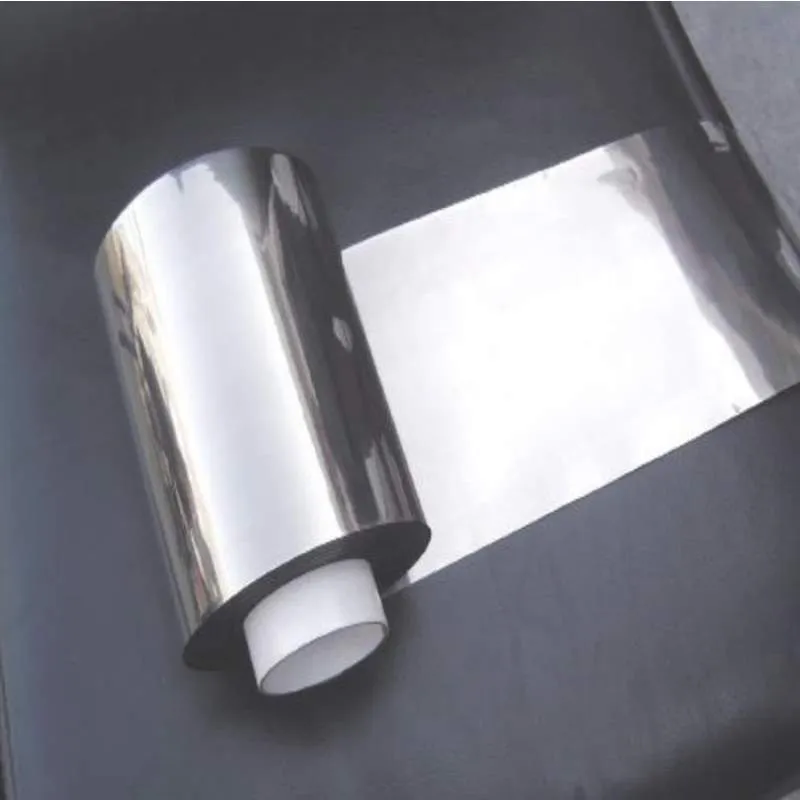
AISI 5130H Steel Rod/Bar
Product Code : STI-AL-115-CU
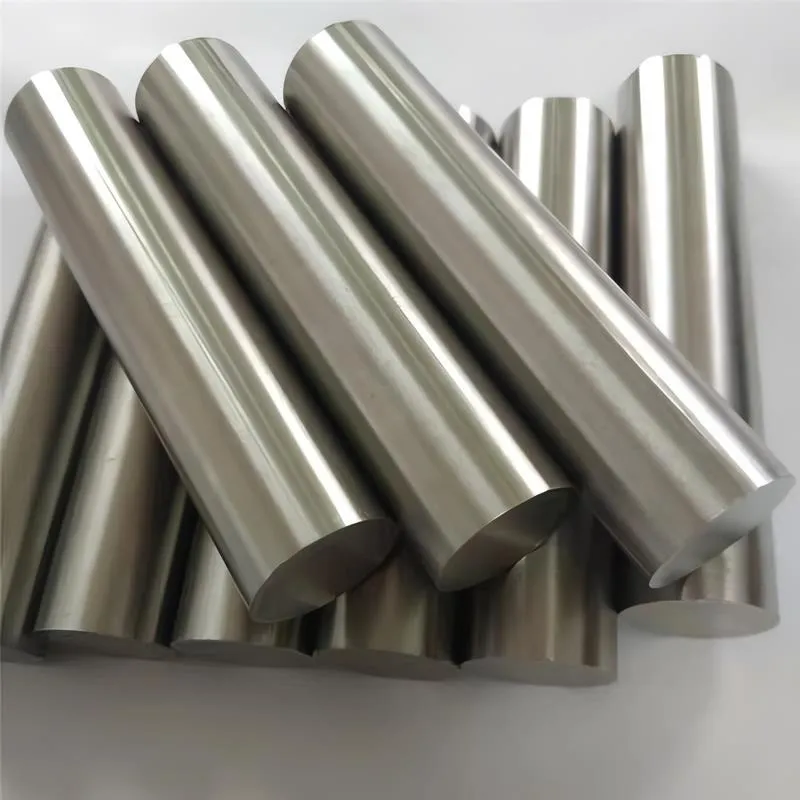
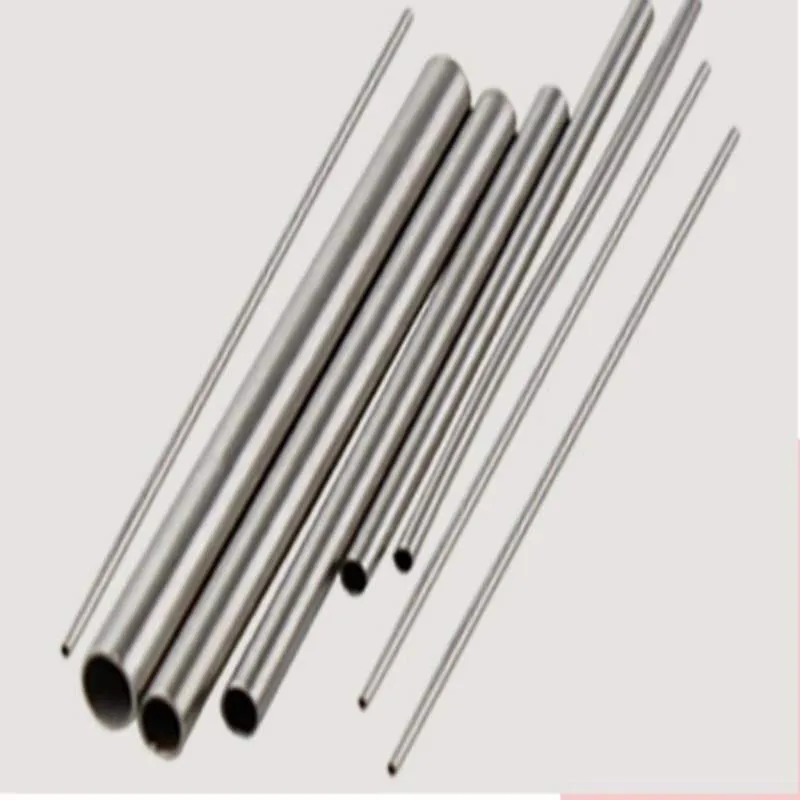
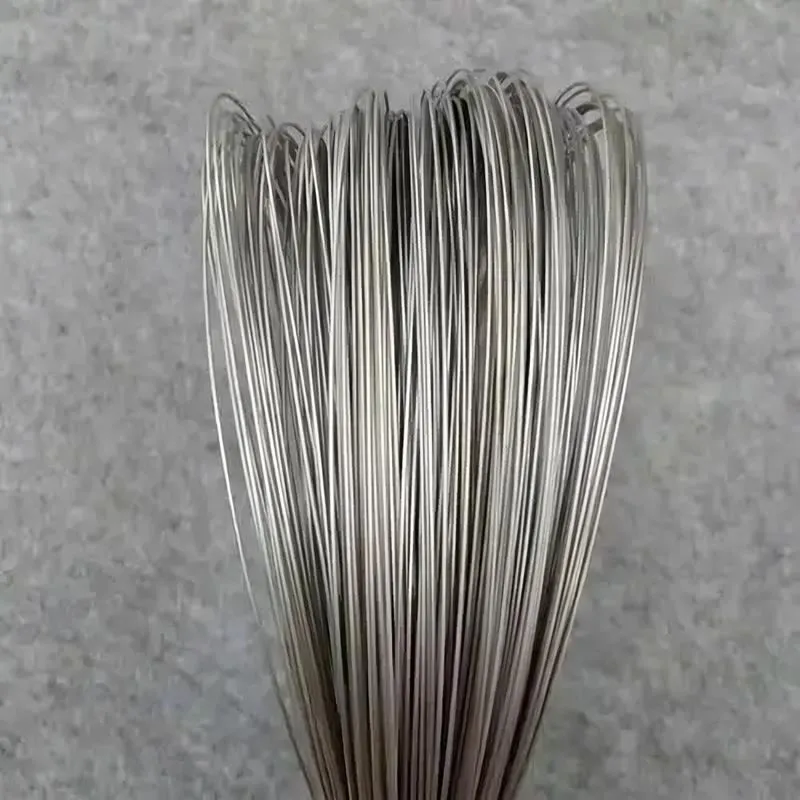
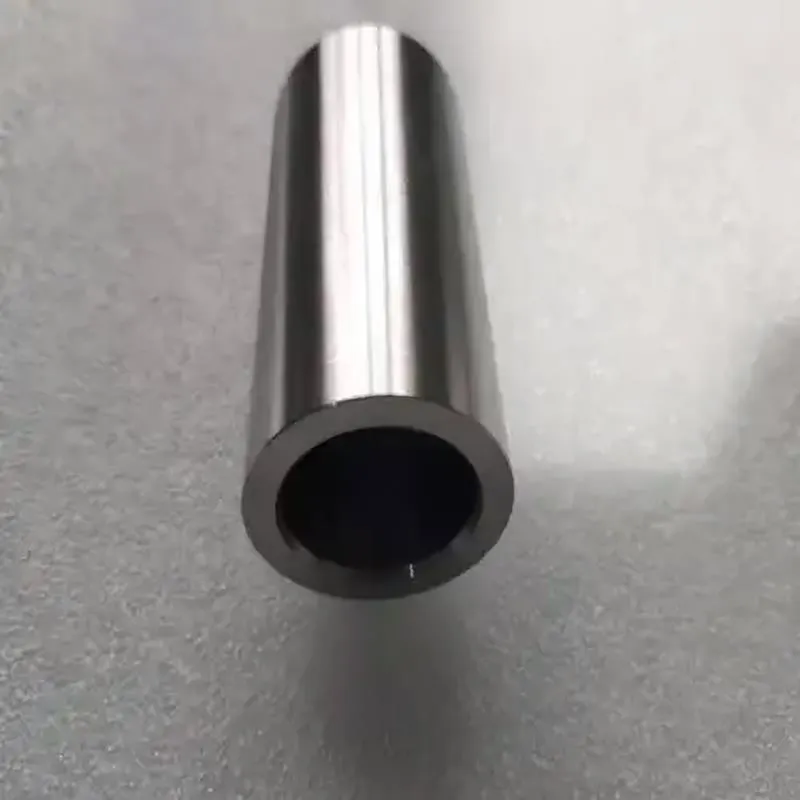
We provide AISI 5130H Steel Rod/Bar is available in Bar (Round bar, Flat bar), Ribbon, Wire, Rod/Bars, Tube,Seamless Tube,Pipe, Ingots, Plate, Sheet, Strip and Forging Stock.,Purity, chemical composition, size, etc. can all be customized to meet specific requirements.
Please contact us if you need customized services. We will contact you with the price and availability in 24 hours.
AISI 5130H Steel Rod Product Information
-:-
For detailed product information, please contact sales.
-:
AISI 5130H Steel Rod Synonyms
-:-
For detailed product information, please contact sales.
-:
AISI 5130H Steel Product Information
-:-
For detailed product information, please contact sales.
-:
# **AISI 5130H Hardenability-Controlled Chromium Steel - Technical Data Sheet**
## **1. Product Overview**
**AISI 5130H** is a medium-carbon chromium alloy steel produced with **guaranteed hardenability bands** as defined by SAE J1268 standards. The "H" suffix signifies that this steel is chemically controlled within specific limits to ensure predictable and consistent hardening response during heat treatment. With a nominal composition of 0.30% carbon and 1.00% chromium, it provides **reliable through-hardening characteristics** for medium to heavy sections, making it ideal for safety-critical components where consistent mechanical properties are essential.
This H-grade steel offers manufacturers **reduced variability in production**, allowing for more precise engineering designs and eliminating the need for extensive testing of each heat lot. The guaranteed hardenability ensures that components of varying sizes will achieve uniform properties when subjected to standardized heat treatment cycles.
---
## **2. Chemical Composition (SAE J404/J412 with H-Grade Controls)**
| Element | Composition Range (%) | H-Grade Significance |
|---------|----------------------|----------------------|
| **Carbon (C)** | 0.27 - 0.33 | Tightly controlled for consistent hardenability and strength |
| **Manganese (Mn)** | 0.70 - 0.95 | Primary hardenability control element; narrower range than standard grade |
| **Phosphorus (P)** | ≤ 0.030 | More stringent control for improved toughness |
| **Sulfur (S)** | ≤ 0.035 | Lower maximum than standard grade for better transverse properties |
| **Silicon (Si)** | 0.15 - 0.35 | Controlled to minimize hardenability variation |
| **Chromium (Cr)** | 0.85 - 1.15 | Key alloying element; range optimized for consistent response |
| **Iron (Fe)** | Balance | Base matrix with controlled residuals |
**Material Designations:**
- **SAE/AISI:** 5130H
- **UNS:** G51301
- **Hardenability Standard:** SAE J1268
- **Common Forms:** Bar, forging stock, seamless tubing
---
## **3. Hardenability Characteristics (SAE J1268 Compliance)**
### **Guaranteed Hardenability Bands:**
| Distance from Quenched End (1/16 inch) | Minimum Rockwell C | Maximum Rockwell C | Typical Value Range |
|----------------------------------------|-------------------|-------------------|---------------------|
| **J1 (1.5 mm)** | 40 | 50 | 44-48 HRC |
| **J4 (6.4 mm)** | 35 | 47 | 40-44 HRC |
| **J7 (11.1 mm)** | 30 | 42 | 35-39 HRC |
| **J10 (15.9 mm)** | 24 | 36 | 29-33 HRC |
| **J14 (22.2 mm)** | 20 | 32 | 25-29 HRC |
| **J20 (31.8 mm)** | 15 | 27 | 20-24 HRC |
### **Critical Diameter Data:**
- **Ideal Critical Diameter (D₁):** 55-65 mm (oil quench)
- **95% Martensite (D₉₅):** 45-55 mm
- **50% Martensite (D₅₀):** 65-75 mm
### **Heat Treatment Response Predictability:**
The H-grade certification ensures that:
1. All production heats fall within the specified hardenability band
2. Mechanical properties after heat treatment are predictable
3. Section size effects can be accurately calculated during design
4. Heat treatment parameters can be standardized across production runs
---
## **4. Physical & Mechanical Properties**
### **As-Supplied Conditions:**
**Annealed (for machining):**
- **Hardness:** 174-212 HB (85-95 HRB)
- **Tensile Strength:** 585-760 MPa (85-110 ksi)
- **Yield Strength:** 345-515 MPa (50-75 ksi)
- **Elongation:** 22-28%
- **Machinability Rating:** 50-55% (relative to 1212 steel = 100%)
**Normalized:**
- **Hardness:** 187-229 HB
- **Tensile Strength:** 620-860 MPa (90-125 ksi)
- **Grain Size:** ASTM 6-8 (refined structure)
### **Heat Treated Properties (Oil Quenched & Tempered):**
**Standard Processing:**
- **Austenitizing:** 845-870°C (1555-1600°F)
- **Quenching:** Fast oil (ISO VG 46-68)
- **Tempering:** Temperature selected for desired hardness
**Property Ranges by Tempering Temperature:**
| Tempering Temp | Hardness (HRC) | Tensile Strength | Yield Strength | Charpy V-Notch |
|----------------|----------------|------------------|----------------|----------------|
| **150°C (300°F)** | 45-50 | 1500-1650 MPa | 1300-1450 MPa | 20-30 J |
| **400°C (750°F)** | 35-40 | 1100-1250 MPa | 950-1100 MPa | 40-55 J |
| **550°C (1020°F)** | 25-30 | 850-1000 MPa | 700-850 MPa | 70-90 J |
### **Property Uniformity (25mm bar, oil quenched):**
| Position | Hardness Variation | Strength Variation |
|----------|-------------------|-------------------|
| Surface | ±1.5 HRC | ±50 MPa |
| Mid-radius | ±2.0 HRC | ±75 MPa |
| Center | ±2.5 HRC | ±100 MPa |
### **Physical Constants:**
- **Density:** 7.85 g/cm³
- **Modulus of Elasticity:** 205 GPa
- **Thermal Conductivity:** 44.5 W/m·K at 100°C
- **Specific Heat:** 460 J/kg·K
- **Coefficient of Thermal Expansion:** 11.7 μm/m·°C (20-200°C)
---
## **5. Product Applications**
### **Automotive Safety Components:**
- **Steering system parts:** Pitman arms, idler arms, steering knuckles
- **Axle shafts** for light and medium trucks
- **Transmission shafts** and gear components
- **Suspension components:** Torsion bars, stabilizer bars
- **Safety-critical fasteners:** Wheel studs, suspension bolts
### **Power Transmission Equipment:**
- **Gears** for industrial gearboxes (after carburizing or induction hardening)
- **Shafts** for pumps, compressors, and turbines
- **Spline drives** requiring consistent hardness profiles
- **Couplings** and universal joints
### **Heavy Equipment & Machinery:**
- **Agricultural machinery:** PTO shafts, gear shafts
- **Construction equipment:** Hydraulic cylinder rods, pivot pins
- **Mining equipment:** Drill rods, conveyor shafts
- **Material handling:** Crane and hoist components
### **Specialized Applications:**
- **Aerospace components:** Non-critical structural parts
- **Railway components:** Axles for light rail vehicles
- **Oil & gas:** Valve components, wellhead parts
- **Defense:** Vehicle components requiring reliability
### **Why 5130H is Specified:**
- **Safety-critical applications** requiring predictable performance
- **High-volume production** where consistency reduces inspection costs
- **Components with varied section sizes** in same assembly
- **Just-in-time manufacturing** where material response must be reliable
---
## **6. International Standards & Equivalents**
### **Primary Standards:**
| Standard | Designation | Governing Specification |
|----------|-------------|-------------------------|
| **SAE/AISI** | **5130H** | SAE J404, J412, J1268 |
| **UNS** | **G51301** | Unified Numbering System |
| **ASTM** | - | A304 (Standard for H-Steel Bars) |
### **Global H-Grade Equivalents:**
| Country/Region | Standard | H-Grade Equivalent | Notes |
|----------------|----------|-------------------|-------|
| **International (ISO)** | ISO 683-11 | **28Cr4H** | Type 1.7030H |
| **Europe (EN)** | EN 10083-3 | **28Cr4H** | Designation 1.7030H |
| **Germany** | DIN 17211 | **28Cr4H** | Direct equivalent |
| **Japan** | JIS G4052 | **SCr430H** | Similar hardenability control |
| **China** | GB/T 5216 | **30CrH** | Chinese H-grade |
| **France** | NF A35-556 | **30C4H** | French H-grade specification |
### **Quality & Processing Standards:**
- **Hardenability Testing:** SAE J1268 (Standard Method)
- **Material Cleanliness:** ASTM E45, AMS 2301
- **Heat Treatment:** AMS 2759 (Pyrometry), CQI-9 (Automotive)
- **Traceability:** EN 10204 3.1/3.2 Certification
---
## **7. Manufacturing & Processing Guidelines**
### **Heat Treatment Parameters:**
**Pre-heat Treatment (for machining):**
- **Spheroidize Annealing:** 740-760°C, slow cool to 650°C, furnace cool
- **Result:** 174-187 HB, optimal for machining
**Through-Hardening Process:**
1. **Pre-heat:** 650-700°C to minimize distortion and thermal shock
2. **Austenitize:** 855±5°C, soak 20-25 min per inch
3. **Quench:** Fast oil, 40-60°C, moderate agitation
4. **Temper:** Immediately after reaching 50-80°C
5. **Cool:** Air cool after tempering
**Recommended Quench Severity (H-value):**
- **Moderate agitation oil:** H ≈ 0.35-0.40
- **Good agitation oil:** H ≈ 0.50-0.70
- **Severe agitation oil:** H ≈ 0.70-1.00
### **Machining Considerations:**
- **Optimum Condition:** Annealed (spheroidized)
- **Cutting Speed:** 45-60 m/min for turning with carbide
- **Feed Rate:** 0.15-0.30 mm/rev
- **Tool Geometry:** Positive rake angles recommended
- **Coolant:** Essential for tool life and surface finish
### **Welding (with precautions):**
- **Pre-heat:** 200-250°C minimum
- **Interpass Temp:** 200-300°C
- **Post-weld:** Stress relieve at 600-650°C
- **Electrodes:** Low-hydrogen type (E7018, E8018-C3)
- **Restriction:** Full properties only restored by complete re-heat treatment
---
## **8. Quality Assurance & Inspection**
### **H-Grade Certification Requirements:**
1. **Hardenability Test Report:** Jominy curve with actual test points
2. **Chemistry Report:** Full analysis with heat number traceability
3. **Heat Treat Response Data:** Optional but recommended
### **Standard Inspection Protocol:**
- **Chemistry Verification:** Spectrochemical analysis per heat
- **Hardenability Test:** One test per heat, more for large heats
- **Mechanical Testing:** Tensile and impact tests per lot
- **Microcleanliness:** Per ASTM E45 (if specified)
- **Grain Size:** ASTM E112, typically 6-8
### **Statistical Process Control:**
- **Hardenability Band Compliance:** 100% of heats must fall within limits
- **Property Uniformity:** Cp ≥ 1.33 for critical dimensions
- **Lot-to-Lot Consistency:** ≤3 HRC variation in hardened condition
### **Non-Destructive Testing Options:**
- **Magnetic Particle:** For surface defects
- **Ultrasonic:** For internal quality assessment
- **Eddy Current:** For surface and near-surface defects
---
## **9. Design Engineering Advantages**
### **Predictable Hardening Response:**
Engineers can confidently design components knowing that:
- **Hardness gradients** are predictable across section sizes
- **Heat treatment parameters** can be standardized
- **Property variations** are minimized in production
- **Safety factors** can be optimized
### **Section Size Capability:**
| Diameter | Expected Hardness (HRC) after 400°C temper | Remarks |
|----------|--------------------------------------------|---------|
| **12 mm** | 38-42 | Uniform through section |
| **25 mm** | 36-40 | Slight center softening |
| **50 mm** | 32-36 | Noticeable gradient |
| **75 mm** | 28-32 | Significant gradient |
### **Fatigue Design Values:**
- **Endurance Limit (polished):** 0.45 × Tensile Strength
- **Surface Factor (ground):** 0.9
- **Size Factor (25mm):** 0.85
- **Reliability Factor (99%):** 0.814
- **Calculated Endurance Limit:** ~450 MPa at 35 HRC
### **Allowable Stresses (Safety Factor = 2.0):**
| Stress Type | Allowable Value (35 HRC) |
|-------------|--------------------------|
| **Tension** | 550 MPa |
| **Shear** | 315 MPa |
| **Bearing** | 825 MPa |
| **Fatigue (R=-1)** | 225 MPa |
---
## **10. Comparison with Standard 5130**
### **Key Differentiators:**
| Parameter | 5130H | Standard 5130 |
|-----------|-------|---------------|
| **Chemistry Control** | Tighter ranges | Standard ranges |
| **Hardenability** | Guaranteed bands | Variable |
| **Cost Premium** | 10-15% higher | Baseline |
| **Testing Required** | Minimal (certified) | Extensive lot testing |
| **Design Confidence** | High | Moderate |
| **Production Consistency** | Excellent | Variable |
| **Applications** | Critical components | General purpose |
### **When to Specify 5130H:**
1. **Safety-critical components** where failure is not acceptable
2. **High-volume production** where consistency reduces total cost
3. **Components with mixed sections** requiring uniform properties
4. **Just-in-time manufacturing** with minimal inspection
5. **Industries with strict quality standards** (automotive, aerospace)
### **Cost-Benefit Analysis:**
- **Higher material cost:** +10-15%
- **Reduced testing cost:** -20-30%
- **Reduced scrap/rework:** -15-25%
- **Improved reliability:** Priceless for critical applications
---
## **11. Technical Performance Data**
### **Fatigue Characteristics:**
- **Rotating Bending (10⁷ cycles):** 450-500 MPa at 35 HRC
- **Fatigue Crack Growth Rate:** Moderate (Paris law exponent n ≈ 3.5)
- **Notch Sensitivity Index:** q ≈ 0.75-0.85
- **Surface Treatment Effect:** Shot peening improves fatigue limit by 20-30%
### **Wear Performance:**
- **Abrasive Wear Resistance:** Good at >35 HRC
- **Adhesive Wear:** Fair to good with lubrication
- **Contact Fatigue (pitting):** Good for medium loads
- **Break-in Characteristics:** Excellent with proper surface finish
### **Temperature Effects:**
- **Maximum Service Temp:** 300°C continuous, 400°C intermittent
- **Temper Resistance:** Good up to 400°C
- **Cryogenic Performance:** Suitable down to -40°C
- **Thermal Cycling:** Good resistance to thermal fatigue
### **Corrosion Behavior:**
- **General Corrosion:** Poor (similar to carbon steels)
- **Stress Corrosion Cracking:** Moderate resistance
- **Recommended Protection:** Phosphate, black oxide, plating, painting
- **Atmospheric Exposure:** Requires protective coatings
---
## **12. Special Considerations & Limitations**
### **Processing Limitations:**
1. **Maximum Effective Hardening:** ~65 mm diameter in oil
2. **Weld Repair:** Requires complete re-heat treatment for full properties
3. **Machining Hardness:** Optimal below 25 HRC
4. **Grinding:** Required after hardening for tight tolerances
### **Metallurgical Considerations:**
- **Temper Embrittlement:** Susceptible between 350-575°C
- **Decarburization:** Sensitive during heat treatment
- **Grain Growth:** Controlled by proper austenitizing temperature
- **Retained Austenite:** Typically <5% after proper tempering
### **Economic Considerations:**
- **Minimum Order Quantity:** Typically higher than standard grades
- **Lead Time:** May be longer due to testing requirements
- **Availability:** Less common than standard 5130
- **Supplier Qualification:** Requires certified heat treat facilities
---
## **13. Storage, Handling & Traceability**
### **Material Identification:**
- **Heat Number:** Permanently marked on each piece or bundle
- **Hardenability Code:** Identification of Jominy band
- **Certification:** EN 10204 3.1 or 3.2 certificate required
### **Storage Requirements:**
- **Environment:** Dry, temperature-controlled
- **Protection:** Rust preventive coating for long-term storage
- **Segregation:** By heat number and hardenability band
- **Shelf Life:** 12 months recommended, with re-inspection after
### **Traceability System:**
- **Material:** Heat number to melt practice and chemistry
- **Processing:** Heat treatment lot numbers and parameters
- **Testing:** Mechanical test reports with specimen identification
- **Final Product:** Serialization for critical applications
---
**Technical Significance:** The "H" designation in AISI 5130H represents a commitment to quality and consistency that goes beyond standard material specifications. By guaranteeing hardenability within specific bands, manufacturers can design with greater confidence, reduce testing overhead, and produce more reliable components—particularly important in safety-critical applications where material consistency directly impacts performance and safety.
**Revision:** 1.2
**Date:** October 2023
**Disclaimer:** This technical specification describes AISI 5130H material produced to SAE J1268 standards. Actual properties may vary within the guaranteed hardenability bands. Designers should always verify specific properties with their material supplier and conduct application-specific testing for critical applications. Hardenability bands are statistically determined; individual test points may fall outside the typical ranges shown while still being within specification limits.
-:-
For detailed product information, please contact sales.
-:
AISI 5130H Steel Specification
Dimensions
Size:
Diameter 20-1000 mm Length <4113 mm
Size:We can customized as required
Standard:
Per your request or drawing
We can customized as required
Properties(Theoretical)
Chemical Composition
-:-
For detailed product information, please contact sales.
-:
AISI 5130H Steel Properties
-:-
For detailed product information, please contact sales.
-:
Applications of AISI 5130H Steel Rod
-:-
For detailed product information, please contact sales.
-:
Chemical Identifiers AISI 5130H Steel Rod
-:-
For detailed product information, please contact sales.
-:
Packing of AISI 5130H Steel Rod
-:-
For detailed product information, please contact sales.
-:
Standard Packing:
-:-
For detailed product information, please contact sales.
-:
Typical bulk packaging includes palletized plastic 5 gallon/25 kg. pails, fiber and Steel Rod drums to 1 ton super sacks in full container (FCL) or truck load (T/L) quantities. Research and sample quantities and hygroscopic, oxidizing or other air sensitive materials may be packaged under argon or vacuum. Solutions are packaged in polypropylene, plastic or glass jars up to palletized 584 gallon liquid totes Special package is available on request. E FORUs’ is carefully handled to minimize damage during storage and transportation and to preserve the quality of our products in their original condition