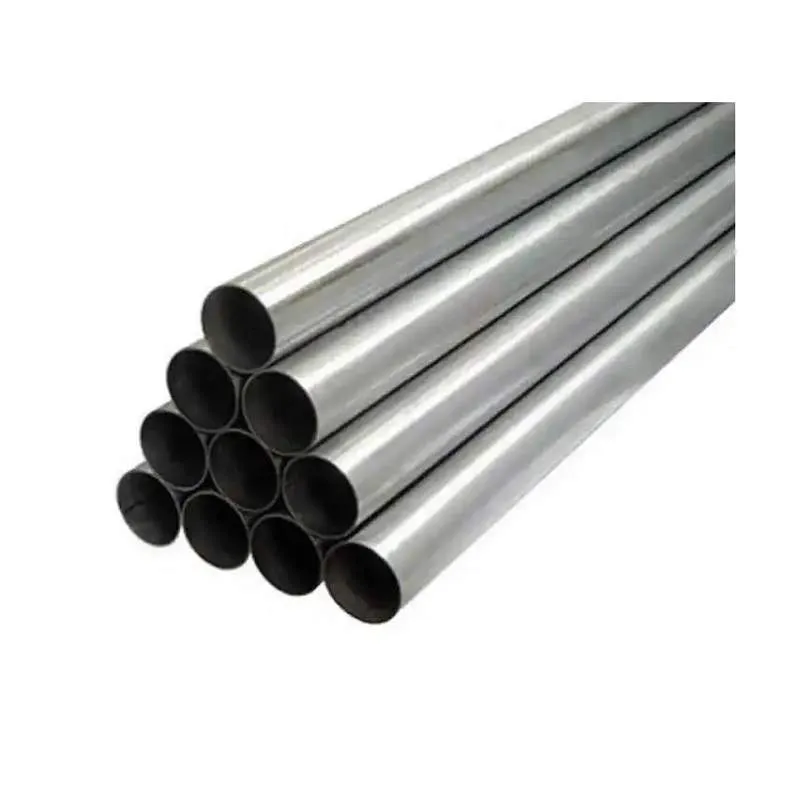
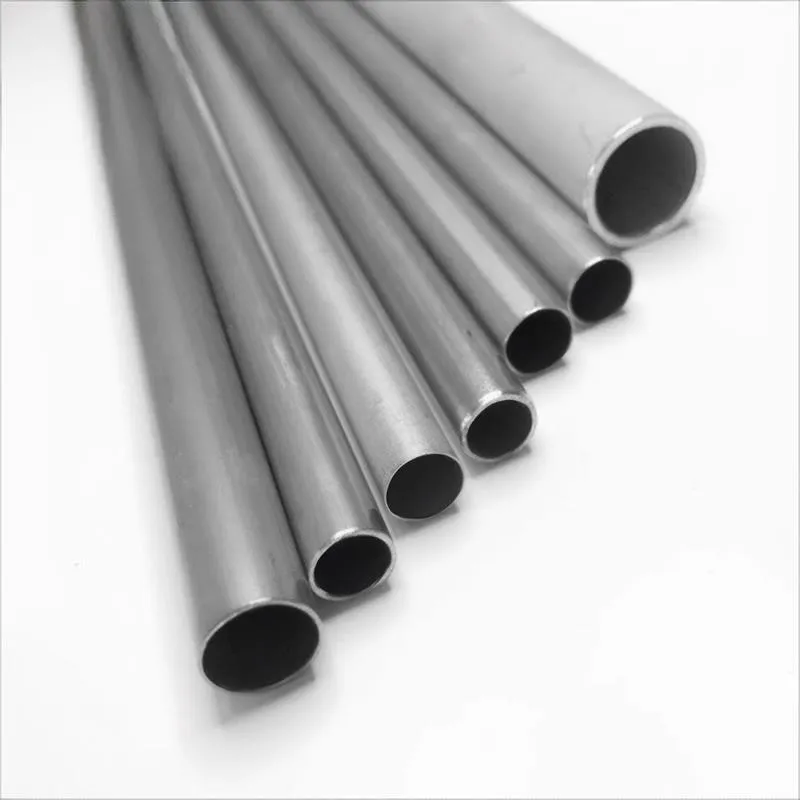
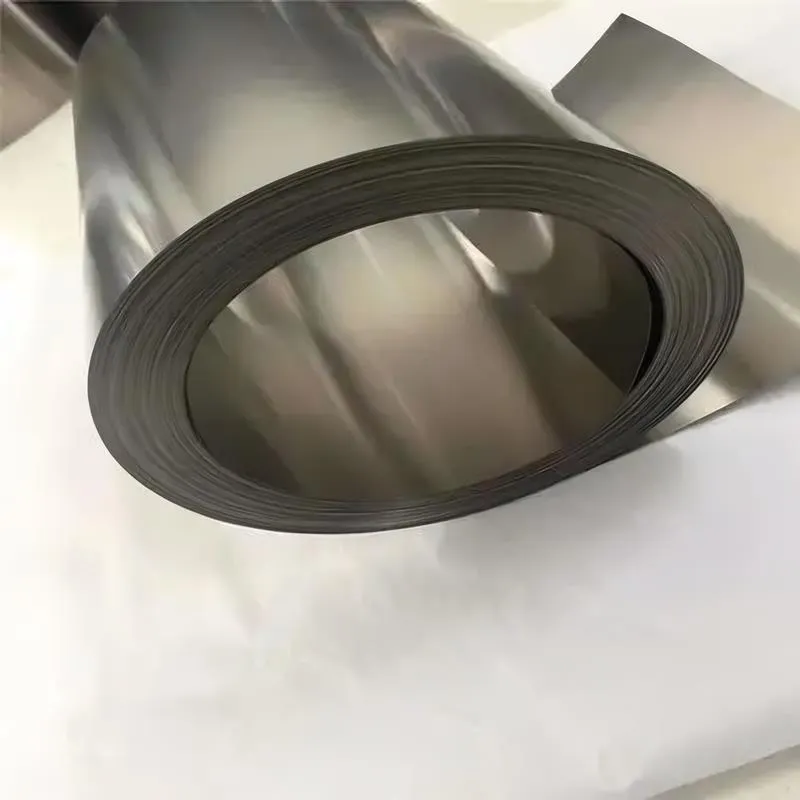
AISI 8617 Steel Seamless tube
Product Code : STI-AL-148-CU
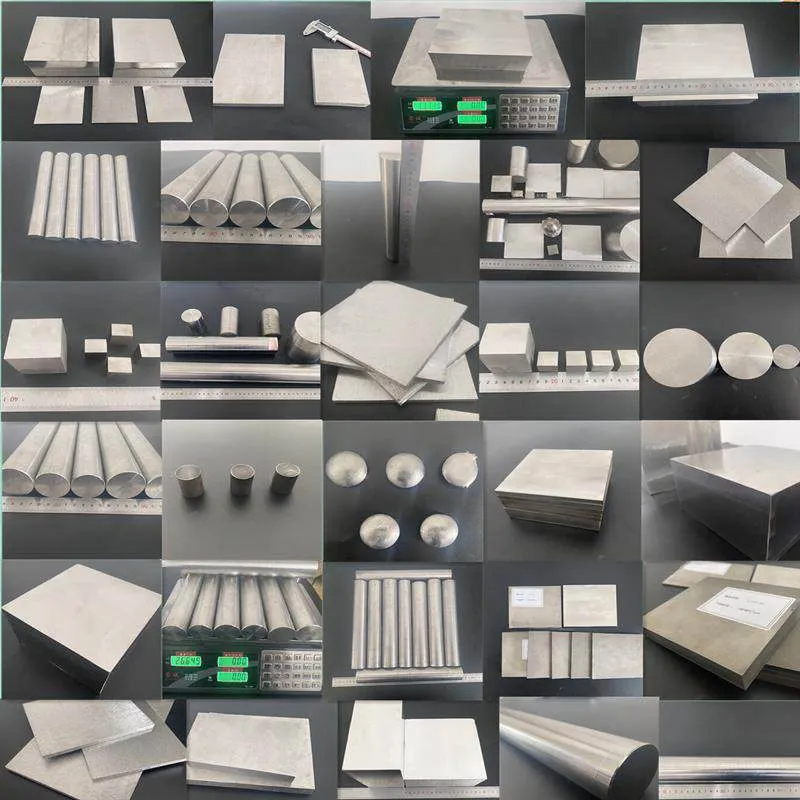
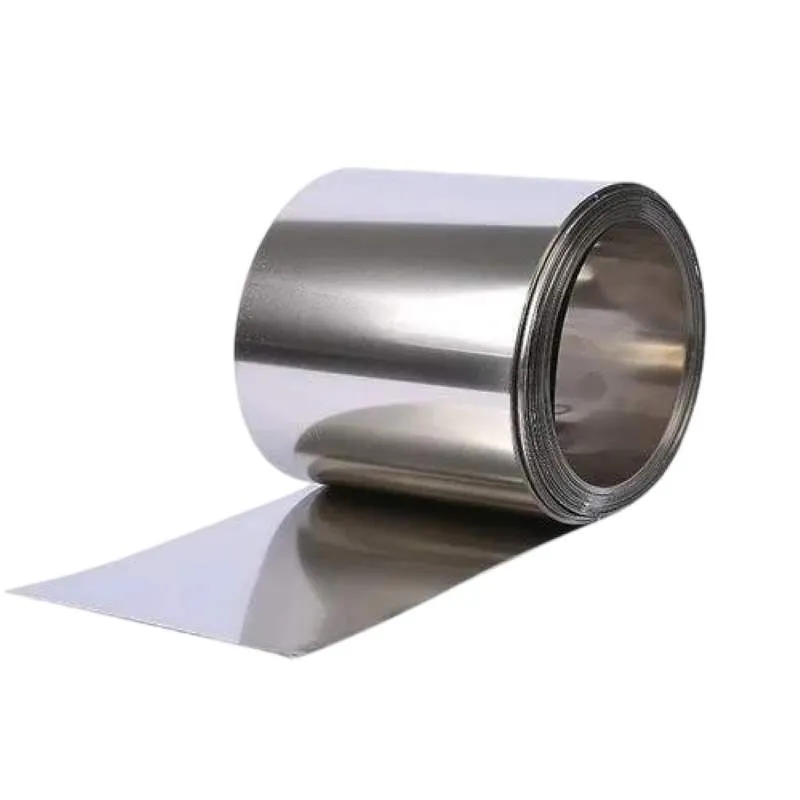
We provide AISI 8617 Steel Seamless tube, heat treated, machined, pseudocarburized, 150°C (300°F) temper is available in Bar (Round bar, Flat bar), Ribbon, Wire, Rods, Tube,Seamless Tube,Pipe, Ingots, Plate, Sheet, Strip and Forging Stock.,Purity, chemical composition, size, etc. can all be customized to meet specific requirements.
Please contact us if you need customized services. We will contact you with the price and availability in 24 hours.
AISI 8617 Steel Seamless tube, heat treated, machined, pseudocarburized, 150°C (300°F) temper Product Information
-:-
For detailed product information, please contact sales.
-:
AISI 8617 Steel Seamless tube, heat treated, machined, pseudocarburized, 150°C (300°F) temper Synonyms
-:-
For detailed product information, please contact sales.
-:
AISI 8617 Steel, heat treated, machined, pseudocarburized, 150°C (300°F) temper Product Information
-:-
For detailed product information, please contact sales.
-:
## **Product Specification: AISI 8617 Low-Alloy Steel - Pseudocarburized & Tempered Condition**
### **Product Designation**
* **Standard Name:** AISI 8617 / SAE 8617
* **UNS Number:** G86170
* **Condition:** **Heat Treated, Machined, & Pseudocarburized**
* **Final Temper:** **150°C (300°F)**
* **Metallurgical State:** Core microstructure representative of a carburized part's interior, in a finished machined condition.
* **Key Feature:** This material simulates the **core properties** of a fully processed carburized component, allowing for precise testing and qualification of the core's mechanical behavior under high-strength, low-toughness conditions.
### **Overview**
AISI 8617 is a low-carbon **nickel-chromium-molybdenum alloy steel** primarily designed for **carburizing (case hardening)**. The specified condition—**heat treated, machined, pseudocarburized, and tempered at 150°C (300°F)**—represents a specialized and controlled state. "Pseudocarburization" is a simulation heat treatment that subjects the steel to the high temperature and duration of a carburizing cycle but in a neutral atmosphere, preventing carbon addition. This process replicates the **grain growth and thermal history** of the core region of a real carburized part. Subsequent oil quenching and low-temperature tempering produce a high-strength, low-toughness core microstructure. This precise condition is essential for material qualification, failure analysis, and research into core-dominated failure modes (e.g., bending fatigue, core yielding) in critical components like gears and shafts.
---
### **1. Chemical Composition (Typical % by Weight, AISI/SAE Standard)**
The lean carbon content ensures a tough, ductile core after carburizing.
| Element | Content (%) | Role & Effect |
| :--- | :--- | :--- |
| **Carbon (C)** | 0.15 - 0.20 | Provides base strength. Low enough to ensure excellent core toughness after actual carburizing, but sufficient for core hardening during pseudocarburization. |
| **Manganese (Mn)** | 0.70 - 0.90 | Enhances core hardenability and solid solution strengthening. |
| **Phosphorus (P)** | ≤ 0.035 | Impurity; kept low. |
| **Sulfur (S)** | ≤ 0.040 | Impurity; kept low for good transverse properties. |
| **Silicon (Si)** | 0.15 - 0.35 | Deoxidizer and strengthens the ferrite matrix. |
| **Nickel (Ni)** | 0.40 - 0.70 | **Crucially improves core toughness** and ductility, mitigating brittleness from the high-temperature cycle. |
| **Chromium (Cr)** | 0.40 - 0.60 | Increases hardenability and contributes to core strength. |
| **Molybdenum (Mo)** | 0.15 - 0.25 | **Critical element.** Enhances hardenability (especially for core properties), provides good tempering resistance, and refines grain structure. |
| **Iron (Fe)** | Balance | |
---
### **2. Physical & Mechanical Properties (Pseudocarburized, 150°C Temper)**
**A. Physical Properties (Typical)**
* **Density:** 7.85 g/cm³
* **Elastic Modulus (E):** ~205 GPa (29.7 x 10⁶ psi)
* **Poisson's Ratio:** 0.29
**B. Mechanical Properties (Representative for this Specific Condition)**
* **Process Sequence:** Machined to final test specimen dimensions → **Pseudocarburize** (e.g., 925°C / 1700°F for several hours in neutral atmosphere) → **Oil Quench** → **Temper at 150°C / 300°F**.
* **Core Hardness:** **40 - 48 HRC**. (High, due to full martensitic transformation from the pseudocarburizing temperature, but lower than a through-hardening steel due to lower carbon content).
* **Ultimate Tensile Strength:** **1300 - 1500 MPa (189 - 218 ksi)**
* **Yield Strength (0.2% Offset):** **1100 - 1300 MPa (160 - 189 ksi)**
* **Elongation:** **~5 - 10%** (Limited ductility due to low-temperature temper and coarse prior austenite grains from high-temperature exposure).
* **Reduction of Area:** **~15 - 25%**
* **Impact Toughness (Charpy V-notch):** **10 - 25 J (7 - 18 ft-lbf)** at room temperature. **This is the critical property.** The combination of low carbon, high processing temperature (grain coarsening), and low temper results in a **brittle core condition**. This is intentional for testing worst-case scenarios.
* **Microstructure:** Tempered martensite, with potentially coarse prior austenite grain boundaries.
---
### **3. Product Applications**
This is not a typical "as-purchased" product form. It is a **specially prepared test material or a condition for critical finished components**.
* **Research & Development:**
* **Core Property Database:** Generating precise S-N (fatigue) curves and fracture toughness data for gear and bearing steel cores.
* **Failure Analysis Benchmark:** Providing a baseline material state for investigating field failures where core fatigue or brittle fracture is suspected.
* **Aerospace & Automotive Qualification:**
* **Material Lot Certification:** Critical aerospace and racing components (e.g., gears, shafts) often require destructive testing of specimens processed identically to the part, including pseudocarburization, to certify core properties meet minimum standards.
* **High-Reliability Component Manufacturing:**
* **Prototype Testing:** Functional prototypes of safety-critical parts (e.g., helicopter transmission gears) may be manufactured from pre-machined, pseudocarburized stock to validate core performance before final case hardening.
* **Test Coupons:** Machined test bars supplied in this condition for customers to perform their own qualification testing.
---
### **4. International Standards & Designations**
| Standard System | Designation | Notes / Key Comparison |
| :--- | :--- | :--- |
| **SAE / AISI (USA)** | **SAE 8617** | The base grade. The specific processing is defined by customer or industry specifications (e.g., AMS, customer drawings). |
| **AMS (Aerospace)** | **AMS 6274** (for 8617 steel bars) or similar. | Aerospace standards often govern the required heat treatments and testing for pseudocarburized conditions. |
| **ASTM (USA)** | **ASTM A534** | Standard for carburizing steels for anti-friction bearings. Pseudocarburizing is a common test method referenced. |
| **DIN / EN (Germany/EU)** | **~1.5752 (15NiCr13)** or **1.6562 (17NiCrMo6-4)** | Similar Ni-Cr-Mo case-hardening steels. The specific "pseudocarburized" condition is a process, not a standard grade. |
| **JIS (Japan)** | **SNC815** or **SNC815H** | The closest Japanese equivalents (JIS G4102). |
| **GB (China)** | **15CrNiMo** or **20CrNiMo** | Similar Chinese grades. |
---
### **Key Distinctions & Technical Notes**
1. **Pseudocarburizing vs. Actual Carburizing:** Pseudocarburizing exposes the **entire cross-section** to the carburizing temperature and time, resulting in a **uniformly hardened core**. Actual carburizing creates a carbon gradient, leaving a lower-carbon, tougher core than the pseudocarburized condition.
2. **Purpose of Low-Temperature Temper:** The 150°C (300°F) temper is used to relieve quenching stresses with minimal softening, simulating a condition that maximizes core strength (and brittleness) for conservative design testing.
3. **Not a Wear-Resistant Surface:** This condition provides **no effective case**. The surface hardness is the same as the core. It is unsuitable for applications requiring wear resistance unless subsequently case hardened.
4. **Machining Sequence:** The "machined" step occurs *before* pseudocarburizing. This is critical, as the final hardened state is essentially unmachinable.
### **Summary**
**AISI 8617 in the heat treated, machined, pseudocarburized, and 150°C tempered condition** is a **highly specialized engineering material state** used for **validation, testing, and research**. It represents the "worst-case" core condition of a carburized component—possessing high strength but significantly reduced ductility and impact toughness due to the thermal cycle. This makes it invaluable for qualifying the performance of safety-critical components in aerospace, automotive, and heavy industry, where understanding and controlling core-driven failure mechanisms is paramount. It is the definitive material for generating reliable design data for bending fatigue and fracture resistance in case-hardened parts.
-:-
For detailed product information, please contact sales.
-:
AISI 8617 Steel, heat treated, machined, pseudocarburized, 150°C (300°F) temper Specification
Dimensions
Size:
Diameter 20-1000 mm Length <4146 mm
Size:We can customized as required
Standard:
Per your request or drawing
We can customized as required
Properties(Theoretical)
Chemical Composition
-:-
For detailed product information, please contact sales.
-:
AISI 8617 Steel, heat treated, machined, pseudocarburized, 150°C (300°F) temper Properties
-:-
For detailed product information, please contact sales.
-:
Applications of AISI 8617 Steel Seamless tube, heat treated, machined, pseudocarburized, 150°C (300°F) temper
-:-
For detailed product information, please contact sales.
-:
Chemical Identifiers AISI 8617 Steel Seamless tube, heat treated, machined, pseudocarburized, 150°C (300°F) temper
-:-
For detailed product information, please contact sales.
-:
Packing of AISI 8617 Steel Seamless tube, heat treated, machined, pseudocarburized, 150°C (300°F) temper
-:-
For detailed product information, please contact sales.
-:
Standard Packing:
-:-
For detailed product information, please contact sales.
-:
Typical bulk packaging includes palletized plastic 5 gallon/25 kg. pails, fiber and Steel Seamless tube drums to 1 ton super sacks in full container (FCL) or truck load (T/L) quantities. Research and sample quantities and hygroscopic, oxidizing or other air sensitive materials may be packaged under argon or vacuum. Solutions are packaged in polypropylene, plastic or glass jars up to palletized 617 gallon liquid totes Special package is available on request. E FORUs’ is carefully handled to minimize damage during storage and transportation and to preserve the quality of our products in their original condition