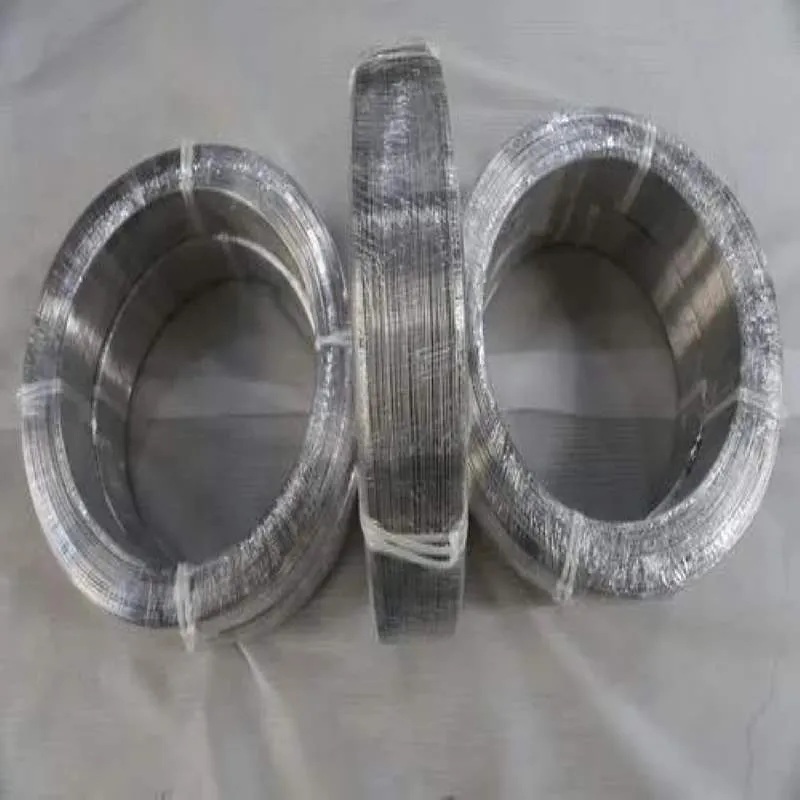
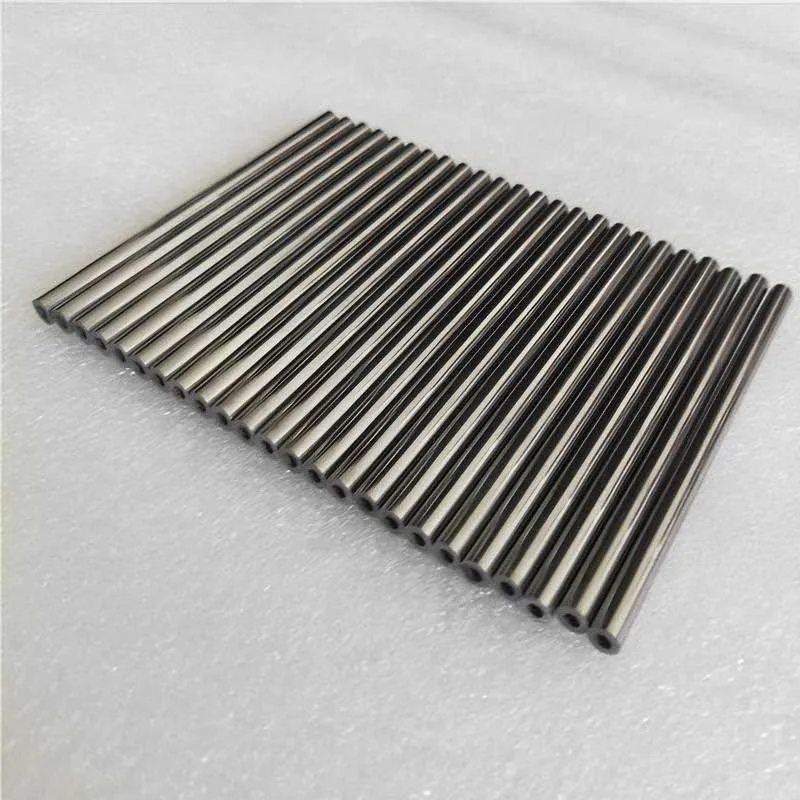
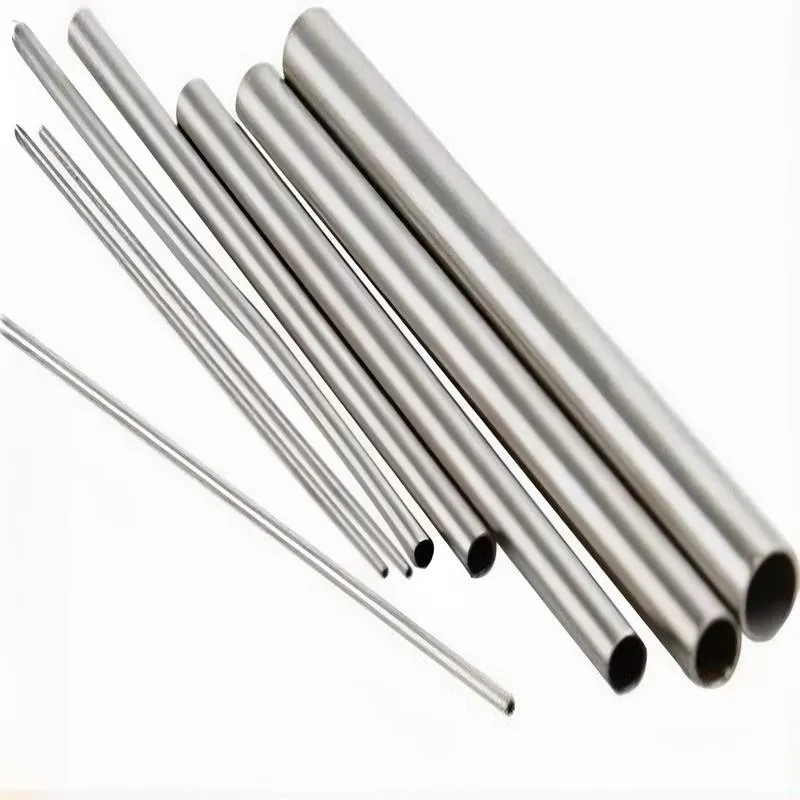
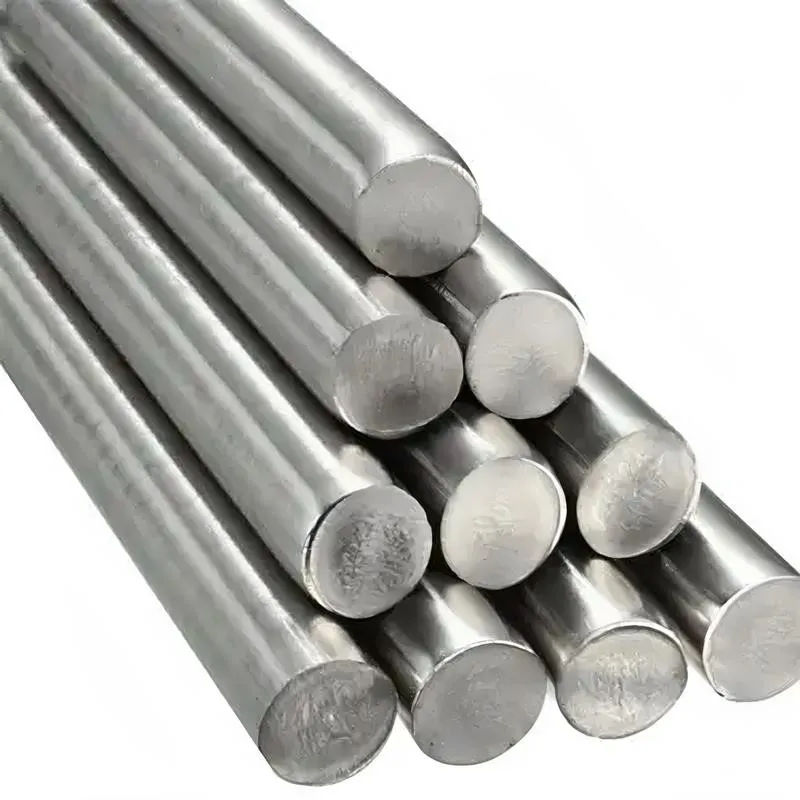
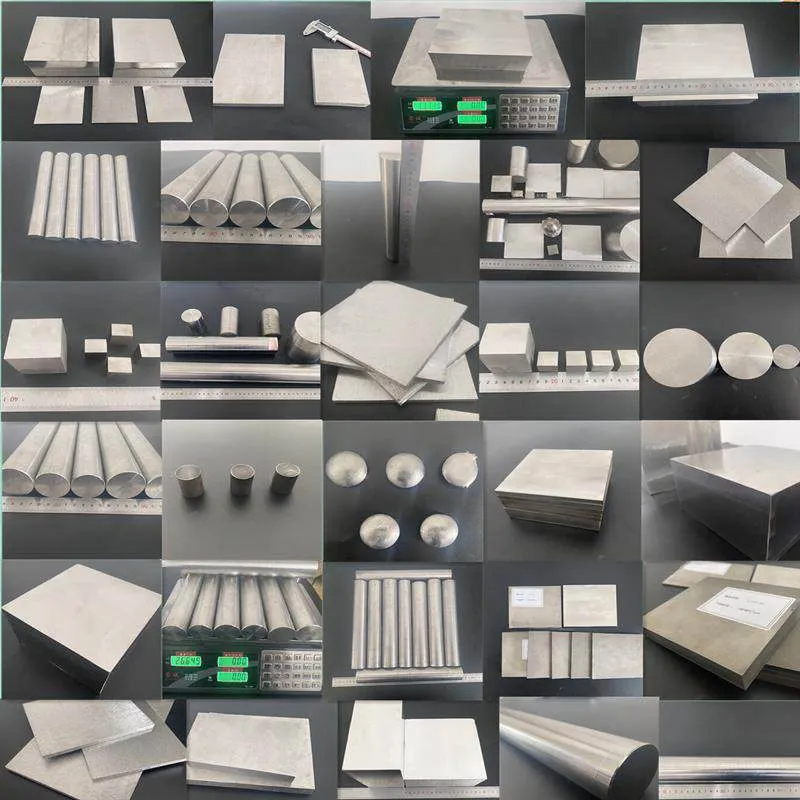
ASTM A225 Low Alloy Steel Wire, Grade D
Product Code : STI-ASTM-192-CU
We provide ASTM A225 Low Alloy Steel Wire, Grade D is available in Bar (Round bar, Flat bar), Ribbon, Wire, Rods, Tube,Seamless Tube,Pipe, Ingots, Plate, Sheet, Strip and Forging Stock.,Purity, chemical composition, size, etc. can all be customized to meet specific requirements.
Please contact us if you need customized services. We will contact you with the price and availability in 24 hours.
ASTM A225 Low Alloy Steel Wire, Grade D Product Information
-:-
For detailed product information, please contact sales.
-:
ASTM A225 Low Alloy Steel Wire, Grade D Synonyms
-:-
For detailed product information, please contact sales.
-:
ASTM A225 Low Alloy Steel, Grade D Product Information
-:-
For detailed product information, please contact sales.
-:
### **Product Introduction: ASTM A225 Grade D Steel**
**ASTM A225 Grade D** is a specialized manganese-vanadium-nickel alloy steel plate designed for applications requiring enhanced toughness at lower temperatures. This grade represents an advanced variant within the A225 specification, offering improved low-temperature impact properties while maintaining high strength characteristics for demanding pressure vessel and structural applications.
---
#### **1. International Standards & Grades**
**Primary Standard:** **ASTM A225/A225M** - "Standard Specification for Pressure Vessel Plates, Alloy Steel, Manganese-Vanadium-Nickel"
**Grade Classification:**
- **Grade D** - Enhanced low-temperature toughness variant
- **Grade A** - Standard chemistry variant
- **Grade B** - Alternative chemistry variant
- **Grade C** - Enhanced strength variant
**International Equivalents:**
- **EN 10028-3**: 15MnNi6-3
- **JIS G3119**: SPV 410
- **GB/T 713**: 15MnNiDR
- **ISO 9328-3**: 15MnNi6-3
---
#### **2. Chemical Composition**
The chemical composition requirements for ASTM A225 Grade D:
| Element | Composition (Maximum %) |
|---|---|
| Carbon (C) | 0.20 |
| Manganese (Mn) | 1.15-1.60 |
| Phosphorus (P) | 0.030 |
| Sulfur (S) | 0.030 |
| Silicon (Si) | 0.30 |
| Vanadium (V) | 0.10-0.20 |
| Nickel (Ni) | 0.40-0.70 |
**Key Composition Features:**
- **Tighter Impurity Control**: Reduced phosphorus and sulfur for improved toughness
- **Manganese-Vanadium System**: Maintains high strength characteristics
- **Nickel Enhancement**: Optimized for low-temperature performance
- **Balanced Carbon**: Ensures weldability with strength retention
---
#### **3. Physical & Mechanical Properties**
**Mechanical Properties (for thicknesses ≤ 50 mm):**
| Property | Value |
|---|---|
| **Tensile Strength** | 550-690 MPa (80-100 ksi) |
| **Yield Strength (min.)** | 345 MPa (50 ksi) |
| **Elongation in 2" (min.)** | 18% |
| **Elongation in 8" (min.)** | 20% |
**Enhanced Low-Temperature Toughness Properties:**
- **Charpy V-Notch Test Temperature**: -50°F (-46°C)
- **Minimum Impact Energy**: 25 ft-lbf (34 J)
- **Superior Low-Temperature Performance**: Enhanced fracture resistance at reduced temperatures
**Physical Properties:**
- **Density**: 7.86 g/cm³ (0.284 lb/in³)
- **Modulus of Elasticity**: 200 GPa (29,000 ksi)
- **Thermal Conductivity**: 48.2 W/m·K
- **Coefficient of Thermal Expansion**: 11.7 × 10⁻⁶/°C
- **Specific Heat Capacity**: 472 J/kg·K
---
#### **4. Product Applications**
**Low-Temperature Pressure Vessels:**
- Refrigerated pressure vessels
- Low-temperature storage tanks
- Cryogenic service components
- Cold climate pressure equipment
**Structural Applications in Cold Environments:**
- Arctic and subarctic structures
- Cold climate building components
- Low-temperature support structures
- Winter construction projects
**Energy Sector in Cold Regions:**
- Northern power plant components
- Cold climate energy storage
- Low-temperature heat exchangers
- Arctic pipeline components
**Specialized Industrial Equipment:**
- Cold storage facility structures
- Refrigeration system supports
- Low-temperature processing equipment
- Winterized industrial machinery
---
#### **5. Fabrication Characteristics**
**Welding Performance:**
- **Excellent Weldability**: Maintains properties in welded condition
- **Preheat Requirements**: 175-250°F (80-120°C) for low-temperature service
- **Post-Weld Heat Treatment**: Stress relieving at 1100-1200°F (595-650°C)
- **Recommended Processes**: GMAW, FCAW, SAW (low-hydrogen essential)
- **Filler Metals**: E8018-C3, ER80S-G or equivalent
**Forming & Machining:**
- **Good Formability**: Maintains ductility at low temperatures
- **Machinability**: Fair (approximately 55% of B1112 steel)
- **Cutting Methods**: Plasma, laser, and waterjet cutting suitable
- **Low-Temperature Forming**: Excellent performance characteristics
**Heat Treatment:**
- Typically supplied in normalized condition
- Normalizing temperature: 1600-1700°F (870-925°C)
- Optional tempering for specific applications
- Enhanced grain structure control
**Quality Assurance:**
- **Enhanced Impact Testing**: Lower temperature requirements
- **Strict Chemical Control**: Tighter impurity limits
- **Comprehensive Testing**: Multiple test verification
- **Low-Temperature Certification**: Specific low-Temp performance validation
---
### **Technical Summary**
ASTM A225 Grade D represents a specialized low-temperature variant in the manganese-vanadium-nickel alloy steel series, offering enhanced toughness properties at temperatures as low as -50°F (-46°C). While maintaining the same strength level as Grades A and B (50 ksi minimum yield strength), Grade D provides significantly improved low-temperature performance through tighter chemical controls and optimized processing.
The reduced phosphorus and sulfur content, combined with the balanced nickel addition, ensures reliable fracture resistance in cold service conditions. This makes Grade D particularly valuable for pressure vessels and structural components operating in arctic environments, refrigeration service, and other low-temperature applications where conventional steels might be susceptible to brittle fracture.
The material maintains excellent weldability characteristics while providing enhanced low-temperature performance, making it suitable for fabricated structures in cold climates. The proven performance of ASTM A225 Grade D in low-temperature applications has established it as a reliable choice for engineers designing equipment for service in challenging environmental conditions where temperature extremes are a critical design consideration.
-:-
For detailed product information, please contact sales.
-:
ASTM A225 Low Alloy Steel, Grade D Specification
Dimensions
Size:
Diameter 20-1000 mm Length <4342 mm
Size:We can customized as required
Standard:
Per your request or drawing
We can customized as required
Properties(Theoretical)
Chemical Composition
-:-
For detailed product information, please contact sales.
-:
ASTM A225 Low Alloy Steel, Grade D Properties
-:-
For detailed product information, please contact sales.
-:
Applications of ASTM A225 Low Alloy Steel Wire, Grade D
-:-
For detailed product information, please contact sales.
-:
Chemical Identifiers ASTM A225 Low Alloy Steel Wire, Grade D
-:-
For detailed product information, please contact sales.
-:
Packing of ASTM A225 Low Alloy Steel Wire, Grade D
-:-
For detailed product information, please contact sales.
-:
Standard Packing:
-:-
For detailed product information, please contact sales.
-:
Typical bulk packaging includes palletized plastic 5 gallon/25 kg. pails, fiber and Steel Wire drums to 1 ton super sacks in full container (FCL) or truck load (T/L) quantities. Research and sample quantities and hygroscopic, oxidizing or other air sensitive materials may be packaged under argon or vacuum. Solutions are packaged in polypropylene, plastic or glass jars up to palletized 813 gallon liquid totes Special package is available on request. E FORUs’ is carefully handled to minimize damage during storage and transportation and to preserve the quality of our products in their original condition