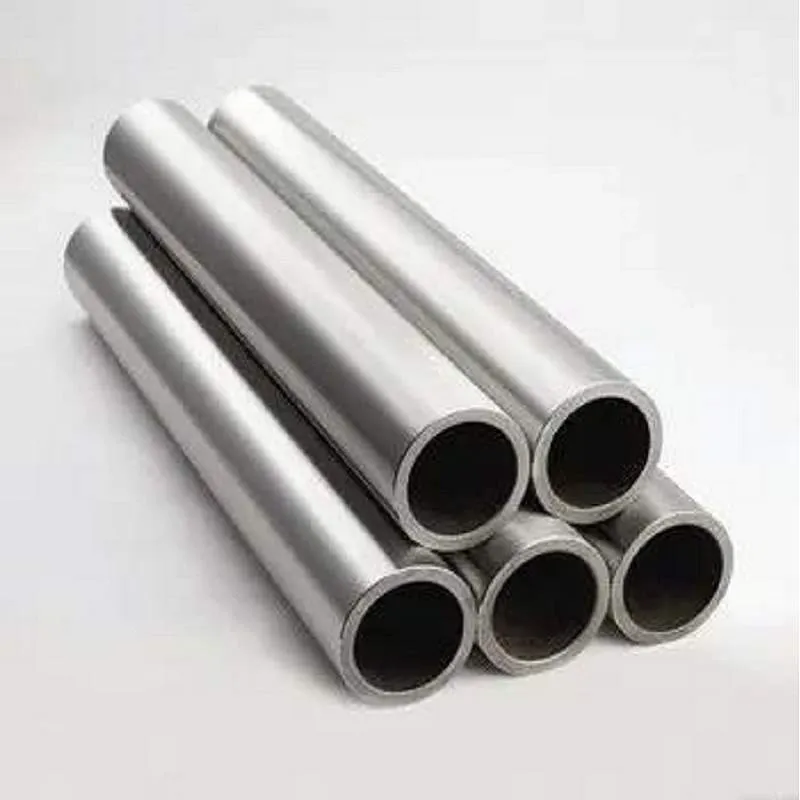
ASTM A387 Alloy Steel, grade 11, Chromium Molybdenum
Product Code : STI-ASTM-553-CU
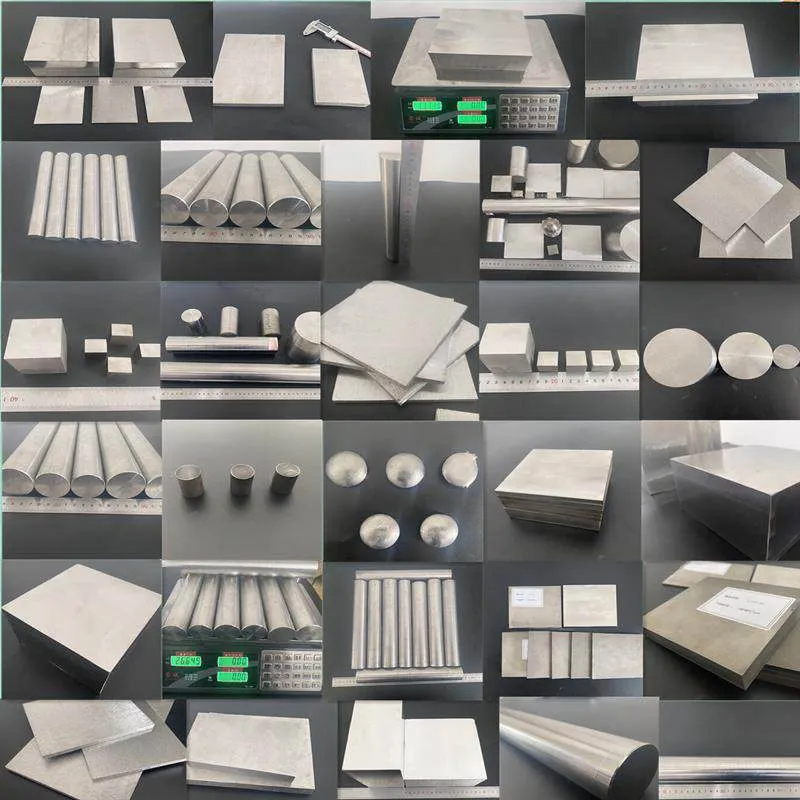
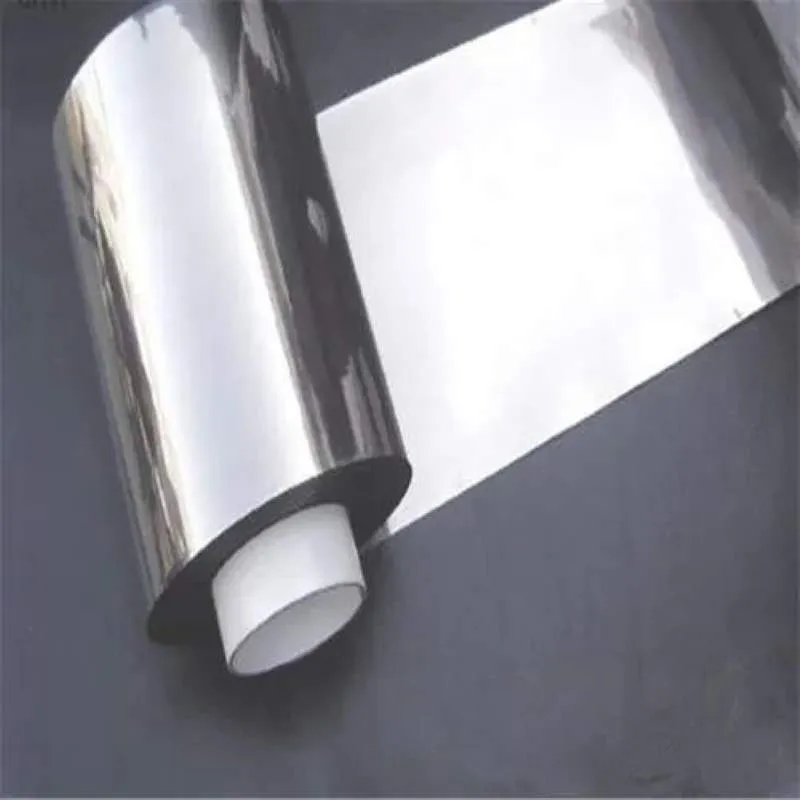
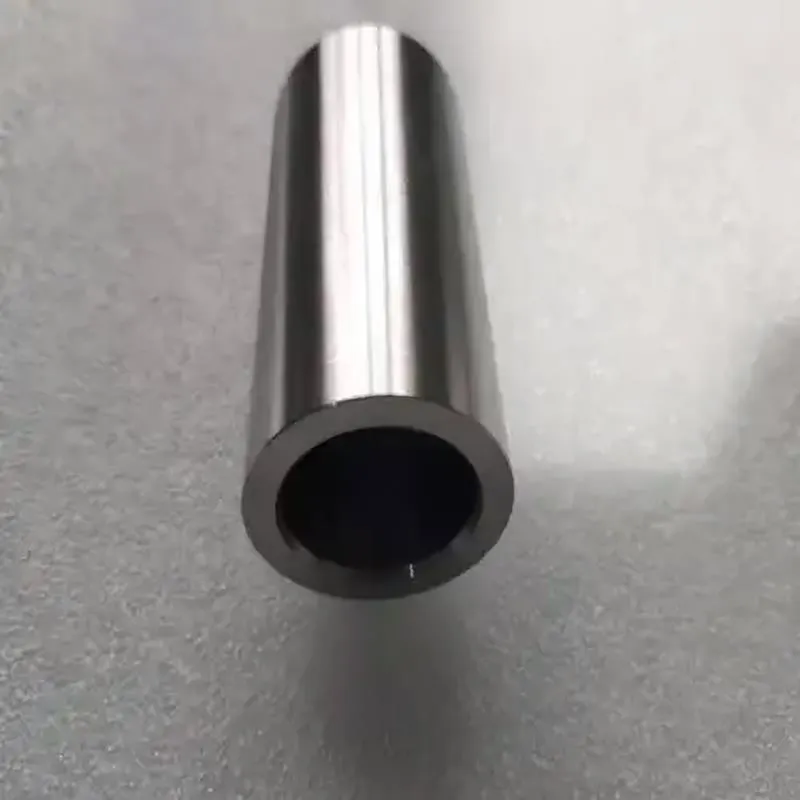
We provide ASTM A387 Alloy Steel, grade 11, Chromium Molybdenum is available in Bar (Round bar, Flat bar), Ribbon, Wire, Rods, Tube,Seamless Tube,Pipe, Ingots, Plate, Sheet, Strip and Forging Stock.,Purity, chemical composition, size, etc. can all be customized to meet specific requirements.
Please contact us if you need customized services. We will contact you with the price and availability in 24 hours.
ASTM A387 Alloy Steel, grade 11, Chromium Molybdenum Product Information
-:-
For detailed product information, please contact sales.
-:
ASTM A387 Alloy Steel, grade 11, Chromium Molybdenum Synonyms
-:-
For detailed product information, please contact sales.
-:
ASTM A387 Alloy Steel, grade 11, Chromium Molybdenum Product Information
-:-
For detailed product information, please contact sales.
-:
## **Product Datasheet: ASTM A387 / ASME SA-387 Grade 11 Alloy Steel Plate**
**Product Overview**
ASTM A387 Grade 11 is a **chromium-molybdenum (Cr-Mo) low-alloy steel plate** specifically engineered for **pressure vessel and structural components** operating at **elevated temperatures**. With a nominal composition of 1.25% chromium and 0.5% molybdenum, this grade offers a balanced enhancement in **oxidation resistance, creep strength, and resistance to high-temperature hydrogen attack (HTHA)** compared to carbon steels and lower-alloy grades. It is a fundamental material in the construction of reactors, heat exchangers, and piping systems for the petrochemical, refining, and power generation industries where service temperatures range between 800°F (427°C) and 1100°F (593°C). The standard defines two classes based on heat treatment condition to suit different fabrication needs.
**Key International Standards**
* **Primary Standard:** **ASTM A387 / A387M** - Standard Specification for Pressure Vessel Plates, Alloy Steel, Chromium-Molybdenum.
* **Governing Specification:** This product conforms to the requirements for **Grade 11** within ASTM A387.
* **ASME Designation:** **SA-387 Grade 11** - The mandatory ASME Boiler and Pressure Vessel Code (BPVC) designation.
* **Heat Treatment Classes:** The grade is subdivided to define the delivery condition:
* **Class 1:** Supplied in the **annealed or normalized and tempered** condition. This provides maximum softness and ductility for severe cold forming.
* **Class 2:** Supplied in the **normalized and tempered or quenched and tempered** condition. This provides higher strength levels.
* **Related Standards:** Directly comparable to **ASTM A213 T11** for tubing, **ASTM A335 P11** for pipe, and international grades like **EN 10028-2 13CrMoSi5-5**.
**Chemical Composition (Weight % - ASTM A387 Grade 11 Requirements)**
| Element | ASTM A387 Grade 11 Requirement | Typical Range / Aim |
| :--- | :--- | :--- |
| **Carbon (C)** | 0.05 - 0.17% | 0.10 - 0.15% |
| **Manganese (Mn)** | 0.40 - 0.65% | 0.45 - 0.60% |
| **Phosphorus (P)** | 0.035% max | ≤ 0.020% |
| **Sulfur (S)** | 0.035% max | ≤ 0.015% |
| **Silicon (Si)** | 0.50 - 0.80% | 0.60 - 0.75% |
| **Chromium (Cr)** | **1.00 - 1.50%** | 1.15 - 1.35% |
| **Molybdenum (Mo)** | **0.45 - 0.65%** | 0.45 - 0.60% |
| **Carbon Equivalent (C.E. IIW)** | -- | Typically 0.45 - 0.55 |
**Physical & Mechanical Properties**
*Properties vary depending on the specified Class (1 or 2) and thickness.*
| Property | Requirement (Grade 11, Class 2 - Normalized & Tempered) | Typical Performance / Notes |
| :--- | :--- | :--- |
| **Tensile Strength** | 60 - 85 ksi (415 - 585 MPa) | 65 - 80 ksi (448 - 552 MPa) |
| **Yield Strength (0.2% Offset)** | 30 ksi (205 MPa) min | 35 - 45 ksi (241 - 310 MPa) |
| **Elongation in 2" (Min)** | 20% (for plates ≤ 3/4") | 20-25% |
| **Charpy V-Notch Toughness** | Often specified by purchaser per ASTM A20. | Can achieve adequate impact values when properly heat-treated. Not typically specified for low-temperature service. |
| **Maximum Recommended Metal Temp.** | -- | **Up to ~1100°F (593°C)** for prolonged service. The chromium provides improved oxidation resistance over Grade 12, and molybdenum provides creep strength. |
| **Key Feature** | **1.25Cr-0.5Mo Industry Workhorse:** A widely used and versatile chromium-molybdenum steel plate offering a proven combination of elevated temperature strength, environmental resistance (oxidation/H₂), and fabricability for a broad range of high-temperature pressure equipment. |
**Product Applications**
ASTM A387 Grade 11 plate is a standard material for critical high-temperature equipment in energy and process industries.
* **Hydroprocessing Reactors & Separators:** For hydrocrackers and hydrotreaters in refineries, offering good resistance to high-temperature hydrogen attack (HTHA).
* **Catalytic Reformer Reactors & Charge Heaters.**
* **Heat Exchanger & Condenser Shells** for high-temperature, high-pressure service.
* **Power Boiler Drums, Headers, and Steam Piping.**
* **Synthesis Gas and Ammonia Converters.**
* **High-Temperature Piping and Transition Sections.**
**Advantages & Fabrication Notes**
* **Critical Welding & Heat Treatment Protocols:** Fabrication requires expert control due to the alloy's sensitivity to cracking:
* **Preheat:** Mandatory, typically **400-500°F (204-260°C)**.
* **Low-Hydrogen Practice:** Essential (use of AWS E8018-B2 or similar electrodes).
* **Post-Weld Heat Treatment (PWHT):** **Always required for pressure-retaining welds.** Standard range is **1250-1350°F (677-732°C)**. **Very slow cooling through the 1200-800°F (649-427°C) range is critical to prevent reheat cracking,** a well-known susceptibility of this alloy class.
* **Heat Treatment of Formed Parts:** Hot-formed components must undergo a full normalizing and tempering cycle.
* **Resistance to High-Temperature Hydrogen Attack (HTHA):** The chromium content provides good resistance, but suitability must be verified against **API RP 941 (Nelson Curves)** for the specific partial pressure of hydrogen and temperature.
* **Oxidation & Creep Resistance:** Provides significantly better performance than carbon steels at temperatures above 800°F (427°C).
* **Formability:** **Class 1** material is preferred for severe cold forming. **Class 2** material offers higher strength but requires more care during forming.
* **Code Compliance:** Fully recognized in the **ASME BPVC, Section II, Part D** with published allowable stresses up to 1100°F (593°C). Fabrication must comply with ASME Section VIII, Div. 1 or 2.
**Disclaimer:**
This datasheet provides general information on **ASTM A387 Grade 11 / SA-387 Grade 11**. Procurement specifications must clearly state the **Grade (11) and Class (1 or 2)**, heat treatment, and all supplementary requirements (impact testing, UT). **Design must use ASME BPVC allowable stresses.** Welding and PWHT procedures **must be qualified per ASME Section IX**. The **risk of reheat cracking is significant**; fabrication plans must include controlled heating and very slow cooling rates. For hydrogen service, a **formal HTHA assessment per API RP 941 is mandatory**. Material selection, fabrication, and inspection must be overseen by engineers and inspectors qualified in Cr-Mo alloy steel technology. Improper handling can lead to catastrophic failure.
-:-
For detailed product information, please contact sales.
-:
ASTM A387 Alloy Steel, grade 11, Chromium Molybdenum Specification
Dimensions
Size:
Diameter 20-1000 mm Length <4703 mm
Size:We can customized as required
Standard:
Per your request or drawing
We can customized as required
Properties(Theoretical)
Chemical Composition
-:-
For detailed product information, please contact sales.
-:
ASTM A387 Alloy Steel, grade 11, Chromium Molybdenum Properties
-:-
For detailed product information, please contact sales.
-:
Applications of ASTM A387 Alloy Steel, grade 11, Chromium Molybdenum
-:-
For detailed product information, please contact sales.
-:
Chemical Identifiers ASTM A387 Alloy Steel, grade 11, Chromium Molybdenum
-:-
For detailed product information, please contact sales.
-:
Packing of ASTM A387 Alloy Steel, grade 11, Chromium Molybdenum
-:-
For detailed product information, please contact sales.
-:
Standard Packing:
-:-
For detailed product information, please contact sales.
-:
Typical bulk packaging includes palletized plastic 5 gallon/25 kg. pails, fiber and steel drums to 1 ton super sacks in full container (FCL) or truck load (T/L) quantities. Research and sample quantities and hygroscopic, oxidizing or other air sensitive materials may be packaged under argon or vacuum. Solutions are packaged in polypropylene, plastic or glass jars up to palletized 1174 gallon liquid totes Special package is available on request. E FORUs’ is carefully handled to minimize damage during storage and transportation and to preserve the quality of our products in their original condition