ASTM A542 Low Alloy Steel, Grade C, Class 4a
Product Code : STI-ASTM-301-CU
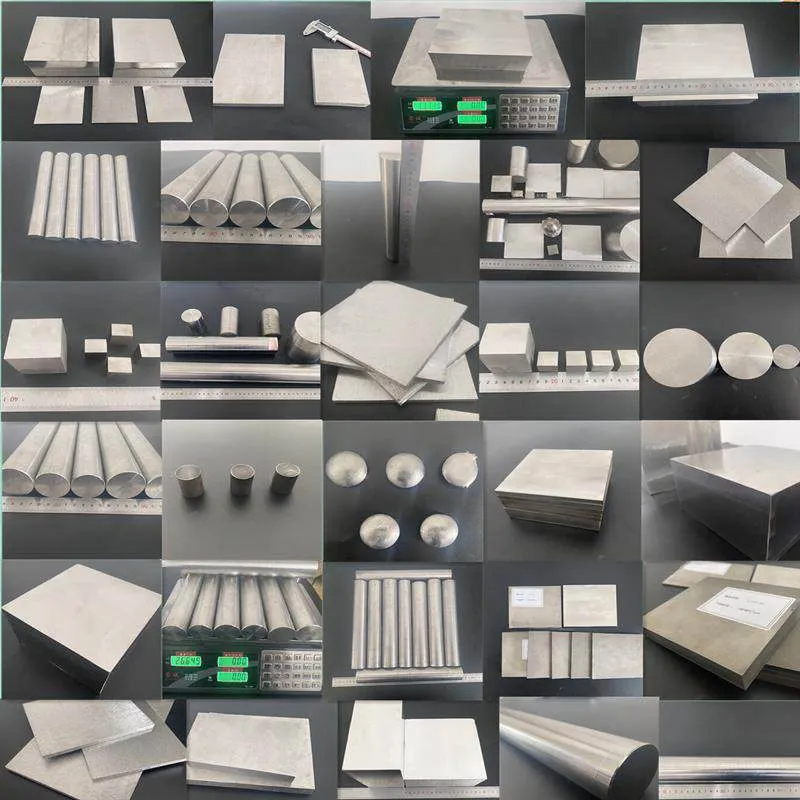
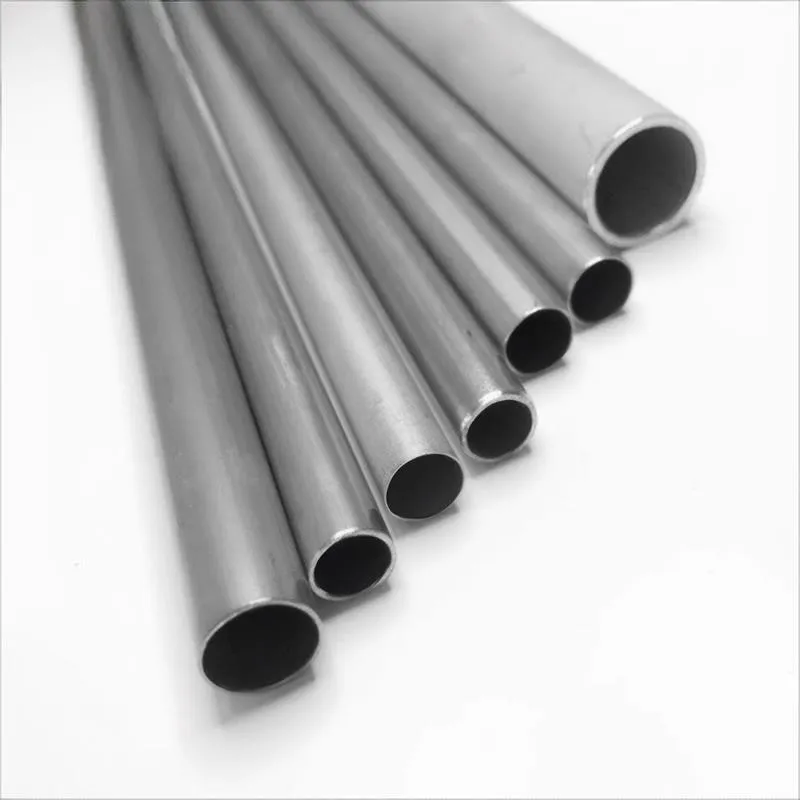
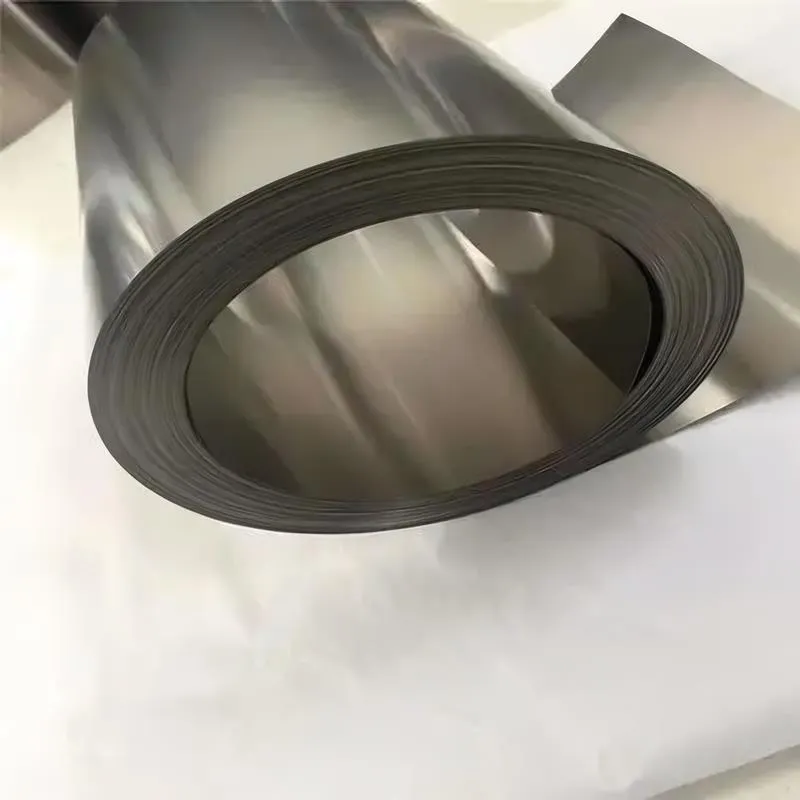
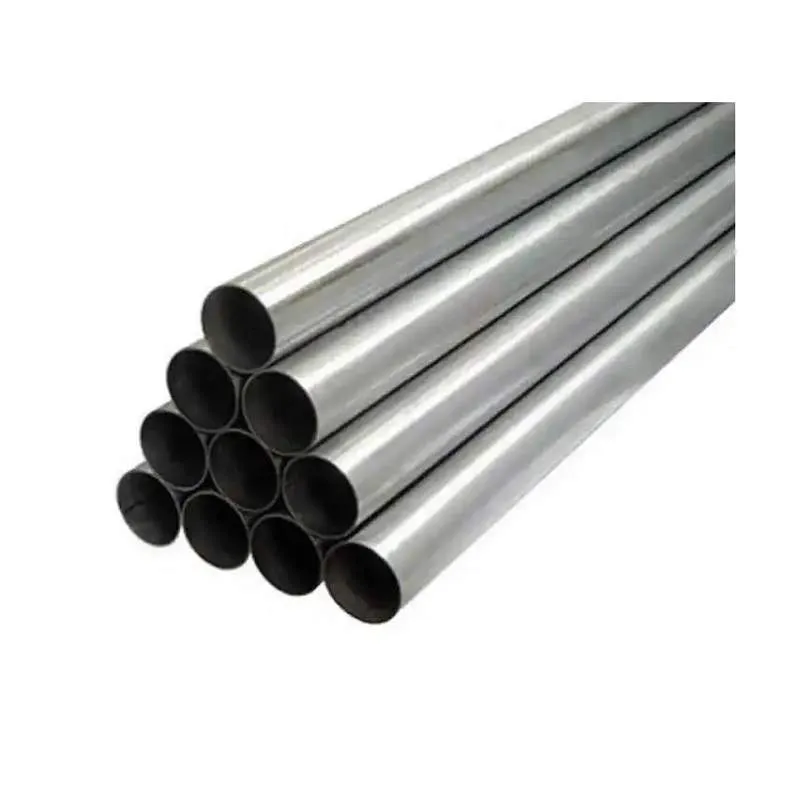
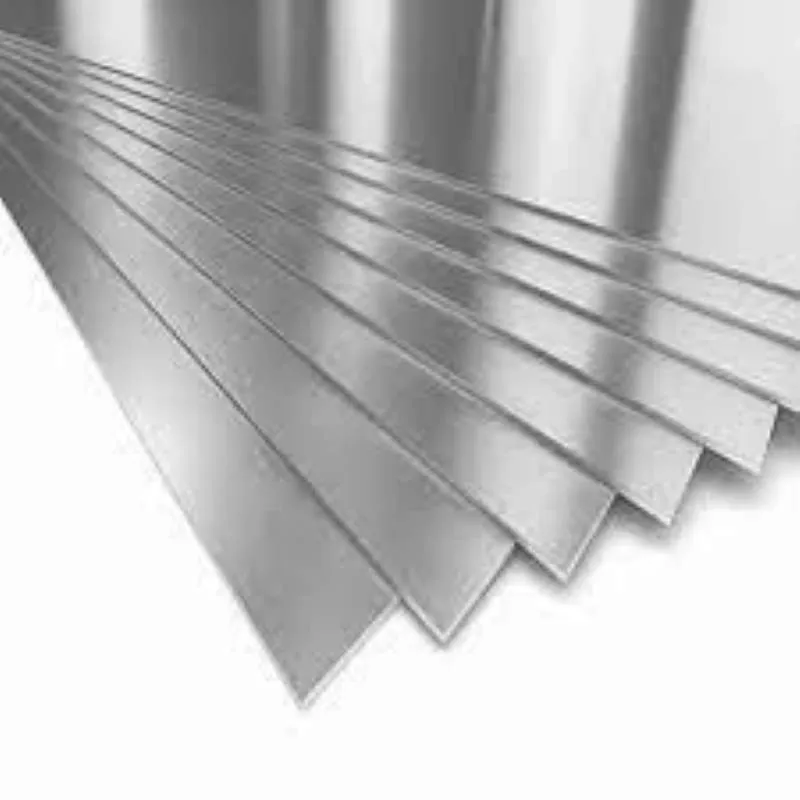
We provide ASTM A542 Low Alloy Steel, Grade C, Class 4a is available in Bar (Round bar, Flat bar), Ribbon, Wire, Rods, Tube,Seamless Tube,Pipe, Ingots, Plate, Sheet, Strip and Forging Stock.,Purity, chemical composition, size, etc. can all be customized to meet specific requirements.
Please contact us if you need customized services. We will contact you with the price and availability in 24 hours.
ASTM A542 Low Alloy Steel, Grade C, Class 4a Product Information
-:-
For detailed product information, please contact sales.
-:
ASTM A542 Low Alloy Steel, Grade C, Class 4a Synonyms
-:-
For detailed product information, please contact sales.
-:
ASTM A542 Low Alloy Steel, Grade C, Class 4a Product Information
-:-
For detailed product information, please contact sales.
-:
### **ASTM A542 Grade C Class 4a: Enhanced Toughness Ultra-High Strength 3Cr-1Mo Steel Plate**
#### **1. Overview**
ASTM A542 Grade C Class 4a is a **special enhanced-toughness variant** within the premium Class 4 category, specifically engineered to provide **ultra-high strength combined with superior fracture toughness** for the most critical pressure vessel applications. This advanced material maintains the exceptional high-temperature capabilities of Class 4 while offering significantly improved impact properties, making it the ideal choice for nuclear components, offshore applications, and other ultra-severe services where both maximum strength and enhanced reliability are paramount requirements.
#### **2. Chemical Composition**
The chemical composition features optimized controls for enhanced toughness:
| Element | Composition (%) |
|---------|-----------------|
| Carbon (C) | 0.12 max |
| Manganese (Mn) | 0.40 - 0.70 |
| Phosphorus (P) | 0.012 max |
| Sulfur (S) | 0.008 max |
| Silicon (Si) | 0.15 - 0.35 |
| Chromium (Cr) | 2.75 - 3.25 |
| Molybdenum (Mo) | 0.90 - 1.10 |
| Nickel (Ni) | 0.25 - 0.50 (enhanced) |
| Vanadium (V) | 0.03 - 0.08 |
**Enhanced Composition Features:**
- **Reduced Carbon Maximum (0.12%)**: Significantly improves weldability and notch toughness while maintaining strength
- **Nickel Addition (0.25-0.50%)**: Enhances low-temperature toughness without compromising high-temperature performance
- **Ultra-Low Sulfur (0.008% max)**: Provides superior through-thickness properties and advanced inclusion shape control
- **Optimized Vanadium Content**: Improves precipitation strengthening while maintaining excellent toughness
- **Enhanced Manganese Range**: Better hardenability control for improved toughness-strength balance in heavy sections
#### **3. Physical & Mechanical Properties**
**Mechanical Properties (Advanced Q&T Condition):**
| Property | Requirement |
|----------|-------------|
| **Tensile Strength** | 105 - 125 ksi (725 - 860 MPa) |
| **Yield Strength** | 75 ksi min (515 MPa min) |
| **Elongation in 2 inches** | 16% min |
| **Reduction of Area** | 40% min |
| **Charpy V-Notch Impact** | 35 ft-lb min at -75°F (-60°C) |
**Enhanced Performance Characteristics:**
- **Superior Fracture Toughness**: Exceptional K_Ic and CTOD values maintained at both room and elevated temperatures
- **Improved Low-Temperature Performance**: Enhanced ductile-to-brittle transition behavior for arctic and cryogenic applications
- **Excellent Fatigue Crack Growth Resistance**: Superior performance under high-cycle fatigue conditions
- **Consistent Through-Thickness Properties**: Minimal property degradation in ultra-heavy sections up to 18 inches
**Physical Properties (Typical):**
- **Density**: 0.281 lb/in³ (7,785 kg/m³)
- **Modulus of Elasticity**: 29,200 ksi (201 GPa) at 70°F (21°C)
- **Thermal Expansion Coefficient**: 6.4 × 10⁻⁶/°F (11.5 × 10⁻⁶/°C) from 70-1000°F
- **Thermal Conductivity**: 24.0 W/m·K at 212°F (100°C)
- **Poisson's Ratio**: 0.29
#### **4. Product Applications**
Class 4a is specified for applications where maximum strength and enhanced toughness are simultaneously required under extreme conditions:
**Nuclear Power Systems:**
- Advanced reactor pressure vessel critical sections
- Nuclear primary circuit high-stress components
- Safety-critical nuclear containment systems
- Next-generation nuclear plant pressure boundaries
**Offshore and Marine:**
- Deepwater production systems and subsea equipment
- Offshore platform critical structural components
- Arctic service pressure vessels and piping
- Marine riser systems and tensioner components
**Aerospace and Defense:**
- Rocket motor cases and launch system components
- High-pressure aerospace and defense systems
- Strategic pressure containment applications
- Advanced propulsion system components
#### **5. International Standards & Equivalents**
| Region/Country | Standard | Equivalent Grade | Notes |
|----------------|----------|------------------|-------|
| **International** | **ISO 9328-2** | 12CrMo9-10 | Enhanced toughness variant |
| **Europe** | **EN 10028-2** | 12CrMo9-10 | Special quality designation |
| **Japan** | **JIS G4109** | SCMV 4-N | Nickel-enhanced premium version |
| **Germany** | **DIN 17155** | 12CrMo910 | Premium quality with enhanced properties |
**Class 4 vs Class 4a Comparison:**
| Parameter | Class 4 | Class 4a |
|-----------|---------|----------|
| **Impact Toughness** | 25 ft-lb at -50°F | 35 ft-lb at -75°F |
| **Carbon Content** | 0.15% max | 0.12% max |
| **Sulfur Maximum** | 0.010% | 0.008% |
| **Nickel Content** | 0.25% max (optional) | 0.25-0.50% (enhanced) |
| **Primary Application** | Ultra-High Strength | Ultra-High Strength + Enhanced Toughness |
#### **6. Fabrication & Quality Excellence**
**Advanced Welding Technology:**
- **Enhanced pre-heat protocol**: 425-525°F (218-274°C) with precise digital monitoring
- **Sophisticated interpass management**: 475-575°F (246-302°C) maximum with continuous recording
- **Optimized PWHT cycle**: 1350-1450°F (732-788°C) for optimal toughness development
- **Premium welding consumables**: Specially formulated nickel-enhanced electrodes and wires
- **Advanced NDE requirements**: 100% automated ultrasonic examination plus surface methods
**Precision Heat Treatment:**
- **Controlled austenitizing**: 1650-1750°F (900-955°C) with advanced atmosphere control systems
- **Enhanced quenching technology**: Optimized cooling rate for maximum toughness development
- **Multiple-stage tempering**: 1350-1500°F (732-816°C) with intermediate transformation control
- **Advanced process control**: Real-time monitoring with AI-assisted property prediction
**Uncompromising Quality Assurance:**
- **Enhanced ultrasonic examination**: Automated phased array UT per ASTM A578 Level III+
- **Comprehensive mechanical testing**: Including J-integral fracture toughness and CTOD testing
- **Advanced metallurgical analysis**: Automated inclusion rating, grain size analysis, and microcleanliness assessment
- **Complete digital traceability**: Blockchain-enabled documentation with real-time quality monitoring
---
**Premium Technical Advantages:**
- **Ultra-high strength with enhanced fracture toughness** across temperature range
- **Superior performance in low-temperature and cryogenic applications**
- **Exceptional resistance to hydrogen embrittlement and stress corrosion cracking**
- **Premium quality consistency** for nuclear and aerospace applications
**Engineering Excellence Requirements:**
- **Advanced fracture mechanics design** per ASME Section VIII Division 3
- **Comprehensive fatigue and fracture analysis** including leak-before-break assessment
- **Sophisticated materials performance prediction** using advanced modeling
- **State-of-the-art non-destructive evaluation** with automated defect recognition
**Quality Certification:**
- **Nuclear quality assurance** per ASME NQA-1 requirements
- **Enhanced material test reports** with full digital traceability
- **Third-party verification** and independent quality surveillance
- **Advanced quality management systems** with continuous improvement protocols
**Disclaimer:** This information represents the highest standard of technical reference for ASTM A542 Grade C Class 4a. For nuclear, aerospace, defense, and other ultra-critical applications, absolute adherence to the latest ASTM specifications and applicable regulatory requirements is mandatory. All activities must be directed by exceptionally qualified engineers and subject to the most rigorous quality assurance protocols, independent verification, and regulatory oversight.
-:-
For detailed product information, please contact sales.
-:
ASTM A542 Low Alloy Steel, Grade C, Class 4a Specification
Dimensions
Size:
Diameter 20-1000 mm Length <4451 mm
Size:We can customized as required
Standard:
Per your request or drawing
We can customized as required
Properties(Theoretical)
Chemical Composition
-:-
For detailed product information, please contact sales.
-:
ASTM A542 Low Alloy Steel, Grade C, Class 4a Properties
-:-
For detailed product information, please contact sales.
-:
Applications of ASTM A542 Low Alloy Steel, Grade C, Class 4a
-:-
For detailed product information, please contact sales.
-:
Chemical Identifiers ASTM A542 Low Alloy Steel, Grade C, Class 4a
-:-
For detailed product information, please contact sales.
-:
Packing of ASTM A542 Low Alloy Steel, Grade C, Class 4a
-:-
For detailed product information, please contact sales.
-:
Standard Packing:
-:-
For detailed product information, please contact sales.
-:
Typical bulk packaging includes palletized plastic 5 gallon/25 kg. pails, fiber and steel drums to 1 ton super sacks in full container (FCL) or truck load (T/L) quantities. Research and sample quantities and hygroscopic, oxidizing or other air sensitive materials may be packaged under argon or vacuum. Solutions are packaged in polypropylene, plastic or glass jars up to palletized 922 gallon liquid totes Special package is available on request. E FORUs’ is carefully handled to minimize damage during storage and transportation and to preserve the quality of our products in their original condition