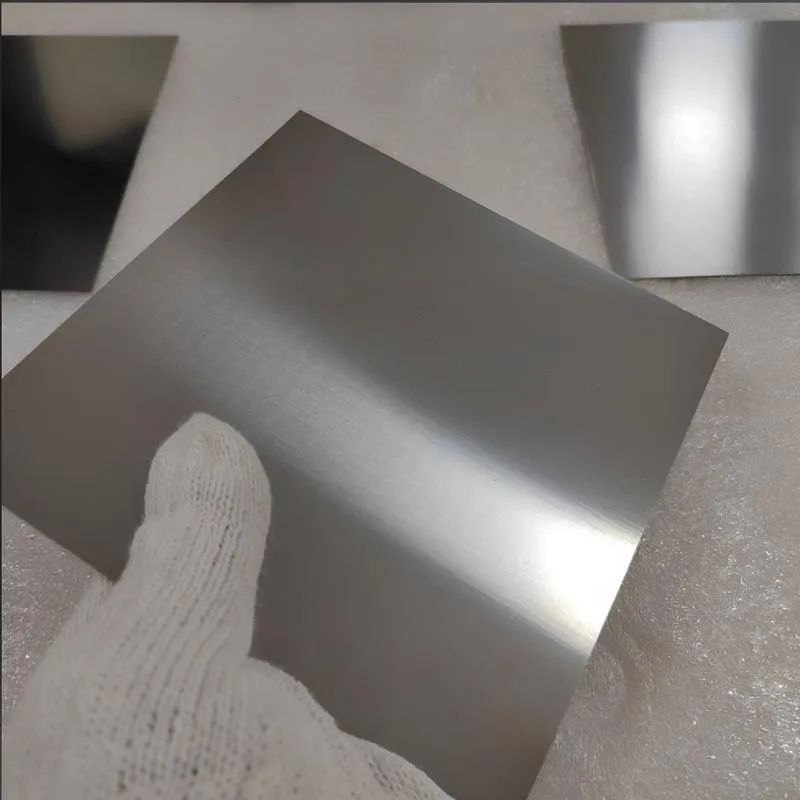
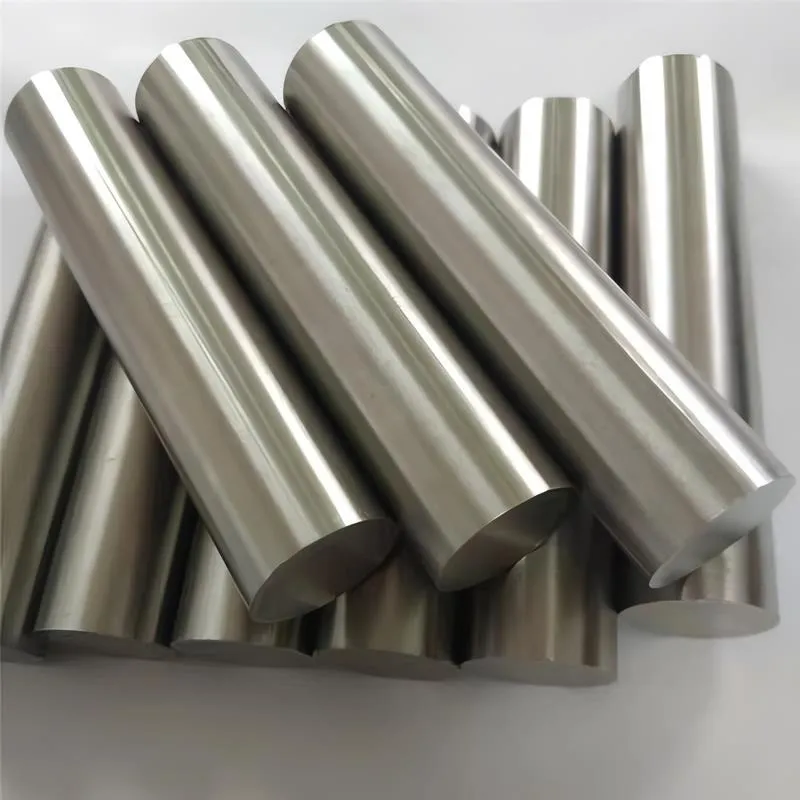
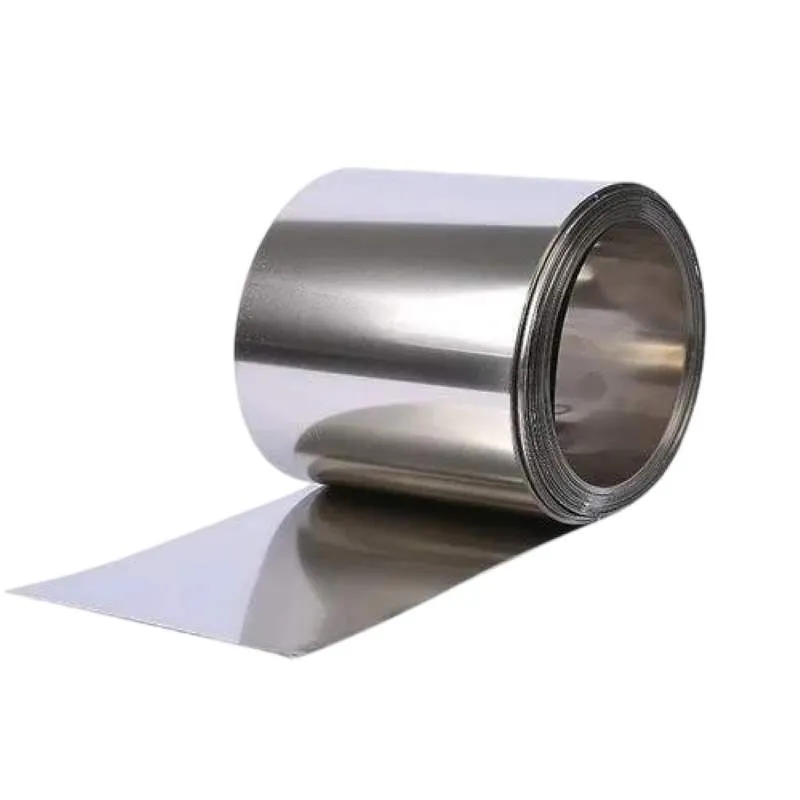
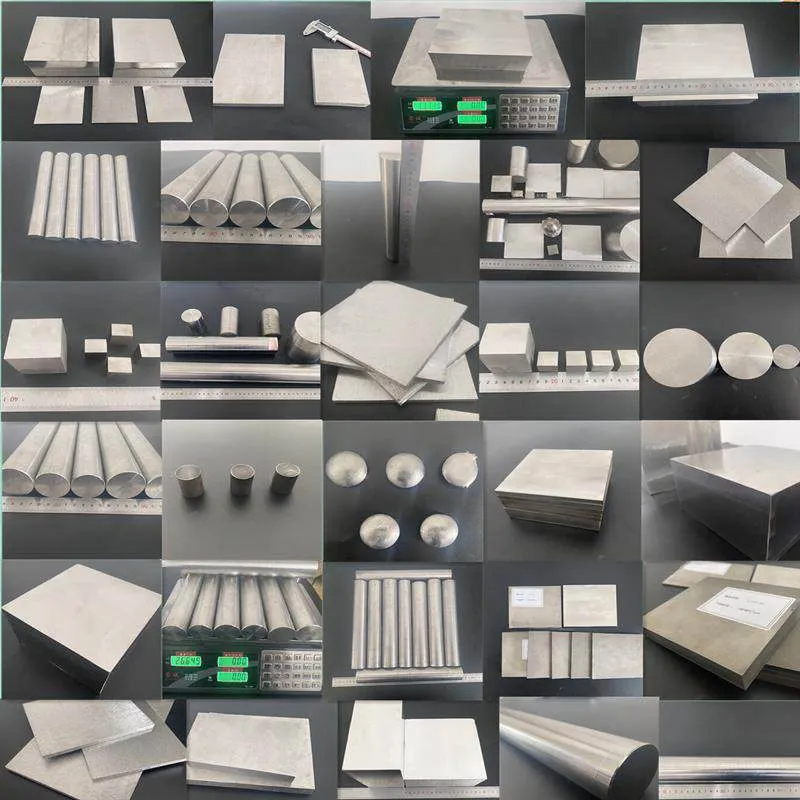
ASTM A782 Low Alloy Steel Sheet,Plate, Class 2
Product Code : STI-ASTM-388-CU
We provide ASTM A782 Low Alloy Steel Sheet/Plate, Class 2 is available in Bar (Round bar, Flat bar), Ribbon, Wire, Rods, Tube,Seamless Tube,Pipe, Ingots, Plate, Sheet/Plate, Strip and Forging Stock.,Purity, chemical composition, size, etc. can all be customized to meet specific requirements.
Please contact us if you need customized services. We will contact you with the price and availability in 24 hours.
ASTM A782 Low Alloy Steel Sheet/Plate, Class 2 Product Information
-:-
For detailed product information, please contact sales.
-:
ASTM A782 Low Alloy Steel Sheet/Plate, Class 2 Synonyms
-:-
For detailed product information, please contact sales.
-:
ASTM A782 Low Alloy Steel, Class 2 Product Information
-:-
For detailed product information, please contact sales.
-:
# **Product Introduction: ASTM A782/A782M Class 2 Low-Alloy Weathering Steel**
**ASTM A782/A782M Class 2** is a premium **high-strength, low-alloy (HSLA) steel** designed for **structural applications demanding enhanced strength and superior atmospheric corrosion resistance**. As a **weathering steel**, it develops a dense, stable, and self-protecting oxide patina when exposed to the elements, offering **corrosion resistance four to six times greater than conventional carbon steel**. Class 2 provides a **higher minimum yield strength of 60 ksi (415 MPa)** compared to Class 1, making it suitable for more demanding structural applications where both material efficiency and long-term durability in unpainted conditions are critical. It is typically supplied in the **as-rolled or normalized condition**.
---
## **International Standard & Key Specifications**
* **Primary Standard:** **ASTM A782/A782M** - Standard Specification for Pressure Vessel Plates, Alloy Steel and High-Strength Low-Alloy Steel, for Moderate and Lower Temperature Service.
* **Context:** While categorized under pressure vessel standards for material quality, this steel is **primarily used in structural applications** due to its weathering properties. The specification ensures a higher-grade material suitable for critical exposed structures.
* **Related Structural Standards:**
* **ASTM A588/A588M** (Common weathering steel spec; Grade A/B/C/K).
* **ASTM A6/A6M** - General Requirements for Rolled Structural Steel.
* **AASHTO M270M/M270** - For bridge construction (when specified).
* **Governing Standard:** **ASTM A20/A20M** - For general requirements of pressure vessel plates (applicable to plate product).
---
## **Chemical Composition (Weight %, max unless range is specified)**
The chemistry is optimized for a higher strength level while maintaining and enhancing the weathering characteristics through carefully balanced alloying elements.
| Element | Composition Range (%) | Role in Performance for Class 2 |
| :--- | :--- | :--- |
| **Carbon (C)** | ≤ 0.22 | Provides increased base strength compared to Class 1, while maintaining weldability. |
| **Manganese (Mn)** | 0.75 - 1.35 | Primary solid-solution strengthener; slightly wider range for strength and hardenability control. |
| **Phosphorus (P)** | 0.04 max | Contributes to atmospheric corrosion resistance. |
| **Sulfur (S)** | 0.05 max | Impurity, controlled. |
| **Silicon (Si)** | 0.15 - 0.50 | Deoxidizer and strengthener. |
| **Copper (Cu)** | **0.30 - 0.50** | **Core weathering element.** Slightly higher minimum than Class 1 for robust patina formation. |
| **Chromium (Cr)** | **0.50 - 0.90** | **Enhanced range.** Critical for forming a dense, adherent oxide layer; higher content improves corrosion resistance. |
| **Nickel (Ni)** | **0.25 - 0.50** | Improves toughness and works synergistically with Cu and Cr. |
| **Vanadium (V)** | 0.01 - 0.10 | Microalloy for grain refinement and precipitation strengthening, key to achieving higher yield strength. |
**Key Distinction:** Class 2 typically features **higher minimums for Copper and Chromium**, and may utilize a tighter control of microalloys like Vanadium to achieve the **60 ksi yield strength** while ensuring excellent weathering performance.
---
## **Typical Physical & Mechanical Properties**
Properties are for as-rolled or normalized structural plates.
| Property | Value / Description |
| :--- | :--- |
| **Tensile Strength** | **550 - 690 MPa (80,000 - 100,000 psi)** |
| **Yield Strength (min)** | **415 MPa (60,000 psi)** |
| **Elongation in 2-in (50 mm) (min)** | 19% |
| **Modulus of Elasticity** | ~200 GPa (29 x 10⁶ psi) |
| **Density** | ~7.85 g/cm³ (0.284 lb/in³) |
| **Charpy V-Notch Impact Toughness** | **Test Temperature:** Often specified for structural applications at **70°F (21°C)**. For bridges or low-temperature service, supplemental requirements apply (e.g., testing at 0°F / -18°C or -40°F / -40°C). Minimum avg. energy typically 15-20 ft-lbf (20-27 J). |
| **Atmospheric Corrosion Resistance** | **4-6 times** greater than plain carbon steel. Potentially better than Class 1 in aggressive atmospheres due to higher Cr content. |
| **Brinell Hardness (typical)** | 190 - 240 HBW |
---
## **Product Applications**
Class 2 is specified for more demanding exposed structures where its higher strength allows for longer spans, lighter members, or increased load capacity, all with the low-maintenance benefit of weathering steel.
**Primary Structural Applications:**
1. **Long-Span & Heavy-Duty Bridges:**
* **Primary girders** and **truss members** for highway and railway bridges.
* **Arch bridges** and **cable-stayed bridge pylons** (exposed elements).
2. **High-Rise & Signature Architecture:**
* **Exposed structural frames** for buildings where the patina is an architectural feature.
* **Long-span roof structures** and **atriums**.
3. **Critical Infrastructure:**
* **Electrical Transmission Towers** in corrosive coastal or industrial environments.
* **Offshore Platform Splash Zone Structures** (carefully engineered).
* **Large Industrial Sculptures** and **monuments**.
4. **Transportation & Heavy Industry:**
* **Portals and frames** for heavy industrial facilities.
* **Support structures** in aggressive atmospheric conditions.
---
## **Advantages and Critical Fabrication & Design Considerations**
* **Advantages:**
* **Higher Strength with Weathering Benefits:** 60 ksi yield strength combined with excellent atmospheric corrosion resistance.
* **Superior Lifecycle Economics:** Eliminates painting costs, reduces maintenance, and offers long service life.
* **Material Efficiency:** Higher strength enables lighter, more elegant structural designs.
* **Proven Performance in Aggressive Atmospheres:** Enhanced alloy content can offer better performance in industrial or coastal environments than lower-grade weathering steels.
* **Critical Fabrication & Design Considerations:**
* **Welding Requires Care:** Higher carbon equivalent necessitates **strict low-hydrogen welding procedures** (e.g., E8018-C3 electrodes). Preheat is often required.
* **Imperative Detailing:** **Design must ensure complete drainage and ventilation.** Moisture traps are the primary cause of failure in weathering steel applications. Details like sealed weld butts and drip edges are crucial.
* **Patina Mismatch at Welds:** Welds and the heat-affected zone (HAZ) will corrode differently and may not match the parent metal's patina. For cosmetic uniformity, a weathering-grade primer/touch-up may be needed.
* **Initial Runoff Management:** The initial rust runoff (1-5 years) can stain adjacent materials. Design should incorporate features like drips, gutters, or sacrificial staining panels.
* **Environmental Suitability:** Not for continuously wet, buried, or submerged service. Performance is optimal in open atmospheres with regular wet/dry cycles.
* **Connection Design:** Contact with dissimilar metals (e.g., stainless fasteners, aluminum) requires insulation to prevent galvanic corrosion. Weathering steel fasteners are recommended.
**In summary, ASTM A782 Class 2 is a high-performance weathering steel that delivers a 60 ksi minimum yield strength for efficient structural design while providing the signature low-maintenance durability of a protective patina. It is the material of choice for engineers and architects designing landmark exposed structures where strength, longevity, and aesthetics converge. Its successful application is fundamentally dependent on knowledgeable design that respects the material's unique characteristics and environmental needs.**
-:-
For detailed product information, please contact sales.
-:
ASTM A782 Low Alloy Steel, Class 2 Specification
Dimensions
Size:
Diameter 20-1000 mm Length <4538 mm
Size:We can customized as required
Standard:
Per your request or drawing
We can customized as required
Properties(Theoretical)
Chemical Composition
-:-
For detailed product information, please contact sales.
-:
ASTM A782 Low Alloy Steel, Class 2 Properties
-:-
For detailed product information, please contact sales.
-:
Applications of ASTM A782 Low Alloy Steel Sheet,Plate, Class 2
-:-
For detailed product information, please contact sales.
-:
Chemical Identifiers ASTM A782 Low Alloy Steel Sheet,Plate, Class 2
-:-
For detailed product information, please contact sales.
-:
Packing of ASTM A782 Low Alloy Steel Sheet/Plate, Class 2
-:-
For detailed product information, please contact sales.
-:
Standard Packing:
-:-
For detailed product information, please contact sales.
-:
Typical bulk packaging includes palletized plastic 5 gallon/25 kg. pails, fiber and Steel Sheet/Plate drums to 1 ton super sacks in full container (FCL) or truck load (T/L) quantities. Research and sample quantities and hygroscopic, oxidizing or other air sensitive materials may be packaged under argon or vacuum. Solutions are packaged in polypropylene, plastic or glass jars up to palletized 1009 gallon liquid totes Special package is available on request. E FORUs’ is carefully handled to minimize damage during storage and transportation and to preserve the quality of our products in their original condition