Bethlehem Steel ASTM A633 Grade D, steel
Product Code : STI-ASTM-500-CU
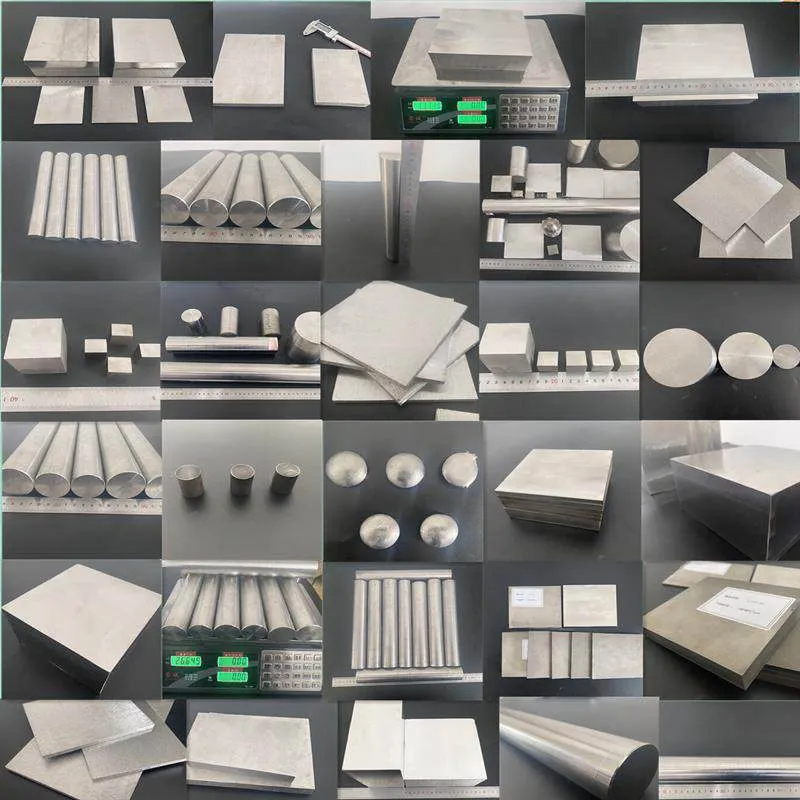
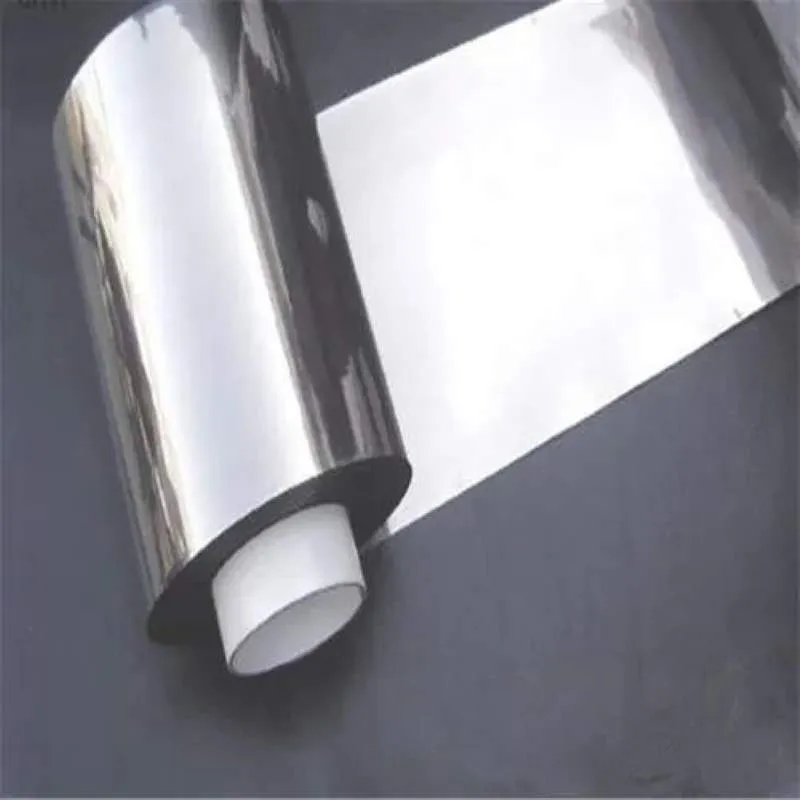
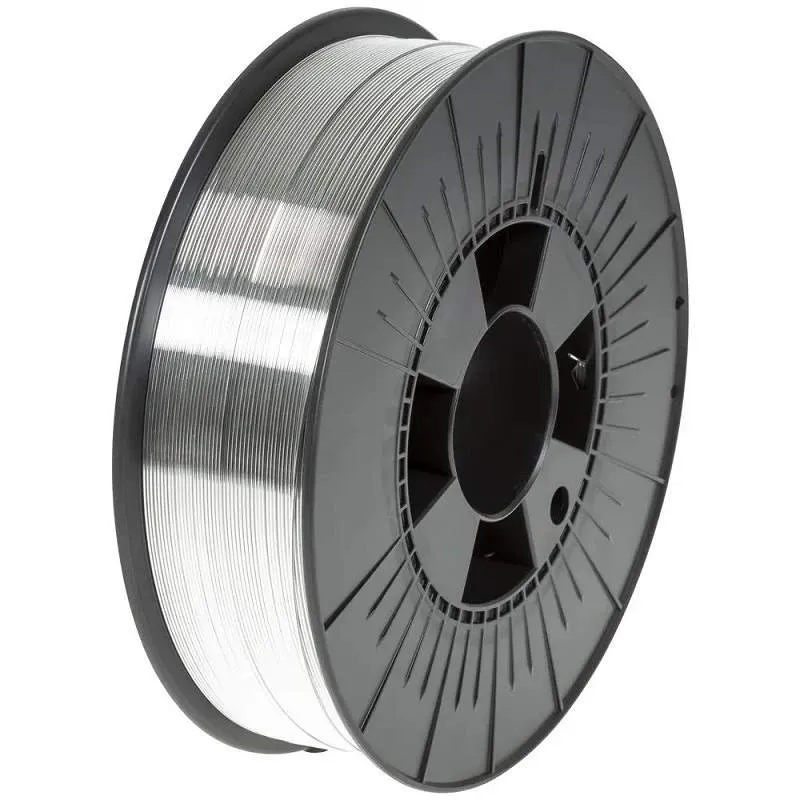
We provide Bethlehem Steel ASTM A633 Grade D >2-1/2 to 4 in. thick, steel plate is available in Bar (Round bar, Flat bar), Ribbon, Wire, Rods, Tube,Seamless Tube,Pipe, Ingots, Plate, Sheet, Strip and Forging Stock.,Purity, chemical composition, size, etc. can all be customized to meet specific requirements.
Please contact us if you need customized services. We will contact you with the price and availability in 24 hours.
Bethlehem Steel ASTM A633 Grade D >2-1/2 to 4 in. thick, steel plate Product Information
-:-
For detailed product information, please contact sales.
-:
Bethlehem Steel ASTM A633 Grade D >2-1/2 to 4 in. thick, steel plate Synonyms
-:-
For detailed product information, please contact sales.
-:
Bethlehem Steel ASTM A633 Grade D >2-1/2 to 4 in. thick, steel plate Product Information
-:-
For detailed product information, please contact sales.
-:
## **Product Specification: Bethlehem Steel ASTM A633 Grade D Ultra-Heavy Normalized Steel Plate (>2-1/2" to 4" Thick)**
### **Product Overview**
Bethlehem Steel ASTM A633 Grade D in thicknesses exceeding 2-1/2 inches (63.5 mm) up to 4 inches (101.6 mm) represents the pinnacle of engineered normalized high-strength steel plate technology. This ultra-heavy variant extends the exceptional 60 ksi (415 MPa) yield strength and guaranteed low-temperature toughness of Grade D into the realm of monumental structural components, where maintaining uniform through-thickness properties becomes an extraordinary metallurgical achievement. Designed exclusively for fracture-critical applications in the most severe service environments—including Arctic infrastructure, seismic-resistant megastructures, and heavy dynamic loading—this product is manufactured to **rigorously negotiated specifications** that exceed standard ASTM requirements, demanding unprecedented control over every stage of production.
### **International Standard & Governance**
* **Reference Standard:** **ASTM A633 / A633M** (Grade D) provides the **chemical and philosophical basis**.
* **Regulatory Reality:** For plates >2-1/2" thick, the standard's mechanical property requirements **do not automatically apply**. All properties—yield strength, tensile strength, elongation, and impact values—are **subject to negotiation** per ASTM A6/A6M Section 12.
* **Governing Documents:** The definitive requirements are established in a **Project-Specific Technical Specification (PSTS)**, developed collaboratively between the purchaser's engineering team and the steel producer.
* **Certification Framework:** Requires **EN 10204 Type 3.2 Inspection Certificate** or equivalent, with full third-party surveillance typically mandated.
---
### **Chemical Composition (Engineered for Ultra-Heavy Section Integrity)**
Achieving the Grade D performance paradigm in 4-inch thick plate necessitates radical chemistry optimization focused on three pillars: **weldability** in high-restraint conditions, **through-thickness toughness**, and **microstructural stability**. Standard composition ranges are insufficient.
| Element | Standard A633D Range (≤2.5") | Engineered Composition for >2.5" to 4" Plate | Metallurgical Imperative |
| :--- | :--- | :--- | :--- |
| **Carbon (C)** | ≤ 0.20% | **0.08 – 0.12%** | **Non-negotiable reduction.** The primary lever to suppress Carbon Equivalent (CE). Essential to make the plate weldable without prohibitive preheat and to minimize HAZ hardness/cracking risk. |
| **Manganese (Mn)** | 1.00 – 1.60% | 1.25 – 1.45% | Balanced: sufficient for strength and hardenability, but tightly controlled to **minimize centerline segregation**—the dominant defect risk in ultra-heavy sections. |
| **Phosphorus (P)** | ≤ 0.035% | **≤ 0.010%** | **Near-elimination.** A potent grain boundary embrittler; its presence at mid-thickness can catastrophically lower fracture toughness. |
| **Sulfur (S)** | ≤ 0.040% | **≤ 0.002%** | **Ultra-Low Sulfur (ULS) is mandatory.** Aim for ≤ 0.001%. Eliminates elongated MnS inclusions that destroy Z-direction ductility and initiate lamellar tearing. |
| **Silicon (Si)** | 0.15 – 0.50% | 0.15 – 0.25% | Minimized to reduce solid solution strengthening contribution to CE and improve low-temperature notch toughness. |
| **Nickel (Ni)** | Not Specified | **0.50 – 1.00%** | **Critical addition.** Nickel is the most effective alloying element for improving the **toughness of the core (mid-thickness)** of thick plates. It lowers the ductile-to-brittle transition temperature significantly. |
| **Vanadium (V)** | ≤ 0.10% | 0.04 – 0.07% | Used judiciously. While it adds strength, excessive V can impair HAZ toughness. Balance is key. |
| **Columbium (Cb/Nb)** | ≤ 0.05% | 0.02 – 0.04% | For grain refinement. Often preferred over V for heavy plates due to less detrimental effect on weld HAZ. |
| **Molybdenum (Mo)** | Not Specified | **0.10 – 0.25% (Optional)** | Added in the most demanding specs to increase hardenability uniformly through the section and provide solid solution strength with less impact on CE than Mn. |
| **Aluminum (Al)** | (When specified) | **0.020 – 0.040%** | For grain refinement (Al-killed). |
| **Calcium (Ca) Treatment** | Not Specified | **Mandatory** | For advanced sulfide shape control (Type II globular sulfides). |
| **Carbon Equivalent (CE IIW)** | ≤ 0.45 | **Target: ≤ 0.34** | **A primary contractual parameter.** Must be aggressively minimized. |
| **Pcm** | - | **Target: ≤ 0.20** | Essential for weld procedure development. |
**Manufacturing Process Imperatives:**
* **Steelmaking:** **Electric Arc Furnace (EAF) or BOF → Ladle Metallurgy Furnace (LMF) → Vacuum Degassing (VD or RH-OB).** Hydrogen must be reduced to **< 1.5 ppm**.
* **Casting:** **Continuously Cast (CC) heavy slabs with Soft Reduction** technology is modern best practice. Historically, quality **Ingot Casting** with controlled solidification was used.
* **Deformation Processing:** Very high hot reduction ratio is required to break down the as-cast structure and refine grains.
* **Heat Treatment:** **Normalizing is absolutely essential and non-negotiable.** Process must include slow, controlled heating to ~1650°F (900°C), extended soaking (≥2 hrs/inch), and controlled air cooling. **Quenching & Tempering (Q&T)** may be specified as a superior alternative for the most critical applications to achieve even better through-thickness uniformity.
---
### **Physical & Mechanical Properties (Project-Specific & Negotiated)**
*These are not standard guarantees but typical achievable targets established during project engineering.*
| Property | Typical Negotiated Minimum / Range | Test Protocol & Rationale |
| :--- | :--- | :--- |
| **Yield Strength** | **55 – 58 ksi (380 – 400 MPa)** | Acknowledges the "thickness effect." Tested at **quarter-thickness (T/4)** and **mid-thickness (T/2)**. The specific minimum (e.g., 55 ksi) is a key negotiated term. |
| **Tensile Strength** | 75 – 85 ksi (520 – 585 MPa) | Same locations. |
| **Elongation in 2"** | 16 – 18% | |
| **Reduction of Area (Z-Dir.)** | **≥ 25% (Z25) or ≥ 35% (Z35)** | Per ASTM A770. **A standard requirement** for plates this thick to prevent lamellar tearing. |
| **Charpy V-Notch Impact** | **25 – 40 ft-lbf @ -50°F (-46°C)** | **Testing at surface, T/4, and T/2 is mandatory.** The energy at T/2 is the most critical and hardest to achieve. Test temperature may be -30°F or -50°F based on service. |
| **Fracture Toughness (CTOD)** | Often specified for fracture-critical designs (e.g., β ≥ 0.25 mm at min. design temp). | Per ASTM E1820. Provides a direct measure of crack tolerance. |
| **Ultrasonic Testing** | **100% to ASTM A578 Level III (Cleaning Level)**. | Performed over the entire plate volume to qualify internal soundness. |
---
### **Fabrication Considerations: A Discipline of Extreme Control**
1. **Welding Procedure Qualification (PQR):** Requires welding and destructively testing a **full-thickness mock-up** under conditions simulating the highest restraint expected in production.
2. **Preheat & Interpass Temperature:** **350°F – 450°F (177°C – 232°C) minimum.** Computer-controlled induction heating is standard. Thermocouples monitor temperature through the thickness.
3. **Welding Processes:** Primarily **Submerged Arc Welding (SAW)** with tandem or multi-wire setups. **Narrow-Gap Welding** techniques are highly advantageous. **Electro-Slag Welding (ESW)** may be used for certain joint types.
4. **Post-Weld Heat Treatment (PWHT):** **Invariably required.** Typical cycle: Heat to 1100-1150°F (595-620°C), hold for **2+ hours per inch of thickness**, slow cool. Relieves massive residual stresses and tempers the HAZ.
5. **Non-Destructive Examination (NDE):** Extensive. Includes full-volume UT of all butt welds, **Radiographic Testing (RT)** or **Phased Array UT (PAUT)** of critical welds, and MT of all weld surfaces.
---
### **Product Applications**
Reserved for signature engineering projects where failure is not an option:
* **Arctic Offshore Platform Nodes:** Critical, highly restrained welded joints in jackets designed for the Beaufort Sea or North Sea.
* **Seismic Moment Frame "Protected Zones":** Beam-column connections in skyscrapers located in ultra-high seismic zones (e.g., SF, Tokyo, Chile), where plastic hinging must occur with stable ductility.
* **Nuclear Power Plant Containment Internal Structures:** Class 2/3 supports and restraints where seismic and low-temperature criteria intersect.
* **Heavy Forging Press & Extruder Frames:** Subject to extreme dynamic loading.
* **Next-Generation Icebreaker Hull Structural Members:** For vessels designed for year-round Arctic operation.
---
### **Procurement & Quality Assurance Protocol**
Procurement is a major project phase with long lead times (18-30 months).
1. **Mill Pre-qualification:** Technical audit of the producer's capabilities, review of historical project data for similar materials.
2. **PSTS Development:** Involves metallurgists, welding engineers, designers, and fabricators.
3. **Third-Party Surveillance:** Full-time inspection agency (e.g., DNV, Lloyds, ABS) resident at the mill to witness all critical processes: heat analysis, mechanical testing, UT, marking.
4. **Documentation:** Deliverables include a comprehensive **Manufacturer's Record Book (MRB)** with all heat treatment charts, NDE reports, and weld procedure records.
### **Disclaimer**
This profile describes an extreme-performance engineered material. The production of ASTM A633 Grade D steel plate in thicknesses exceeding 2-1/2 inches, meeting the stringent combination of strength and low-temperature toughness, is a capability possessed by only a select few steel mills globally. **There is no "standard" product in this category.** Every requirement must be explicitly defined in a bespoke purchase contract. The information herein is based on advanced metallurgical principles and historical practice for illustrative purposes. Final project specifications must be developed by qualified engineers in direct consultation with prospective manufacturers. Success is contingent upon integrated collaboration between designer, fabricator, and steelmaker from the conceptual design phase onward. The cost and lead time are commensurate with the extraordinary technical challenge.
-:-
For detailed product information, please contact sales.
-:
Bethlehem Steel ASTM A633 Grade D >2-1/2 to 4 in. thick, steel plate Specification
Dimensions
Size:
Diameter 20-1000 mm Length <4650 mm
Size:We can customized as required
Standard:
Per your request or drawing
We can customized as required
Properties(Theoretical)
Chemical Composition
-:-
For detailed product information, please contact sales.
-:
Bethlehem Steel ASTM A633 Grade D >2-1/2 to 4 in. thick, steel plate Properties
-:-
For detailed product information, please contact sales.
-:
Applications of Bethlehem Steel ASTM A633 Grade D >2-1/2 to 4 in. thick, steel plate
-:-
For detailed product information, please contact sales.
-:
Chemical Identifiers Bethlehem Steel ASTM A633 Grade D >2-1/2 to 4 in. thick, steel plate
-:-
For detailed product information, please contact sales.
-:
Packing of Bethlehem Steel ASTM A633 Grade D >2-1/2 to 4 in. thick, steel plate
-:-
For detailed product information, please contact sales.
-:
Standard Packing:
-:-
For detailed product information, please contact sales.
-:
Typical bulk packaging includes palletized plastic 5 gallon/25 kg. pails, fiber and steel drums to 1 ton super sacks in full container (FCL) or truck load (T/L) quantities. Research and sample quantities and hygroscopic, oxidizing or other air sensitive materials may be packaged under argon or vacuum. Solutions are packaged in polypropylene, plastic or glass jars up to palletized 1121 gallon liquid totes Special package is available on request. E FORUs’ is carefully handled to minimize damage during storage and transportation and to preserve the quality of our products in their original condition