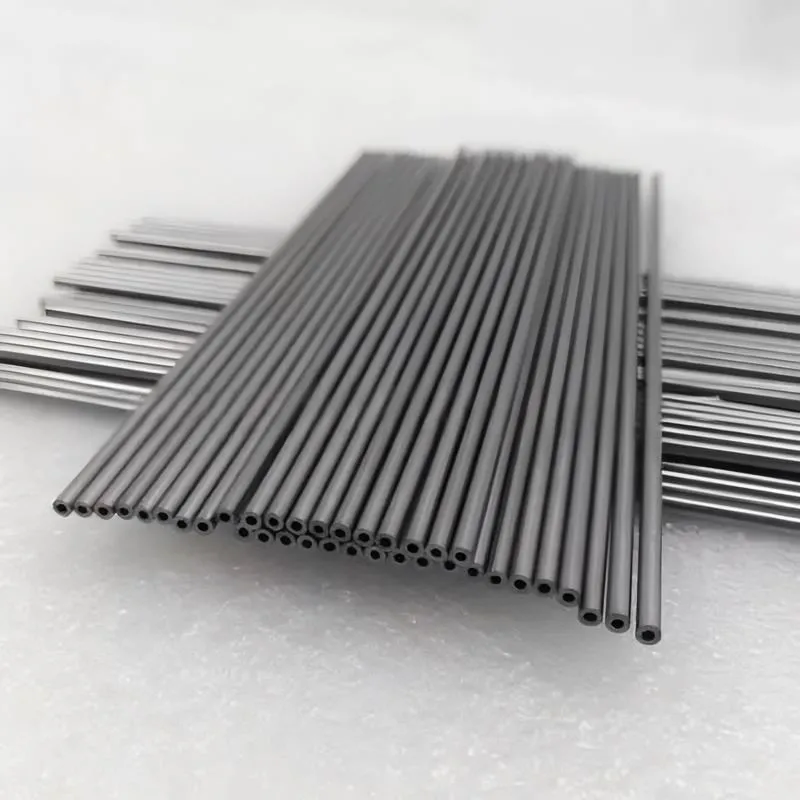
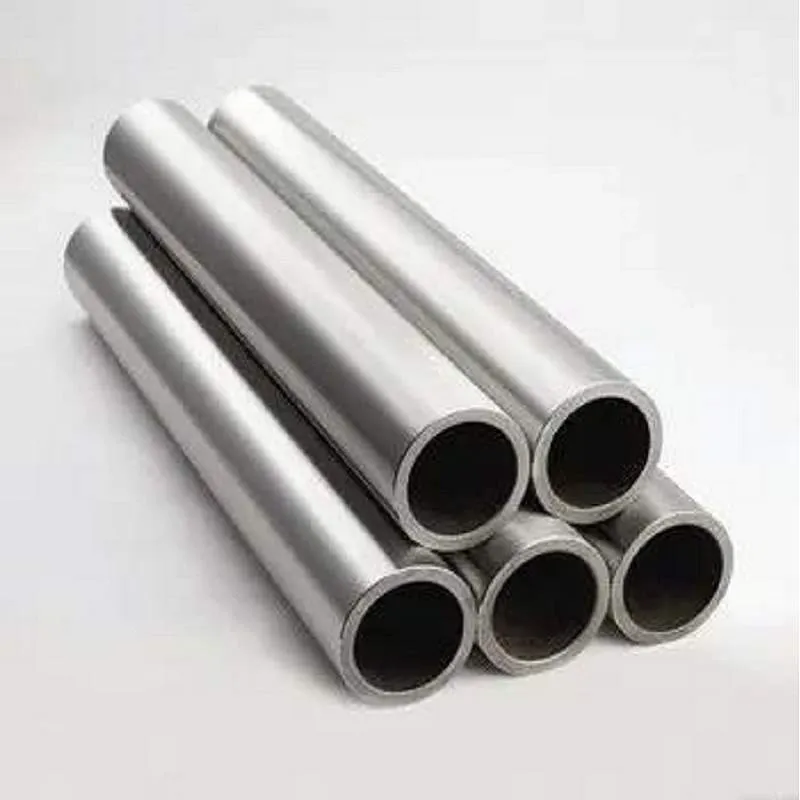
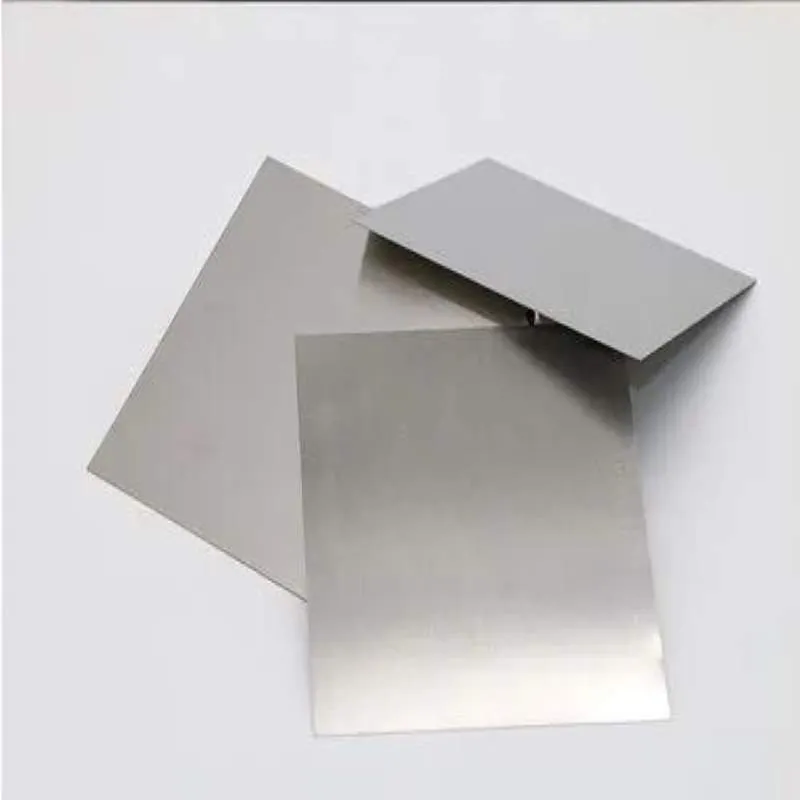
Crucible Steel Capillary,CPM® 9V® Tool Steel Capillary
Product Code : STI-CSTI-497-CU
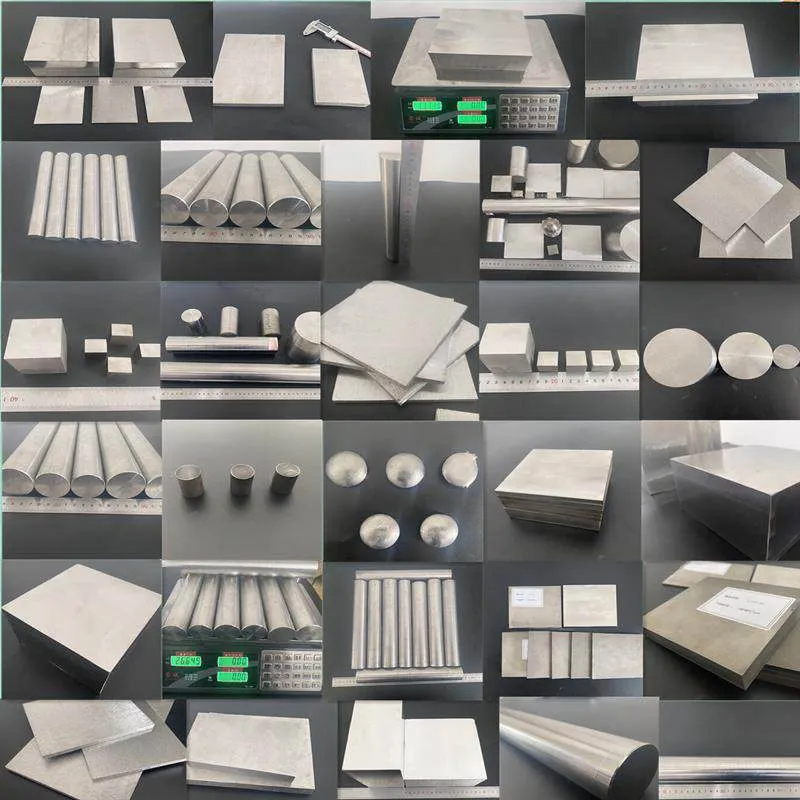
We provide Crucible Steel Capillary CPM® 9V® Tool Steel Capillary is available in Bar (Round bar, Flat bar), Ribbon, Wire, Rods, Tube,Seamless Tube,Pipe, Ingots, Plate, Sheet, Strip and Forging Stock.,Purity, chemical composition, size, etc. can all be customized to meet specific requirements.
Please contact us if you need customized services. We will contact you with the price and availability in 24 hours.
Crucible Steel Capillary CPM® 9V® Tool Steel Capillary Product Information
-:-
For detailed product information, please contact sales.
-:
Crucible Steel Capillary CPM® 9V® Tool Steel Capillary Synonyms
-:-
For detailed product information, please contact sales.
-:
Crucible Steel CPM® 9V® Tool Steel Product Information
-:-
For detailed product information, please contact sales.
-:
# **Technical Datasheet: Crucible CPM® 9V® Tool Steel**
---
## **1. Product Overview**
**Crucible CPM® 9V®** is a premium **powder metallurgy (PM), high-carbon, high-vanadium cold work tool steel** representing a significant advancement in wear-resistant steel technology. Manufactured using Crucible's proprietary **CPM (Crucible Particle Metallurgy)** process, this alloy is engineered to deliver an **extraordinary combination of extreme wear resistance and high toughness**, a balance unachievable with conventionally produced tool steels. The "9V" designation highlights its exceptionally high vanadium content (~9%), which forms a massive volume of ultra-hard vanadium carbides within a refined, tough matrix.
This steel is designed for the most severe abrasive and adhesive wear applications where conventional D2, D3, or M4 grades fail prematurely. Its unique microstructure eliminates the large, brittle carbide networks found in cast/wrought steels, resulting in **isotropic properties, superior grindability, excellent polishability, and predictable heat treatment response**. CPM 9V is the benchmark for applications requiring maximum tool life under extreme wear conditions.
---
## **2. Key International Standards & Designations**
| Country/System | Standard Designation | Equivalent/Notes |
| :--- | :--- | :--- |
| **USA (Crucible)** | **CPM® 9V®** | Proprietary PM Tool Steel |
| **USA (AISI/SAE)** | **No direct equivalent** | Proprietary composition |
| **USA (ASTM)** | **ASTM A681 (Referenced)** | Custom PM Grade |
| **ISO** | **No direct equivalent** | Proprietary to Crucible |
| **Common Comparisons** | **Super-D2, PM Vanadis-type** | Often compared to premium high-vanadium PM steels |
| **UDDEHOLM Equivalent** | **VANADIS 8** (Similar philosophy) | - |
**Note:** CPM 9V is a **proprietary grade** without direct international standard equivalents. It belongs to the family of advanced high-vanadium PM cold work steels.
---
## **3. Chemical Composition (Typical %)**
The composition is aggressively alloyed with vanadium to maximize wear resistance, while balanced with chromium and molybdenum for hardenability and toughness.
| Element | Weight % (Typical) | Metallurgical Function |
| :--- | :--- | :--- |
| **Carbon (C)** | 1.78 | High carbon to match the massive vanadium content, ensuring all vanadium forms carbides and providing matrix carbon for hardening. |
| **Vanadium (V)** | **9.00** | **The defining element.** Forms an extremely high volume (~20%+) of very hard, fine **MC-type vanadium carbides (2800-3000 HV)**. These are the primary source of its **legendary wear resistance**. |
| **Chromium (Cr)** | 5.25 | Provides hardenability for air quenching, contributes some secondary carbides (M₇C₃), and improves corrosion resistance. |
| **Molybdenum (Mo)** | 1.30 | Enhances hardenability, refines grain structure, improves toughness, and contributes to secondary hardening. |
| **Silicon (Si)** | 0.50 | Deoxidizer and strengthens the matrix. |
| **Manganese (Mn)** | 0.50 | Aids hardenability. |
**Key Microstructural Advantage of CPM Process:**
- **Ultra-Fine Carbide Distribution:** Vanadium carbides are extremely small (typically 2-4 microns) and uniformly dispersed.
- **No Carbide Segregation:** Eliminates the weak points and stress concentrators found in wrought high-alloy steels.
- **Isotropic Properties:** Identical mechanical properties in all directions, crucial for complex tools.
- **High Purity:** Very low levels of non-metallic inclusions.
---
## **4. Physical & Mechanical Properties**
### **4.1 Standard Heat Treatment**
* **Annealing:** Heat to 870-900°C (1600-1650°F), slow furnace cool. Annealed hardness: **~240-260 HB**.
* **Preheating:** **Essential.** Preheat at 650°C (1200°F) and 850°C (1560°F).
* **Austenitizing:** **1065-1120°C (1950-2050°F).** Lower end favors toughness; higher end favors wear resistance and hardness. Soak time: 30-45 min/inch.
* **Quenching:** **Air cool or high-pressure gas quench.** Excellent dimensional stability.
* **Tempering:** **Double or triple tempering mandatory.** Temper at **510-540°C (950-1000°F)** for 2+ hours each.
* **Expected Hardness:** **58-61 HRC** (after tempering at 525°C). **Can achieve 62-64 HRC with lower temper.**
### **4.2 Mechanical Properties (Hardened & Tempered @ 525°C to 60 HRC)**
| Property | Value / Rating | Advantage vs. Conventional Steels |
| :--- | :--- | :--- |
| **Hardness** | **58 - 62 HRC** (operating range) | Can be tailored via tempering temperature. |
| **Abrasive Wear Resistance** | **Exceptional / Best-in-Class** | **5-10x better than D2** in many abrasive wear tests. Superior to most other tool steels. |
| **Impact Toughness (Charpy)** | **Very Good** (40-60 J) | **Remarkable for its wear level.** Far superior to D2 or M2 at similar hardness. |
| **Transverse Rupture Strength (TRS)** | **3,800 - 4,500 MPa** | Exceptionally high, enabling robust tool designs. |
| **Compressive Strength** | ~ 3,000 - 3,400 MPa | Excellent. |
| **Dimensional Stability** | **Excellent** | Minimal size change and distortion due to air quenching and PM uniformity. |
| **Grindability** | **Good (for its class)** | **Vastly superior to conventional high-vanadium steels** due to fine, round carbides. |
### **4.3 Physical Properties (Approximate)**
* Density: 7.60 g/cm³
* Thermal Conductivity: ~24 W/m·K
* Coefficient of Thermal Expansion: 10.8 x 10⁻⁶/K (20-400°C)
* Modulus of Elasticity: 210 GPa
---
## **5. Typical Product Applications**
CPM 9V is reserved for the most demanding wear applications where cost-per-part-produced is critical.
* **Severe Abrasion Tooling:**
* **Blank & Pierce Dies:** For **abrasive composites (fiberglass, carbon fiber), graphite, ceramics, prepreg materials, sand-filled plastics.**
* **Powder Compaction Dies:** For metal and ceramic powders.
* **Extrusion Dies & Liners:** For abrasive plastics and rubbers.
* **High-Performance Cutting & Forming:**
* **Slitter Knives & Rotary Cutters:** For abrasive films, textiles, and advanced materials.
* **Thread Rolling Dies & Forming Rolls:** For hard or abrasive workpieces.
* **Cold Forging Punches & Dies:** Subject to extreme wear.
* **Wear Parts in Heavy Industry:**
* **Pump Components, Valve Seats, Nozzles** handling abrasive slurries.
* **Wear plates and liners** in mining and mineral processing equipment.
---
## **6. Processing & Manufacturing Guidelines**
* **Machinability (Annealed):** **Fair to Poor.** Hard carbides are abrasive. Use rigid setups, premium carbide or CBN tooling, and conservative speeds/feeds.
* **Grindability:** **Good.** This is a **major advantage.** Its fine, uniform carbides are less damaging to grinding wheels than the large, angular carbides in wrought steels. Use aluminum oxide or CBN wheels.
* **EDM Machining:** Excellent. Produces a fine, consistent surface. A low-temperature stress relief after EDM is recommended.
* **Polishability:** **Outstanding.** The fine, uniform microstructure allows achievement of **mirror finishes (Ra < 0.025 µm)**, making it suitable for highly polished plastic injection molds for abrasive filled materials.
* **Surface Treatments:** Responds very well to nitriding and advanced PVD coatings (TiAlN, AlCrN), which can further extend service life.
---
## **7. Comparative Performance & Selection Notes**
| Criterion | **CPM 9V** | **AISI D2** | **CPM 10V** | **Cemented Carbide** |
| :--- | :--- | :--- | :--- | :--- |
| **Wear Resistance** | **Extreme** | Very Good | **Slightly Higher** | **Higher** |
| **Toughness** | **Very High** | Low | Moderate | **Very Low** |
| **Grindability** | Good | Poor | Fair | N/A |
| **Cost** | Very High | Low | High | Moderate-High |
| **Sweet Spot** | **Extreme Wear + Need for Toughness** | General Wear | **Pure Extreme Wear** | **Pure Wear, No Shock** |
**When to Choose CPM 9V:**
1. The **primary failure mode is severe abrasive or adhesive wear**.
2. The tool or part **must also withstand moderate shock or unpredictable loading** (where carbide would fracture).
3. You need **exceptional polishability** for a wear-resistant material.
4. **Tool life with conventional steels (D2, M4) is unacceptably short**, and carbide is too brittle.
**CPM 9V vs. CPM 10V:** CPM 10V has even higher vanadium (~10%) and carbon, offering the absolute pinnacle of wear resistance but with lower toughness. Choose 9V when you need the **best combination of wear and toughness**; choose 10V for **absolute maximum wear resistance** where shock is negligible.
---
## **8. Conclusion**
**Crucible CPM® 9V® is a transformative material that redefines the boundaries of wear-resistant tool steel performance.** By leveraging powder metallurgy to tame an ultra-high-vanadium composition, it achieves what was once considered impossible: **near-carbide wear resistance coupled with the toughness of a high-quality tool steel.**
Its value proposition is clear:
- **Drastically Extended Tool Life:** Reduces downtime and improves productivity in severe wear applications.
- **Increased Reliability:** Superior toughness reduces the risk of catastrophic failure.
- **Improved Manufacturability:** Better grindability and polishability than conventional alternatives.
While its **premium cost** places it in a specialized category, for critical applications where wear is the dominant cost driver, **CPM 9V offers an unmatched return on investment through unparalleled service life and reliability.** It is the definitive choice for pushing the limits of performance in demanding cold work, forming, and wear part applications.
---
-:-
For detailed product information, please contact sales.
-:
Crucible Steel CPM® 9V® Tool Steel Specification
Dimensions
Size:
Diameter 20-1000 mm Length <5229 mm
Size:We can customized as required
Standard:
Per your request or drawing
We can customized as required
Properties(Theoretical)
Chemical Composition
-:-
For detailed product information, please contact sales.
-:
Crucible Steel CPM® 9V® Tool Steel Properties
-:-
For detailed product information, please contact sales.
-:
Applications of Crucible Steel Capillary CPM® 9V® Tool Steel Capillary
-:-
For detailed product information, please contact sales.
-:
Chemical Identifiers Crucible Steel Capillary CPM® 9V® Tool Steel Capillary
-:-
For detailed product information, please contact sales.
-:
Packing of Crucible Steel Capillary CPM® 9V® Tool Steel Capillary
-:-
For detailed product information, please contact sales.
-:
Standard Packing:
-:-
For detailed product information, please contact sales.
-:
Typical bulk packaging includes palletized plastic 5 gallon/25 kg. pails, fiber and Steel Capillary drums to 1 ton super sacks in full container (FCL) or truck load (T/L) quantities. Research and sample quantities and hygroscopic, oxidizing or other air sensitive materials may be packaged under argon or vacuum. Solutions are packaged in polypropylene, plastic or glass jars up to palletized 1700 gallon liquid totes Special package is available on request. E FORUs’ is carefully handled to minimize damage during storage and transportation and to preserve the quality of our products in their original condition