300M Ultrahigh Strength Steel
Product Code : STI-CSTI-1674-CU
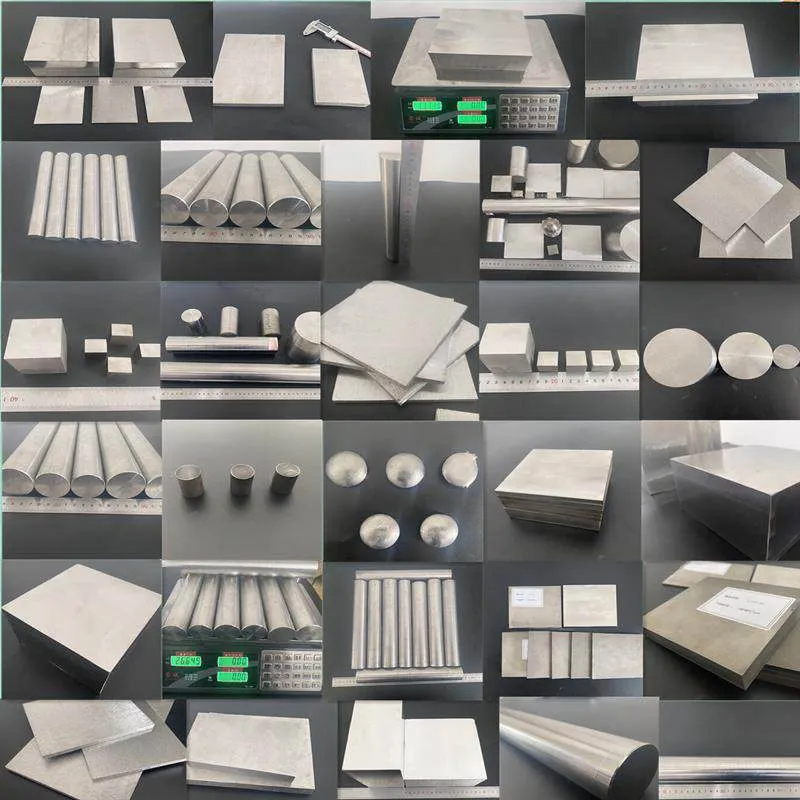
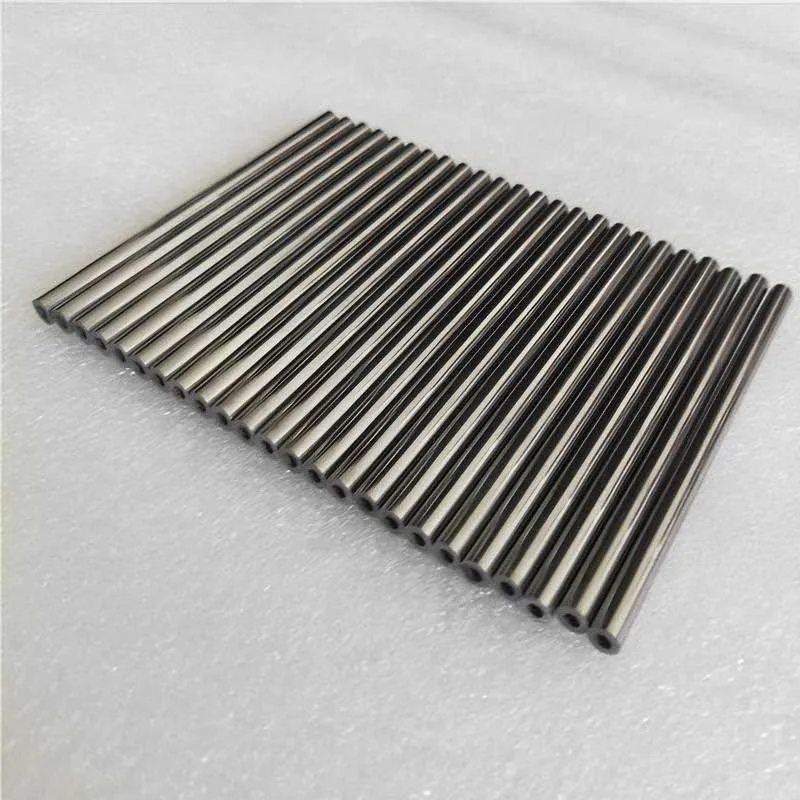
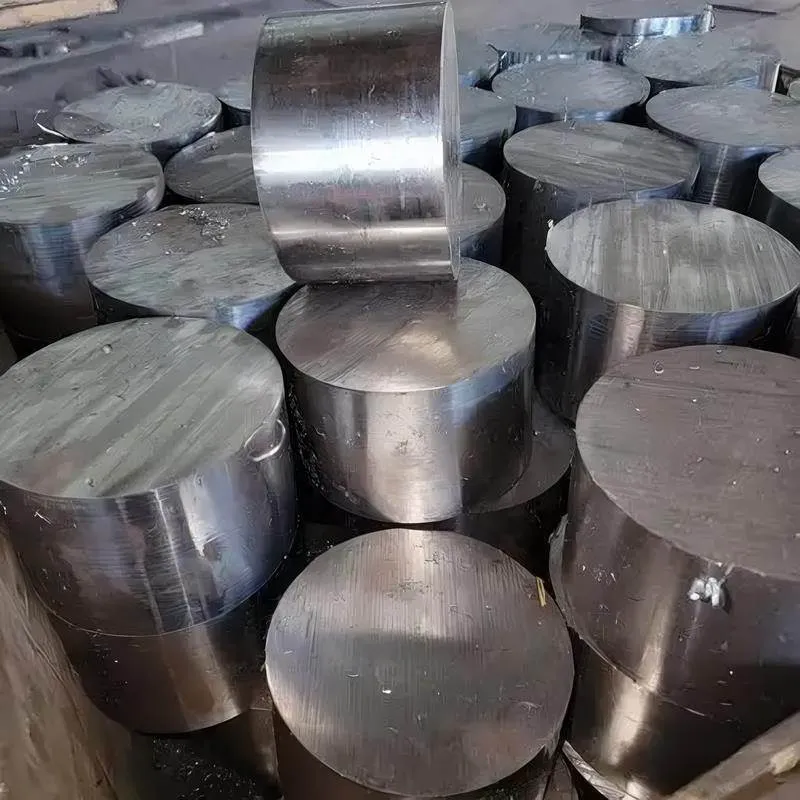
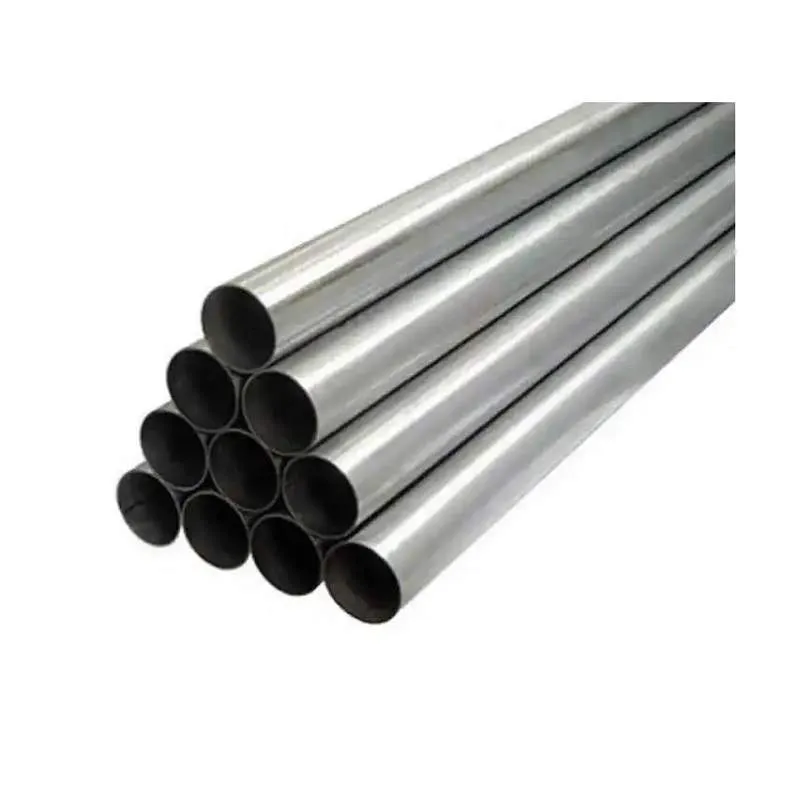
We provide 300M Ultrahigh Strength Steel is available in Bar (Round bar, Flat bar), Ribbon, Wire, Rods, Tube,Seamless Tube,Pipe, Ingots, Plate, Sheet, Strip and Forging Stock.,Purity, chemical composition, size, etc. can all be customized to meet specific requirements.
Please contact us if you need customized services. We will contact you with the price and availability in 24 hours.
300M Ultrahigh Strength Steel Product Information
-:-
For detailed product information, please contact sales.
-:
300M Ultrahigh Strength Steel Synonyms
-:-
For detailed product information, please contact sales.
-:
300M Ultrahigh Strength Steel Product Information
-:-
For detailed product information, please contact sales.
-:
# **Product Datasheet: 300M Ultrahigh-Strength Low-Alloy Steel**
## **1. Product Overview**
**300M** is a premium, vacuum-melted **ultrahigh-strength low-alloy steel** developed as an enhancement of AISI 4340. Through modifications in silicon and vanadium content, it achieves superior strength, toughness, and fatigue resistance, particularly in large sections. Designed for the most demanding aerospace and defense applications, 300M is capable of reaching a tensile strength of **1,930-2,070 MPa (280-300 ksi)** while maintaining exceptional fracture toughness. Its performance profile makes it the material of choice for critical components where failure is not an option, often replacing traditional high-strength steels in landing gear and other safety-of-flight structures.
## **2. International Standards & Designations**
| System/Authority | Designation | Specification / Standard |
| :--- | :--- | :--- |
| **Aerospace (US)** | **AMS 6257** (bars, forgings, and forging stock) | Standard Aerospace Material Specification |
| **Aerospace (US)** | AMS 6419 (forgings) | Vacuum arc remelted, normalized and tempered condition |
| **Aerospace (US)** | AMS 6415 (forgings) | Cleanliness requirements |
| **United States** | **ASTM A579** (Grade 9) | Standard Specification for Steel Forgings, Alloy, for Pressure Vessel Components |
| **SAE** | **SAE J2179** | Standard for 300M Steel (Hardenability Requirements) |
| **Military (US)** | **MIL-S-8844** | Military Specification for Steel, Alloy, Bars, Forgings, Tubing, and Rings |
| **China** | **GJB** / **QJ** Standards | Multiple specifications for aerospace applications |
| **Common Names** | 300M, 300M Steel, AISI 300M |
## **3. Chemical Composition (% by Weight)**
The composition is a modified AISI 4340 chemistry, optimized for ultrahigh strength and deep hardenability.
| Element | AMS 6257 / Typical Specification Range | Critical Function |
| :--- | :--- | :--- |
| **Carbon (C)** | **0.38 - 0.43** | Primary strength contributor; forms strong carbides. |
| **Manganese (Mn)** | 0.65 - 0.90 | Increases hardenability and solid solution strengthening. |
| **Phosphorus (P)** | ≤ 0.010 | Controlled ultra-low level to minimize embrittlement. |
| **Sulfur (S)** | ≤ 0.008 | Controlled ultra-low level for improved transverse properties. |
| **Silicon (Si)** | **1.45 - 1.80** | **Key modification:** Raises tempering resistance, improves oxidation resistance during heat treatment, and promotes temper embrittlement resistance. |
| **Nickel (Ni)** | 1.65 - 2.00 | Enhances toughness, ductility, and hardenability, especially in the core. |
| **Chromium (Cr)** | 0.70 - 0.95 | Improves hardenability, wear, and corrosion resistance. |
| **Molybdenum (Mo)** | 0.30 - 0.45 | Promotes hardenability, strength at elevated temperatures, and tempering resistance. |
| **Vanadium (V)** | **0.05 - 0.10** | **Key modification:** Forms fine carbides to inhibit grain growth during austenitizing, refining the microstructure for improved toughness. |
| **Iron (Fe)** | Balance | Base metal. |
**Note:** Material is typically produced via **Vacuum Induction Melting (VIM)** followed by **Vacuum Arc Remelting (VAR)** to achieve exceptional cleanliness (low gas and inclusion content), which is critical for its performance.
## **4. Mechanical & Physical Properties**
Properties are for material heat-treated to the standard ultrahigh-strength condition. Values are typical for sections up to ~150mm (6 in.) in diameter.
| Property | Typical Value / Range (Standard Heat Treat) | Test Standard / Condition |
| :--- | :--- | :--- |
| **Heat Treatment** | **Austenitize:** 870°C (1600°F), Oil Quench
**Temper:** **300-320°C (575-610°F)** Double Temper | Standard aerospace practice |
| **Ultimate Tensile Strength (UTS)** | **1,930 - 2,070 MPa (280 - 300 ksi)** | ASTM E8 / AMS 6257 |
| **Yield Strength (0.2% Offset)** | **1,585 - 1,725 MPa (230 - 250 ksi)** | ASTM E8 / AMS 6257 |
| **Elongation (in 50mm / 4D)** | **9% - 12%** | ASTM E8 |
| **Reduction of Area** | **35% - 50%** | ASTM E8 |
| **Hardness** | **52 - 55 HRC** | ASTM E18 |
| **Fracture Toughness (KIC)** | **55 - 75 MPa√m** | ASTM E399 | Remarkably high for this strength level |
| **Fatigue Strength (Kt=1)** | **~550 - 620 MPa (80 - 90 ksi)** at 10⁷ cycles | Rotating beam, polished specimen |
| **Modulus of Elasticity** | **205 GPa (29.7 x 10⁶ psi)** | -- |
| **Density** | **7.85 g/cm³ (0.284 lb/in³)** | -- |
| **Poisson's Ratio** | 0.29 | -- |
## **5. Key Characteristics & Advantages**
* **Unmatched Strength-Toughness Combination:** Delivers the highest commercially available combination of tensile strength (>1.9 GPa) and fracture toughness in its class.
* **Superior Fatigue Performance:** Excellent resistance to crack initiation and propagation under cyclic loading, critical for landing gear.
* **Deep & Uniform Hardenability:** Can be through-hardened in very large sections (up to ~300mm/12 in.) due to its alloy design and vacuum melting.
* **Exceptional Cleanness:** VIM/VAR melting ensures extremely low levels of non-metallic inclusions, which are primary initiation sites for fatigue cracks.
* **Good Stress Corrosion Cracking (SCC) Resistance:** For its strength level, it exhibits relatively good resistance, though protective coatings are still required in service.
* **Stable at Moderate Temperatures:** Retains its properties for short durations at temperatures up to approximately **300°C (570°F)**.
## **6. Primary Applications**
300M is almost exclusively used in the most critical, highly stressed aerospace and defense components.
* **Aircraft Landing Gear:** **Primary application.** Main landing gear pistons, truck beams, outer cylinders, and torque links for commercial airliners (Boeing, Airbus) and military aircraft (F-15, F-16, C-17).
* **Airframe Components:** Critical structural fittings, wing attachment pins, and pylons.
* **Helicopter Components:** Rotor hubs, mast supports, and landing gear.
* **High-Performance Automotive:** **Limited, high-end use** in motorsport for critical suspension components, drive shafts, and fasteners.
* **Tooling & Dies:** For heavy-duty forming and extrusion dies where extreme strength and wear resistance are needed.
* **Oil & Gas:** Downhole tools and components for deep drilling where high strength-to-weight ratio is critical.
## **7. Processing & Fabrication Guidelines**
**Extreme care is required due to the material's high strength and susceptibility to hydrogen embrittlement.**
* **Heat Treatment (Critical):**
* **Austenitizing:** 870°C ± 15°C (1600°F) in controlled atmosphere.
* **Quenching:** Agitated oil quench. **Must be tempered immediately** (within 1 hour) to prevent cracking.
* **Tempering:** **Double temper** at 300-320°C (575-610°F), each cycle for 2+ hours. Cooling in air after tempering.
* **Machining:**
* **Must be performed in the annealed condition** (typical hardness ~225 HB). Machining in the hardened state is extremely difficult.
* Use premium carbide or ceramic tooling with high rigidity setups.
* **Grinding:**
* Use soft-grade wheels and light passes with abundant coolant to avoid "grinding burn" (localized overtempering or reaustenitization).
* **Welding:**
* **Generally not recommended** in the final heat-treated condition due to extreme risk of cracking and property degradation.
* If unavoidable, requires specialized procedures: post-weld heat treatment identical to base metal and verification of restored properties. Usually limited to repair of annealed material.
* **Plating & Coatings:** **HIGH RISK OF HYDROGEN EMBRITTLEMENT.**
* Cadmium plating (common for corrosion protection) must be followed by a **mandatory baking process** (typically 190°C/375°F for 24+ hours) to drive out absorbed hydrogen.
* Alternatives like HVOF thermal spray coatings are increasingly preferred.
## **8. Limitations & Design Considerations**
* **High Cost:** VIM/VAR melting and stringent processing controls make it significantly more expensive than conventional alloy steels.
* **Hydrogen Embrittlement Sensitivity:** Extremely sensitive; any hydrogen-producing process (plating, acid pickling, corrosion) requires strict mitigation.
* **Poor Corrosion Resistance:** Requires comprehensive protective coating systems for service.
* **Complex Processing:** Requires highly specialized heat treatment and finishing expertise.
## **9. Quality Assurance & Certification**
Material is supplied with extensive certification per aerospace standards (AMS, NADCAP-accredited processes), including:
* **Melt Method Certification:** VIM/VAR.
* **Chemical Analysis:** For all specified elements.
* **Mechanical Tests:** Tensile, hardness, and often fracture toughness (KIC).
* **Cleanliness Ratings:** Per AMS 2301 (Sampling for Inclusion Content) or AMS 6415.
* **Ultrasonic Inspection:** Mandatory for critical applications to detect internal flaws.
---
**Disclaimer:** This datasheet contains typical information for reference. **300M is a critical aerospace material with stringent, application-specific processing requirements.** All handling, processing, and design must strictly adhere to the governing OEM specifications, approved procedures, and the latest revisions of standards like **AMS 6257**. Final approval for use must come from qualified materials and stress engineering authorities.
-:-
For detailed product information, please contact sales.
-:
300M Ultrahigh Strength Steel Specification
Dimensions
Size:
Diameter 20-1000 mm Length <6406 mm
Size:We can customized as required
Standard:
Per your request or drawing
We can customized as required
Properties(Theoretical)
Chemical Composition
-:-
For detailed product information, please contact sales.
-:
300M Ultrahigh Strength Steel Properties
-:-
For detailed product information, please contact sales.
-:
Applications of 300M Ultrahigh Strength Steel
-:-
For detailed product information, please contact sales.
-:
Chemical Identifiers 300M Ultrahigh Strength Steel
-:-
For detailed product information, please contact sales.
-:
Packing of 300M Ultrahigh Strength Steel
-:-
For detailed product information, please contact sales.
-:
Standard Packing:
-:-
For detailed product information, please contact sales.
-:
Typical bulk packaging includes palletized plastic 5 gallon/25 kg. pails, fiber and steel drums to 1 ton super sacks in full container (FCL) or truck load (T/L) quantities. Research and sample quantities and hygroscopic, oxidizing or other air sensitive materials may be packaged under argon or vacuum. Solutions are packaged in polypropylene, plastic or glass jars up to palletized 2877 gallon liquid totes Special package is available on request. E FORUs’ is carefully handled to minimize damage during storage and transportation and to preserve the quality of our products in their original condition