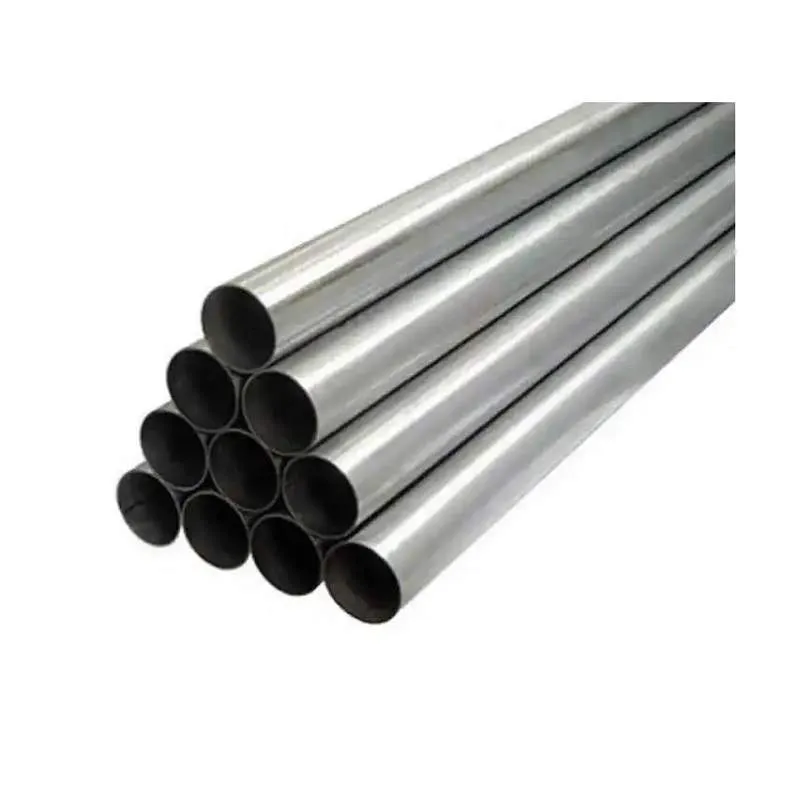
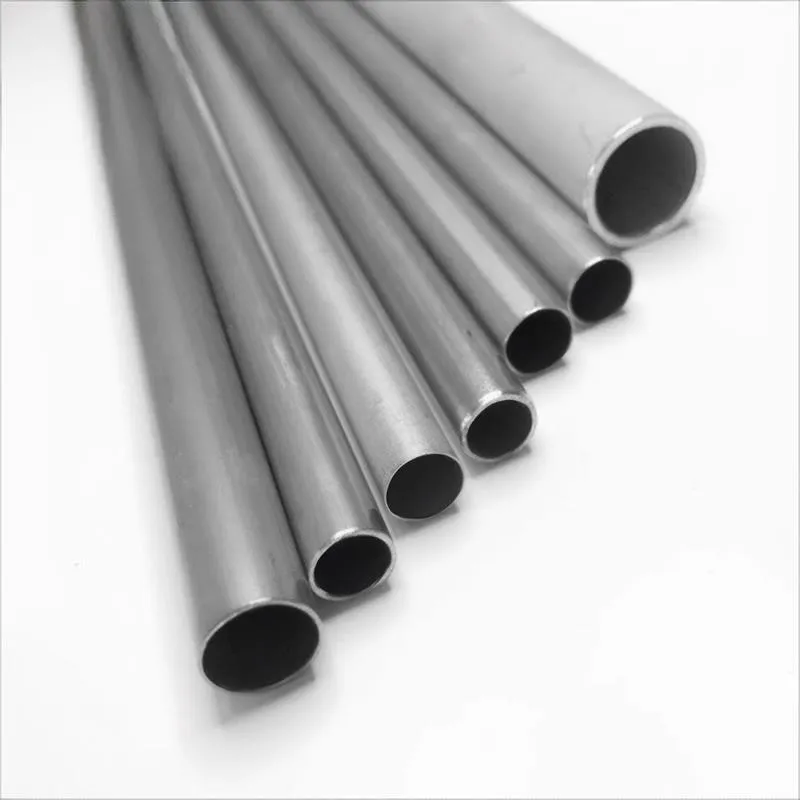
AISI 4817 Steel Tube,Pipe
Product Code : STI-CSTI-933-CU
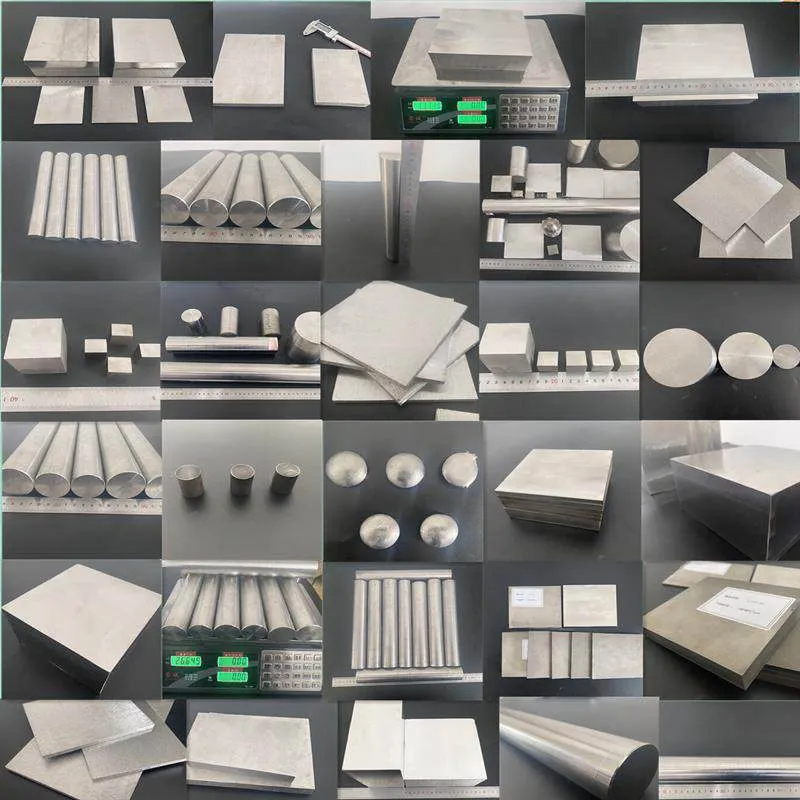
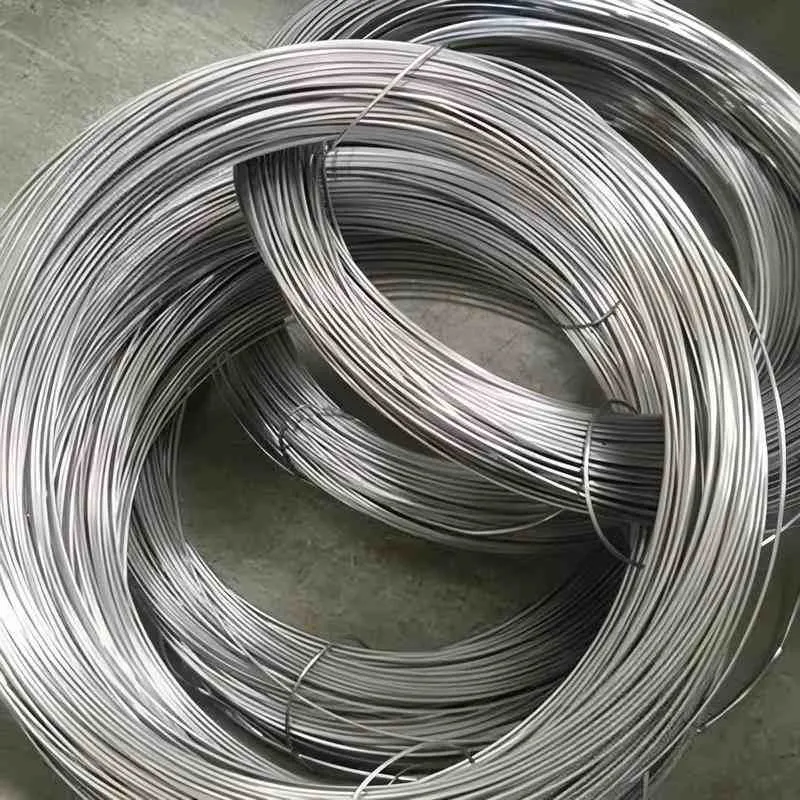
We provide AISI 4817 Steel Tube is available in Bar (Round bar, Flat bar), Ribbon, Wire, Rods, Tube,Seamless Tube,Pipe, Ingots, Plate, Sheet, Strip and Forging Stock.,Purity, chemical composition, size, etc. can all be customized to meet specific requirements.AISI 4817 Steel Pipe
Please contact us if you need customized services. We will contact you with the price and availability in 24 hours.
AISI 4817 Steel Tube Product Information
-:-
For detailed product information, please contact sales.
-:
AISI 4817 Steel Tube Synonyms
-:-
For detailed product information, please contact sales.
-:
AISI 4817 Steel Product Information
-:-
For detailed product information, please contact sales.
-:
# Technical Data Sheet: AISI 4817 Steel
## 1. Product Overview
**AISI 4817** is a nickel-molybdenum alloy steel specifically formulated for **case hardening applications**, particularly **carburizing**. Characterized by its **significantly higher nickel content** (3.25-3.75%) compared to standard nickel alloy steels, AISI 4817 is engineered to provide **exceptional core toughness and impact resistance** while maintaining good hardenability through the addition of molybdenum. The relatively low base carbon content (0.15-0.20%) ensures excellent ductility in the annealed state and allows for deep case hardening without compromising core properties. This steel is particularly valued in applications where components must withstand severe shock loading, impact forces, and fatigue stresses in demanding service environments.
## 2. Material Specifications & Standards
* **UNS Designation:** G48170
* **AISI/SAE:** 4817
* **Primary Material Standards:**
* **SAE J404:** Chemical Compositions of SAE Alloy Steels
* **ASTM A322:** Standard Specification for Steel Bars, Alloy, Standard Grades
* **ASTM A534:** Standard Specification for Carburizing Steels for Anti-Friction Bearings
* **Heat Treatment Standards:**
* **SAE J1268:** Heat Treatment of Steel
* **AMS 2759/7:** Carburizing and Carbonitriding (Aerospace)
* **International Equivalents:**
* **EN/DIN:** 17NiCrMoS6-4 / 1.6566 (Note: European grades may have variations in exact composition)
* **JIS:** SNCM431 (or similar, as Japanese standards have different classification)
* **GB:** 17CrNiMo6 (China, similar grade)
## 3. Chemical Composition (SAE J404 Standard)
| Element | Content Range (%) | Metallurgical Function |
|---------|-------------------|------------------------|
| **Carbon (C)** | 0.15–0.20 | Provides base hardenability while maintaining excellent core toughness; optimal for deep case development |
| **Manganese (Mn)** | 0.40–0.70 | Enhances hardenability, improves strength through solid solution strengthening |
| **Phosphorus (P)** | ≤0.035 | Residual element, controlled to minimize detrimental effects |
| **Sulfur (S)** | ≤0.040 | Residual element; may be specified as "Free-Machining" with controlled sulfur additions |
| **Silicon (Si)** | 0.15–0.35 | Deoxidizer during steelmaking; provides solid solution strengthening |
| **Nickel (Ni)** | 3.25–3.75 | **Primary alloying element:** Dramatically improves core toughness, impact resistance, and fracture toughness; enhances hardenability |
| **Chromium (Cr)** | — | Not a specified alloying element in standard 4817 (may be present as residual ≤0.20%) |
| **Molybdenum (Mo)** | 0.20–0.30 | **Critical addition:** Refines grain structure, improves hardenability (especially in heavier sections), reduces temper embrittlement susceptibility |
## 4. Typical Physical & Mechanical Properties
### 4.1 Properties in Annealed Condition (Typical for Machining):
* **Hardness:** 149–187 HB (Approx. 85–93 HRB)
* **Tensile Strength:** 515–655 MPa (75–95 ksi)
* **Yield Strength:** 275–415 MPa (40–60 ksi)
* **Elongation:** 25–30% in 50 mm
* **Reduction of Area:** 50–60%
* **Machinability:** Good (approximately 65% of 1212 steel standard)
* **Modulus of Elasticity:** 200–205 GPa (29–30 × 10⁶ psi)
### 4.2 Properties After Standard Carburizing & Heat Treatment:
* **Case (Surface) Properties:**
* **Hardness:** 58–63 HRC (after carburizing, quenching, and tempering)
* **Effective Case Depth:** Typically 0.5–2.5 mm (0.020–0.100 in.) to 550 HV
* **Microstructure:** High-carbon martensite with fine carbides
* **Core Properties:**
* **Hardness:** 32–40 HRC (depending on section size and quench severity)
* **Tensile Strength:** 950–1200 MPa (138–174 ksi)
* **Yield Strength:** 750–1000 MPa (109–145 ksi)
* **Elongation:** 12–18%
* **Impact Toughness (Charpy V-notch):** **Exceptional:** Typically 50–80 J (37–59 ft-lb) at room temperature
* **Fracture Toughness:** Excellent due to high nickel content
## 5. Heat Treatment Characteristics
### 5.1 Recommended Heat Treatment Cycles:
* **Annealing:** Full anneal at 830–860°C (1525–1580°F), slow cool
* **Normalizing:** 870–900°C (1600–1650°F), air cool
* **Carburizing:** 900–925°C (1650–1700°F) in carbon-rich atmosphere
* **Hardening:**
- Direct quench from carburizing temperature, or
- Reheat to 800–830°C (1470–1525°F) and quench
* **Quenching Medium:** Oil (standard), or fast oil for heavier sections
* **Tempering:** 150–230°C (300–450°F) for 2–4 hours depending on section size
### 5.2 Hardenability Characteristics:
* **Good hardenability** due to nickel and molybdenum content
* Suitable for sections up to 75–100 mm (3–4 in.) diameter with proper quenching
* **Jominy hardenability:** Shows good depth of hardening with relatively flat curve due to nickel content
## 6. Key Characteristics & Advantages
1. **Exceptional Core Toughness:** The high nickel content (3.25–3.75%) provides superior impact resistance and fracture toughness compared to lower-nickel carburizing steels.
2. **Good Fatigue Resistance:** Combined case hardness and tough core provide excellent resistance to bending and contact fatigue.
3. **Deep Hardenability:** Molybdenum addition ensures good through-hardening capability for moderate to large sections.
4. **Dimensional Stability:** Responds well to heat treatment with predictable growth and distortion characteristics.
5. **Good Wear Resistance:** When properly carburized, develops a hard, wear-resistant surface suitable for severe service.
6. **Crack Propagation Resistance:** High nickel content provides excellent resistance to crack initiation and propagation.
## 7. Typical Applications
AISI 4817 is specified for **high-performance, critical components** subjected to severe shock loading, impact, and fatigue stresses:
* **Aerospace & Defense:**
- Aircraft landing gear components
- Helicopter transmission gears and shafts
- Jet engine accessory drive gears
- Missile and weapons system components
* **Heavy Equipment & Mining:**
- Large gears for crushers and mills
- Mining shovel and dragline components
- Heavy-duty axle shafts
- Track rollers and idlers for extreme service
* **Power Generation:**
- Gears for wind turbine gearboxes
- Turbine and generator shafts
- Large bearing components
* **Specialty Automotive:**
- High-performance racing transmission components
- Heavy-duty truck differential gears
- Off-road vehicle drivetrain components
* **Industrial Machinery:**
- Large gear sets for heavy machinery
- Rolling mill components
- Critical pins and bushings
## 8. Machining & Welding Characteristics
### 8.1 Machinability:
* **Annealed Condition:** Good machinability with proper tools and coolants
* **Hardened Condition:** Requires grinding, honing, or hard turning with appropriate tooling
* **Recommended:** Use sharp tools, positive rake angles, and adequate cooling
### 8.2 Welding:
* **Weldability:** Fair to good with proper precautions
* **Pre-heat:** 150–260°C (300–500°F) recommended
* **Post-Weld Heat Treatment:** Full heat treatment recommended to restore properties
* **Filler Metals:** Use matching or slightly overalloyed filler metals
* **Note:** Not typically welded after carburizing
## 9. Available Forms & Conditions
* **Forms:** Round, square, and flat bars; forging billets; blanks
* **Standard Conditions:** Annealed, hot-rolled, or normalized
* **Special Conditions:** Spheroidize annealed for improved machinability
* **Sizes:** Typically available in diameters from 10–300 mm (0.4–12 in.)
## 10. Quality Assurance & Testing
* **Standard Testing:** Chemical analysis, hardness testing, microstructure evaluation
* **Advanced Testing:** Jominy hardenability, Charpy impact, tensile testing
* **Non-Destructive Testing:** Ultrasonic, magnetic particle, or dye penetrant as required
* **Certification:** Mill test certificates available with chemical analysis and mechanical properties
## 11. Comparison with Similar Grades
| Grade | Ni Content | Core Toughness | Typical Applications | Cost Factor |
|-------|------------|----------------|----------------------|-------------|
| **AISI 4817** | 3.25–3.75% | **Exceptional** | Severe shock/impact loading | High |
| AISI 8620 | 0.40–0.70% | Good | General carburizing | Low-Medium |
| AISI 9310 | 3.00–3.50% | Excellent | Aerospace gearing | Very High |
| AISI 4320 | 1.65–2.00% | Very Good | Heavy-duty applications | Medium-High |
## 12. Environmental & Safety Considerations
* **Compliance:** RoHS and REACH compliant
* **Recyclability:** 100% recyclable as alloy steel scrap
* **Safety:** Standard steel handling precautions apply
* **Heat Treatment:** Follow proper furnace and quenching safety procedures
---
**Important Note:** The properties and performance of AISI 4817 are highly dependent on proper heat treatment processing. For critical applications, consultation with a metallurgical engineer is recommended to optimize the heat treatment cycle for specific component requirements. This data sheet provides typical values and characteristics; actual properties may vary based on manufacturing processes, heat treatment parameters, and section size.
-:-
For detailed product information, please contact sales.
-:
AISI 4817 Steel Specification
Dimensions
Size:
Diameter 20-1000 mm Length <5665 mm
Size:We can customized as required
Standard:
Per your request or drawing
We can customized as required
Properties(Theoretical)
Chemical Composition
-:-
For detailed product information, please contact sales.
-:
AISI 4817 Steel Properties
-:-
For detailed product information, please contact sales.
-:
Applications of AISI 4817 Steel Tube
-:-
For detailed product information, please contact sales.
-:
Chemical Identifiers AISI 4817 Steel Tube
-:-
For detailed product information, please contact sales.
-:
Packing of AISI 4817 Steel Tube
-:-
For detailed product information, please contact sales.
-:
Standard Packing:
-:-
For detailed product information, please contact sales.
-:
Typical bulk packaging includes palletized plastic 5 gallon/25 kg. pails, fiber and Steel Tube drums to 1 ton super sacks in full container (FCL) or truck load (T/L) quantities. Research and sample quantities and hygroscopic, oxidizing or other air sensitive materials may be packaged under argon or vacuum. Solutions are packaged in polypropylene, plastic or glass jars up to palletized 2136 gallon liquid totes Special package is available on request. E FORUs’ is carefully handled to minimize damage during storage and transportation and to preserve the quality of our products in their original condition