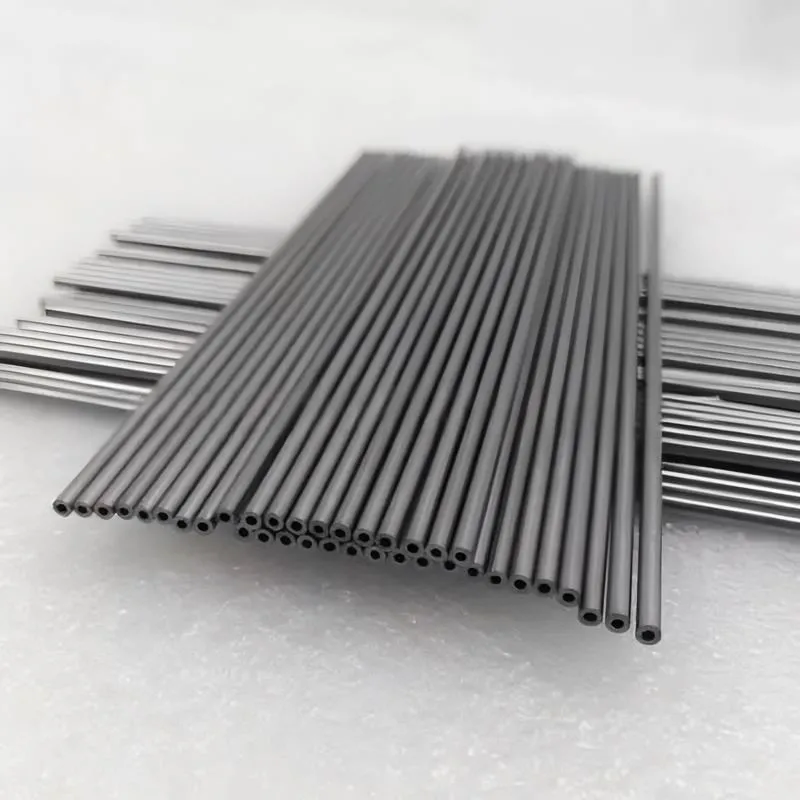
Carpenter Micro-Melt® T-15 Alloy (AISI T15)
Product Code : STI-CSTI-493-CU
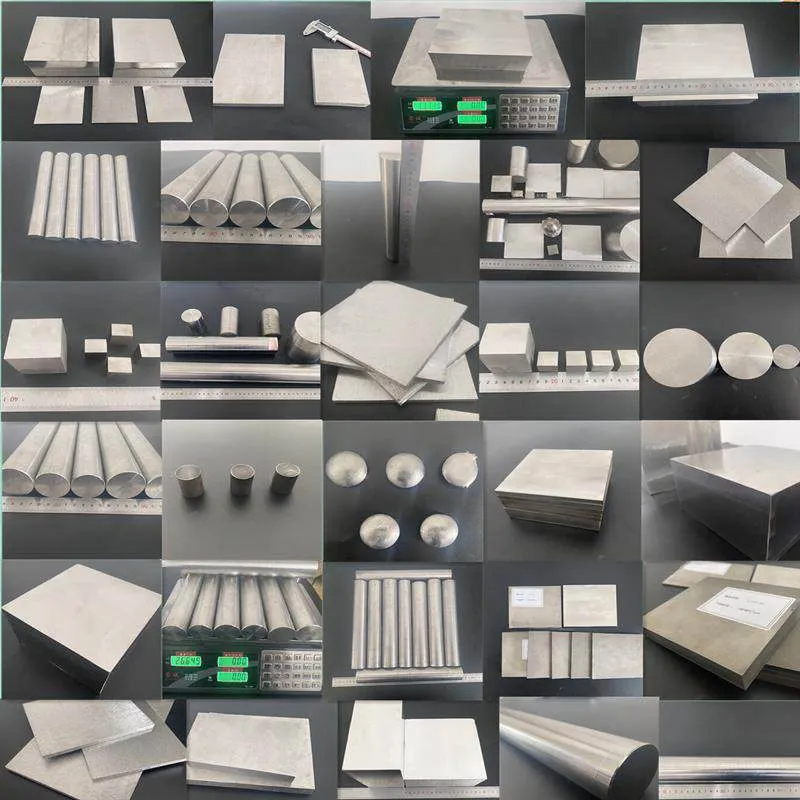
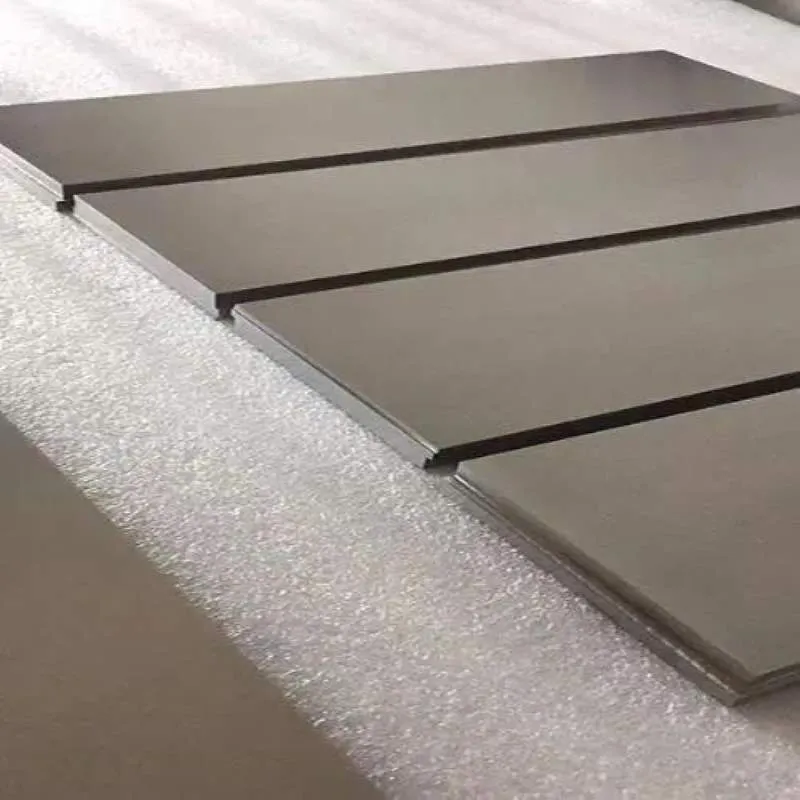
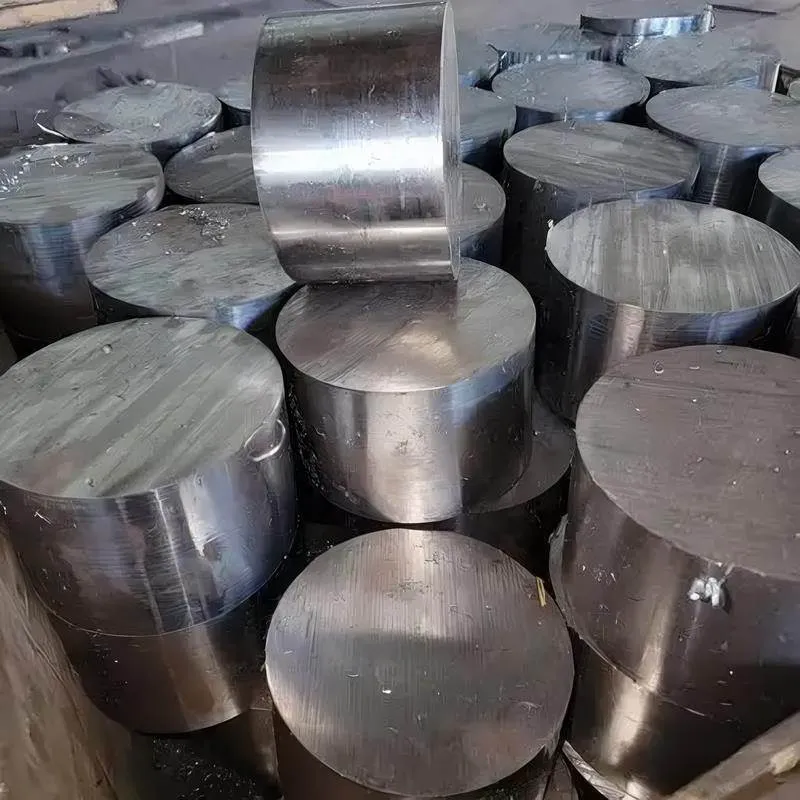
We provide Carpenter Micro-Melt® T-15 Alloy (AISI T15) is available in Bar (Round bar, Flat bar), Ribbon, Wire, Rods, Tube,Seamless Tube,Pipe, Ingots, Plate, Sheet, Strip and Forging Stock.,Purity, chemical composition, size, etc. can all be customized to meet specific requirements.
Please contact us if you need customized services. We will contact you with the price and availability in 24 hours.
Carpenter Micro-Melt® T-15 Alloy (AISI T15) Product Information
-:-
For detailed product information, please contact sales.
-:
Carpenter Micro-Melt® T-15 Alloy (AISI T15) Synonyms
-:-
For detailed product information, please contact sales.
-:
Carpenter Micro-Melt® T-15 Alloy (AISI T15) Product Information
-:-
For detailed product information, please contact sales.
-:
# **Technical Datasheet: Carpenter Micro-Melt® T-15 Alloy (AISI T15)**
---
## **1. Product Overview**
**Carpenter Micro-Melt® T-15** represents the **apex of conventional high-speed steel (HSS) technology**, produced via the advanced **powder metallurgy (PM)** process. As the premium evolution of the standard **AISI T15** alloy, it is a **high-carbon, high-vanadium, cobalt-bearing tungsten-based HSS**, engineered for maximum **hot hardness, wear resistance, and cutting performance** under the most severe conditions. The Micro-Melt® process fundamentally transforms the material by creating an **ultra-fine, homogeneous, and isotropic microstructure** free from the carbide segregation and brittleness inherent in conventionally cast and wrought T15.
This alloy is designed for applications where extreme abrasive wear and high-temperature softening are the primary failure mechanisms, outperforming all other standard HSS grades. It is the material of choice for machining ultra-hard, abrasive, and high-temperature alloys where productivity and tool life are critical.
---
## **2. Key International Standards & Designations**
| Country/System | Standard Designation | Equivalent/Similar Grade |
| :--- | :--- | :--- |
| **USA (Carpenter)** | **Micro-Melt® T-15** | Proprietary PM HSS |
| **USA (AISI/SAE)** | **AISI T15** | UNS T12015 |
| **USA (ASTM)** | **ASTM A600** | Grade T15 |
| **ISO** | **ISO 4957:2018** | **HS12-1-5-5 / 1.3202** |
| **Europe (EN)** | **EN ISO 4957:2018** | **1.3202** |
| **Germany (DIN/W-Nr.)** | **1.3202** | S 12-1-4-5 |
| **Japan (JIS)** | **JIS G4403** | **SKH10** |
| **Common Names** | **"Super T15"**, Ultra-High-Speed Steel | - |
**Note:** The "Micro-Melt®" designation is Carpenter's proprietary trademark for its powder metallurgy process, which is **essential** for unlocking the full potential of the T15 composition, making it a viable and reliable engineering material.
---
## **3. Chemical Composition (Typical %)**
The composition is aggressively alloyed to maximize performance at the expense of manufacturability in conventional forms—a challenge solved by the PM process.
| Element | Weight % (Typical) | Metallurgical Function & Significance |
| :--- | :--- | :--- |
| **Carbon (C)** | 1.50 - 1.60 | Very high carbon to match the high alloy content, ensuring matrix saturation and supporting the massive volume of ultra-hard carbides. |
| **Tungsten (W)** | 11.75 - 12.75 | **Primary alloy.** Provides exceptional solid solution strengthening and the highest level of **hot hardness (red-hardness)**. Forms stable **M₆C carbides**. |
| **Cobalt (Co)** | **4.75 - 5.25** | **Critical Enhancer.** Does not form carbides. Increases the matrix's **tempering resistance and hot hardness** by raising the dissolution temperature of other alloy carbides during heating. |
| **Vanadium (V)** | **4.75 - 5.25** | **Key Wear Element.** Forms an extremely high volume of the hardest **MC-type vanadium carbides (≥2800 HV)**. This grants T-15 its **legendary abrasive wear resistance**, unmatched by other HSS. |
| **Chromium (Cr)** | 4.00 - 4.50 | Provides hardenability, some wear resistance (M₇C₃ carbides), and oxidation resistance. |
| **Molybdenum (Mo)** | - | **Not present.** T15 is a **tungsten-type HSS**, distinguishing it from molybdenum-type (M-series) grades. |
**Key Microstructural Advantage of Micro-Melt® Process:**
- **Carbide Refinement:** The high volume of large, brittle vanadium and tungsten carbides in wrought T15 is replaced by a uniform dispersion of **fine (2-5 µm), rounded carbides**.
- **Elimination of Segregation:** No carbide networks or banding, resulting in **isotropic properties**—critical for complex cutting tools.
- **Improved Toughness:** The fine, homogeneous structure provides **dramatically higher transverse rupture strength and impact toughness** compared to wrought T15, making it a usable engineering material rather than a brittle curiosity.
---
## **4. Physical & Mechanical Properties**
### **4.1 Standard Heat Treatment (Micro-Melt® T-15)**
* **Preheating:** **Imperative.** Double or triple preheat at 650°C (1200°F), 850°C (1560°F), and optionally 1050°C (1920°F) to prevent thermal shock.
* **Austenitizing:** **1220-1250°C (2230-2280°F).** Very high temperature required for carbide solutioning. Must use vacuum or salt bath furnace with precise control (±5°C).
* **Quenching:** **Oil, salt bath, or high-pressure gas.** Rapid cooling is essential.
* **Tempering:** **Triple or quadruple tempering is mandatory.** Temper at **540-580°C (1000-1075°F)** for 2+ hours each, cooling completely to room temperature between cycles. **Cryogenic treatment** (-80°C to -196°C) between quenching and tempering is highly recommended to maximize retained austenite transformation.
* **Expected Hardness:** **66-68 HRC** (among the highest achievable for HSS).
### **4.2 Mechanical Properties (Hardened & Tempered)**
| Property | Value / Rating | Advantage vs. Wrought T15 |
| :--- | :--- | :--- |
| **Hardness** | **66 - 68 HRC** | Achieves and maintains the theoretical maximum hardness consistently. |
| **Hot Hardness (at 600°C/1112°F)** | **~60-62 HRC** | **Best-in-Class.** Cobalt and high tungsten content provide unparalleled softening resistance. |
| **Transverse Rupture Strength (TRS)** | **2,800 - 3,400 MPa** | **2-3 times higher than wrought T15.** Enables usable tool geometries. |
| **Compressive Strength** | ~ 3,800 - 4,200 MPa | Extremely high, suitable for heavy machining loads. |
| **Abrasive Wear Resistance** | **Exceptional / Best-in-Class (HSS)** | The combination of very high hardness and the highest volume of vanadium carbides provides unmatched life in abrasive machining. |
| **Grindability** | **Fair (A Remarkable Achievement)** | **The PM process makes it grindable.** Wrought T15 is notoriously near-impossible to grind. This is a transformative improvement. |
### **4.3 Physical Properties (Approximate)**
* Density: 8.30 g/cm³
* Thermal Conductivity: ~20 W/m·K (Low)
* Coefficient of Thermal Expansion: 11.2 x 10⁻⁶/K (20-500°C)
* Modulus of Elasticity: 220-225 GPa
---
## **5. Typical Product Applications**
Micro-Melt® T-15 is reserved for the **most demanding, high-value machining operations** where no other HSS or even carbide can provide the necessary combination of toughness and wear resistance.
* **Ultra-High-Performance Cutting Tools:**
* **Solid End Mills & Drills:** For machining **hardened steels (45+ HRC), high-temperature alloys (Inconel, Waspaloy), titanium alloys, and abrasive composites.**
* **Gear Hobs & Shaper Cutters:** For dry or high-speed gear machining of tough materials.
* **Broaches, Reamers, and Form Tools:** For high-precision, high-wear applications.
* **Inserts & Tool Bits:** For turning superalloys where ceramic or CBN inserts are too brittle.
* **Severe Wear Parts:**
* **Cold Work Dies** for extremely abrasive non-metallic materials.
* **Knives and wear components** in processing abrasive industrial materials.
---
## **6. Processing & Manufacturing Guidelines**
* **Machinability (Annealed ~280 HB):** **Very Poor.** The uniform hardness and fine carbides of annealed PM steel are challenging. Requires premium CBN or coated carbide tooling, low speeds, and high rigidity.
* **Grindability:** **Fair.** This is its **key enabling characteristic.** Use **CBN (Cubic Boron Nitride) wheels** for all finishing operations. Aluminum oxide wheels will glaze instantly. Light cuts and ample coolant are mandatory.
* **EDM Machining:** The preferred method for complex shapes. Excellent machinability and surface integrity. A stress relief temper after EDM is critical.
* **Surface Treatments/Coatings:** An excellent substrate for advanced **PVD coatings (AlTiN, AlCrN, diamond-like carbon)**. The extreme base hardness and thermal stability allow coatings to perform at their peak. Pre-coating polish is excellent.
---
## **7. Comparative Performance & Selection Notes**
| Criterion | **Micro-Melt® T-15** | **Micro-Melt® M-4** | **Cemented Carbide** | **Ceramic (Si₃N₄/Al₂O₃)** |
| :--- | :--- | :--- | :--- | :--- |
| **Hot Hardness** | **Best (HSS)** | Excellent | Very Good | **Superior** |
| **Wear Resistance** | **Best (HSS)** | Excellent | Good | Excellent |
| **Toughness** | **Good (for HSS)** | Very Good | Poor | **Very Poor** |
| **Grindability** | Fair | Good | N/A (sintered) | N/A |
| **Application Sweet Spot** | **Hard/Abvasive, Intermittent Cut** | Abvasive, Complex Tools | General Productivity | High-Speed, Continuous Cut |
**When to Choose Micro-Melt® T-15:**
1. Machining materials that are **both very hard and highly abrasive**.
2. Operations involve **intermittent cuts, shock, or less-than-ideal rigidity** where carbide would fracture.
3. Tools require a **keen, strong cutting edge** that must maintain its shape under high heat (e.g., intricate form tools).
4. **Maximum possible speed and feed with a HSS tool** is the goal in superalloy machining.
**Limitations:**
- **Very High Cost:** The most expensive standard HSS grade.
- **Complex Heat Treatment:** Requires exceptional furnace capability and expertise.
- **Not a Shock-Resistant Steel:** Though tougher than wrought, it is still a **wear-resistant HSS**.
---
## **8. Conclusion**
**Carpenter Micro-Melt® T-15 is the undisputed pinnacle of high-speed steel performance, made practical and reliable through advanced powder metallurgy.** It delivers on the long-held promise of the T15 composition—**unrivaled hot hardness and wear resistance**—while overcoming its historical fatal flaw: extreme brittleness.
For the most challenging machining applications in the aerospace, power generation, and mold & die industries, it provides a unique solution:
- **HSS Toughness** to withstand unpredictable cutting conditions.
- **Near-Carbide Wear Resistance** for extended tool life.
- **Superior Hot Hardness** to maintain an edge where other HSS grades fail.
Choosing Micro-Melt® T-15 is a strategic investment for **critical, high-value machining operations** where the cost of downtime, scrap, or subpar finish far outweighs the premium material cost. It is not a general-purpose steel, but for its intended purpose, **it has no equal in the realm of high-speed steel.**
-:-
For detailed product information, please contact sales.
-:
Carpenter Micro-Melt® T-15 Alloy (AISI T15) Specification
Dimensions
Size:
Diameter 20-1000 mm Length <5225 mm
Size:We can customized as required
Standard:
Per your request or drawing
We can customized as required
Properties(Theoretical)
Chemical Composition
-:-
For detailed product information, please contact sales.
-:
Carpenter Micro-Melt® T-15 Alloy (AISI T15) Properties
-:-
For detailed product information, please contact sales.
-:
Applications of Carpenter Micro-Melt® T-15 Alloy (AISI T15)
-:-
For detailed product information, please contact sales.
-:
Chemical Identifiers Carpenter Micro-Melt® T-15 Alloy (AISI T15)
-:-
For detailed product information, please contact sales.
-:
Packing of Carpenter Micro-Melt® T-15 Alloy (AISI T15)
-:-
For detailed product information, please contact sales.
-:
Standard Packing:
-:-
For detailed product information, please contact sales.
-:
Typical bulk packaging includes palletized plastic 5 gallon/25 kg. pails, fiber and steel drums to 1 ton super sacks in full container (FCL) or truck load (T/L) quantities. Research and sample quantities and hygroscopic, oxidizing or other air sensitive materials may be packaged under argon or vacuum. Solutions are packaged in polypropylene, plastic or glass jars up to palletized 1696 gallon liquid totes Special package is available on request. E FORUs’ is carefully handled to minimize damage during storage and transportation and to preserve the quality of our products in their original condition