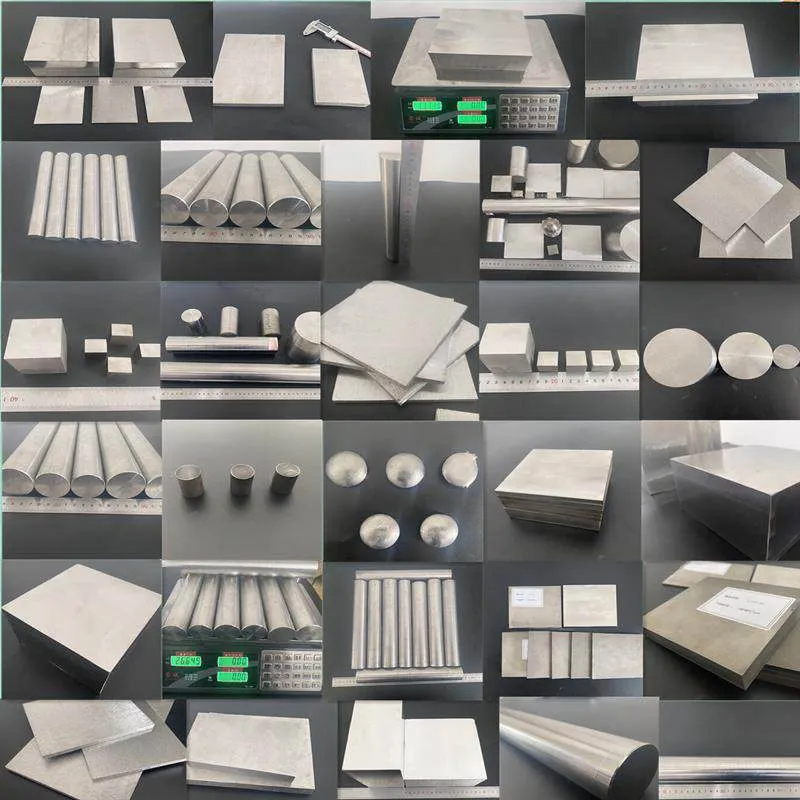
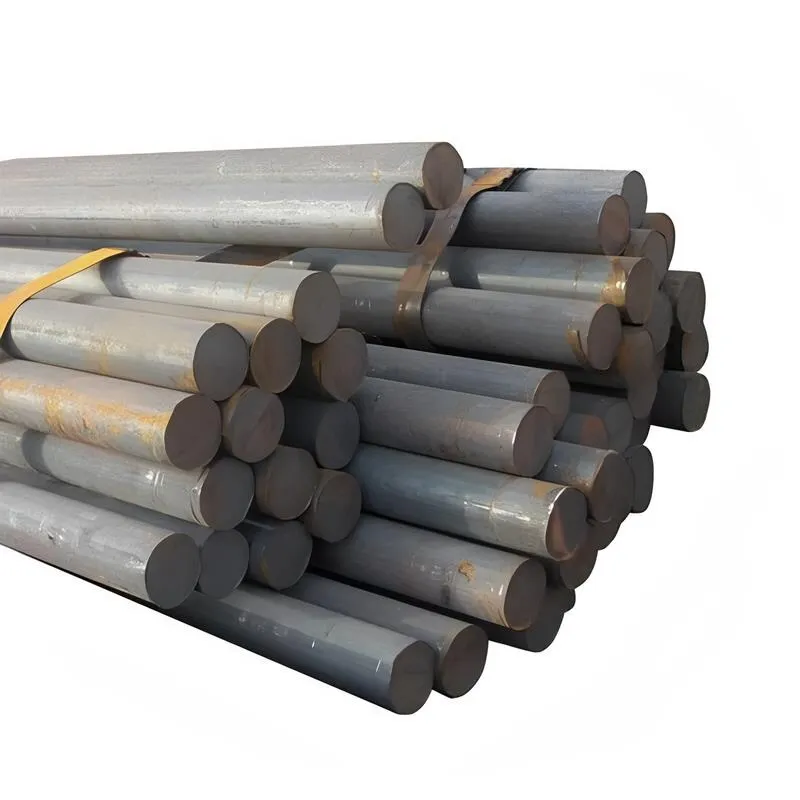
Latrobe LSS™ D3 Tool Steel (ASTM D3)
Product Code : STI-CSTI-623-CU
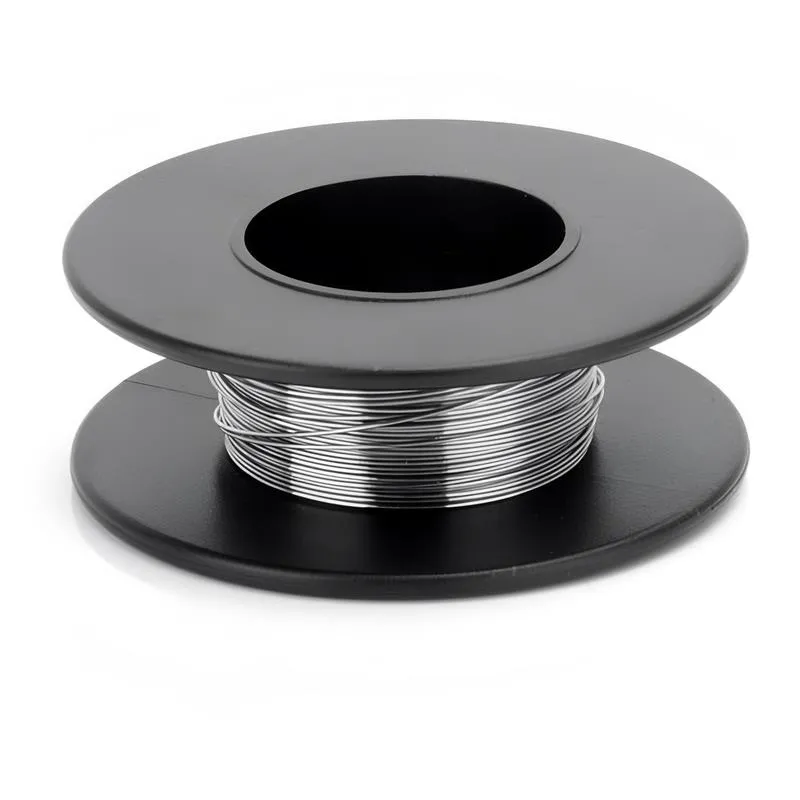
We provide Latrobe LSS™ D3 Tool Steel (ASTM D3) is available in Bar (Round bar, Flat bar), Ribbon, Wire, Rods, Tube,Seamless Tube,Pipe, Ingots, Plate, Sheet, Strip and Forging Stock.,Purity, chemical composition, size, etc. can all be customized to meet specific requirements.
Please contact us if you need customized services. We will contact you with the price and availability in 24 hours.
Latrobe LSS™ D3 Tool Steel (ASTM D3) Product Information
-:-
For detailed product information, please contact sales.
-:
Latrobe LSS™ D3 Tool Steel (ASTM D3) Synonyms
-:-
For detailed product information, please contact sales.
-:
Latrobe LSS™ D3 Tool Steel (ASTM D3) Product Information
-:-
For detailed product information, please contact sales.
-:
# **Latrobe LSS™ D3 Tool Steel (ASTM D3)**
## **Product Overview**
Latrobe LSS™ D3 is a premium-grade, high-carbon, high-chromium, **oil-hardening** cold work tool steel, representing a classic and highly cost-effective choice for applications demanding **exceptional wear resistance and high compressive strength**. While similar in wear resistance to its air-hardening counterpart D2, D3 distinguishes itself through its oil-quenching process, making it particularly suitable for tools with simpler geometries or where the economic benefits of oil hardening are prioritized. It is renowned for its excellent resistance to abrasive wear in applications involving non-ferrous metals, plastics, and wood.
## **Key Features & Benefits**
* **Outstanding Abrasive Wear Resistance:** Contains a very high volume of hard chromium carbides (M₇C₃ type), providing wear resistance comparable to D2, making it ideal for long-run tooling on abrasive materials.
* **High Compressive Strength:** Capable of withstanding extreme pressure without deformation, essential for cold forming, coining, and stamping operations.
* **Cost-Effectiveness:** Typically more economical than air-hardening grades like D2, due to a simpler alloy balance and oil-quenching process, offering an excellent price-to-performance ratio for wear applications.
* **Good Dimensional Control (in simple shapes):** When properly heat treated, it can achieve good dimensional stability, though it is more prone to distortion and size change than air-hardening grades due to the severity of oil quenching.
* **Excellent Finishing Characteristics:** Can achieve a very fine polish and is receptive to chrome plating, which is beneficial for plastic injection molds and dies requiring a high-quality surface finish.
## **International Standard & Designations**
* **Primary Standard:** **ASTM A681-08 (R2019):** Standard Specification for Tool Steel Alloy.
* **Grade:** **D3**
* **Manufacturer's Designation:** **Latrobe LSS™ D3**
* **Unified Numbering System (UNS):** **T30403**
* **Common International Equivalents:**
* **ISO:** **~210Cr12** (Closest equivalent)
* **Germany (DIN/W-Nr.):** **1.2080 / X210Cr12**
* **Japan (JIS):** **SKD1**
* **Sweden (SS):** **2312**
## **Chemical Composition (%, typical - ASTM D3)**
The chemistry is focused on high carbon and chromium for maximum carbide formation.
| Carbon (C) | Chromium (Cr) | Manganese (Mn) | Silicon (Si) | Vanadium (V) | Molybdenum (Mo) | Iron (Fe) |
| :--- | :--- | :--- | :--- | :--- | :--- | :--- |
| 2.00 - 2.35 | 11.00 - 13.00 | 0.20 - 0.60 | 0.10 - 0.60 | ≤ 1.00 (often 0.50-1.00) | ≤ 1.00 (often low or absent) | Balance |
*Note:* The very high carbon content (>2.0%) is a key feature, contributing to its extreme wear resistance and high attainable hardness.
## **Physical & Mechanical Properties (Typical)**
| Property | Value / Description |
| :--- | :--- |
| **Density** | ~7.7 g/cm³ (0.278 lb/in³) |
| **Hardness (Annealed)** | 215-240 HB (Brinell) |
| **Hardness (Heat Treated)** | **58 - 62 HRC** (Standard working range) |
| **Austenitizing Temperature** | 925 - 980°C (1700 - 1795°F) |
| **Quenching Medium** | Oil |
| **Tempering Temperature** | 150 - 425°C (300 - 800°F). Commonly tempered at 175-205°C (350-400°F) for maximum hardness (60-62 HRC). Higher tempering (425-540°C) increases toughness but reduces hardness. **Double tempering is recommended.** |
| **Dimensional Change on Hardening** | Higher risk of distortion and size change compared to air-hardening grades; typically contracts on quenching. |
| **Toughness** | Low to Moderate. Lower than D2 due to higher carbon content and oil quenching stresses. Best suited for applications with minimal impact. |
## **Product Applications**
Latrobe LSS™ D3 is traditionally specified for long-run, wear-intensive tooling where impact is not a primary concern.
* **Blanking and Punching Dies:** For abrasive non-ferrous metals (brass, copper), paper, cardboard, plastics, and fiberboard.
* **Thread Rolling Dies and Knurls.**
* **Shear Blades and Slitter Knives** for cutting non-metallic materials.
* **Burnishing Tools and Rolls.**
* **Brick and Tile Molds.**
* **Gages and Wear Plates.**
* **Plastic Injection Molds** (particularly for non-abrasive resins where high polishability is needed; often chrome-plated).
## **Processing & Heat Treatment Notes**
* **Machining:** Fair to good machinability in the properly annealed condition. The high carbide content is abrasive to cutting tools.
* **Heat Treatment:** **Crucial preheating** is required (e.g., at 650-700°C / 1200-1300°F) to minimize cracking risk. Austenitize in a controlled atmosphere or salt bath to prevent decarburization. Quench in a fast, circulating oil bath heated to 40-60°C (100-140°F). **Temper immediately after quenching** to room temperature. Double tempering is standard practice to relieve quenching stress and ensure stability.
* **Risk of Distortion:** Due to oil quenching, complex or asymmetrical parts are prone to warping and cracking. It is best suited for symmetrical or simple shapes.
* **Grinding:** Can be ground in the hardened state. Use sharp wheels and ample coolant.
* **Surface Treatments:** Excellent candidate for chrome plating. Can also be nitrided to enhance surface properties.
---
**Disclaimer**
*This product description provides typical information for D3 tool steel. Latrobe LSS™ D3 is a high-quality product, and its successful application depends heavily on proper heat treatment and design for its oil-hardening characteristics. Properties are influenced by heat treatment parameters and section size. For critical applications, always consult the latest official technical data sheets and processing guidelines from Latrobe Specialty Steel to determine suitability and optimal processing parameters.*
-:-
For detailed product information, please contact sales.
-:
Latrobe LSS™ D3 Tool Steel (ASTM D3) Specification
Dimensions
Size:
Diameter 20-1000 mm Length <5355 mm
Size:We can customized as required
Standard:
Per your request or drawing
We can customized as required
Properties(Theoretical)
Chemical Composition
-:-
For detailed product information, please contact sales.
-:
Latrobe LSS™ D3 Tool Steel (ASTM D3) Properties
-:-
For detailed product information, please contact sales.
-:
Applications of Latrobe LSS™ D3 Tool Steel (ASTM D3)
-:-
For detailed product information, please contact sales.
-:
Chemical Identifiers Latrobe LSS™ D3 Tool Steel (ASTM D3)
-:-
For detailed product information, please contact sales.
-:
Packing of Latrobe LSS™ D3 Tool Steel (ASTM D3)
-:-
For detailed product information, please contact sales.
-:
Standard Packing:
-:-
For detailed product information, please contact sales.
-:
Typical bulk packaging includes palletized plastic 5 gallon/25 kg. pails, fiber and steel drums to 1 ton super sacks in full container (FCL) or truck load (T/L) quantities. Research and sample quantities and hygroscopic, oxidizing or other air sensitive materials may be packaged under argon or vacuum. Solutions are packaged in polypropylene, plastic or glass jars up to palletized 1826 gallon liquid totes Special package is available on request. E FORUs’ is carefully handled to minimize damage during storage and transportation and to preserve the quality of our products in their original condition