AISI 1018 Steel, hot rolled, quenched, and tempered
Product Code : STI-CSTI-036-CU
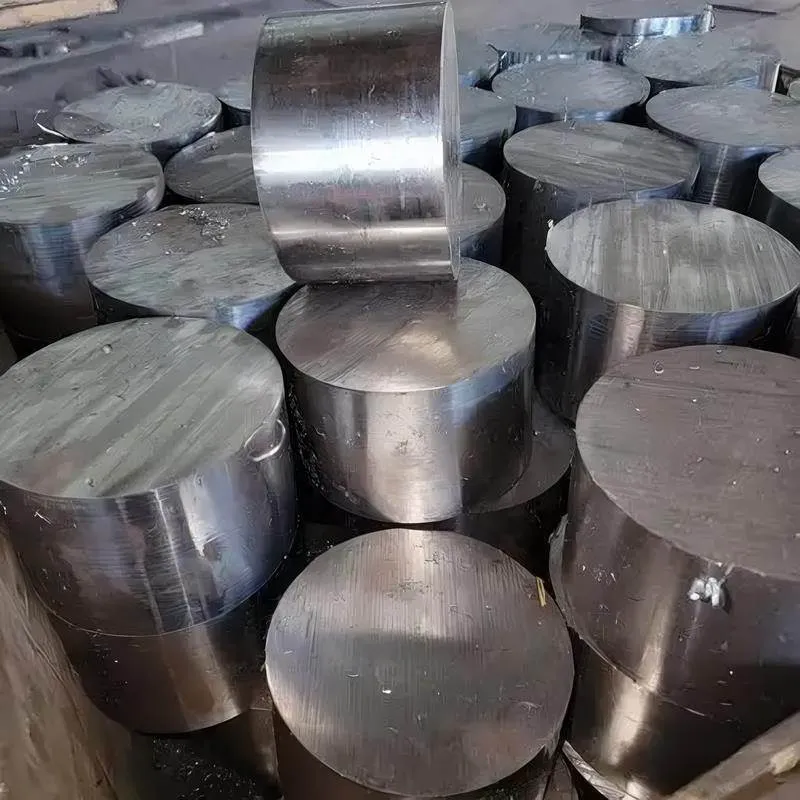
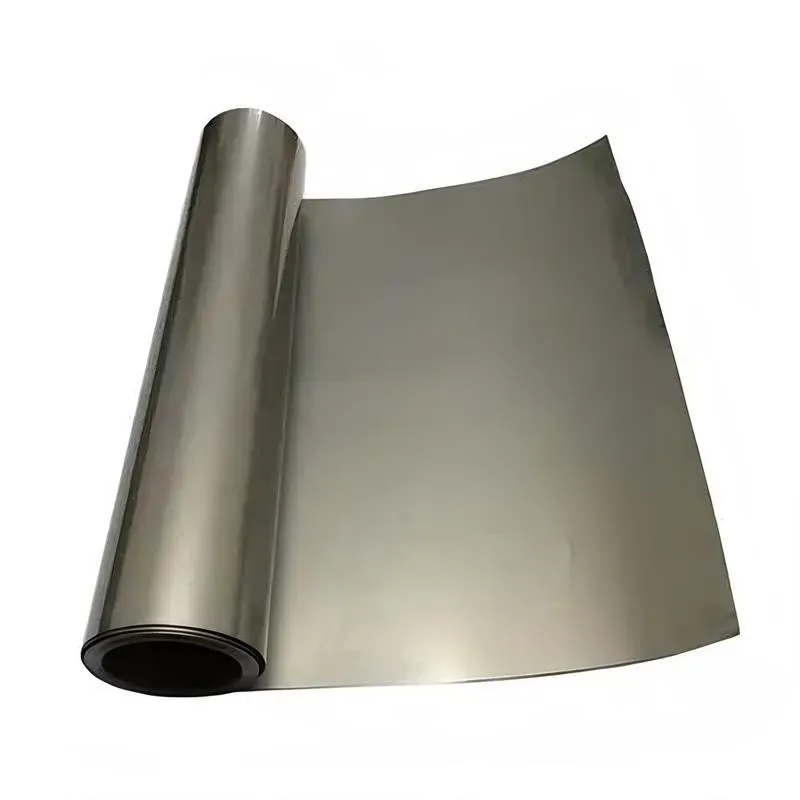
We provide AISI 1018 Steel, hot rolled, quenched, and tempered is available in Bar (Round bar, Flat bar), Ribbon, Wire, Rods, Tube,Seamless Tube,Pipe, Ingots, Plate, Sheet, Strip and Forging Stock.,Purity, chemical composition, size, etc. can all be customized to meet specific requirements.
Please contact us if you need customized services. We will contact you with the price and availability in 24 hours.
AISI 1018 Steel, hot rolled, quenched, and tempered Product Information
-:-
For detailed product information, please contact sales.
-:
AISI 1018 Steel, hot rolled, quenched, and tempered Synonyms
-:-
For detailed product information, please contact sales.
-:
AISI 1018 Steel, hot rolled, quenched, and tempered Product Information
-:-
For detailed product information, please contact sales.
-:
# **Product Specification: AISI 1018 Low Carbon Steel, Hot-Rolled, Quenched & Tempered**
## **Product Identification**
* **Standard Designation:** AISI 1018 / SAE 1018
* **UNS Number:** G10180
* **Condition:** Hot-Rolled, Quenched & Tempered (Q&T)
* **Key Feature:** Heat-treated variant providing enhanced mechanical properties through martensitic transformation and tempering
## **Overview**
AISI 1018 in the quenched and tempered condition represents a significantly enhanced version of this widely used low-carbon steel. While standard AISI 1018 is typically used in the as-rolled or cold-drawn condition, the application of quenching and tempering heat treatment transforms its microstructure from ferrite-pearlite to tempered martensite, resulting in dramatically improved strength and hardness. This treatment leverages the steel's manganese content (0.60-0.90%) to achieve through-hardening in moderate sections. The quenched and tempered condition expands the application range of AISI 1018 to include components requiring higher strength, wear resistance, and fatigue performance than the standard grade can provide.
---
## **1. Chemical Composition (Weight %, AISI/SAE Standard)**
| Element | Content (%) | Role in Heat Treatment |
|---------|-------------|------------------------|
| **Carbon (C)** | 0.15 - 0.20 | Critical for martensite formation; determines maximum achievable hardness |
| **Manganese (Mn)** | 0.60 - 0.90 | Enhances hardenability; allows deeper hardening than lower-Mn grades |
| **Phosphorus (P)** | ≤ 0.040 | Impurity; controlled to minimize temper embrittlement |
| **Sulfur (S)** | ≤ 0.050 | Impurity; may form manganese sulfides |
| **Silicon (Si)** | 0.15-0.35 (typical) | Deoxidizer; provides solid solution strengthening |
| **Iron (Fe)** | Balance | Matrix element for martensitic transformation |
**Hardenability Considerations:**
- **Carbon Content:** 0.15-0.20% provides moderate hardenability
- **Manganese Effect:** Enables through-hardening of sections up to approximately 12-15 mm in water
- **Alloy Limitations:** Low alloy content limits maximum section size for full hardening
---
## **2. Heat Treatment Process**
### **Standard Q&T Cycle**
1. **Austenitizing:** 870-900°C (1600-1650°F) for 30-60 minutes
2. **Quenching:** Water or aggressive oil quench (depending on section size)
3. **Tempering:** 425-650°C (800-1200°F) for 1-2 hours
4. **Cooling:** Air cool from tempering temperature
### **Process Variations**
| Parameter | Option A (Maximum Strength) | Option B (Balanced Properties) | Option C (High Toughness) |
|-----------|-----------------------------|--------------------------------|---------------------------|
| **Austenitize** | 900°C (1650°F) | 870°C (1600°F) | 870°C (1600°F) |
| **Quenchant** | Water | Fast oil | Oil |
| **Temper Temp** | 200-315°C (400-600°F) | 425-540°C (800-1000°F) | 595-650°C (1100-1200°F) |
| **Resulting HRC** | 40-50 HRC | 30-40 HRC | 20-28 HRC |
---
## **3. Physical & Mechanical Properties**
### **A. Physical Properties (Q&T Condition)**
- **Density:** 7.87 g/cm³ (0.284 lb/in³)
- **Elastic Modulus:** 200-205 GPa (29,000-29,700 ksi)
- **Poisson's Ratio:** 0.29
- **Thermal Conductivity:** 48-52 W/m·K (reduced from annealed state)
- **Coefficient of Thermal Expansion:** 11.5-12.0 × 10⁻⁶ /K
- **Specific Heat Capacity:** 460-480 J/kg·K
### **B. Mechanical Properties (By Tempering Temperature)**
| Tempering Temperature | Tensile Strength | Yield Strength | Elongation | Hardness | Impact Toughness |
|----------------------|-----------------|----------------|------------|----------|------------------|
| **205°C (400°F)** | 1240-1380 MPa | 1030-1170 MPa | 8-12% | 40-45 HRC | 15-25 J |
| **425°C (800°F)** | 860-1030 MPa | 690-860 MPa | 12-18% | 28-35 HRC | 40-60 J |
| **540°C (1000°F)** | 690-860 MPa | 550-690 MPa | 15-22% | 22-28 HRC | 60-80 J |
| **650°C (1200°F)** | 550-690 MPa | 380-550 MPa | 20-28% | 18-22 HRC | 80-100 J |
### **C. Section Size Limitations**
| Quenchant | Maximum Diameter for Full Hardening | Surface Hardness | Core Hardness |
|-----------|-------------------------------------|------------------|---------------|
| **Water** | 12-15 mm (0.5-0.6 in) | 45-50 HRC | 40-45 HRC |
| **Fast Oil** | 8-10 mm (0.3-0.4 in) | 40-45 HRC | 35-40 HRC |
| **Oil** | 6-8 mm (0.25-0.3 in) | 35-40 HRC | 25-30 HRC |
---
## **4. Microstructural Characteristics**
### **As-Quenched Structure**
- **Primary Phase:** Martensite (lath/plate mixture)
- **Retained Austenite:** Typically <5%
- **Prior Austenite Grain Size:** ASTM 5-8 (fine to medium)
### **Tempered Structure**
| Tempering Range | Microstructure | Characteristics |
|-----------------|----------------|-----------------|
| **200-300°C** | Tempered Martensite | ε-carbide precipitation, high strength |
| **300-450°C** | Tempered Martensite | Cementite formation, transition zone |
| **450-650°C** | Tempered Martensite | Spheroidized cementite, good toughness |
### **Transformation Behavior**
- **Ms Temperature:** ~380-400°C (716-752°F)
- **Mf Temperature:** ~250-280°C (482-536°F)
- **Hardenability (Ideal Diameter DI):** ~15-20 mm in water
---
## **5. Product Applications**
### **High-Strength Fasteners**
- **Grade 8.8 Bolts:** Equivalent to SAE Grade 5
- **High-Strength Studs:** For automotive and machinery
- **Special Pins:** Dowel pins, hinge pins requiring hardness
- **Threaded Rods:** For structural applications
### **Automotive Components**
- **Suspension Parts:** Control arm bolts, linkage components
- **Steering Components:** Tie rod ends, pitman arms
- **Drivetrain Parts:** Transmission shafts, differential components
- **Engine Components:** Valve train parts, mounting brackets
### **Industrial Machinery**
- **Shafts:** Small to medium diameter power transmission shafts
- **Gears:** Low-to-medium duty gears (after carburizing)
- **Pins & Bushings:** Wear-resistant applications
- **Tooling Components:** Jigs, fixtures requiring strength
### **Special Applications**
- **Hydraulic Components:** Piston rods, cylinder components
- **Agricultural Equipment:** High-stress implement parts
- **Construction Hardware:** High-strength anchors, connectors
- **Material Handling:** Conveyor components, roller shafts
---
## **6. International Standards & Equivalents**
### **Direct Equivalents (Q&T Condition)**
| Standard System | Designation | Condition | Strength Grade |
|-----------------|-------------|-----------|----------------|
| **ISO** | **ISO 898-1** | Class 8.8 | 800 MPa tensile |
| **ASTM** | **ASTM A449** | Type 1 | Grade 8 (SAE Grade 5) |
| **DIN/EN** | **EN 10263-4** | C18E Q&T | Similar to 8.8 |
| **JIS** | **JIS G4051** | S18C Q&T | Comparable properties |
| **GB** | **GB/T 3098.1** | Grade 8.8 | 800 MPa tensile |
### **Property Comparison**
| Property | AISI 1018 Q&T (540°C temper) | SAE Grade 5 | ISO 8.8 |
|----------|-----------------------------|-------------|---------|
| **Tensile Min** | 860 MPa | 825 MPa | 800 MPa |
| **Yield Min** | 690 MPa | 660 MPa | 640 MPa |
| **Elongation** | 15% min | 16% min | 12% min |
| **Hardness** | 28-35 HRC | 25-32 HRC | 22-32 HRC |
---
## **7. Processing Characteristics**
### **Machining (Post Heat Treatment)**
1. **Difficulty:** Moderate to difficult depending on hardness
2. **Tool Requirements:** Carbide or CBN tools recommended
3. **Parameters:** Reduced speeds/feeds compared to annealed state
4. **Finishing:** Grinding often required for precise dimensions
### **Welding Considerations**
- **Preheat:** 150-200°C (300-400°F) recommended
- **Post-Weld Heat Treatment:** Required to restore properties
- **Filler Metal:** Low-hydrogen electrodes essential
- **Weldability Rating:** Fair (requires precautions)
### **Additional Treatments**
- **Stress Relieving:** 595-650°C after machining
- **Surface Hardening:** Can be carburized or induction hardened
- **Plating:** Chrome, zinc, or cadmium with proper baking
- **Coating:** Phosphate, black oxide for corrosion resistance
---
## **8. Quality Control & Testing**
### **Required Testing**
| Test | Standard | Frequency | Acceptance Criteria |
|------|----------|-----------|-------------------|
| **Hardness** | ASTM E18 | 100% or sample | Within specified range |
| **Tensile** | ASTM A370 | Per heat/batch | Min. strength requirements |
| **Microstructure** | ASTM E112 | Per heat | Tempered martensite |
| **Surface Quality** | Visual | 100% | Free of cracks, decarb |
| **Dimensional** | Customer spec | Sample | Per drawing requirements |
### **Common Defects & Prevention**
| Defect | Cause | Prevention |
|--------|------|------------|
| **Quench Cracks** | Rapid cooling, stress concentrations | Proper design, slower quenchant |
| **Soft Spots** | Inadequate quenching | Agitation, proper fixturing |
| **Excessive Decarb** | High temperature exposure | Controlled atmosphere |
| **Temper Embrittlement** | Slow cooling through 375-575°C | Rapid cool from tempering |
---
## **9. Design Considerations**
### **Advantages of AISI 1018 Q&T**
1. **Cost-Effective Strengthening:** Achieves high strength without expensive alloys
2. **Good Machinability:** Better than higher-carbon quenched steels
3. **Weldability:** Reasonable with proper procedures
4. **Availability:** Widely available in many forms
### **Limitations**
1. **Section Size:** Limited to ~15 mm for full hardening
2. **Toughness:** Lower than alloy steels at same strength level
3. **Temperature Resistance:** Limited to ~200°C (400°F) service
4. **Corrosion Resistance:** Similar to untreated 1018
### **Design Guidelines**
- **Minimum Radius:** 2× thickness to prevent quench cracking
- **Section Transitions:** Gradual to avoid stress concentrations
- **Hole Placement:** Minimum 1.5× diameter from edges
- **Threads:** Roll after heat treatment when possible
---
## **10. Economic & Supply Considerations**
### **Cost Factors**
| Factor | Impact | Typical Premium |
|--------|--------|-----------------|
| **Heat Treatment** | Major | 30-50% over hot-rolled |
| **Material Form** | Moderate | 10-20% over bar stock |
| **Quantity** | Significant | Volume discounts available |
| **Certification** | Minor | 5-10% for full certification |
### **Supply Chain Availability**
- **Lead Times:** 4-8 weeks for standard items
- **Sources:** Multiple domestic and international suppliers
- **Inventory:** Commonly stocked in standard sizes
- **Customization:** Readily available for large quantities
---
## **Summary**
**AISI 1018 in the quenched and tempered condition represents a cost-effective solution for applications requiring enhanced mechanical properties beyond standard low-carbon steel capabilities.** By leveraging the steel's modest alloy content through proper heat treatment, manufacturers can achieve strength levels comparable to more expensive medium-carbon or low-alloy steels in moderate sections.
**Key Strengths:**
1. **Performance Upgrade:** Transforms basic 1018 into a medium-strength material
2. **Economic Efficiency:** Achieves significant property improvements at reasonable cost
3. **Manufacturing Flexibility:** Can be machined before or after heat treatment
4. **Proven Reliability:** Established in numerous industrial applications
**Ideal Applications Include:**
- Fasteners requiring 8.8 grade properties
- Automotive suspension and steering components
- Industrial shafts and pins in moderate service
- Tooling components needing wear resistance
- Agricultural equipment parts
**Technical Considerations:**
- Limited to sections under ~15 mm for full hardening
- Requires proper quenchant selection and agitation
- Temper embrittlement range must be avoided during cooling
- Welding requires specific procedures and post-weld treatment
**Market Position:** AISI 1018 Q&T fills an important niche between standard mild steel and more expensive alloy steels, offering manufacturers a practical balance of performance, cost, and availability. Its standardization through equivalents like **ISO 8.8** and **SAE Grade 5** ensures consistent quality and performance expectations across global supply chains.
For engineers and designers, this material offers a valuable option when project requirements exceed mild steel capabilities but don't justify the cost of alloy steels, particularly in applications where section sizes are moderate and the full hardening capability can be utilized effectively.
-:-
For detailed product information, please contact sales.
-:
AISI 1018 Steel, hot rolled, quenched, and tempered Specification
Dimensions
Size:
Diameter 20-1000 mm Length <4768 mm
Size:We can customized as required
Standard:
Per your request or drawing
We can customized as required
Properties(Theoretical)
Chemical Composition
-:-
For detailed product information, please contact sales.
-:
AISI 1018 Steel, hot rolled, quenched, and tempered Properties
-:-
For detailed product information, please contact sales.
-:
Applications of AISI 1018 Steel, hot rolled, quenched, and tempered
-:-
For detailed product information, please contact sales.
-:
Chemical Identifiers AISI 1018 Steel, hot rolled, quenched, and tempered
-:-
For detailed product information, please contact sales.
-:
Packing of AISI 1018 Steel, hot rolled, quenched, and tempered
-:-
For detailed product information, please contact sales.
-:
Standard Packing:
-:-
For detailed product information, please contact sales.
-:
Typical bulk packaging includes palletized plastic 5 gallon/25 kg. pails, fiber and steel drums to 1 ton super sacks in full container (FCL) or truck load (T/L) quantities. Research and sample quantities and hygroscopic, oxidizing or other air sensitive materials may be packaged under argon or vacuum. Solutions are packaged in polypropylene, plastic or glass jars up to palletized 1239 gallon liquid totes Special package is available on request. E FORUs’ is carefully handled to minimize damage during storage and transportation and to preserve the quality of our products in their original condition