AISI 1022 Steel, heat treated
Product Code : STI-CSTI-736-CU
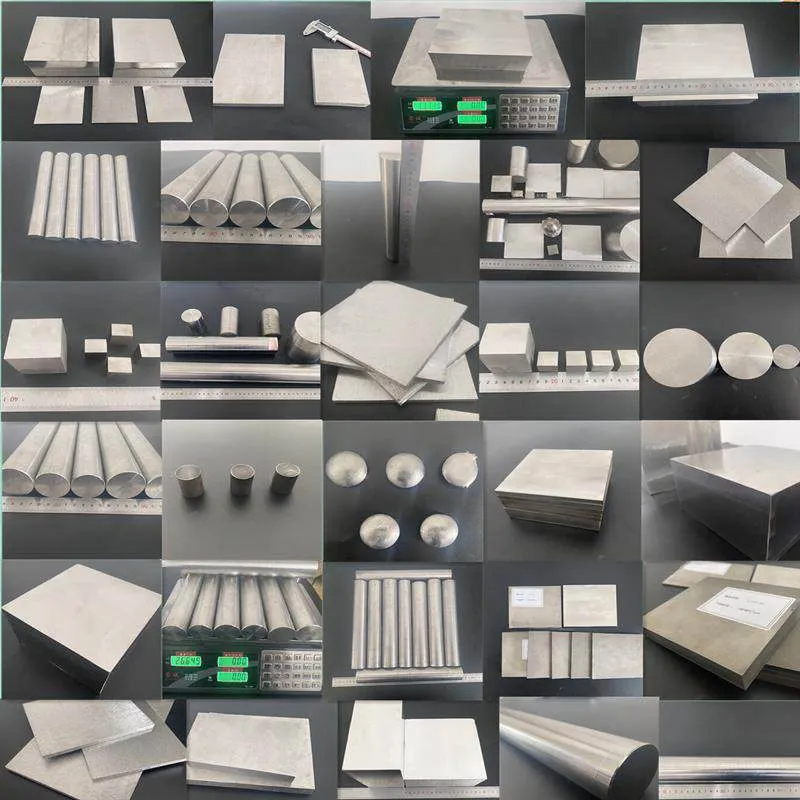
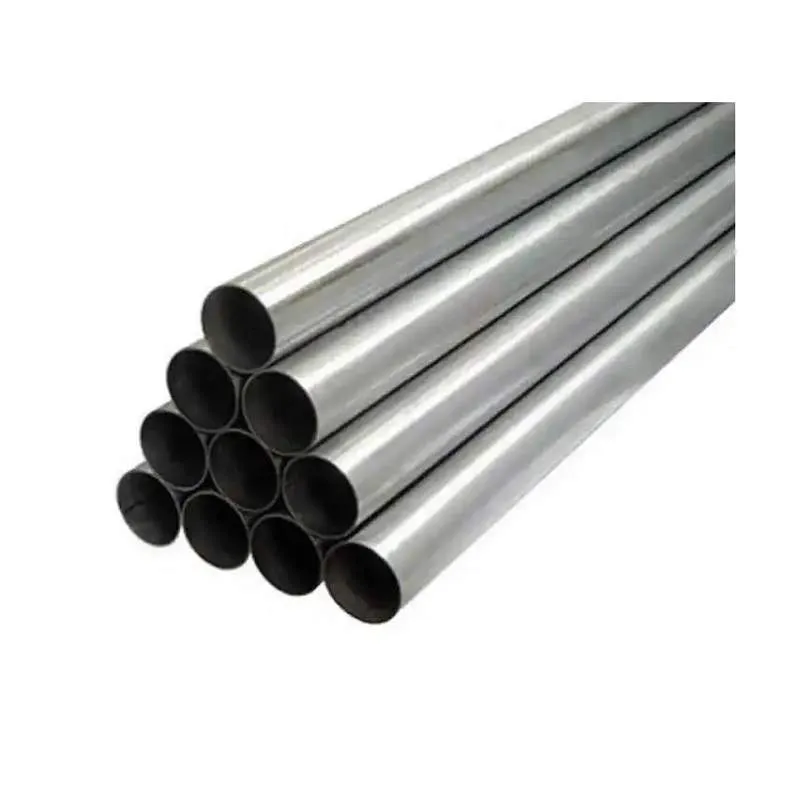
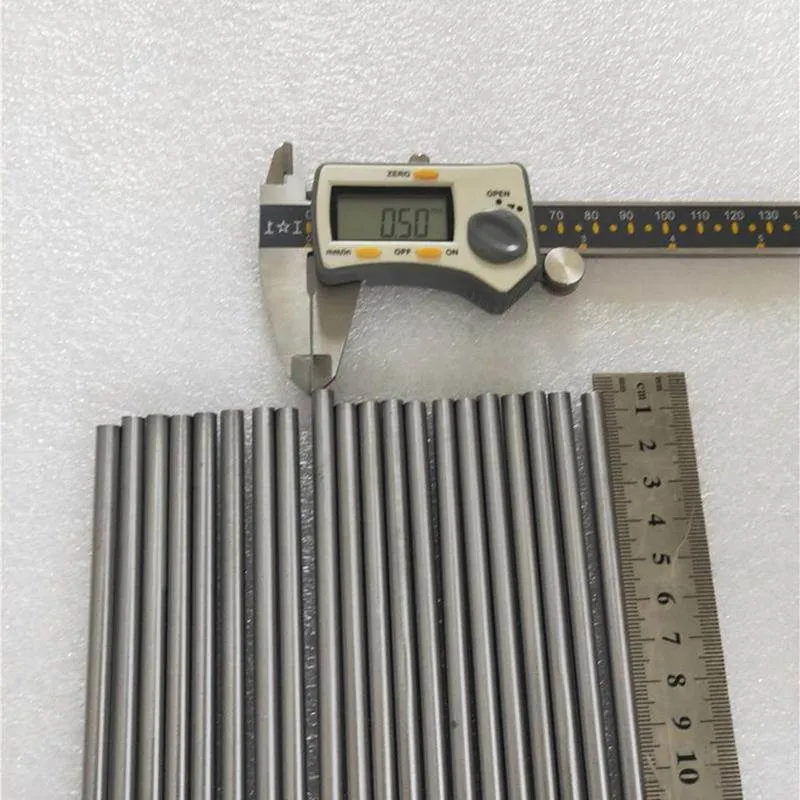
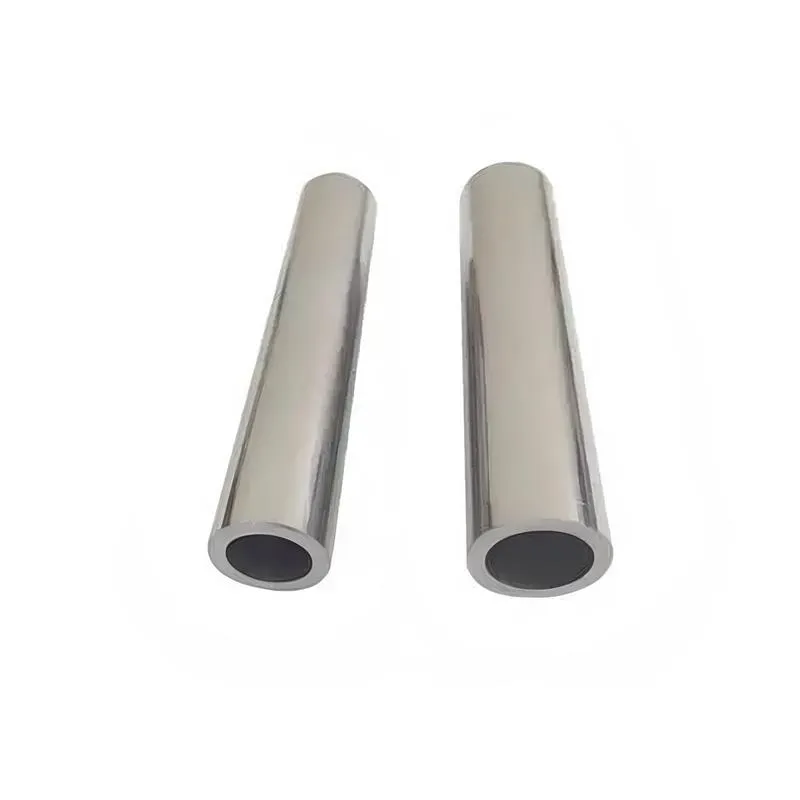
We provide AISI 1022 Steel, heat treated, reheated to 775°C, 25 mm (1 in.) round is available in Bar (Round bar, Flat bar), Ribbon, Wire, Rods, Tube,Seamless Tube,Pipe, Ingots, Plate, Sheet, Strip and Forging Stock.,Purity, chemical composition, size, etc. can all be customized to meet specific requirements.
Please contact us if you need customized services. We will contact you with the price and availability in 24 hours.
AISI 1022 Steel, heat treated, reheated to 775°C, 25 mm (1 in.) round Product Information
-:-
For detailed product information, please contact sales.
-:
AISI 1022 Steel, heat treated, reheated to 775°C, 25 mm (1 in.) round Synonyms
-:-
For detailed product information, please contact sales.
-:
AISI 1022 Steel, heat treated, reheated to 775°C, 25 mm (1 in.) round Product Information
-:-
For detailed product information, please contact sales.
-:
# **Product Technical Specification: AISI 1022 Steel, Heat Treated (Reheated to 775°C / 1427°F), Round Bar (25 mm / 1.0 in)**
---
## **1. Product Overview**
This product is an **AISI 1022 low-carbon steel** round bar that has undergone a specialized **intercritical heat treatment**. The 25 mm (1.0 inch) diameter bar, typically starting from a normalized or quenched & tempered condition, is precision reheated to **775°C (1427°F)**. This temperature lies within the steel's **intercritical range**, where the microstructure becomes a mixture of ferrite and austenite. Subsequent controlled cooling (typically air cooling or quenching, depending on the specified final properties) results in a unique, engineered microstructure. This process is designed to produce a **favorable combination of strength and ductility**, refine grain structure, and achieve specific mechanical properties that are optimal for applications requiring enhanced toughness or formability at a moderate strength level.
## **2. Key Features & Metallurgical Purpose of Reheating to 775°C**
* **Microstructural Engineering:** Reheating into the intercritical range (between Ac1 and Ac3) dissolves a portion of the pearlite to form new, fine austenite grains within a ferrite matrix. Upon cooling, this transforms into a refined, complex microstructure (e.g., fine ferrite with dispersed martensite/austenite/bainite), improving toughness.
* **Strength-Ductility Optimization:** This treatment is often used to achieve a superior balance of strength and impact toughness compared to conventional normalized states, especially following an initial quench (as part of a Quench & Temper or Q&P process).
* **Grain Refinement:** The formation of new, small austenite grains during intercritical holding leads to a refined final microstructure, enhancing both strength and toughness.
* **Stress Relief & Homogenization:** Acts as a high-temperature tempering or subcritical anneal, effectively relieving internal stresses and homogenizing properties.
* **Process Versatility:** The final properties are highly dependent on the cooling rate from 775°C (air cool, oil quench, etc.) and the prior microstructure, allowing for property tailoring.
## **3. Standard Chemical Composition (Weight %)**
| Element | AISI 1022 Specification | Typical Analysis |
| :--------------- | :---------------------- | :--------------- |
| **Carbon (C)** | 0.18 - 0.23 | 0.20 |
| **Manganese (Mn)**| **0.70 - 1.00** | 0.85 |
| **Phosphorus (P)**| ≤ 0.040 | 0.010 |
| **Sulfur (S)** | ≤ 0.050 | 0.025 |
| **Iron (Fe)** | Balance | Balance |
*Note: The manganese content is crucial for this process, as it stabilizes austenite and influences the hardenability of the austenite formed during intercritical heating.*
## **4. Typical Mechanical Properties (After Reheating to 775°C & Air Cooling)**
*Properties are representative for a 25 mm bar air-cooled from 775°C, typically starting from a normalized condition. Properties can vary significantly if quenched.*
| Property | Metric Value (Air Cooled) | Imperial Value (Air Cooled) |
| :--------------------------------- | :------------------------ | :-------------------------- |
| **Tensile Strength** | 500 - 600 MPa | 72,500 - 87,000 psi |
| **Yield Strength (0.2% Offset)** | 350 - 450 MPa | 50,800 - 65,300 psi |
| **Elongation in 50 mm (2 in)** | 22% - 28% | 22% - 28% |
| **Hardness** | 150 - 190 HB | 150 - 190 HB |
| **Charpy Impact V-Notch (21°C)** | **40 - 80 J** | **30 - 59 ft-lbf** |
| **Modulus of Elasticity** | 190 - 210 GPa | 27,500 - 30,500 ksi |
## **5. Primary Applications**
This specialized heat-treated condition is specified for components requiring a reliable combination of strength, good toughness, and fatigue resistance.
* **Critical Automotive Components:** Torsion bars, stabilizer links, and suspension components where good impact resistance is needed.
* **Forgings Requiring Toughness:** Parts that are forged and then given this intercritical treatment to achieve optimal property balance.
* **Machinery Parts Subject to Shock Loading:** Lever arms, connecting rods, and pins in agricultural and construction equipment.
* **Fasteners for Demanding Applications:** High-strength bolts and studs requiring a good toughness profile (similar to specifications like ASTM A449, but processed differently).
* **Components for Cold Forming/Re-striking:** As a final treatment that provides a good combination of strength and ductility for limited further forming.
## **6. Relevant International Standards & Process Notes**
This is a **process-specific condition** rather than a standard commodity grade. It is produced to customer specifications.
* **Base Material Standard:** AISI 1022 / UNS G10220
* **Process Analogues:** Similar to objectives of **"Intercritical Annealing"** or the final tempering stage of certain **Quenching & Partitioning (Q&P)** processes for advanced high-strength steels.
* **Specification:** Typically governed by a proprietary or customer-specific **Technical Delivery Condition (TDC)** outlining the thermal cycle (prior condition, reheating temperature/time, cooling method) and required final properties.
* **Reference Standards:** The base material conforms to standards like ASTM A29, SAE J403. The process may aim to meet mechanical property ranges found in standards for quenched & tempered bars (e.g., certain classes within ASTM A322).
## **7. Fabrication & Processing Notes**
* **Machining:** Machinability is good, but hardness is higher than normalized material. Use of carbide tooling is recommended. The uniform microstructure ensures consistent cutting.
* **Welding:** **Not recommended without expert procedure.** Welding will destroy the engineered microstructure in the HAZ, creating a complex mix of softened and hardened zones. If welding is unavoidable, pre-heating and a full post-weld heat treatment (likely re-normalizing and re-tempering) are mandatory.
* **Further Heat Treatment:** Generally, this is the **final heat treatment**. Additional thermal processing will alter the carefully engineered microstructure.
* **Stability:** Offers good dimensional stability for machining, provided the initial heat treatment was performed on a stress-relieved base material.
## **8. Availability & Identification**
* **Form:** Straight length, round bar.
* **Diameter:** **25 mm (1.000 inch)** nominal.
* **Condition:** **Heat Treated - Intercritically Reheated & Cooled**. Must be clearly defined on certification.
* **Certification:** Supplied with a detailed **Material Test Report (MTR)** specifying the exact thermal cycle (prior condition, reheating parameters, cooling method) and certified final mechanical properties.
---
**Disclaimer:** This is a **special-process material**. The properties and performance are **entirely dependent on the precise thermal history**, including the starting condition and the cooling method from 775°C. The information provided assumes air cooling from a normalized prior condition and is for reference only. **Users must obtain and validate the specific process specification and property certification for each batch.** This material is not a standard off-the-shelf item and requires close collaboration between the customer and producer. The end-user is solely responsible for ensuring the fitness for purpose of this specially processed material in the intended application.
-:-
For detailed product information, please contact sales.
-:
AISI 1022 Steel, heat treated, reheated to 775°C, 25 mm (1 in.) round Specification
Dimensions
Size:
Diameter 20-1000 mm Length <5468 mm
Size:We can customized as required
Standard:
Per your request or drawing
We can customized as required
Properties(Theoretical)
Chemical Composition
-:-
For detailed product information, please contact sales.
-:
AISI 1022 Steel, heat treated, reheated to 775°C, 25 mm (1 in.) round Properties
-:-
For detailed product information, please contact sales.
-:
Applications of AISI 1022 Steel, heat treated, reheated to 775°C, 25 mm (1 in.) round
-:-
For detailed product information, please contact sales.
-:
Chemical Identifiers AISI 1022 Steel, heat treated, reheated to 775°C, 25 mm (1 in.) round
-:-
For detailed product information, please contact sales.
-:
Packing of AISI 1022 Steel, heat treated, reheated to 775°C, 25 mm (1 in.) round
-:-
For detailed product information, please contact sales.
-:
Standard Packing:
-:-
For detailed product information, please contact sales.
-:
Typical bulk packaging includes palletized plastic 5 gallon/25 kg. pails, fiber and steel drums to 1 ton super sacks in full container (FCL) or truck load (T/L) quantities. Research and sample quantities and hygroscopic, oxidizing or other air sensitive materials may be packaged under argon or vacuum. Solutions are packaged in polypropylene, plastic or glass jars up to palletized 1939 gallon liquid totes Special package is available on request. E FORUs’ is carefully handled to minimize damage during storage and transportation and to preserve the quality of our products in their original condition