AISI 1035 Steel, water quenched
Product Code : STI-CSTI-062-CU
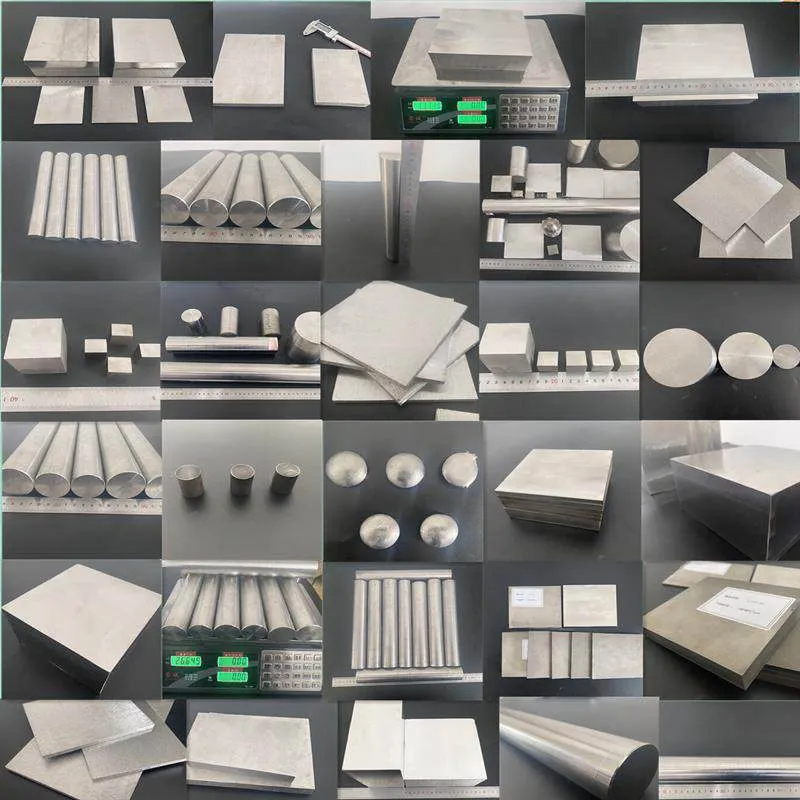
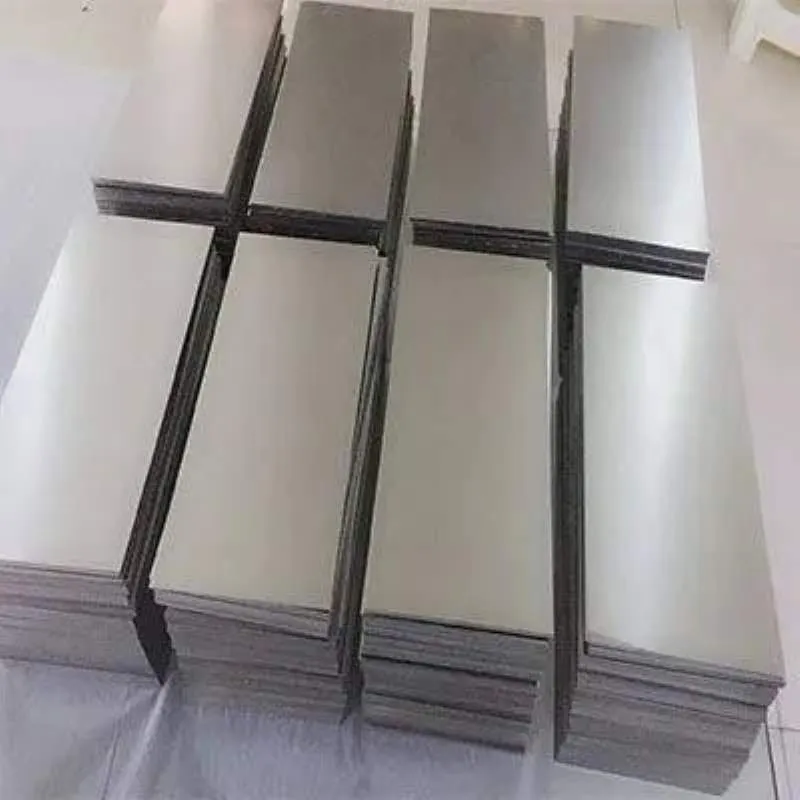
We provide AISI 1035 Steel, water quenched from 845°C (1550°F), 540°C (1000°F) temper is available in Bar (Round bar, Flat bar), Ribbon, Wire, Rods, Tube,Seamless Tube,Pipe, Ingots, Plate, Sheet, Strip and Forging Stock.,Purity, chemical composition, size, etc. can all be customized to meet specific requirements.
Please contact us if you need customized services. We will contact you with the price and availability in 24 hours.
AISI 1035 Steel, water quenched from 845°C (1550°F), 540°C (1000°F) temper Product Information
-:-
For detailed product information, please contact sales.
-:
AISI 1035 Steel, water quenched from 845°C (1550°F), 540°C (1000°F) temper Synonyms
-:-
For detailed product information, please contact sales.
-:
AISI 1035 Steel, water quenched from 845°C (1550°F), 540°C (1000°F) temper Product Information
-:-
For detailed product information, please contact sales.
-:
### **Technical Data Sheet: AISI 1035 Steel – Water Quenched & Tempered (845°C / 540°C)**
---
#### **1. Product Overview**
AISI 1035 steel subjected to water quenching from 845°C (1550°F) followed by tempering at 540°C (1000°F) represents a carefully heat-treated medium-carbon steel condition. This specific thermal treatment transforms the steel’s microstructure to achieve a tempered martensite structure, significantly enhancing its strength, hardness, and wear resistance while retaining adequate toughness. This condition is typically applied to finished or semi-finished components requiring high mechanical performance in demanding service environments.
---
#### **2. Key Characteristics & Advantages**
* **High Strength & Hardness:** Water quenching provides deep, rapid cooling to achieve maximum hardness potential for this carbon grade. Tempering at 540°C adjusts the final balance of strength and toughness.
* **Good Wear Resistance:** The resulting tempered martensite structure offers excellent resistance to abrasion and surface degradation.
* **Moderate Ductility:** Tempering restores some ductility and impact resistance, mitigating the brittleness of as-quenched martensite.
* **Dimensional Considerations:** Water quenching introduces higher risk of distortion and cracking compared to oil quenching. This treatment is best suited for simple, symmetrical shapes with uniform cross-sections.
---
#### **3. Chemical Composition**
This heat treatment is applied to standard AISI 1035 steel. The base composition remains as defined by relevant material standards.
| Element | Composition (% weight) | Standard Reference |
| :--- | :--- | :--- |
| **Carbon (C)** | 0.32 - 0.38 | SAE J403 / ASTM A29 |
| **Manganese (Mn)** | 0.60 - 0.90 | SAE J403 / ASTM A29 |
| **Phosphorus (P)** | ≤ 0.040 | SAE J403 / ASTM A29 |
| **Sulfur (S)** | ≤ 0.050 | SAE J403 / ASTM A29 |
| **Silicon (Si)** | 0.15 - 0.35 (typical) | SAE J403 / ASTM A29 |
| **Iron (Fe)** | Balance | - |
---
#### **4. Typical Mechanical Properties (Post Heat Treatment)**
*The following properties are approximate and highly dependent on the exact quenching severity (agitation, temperature), section size, and prior microstructure.*
| Property | Typical Value / Range | Test Standard / Notes |
| :--- | :--- | :--- |
| **Tensile Strength** | 860 – 1030 MPa (125 – 150 ksi) | ASTM A370 |
| **Yield Strength (0.2% offset)** | 690 – 860 MPa (100 – 125 ksi) | ASTM A370 |
| **Elongation in 2" (50 mm)** | 12% – 18% | ASTM A370 |
| **Reduction of Area** | 35% – 50% | ASTM A370 |
| **Hardness** | 28 – 35 HRC | ASTM E18 (Rockwell C)
*Approx. 285 – 335 HB* |
| **Charpy V-Notch Impact (Room Temp)** | 20 – 40 J (15 – 30 ft-lb) | ASTM A370 |
| **Modulus of Elasticity** | 200 GPa (29,000 ksi) | ASTM E111 |
---
#### **5. International Standard Equivalents (Base Material)**
The heat treatment process is a specification applied to the base steel grade. The material equivalent remains:
| Standard System | Designation |
| :--- | :--- |
| **UNS** | G10350 |
| **SAE/AISI** | 1035 |
| **EN (Europe)** | 1.0501 / 1.1151 (C35E) |
| **ISO** | C35E |
| **JIS (Japan)** | S35C |
| **GB (China)** | 35# |
| **DIN (Germany)** | 1.1151 (Ck35) |
---
#### **6. Primary Applications**
Components heat-treated to this condition are used in applications requiring a combination of high strength, moderate toughness, and good wear resistance.
* **High-Strength Shafts & Axles:** For agricultural machinery, industrial equipment, and heavy-duty vehicles where bending and torsional strength are critical.
* **Gears & Sprockets:** Especially for medium-duty power transmission where surface hardness resists pitting and wear.
* **Pins, Bolts, and Fasteners:** High-strength pins, hinge pins, and custom fasteners (approaching or exceeding Grade 8.8 / SAE Grade 5 properties).
* **Wear Plates & Liners:** For chutes, buckets, and other equipment subject to abrasive wear.
* **Hydraulic Components:** Piston rods, cylinder barrels, and other parts in high-pressure systems.
* **Tooling & Fixtures:** Jigs, fixtures, and die components requiring high rigidity and wear life.
---
#### **7. Heat Treatment Process Details**
This is a two-stage through-hardening process:
1. **Austenitizing / Quenching:**
* Heat uniformly to **845°C (1550°F)**. Hold time is approximately 30 minutes per inch (25 mm) of cross-section to ensure complete austenitization.
* Quench rapidly in **water** or brine. Water provides a severe quench (H-coefficient ~1.0), maximizing hardness but also the risk of distortion/cracking.
* The as-quenched microstructure is very hard, brittle martensite with high internal stresses.
2. **Tempering:**
* Reheat the quenched part to **540°C (1000°F)**. This is within the conventional "high-temperature" tempering range.
* Hold for 1-2 hours per inch of thickness (minimum 2 hours total), then air cool.
* **Effect:** This tempers the martensite, precipitating carbides and relieving internal stresses. It significantly increases toughness and ductility while reducing hardness and strength from the as-quenched state.
**Important Considerations:**
* **Quench Cracking:** The severe water quench makes this process unsuitable for complex parts with sharp corners, holes, or drastic changes in section thickness.
* **Section Size Limit:** Effective through-hardening is typically limited to smaller diameters (generally < 25 mm / 1 inch) due to the limited hardenability of AISI 1035. Larger sections may not harden fully to the core.
* **Surface Decarburization:** Parts must be protected (atmosphere-controlled furnace or packed in cast iron chips) during austenitizing to prevent surface decarburization, which would lower surface hardness.
---
#### **8. Fabrication & Post-Treatment Notes**
* **Machining:** Must be performed **before** final heat treatment (hardening & tempering). Machining after treatment is extremely difficult and requires grinding or hard turning techniques.
* **Welding:** **Not recommended** after final heat treatment. Welding should be completed before treatment, and the entire part must be re-heat-treated to restore properties. Localized welding will create a soft heat-affected zone (HAZ) and potentially cause cracking.
* **Straightening:** If required, must be done while the part is hot during the tempering cycle.
---
**Disclaimer:** The properties and outcomes of this heat treatment are highly process-dependent. The values provided are typical for a properly treated simple shape of moderate section size. For critical applications, production processing should be validated with actual test coupons from the same heat lot, and comprehensive testing (hardness traverses, tensile tests) should be performed. Always consult with a qualified metallurgist or heat treater.
-:-
For detailed product information, please contact sales.
-:
AISI 1035 Steel, water quenched from 845°C (1550°F), 540°C (1000°F) temper Specification
Dimensions
Size:
Diameter 20-1000 mm Length <4794 mm
Size:We can customized as required
Standard:
Per your request or drawing
We can customized as required
Properties(Theoretical)
Chemical Composition
-:-
For detailed product information, please contact sales.
-:
AISI 1035 Steel, water quenched from 845°C (1550°F), 540°C (1000°F) temper Properties
-:-
For detailed product information, please contact sales.
-:
Applications of AISI 1035 Steel, water quenched from 845°C (1550°F), 540°C (1000°F) temper
-:-
For detailed product information, please contact sales.
-:
Chemical Identifiers AISI 1035 Steel, water quenched from 845°C (1550°F), 540°C (1000°F) temper
-:-
For detailed product information, please contact sales.
-:
Packing of AISI 1035 Steel, water quenched from 845°C (1550°F), 540°C (1000°F) temper
-:-
For detailed product information, please contact sales.
-:
Standard Packing:
-:-
For detailed product information, please contact sales.
-:
Typical bulk packaging includes palletized plastic 5 gallon/25 kg. pails, fiber and steel drums to 1 ton super sacks in full container (FCL) or truck load (T/L) quantities. Research and sample quantities and hygroscopic, oxidizing or other air sensitive materials may be packaged under argon or vacuum. Solutions are packaged in polypropylene, plastic or glass jars up to palletized 1265 gallon liquid totes Special package is available on request. E FORUs’ is carefully handled to minimize damage during storage and transportation and to preserve the quality of our products in their original condition