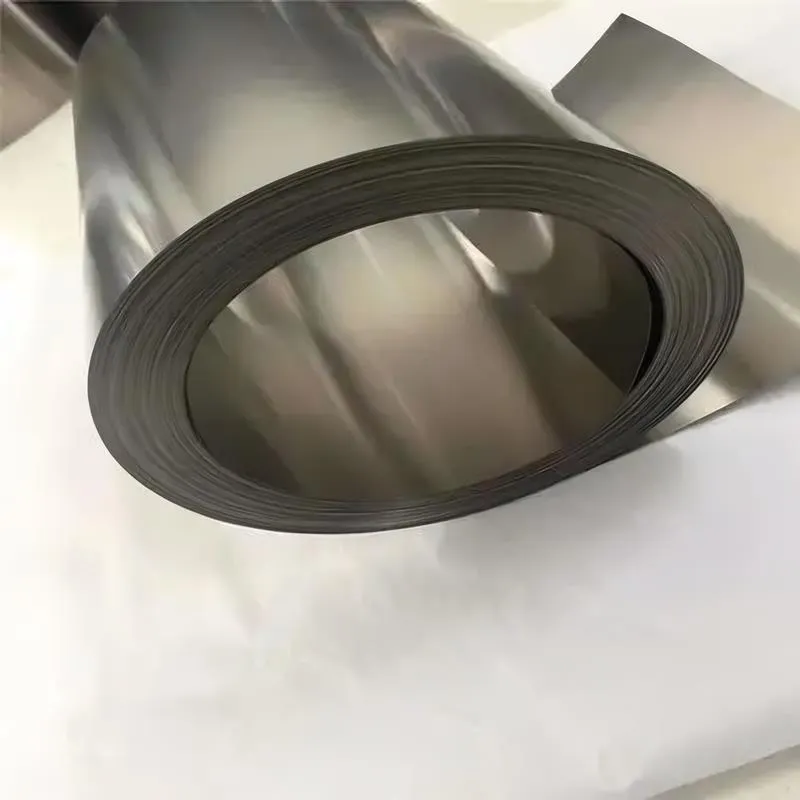
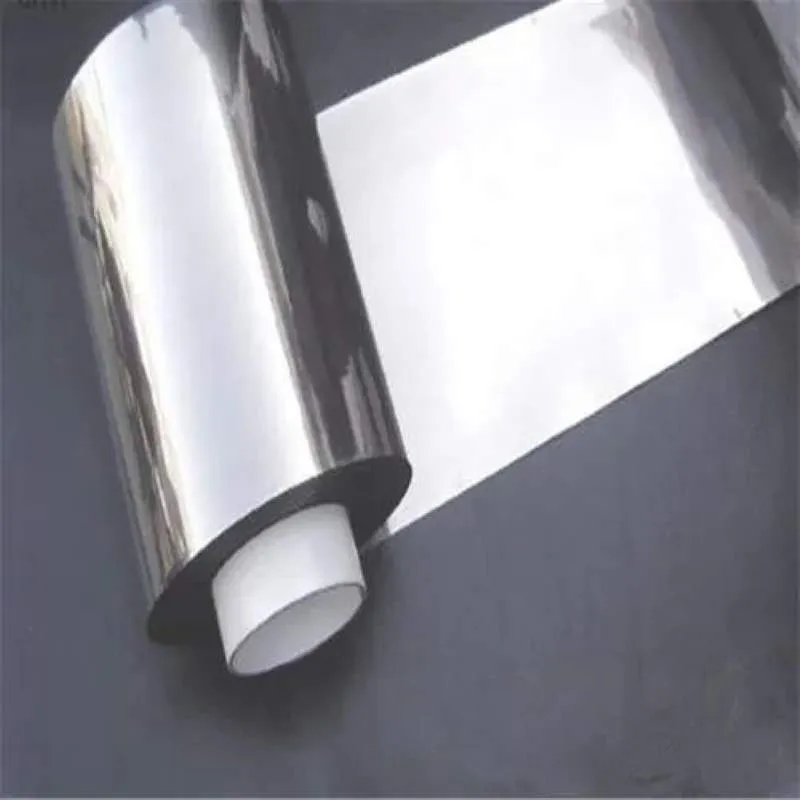
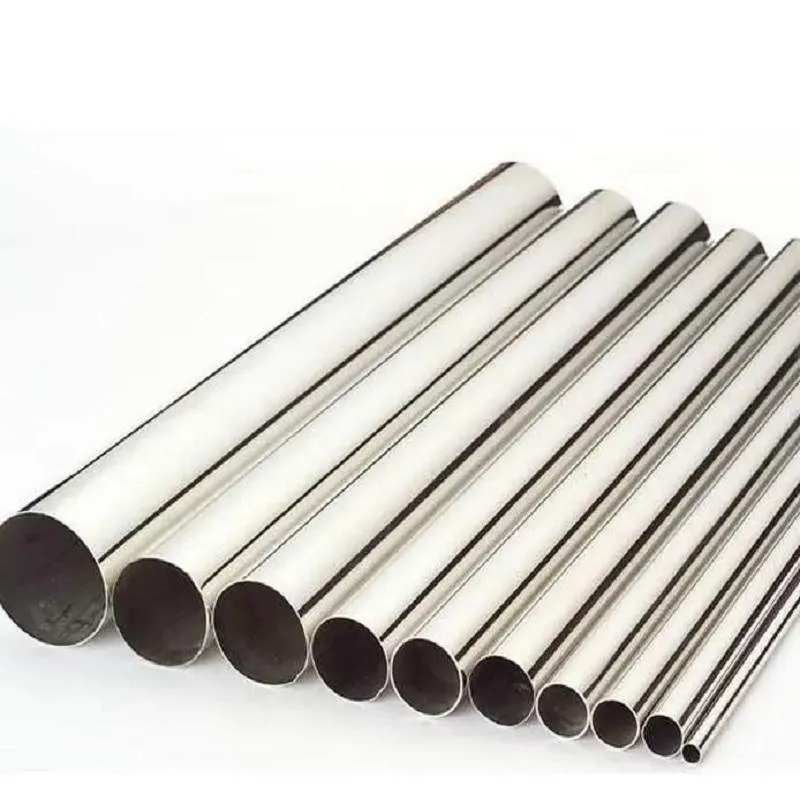
AISI 1038H Steel Foil/Strip
Product Code : STI-CSTI-066-CU
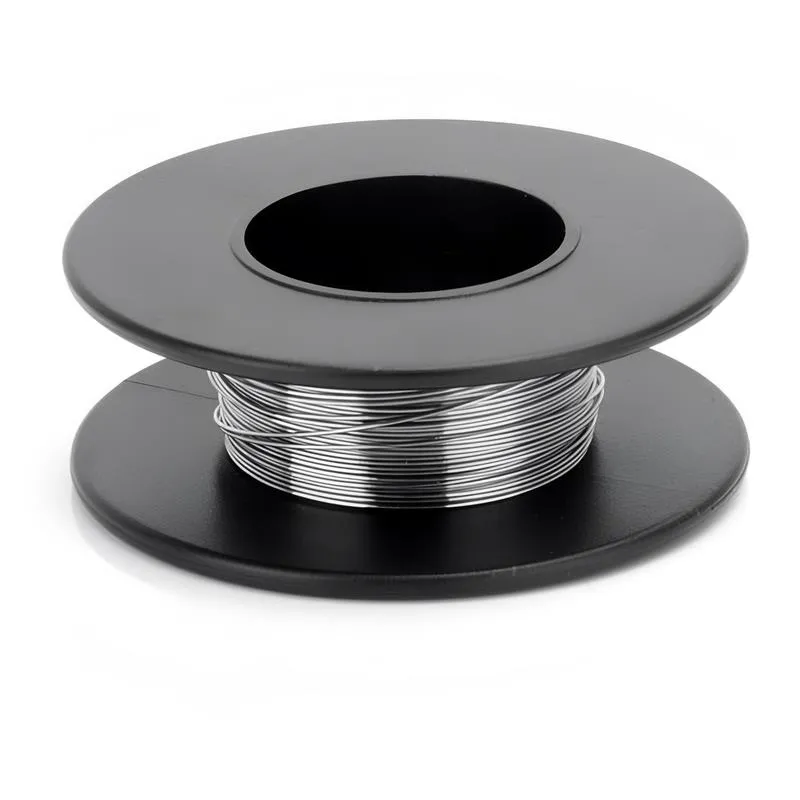
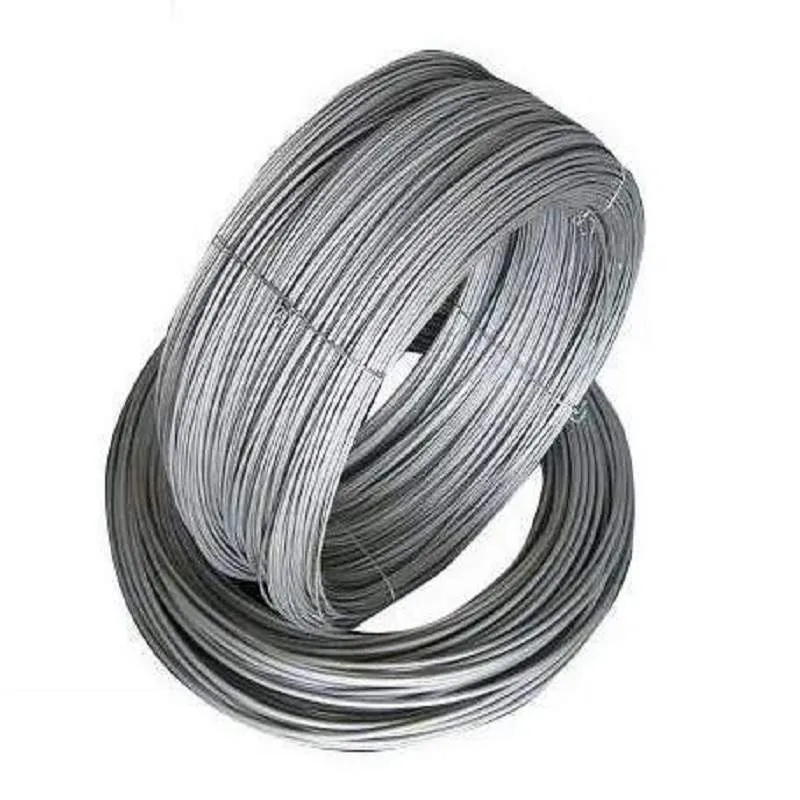
We provide AISI 1038H Steel Foil/Strip is available in Bar (Round bar, Flat bar), Ribbon, Wire, Rods, Tube,Seamless Tube,Pipe, Ingots, Plate, Sheet, Strip and Forging Stock.,Purity, chemical composition, size, etc. can all be customized to meet specific requirements.
Please contact us if you need customized services. We will contact you with the price and availability in 24 hours.
AISI 1038H Steel Foil Product Information
-:-
For detailed product information, please contact sales.
-:
AISI 1038H Steel Foil Synonyms
-:-
For detailed product information, please contact sales.
-:
AISI 1038H Steel Product Information
-:-
For detailed product information, please contact sales.
-:
### **Technical Data Sheet: AISI 1038H Steel**
---
#### **1. Material Overview**
AISI 1038H is a medium-carbon, non-alloy steel supplied to specified hardenability bands, as denoted by the "H" suffix. This designation indicates that the chemical composition is controlled to ensure consistent hardenability characteristics within defined limits, making it particularly suitable for heat-treated components where predictable and uniform response to quenching is critical. Unlike standard AISI 1038, which is specified by fixed chemical ranges, 1038H is defined by its hardenability requirements, providing greater reliability in manufacturing heat-treated parts with consistent mechanical properties.
---
#### **2. Key Characteristics**
- **Controlled Hardenability:** Guaranteed hardenability bands ensure predictable heat treatment response
- **Consistent Performance:** Reduced variation in mechanical properties after heat treatment
- **Good Strength & Toughness Balance:** Suitable for moderately stressed, heat-treated components
- **Improved Manufacturing Reliability:** Enables more consistent production of heat-treated parts
- **Cost-Effective Alternative:** Provides predictable performance without alloying element costs
---
#### **3. Chemical Composition**
AISI 1038H has broader chemical ranges than standard 1038, as the composition is adjusted to meet specific hardenability requirements rather than fixed limits.
| Element | Composition Range (%) | Standard Reference |
|---------|----------------------|-------------------|
| **Carbon (C)** | 0.34 - 0.43 | SAE J1868 / ASTM A304 |
| **Manganese (Mn)** | 0.50 - 1.00 | SAE J1868 / ASTM A304 |
| **Phosphorus (P)** | ≤ 0.040 | SAE J1868 / ASTM A304 |
| **Sulfur (S)** | ≤ 0.050 | SAE J1868 / ASTM A304 |
| **Silicon (Si)** | 0.15 - 0.35 | SAE J1868 / ASTM A304 |
| **Iron (Fe)** | Balance | - |
*Note: Actual composition within these ranges is controlled to meet specific hardenability bands.*
---
#### **4. Hardenability Requirements**
The defining characteristic of 1038H steel is its controlled hardenability, typically specified by Rockwell C hardness values at specific distances from the quenched end of a Jominy test specimen.
**Typical Hardenability Bands (Rockwell C scale):**
| Distance from Quenched End (mm) | Minimum Hardness (HRC) | Maximum Hardness (HRC) |
|---------------------------------|------------------------|------------------------|
| 1.5 mm (1/16 in) | 50 | 58 |
| 3.0 mm (1/8 in) | 45 | 55 |
| 5.0 mm (3/16 in) | 35 | 50 |
| 7.0 mm (1/4 in) | 30 | 45 |
| 10.0 mm (3/8 in) | 25 | 40 |
*Note: Exact hardenability bands may vary by manufacturer and customer requirements.*
---
#### **5. Typical Mechanical Properties (After Heat Treatment)**
*Properties after oil quenching and tempering:*
| Condition | Tensile Strength | Yield Strength | Elongation (%) | Hardness (HRC) |
|-----------|------------------|----------------|----------------|----------------|
| **Quenched & Tempered** | 850 - 1050 MPa (123 - 152 ksi) | 700 - 900 MPa (102 - 131 ksi) | 12 - 18 | 28 - 38 |
| **Normalized** | 550 - 700 MPa (80 - 102 ksi) | 350 - 500 MPa (51 - 73 ksi) | 18 - 25 | 18 - 25 |
| **Annealed** | 500 - 650 MPa (73 - 94 ksi) | 300 - 450 MPa (44 - 65 ksi) | 20 - 28 | 15 - 22 |
**Additional Properties:**
- **Modulus of Elasticity:** 200 GPa (29,000 ksi)
- **Poisson's Ratio:** 0.29
- **Density:** 7.87 g/cm³ (0.284 lb/in³)
- **Machinability:** ~40-50% (relative to 1212 steel, annealed condition)
---
#### **6. Physical & Thermal Properties**
| Property | Value |
|----------|-------|
| **Thermal Conductivity** | 50.2 W/m·K (34.8 BTU·in/hr·ft²·°F) |
| **Specific Heat Capacity** | 486 J/kg·K (0.116 BTU/lb·°F) |
| **Coefficient of Thermal Expansion** | 11.3 µm/m·°C (6.3 µin/in·°F) 20-100°C |
| **Electrical Resistivity** | 0.190 µΩ·m |
| **Magnetic Properties** | Ferromagnetic |
---
#### **7. International Standard Equivalents**
| Standard System | Designation | Primary Specification |
|----------------|-------------|----------------------|
| **UNS** | H10380 | Unified Numbering System |
| **SAE/AISI** | 1038H | SAE J1868 |
| **ASTM** | Grade 1038H | ASTM A304 |
| **EN (Europe)** | - (Similar to 1.0554) | EN 10083-3 |
| **ISO** | - | ISO 683-18 |
| **JIS (Japan)** | - | - |
| **GB (China)** | 40H (40H钢) | GB/T 5216 |
| **DIN (Germany)** | - | - |
*Note: Exact international equivalents may vary as hardenability specifications differ between standards.*
---
#### **8. Heat Treatment Guidelines**
**Recommended Parameters:**
- **Austenitizing Temperature:** 830-855°C (1525-1575°F)
- **Quenching Medium:** Oil (preferred for most applications)
- **Tempering Range:** 425-650°C (800-1200°F)
- **Annealing:** 790-815°C (1450-1500°F), slow cool
- **Normalizing:** 870-925°C (1600-1700°F), air cool
**Critical Considerations:**
- Cooling rate must be consistent to achieve specified hardenability
- Section size significantly affects achieved hardness
- Proper furnace atmosphere control prevents decarburization
---
#### **9. Primary Applications**
AISI 1038H is specified for components requiring consistent heat treatment response and predictable mechanical properties:
**Automotive Industry:**
- Transmission shafts and gears
- Axle shafts and drive components
- Steering system parts
- Engine components
- Suspension parts
**Industrial Machinery:**
- Machine tool shafts and spindles
- Gear blanks and power transmission components
- Hydraulic system parts
- Pump shafts and impellers
**Agricultural Equipment:**
- Tractor transmission components
- Implement drive shafts
- PTO shafts
- Gear sets for agricultural machinery
**General Manufacturing:**
- Fasteners requiring heat treatment
- Tool holders and fixtures
- Die components
- Wear plates and guides
---
#### **10. Fabrication & Processing**
**Machining:**
- Best machined in annealed or normalized condition
- Use carbide tools with positive rake angles
- Cutting fluids essential for optimal results
- Stress relieving may be required after heavy machining
**Welding:**
- Pre-heating (150-260°C/300-500°F) required
- Low-hydrogen electrodes mandatory
- Post-weld heat treatment essential
- Not recommended for highly stressed welded structures
**Forming:**
- Good hot working characteristics
- Moderate cold forming in annealed condition
- Form before final heat treatment
---
#### **11. Quality Assurance & Testing**
- **Hardenability Testing:** Jominy end-quench test per ASTM A255
- **Chemical Analysis:** Full spectrographic analysis
- **Mechanical Testing:** Tensile, hardness, and impact tests
- **Non-Destructive Testing:** Ultrasonic, magnetic particle available
- **Certification:** Mill test reports with hardenability curves
---
**Important Considerations:**
1. **Hardenability vs. Composition:** 1038H is specified by hardenability, not fixed chemistry
2. **Heat Treatment Consistency:** Requires controlled processes for predictable results
3. **Section Size Limitations:** Maximum effective hardening diameter typically 50-75 mm (2-3 in)
4. **Quality Documentation:** Always request hardenability test reports
5. **Manufacturer Consultation:** Work with steel producers to select appropriate hardenability band
---
#### **12. Comparison with Standard 1038**
| Aspect | AISI 1038 | AISI 1038H |
|--------|-----------|------------|
| **Specification Basis** | Chemical composition | Hardenability bands |
| **Chemistry Control** | Fixed ranges | Broader ranges adjusted for hardenability |
| **Consistency** | Variable heat treatment response | Predictable heat treatment response |
| **Cost** | Generally lower | Slightly higher due to testing |
| **Application** | General purpose | Critical heat-treated components |
| **Quality Assurance** | Chemical analysis | Chemical + hardenability testing |
---
**Disclaimer:** This technical data sheet provides general information about AISI 1038H steel. Actual properties and hardenability bands may vary by manufacturer and specific order requirements. For engineering applications, consult official specifications (SAE J1868, ASTM A304) and work with qualified metallurgical experts. Always review certified test reports for critical applications.
-:-
For detailed product information, please contact sales.
-:
AISI 1038H Steel Specification
Dimensions
Size:
Diameter 20-1000 mm Length <4798 mm
Size:We can customized as required
Standard:
Per your request or drawing
We can customized as required
Properties(Theoretical)
Chemical Composition
-:-
For detailed product information, please contact sales.
-:
AISI 1038H Steel Properties
-:-
For detailed product information, please contact sales.
-:
Applications of AISI 1038H Steel Foil
-:-
For detailed product information, please contact sales.
-:
Chemical Identifiers AISI 1038H Steel Foil
-:-
For detailed product information, please contact sales.
-:
Packing of AISI 1038H Steel Foil/Strip
-:-
For detailed product information, please contact sales.
-:
Standard Packing:
-:-
For detailed product information, please contact sales.
-:
Typical bulk packaging includes palletized plastic 5 gallon/25 kg. pails, fiber and Steel Foil/Strip drums to 1 ton super sacks in full container (FCL) or truck load (T/L) quantities. Research and sample quantities and hygroscopic, oxidizing or other air sensitive materials may be packaged under argon or vacuum. Solutions are packaged in polypropylene, plastic or glass jars up to palletized 1269 gallon liquid totes Special package is available on request. E FORUs’ is carefully handled to minimize damage during storage and transportation and to preserve the quality of our products in their original condition