AISI 1040 Steel, annealed
Product Code : STI-CSTI-1362-CU
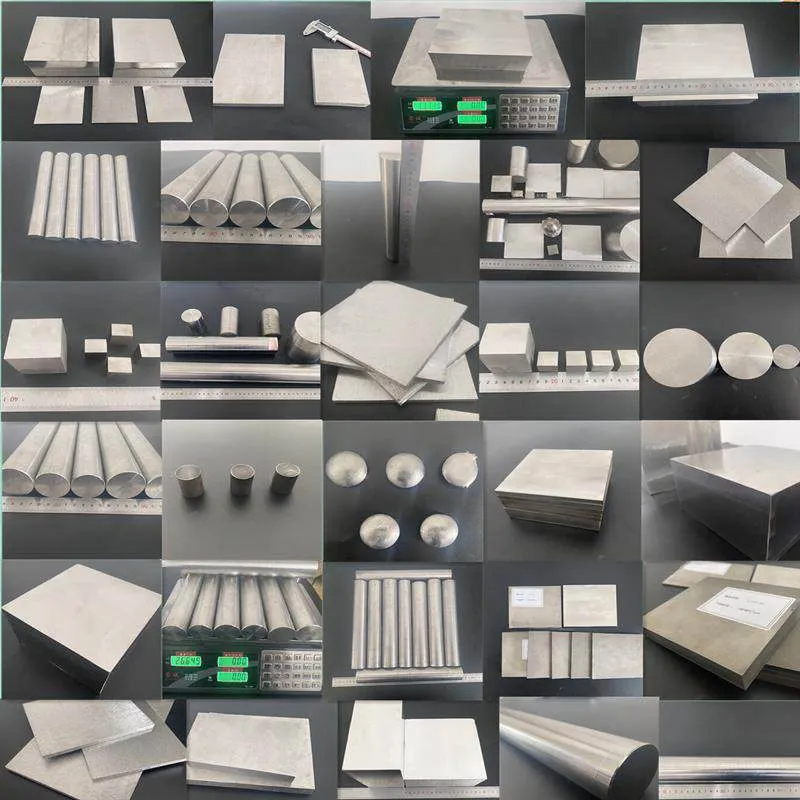
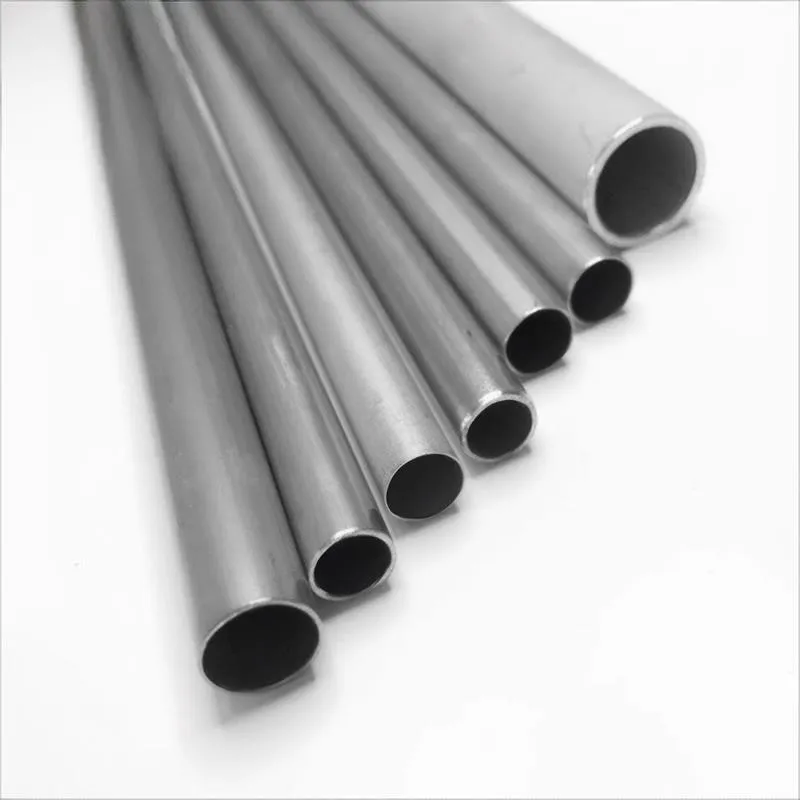
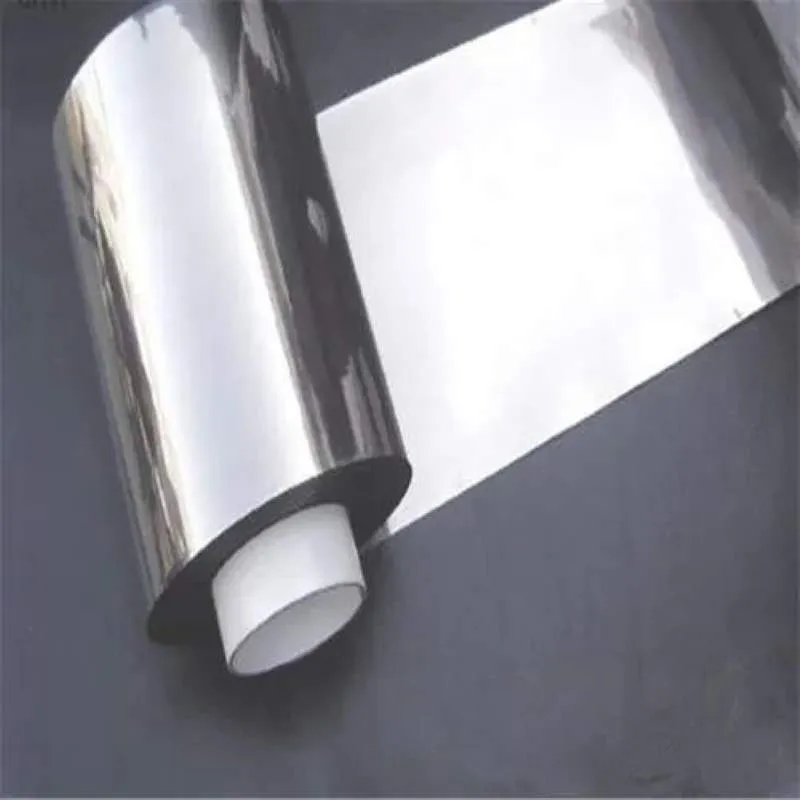
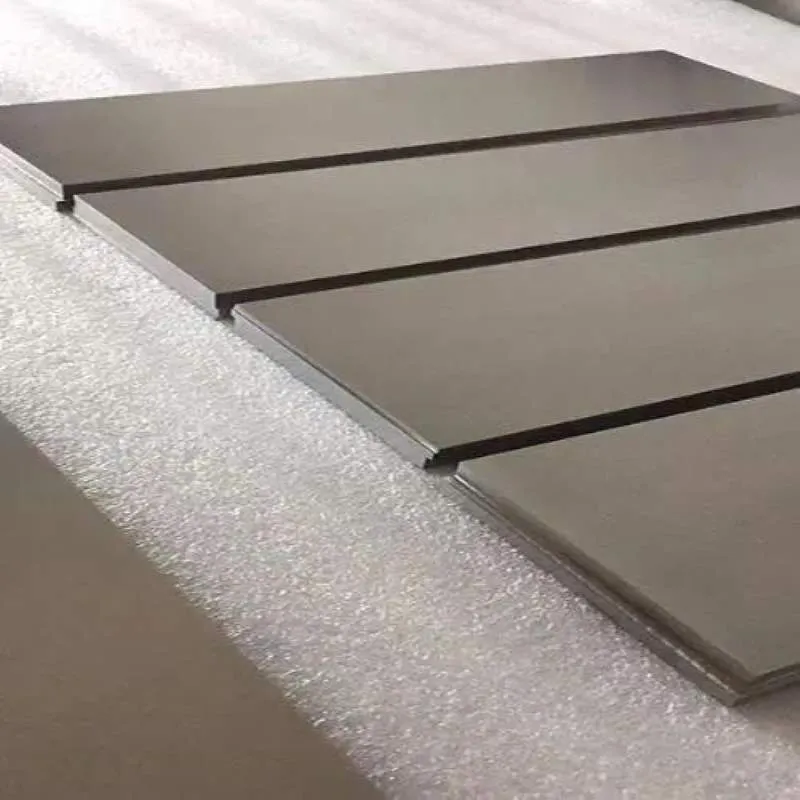
We provide AISI 1040 Steel, annealed at 790°C (1450°F) is available in Bar (Round bar, Flat bar), Ribbon, Wire, Rods, Tube,Seamless Tube,Pipe, Ingots, Plate, Sheet, Strip and Forging Stock.,Purity, chemical composition, size, etc. can all be customized to meet specific requirements.
Please contact us if you need customized services. We will contact you with the price and availability in 24 hours.
AISI 1040 Steel, annealed at 790°C (1450°F) Product Information
-:-
For detailed product information, please contact sales.
-:
AISI 1040 Steel, annealed at 790°C (1450°F) Synonyms
-:-
For detailed product information, please contact sales.
-:
AISI 1040 Steel, annealed at 790°C (1450°F) Product Information
-:-
For detailed product information, please contact sales.
-:
### **Product Introduction: AISI 1040 Steel, Annealed at 790°C (1450°F)**
**Overview**
AISI 1040 steel, processed through a full annealing treatment at 790°C (1450°F), represents the material in its softest, most ductile, and most dimensionally stable condition. This specific heat treatment is designed to produce a coarse, uniform microstructure by heating the steel into the austenite phase region followed by slow, controlled furnace cooling. The resulting product offers maximum machinability, excellent cold formability, and complete relief of internal stresses, making it the ideal starting material for complex manufacturing processes that require extensive material removal or shaping prior to final hardening.
---
#### **1. Chemical Composition (Nominal, Weight %)**
The composition adheres strictly to the AISI/SAE 1040 standard, ensuring predictable transformation behavior during the annealing cycle.
| Element | Carbon (C) | Manganese (Mn) | Phosphorus (P) max | Sulfur (S) max | Silicon (Si) | Iron (Fe) |
| :--- | :--- | :--- | :--- | :--- | :--- | :--- |
| **Content (%)** | 0.37 - 0.44 | 0.60 - 0.90 | 0.040 | 0.050 | 0.15 - 0.35 | Balance |
* **Metallurgical Significance for Annealing:**
* **Carbon (0.37-0.44%):** This hypoeutectoid carbon content ensures the formation of a microstructure comprising soft ferrite and pearlite upon annealing. The chosen temperature (790°C/1450°F) is typically above the Ac₃ line, ensuring complete austenitization for a homogeneous starting structure prior to slow cooling.
* **Manganese (0.60-0.90%):** Slows the transformation kinetics during cooling, allowing for the formation of coarser, softer microconstituents (pearlite) compared to faster cooling rates.
* **Silicon (0.15-0.35%):** Promotes graphitization tendency during very slow cooling, but in standard annealing of 1040, its primary role remains deoxidation for a clean, sound base metal.
---
#### **2. Physical & Mechanical Properties (Typical, Annealed at 790°C / 1450°F)**
*Annealing produces the softest possible state for this grade, optimizing it for manufacturability rather than final service strength.*
* **Hardness:** **~140-170 HB** (Approximately 78-85 HRB). This is the minimum achievable hardness for AISI 1040.
* **Tensile Strength (Ultimate):** 470 - 580 MPa (68 - 84 ksi)
* **Yield Strength (0.2% Offset):** 260 - 370 MPa (38 - 54 ksi)
* **Elongation (in 50mm / 2in):** 25% - 32% *(Maximum ductility for this grade)*
* **Reduction of Area:** 50% - 60%
* **Machinability:** **~75-80%** (Compared to 100% for AISI 1212). *Optimal for this steel.* The soft, coarse microstructure allows for high cutting speeds, low tool forces, excellent chip control, superior surface finish, and extended tool life.
* **Cold Formability:** **Excellent.** The low yield strength and high ductility make it suitable for significant cold bending, swaging, or other forming operations.
* **Microstructure:** Consists of **coarse ferrite and coarse pearlite (lamellar or partially spheroidized)**. The grain structure is equiaxed and uniform, free from the directional characteristics of rolled or cold-worked material.
* **Dimensional Stability:** Internal stresses from prior processing are completely eliminated, providing the highest level of stability for precision machining.
---
#### **3. Heat Treatment Process: Full Annealing**
Full annealing is a slow, controlled thermal process:
1. **Austenitizing:** The steel is heated uniformly to **790°C (1450°F)**, held to ensure complete transformation to austenite and temperature uniformity throughout the load.
2. **Slow Furnace Cooling:** The key differentiating factor from normalization. The steel is cooled slowly **inside the furnace** by turning off the heat or at a controlled rate (typically 10-30°C/hour) down to about 550°C (1020°F), after which it can be air cooled. This very slow cooling allows diffusion-driven transformation, resulting in the softest, most equilibrium microstructure.
* **Objective:** To achieve **maximum softness, ductility, and homogeneity** for ease of subsequent cold working or machining.
---
#### **4. Product Applications**
Annealed AISI 1040 is specified for manufacturing processes where ease of cutting or forming is the primary concern, and final properties will be imparted by a subsequent heat treatment.
* **Complex, High-Precision Machined Parts:** Intricate gears, splined shafts, valve bodies, and components with deep holes or thin walls that require extensive, stable machining with excellent surface finish.
* **Severe Cold Forming Operations:** Parts that require significant cold forging, extrusion, or deep drawing before final heat treatment.
* **Fastener Manufacturing:** Wire or rod for the cold heading of bolts, screws, and rivets, where extreme ductility is required to fill dies without cracking.
* **Tooling Blanks:** Base material for molds, dies, and fixtures that will be machined to intricate shapes before being hardened.
* **Prototyping and R&D:** Preferred state for machining prototype components due to its predictable and forgiving machining behavior.
* **Intermediate Processing State:** Used to soften material that has been work-hardened by previous cold drawing or cold forming, allowing for further processing.
---
#### **5. Relevant International Standards**
This condition is specified by referencing the base material standard and explicitly stating the annealed condition.
* **ASTM (USA):**
* **ASTM A29/A29M:** Standard Specification for Steel Bars, Carbon and Alloy, Hot-Wrought and Cold-Finished. The condition is specified as "Annealed" (A).
* ASTM A576: May include annealing requirements.
* **SAE (USA - Automotive):** **SAE J403, J412** (Grade 1040). Condition is a supplementary callout.
* **UNS (Unified Numbering System):** **G10400**
* **ISO (International):**
* **ISO 683-1:** Heat-treatable steels... Part 1: Non-alloy steels for quenching and tempering. Condition "A" (Annealed) is a standard option.
* **DIN (Germany):** **DIN EN 10083-2:** Steels for quenching and tempering (Material **C40E / 1.1186**). Supplied in condition **+A** (Annealed).
* **JIS (Japan):** JIS G4051 (S40C). Commonly available in annealed condition.
---
#### **6. Key Advantages & Considerations**
* **Advantages:**
* **Unmatched Machinability:** Provides the best possible cutting conditions for AISI 1040, minimizing production time, tool cost, and power consumption.
* **Maximum Ductility and Formability:** Enables severe cold forming operations that would be impossible with harder conditions.
* **Superior Dimensional Stability:** The stress-free state virtually eliminates distortion during and after machining, crucial for holding tight tolerances.
* **Uniform Microstructure:** Creates a perfectly homogeneous starting point for any subsequent heat treatment (e.g., carburizing, through-hardening), ensuring consistent and predictable results.
* **Considerations:**
* **Low As-Supplied Strength:** The material is not suitable for any structural application in this soft state. It is purely a processing condition.
* **Mandatory Final Heat Treatment:** A secondary hardening process (quenching & tempering, case hardening) is **always required** to develop useful service properties.
* **Higher Cost:** The additional thermal processing adds cost compared to as-rolled material.
* **Potential for Excessive Softness:** For some machining operations, the material can become "gummy," leading to built-up edge on tools if cutting parameters are not optimized.
**In summary, AISI 1040 annealed at 790°C (1450°F) is a process-optimized material condition. It represents a strategic investment in manufacturability, sacrificing initial strength to achieve unparalleled ease of machining and forming, thereby reducing total manufacturing cost and risk for complex components destined for final hardening.**
-:-
For detailed product information, please contact sales.
-:
AISI 1040 Steel, annealed at 790°C (1450°F) Specification
Dimensions
Size:
Diameter 20-1000 mm Length <6094 mm
Size:We can customized as required
Standard:
Per your request or drawing
We can customized as required
Properties(Theoretical)
Chemical Composition
-:-
For detailed product information, please contact sales.
-:
AISI 1040 Steel, annealed at 790°C (1450°F) Properties
-:-
For detailed product information, please contact sales.
-:
Applications of AISI 1040 Steel, annealed at 790°C (1450°F)
-:-
For detailed product information, please contact sales.
-:
Chemical Identifiers AISI 1040 Steel, annealed at 790°C (1450°F)
-:-
For detailed product information, please contact sales.
-:
Packing of AISI 1040 Steel, annealed at 790°C (1450°F)
-:-
For detailed product information, please contact sales.
-:
Standard Packing:
-:-
For detailed product information, please contact sales.
-:
Typical bulk packaging includes palletized plastic 5 gallon/25 kg. pails, fiber and steel drums to 1 ton super sacks in full container (FCL) or truck load (T/L) quantities. Research and sample quantities and hygroscopic, oxidizing or other air sensitive materials may be packaged under argon or vacuum. Solutions are packaged in polypropylene, plastic or glass jars up to palletized 2565 gallon liquid totes Special package is available on request. E FORUs’ is carefully handled to minimize damage during storage and transportation and to preserve the quality of our products in their original condition